Animal recognition Addition & Subtraction Worksheets for Ages 3-8 - Page 4
99 filtered results
-
From - To
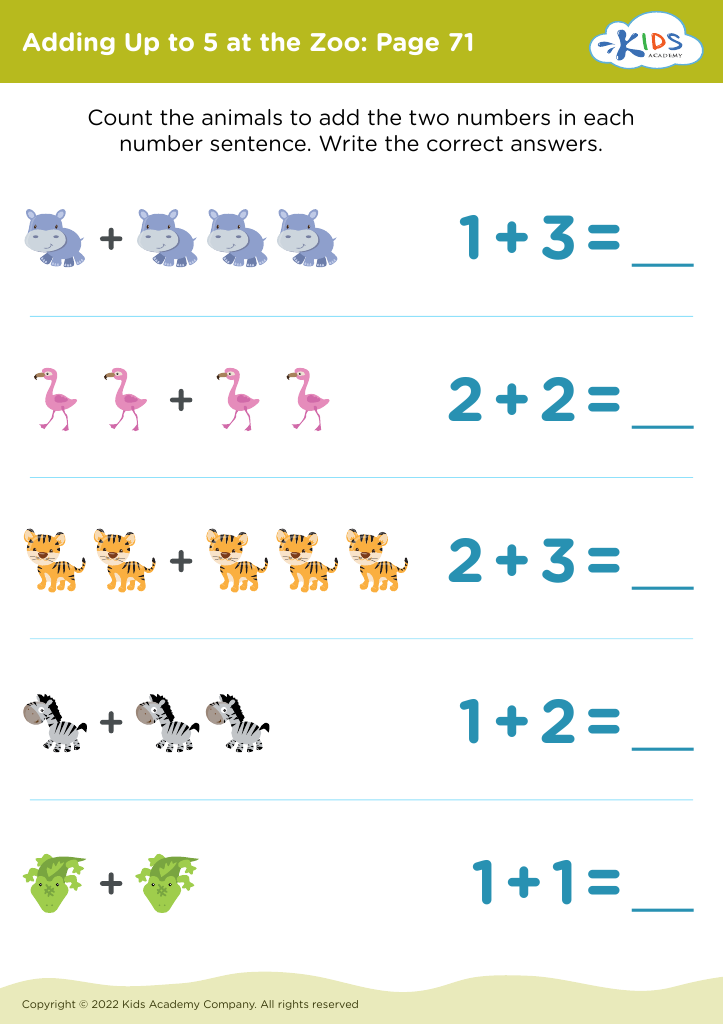
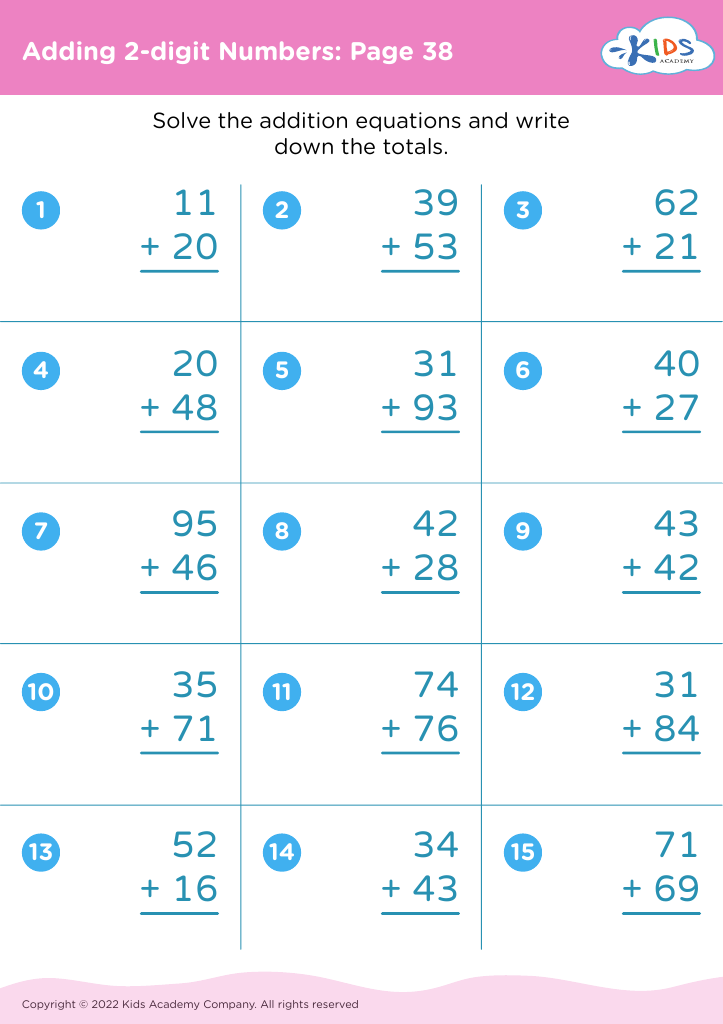
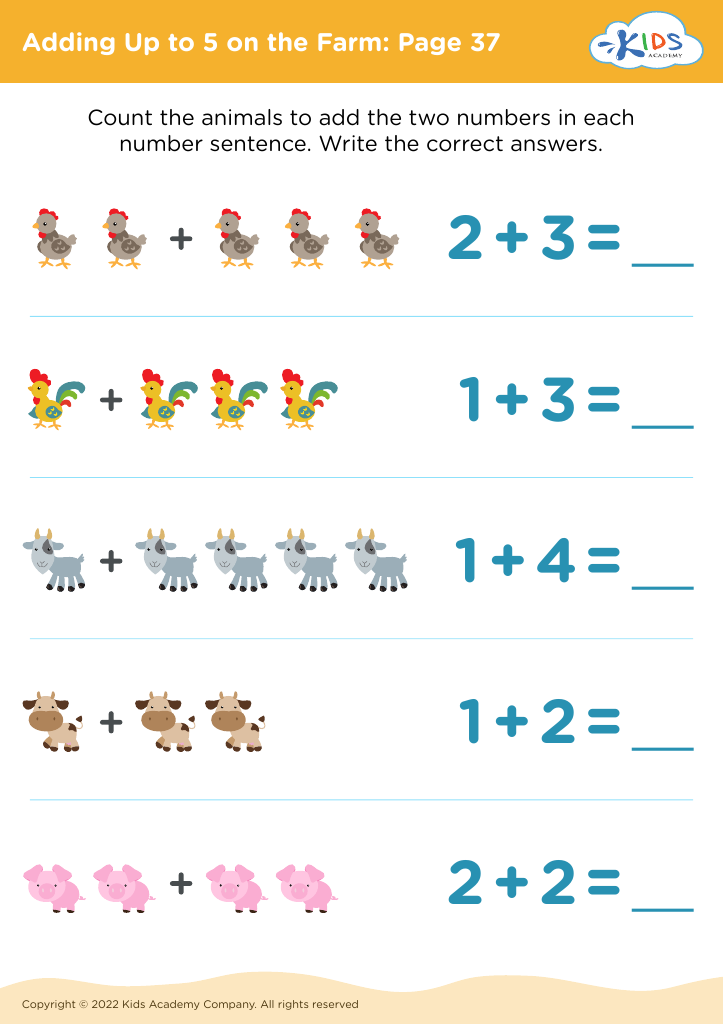
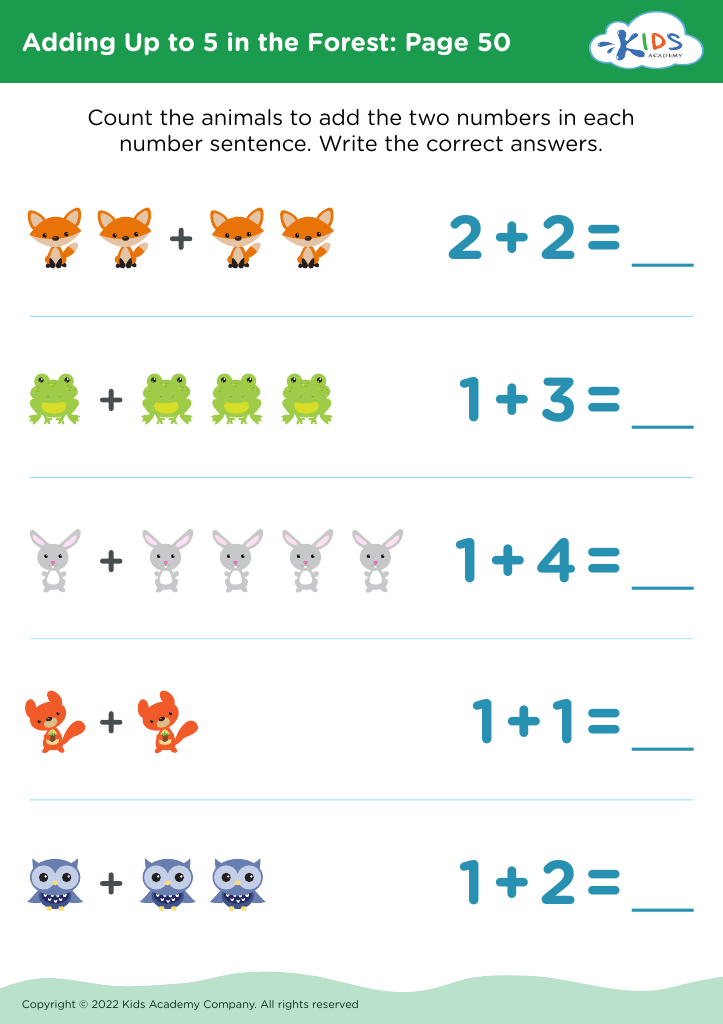
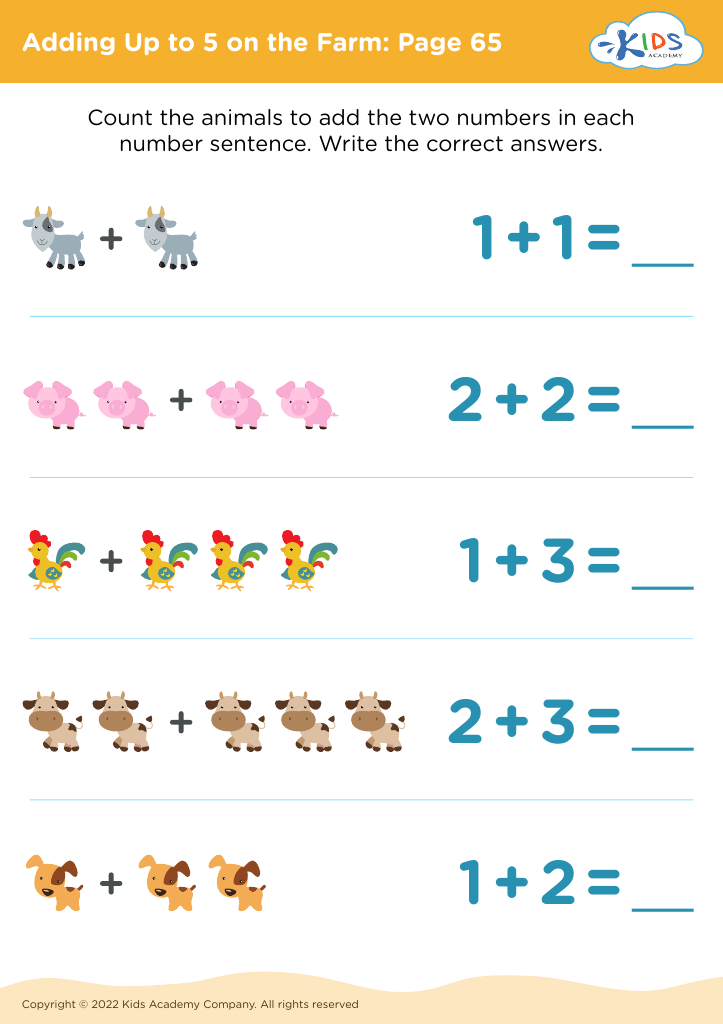
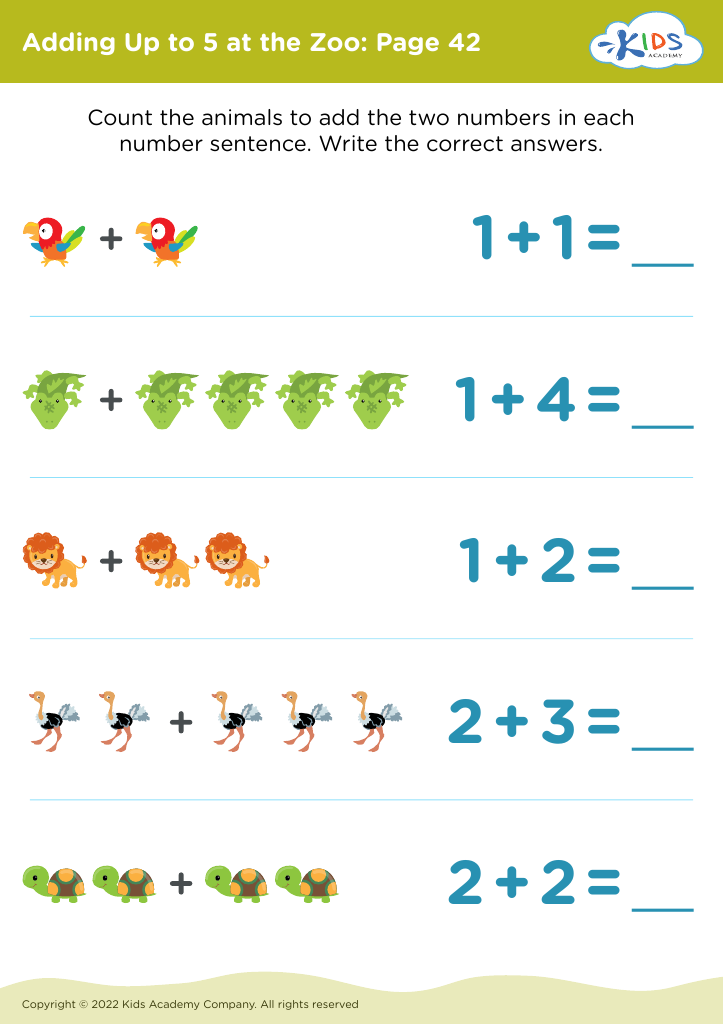
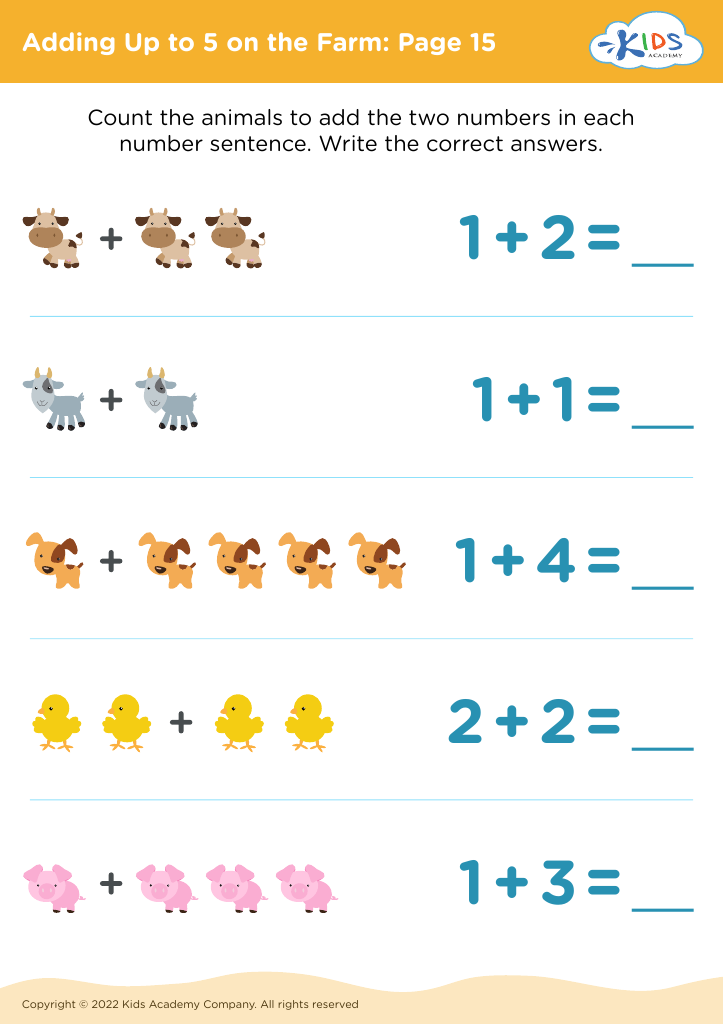
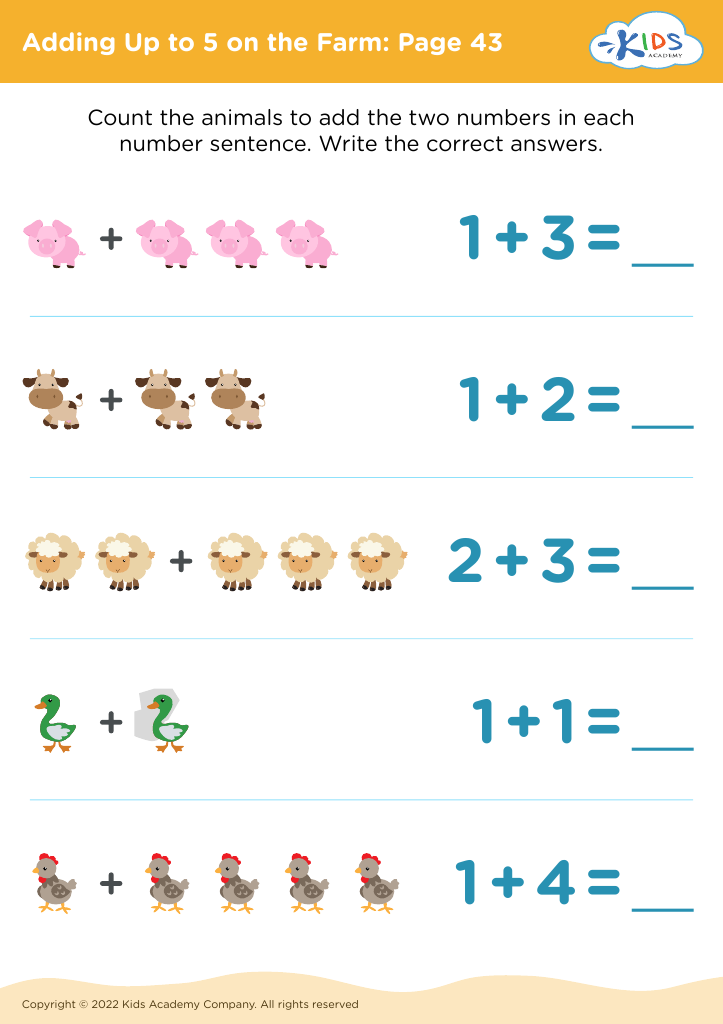
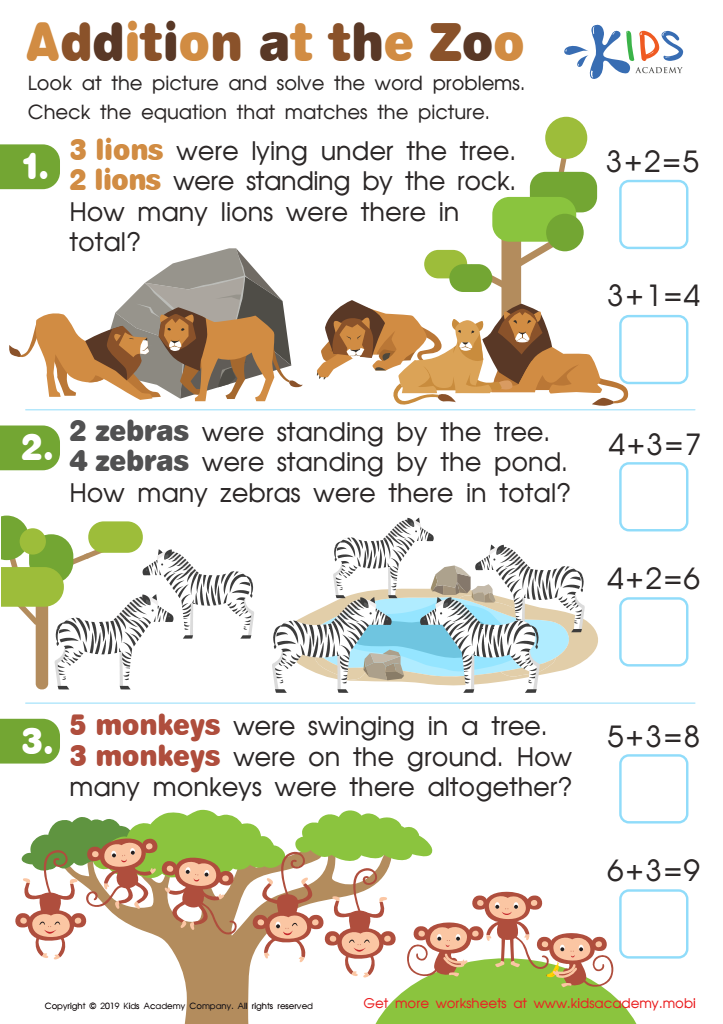
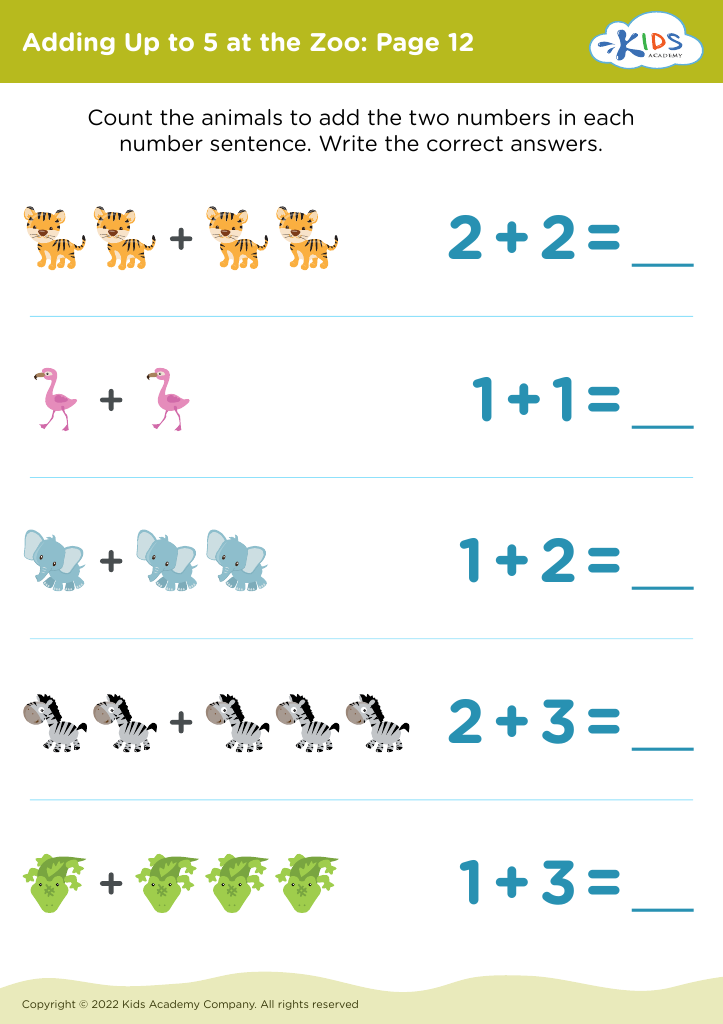
Addition at the Zoo Worksheet
 Assign to My Students
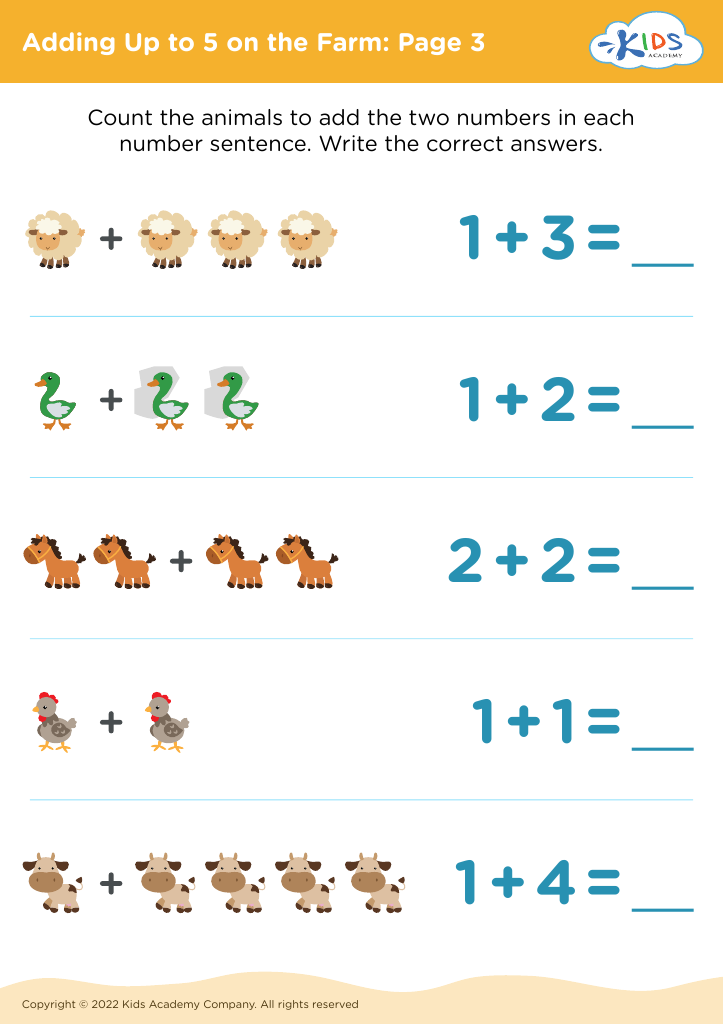
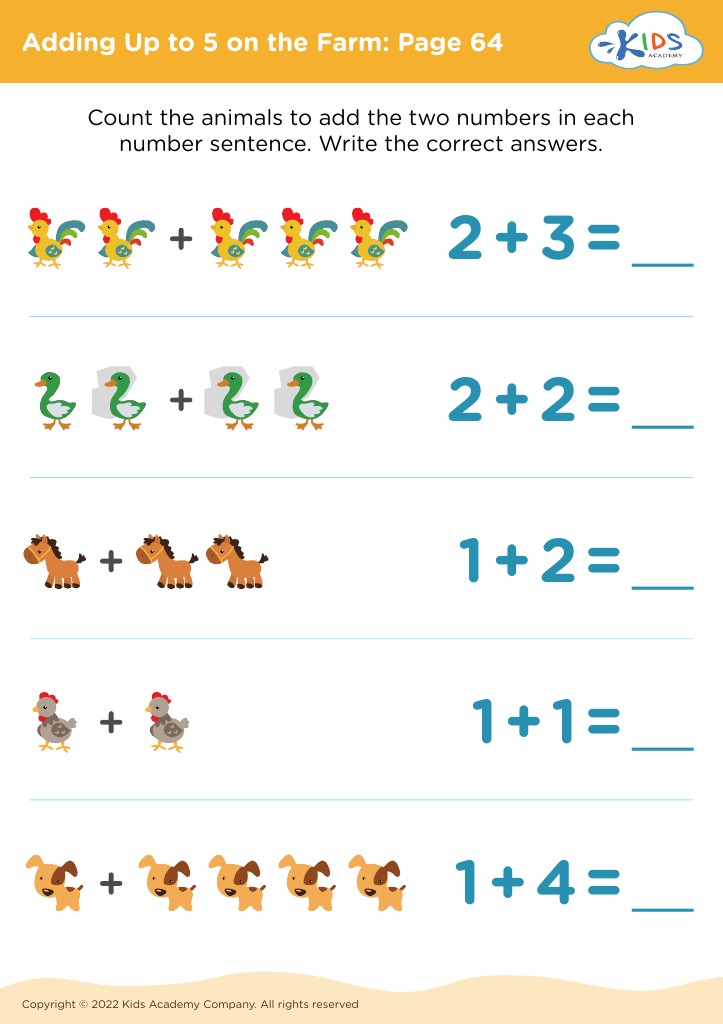
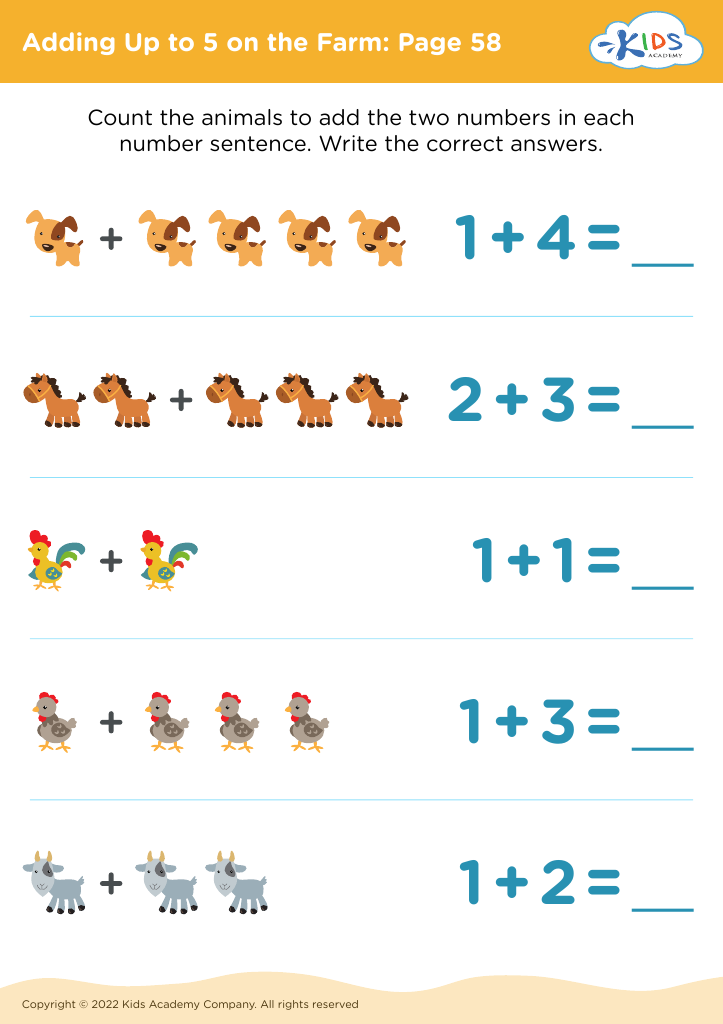
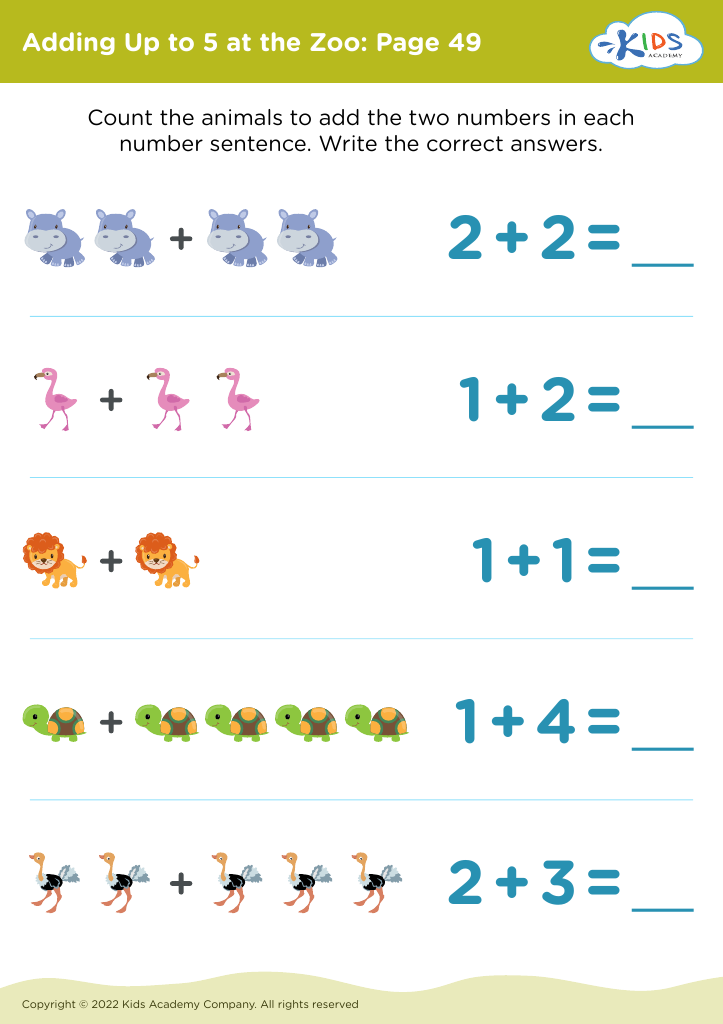
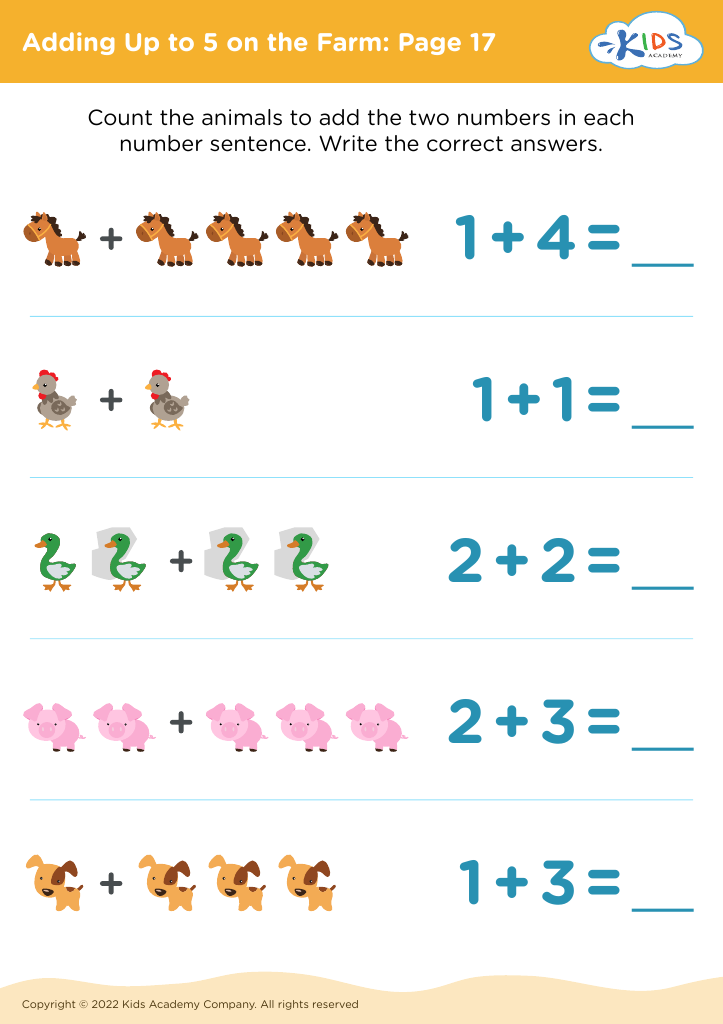
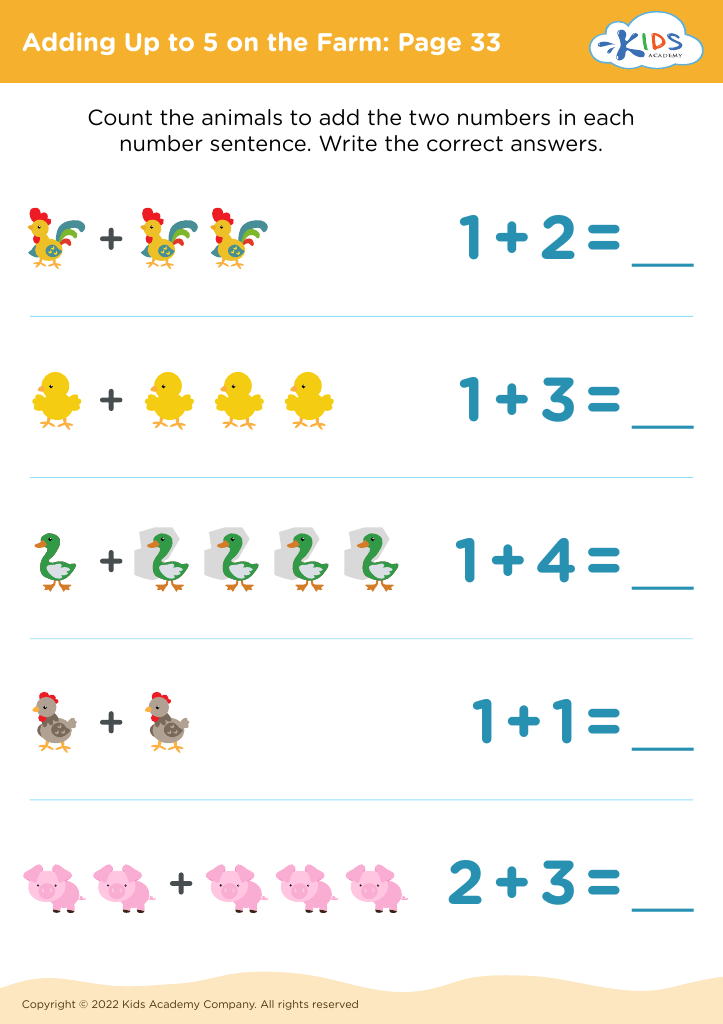
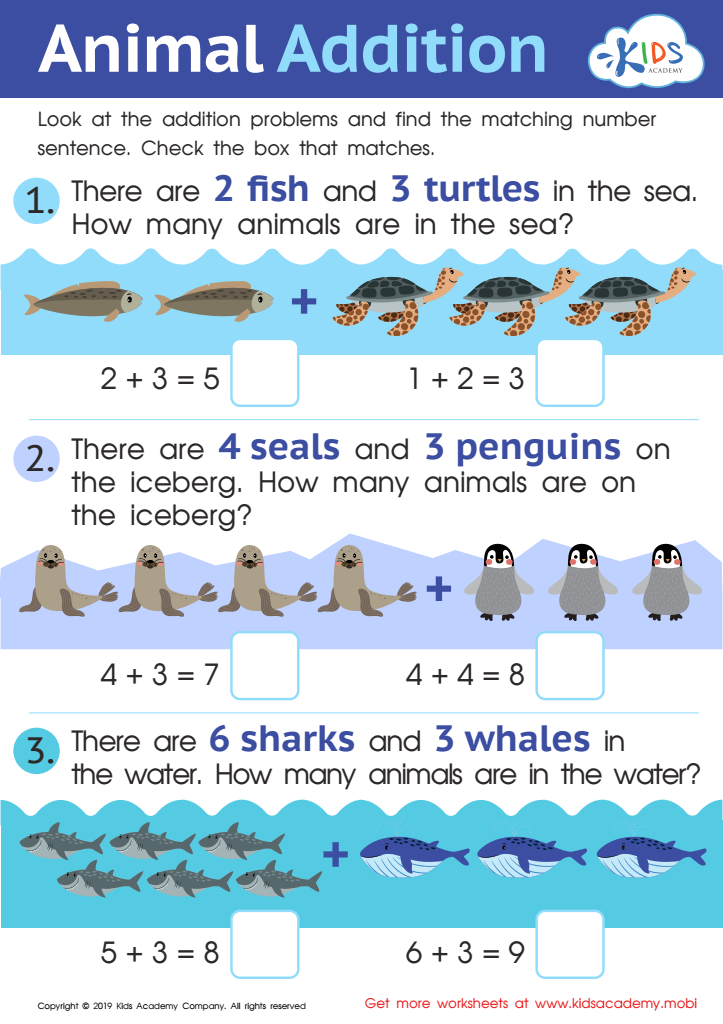
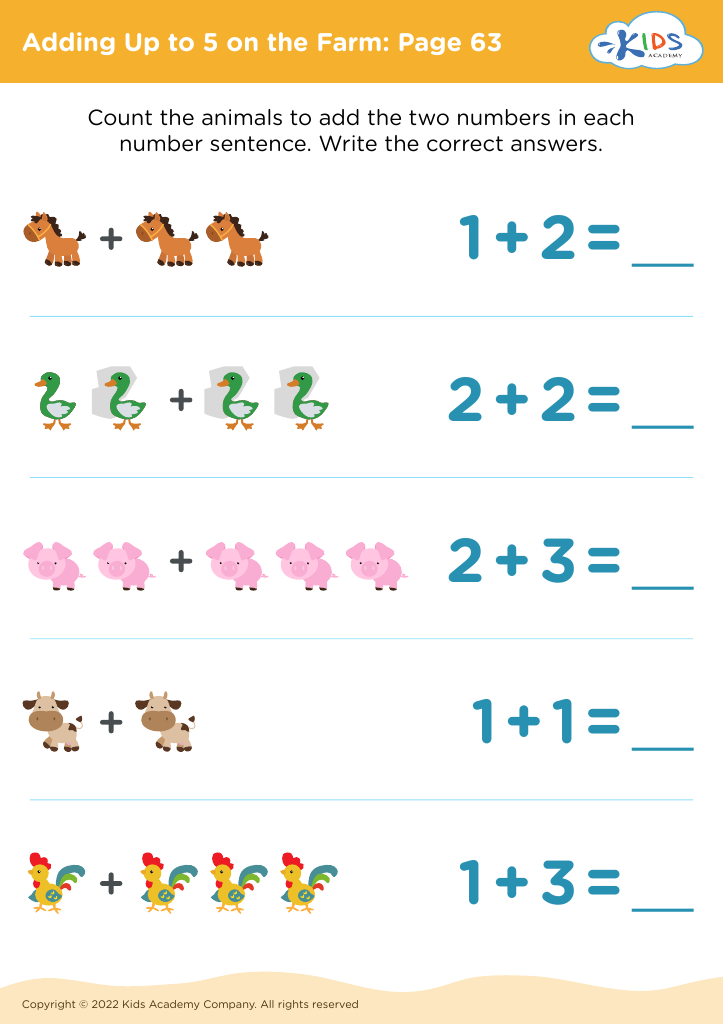
Animal Addition Worksheet
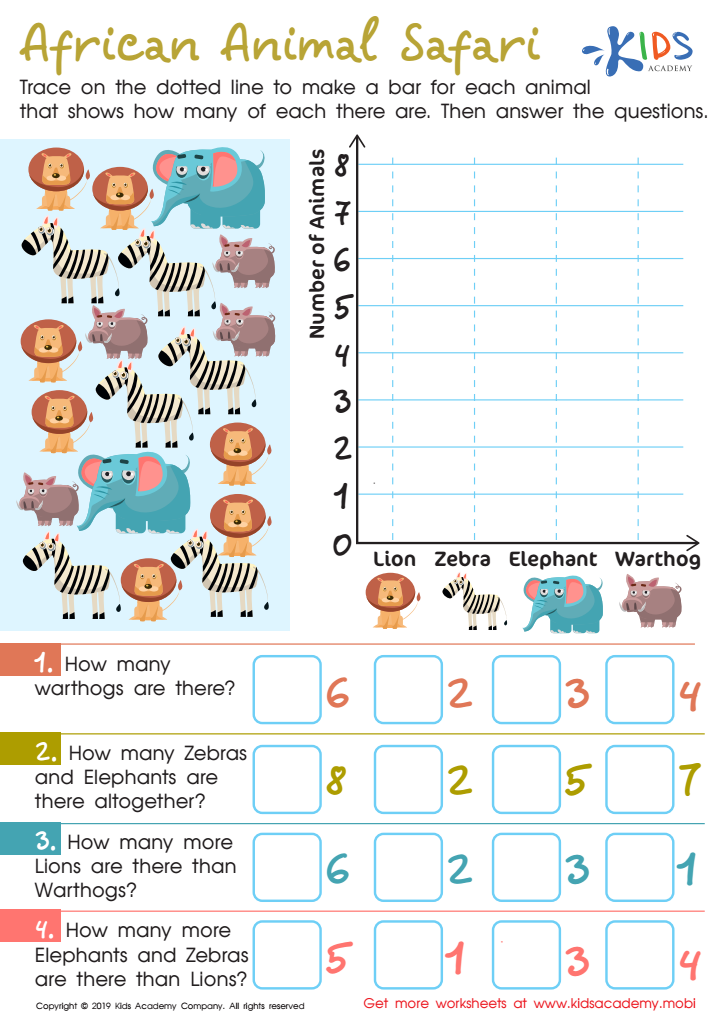
African Animal Safari Worksheet
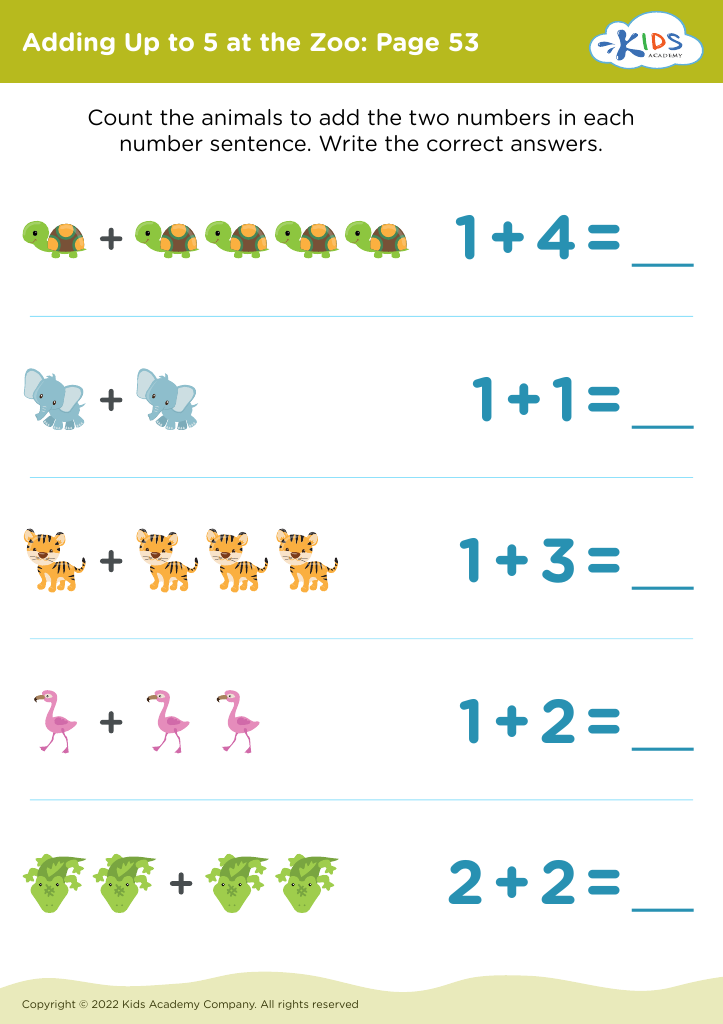
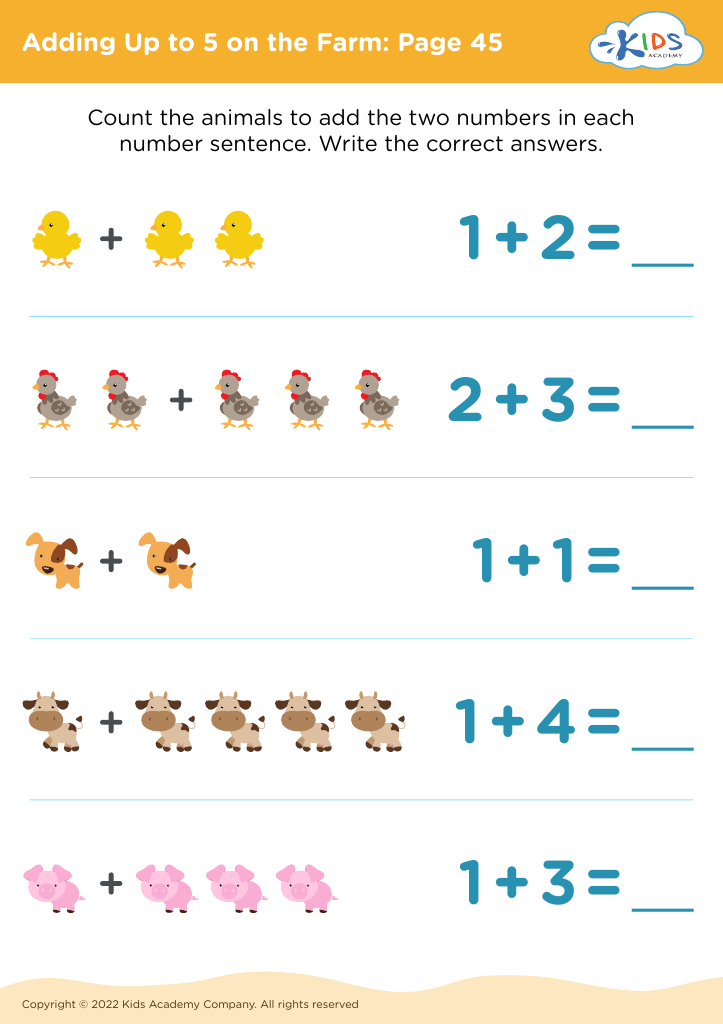
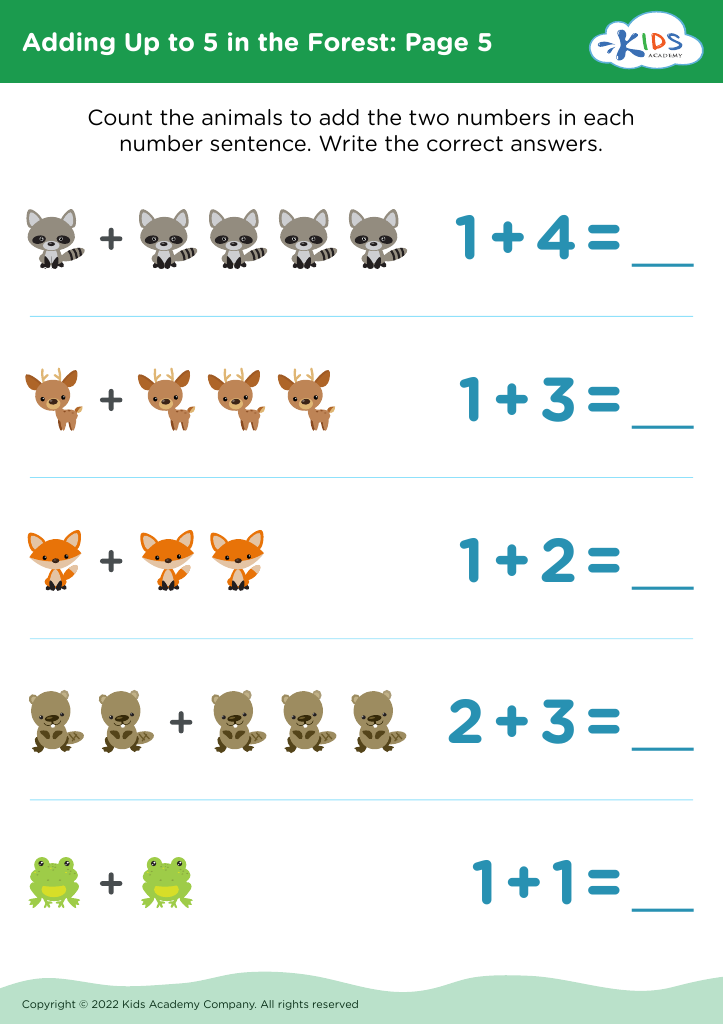
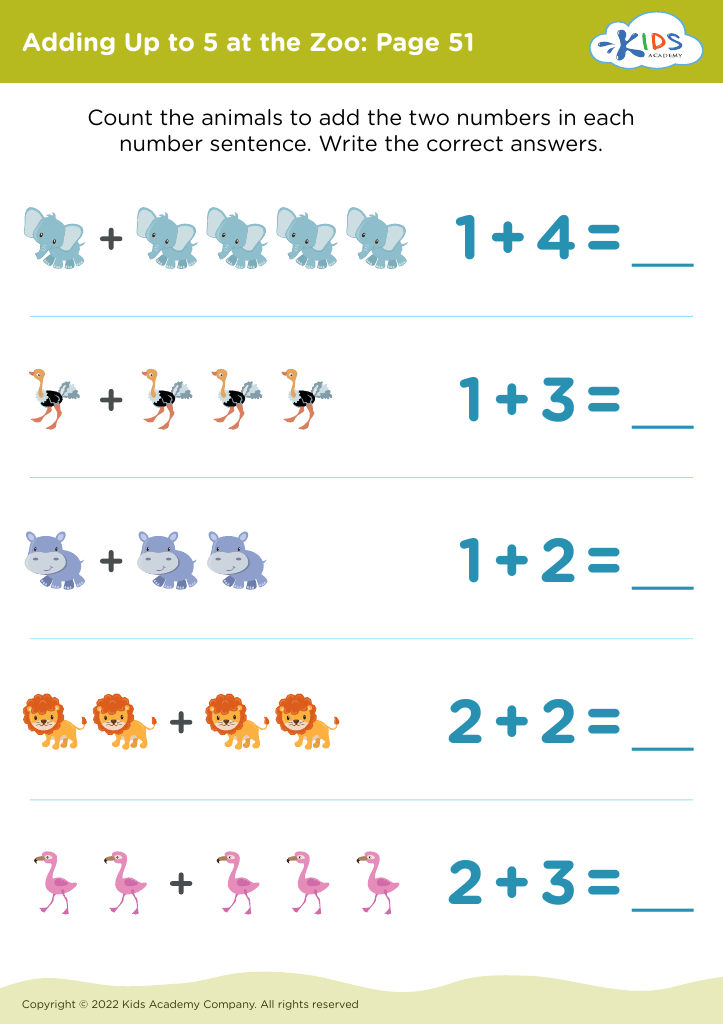
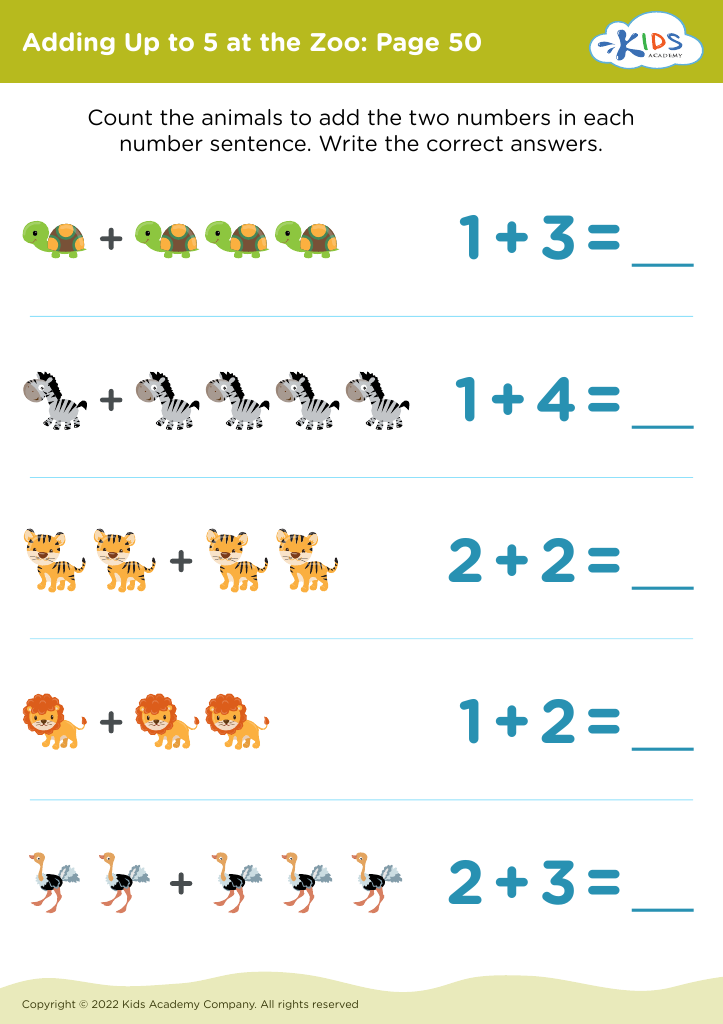








Parents and teachers should place importance on teaching animal recognition alongside addition and subtraction for children aged 3-8 because it embodies the combination of foundational mathematical skills and crucial cognitive development. At this pivotal age, the brain is rapidly developing, and integrating familiar, engaging concepts like animals with early math education makes the learning process enjoyable and compelling for young minds. Recognizing animals reinforces memory and categorization skills, while addition and subtraction lay the groundwork for all future math education.
Animals naturally captivate children’s interest and can serve as effective visual aids in math lessons. For instance, using visuals like pictures or toys of lions, elephants, and other animals to demonstrate adding or subtracting quantities transforms abstract numbers into graspable, fun exercises. This multisensory approach caters to various learning styles, be they visual, auditory, or kinesthetic.
Furthermore, coupling animal recognition with basic arithmetic demonstrates practical application, showing children that math is not just a subject isolated to the classroom but a part of the real world around them. This interconnected learning promotes problem-solving skills and analytical thinking from a young age, instilling confidence and a positive attitude toward education. In short, it leverages their natural curiosity and enjoyment to foster a well-rounded foundation.








