Fraction conversion Addition & Subtraction Worksheets for Ages 3-8
3 filtered results
-
From - To
Discover our engaging Fraction Conversion Addition & Subtraction Worksheets designed specifically for children aged 3-8. These worksheets provide a fun and interactive way to help young learners grasp the concepts of fractions through addition and subtraction. With colorful visuals and age-appropriate exercises, children will build confidence in their math skills while enjoying hands-on activities. Ideal for both classroom and home learning, our resources cater to various learning styles, making fraction conversions accessible and enjoyable for all. Join us in fostering a solid mathematical foundation for your child—download our worksheets today and watch them thrive in their mathematical journey!
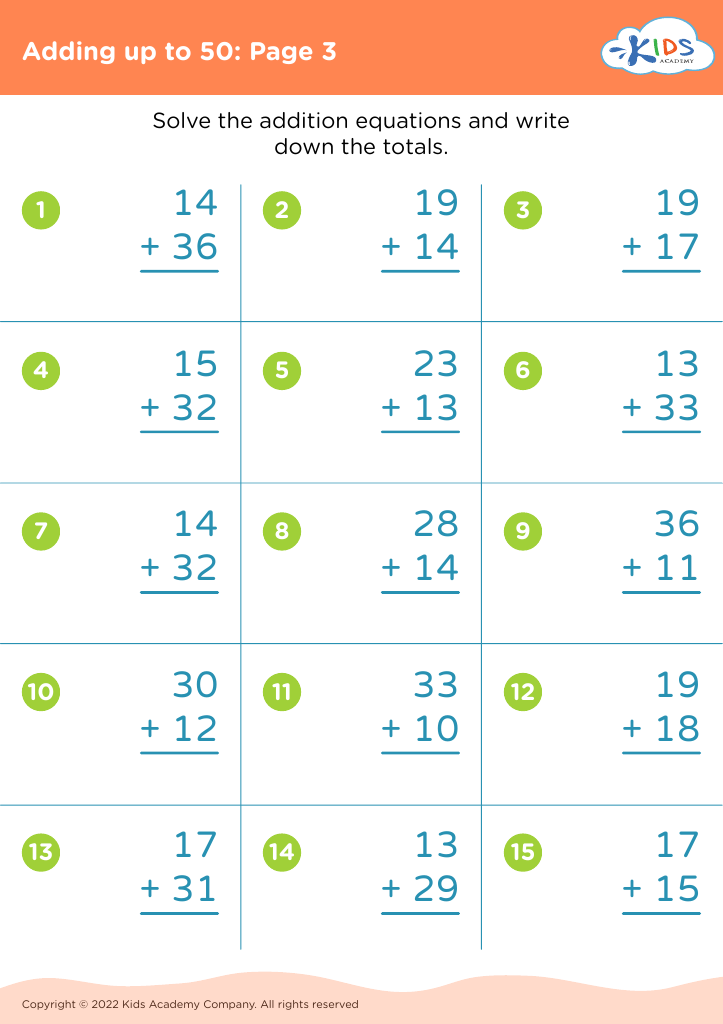
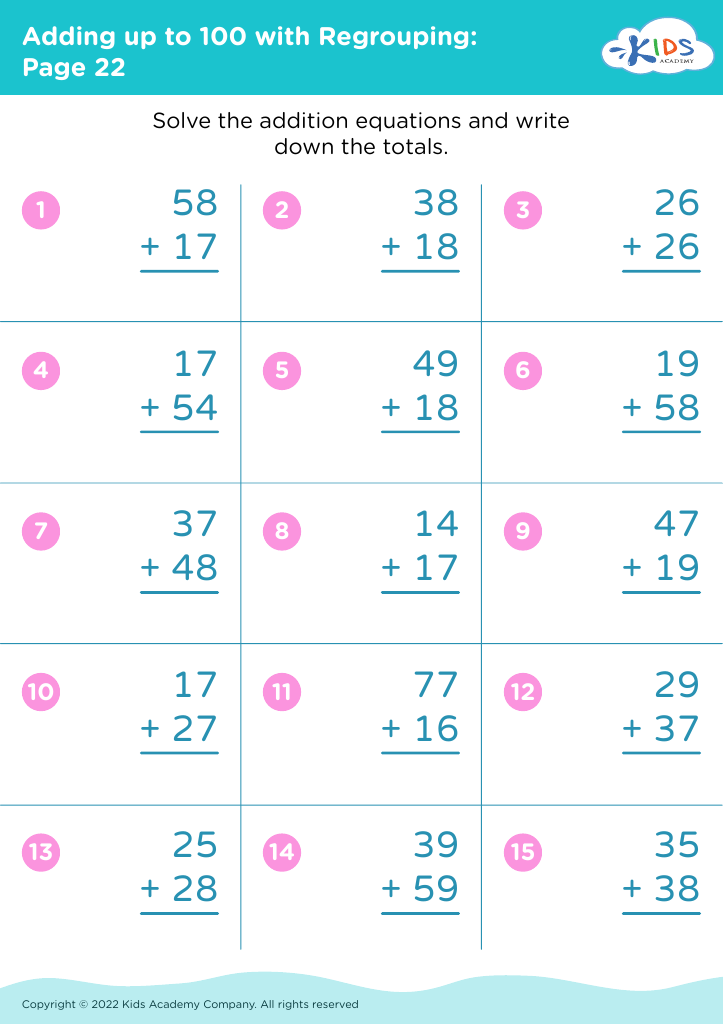
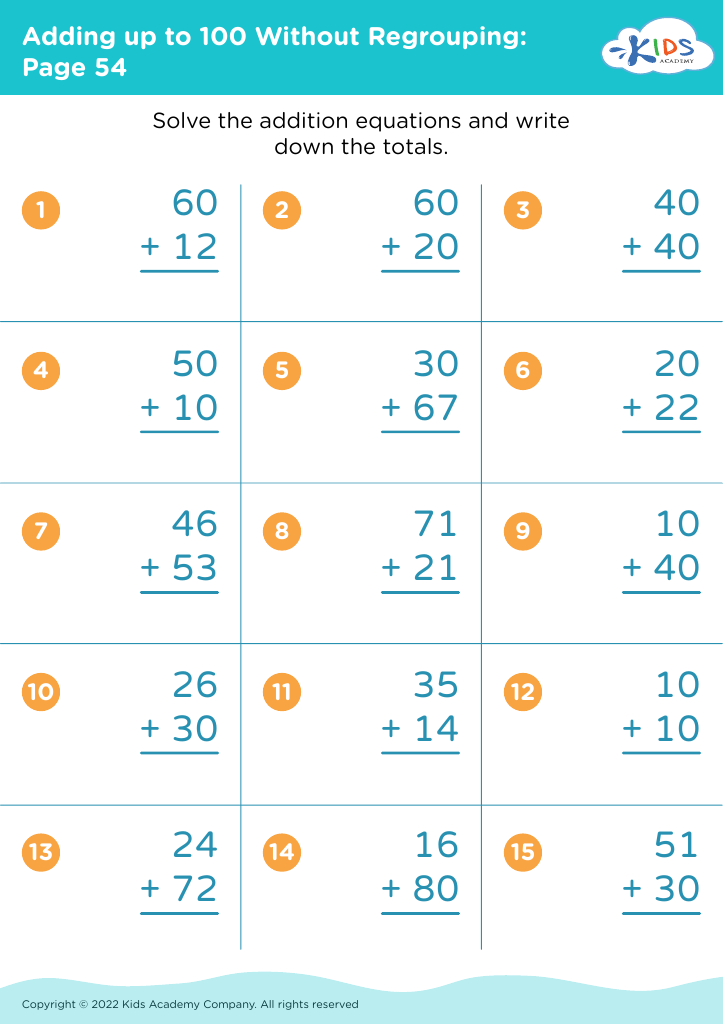








Fraction conversion, addition, and subtraction are foundational mathematical skills that significantly benefit children aged 3-8. At this age, children develop essential numeracy skills, which provide the building blocks for more complex mathematics later on. Understanding fractions is crucial, as it helps them comprehend part-whole relationships, an idea they encounter in everyday life, such as in sharing food or understanding portions.
When parents or teachers emphasize fraction concepts, they cultivate critical thinking and problem-solving skills. Engaging with fractions enhances children's ability to visualize and manipulate numbers, encouraging a deeper understanding of mathematics rather than mere memorization. Furthermore, mastering these concepts fosters confidence in young learners, setting a positive attitude toward math that can last a lifetime.
Incorporating fun, interactive activities such as cutting fruits, measuring ingredients, or using visual aids can make learning about fractions enjoyable. Such experiences also provide opportunities for discussions, improving language skills and promoting socio-emotional development. By caring about and involving children in fraction activities, parents and teachers lay the groundwork for academic success, ensuring children are well-prepared for future challenges in math and beyond. Investing in these skills informs a child's journey toward becoming proficient, confident learners.








