Identify shapes Addition & Subtraction Worksheets for Ages 3-8
10 filtered results
-
From - To
Discover a fun and engaging way for children aged 3 to 8 to enhance their math skills with our "Identify Shapes Addition & Subtraction Worksheets." These worksheets combine geometry with basic arithmetic, helping kids identify shapes while practicing addition and subtraction. Designed to capture young learners' attention, our colorful and interactive worksheets make math enjoyable, promoting essential skills in a playful manner. Perfect for classrooms or at-home learning, these resources support foundational math knowledge while fostering shape recognition. Join your child on this exciting educational journey as they build confidence and competence in math with our expertly crafted worksheets!
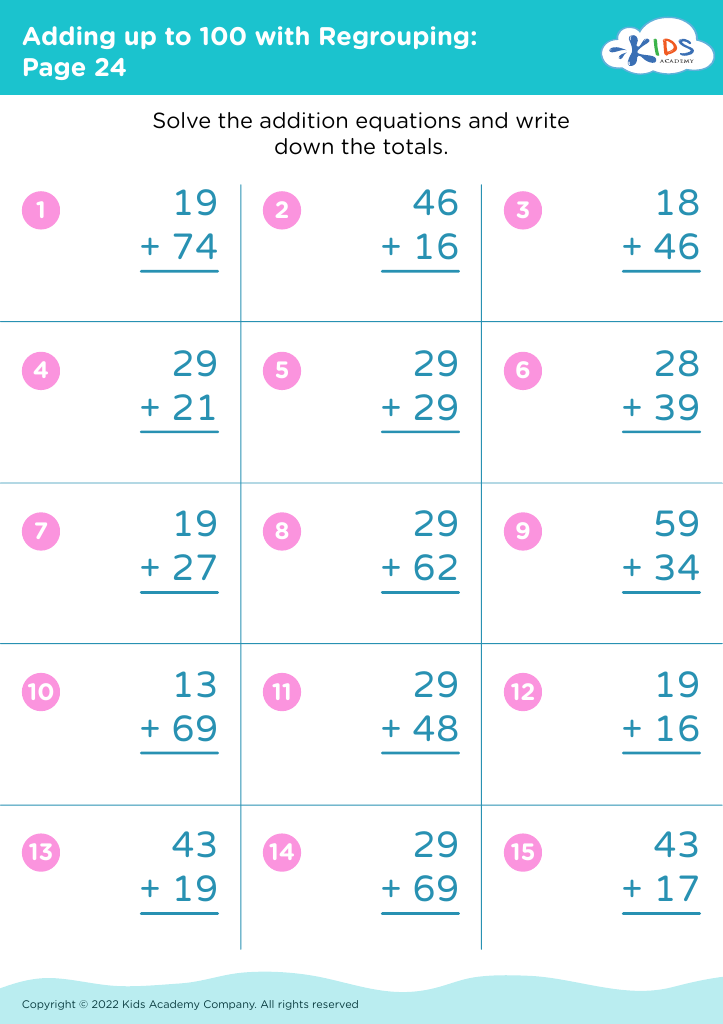
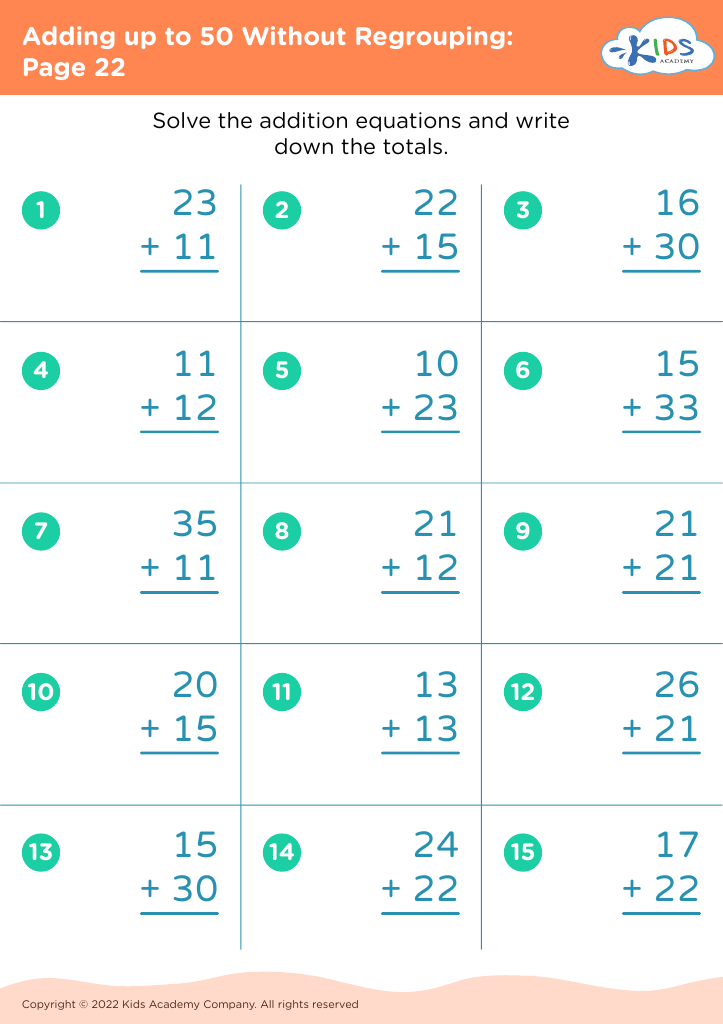
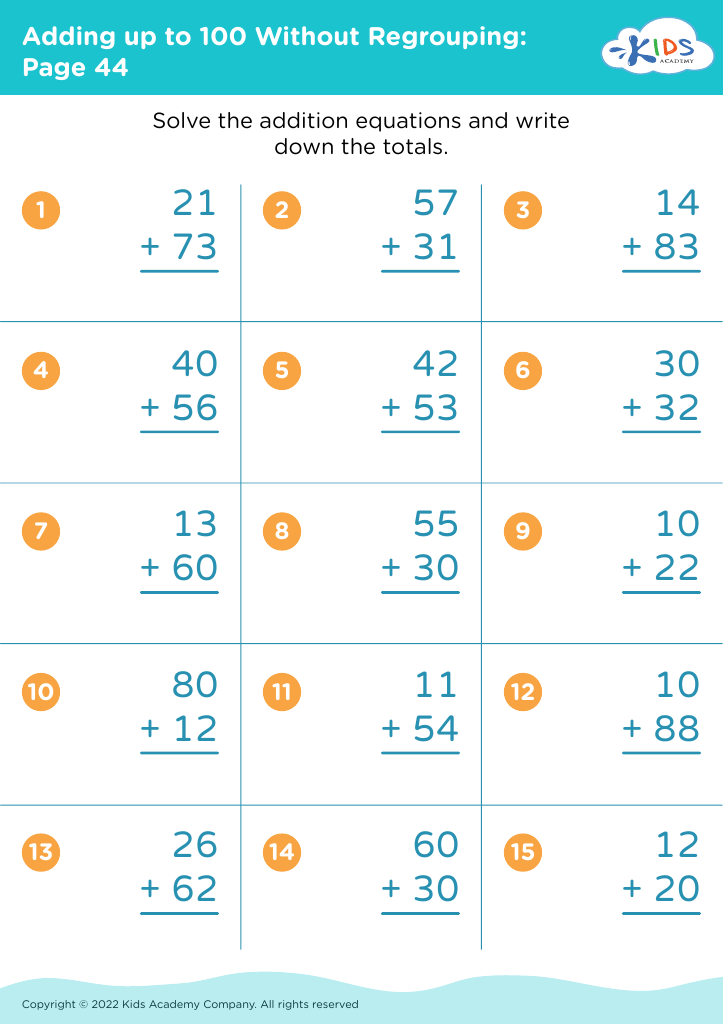
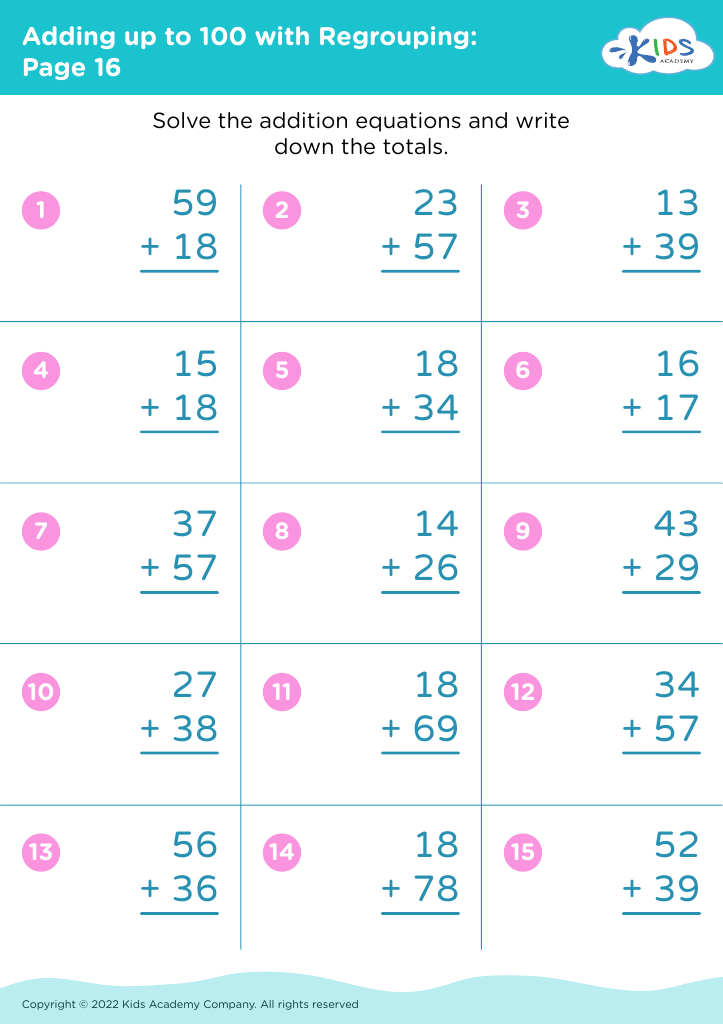
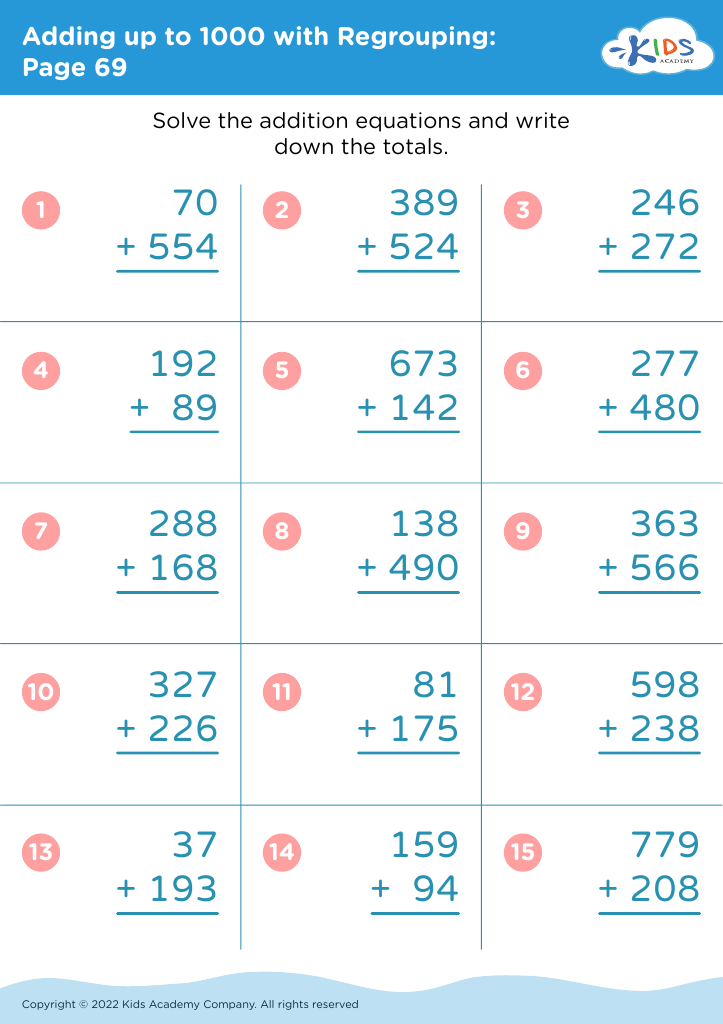
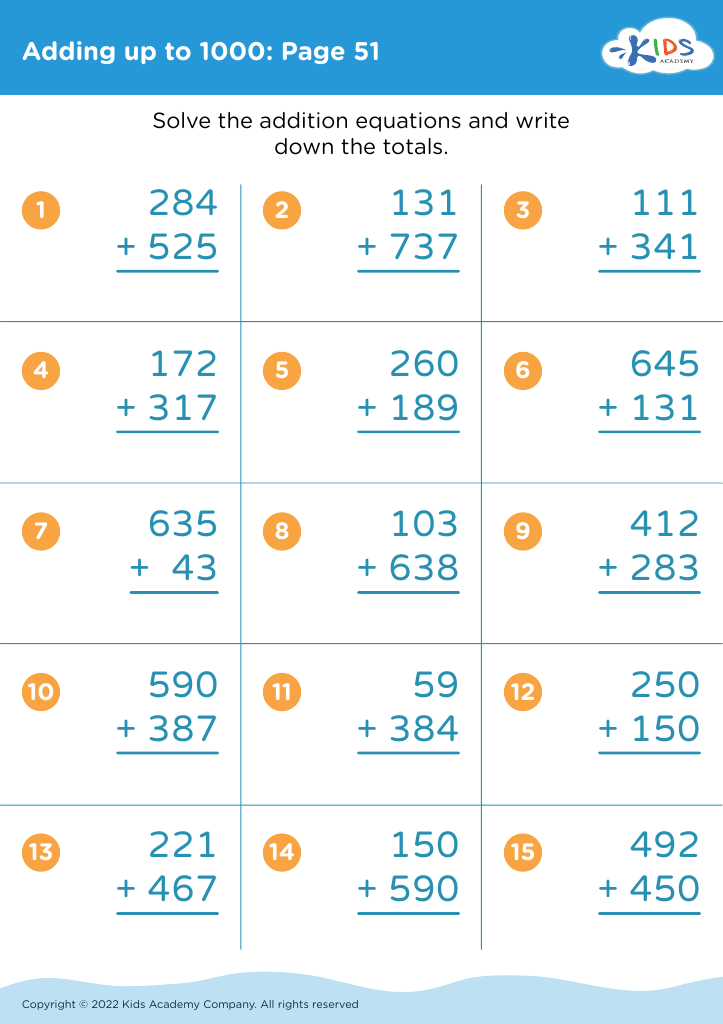
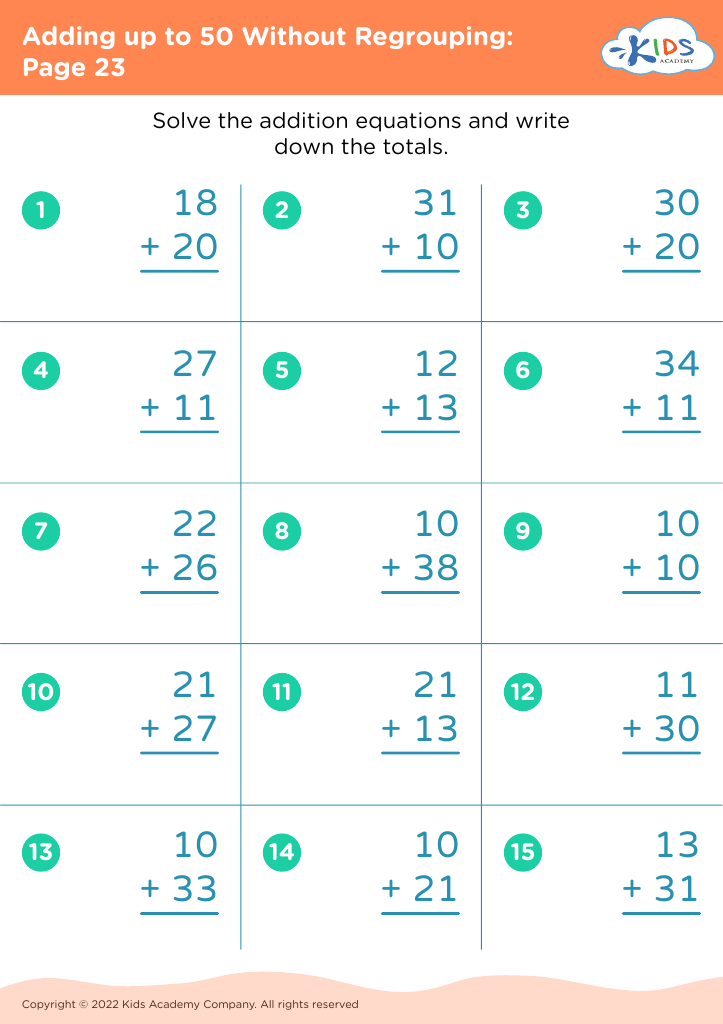
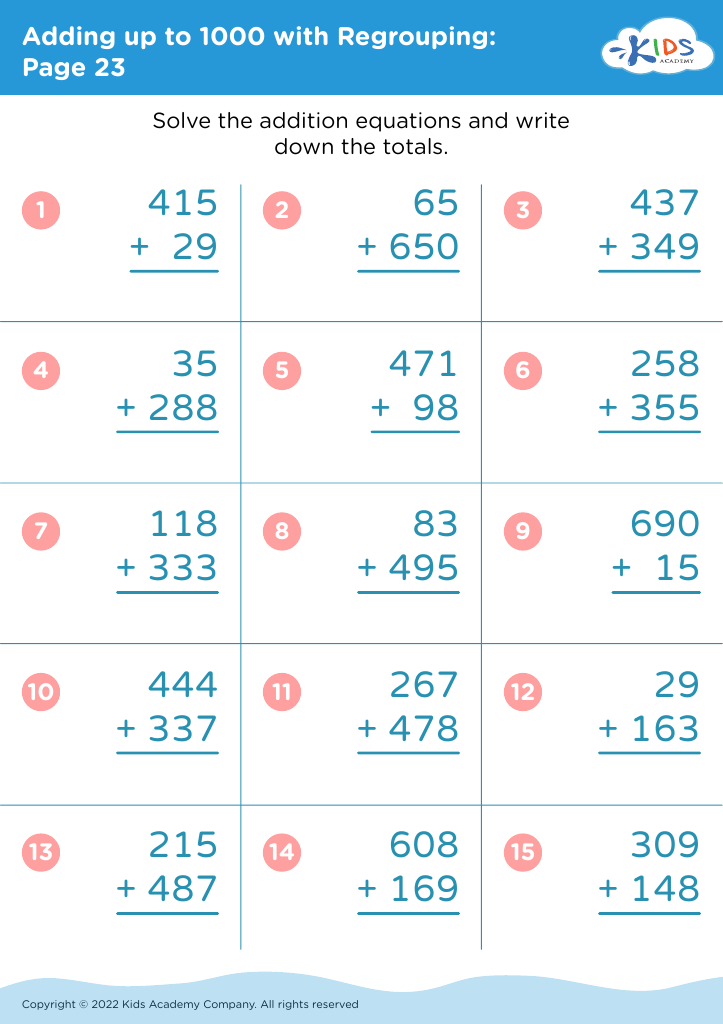
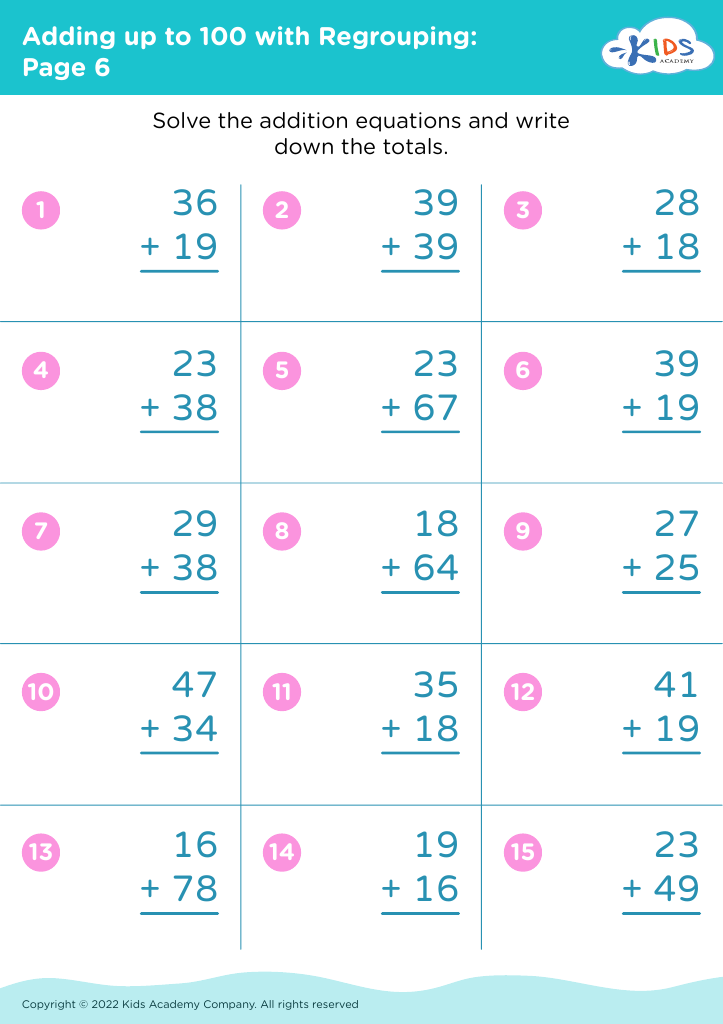
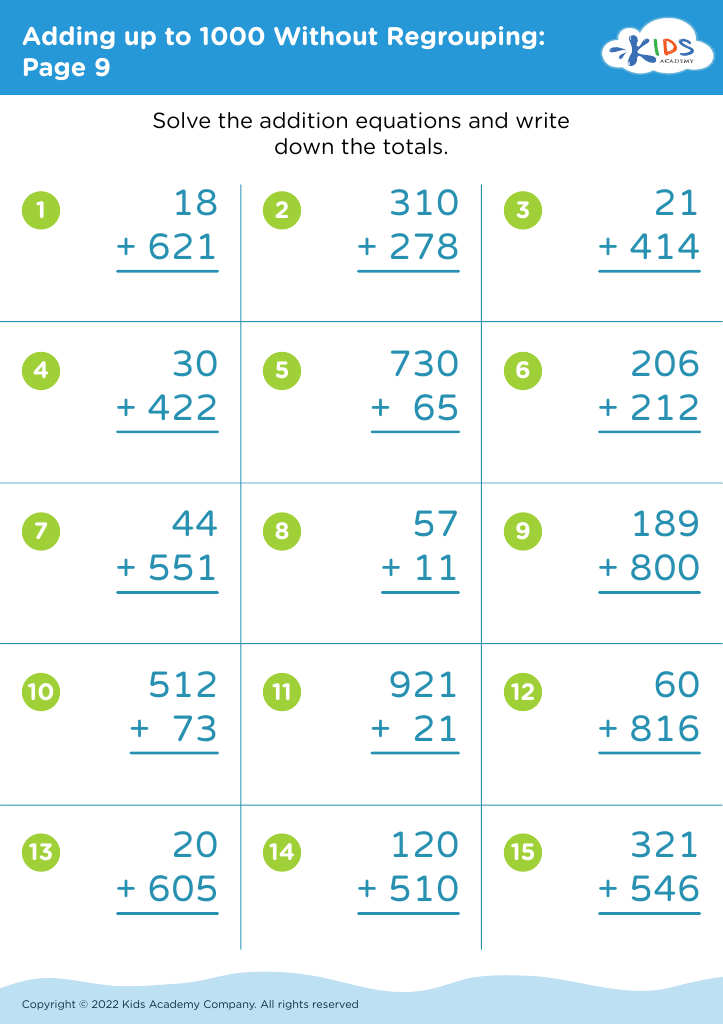








Parents and teachers should prioritize teaching shape identification, addition, and subtraction to children aged 3-8 because these foundational skills are crucial for overall cognitive development. Recognizing shapes helps young learners understand spatial relationships, enhances their ability to categorize objects, and lays the groundwork for more complex mathematical concepts. For instance, when children identify shapes, they develop critical observational skills and improve their language abilities by learning shape vocabulary, which supports broader communication skills.
Addition and subtraction foster early number sense, enabling children to manipulate numbers and understand basic mathematical relationships. Encouraging these skills through engaging activities like counting objects, using visual aids, or incorporating games ensures that math feels fun rather than intimidating. By mastering these essential concepts at an early age, children can build confidence in their mathematical abilities, making them more willing to tackle advanced topics in the future.
Incorporating shape identification and arithmetic into daily routines not only supports academic growth but also nurtures problem-solving skills, logical thinking, and perseverance. Ultimately, when parents and teachers actively engage children in these areas, they are setting the stage for lifelong learning and success in mathematics and beyond.








