Improve reading skills Addition & Subtraction Worksheets for Ages 3-8 - Page 2
29 filtered results
-
From - To
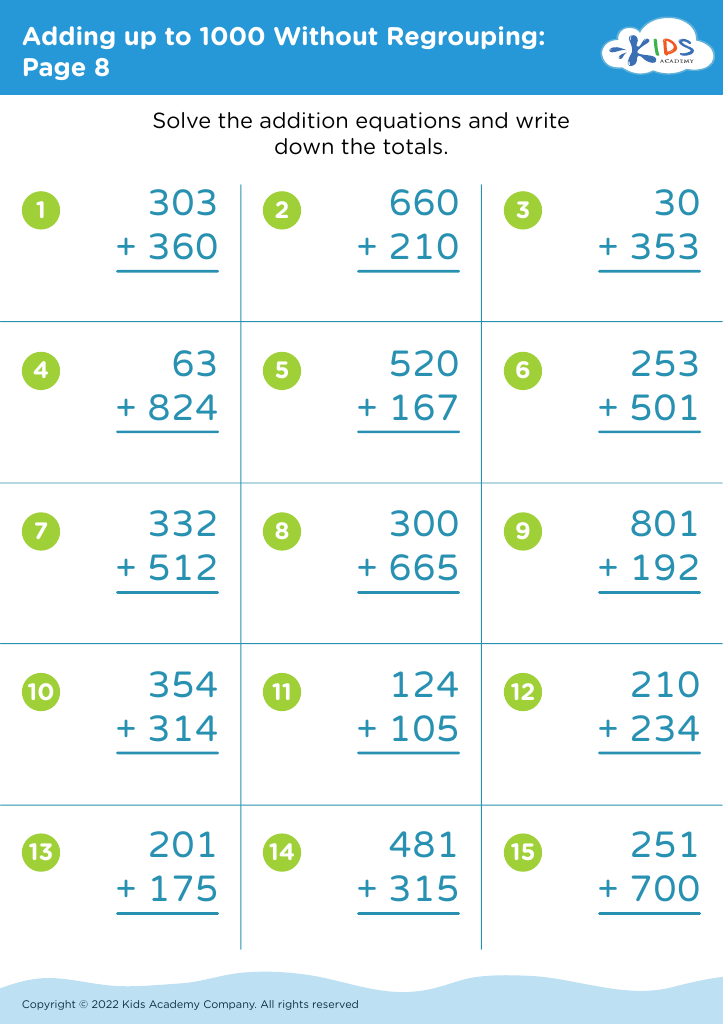
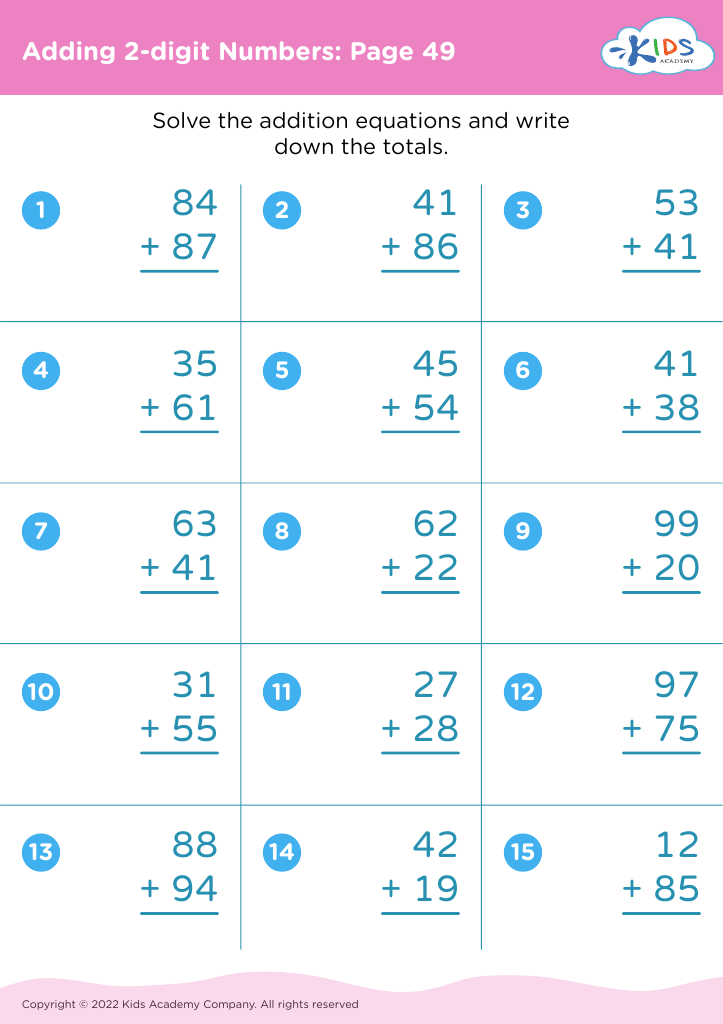
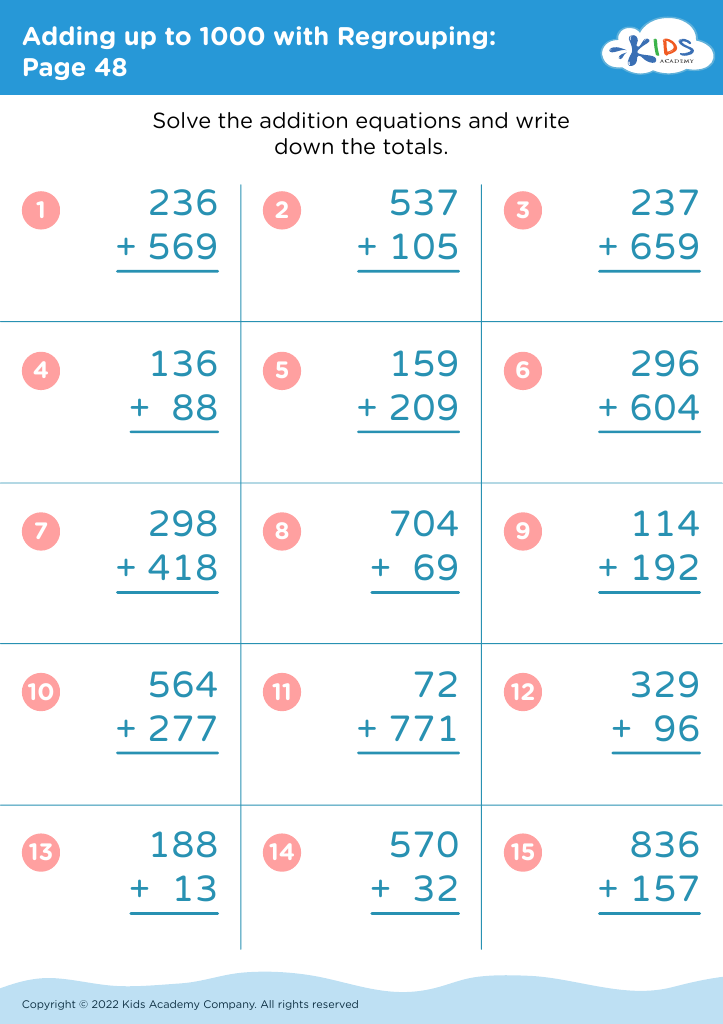
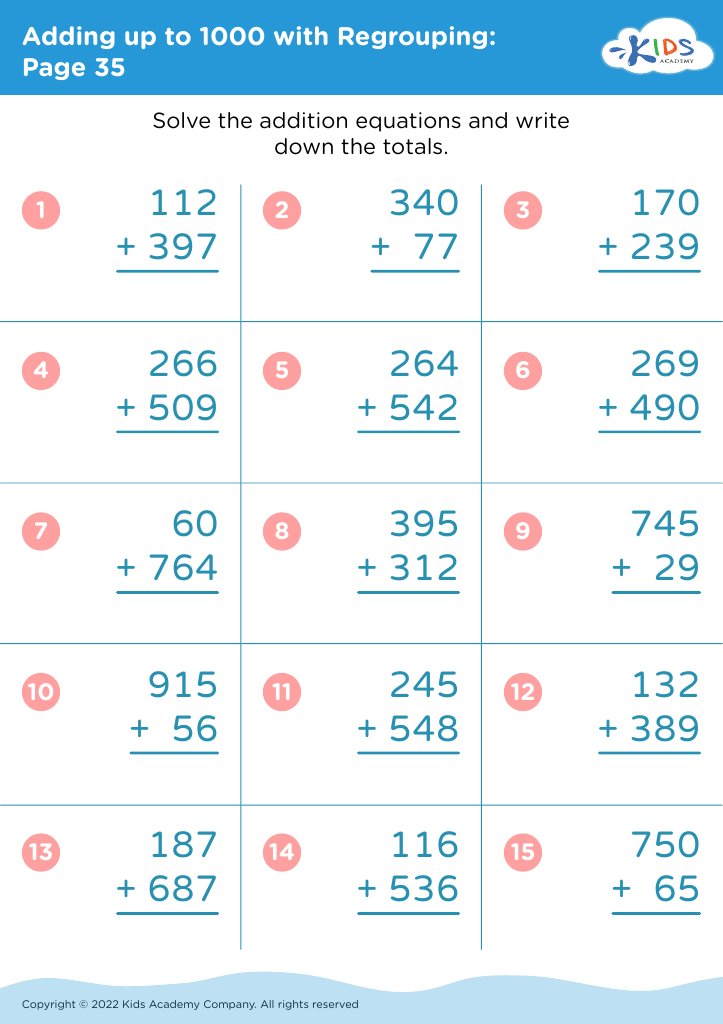
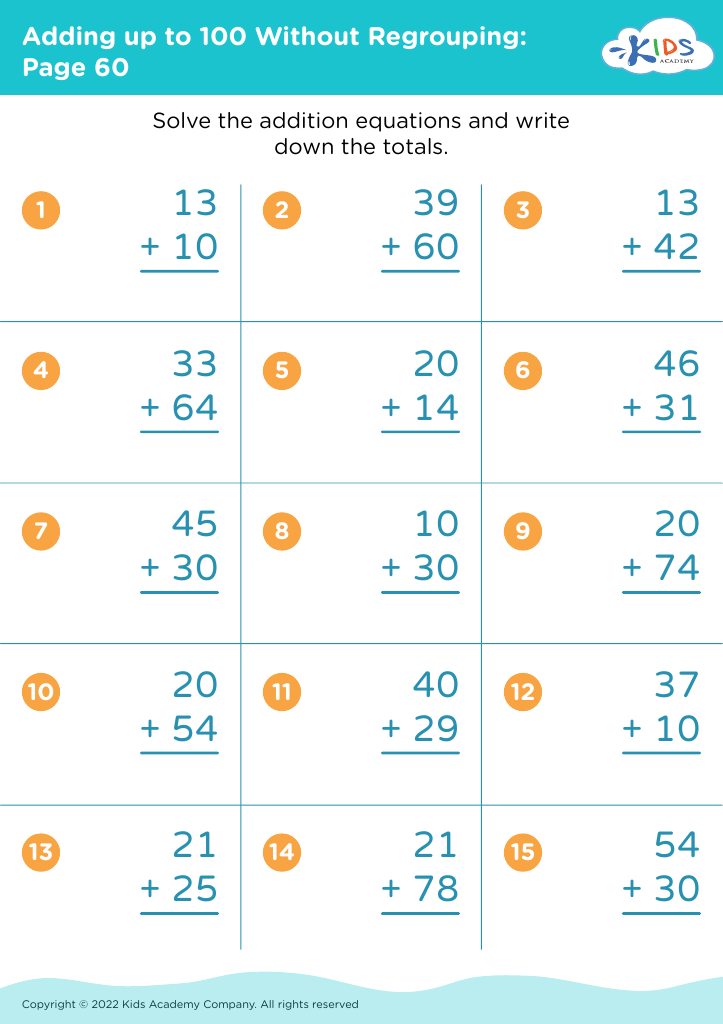








Improving reading skills and foundational math concepts like addition and subtraction for children aged 3-8 is crucial for their overall development. During these formative years, children's cognitive, social, and emotional skills are rapidly developing, and literacy and numeracy form the backbone of their educational journey.
First, reading skills empower children with the ability to comprehend information, express themselves, and communicate effectively. Literacy lays the groundwork for continued academic success across all subjects. When children can engage with texts, they develop critical thinking and analytical skills essential for problem-solving.
In parallel, mastering addition and subtraction fosters logical reasoning and critical thinking. These math skills are not just numeric—they encourage children to tackle challenges, recognize patterns, and solve everyday problems. This foundational knowledge serves as a building block for more complex mathematical concepts in later grades.
When parents and teachers actively promote these skills, they help create confident, competent learners. Moreover, nurturing these abilities in early childhood promotes a love for learning, making children more likely to engage in educational pursuits throughout their lives. The synergy of strong reading and math skills cultivates well-rounded individuals ready to thrive in an increasingly complex world.








