Improving numeracy skills Addition & Subtraction Worksheets for Ages 3-8
4 filtered results
-
From - To
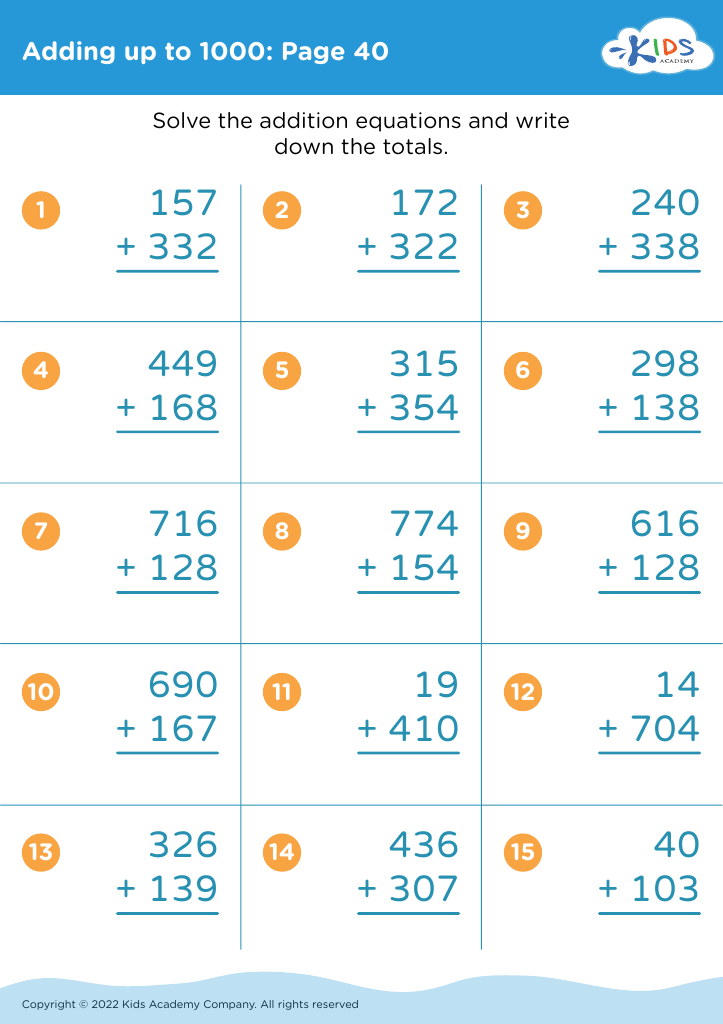
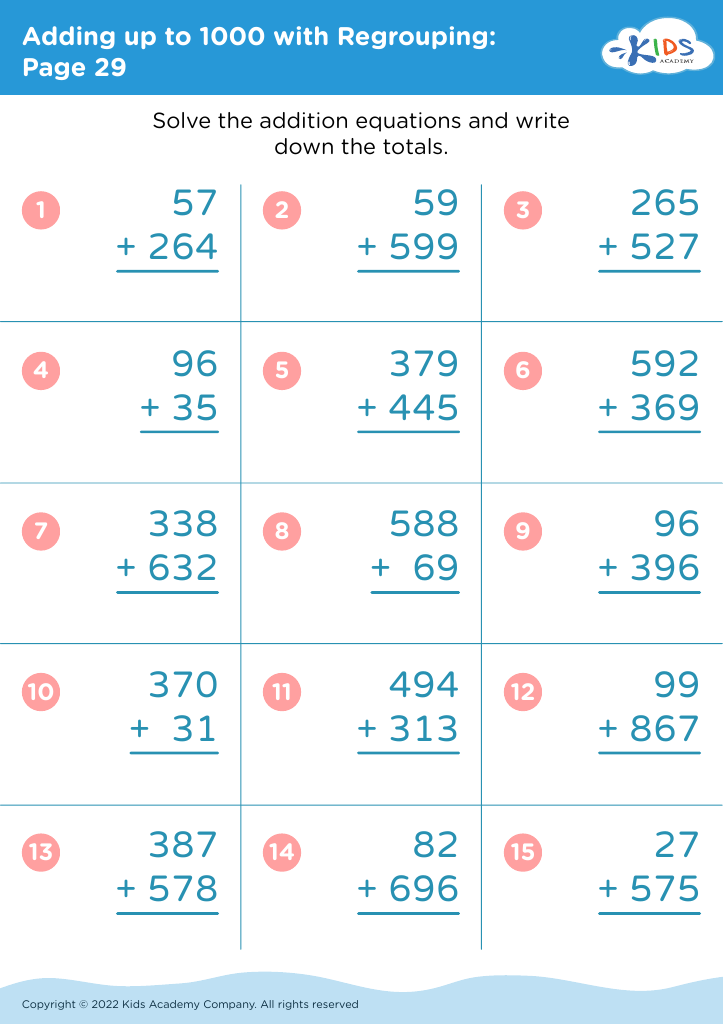
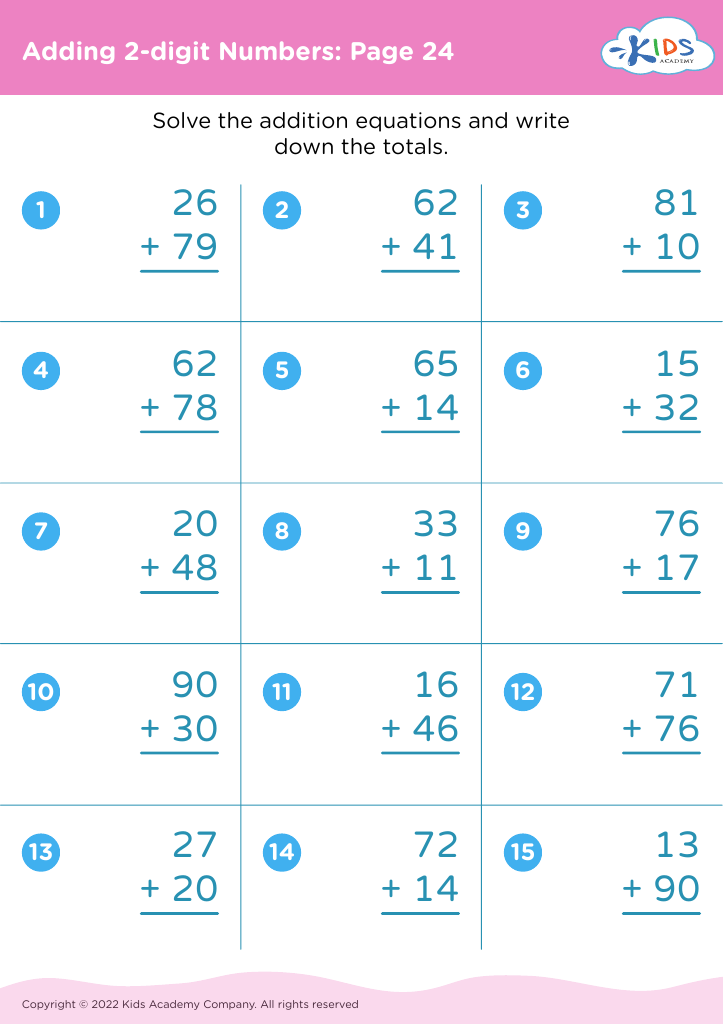
Enhance your child's numeracy skills with our engaging Addition and Subtraction Worksheets for ages 3-8. Designed to make learning fun and interactive, these worksheets help young learners master essential math concepts through various activities and exercises. Our collection features colorful visuals and age-appropriate challenges that promote understanding of basic arithmetic. Ideal for both the classroom and home learning, these resources cater to different skill levels, ensuring every child can succeed. Foster a love for math and build confidence in your little ones as they practice addition and subtraction in an enjoyable way. Start their math journey today!
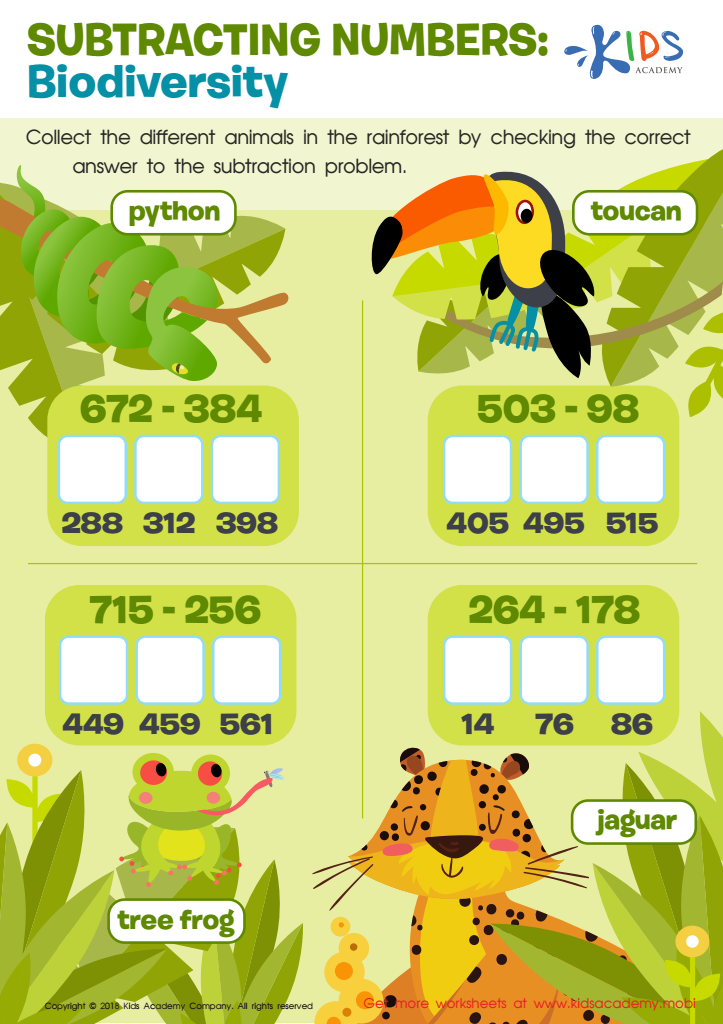
Subtracting Numbers: Biodiversity Worksheet
 Assign to My Students








Improving numeracy skills, particularly in addition and subtraction for children aged 3-8, is crucial for several reasons. First and foremost, these foundational mathematical concepts serve as the building blocks for more advanced mathematics that children will encounter later in their education. Mastery of simple arithmetic allows for smoother progression into concepts such as multiplication, division, and problem-solving.
Early numeracy skills also promote critical thinking and cognitive development. When children learn to add and subtract, they develop better analytical skills and accuracy, fostering a sense of achievement and boosting their confidence in tackling mathematical challenges.
Moreover, numeracy skills have practical applications in everyday life, helping children make sense of the world around them. By understanding numbers, they can engage in activities like counting, measuring, and budgeting, which are essential for daily interactions and decision-making.
In the context of early education, teachers and parents play a pivotal role. Engaging children in games, hands-on activities, and real-life scenarios can make learning enjoyable and relevant, ensuring children gain a solid numerical foundation. Thus, supporting numeracy development during these formative years will not only benefit children's academic success but also equip them with essential life skills for the future.








