
Practicing multiplication Addition & Subtraction Worksheets for Ages 3-8
10 filtered results
Difficulty Level
Grade
Age
-
From - To
Subject
Activity
Standards
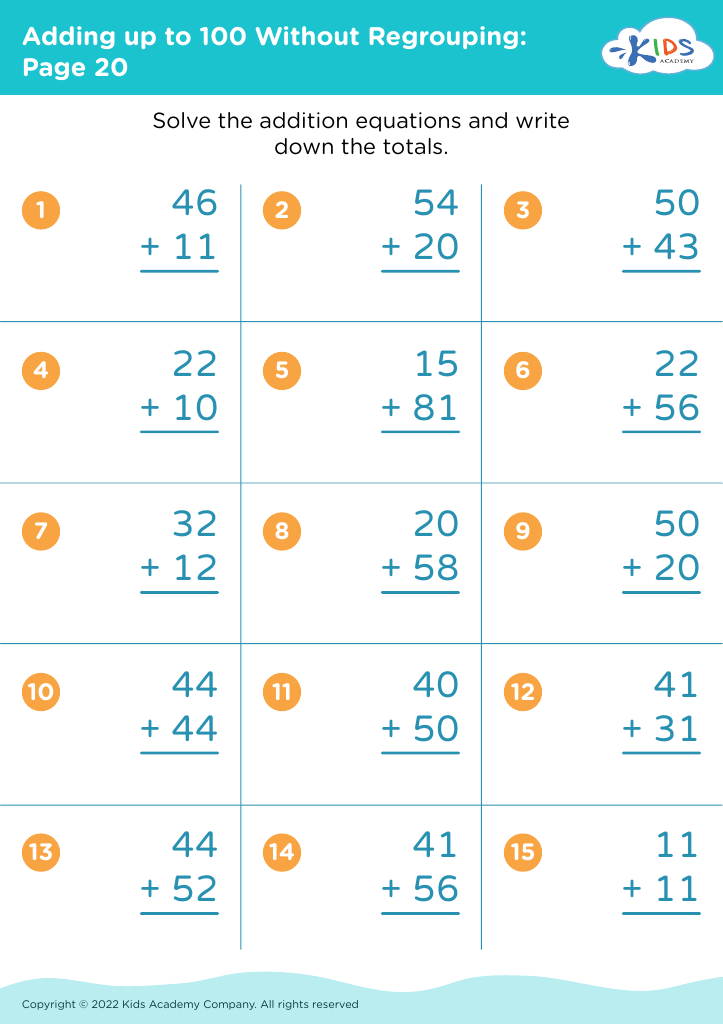
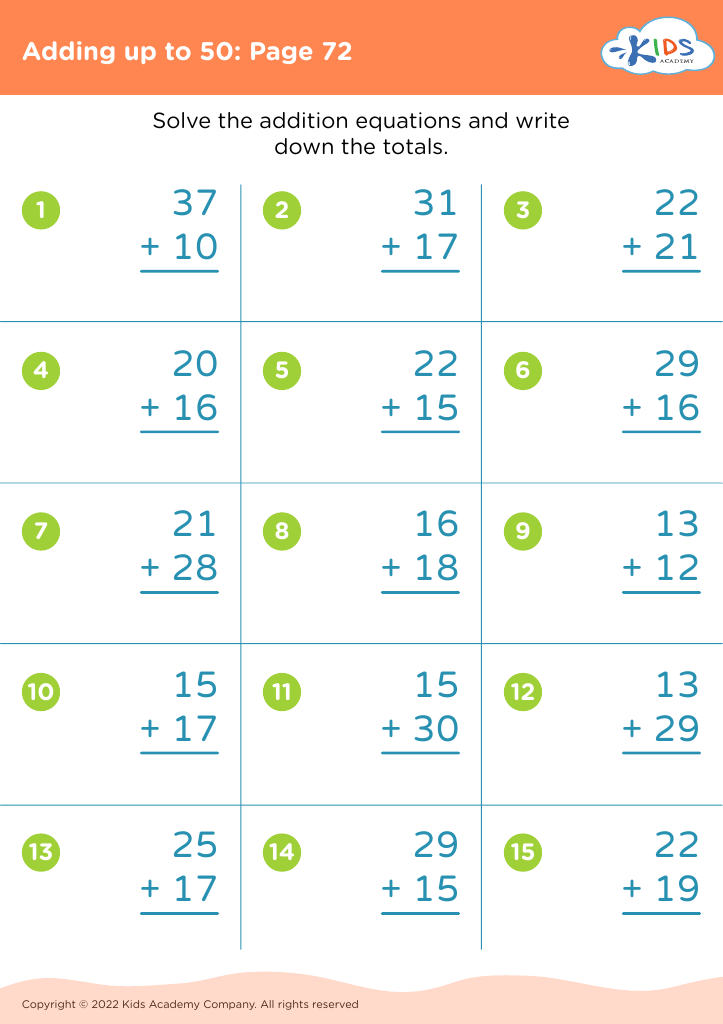
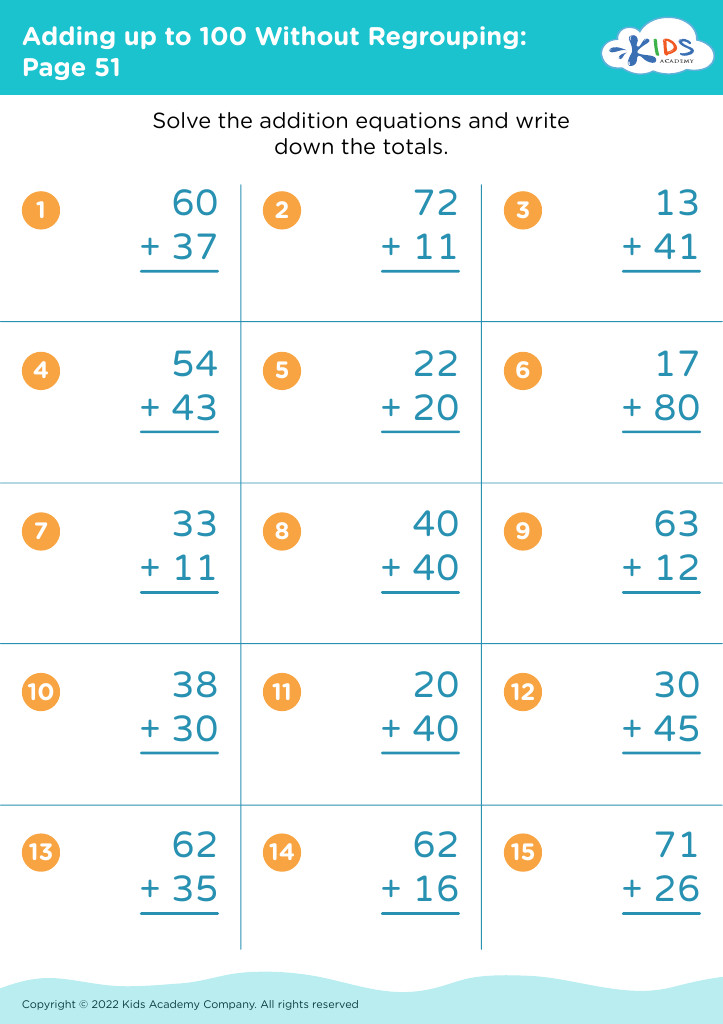
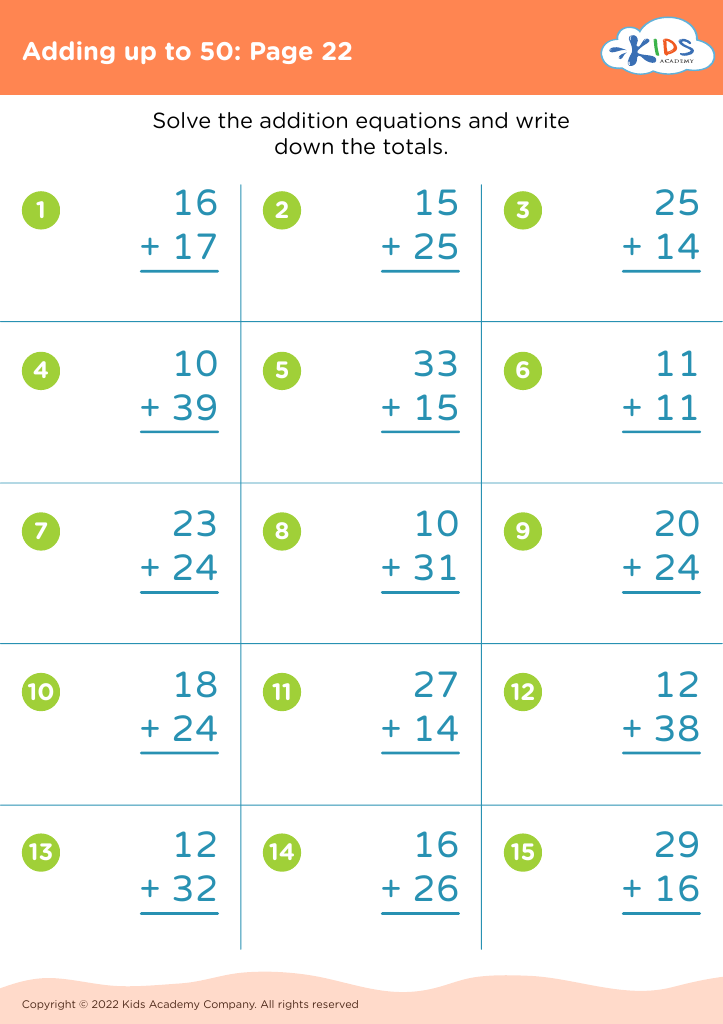
Enhance your child’s math skills with our collection of engaging multiplication, addition, and subtraction worksheets designed for ages 3-8! Featuring vibrant visuals and age-appropriate exercises, these printable resources provide a fun and interactive way for young learners to practice essential math concepts. Our worksheets emphasize foundational arithmetic skills, ensuring your child builds confidence as they progress. With a variety of activities tailored to different learning styles, children can master multiplication, addition, and subtraction at their own pace. Visit our site today to unlock the joy of learning math and watch your little ones excel with these educational tools!
Favorites
With answer key
Interactive
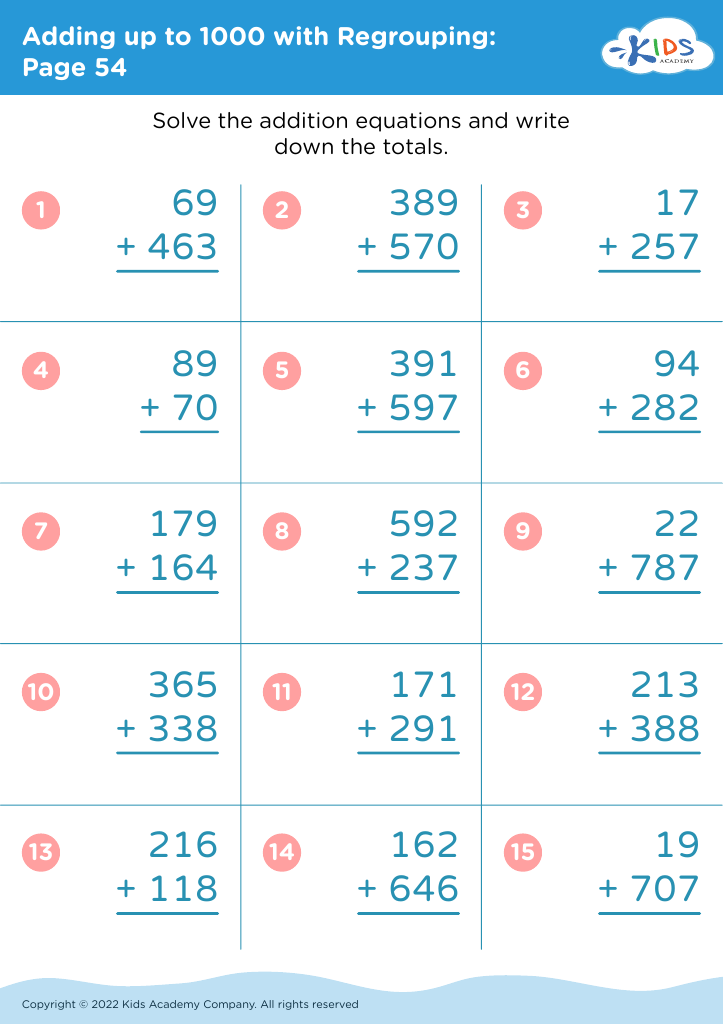
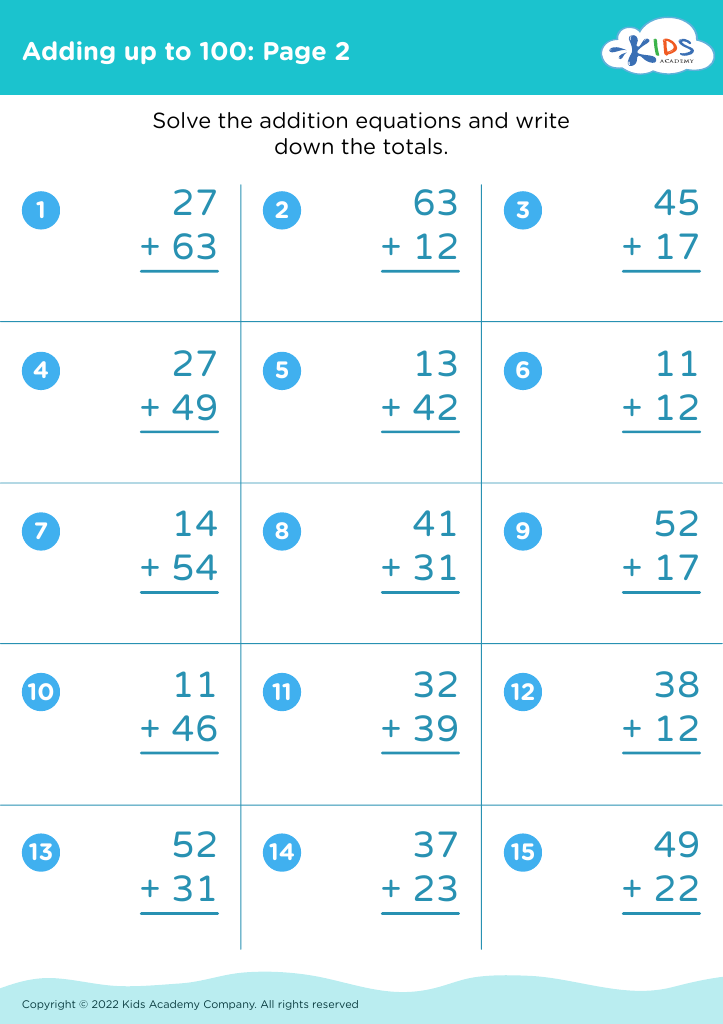
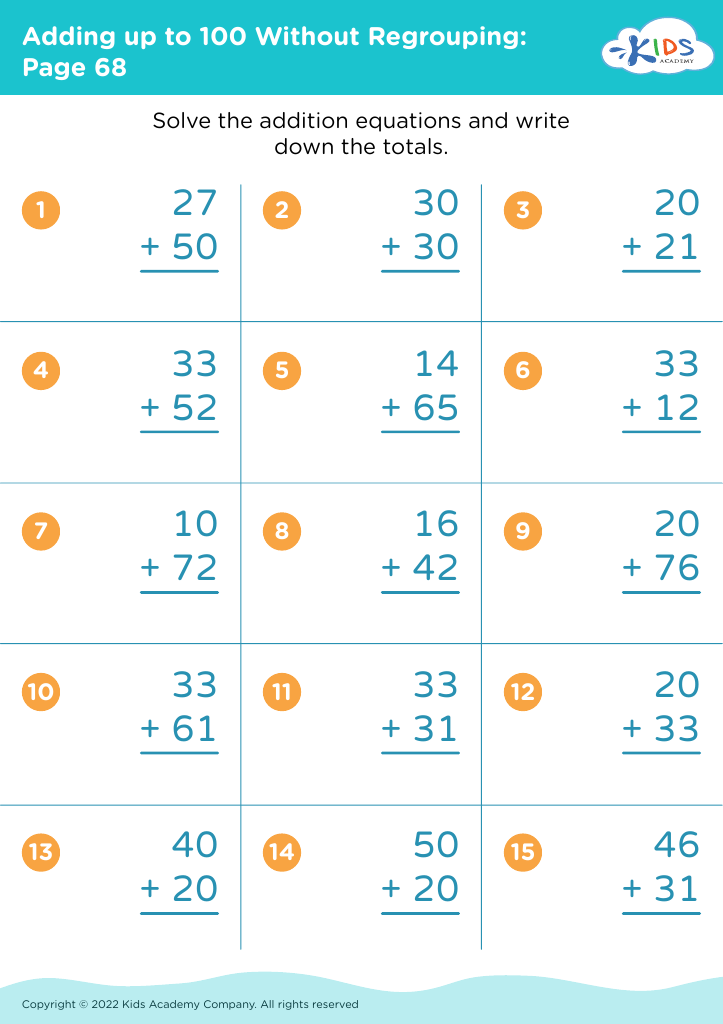
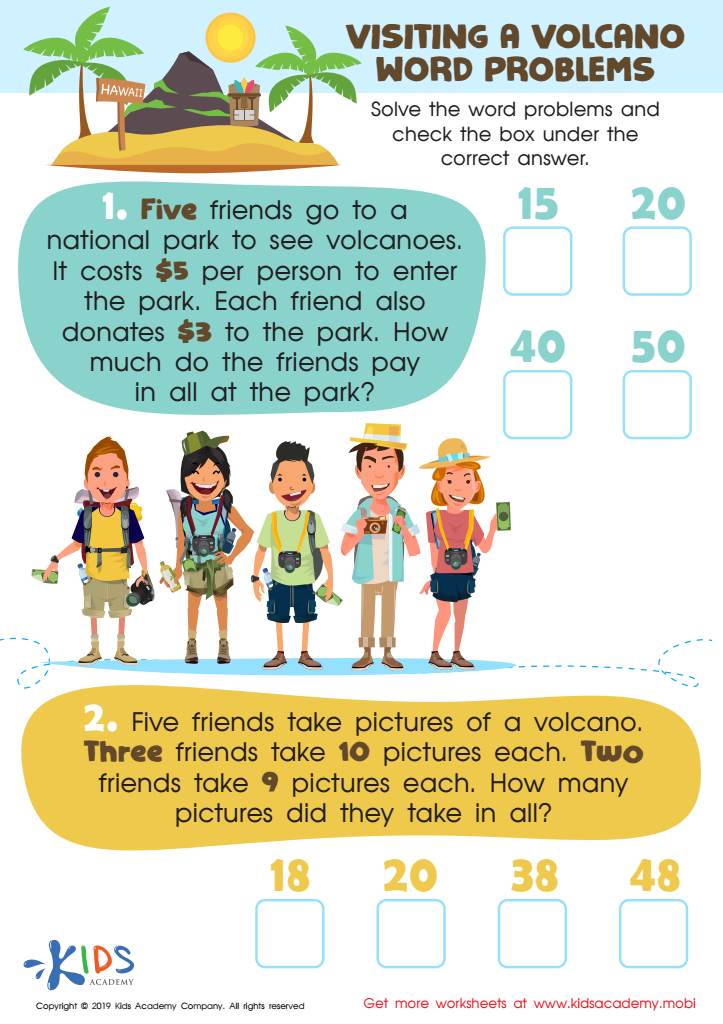
Visiting a Volcano Word Problems Worksheet
Read the word problems to your kids, note down the numbers and help them solve. Check the box under the correct answer. Word problems are sentences posed as math problems; just like regular number problems, first you must understand and interpret the sentence.
 Assign to My Students
Visiting a Volcano Word Problems Worksheet
Worksheet
Join Kids Academy for Free
Who is primarily going to use this learning content?








Practicing multiplication, addition, and subtraction for children aged 3-8 is crucial for several reasons. First and foremost, these foundational math skills form the backbone of all future mathematical learning. Mastery of basics not only enhances cognitive development but also prepares children for more complex mathematical concepts as they progress in school.
Engaging in these practices sets a strong foundation for problem-solving skills, logical reasoning, and critical thinking. By incorporating fun activities such as games or interactive apps, parents and teachers can make learning enjoyable, fostering a positive attitude toward math. Early exposure helps to build confidence, reducing math anxiety that can develop later in life.
Furthermore, maternal support in practicing these skills can strengthen parent-child bonds, facilitate communication, and promote a collaborative learning environment. Establishing consistent routines for practicing math encourages discipline and values hard work, better preparing children for academic challenges ahead.
Ultimately, prioritizing these basic skills equips young learners with necessary tools not only for academic success but also in everyday situations, from budgeting their allowance to understanding concepts in later grades. A strong mathematical foundation is an investment in lifelong learning and problem-solving abilities, making it essential for both educators and parents.








