Reading clocks Addition & Subtraction Worksheets for Ages 3-8
3 filtered results
-
From - To
Boost your child’s math skills with our specialized Reading Clocks Addition & Subtraction Worksheets designed for ages 3-8. Our engaging activities blend the fundamentals of telling time with essential addition and subtraction exercises, enhancing both cognitive and mathematical abilities. Perfect for young learners, these printable worksheets offer a fun and effective way to practice clock reading while reinforcing basic arithmetic. By combining these key learning aspects, your child will develop crucial skills that form the foundation for future academic success. Explore our vibrant collection to give your child a head start in math and time-telling proficiency.
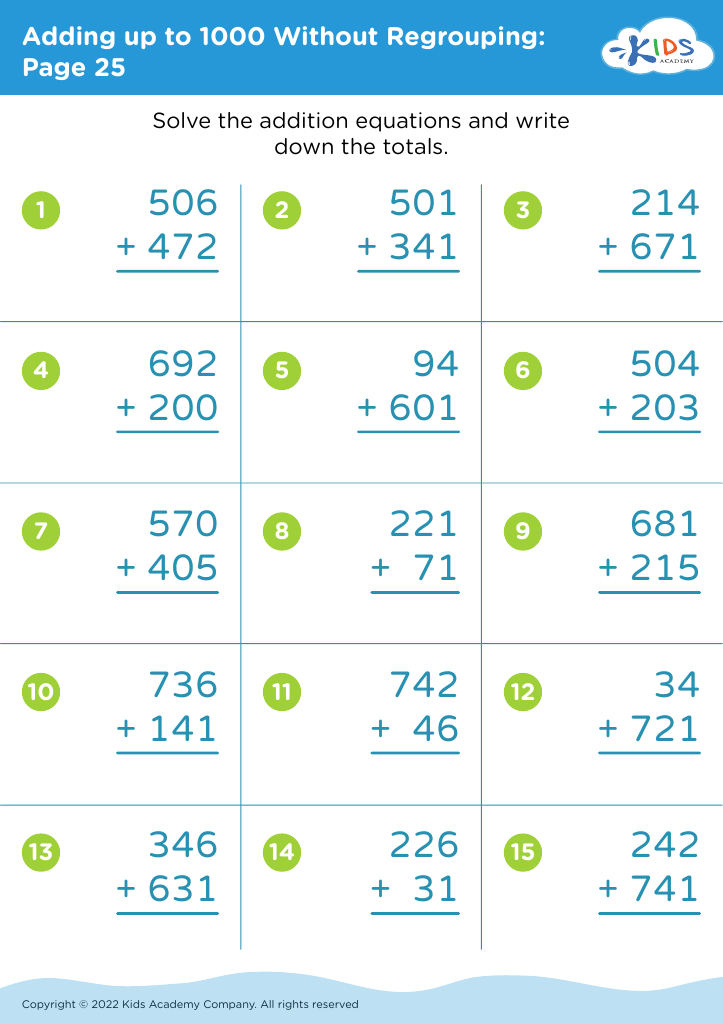
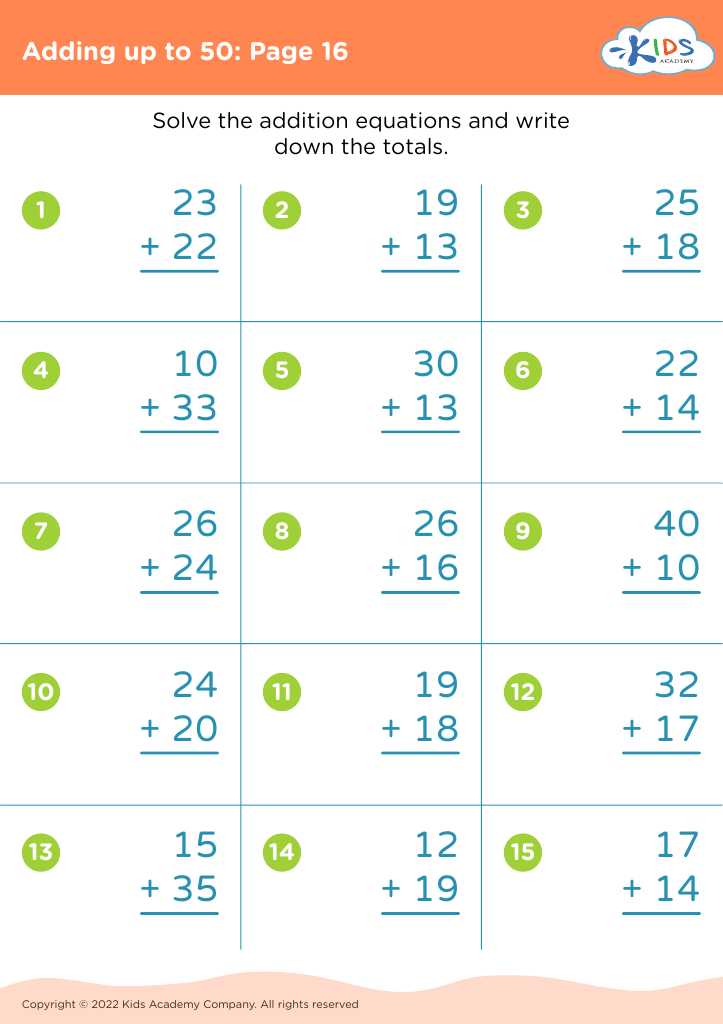
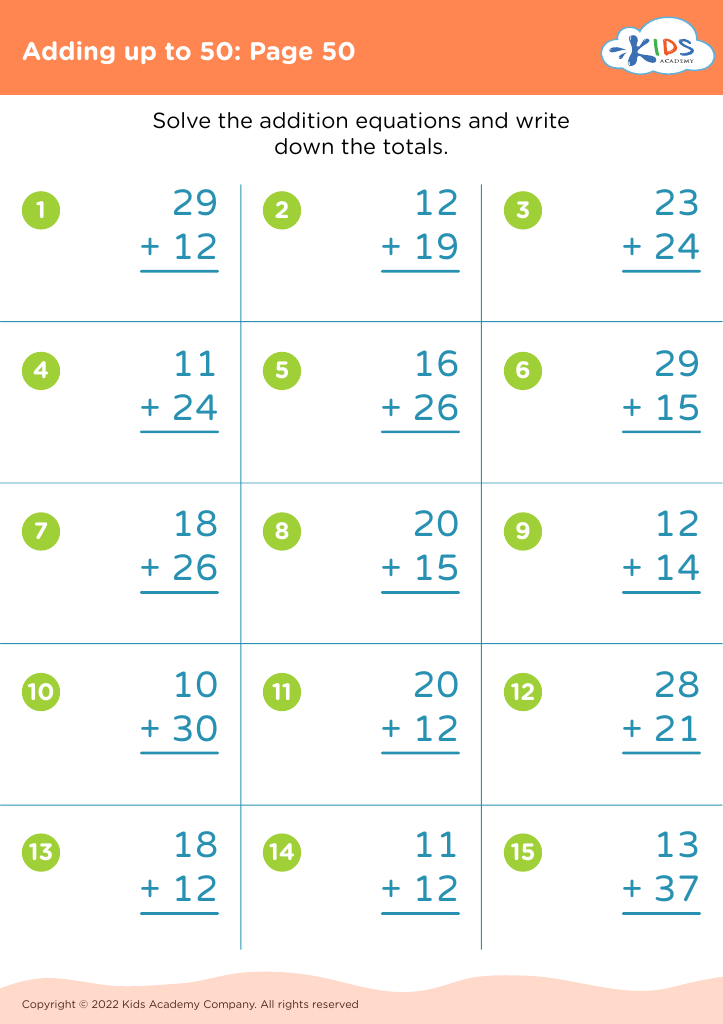








Parents and teachers should prioritize teaching children ages 3-8 how to read clocks and perform basic addition and subtraction because these skills form essential building blocks for future learning and daily life. Mastering the ability to read both analog and digital clocks fosters a sense of temporal awareness, helping children understand and manage daily routines, timeliness, and schedules. This not only reduces stress and fosters independence but also contributes to their cognitive development by enhancing memory, planning, and sequencing skills.
Likewise, addition and subtraction are foundational arithmetic skills that underpin virtually all future math learning. At this critical stage, learning these basics builds a strong numeracy base which is vital for more complex problem-solving and critical thinking in later years. These skills also have practical applications in everyday activities such as telling time, counting money, and measuring ingredients in recipes, making them indispensable for functioning in society.
Furthermore, early math and time-telling skills have been linked to higher academic achievement across various subjects as they nurture a child's ability to reason logically and cultivate pattern recognition. Ensuring that children develop proficiency in these areas promotes confidence, academic success, and practical competence, setting them on a pathway to becoming well-rounded individuals.








