Shape identification Addition & Subtraction Worksheets for Ages 3-8
14 filtered results
-
From - To
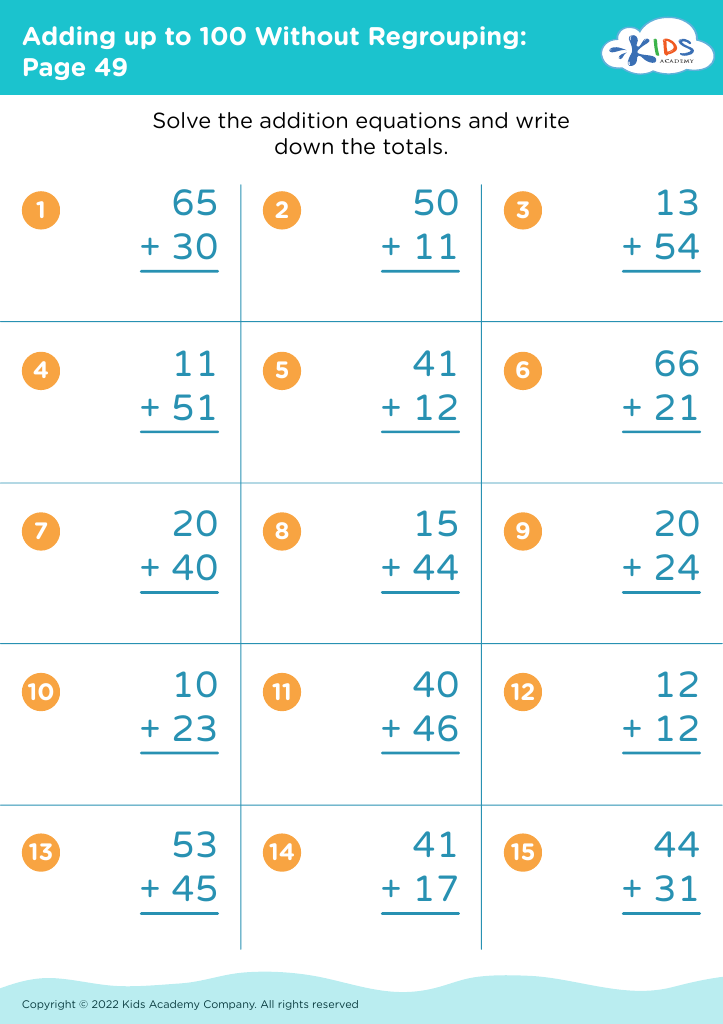
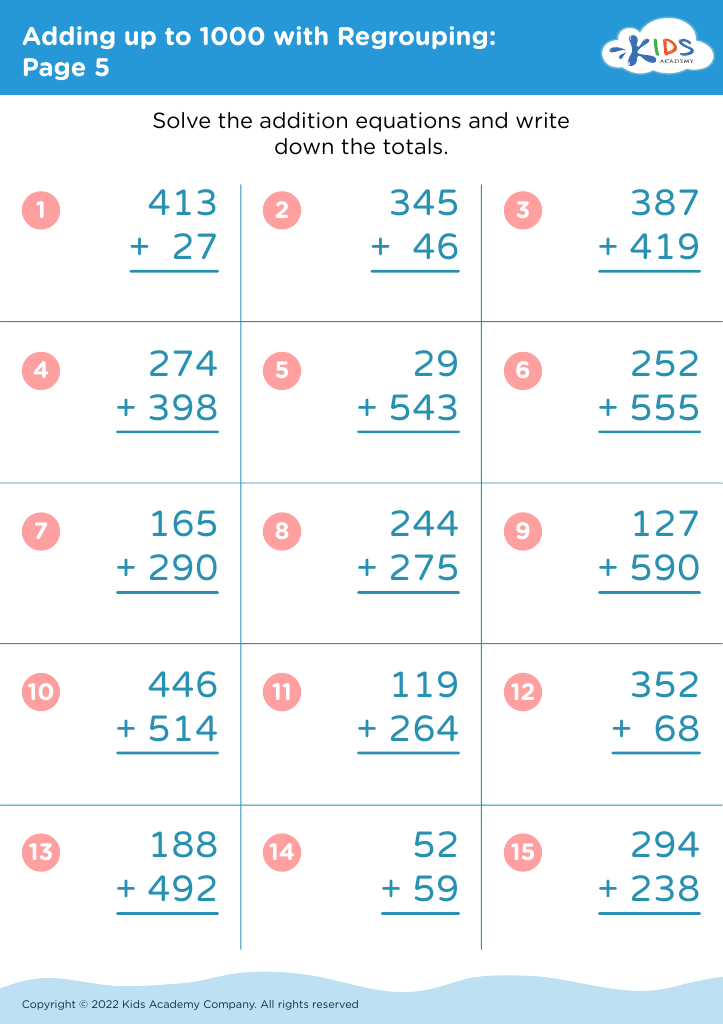
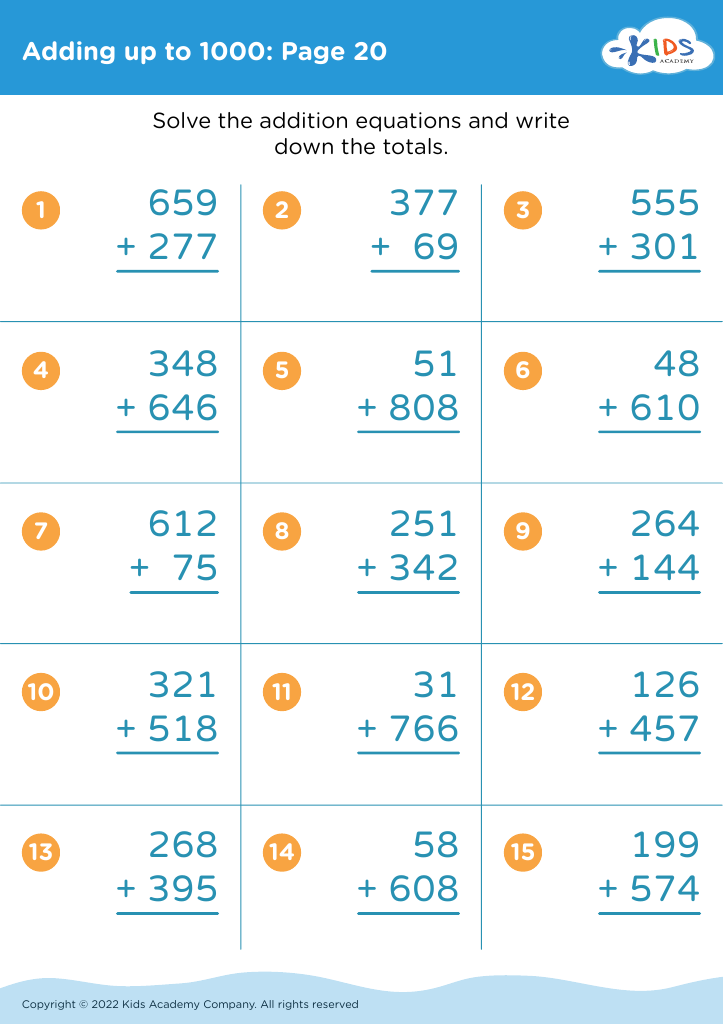
Explore our Shape Identification Addition & Subtraction Worksheets, designed specifically for children aged 3 to 8! These engaging worksheets combine early math skills with fun shape recognition activities, promoting both visual spatial awareness and foundational arithmetic understanding. Your child will enjoy identifying shapes while practicing addition and subtraction, enhancing their learning experience in a playful way. Perfect for classrooms or at-home learning, these resources cater to various learning styles and levels. Whether your child is a beginner or ready to tackle more advanced concepts, our worksheets will foster confidence and proficiency in math. Download and watch their skills flourish today!
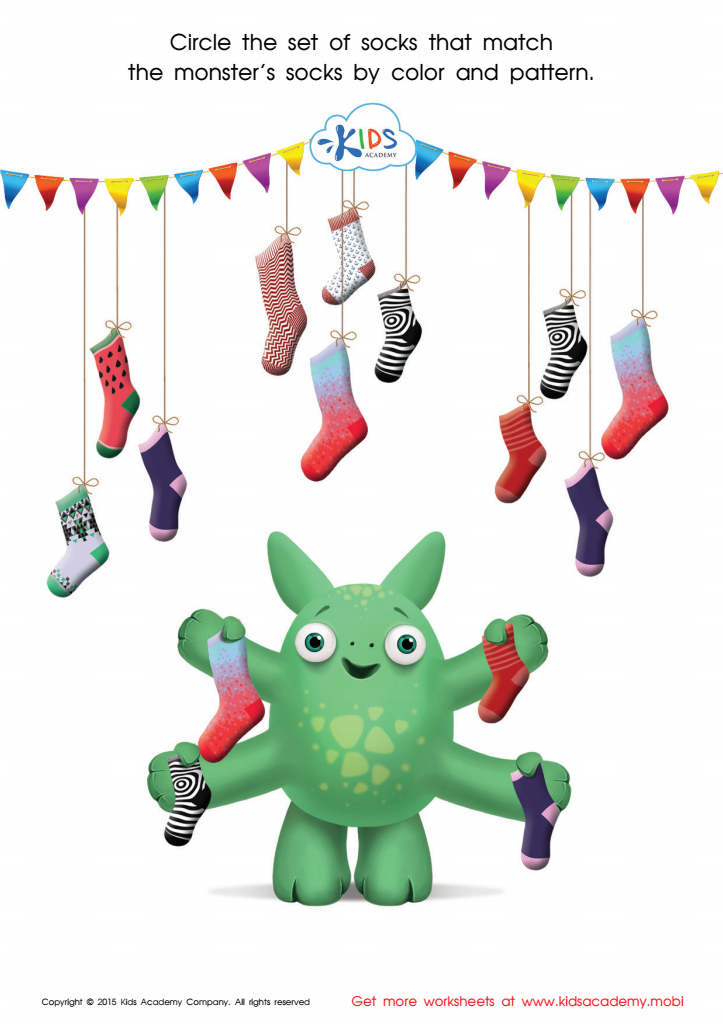
Sort the Monster's Socks Worksheet
 Assign to My Students
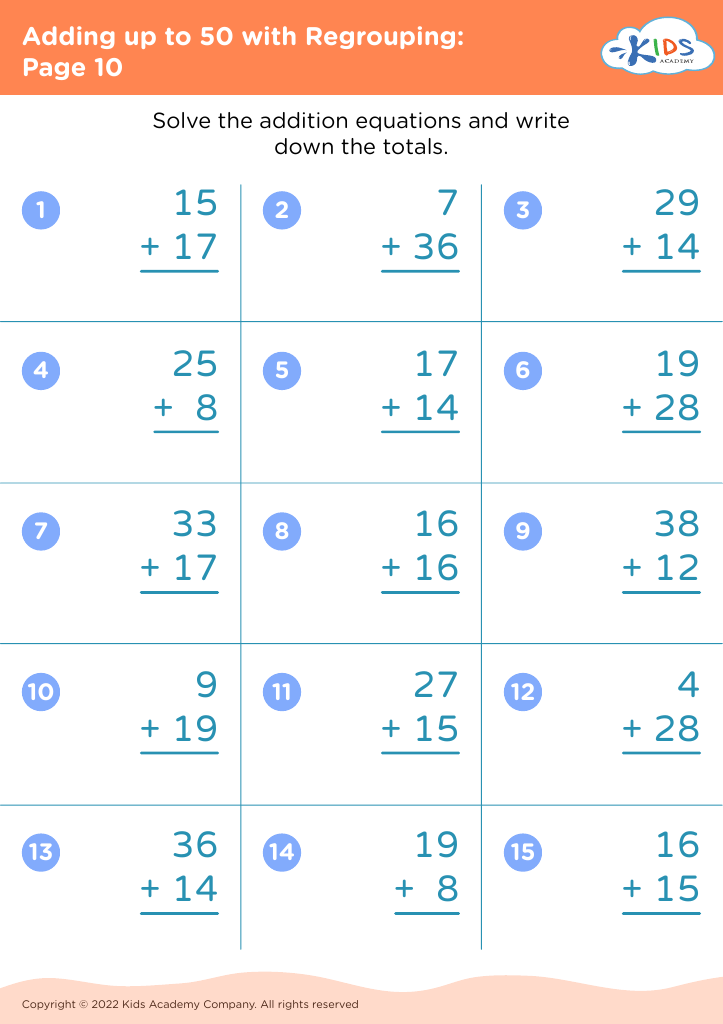
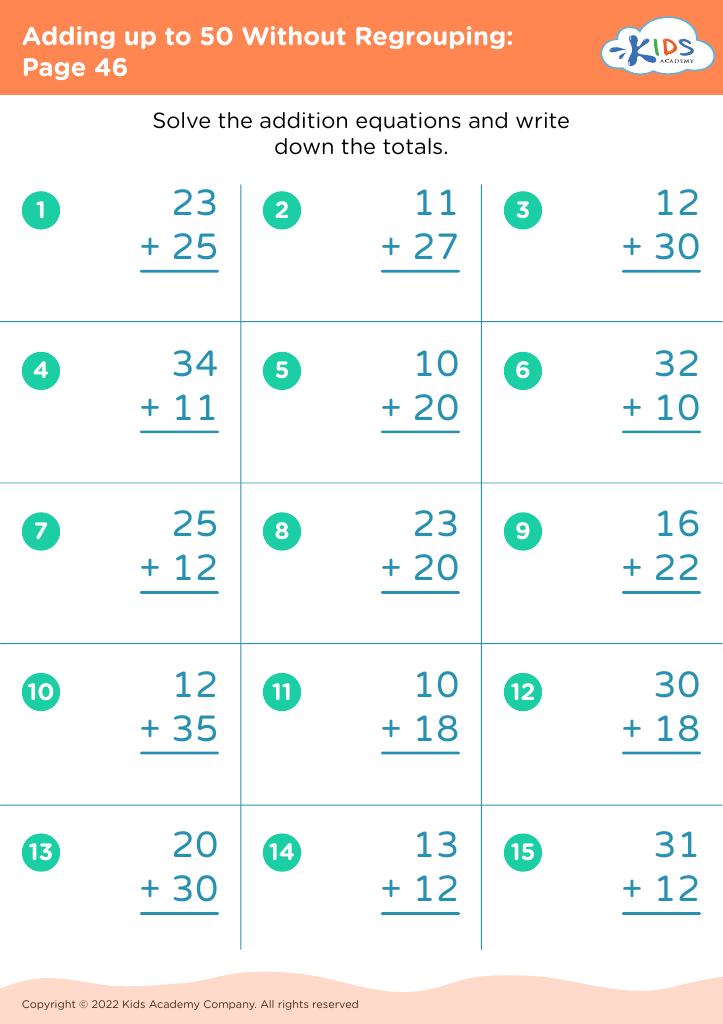
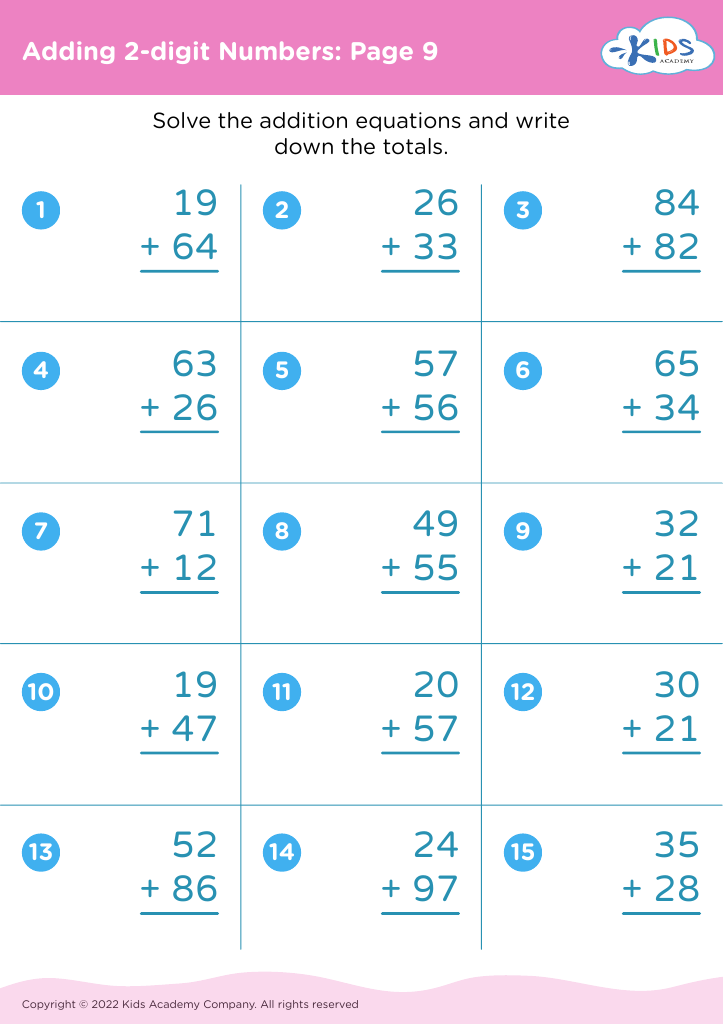
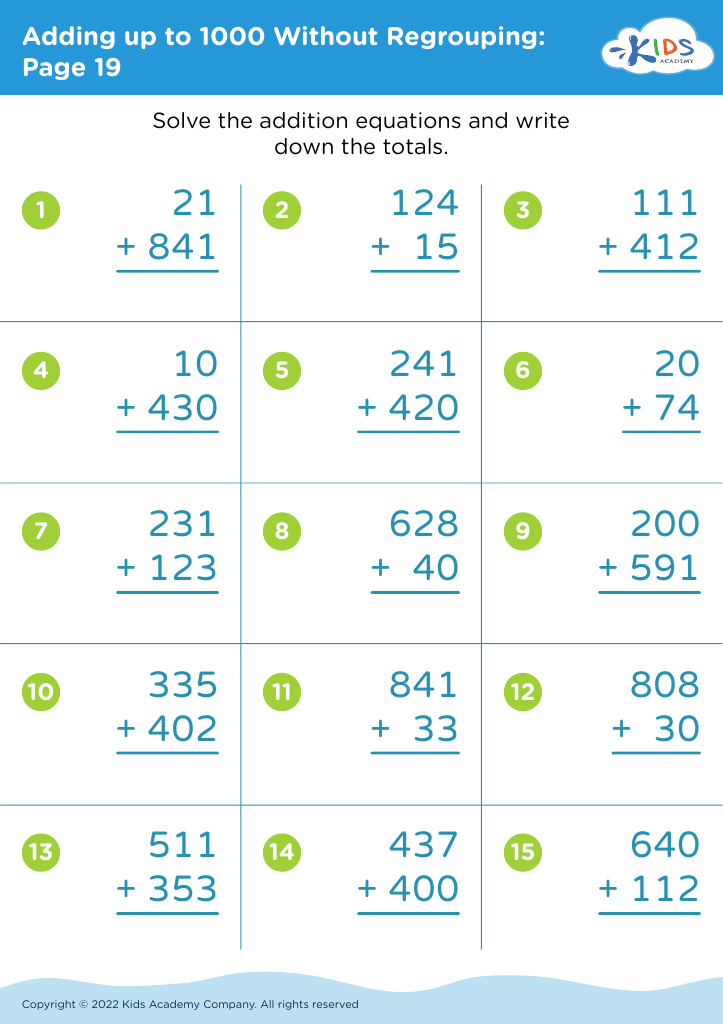
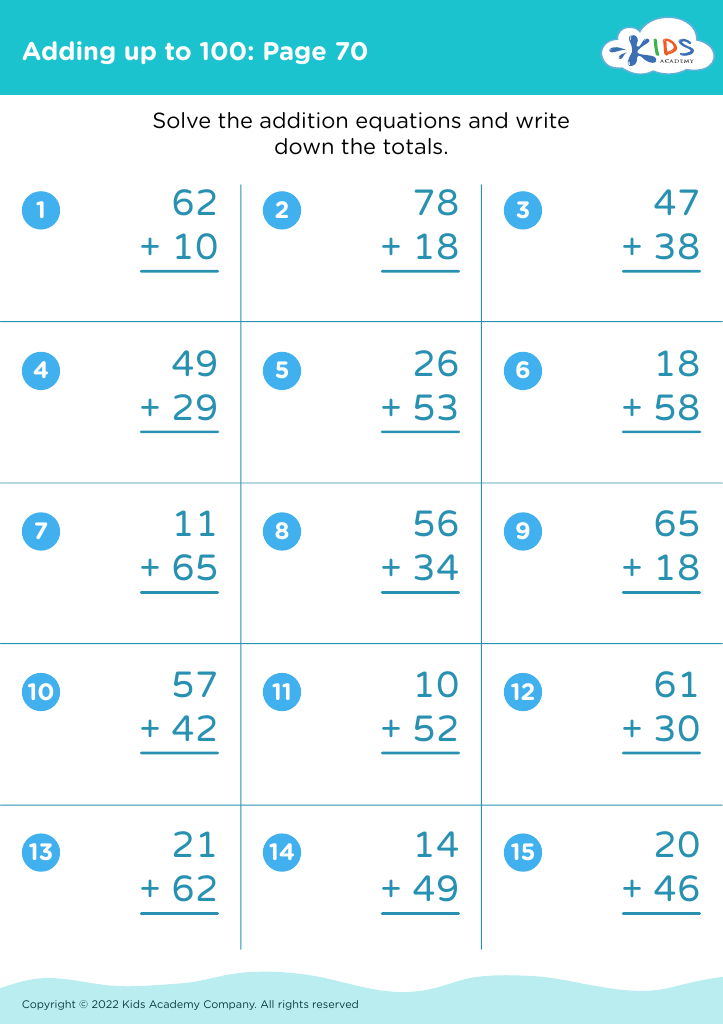
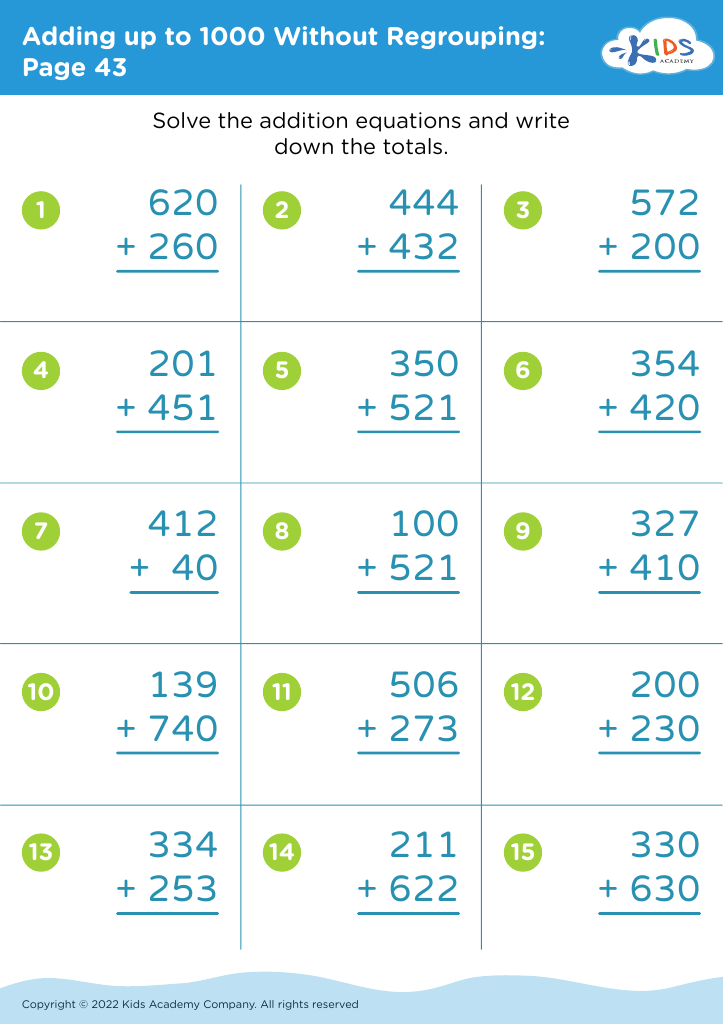








Shape identification, addition, and subtraction are fundamental skills that lay the groundwork for math and spatial reasoning in young children, aged 3-8. Understanding shapes enhances their ability to recognize patterns and develop fine motor skills, which are crucial for successful writing and drawing. By learning to identify shapes, children also start to comprehend how the world is structured, fostering critical thinking and problem-solving abilities.
Addition and subtraction are the building blocks of mathematical understanding. Early exposure to these concepts helps children develop a strong number sense, enabling them to feel comfortable with more complex operations as they grow. Through fun and engaging activities—like counting blocks or solving simple puzzles—children can readily grasp these mathematical operations in context, making learning both enjoyable and effective.
When parents and teachers prioritize these skills, they not only support academic growth but also nurture children's confidence and curiosity in learning. Furthermore, early mastery of shape identification and basic math paves the way for future learning in geometry and arithmetic, fueling lifelong enthusiasm for numbers and critical thinking. Thus, early intervention in these areas can significantly impact a child's educational trajectory and overall cognitive development.








