Understanding Quantities Addition & Subtraction Worksheets for Ages 3-8 - Page 2
42 filtered results
-
From - To
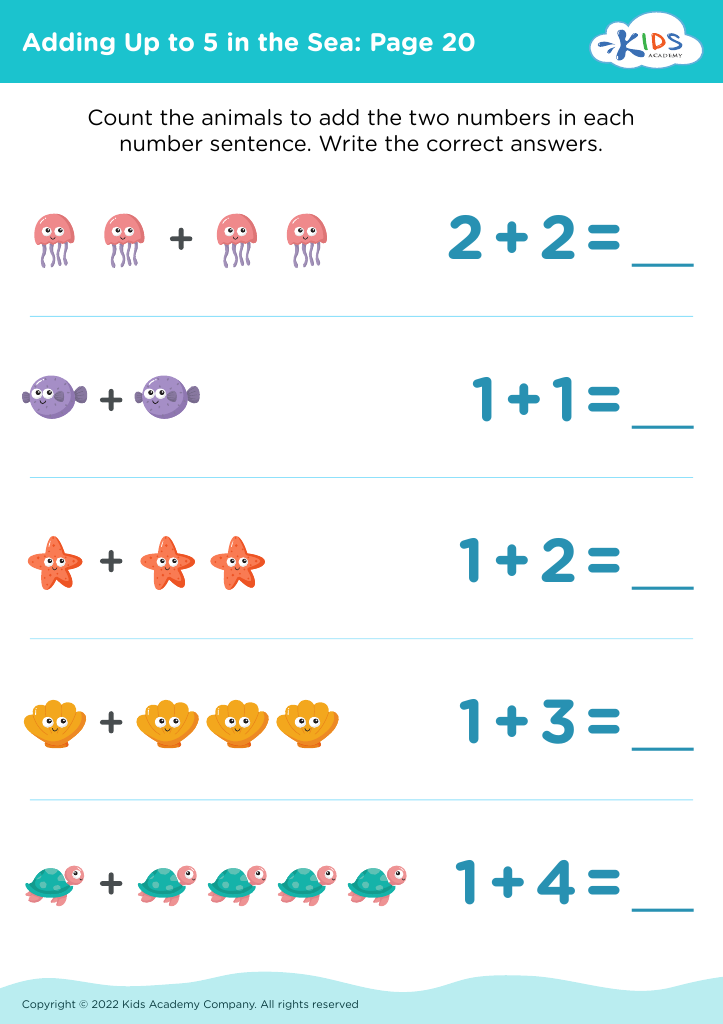
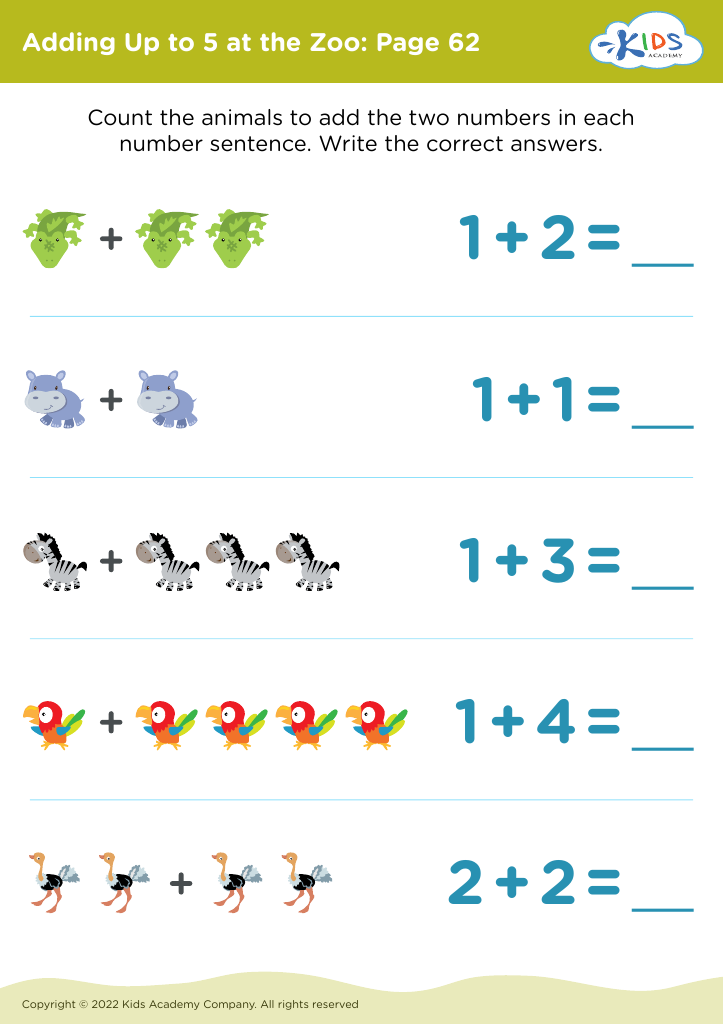
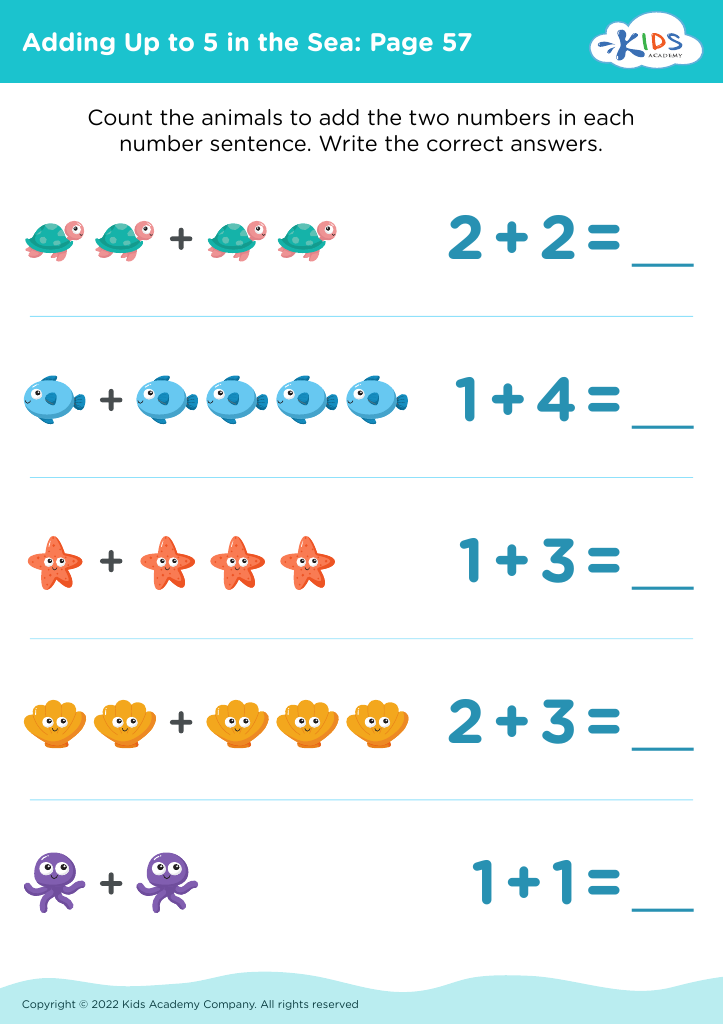
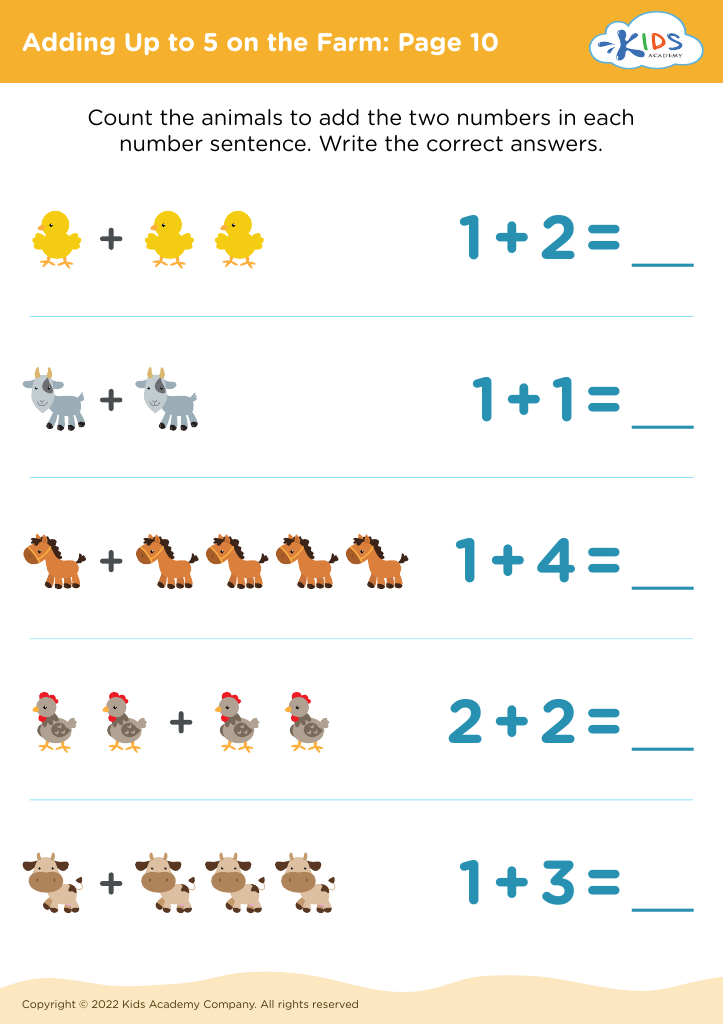
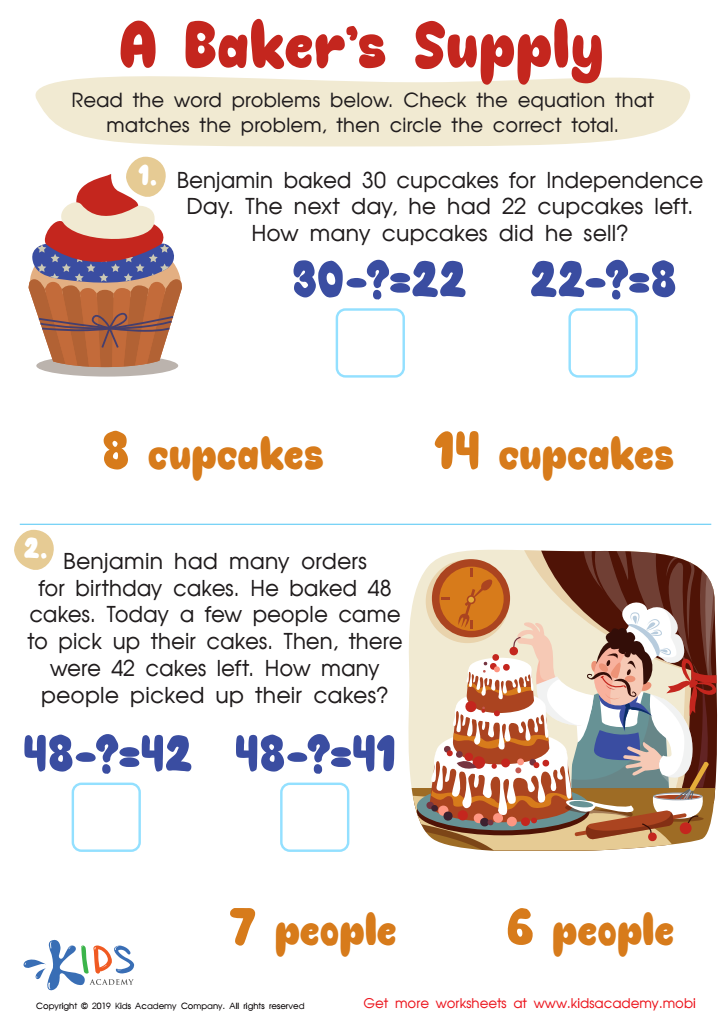
A Baker's Supply Worksheet
 Assign to My Students
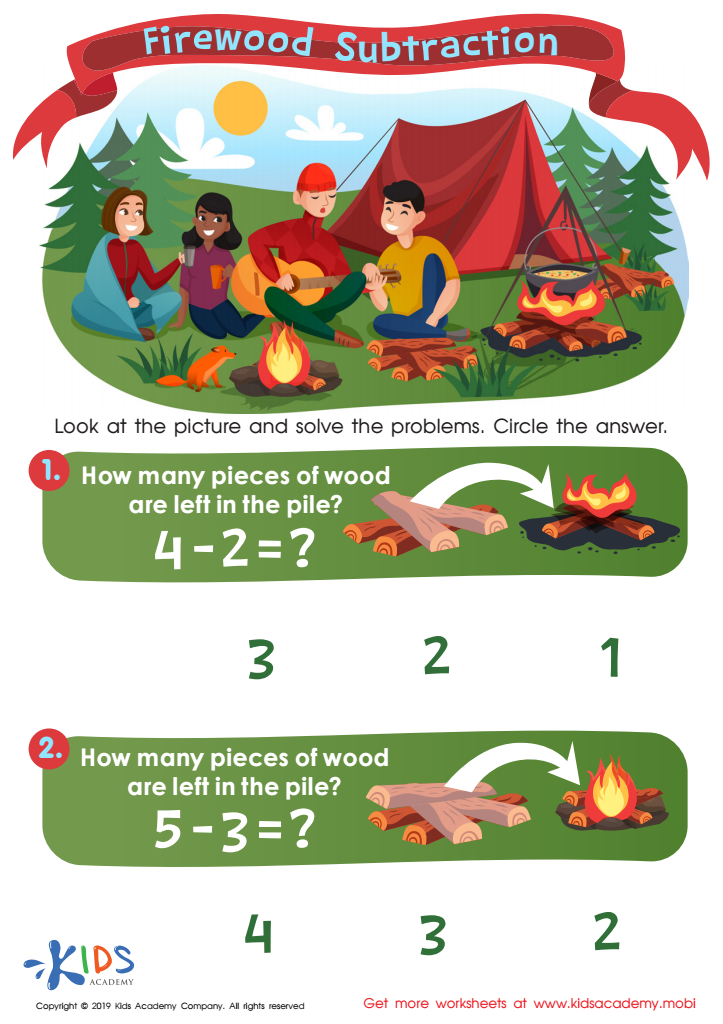
Firewood Subtraction Worksheet
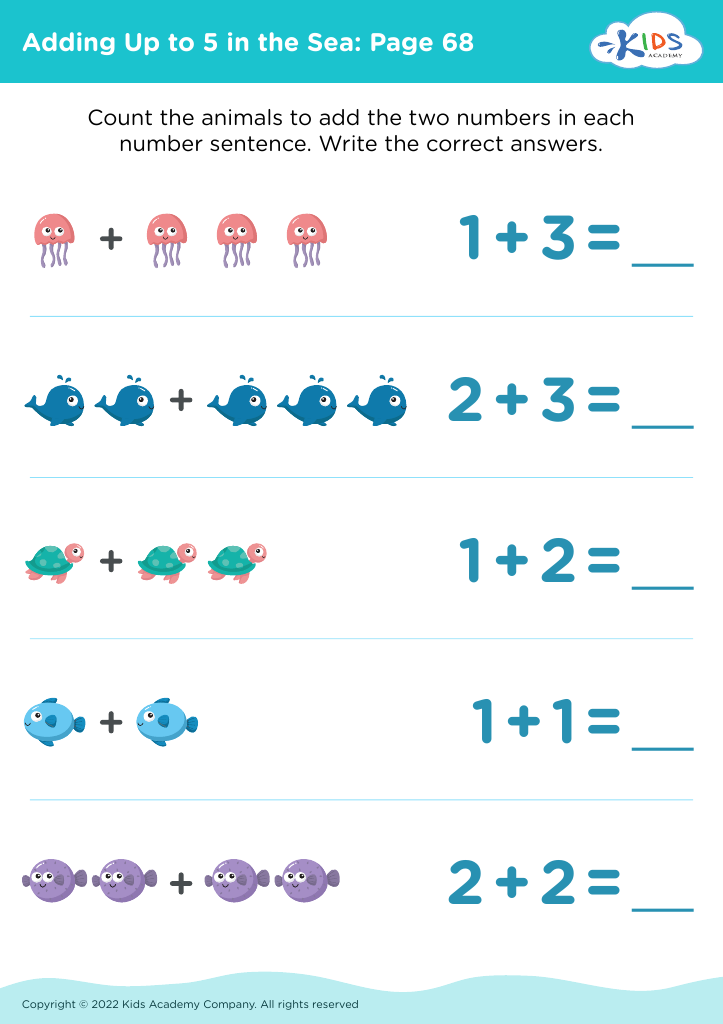
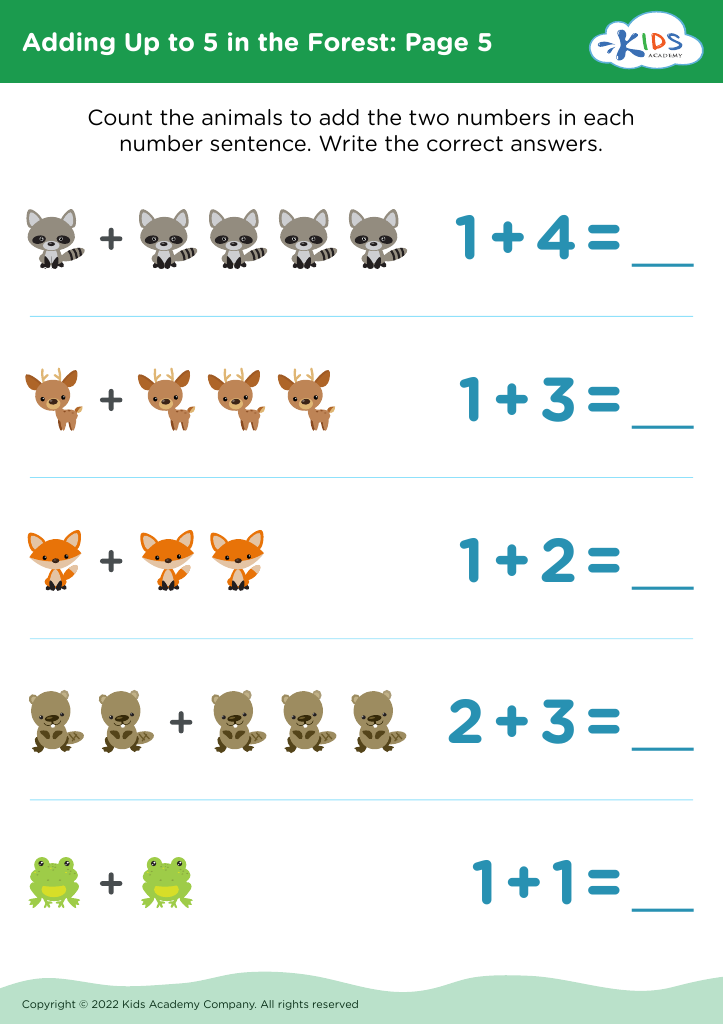
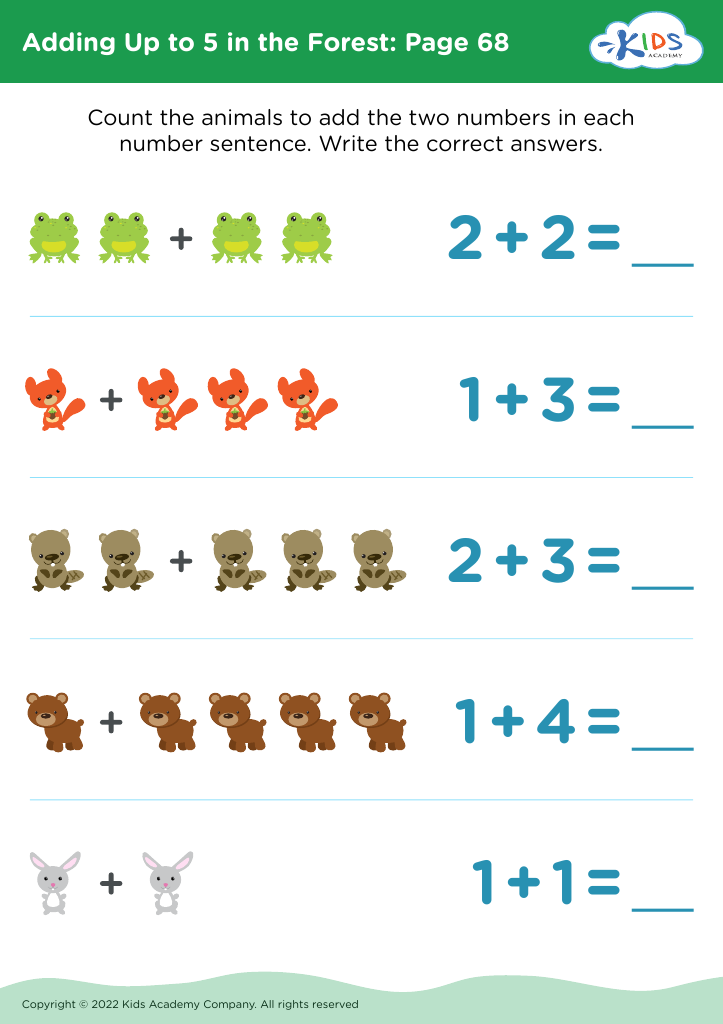
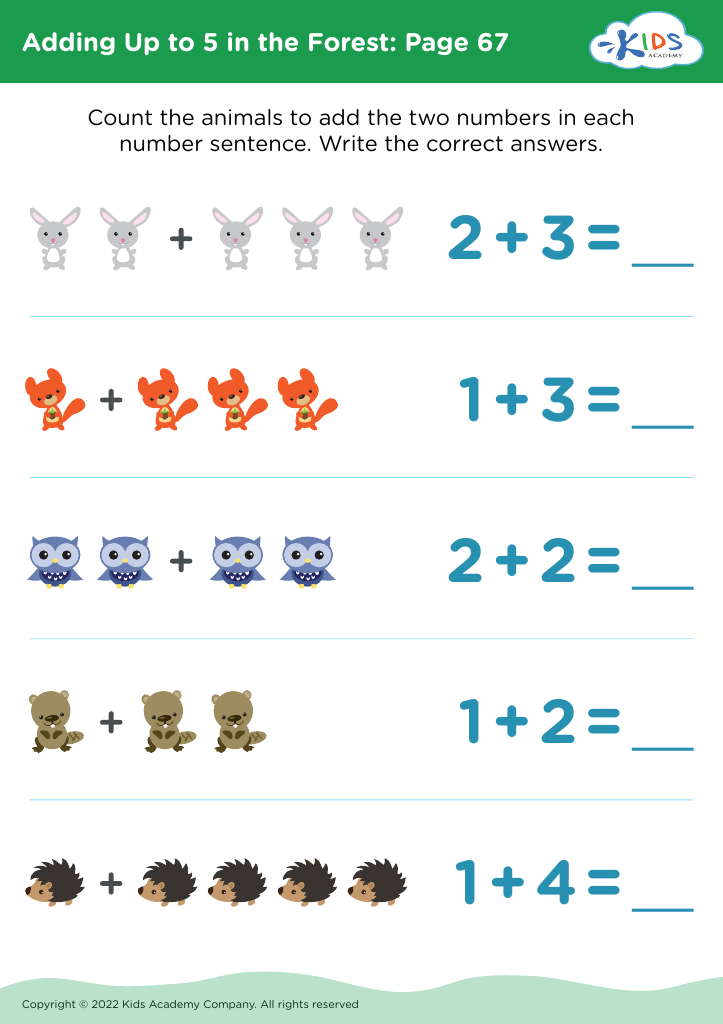
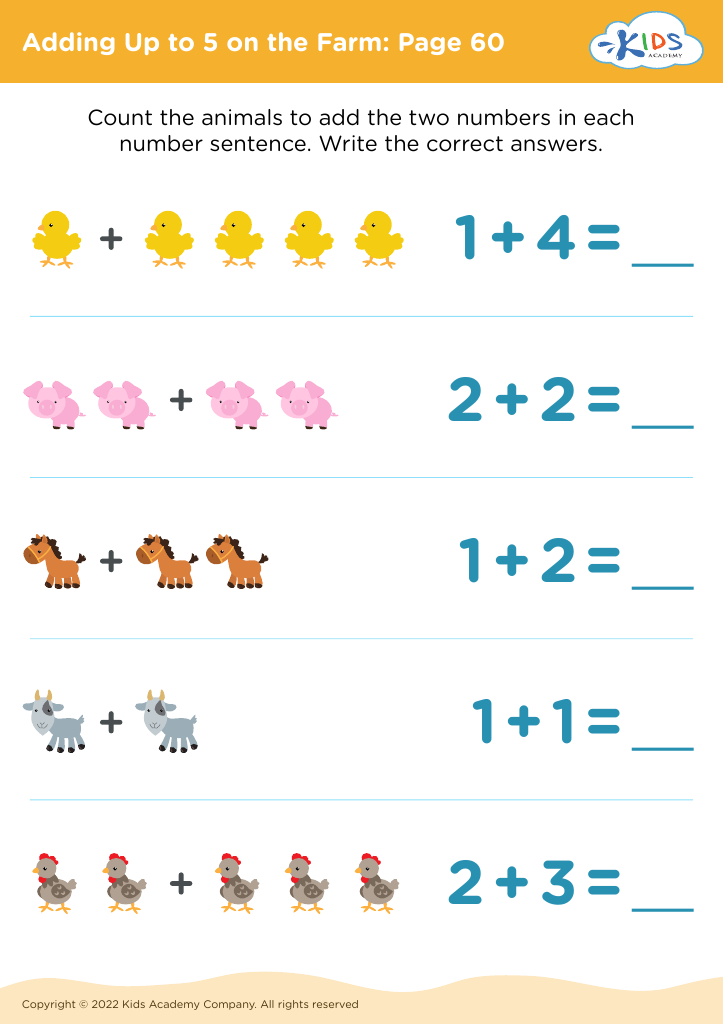








Understanding quantities, addition, and subtraction from ages 3-8 is essential for several reasons, particularly for parents and teachers who play a pivotal role in early childhood development. First, these foundational math skills enhance cognitive development, fostering critical thinking and problem-solving abilities—essential components for future academic success.
At this age, children are naturally curious and eager to learn. Introducing concepts of quantities and basic arithmetic in a playful, engaging manner capitalizes on this curiosity, making learning enjoyable. This early exposure not only boosts mathematically inclined children but also helps those who may struggle with foundational concepts later on.
Moreover, a solid grasp of quantity understanding and basic operations builds confidence. Children who feel competent in math are more likely to embrace challenges and persist in problem-solving as they progress in their education. Furthermore, these skills extend beyond academics; they apply to everyday situations, from sharing snacks to counting toys, fostering a deep-rooted appreciation for math in daily life.
Finally, early familial and educational support in these crucial areas lays the groundwork for lifelong learning. By caring about these numeracy skills, parents and teachers shape not just proficient learners but also engaged, confident individuals ready to tackle future complexities.








