Visual Learning Addition & Subtraction Worksheets for Ages 3-8 - Page 2
94 filtered results
-
From - To
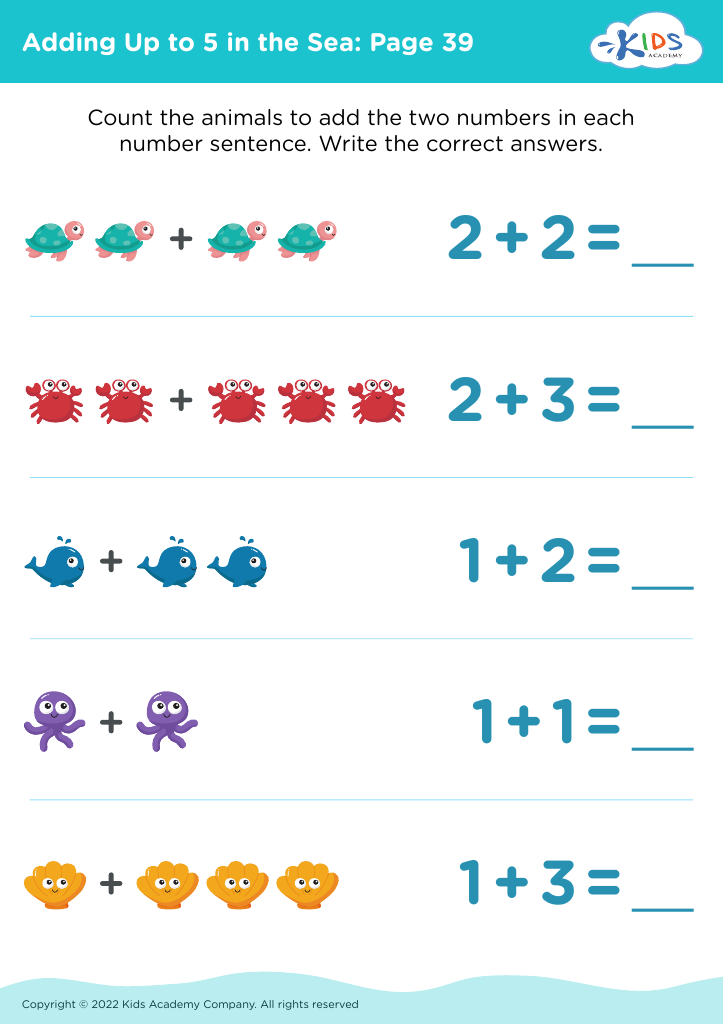
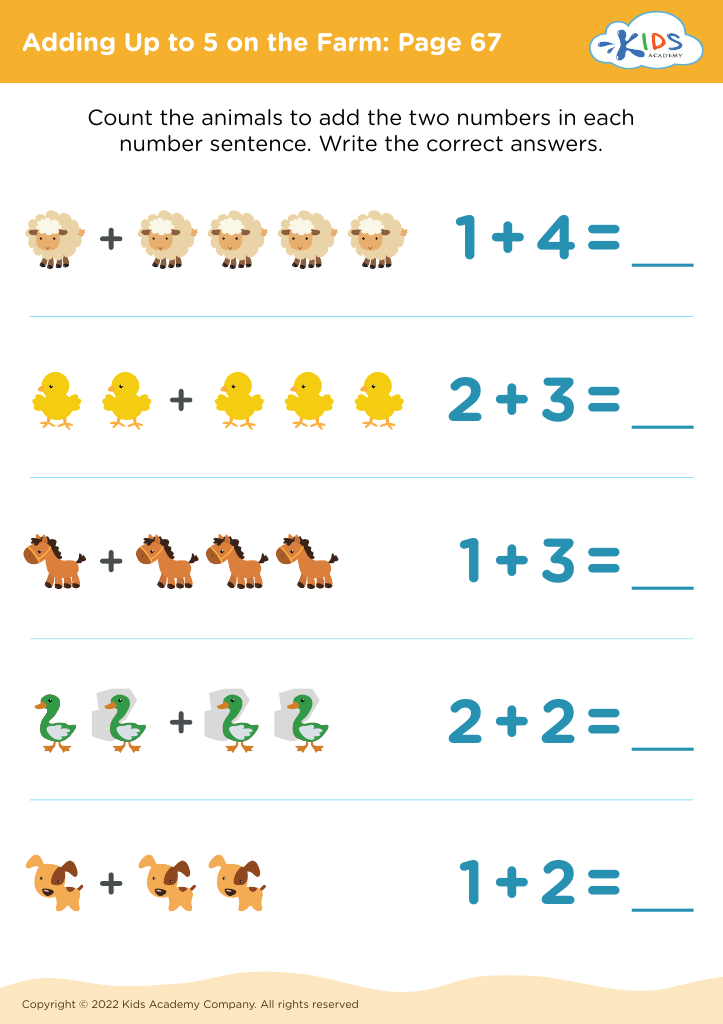
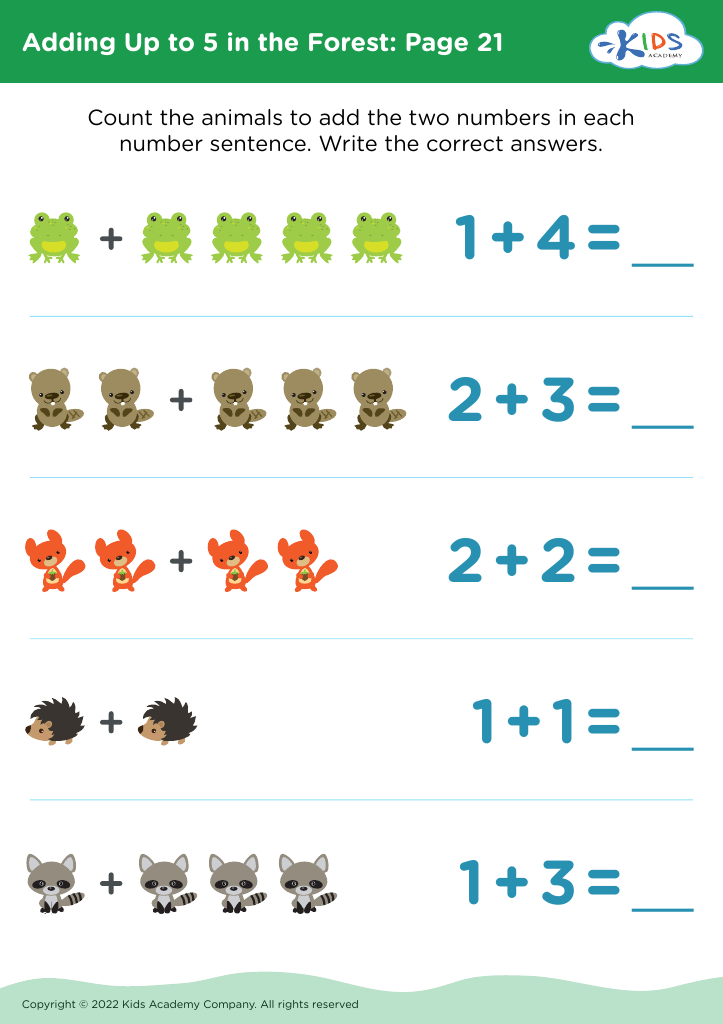
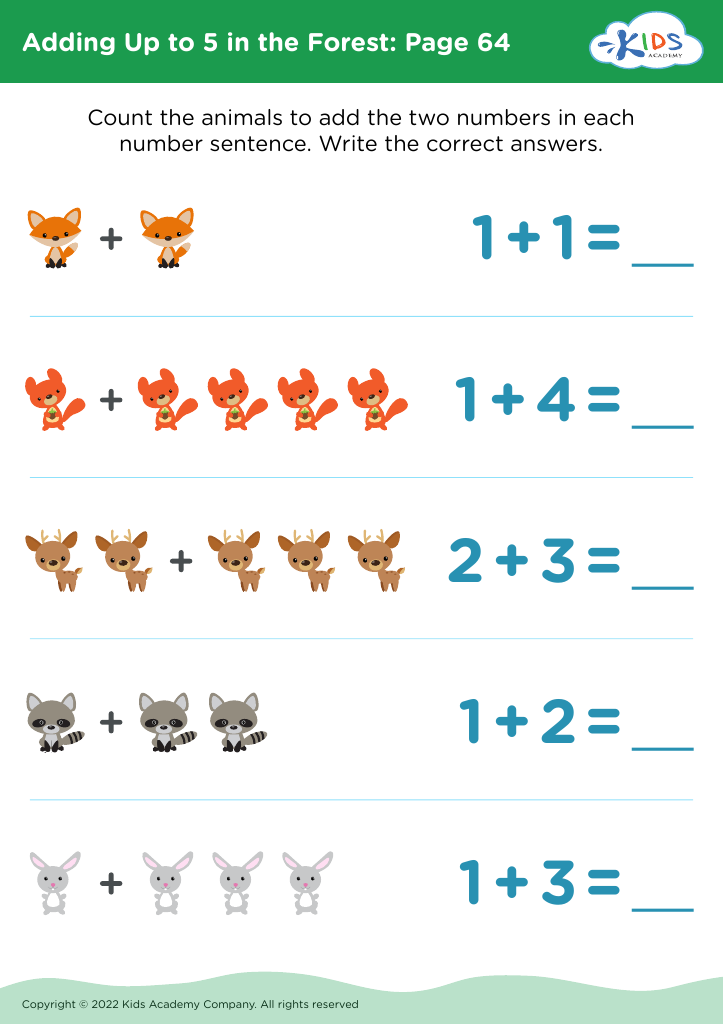
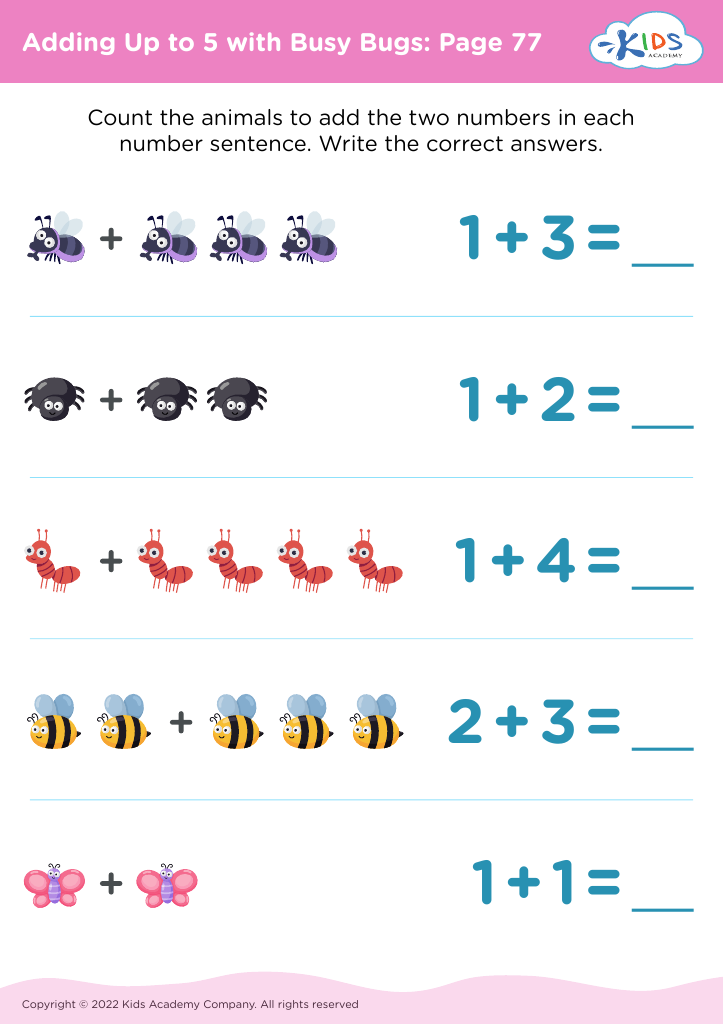
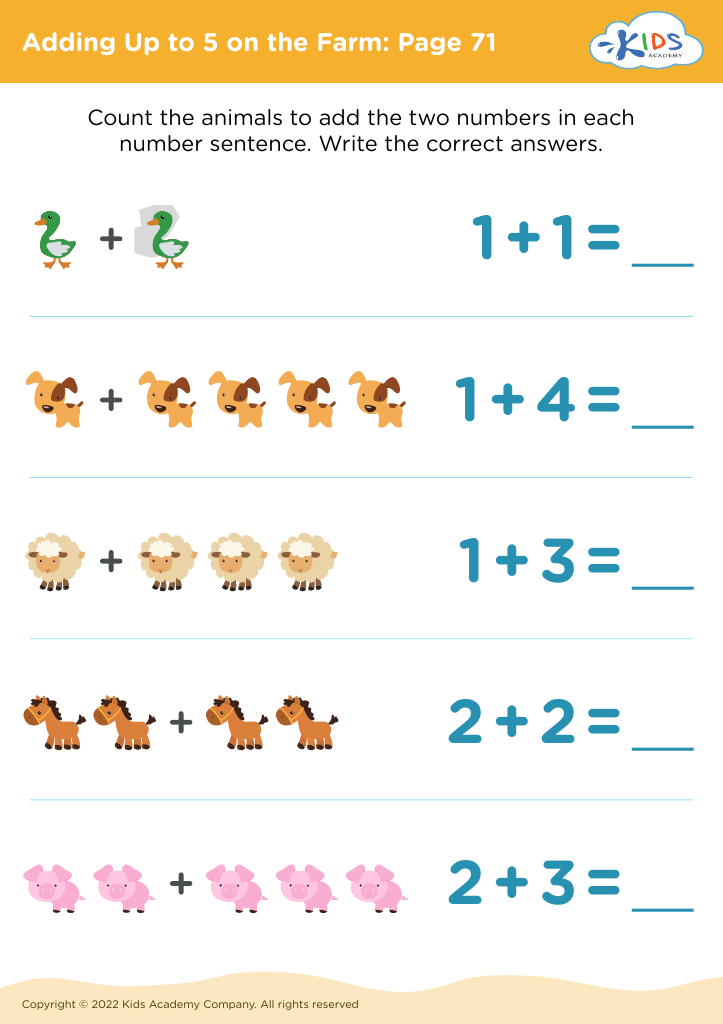
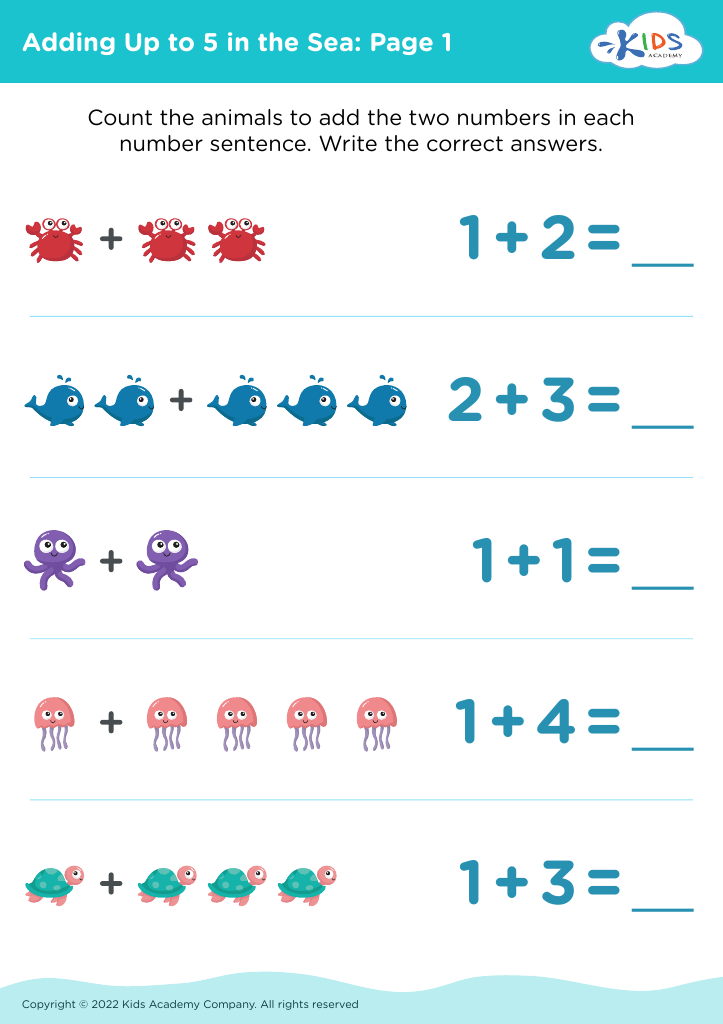
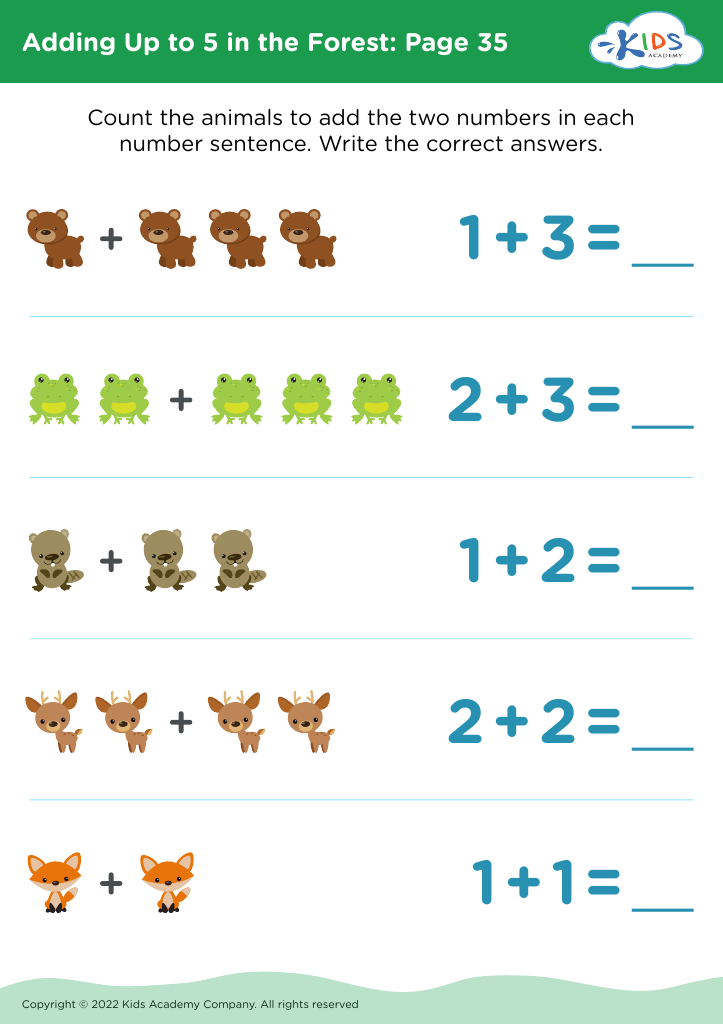
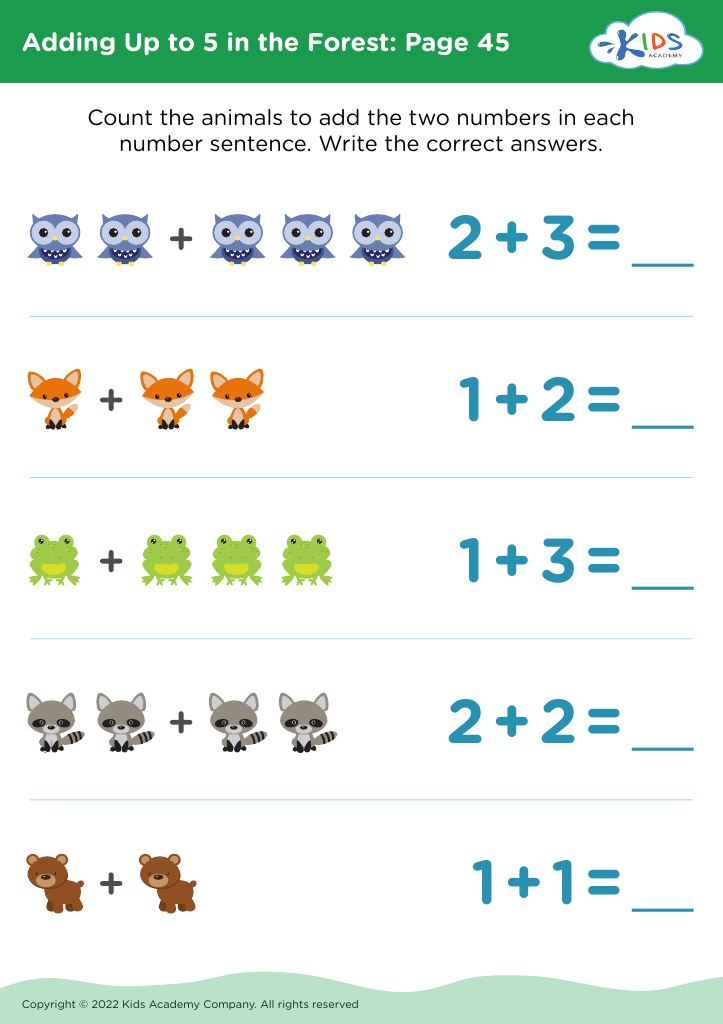
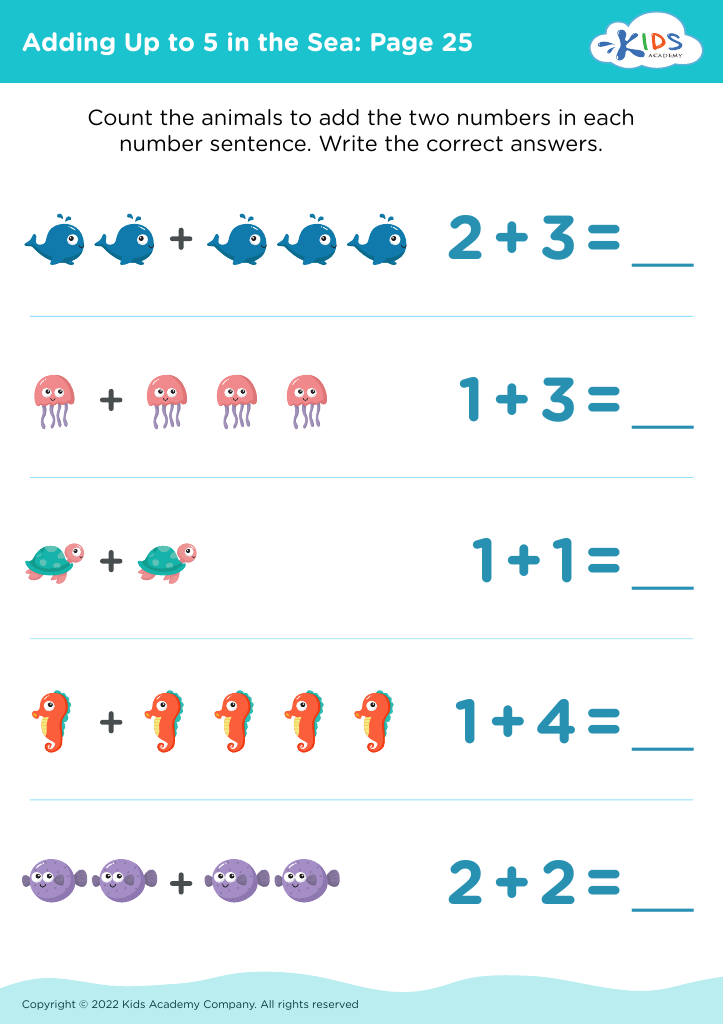
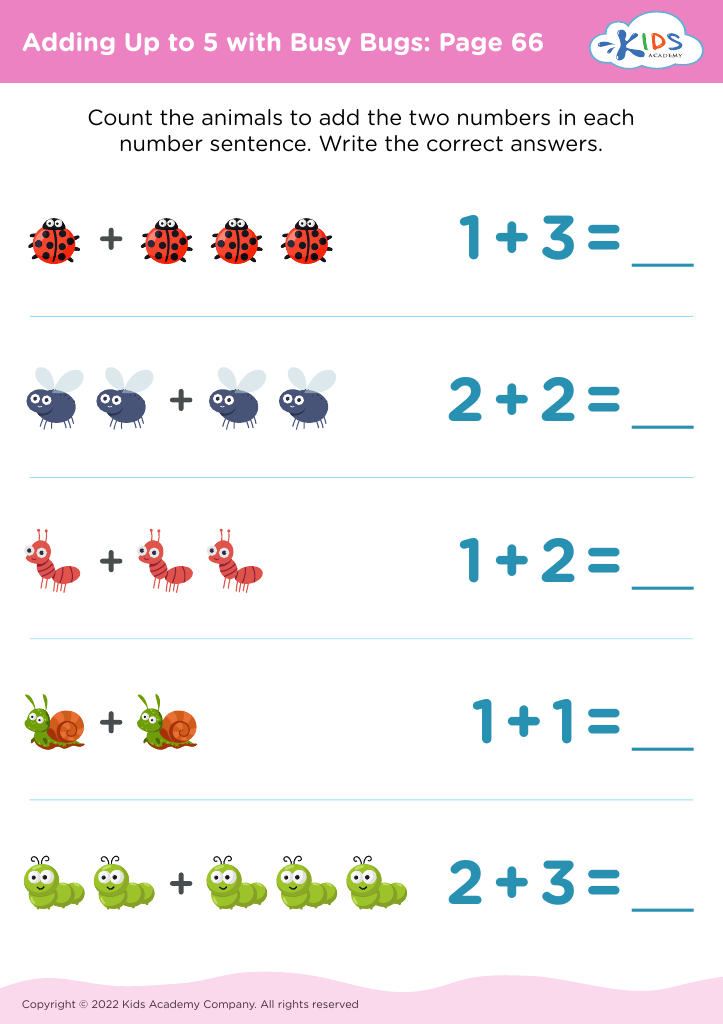
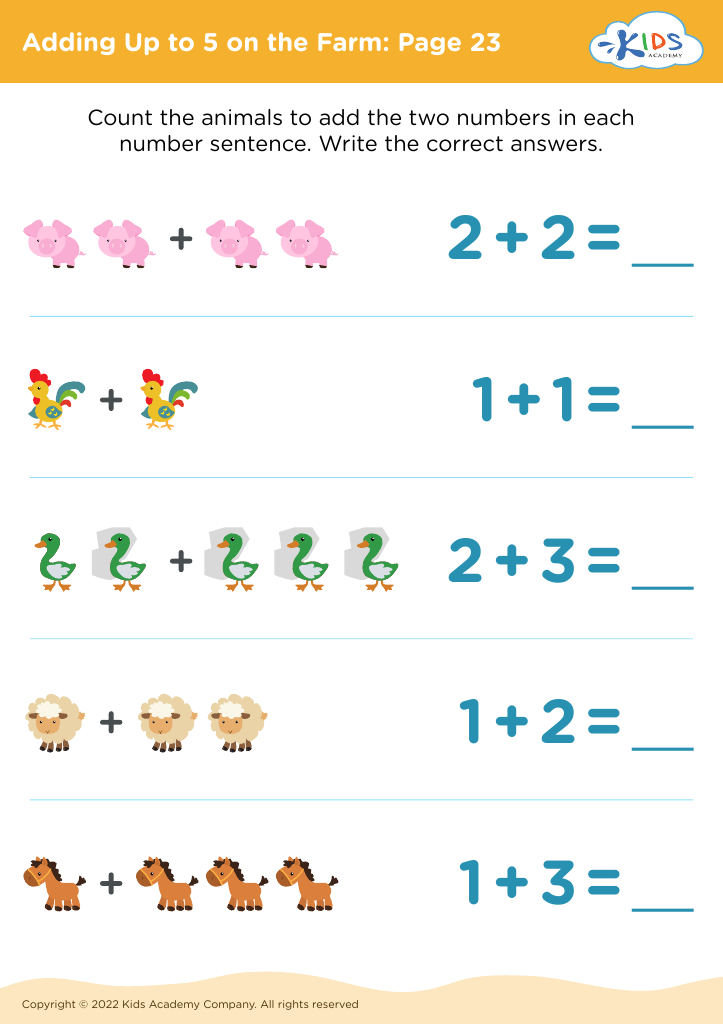
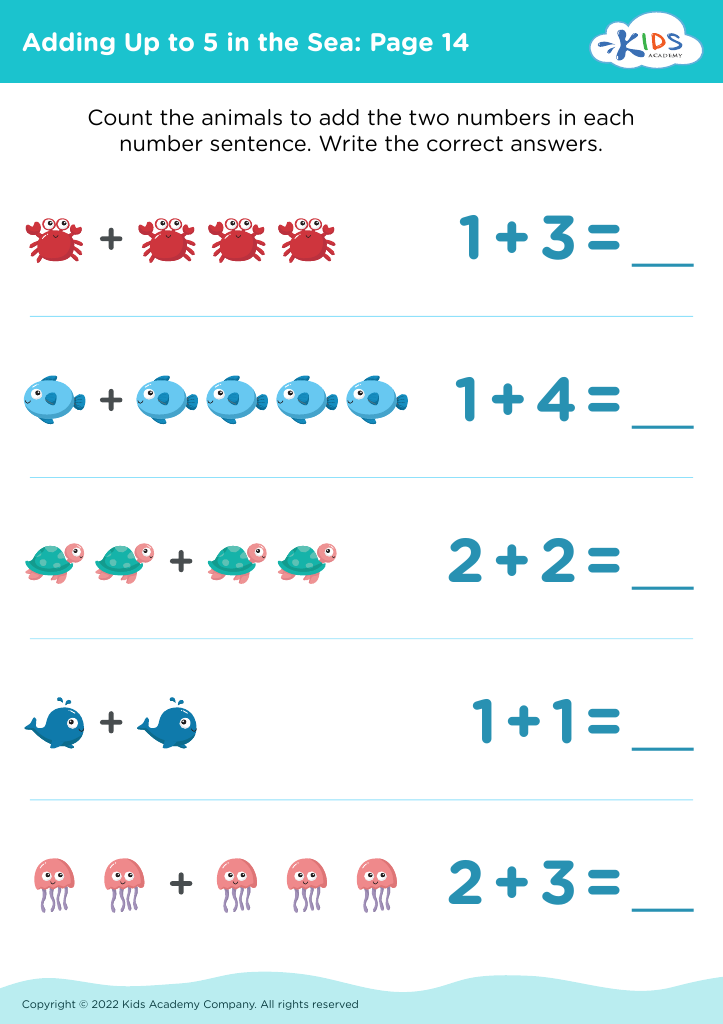
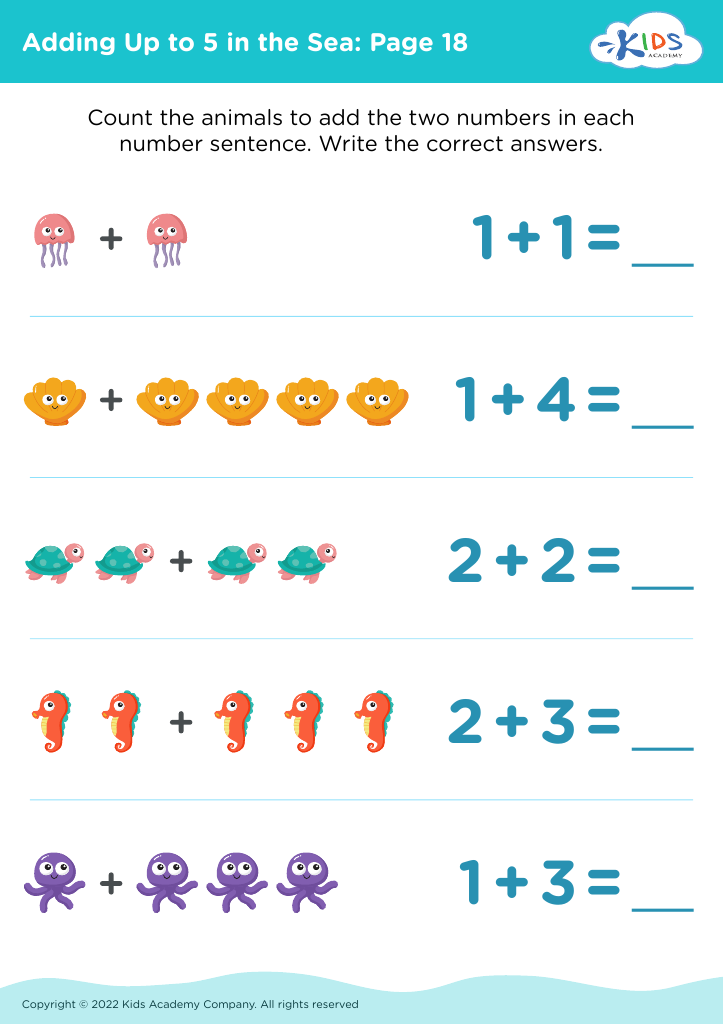
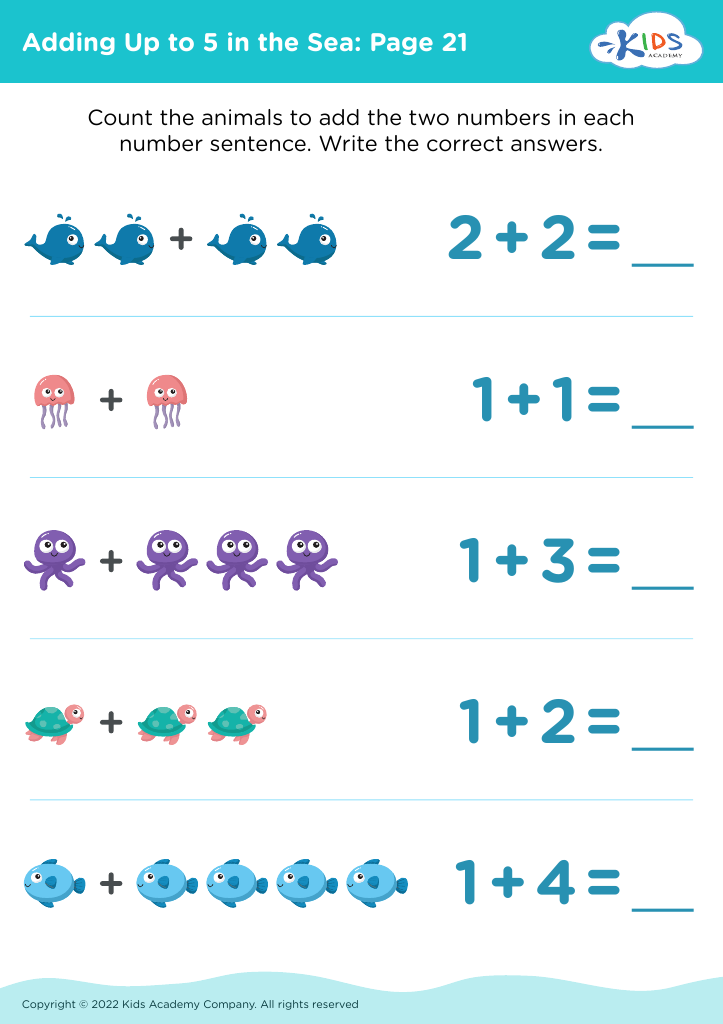
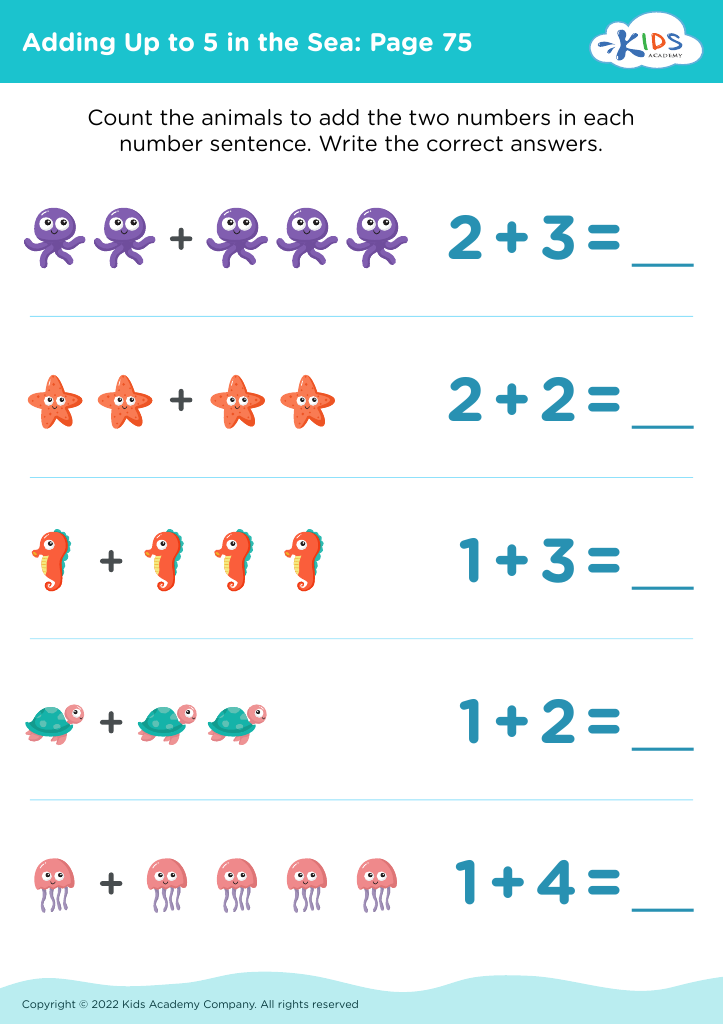
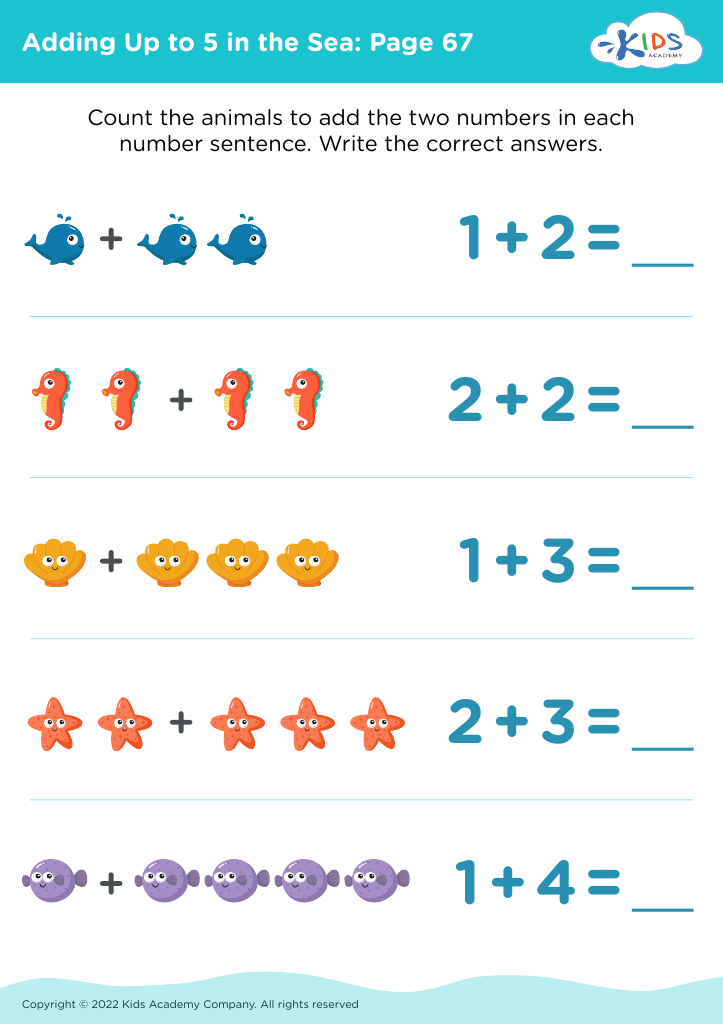
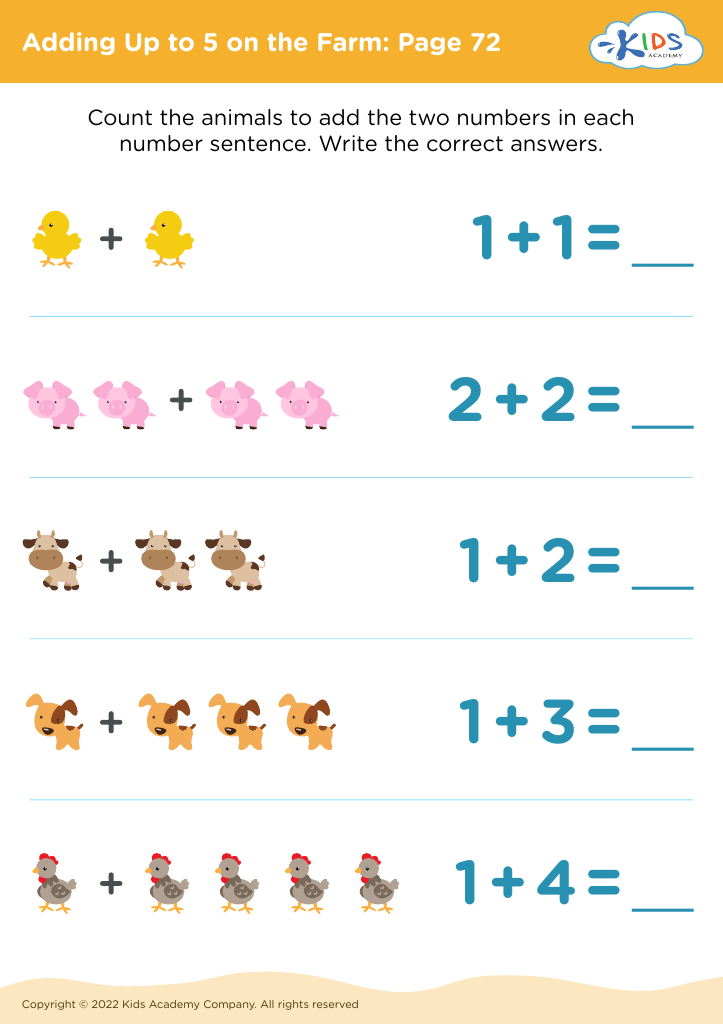
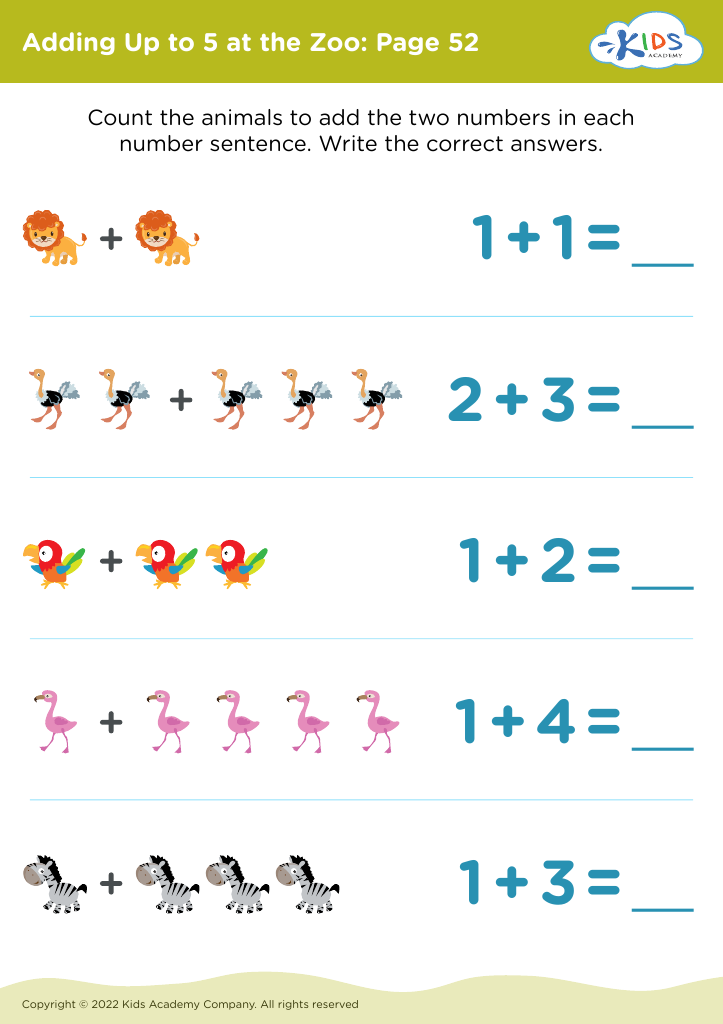
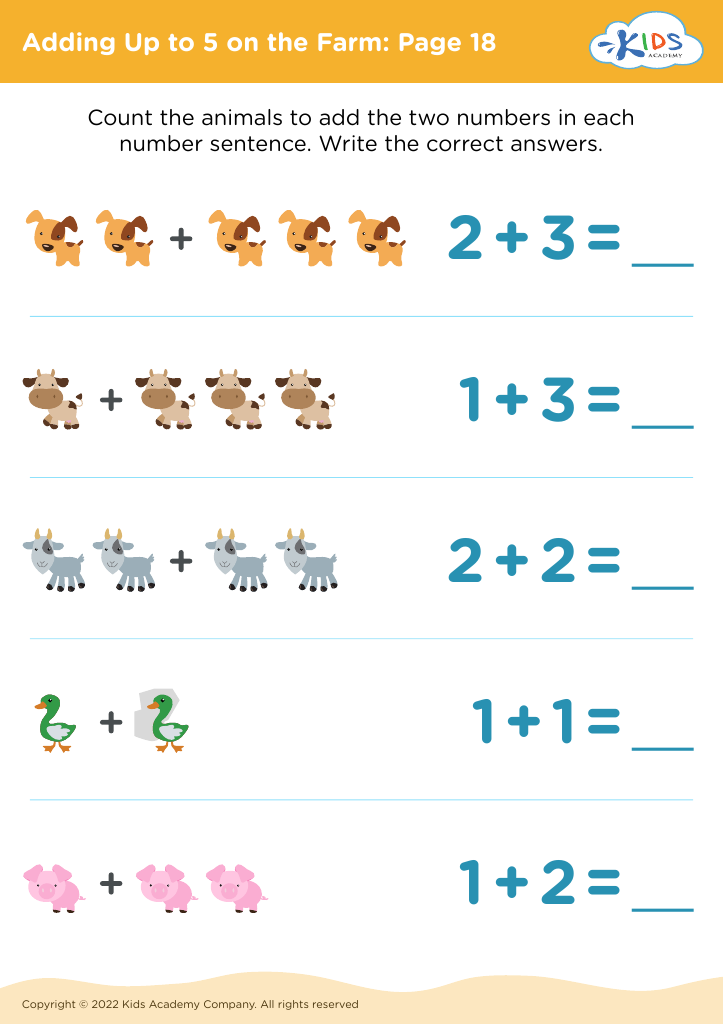
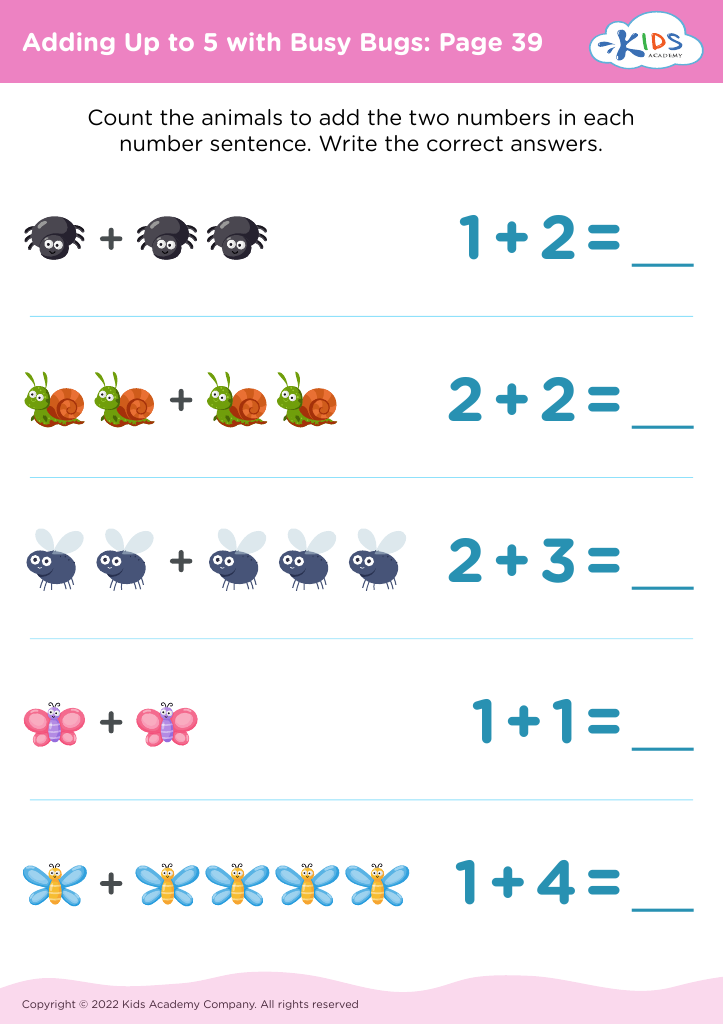
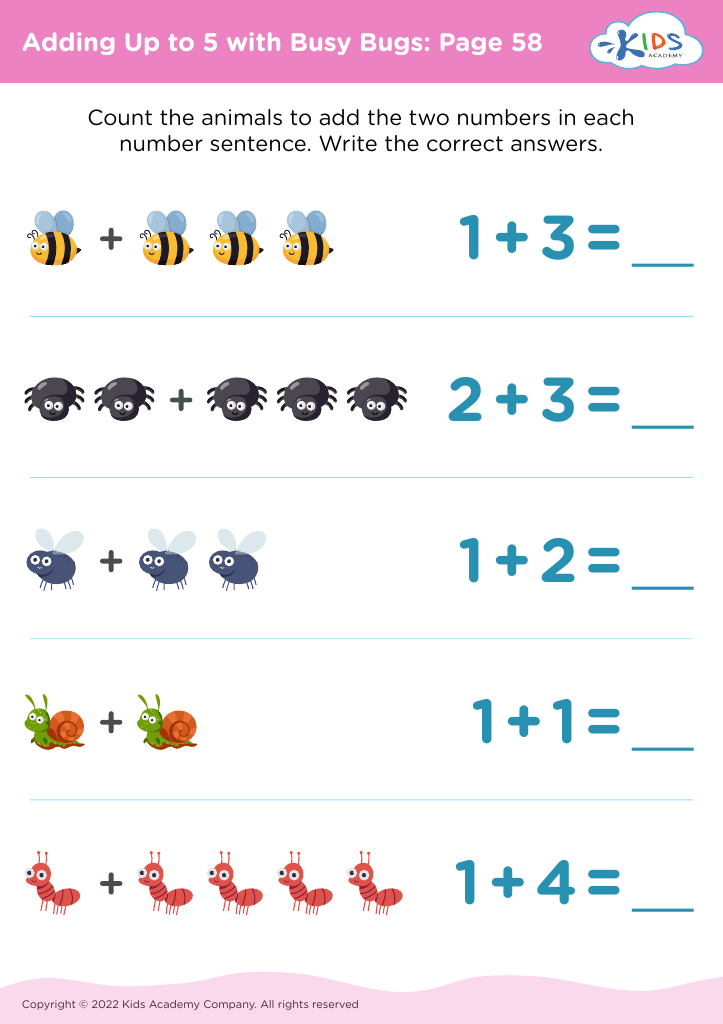
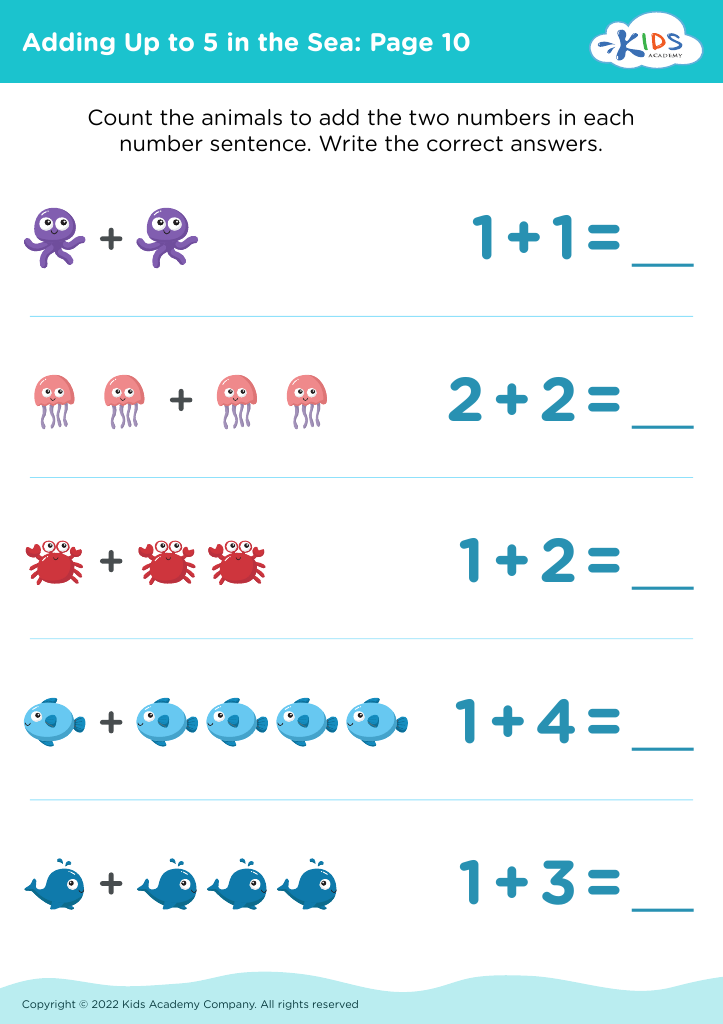
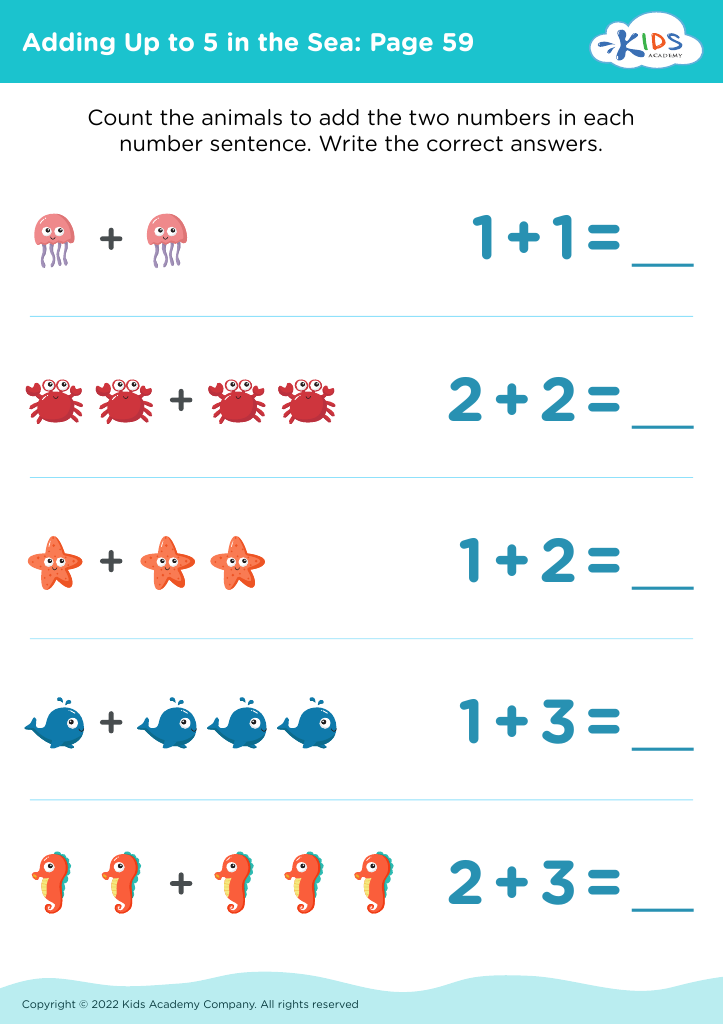








Visual learning is a powerful approach for teaching addition and subtraction to children aged 3-8. This developmental stage is crucial, as children begin to grasp fundamental mathematical concepts. By incorporating visual aids, such as manipulatives, diagrams, and interactive activities, teachers and parents can enhance children's understanding and retention of these concepts.
Visual learning caters to the natural learning styles of many young children who often think in images and learn best through hands-on experiences. Using visuals helps break down complex ideas into manageable parts, allowing kids to visualize relationships between numbers and operations. This foundation not only fosters a deeper understanding of basic math but also builds confidence as young learners discover their ability to solve problems independently.
Moreover, engaging visual elements capture children's attention and make learning enjoyable, facilitating a positive attitude toward math. As children progress, these visual strategies encourage them to develop critical thinking skills that can be applied across subjects. Thus, when parents and teachers prioritize visual learning for addition and subtraction, they empower children to succeed in math while building essential skills that pave the way for lifelong learning and problem-solving abilities.








