Visualization skills Addition & Subtraction Worksheets for Ages 3-8
4 filtered results
-
From - To
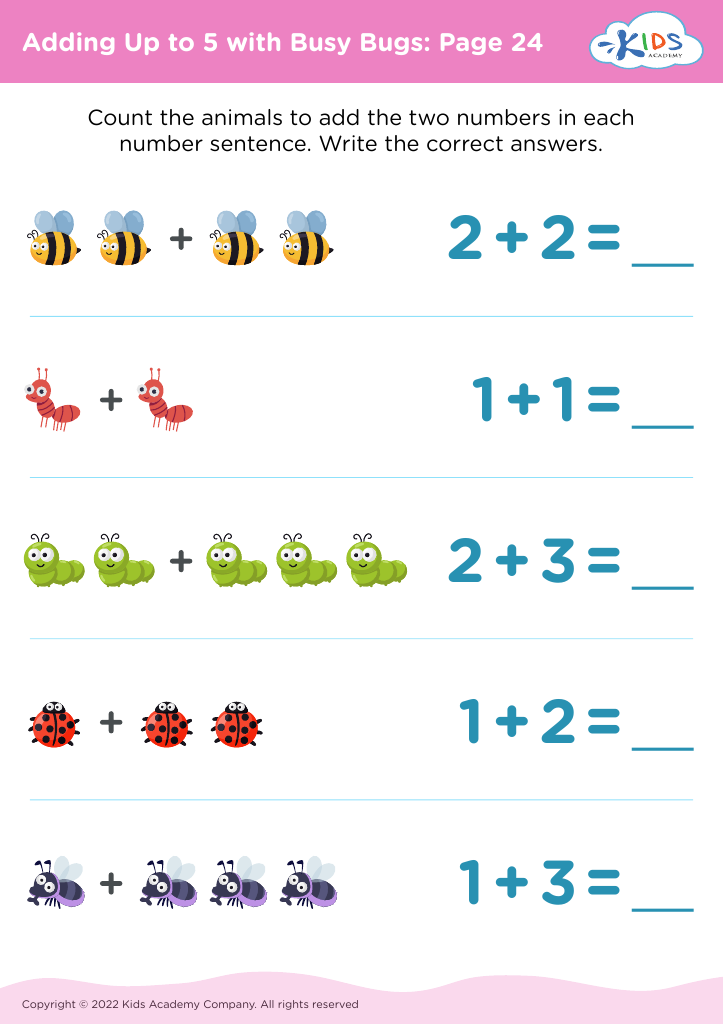
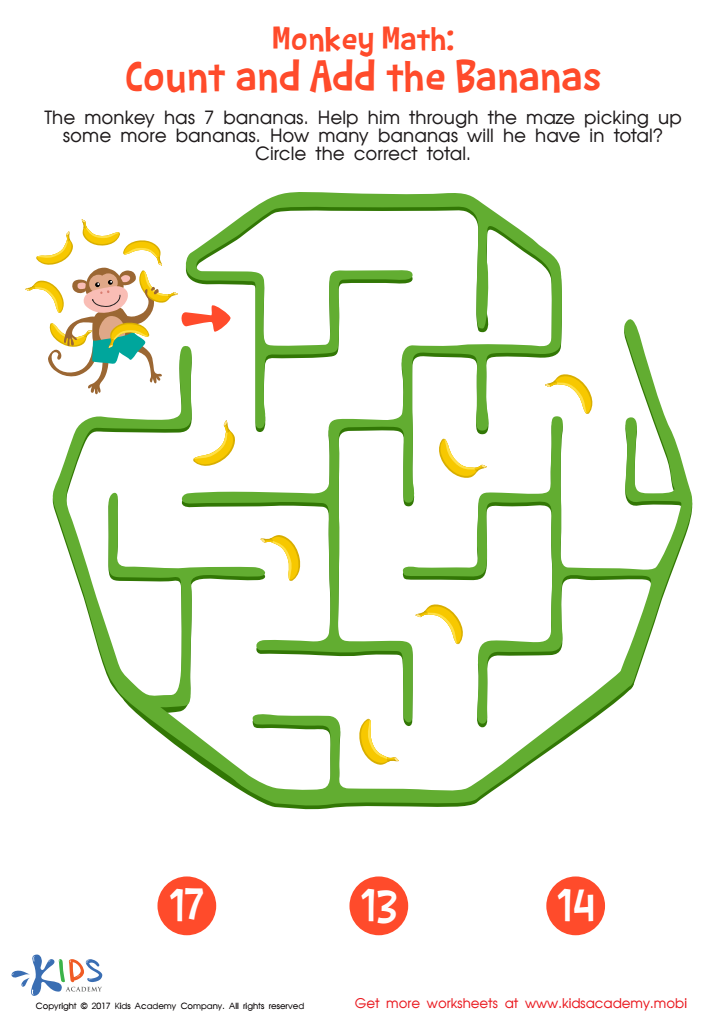
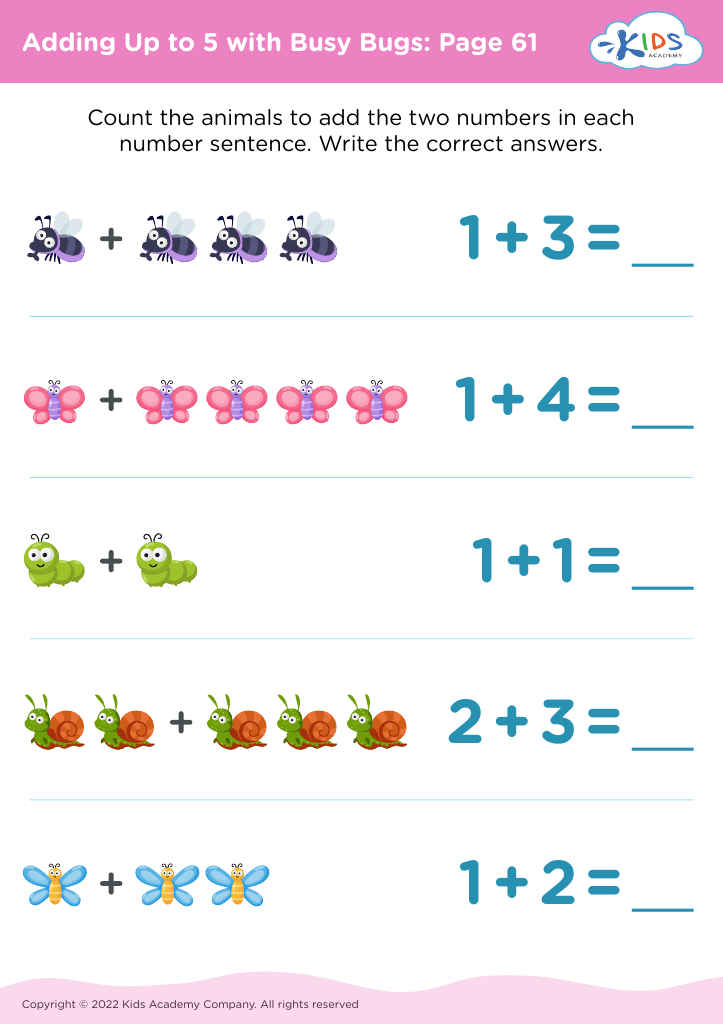
Enhance your child's math journey with our "Visualization Skills Addition & Subtraction Worksheets" designed for ages 3-8. These engaging worksheets focus on building essential visualization skills through fun and interactive math activities. By using visual aids, children will learn to solve addition and subtraction problems effectively, fostering a deeper understanding of numerical concepts. Our thoughtfully crafted resources stimulate cognitive development while making learning enjoyable. Perfect for both classroom and home use, these worksheets support children in visualizing relationships between numbers, encouraging independent problem-solving. Help your child develop a solid foundation in math with our captivating visualization worksheets today!
 Assign to My Students
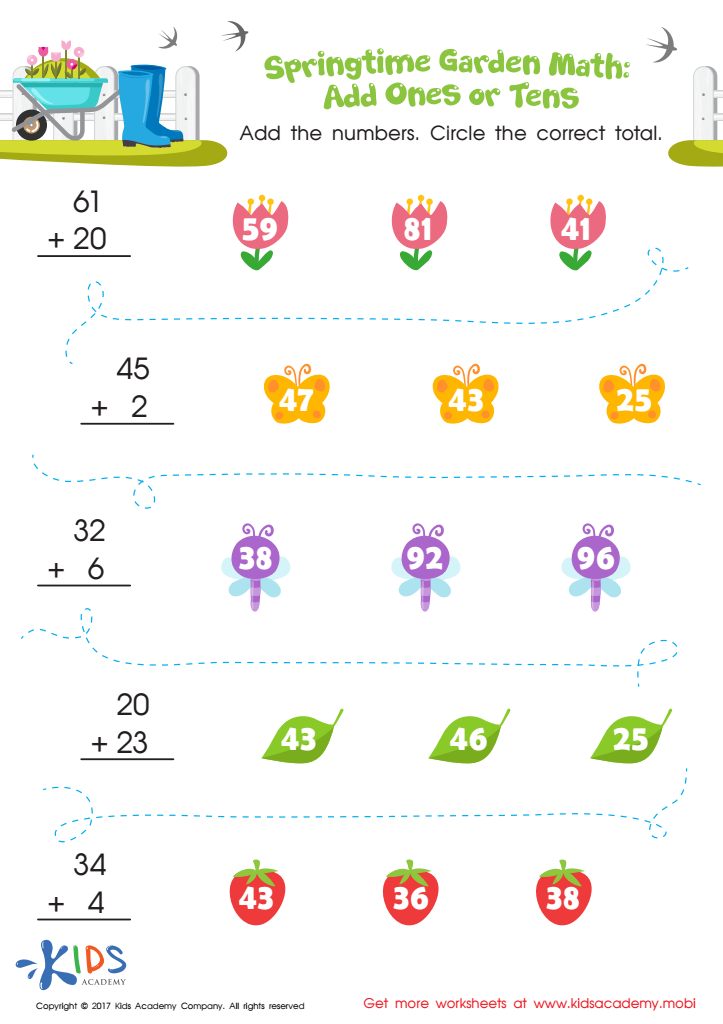
Springtime Garden Math Worksheet








Visualization skills are crucial for young learners, particularly in mastering foundational concepts of addition and subtraction. For children aged 3-8, developing these skills lays a strong groundwork for mathematical understanding. When children can visualize numbers and the relationships between them, they are better equipped to solve problems, recognize patterns, and understand complex concepts as they progress in their education.
Parents and teachers should recognize that visualization aids memory retention, making it easier for children to recall math facts. Tools such as number lines, ten frames, and visual aids like counting blocks can help illustrate how values combine or separate in addition and subtraction. These resources transform abstract concepts into tangible ideas, enhancing comprehension.
Furthermore, fostering visualization skills in early education boosts confidence. Children who can mentally picture mathematical operations are more likely to engage actively in problem-solving. As they embrace challenges, their enthusiasm for math can grow, paving the way for future success in more advanced topics.
Ultimately, focusing on visualization skills equips young learners with critical thinking strategies, improves academic performance, and promotes a positive attitude towards math, setting them up for lifelong learning and enjoyment of the subject. Education is not merely about memorization, but about understanding, and visualization is key.








