Filters

114 filtered results

Clear all filters
Favorites
With answer key
Interactive

114 filtered results

Difficulty Level

Grade


Subject

    Enhance your child’s cognitive skills with our engaging addition worksheets designed for kids aged 3-8. These interactive and colorful sheets focus on developing critical thinking, problem-solving, and basic math skills. Perfect for preschoolers to early elementary students, our worksheets offer fun, age-appropriate challenges that grow with your child. Whether they are just beginning to count or improving their addition prowess, our worksheets adapt to their learning pace, boosting confidence and academic success. Embrace a joyful learning journey with exercises that lay a solid foundation in cognitive development and math skills, making learning an inspiring adventure.

    Check out this FREE Trial Lesson on Addition for age 3-8!

    L

    Favorites
    With answer key
    Interactive
    • 3-8
    • Cognitive Development
    • Addition
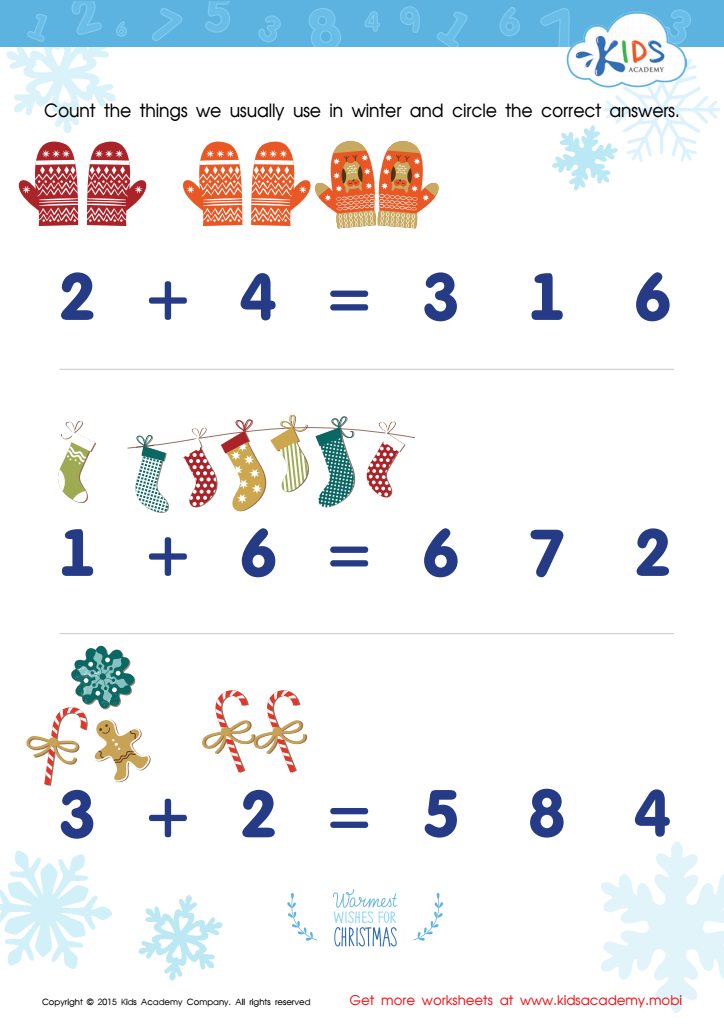
    Math PDF Worksheet: Count Winter Things
    Math PDF Worksheet: Count Winter Things

    Count Winter Things Worksheet

    This chilly winter afternoon, help your kid warm up with Kids Academy's free math worksheet - full of bright pictures and addition practice. Let them count the things and write in the numbers for a great brain training and math head start. Get more free math worksheets here. (80 words)
    Count Winter Things Worksheet
    Worksheet
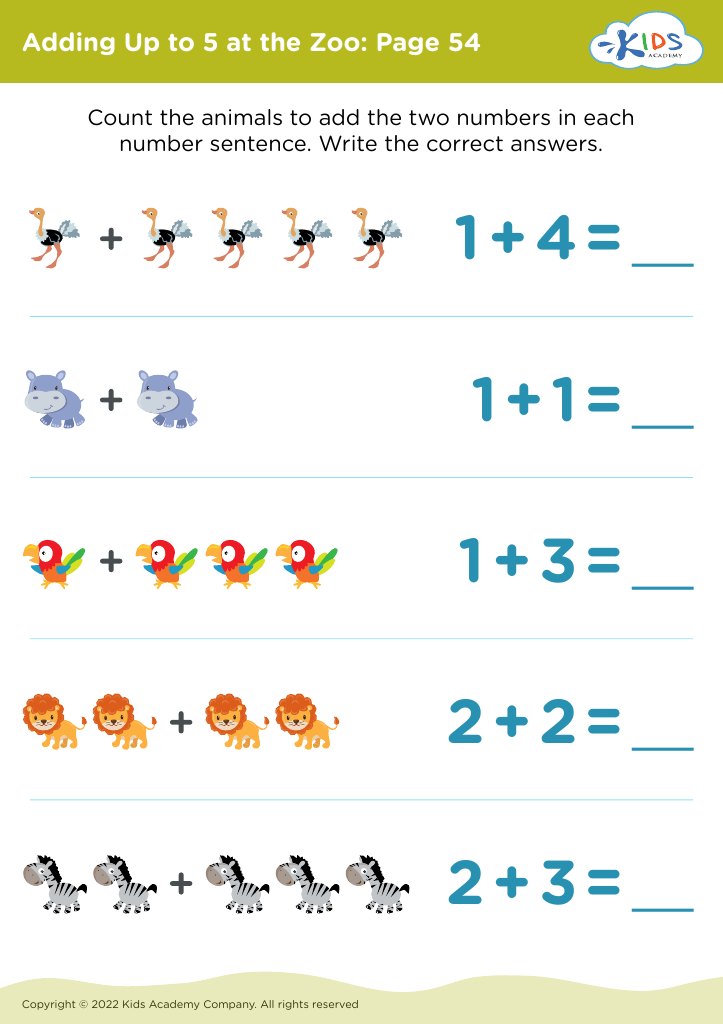
    Adding Up to 5 at the Zoo: Page 54
    Adding Up to 5 at the Zoo: Page 54
    Adding Up to 5 at the Zoo: Page 54
    Worksheet
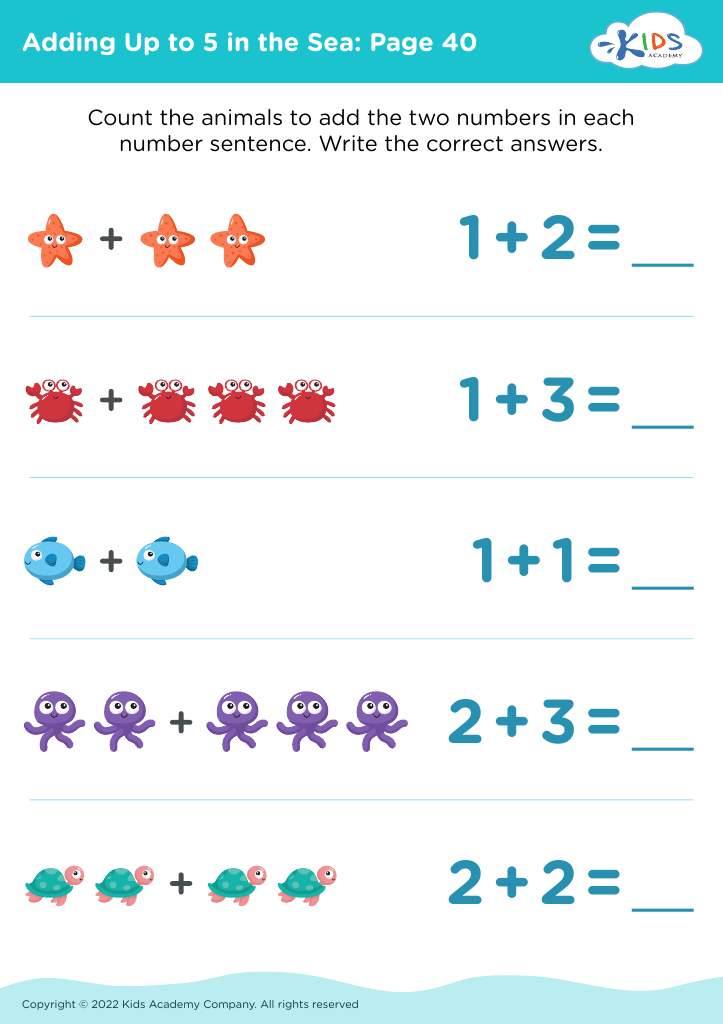
    Adding Up to 5 in the Sea: Page 40
    Adding Up to 5 in the Sea: Page 40
    Adding Up to 5 in the Sea: Page 40
    Worksheet
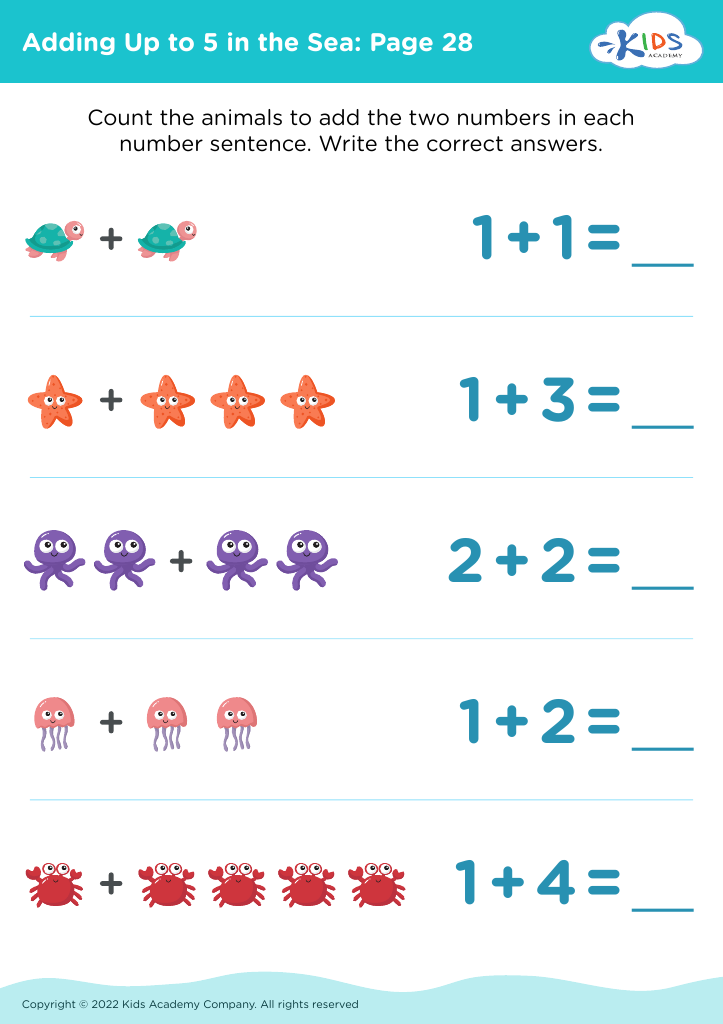
    Adding Up to 5 in the Sea: Page 28
    Adding Up to 5 in the Sea: Page 28
    Adding Up to 5 in the Sea: Page 28
    Worksheet
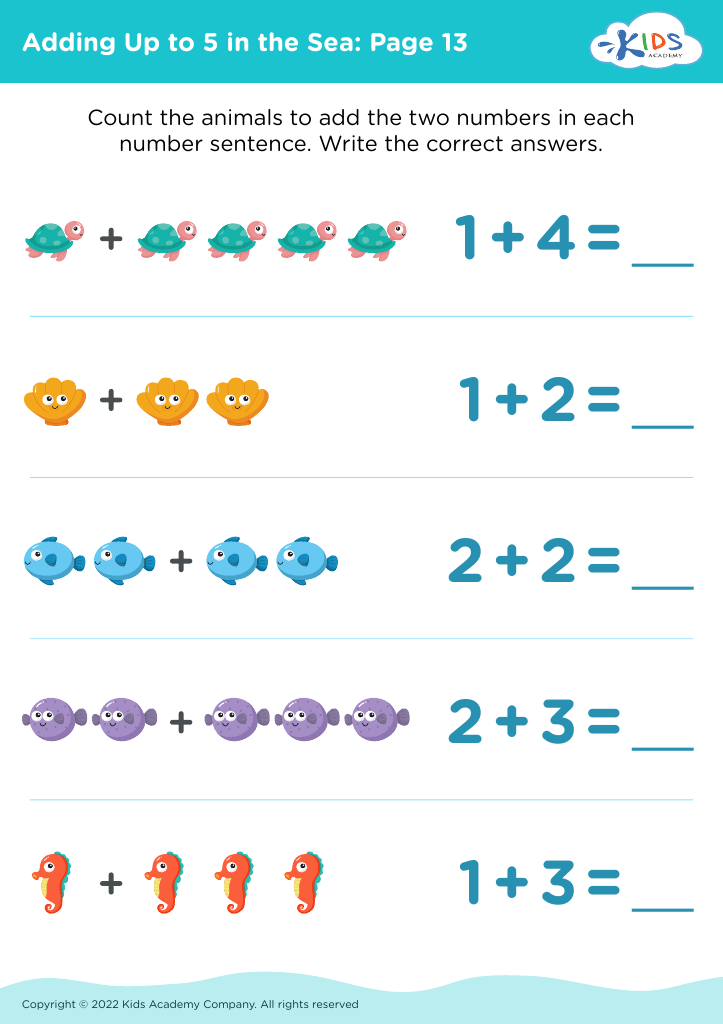
    Adding Up to 5 in the Sea: Page 13
    Adding Up to 5 in the Sea: Page 13
    Adding Up to 5 in the Sea: Page 13
    Worksheet
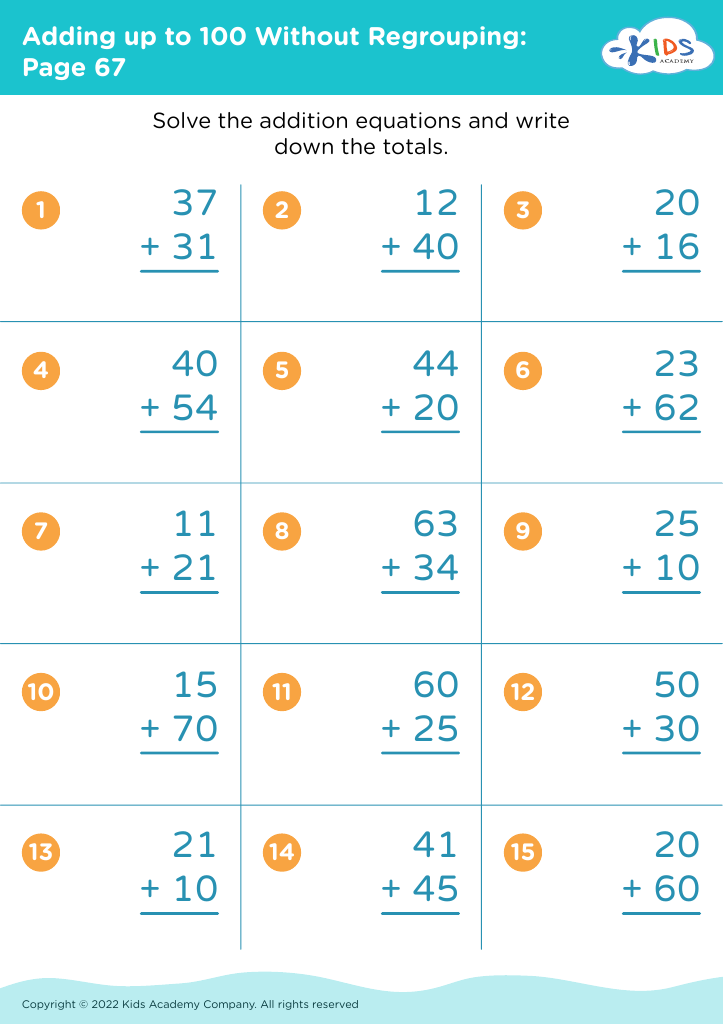
    Adding up to 100 Without Regrouping: Page 67
    Adding up to 100 Without Regrouping: Page 67
    Adding up to 100 Without Regrouping: Page 67
    Worksheet
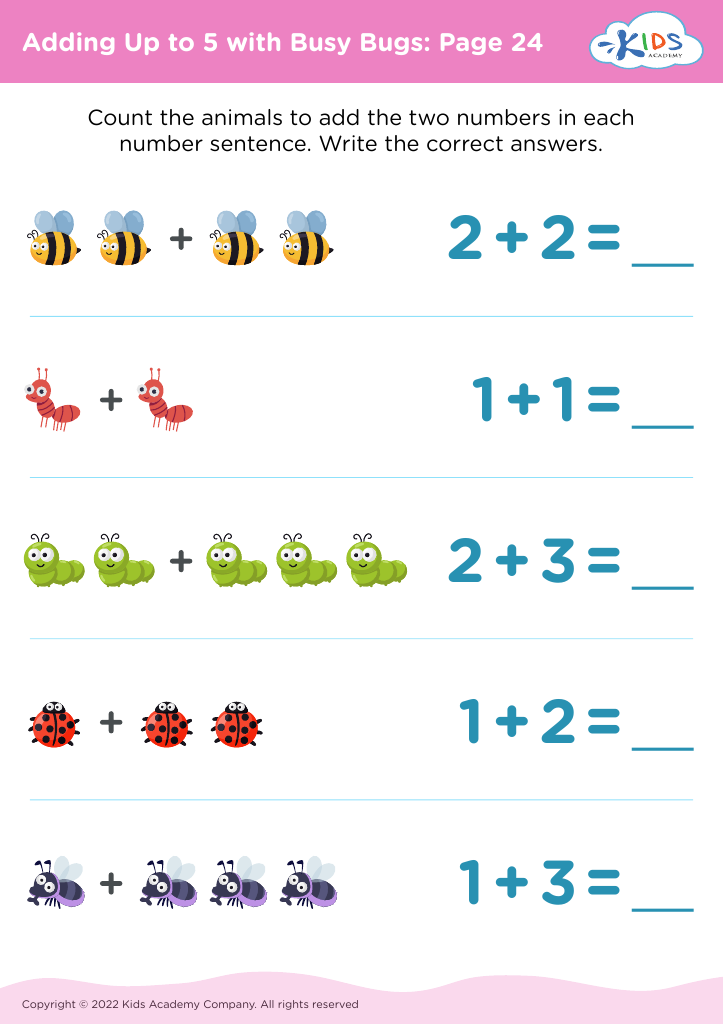
    Adding Up to 5 with Busy Bugs: Page 24
    Adding Up to 5 with Busy Bugs: Page 24
    Adding Up to 5 with Busy Bugs: Page 24
    Worksheet
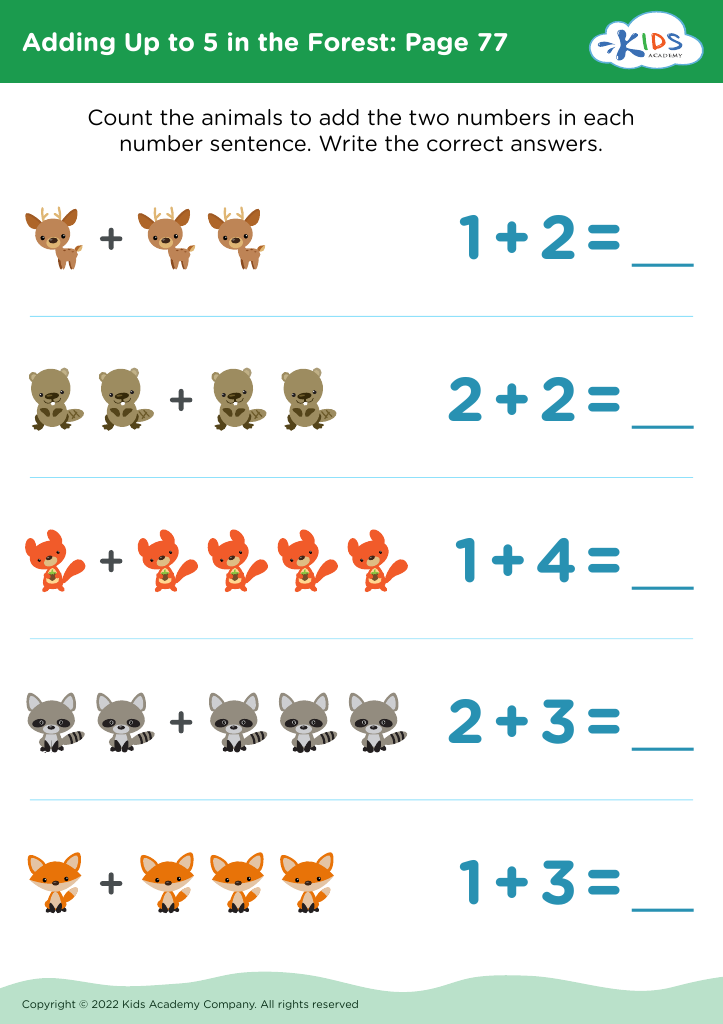
    Adding Up to 5 in the Forest: Page 77
    Adding Up to 5 in the Forest: Page 77
    Adding Up to 5 in the Forest: Page 77
    Worksheet
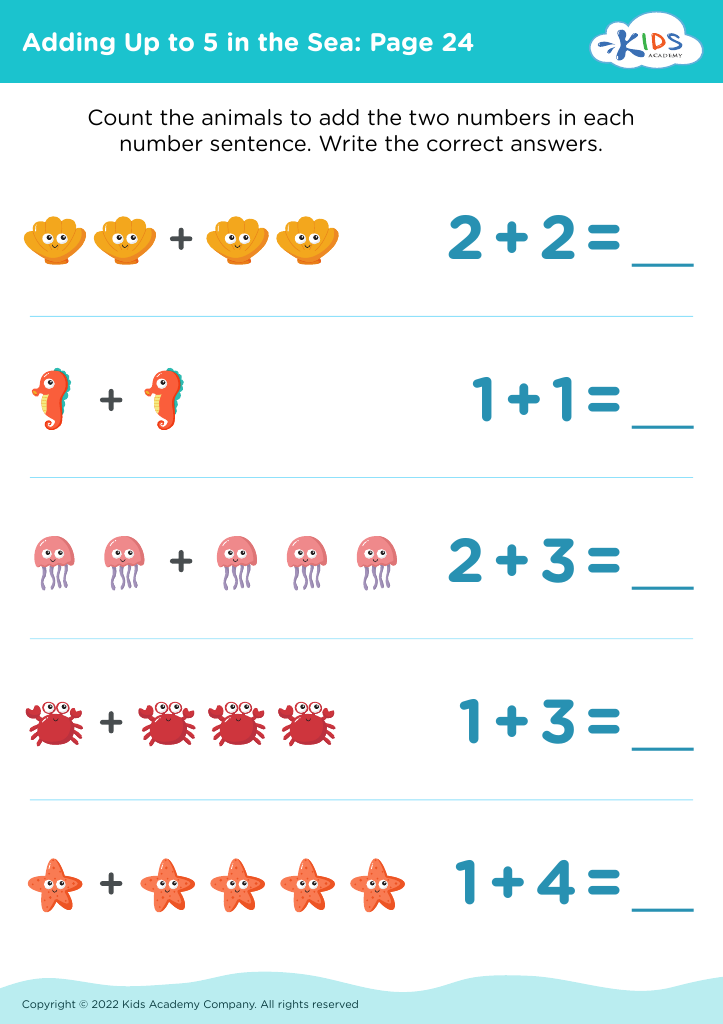
    Adding Up to 5 in the Sea: Page 24
    Adding Up to 5 in the Sea: Page 24
    Adding Up to 5 in the Sea: Page 24
    Worksheet
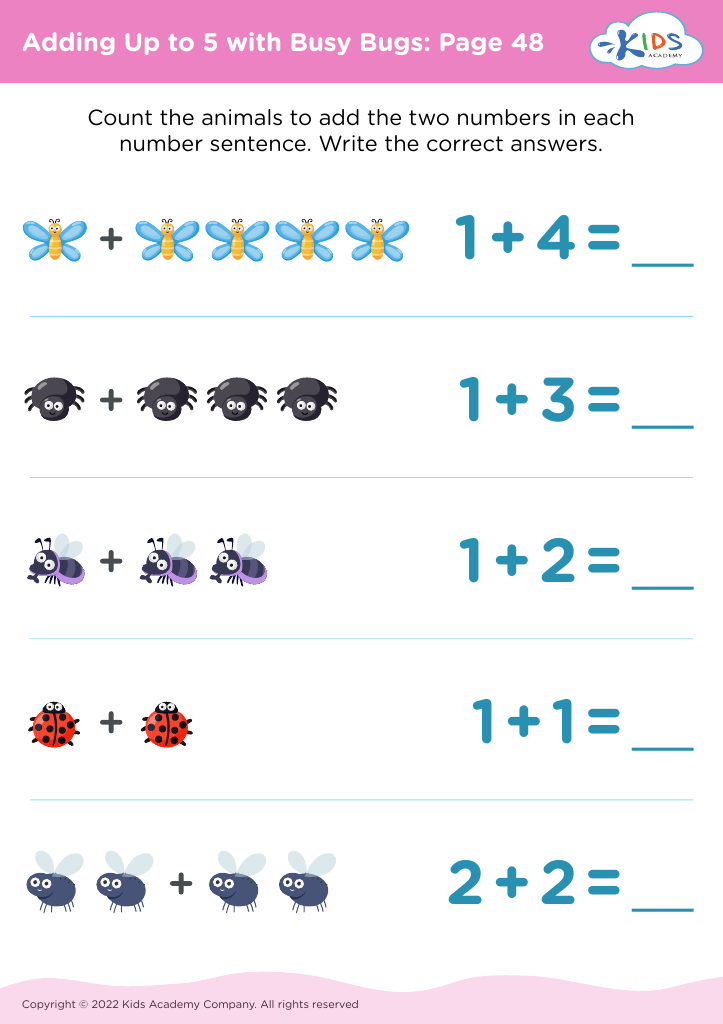
    Adding Up to 5 with Busy Bugs: Page 48
    Adding Up to 5 with Busy Bugs: Page 48
    Adding Up to 5 with Busy Bugs: Page 48
    Worksheet
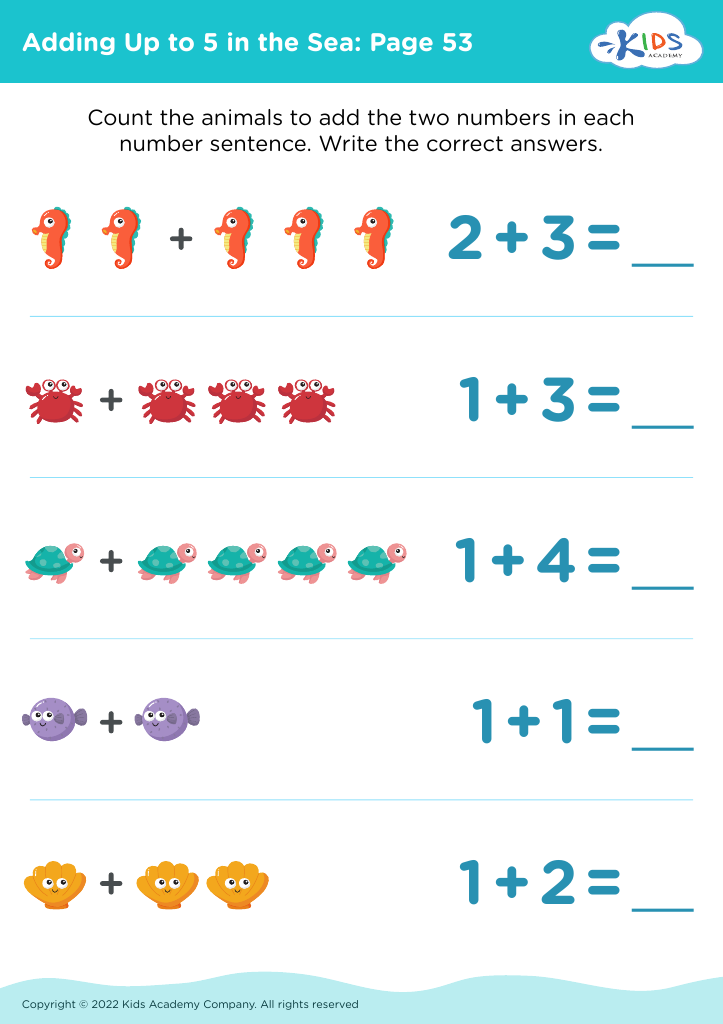
    Adding Up to 5 in the Sea: Page 53
    Adding Up to 5 in the Sea: Page 53
    Adding Up to 5 in the Sea: Page 53
    Worksheet
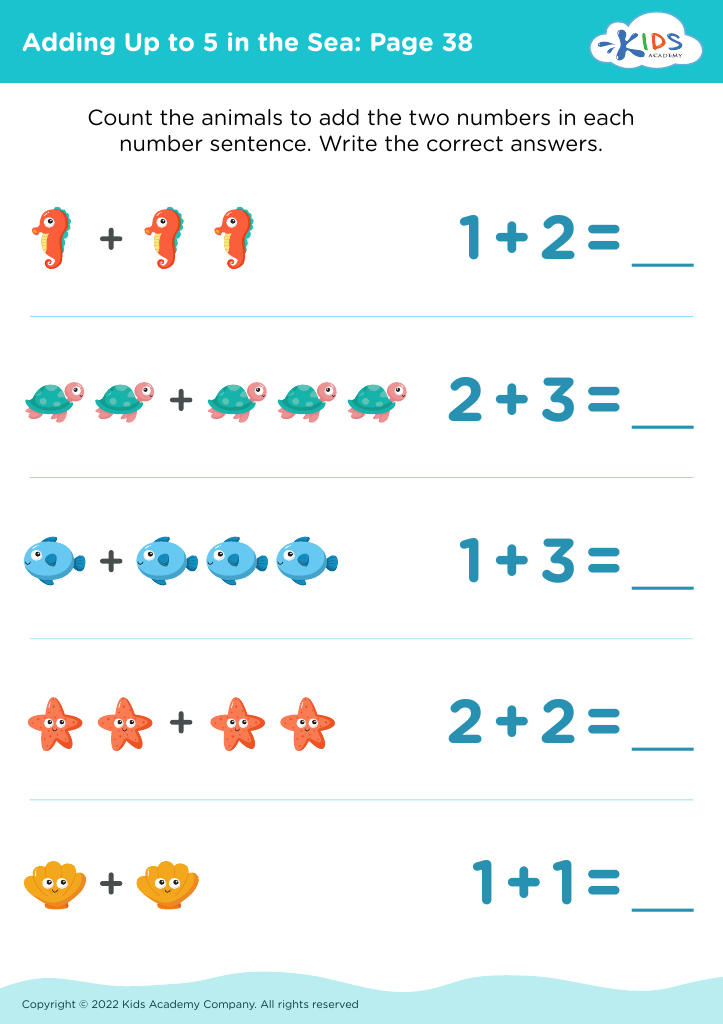
    Adding Up to 5 in the Sea: Page 38
    Adding Up to 5 in the Sea: Page 38
    Adding Up to 5 in the Sea: Page 38
    Worksheet
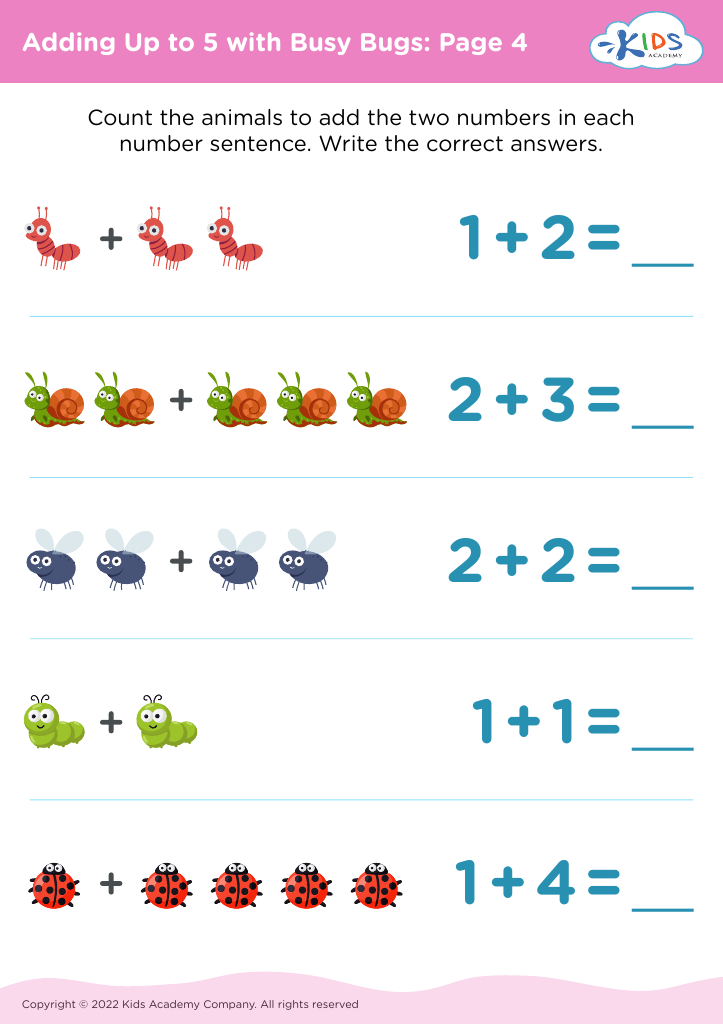
    Adding Up to 5 with Busy Bugs: Page 4
    Adding Up to 5 with Busy Bugs: Page 4
    Adding Up to 5 with Busy Bugs: Page 4
    Worksheet
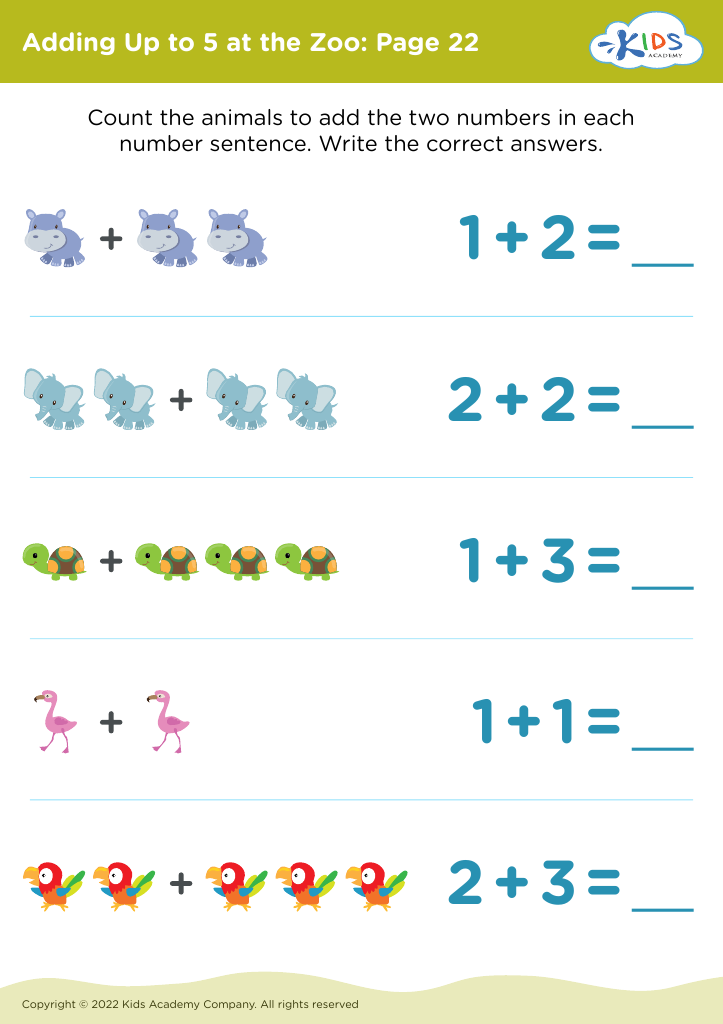
    Adding Up to 5 at the Zoo: Page 22
    Adding Up to 5 at the Zoo: Page 22
    Adding Up to 5 at the Zoo: Page 22
    Worksheet
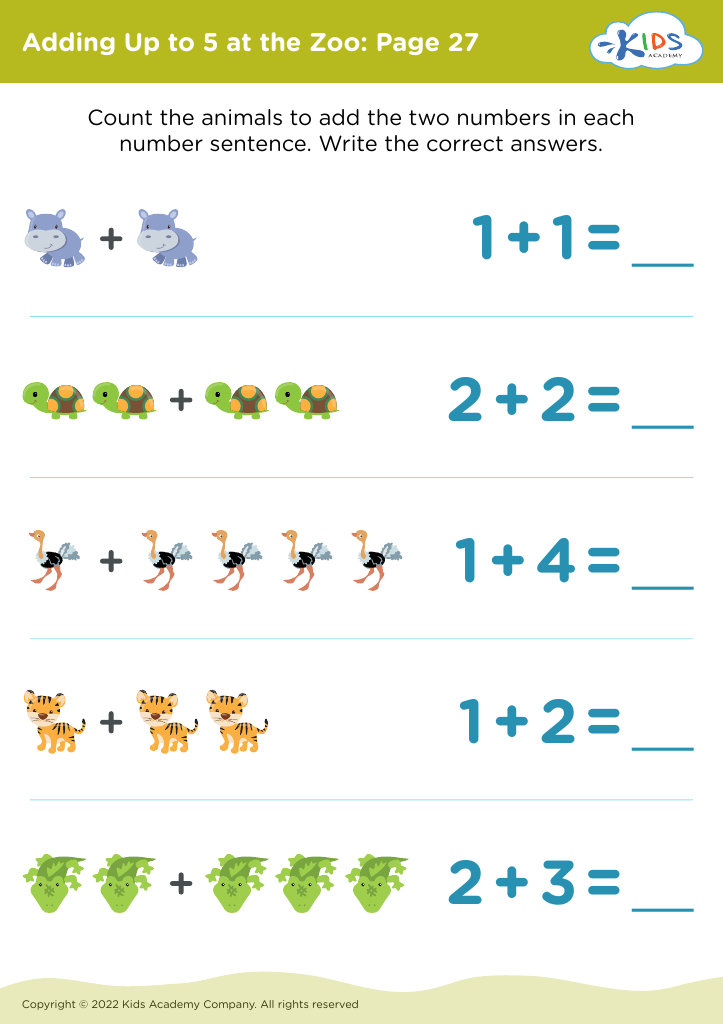
    Adding Up to 5 at the Zoo: Page 27
    Adding Up to 5 at the Zoo: Page 27
    Adding Up to 5 at the Zoo: Page 27
    Worksheet
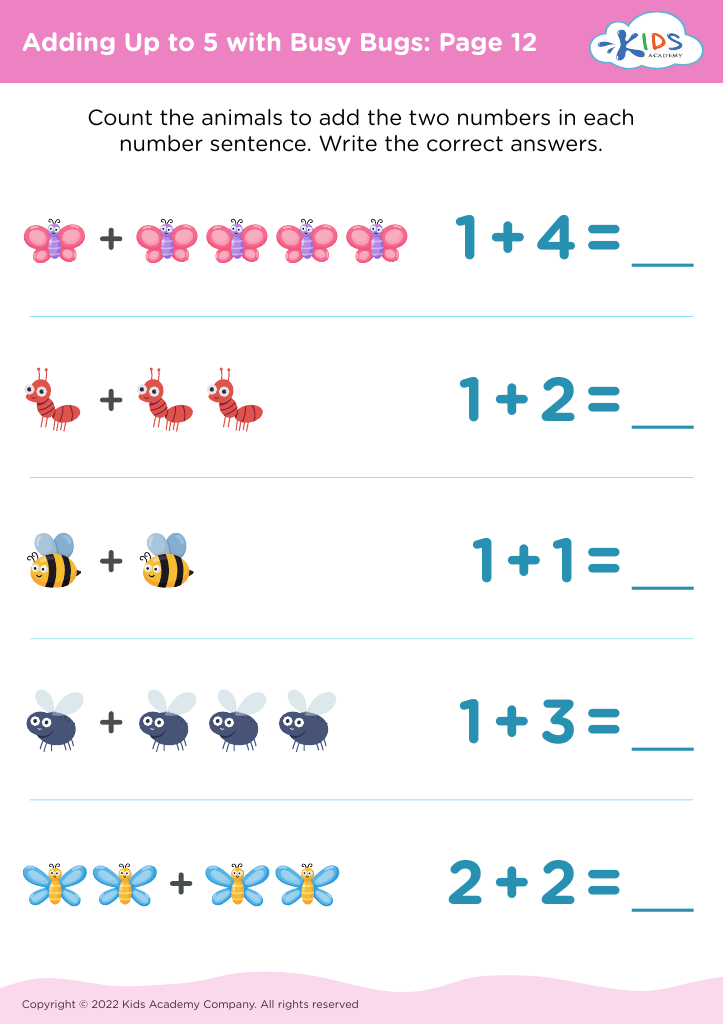
    Adding Up to 5 with Busy Bugs: Page 12
    Adding Up to 5 with Busy Bugs: Page 12
    Adding Up to 5 with Busy Bugs: Page 12
    Worksheet
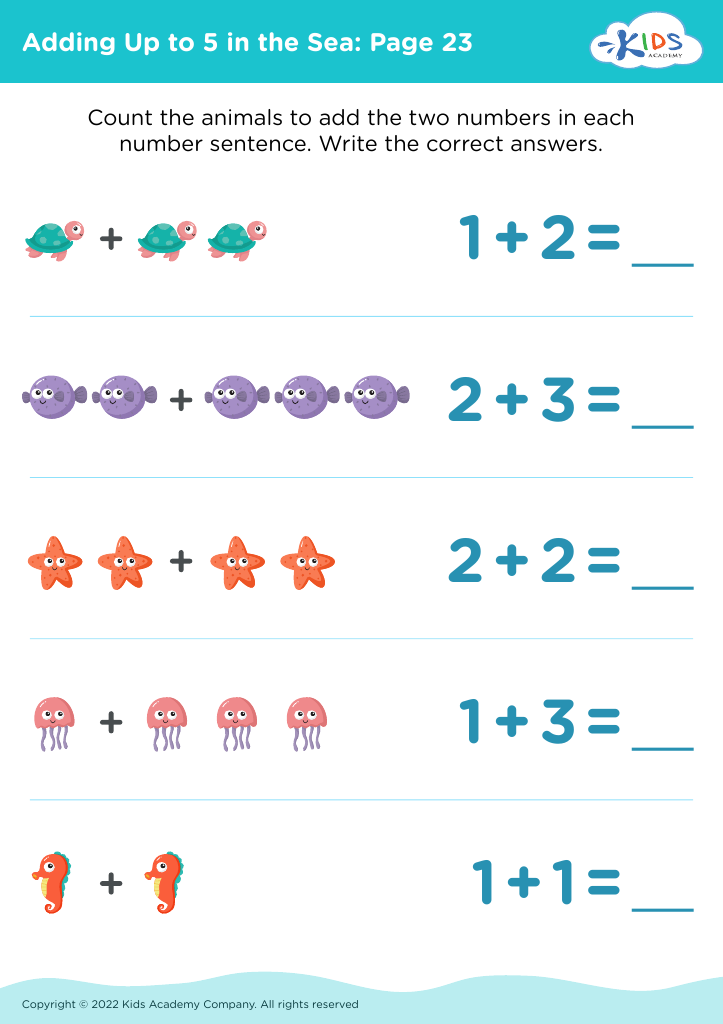
    Adding Up to 5 in the Sea: Page 23
    Adding Up to 5 in the Sea: Page 23
    Adding Up to 5 in the Sea: Page 23
    Worksheet
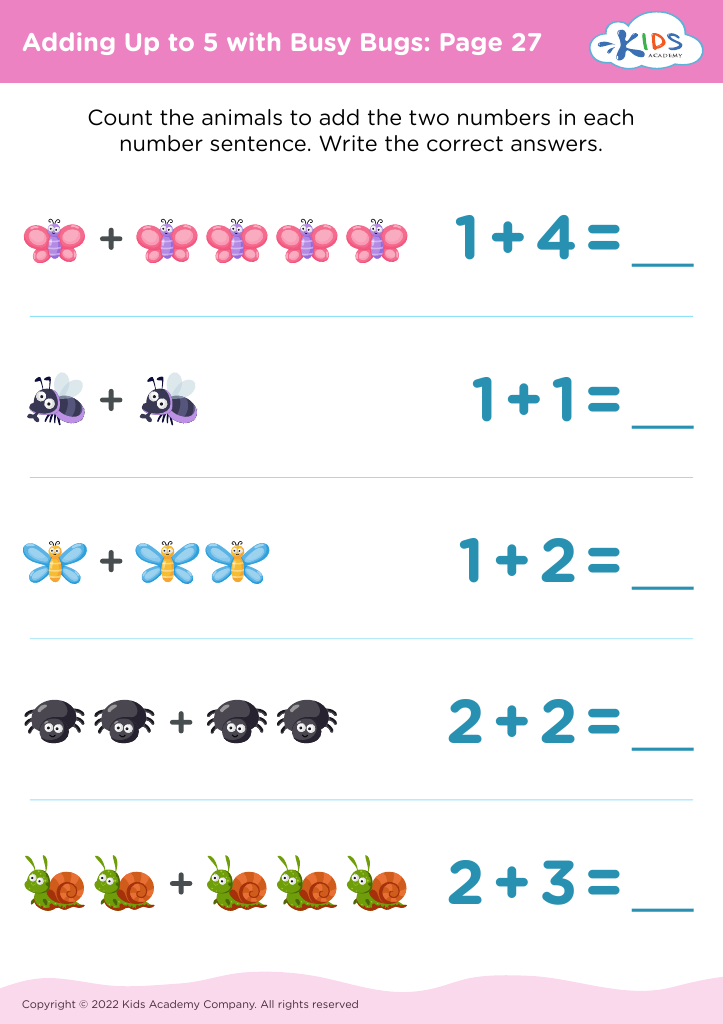
    Adding Up to 5 with Busy Bugs: Page 27
    Adding Up to 5 with Busy Bugs: Page 27
    Adding Up to 5 with Busy Bugs: Page 27
    Worksheet
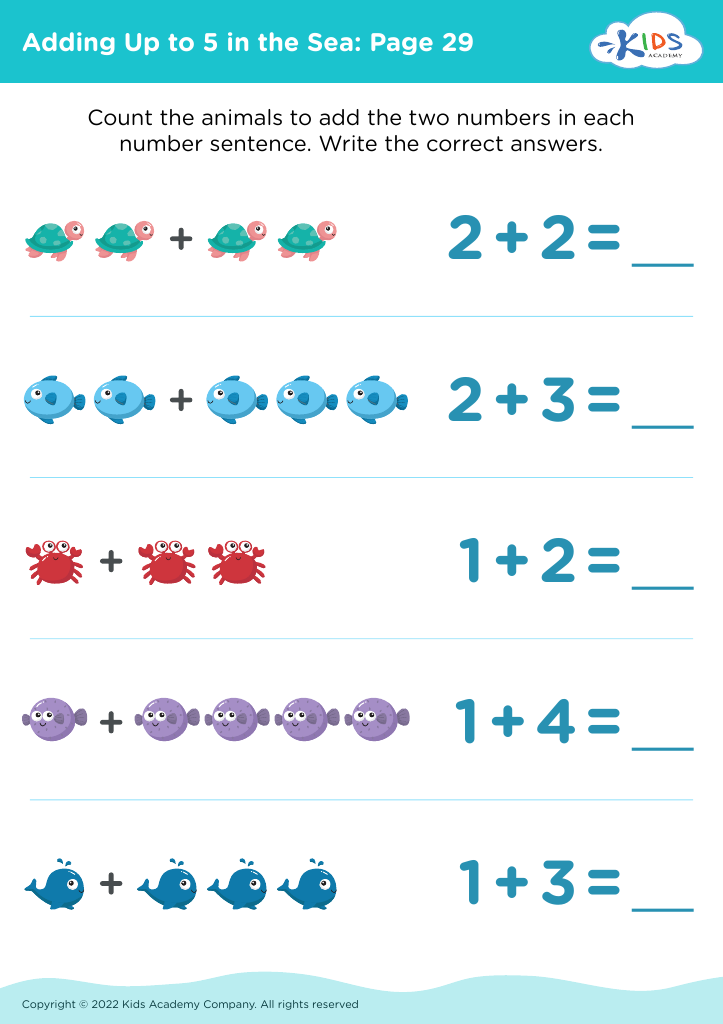
    Adding Up to 5 in the Sea: Page 29
    Adding Up to 5 in the Sea: Page 29
    Adding Up to 5 in the Sea: Page 29
    Worksheet
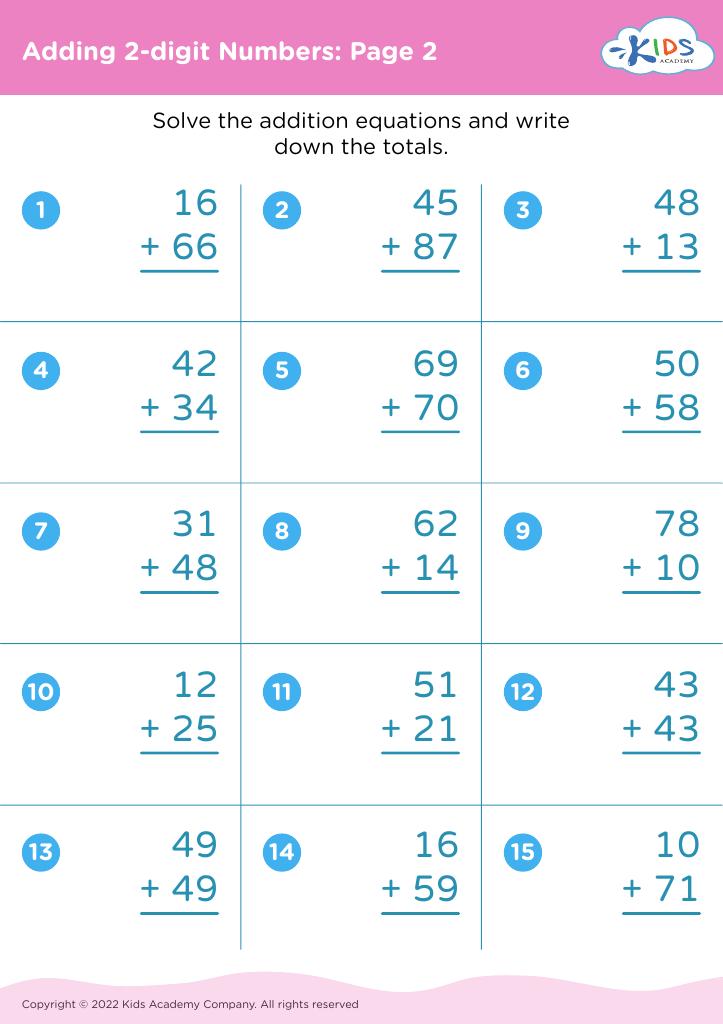
    Adding 2-digit Numbers: Page 2
    Adding 2-digit Numbers: Page 2

    Adding 2-digit Numbers: Page 2

    Adding 2-digit Numbers: Page 2
    Worksheet
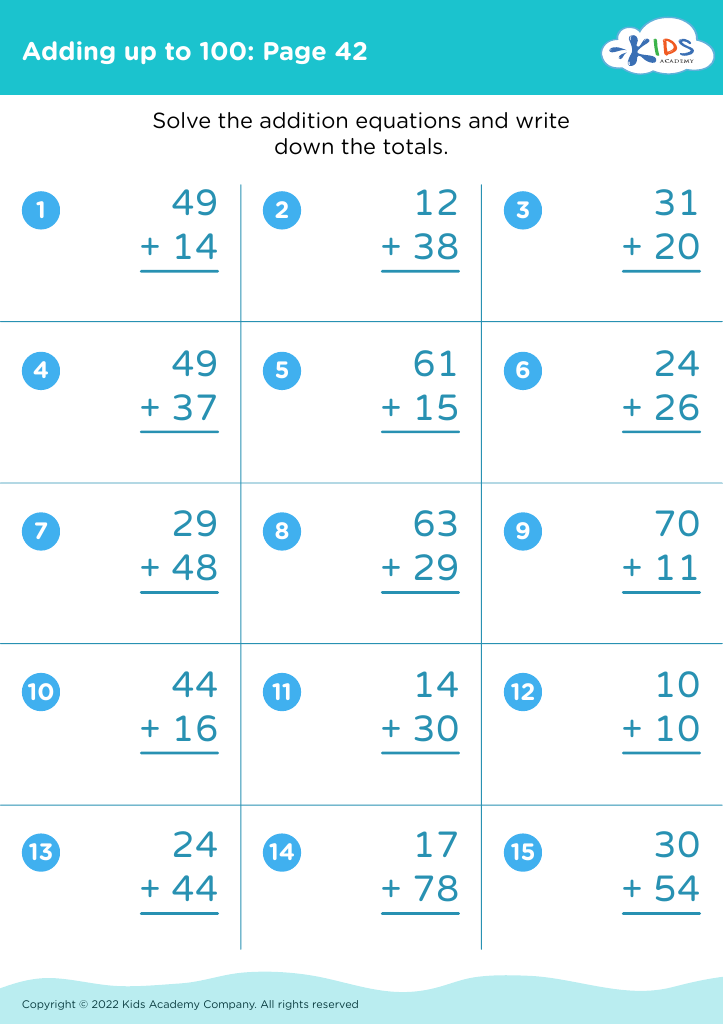
    Adding up to 100: Page 42
    Adding up to 100: Page 42

    Adding up to 100: Page 42

    Adding up to 100: Page 42
    Worksheet
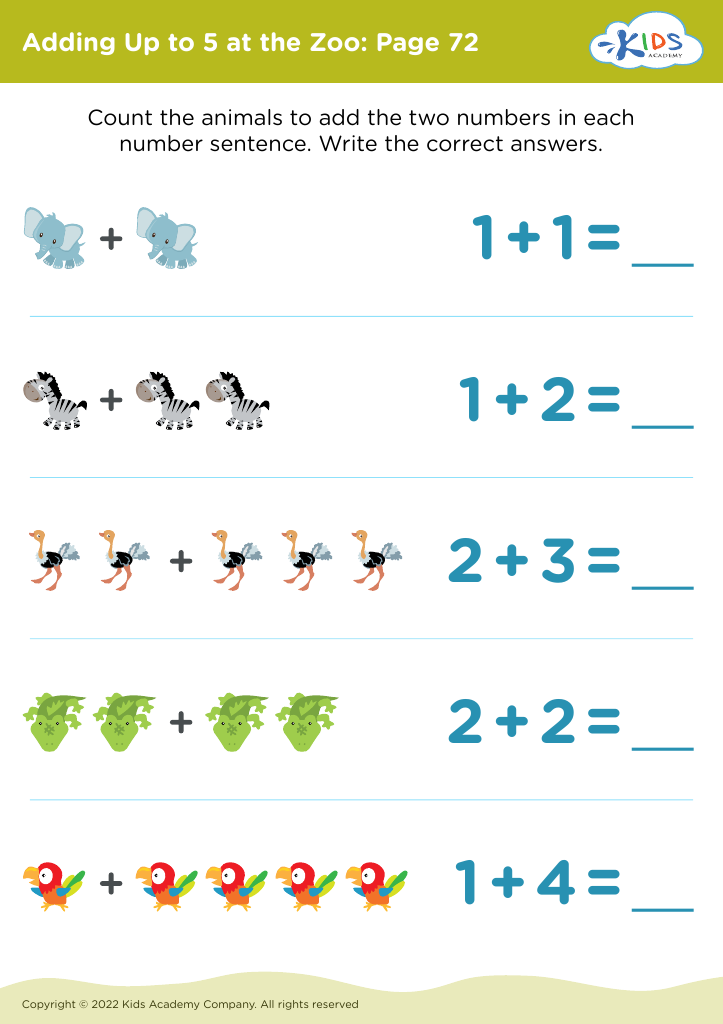
    Adding Up to 5 at the Zoo: Page 72
    Adding Up to 5 at the Zoo: Page 72
    Adding Up to 5 at the Zoo: Page 72
    Worksheet
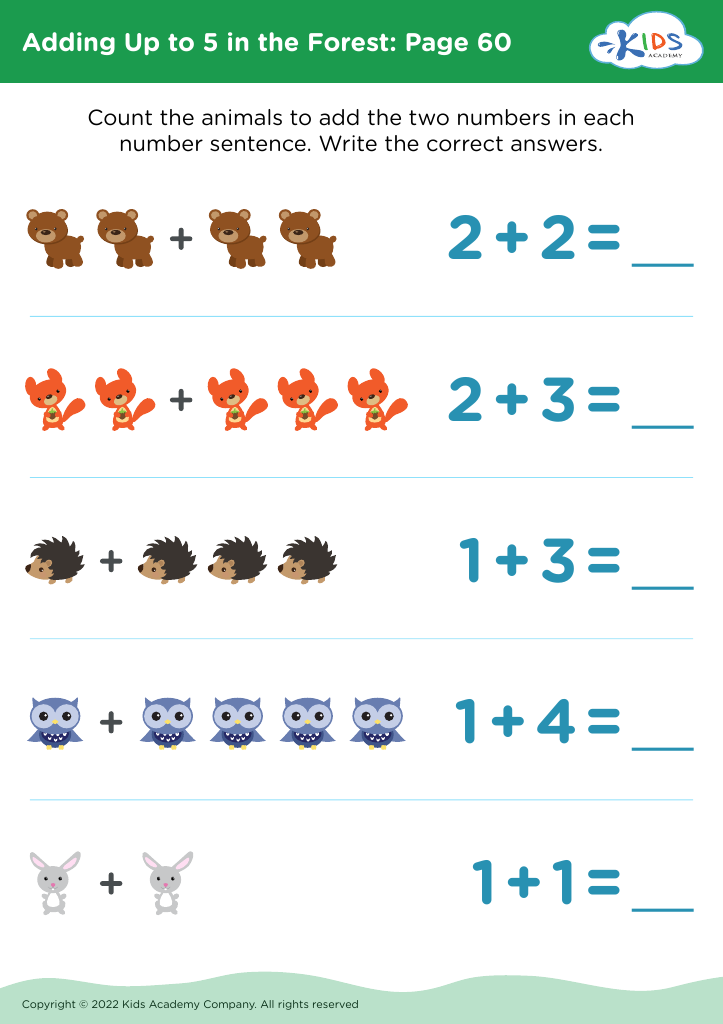
    Adding Up to 5 in the Forest: Page 60
    Adding Up to 5 in the Forest: Page 60
    Adding Up to 5 in the Forest: Page 60
    Worksheet
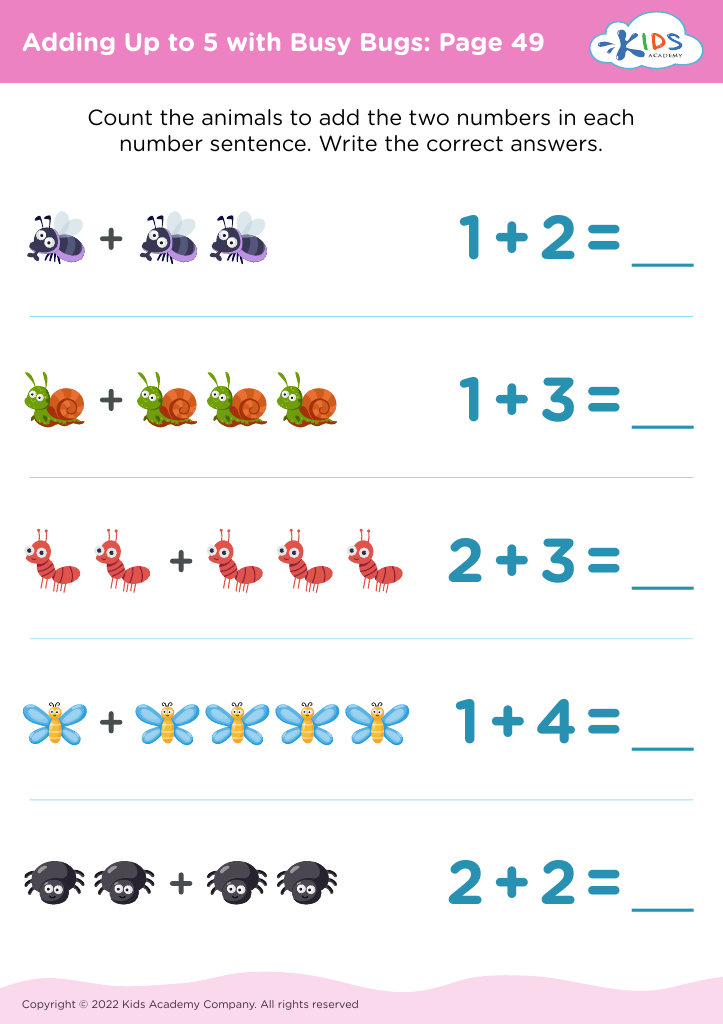
    Adding Up to 5 with Busy Bugs: Page 49
    Adding Up to 5 with Busy Bugs: Page 49
    Adding Up to 5 with Busy Bugs: Page 49
    Worksheet


    Cognitive Development in the context of addition for children ages 3-8 is crucial because it lays the foundation for essential problem-solving and critical thinking skills. At this critical stage, children's brains are rapidly developing, and engaging them in math-related activities helps to build neural connections that support understanding not only of numbers but also of broader cognitive processes.

    Introducing addition during these formative years fosters a positive relationship with mathematics, reducing math anxiety in later stages. It equips children with the ability to recognize patterns, make connections between concepts, and develop logical reasoning. This foundational skill also enhances their ability to understand more complex math topics as they progress through their educational journey.

    Furthermore, cognitive development through addition has real-world applications. Children begin to understand basic financial literacy, time management (like adding minutes and hours), and spatial awareness, all of which are critical life skills. Parents and teachers play a vital role in nurturing these abilities by providing stimulating and supportive environments where children can explore, ask questions, and practice adding numbers in playful and meaningful ways.

    Ultimately, focusing on cognitive development through addition between ages 3-8 sets children up for academic success and better prepares them for the complexities of everyday life, making it an investment that simply cannot be overlooked.