Critical Thinking Addition Worksheets for Ages 3-8
17 filtered results
-
From - To
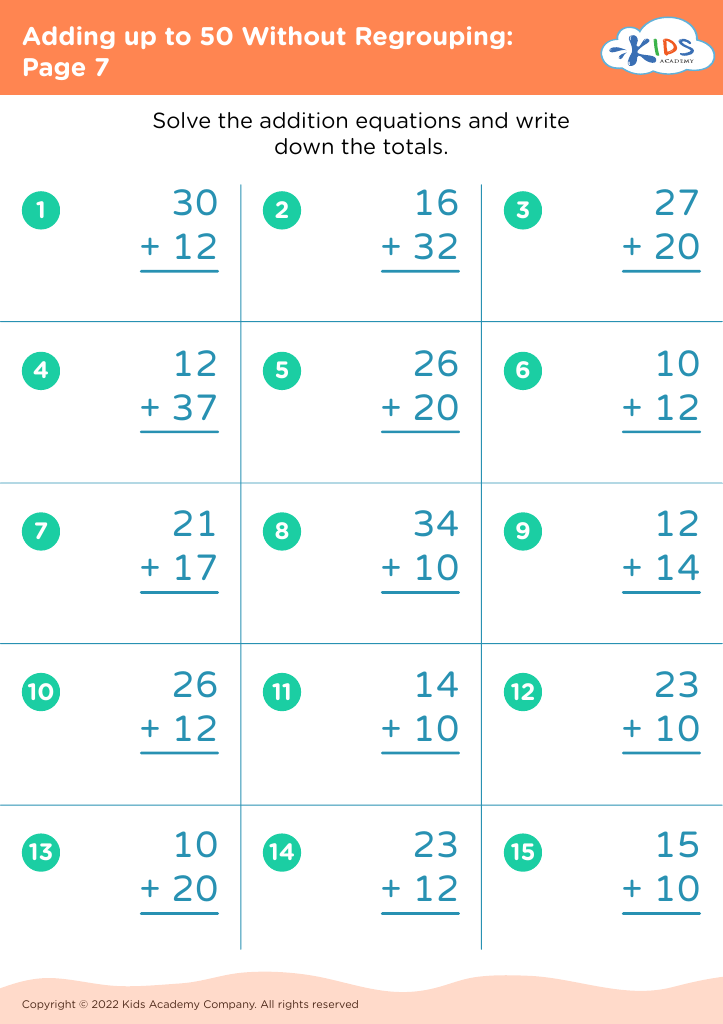
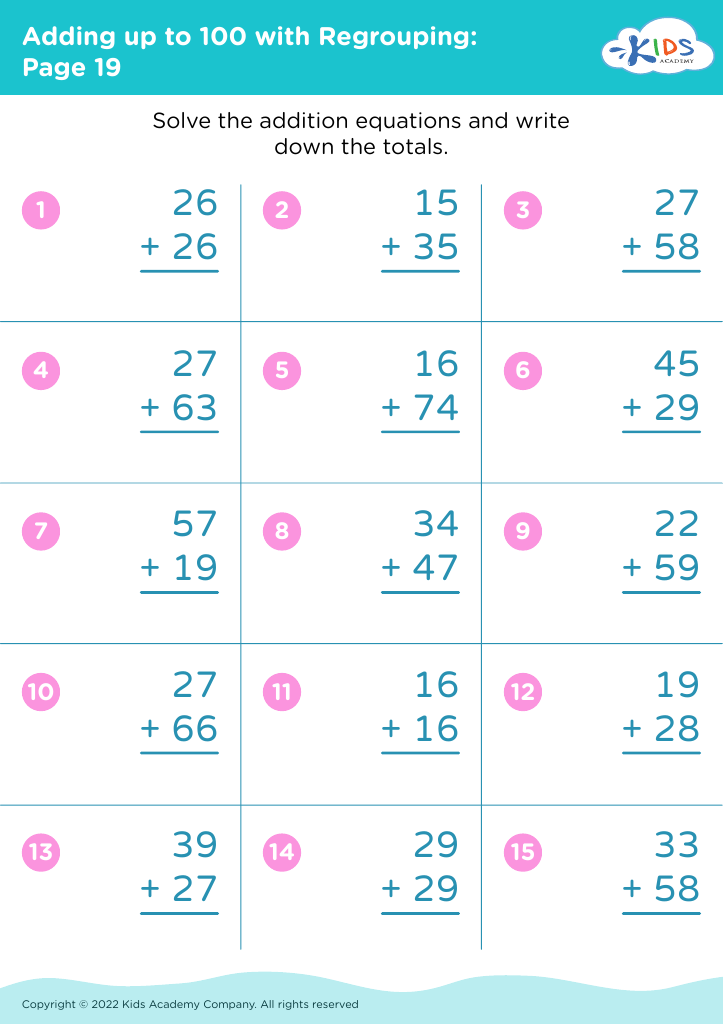
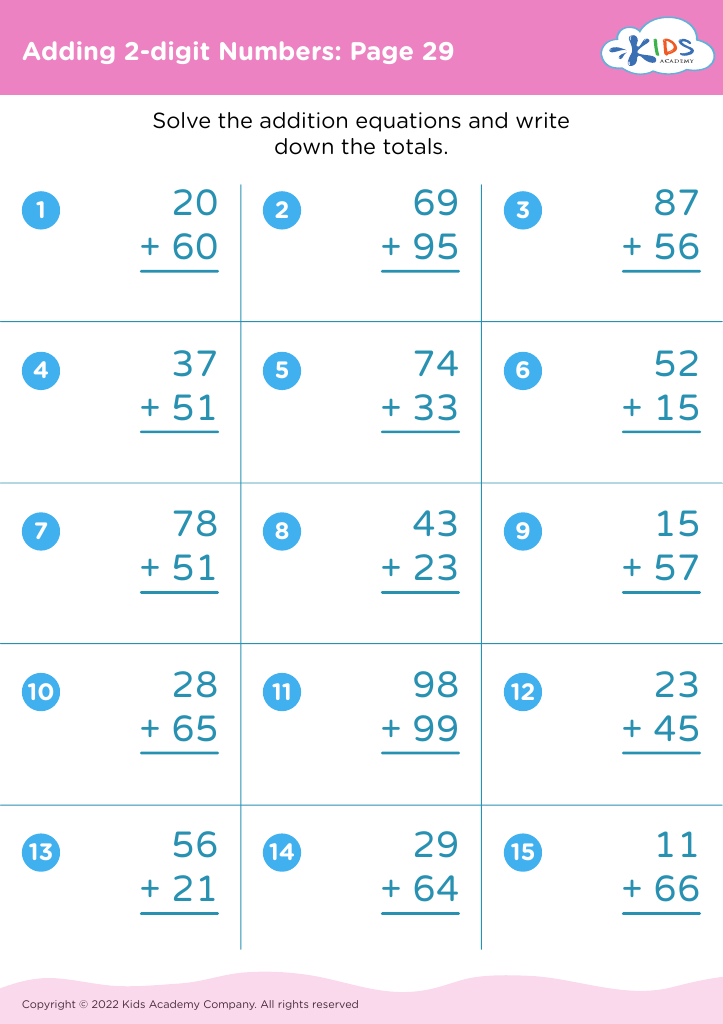
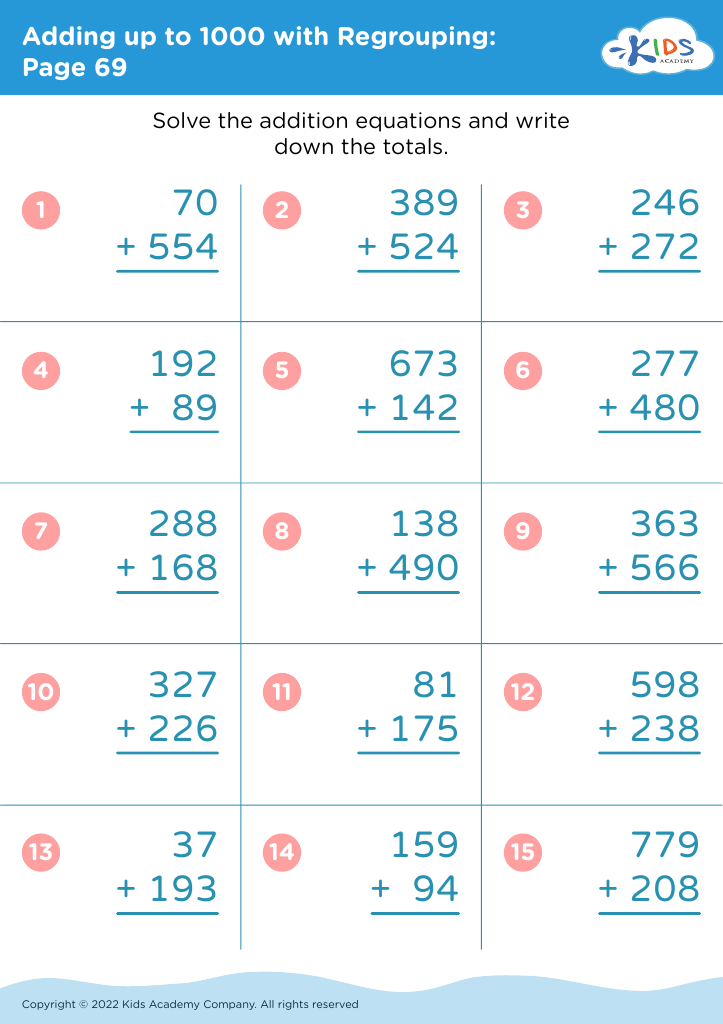
Discover our engaging Critical Thinking Addition Worksheets designed for children ages 3-8! These worksheets encourage young learners to develop essential math skills while enhancing their critical thinking abilities. Packed with fun exercises, they promote problem-solving, pattern recognition, and logical reasoning through thematic activities that make addition both enjoyable and educational. Our carefully crafted resources cater to various learning styles and encourage independent thinking, allowing kids to explore mathematical concepts creatively. Perfect for classroom use or at-home learning, our worksheets lay a strong foundation for future success in mathematics. Inspire curiosity and confidence in your child's learning journey today!
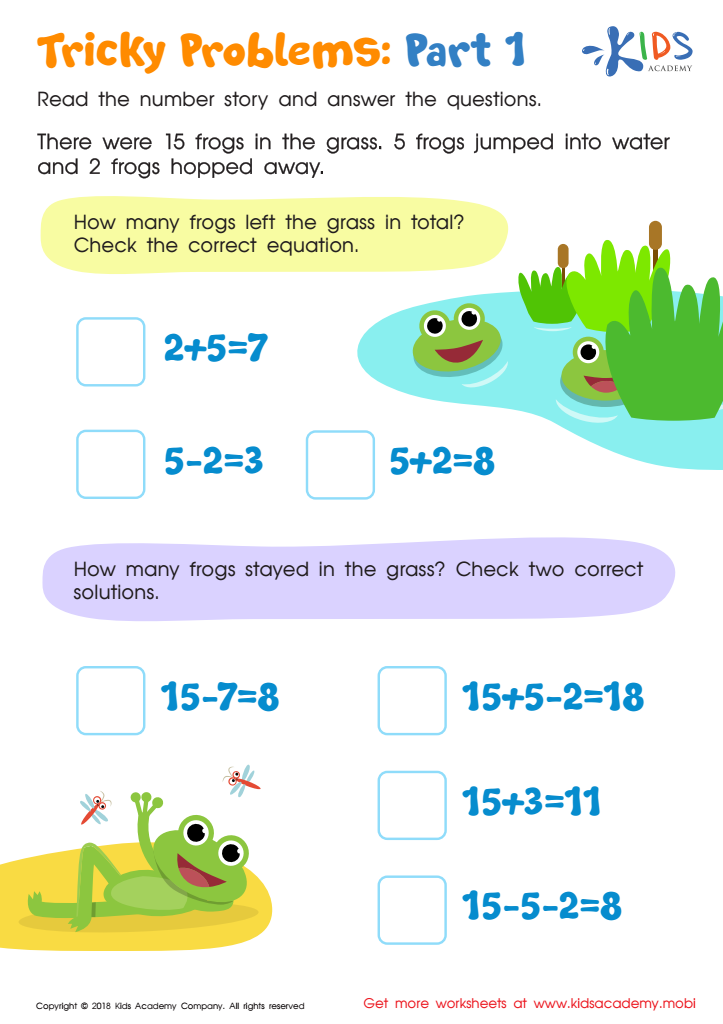
Tricky Problems Worksheet: Part 1
 Assign to My Students
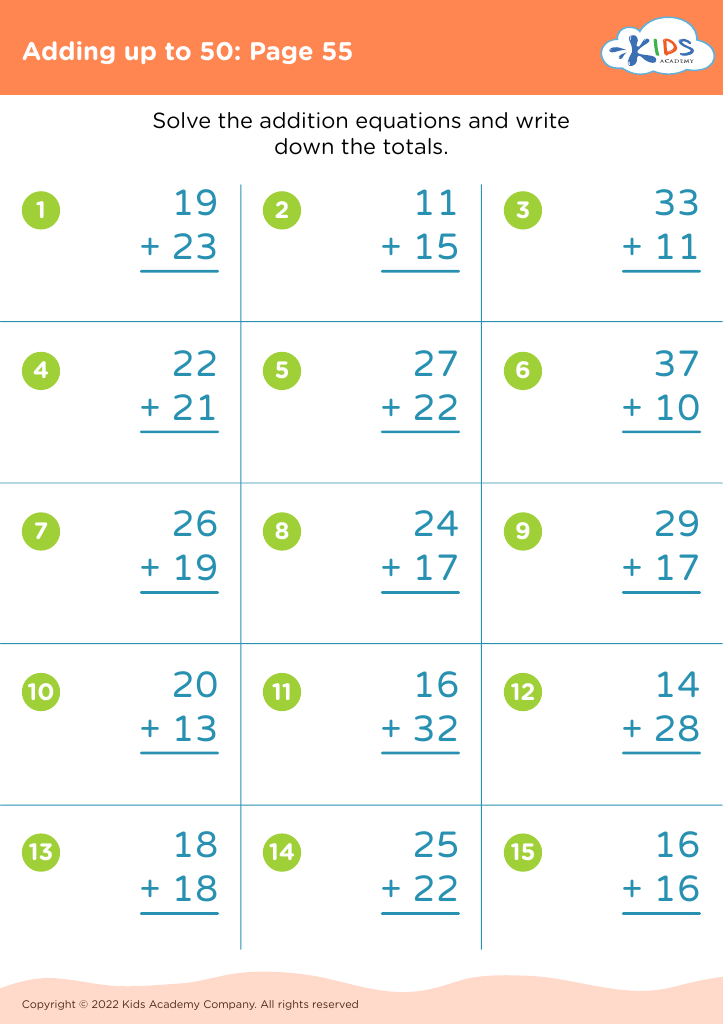
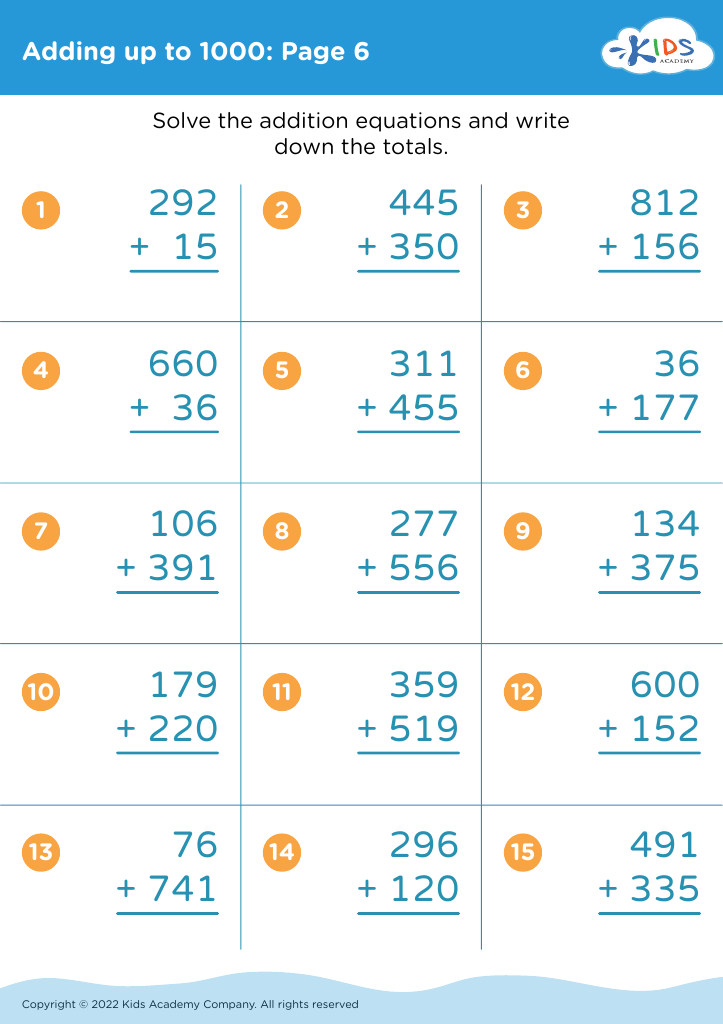
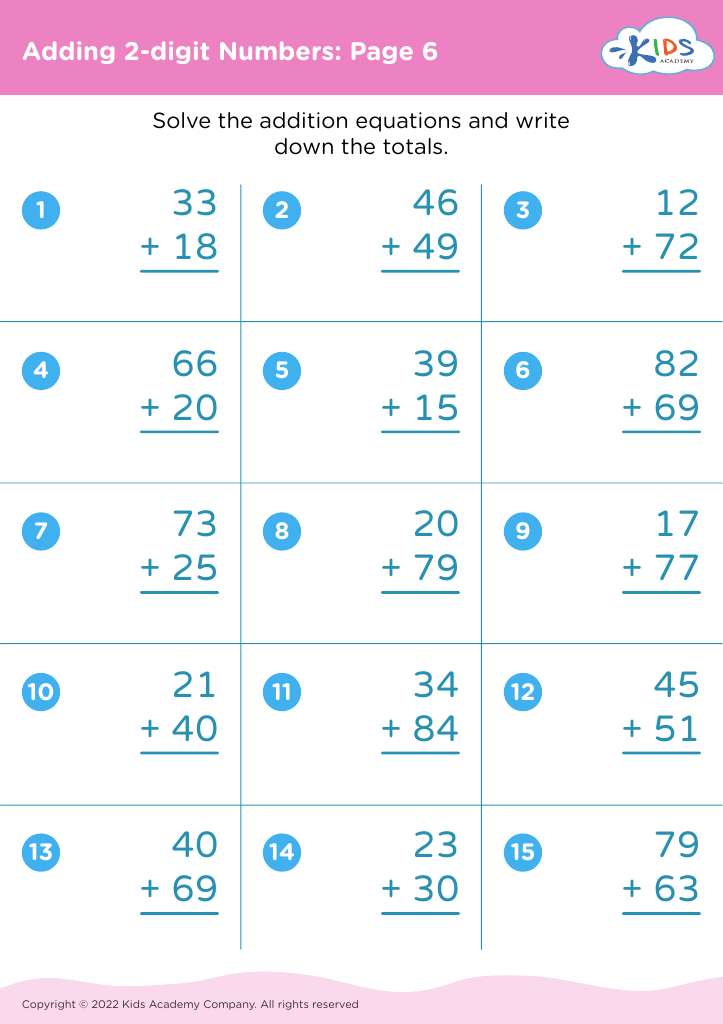
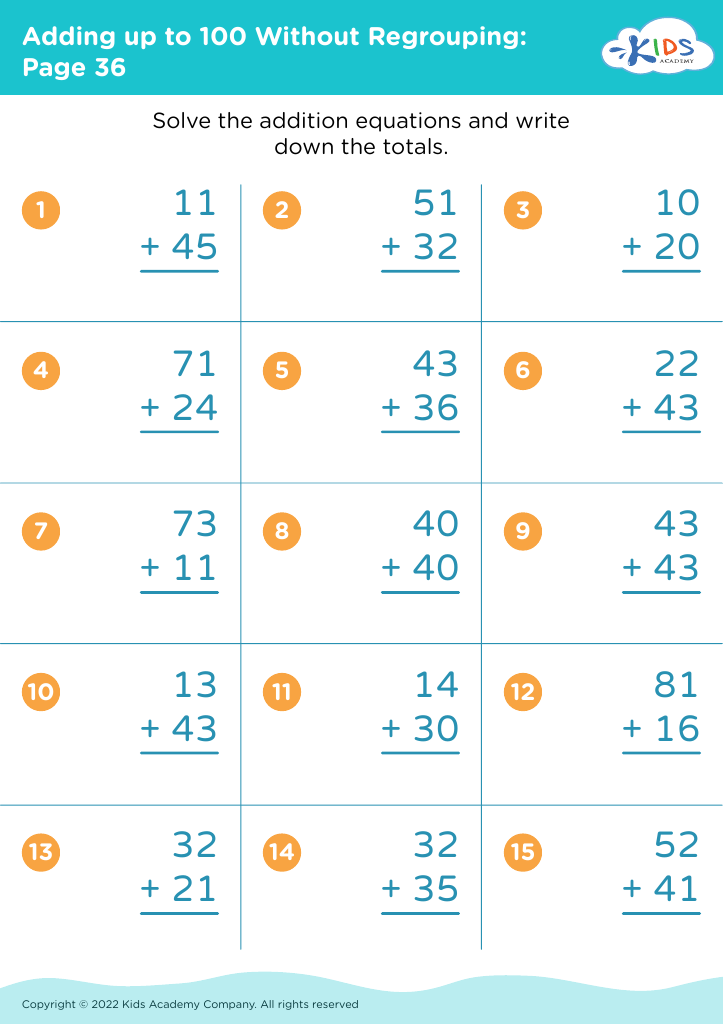
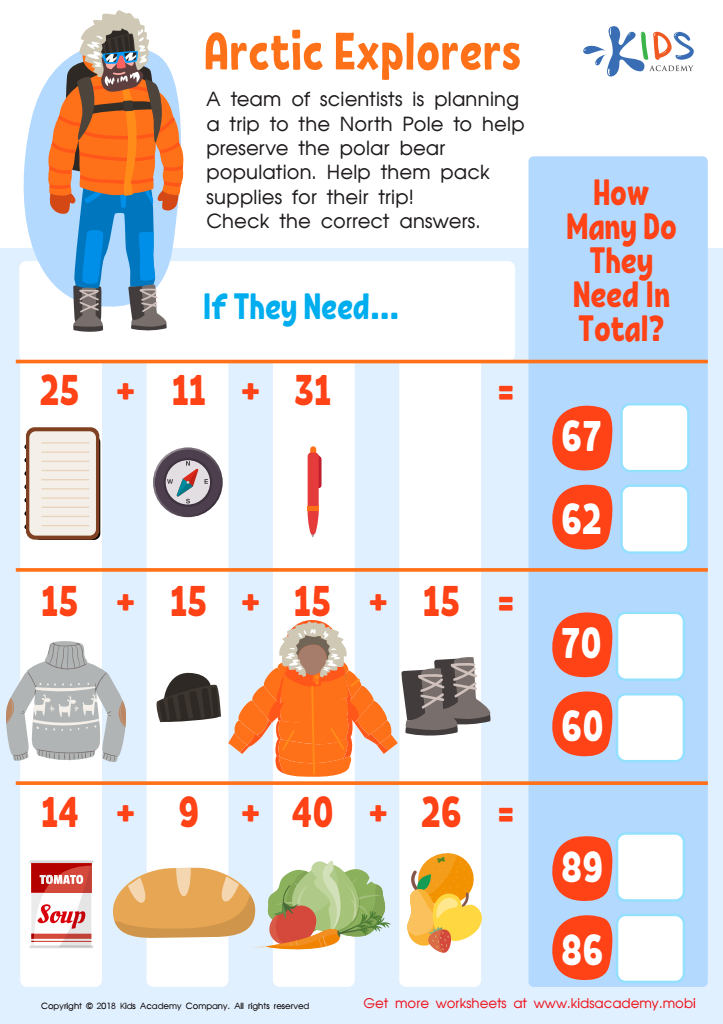
Arctic Explorers Worksheet
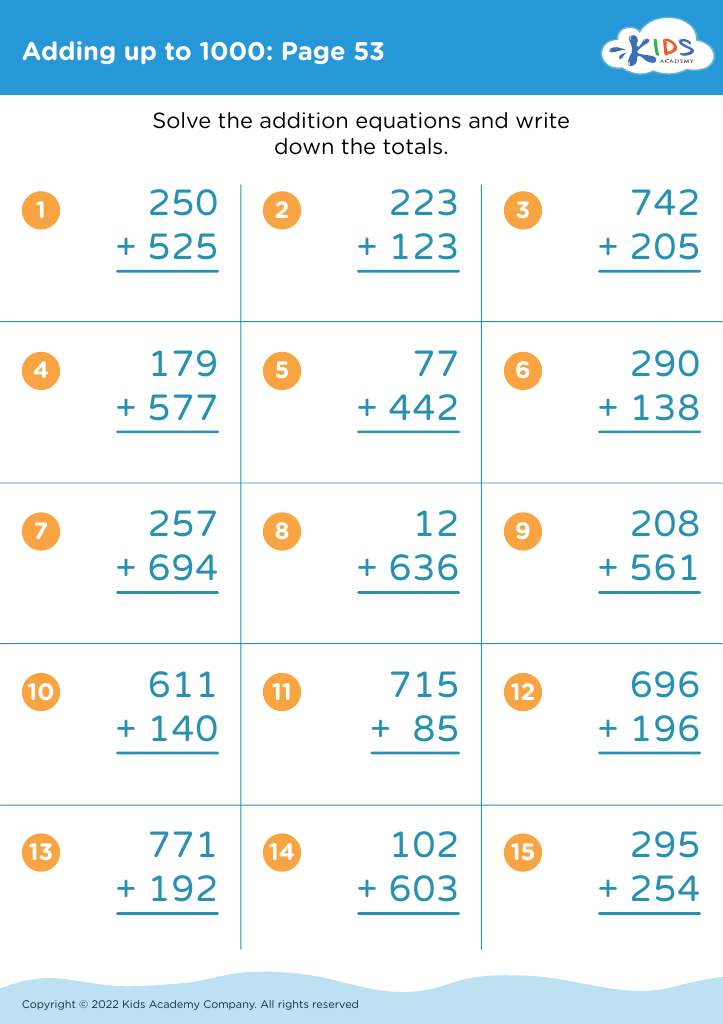
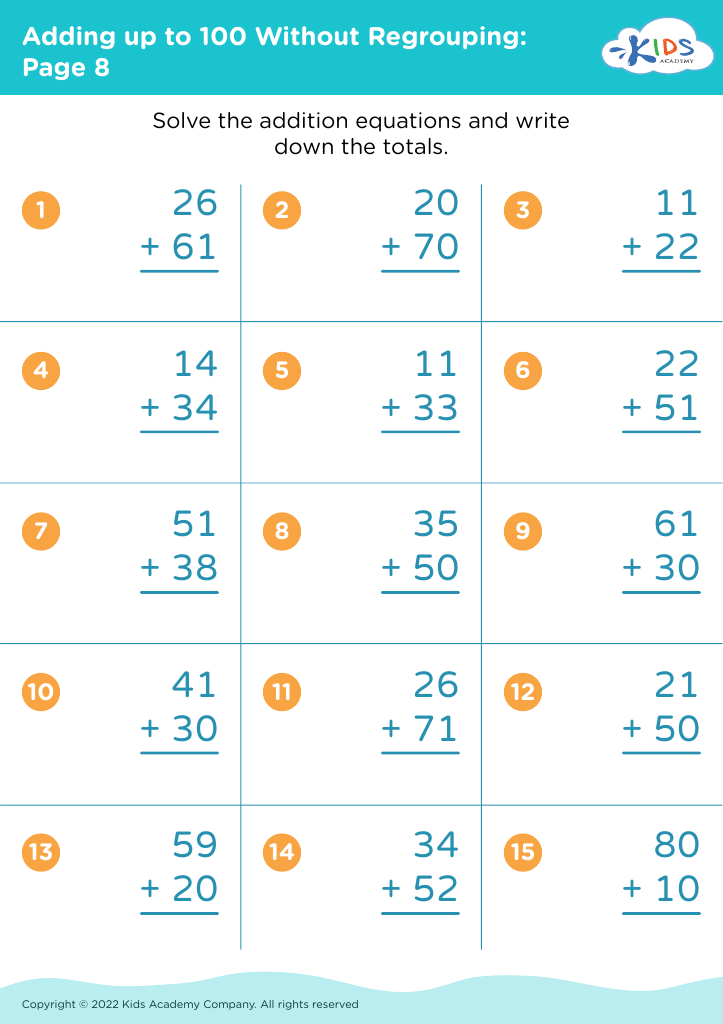
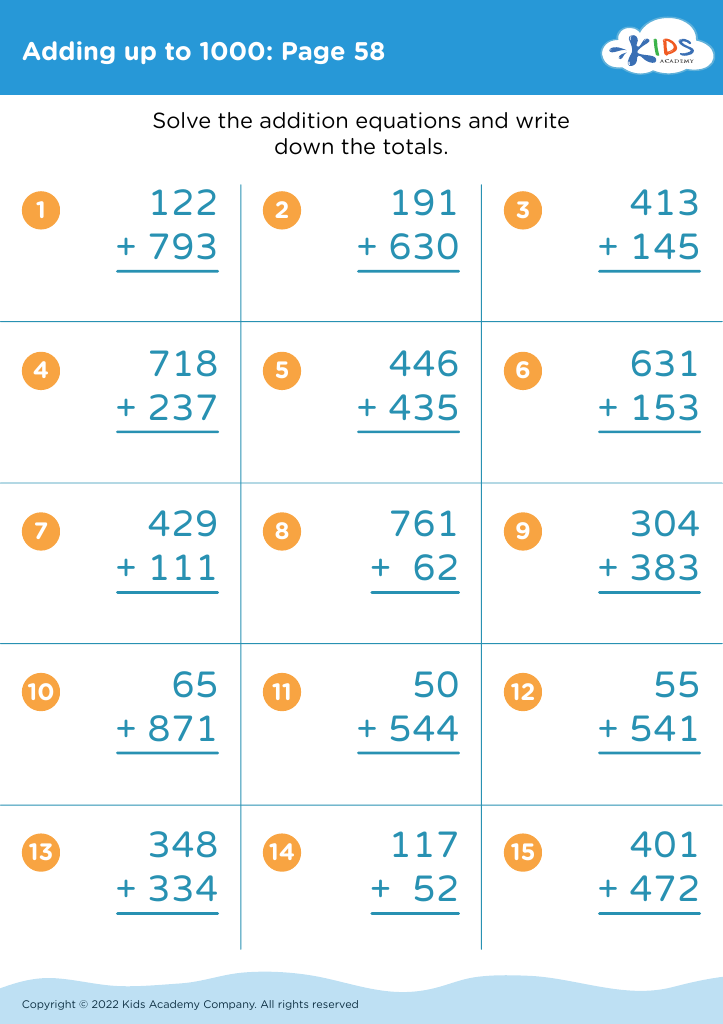





.jpg)


Critical thinking skills are foundational for children aged 3-8 as they play a vital role in their cognitive development and everyday problem-solving ability. During these formative years, children's brains undergo rapid growth, making it an ideal time to encourage inquiry, analysis, and reasoning. Teaching critical thinking through age-appropriate activities fosters curiosity, enabling children to ask questions and explore concepts deeply.
For parents and teachers, caring about critical thinking addition includes recognizing that it prepares children for future academic success. By promoting skills such as decision-making, understanding cause and effect, and evaluating information, adults equip young learners with tools they will need in school and beyond. These skills encourage independence, allowing children to navigate challenges constructively.
Furthermore, critical thinking encourages creativity. It empowers children to generate multiple solutions to problems, essential for innovation. Engaging children in discussions about their thought processes instills confidence, enhances communication skills, and nurtures a growth mindset.
Ultimately, fostering critical thinking in young children lays the groundwork for becoming thoughtful, self-sufficient, and engaged adults who can tackle complexities in an increasingly intricate world. This holistic development is crucial, making the investment in critical thinking skills a priority for parents and educators alike.








