Enhance number recognition Addition Worksheets for Ages 3-8
17 filtered results
-
From - To
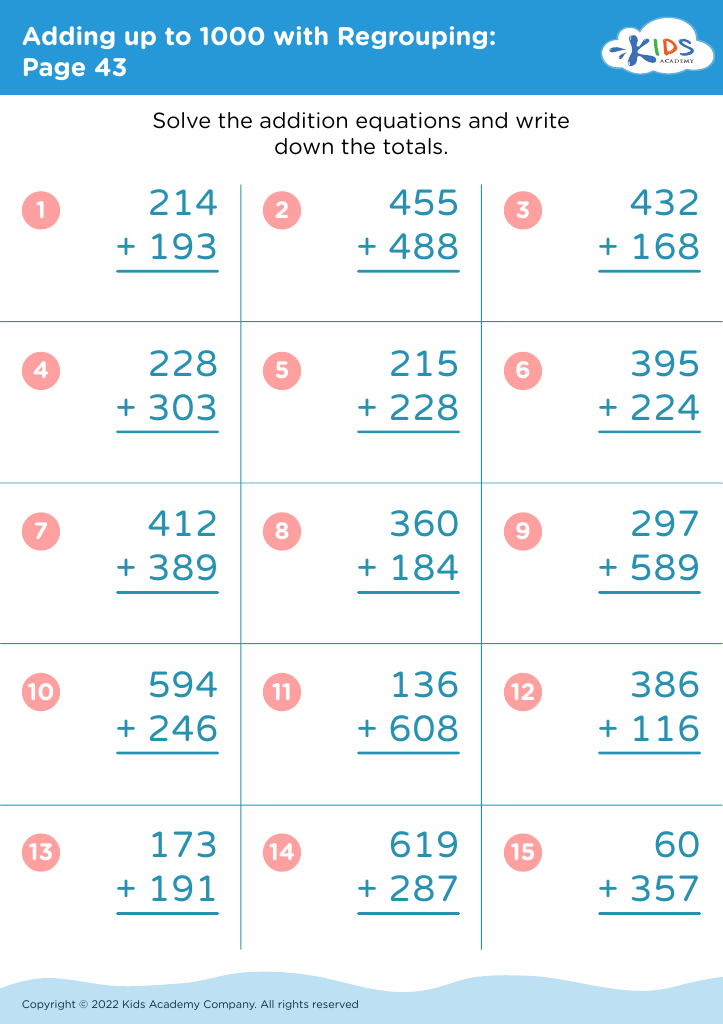
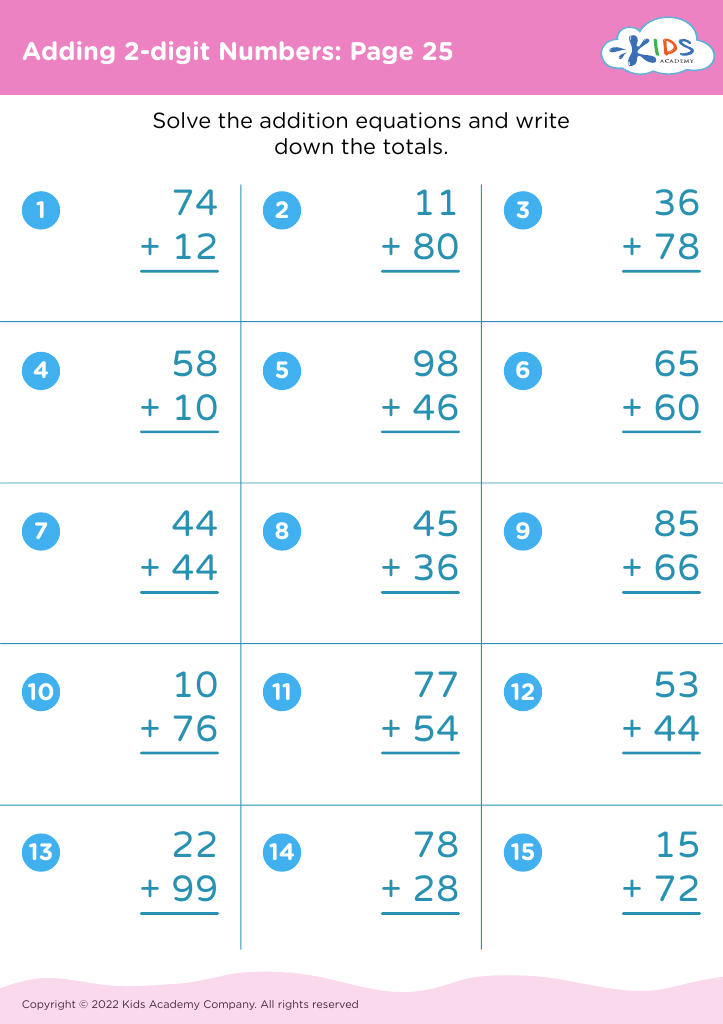
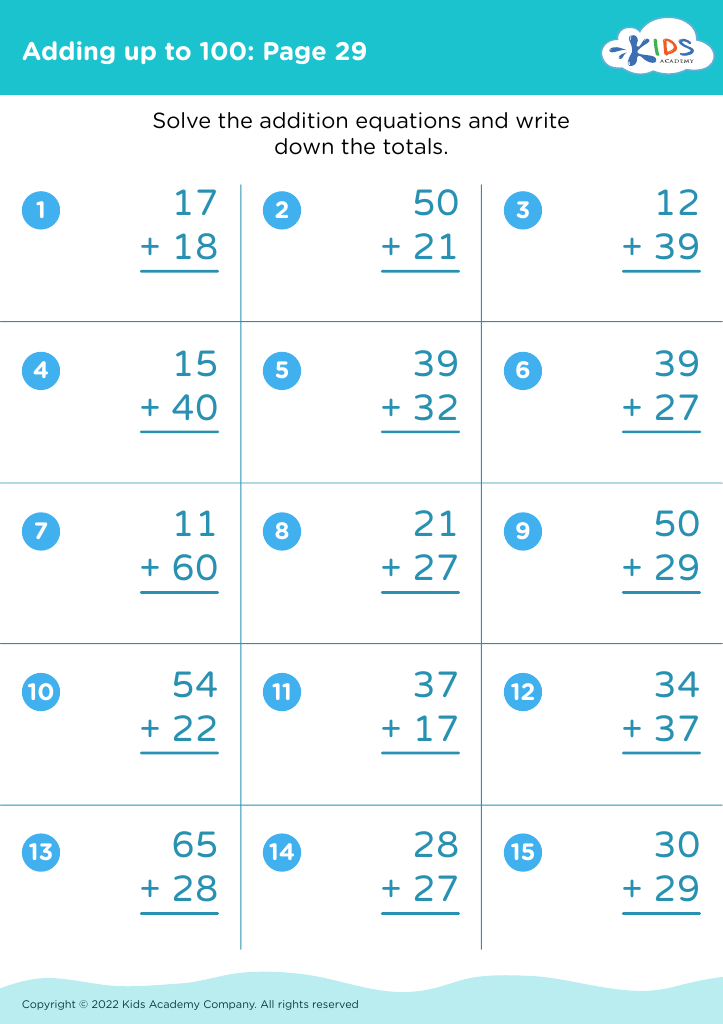
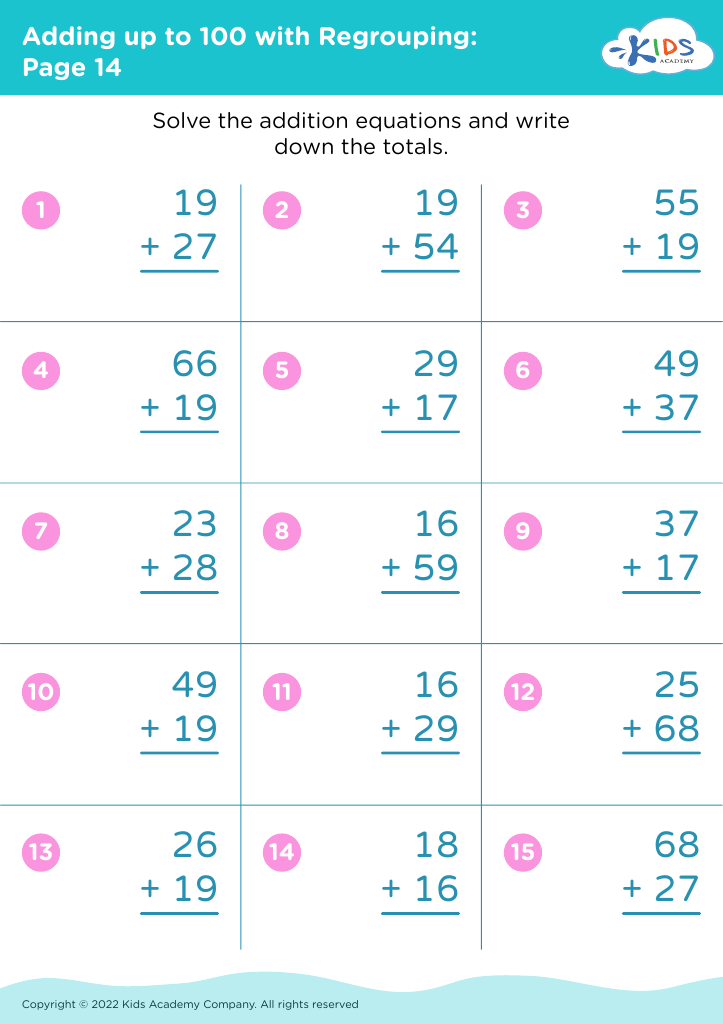
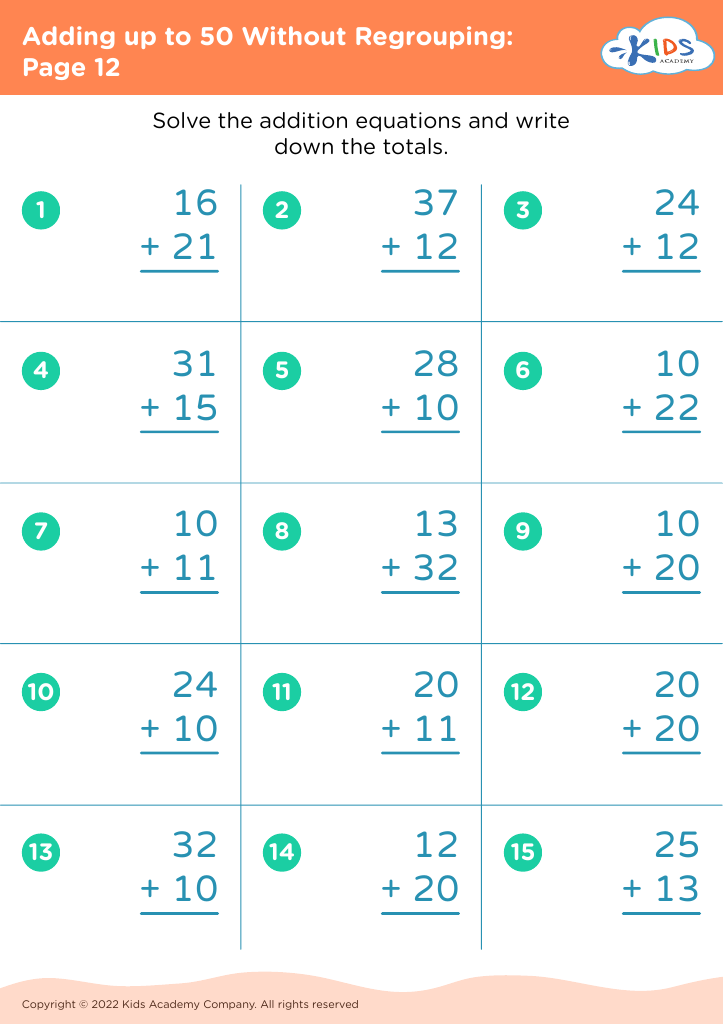
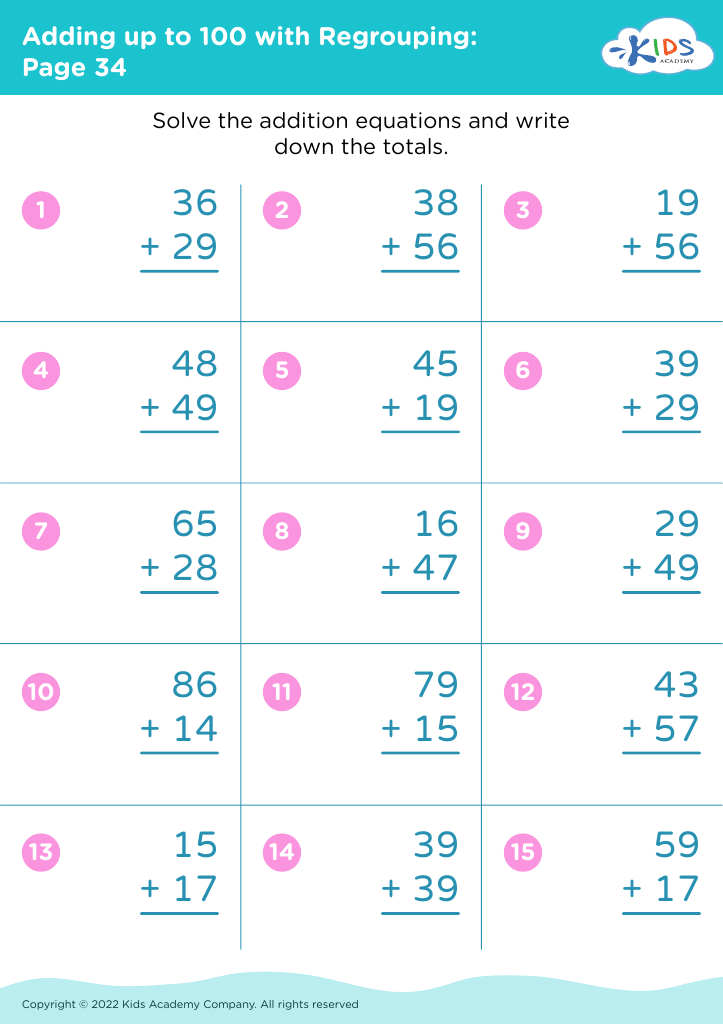
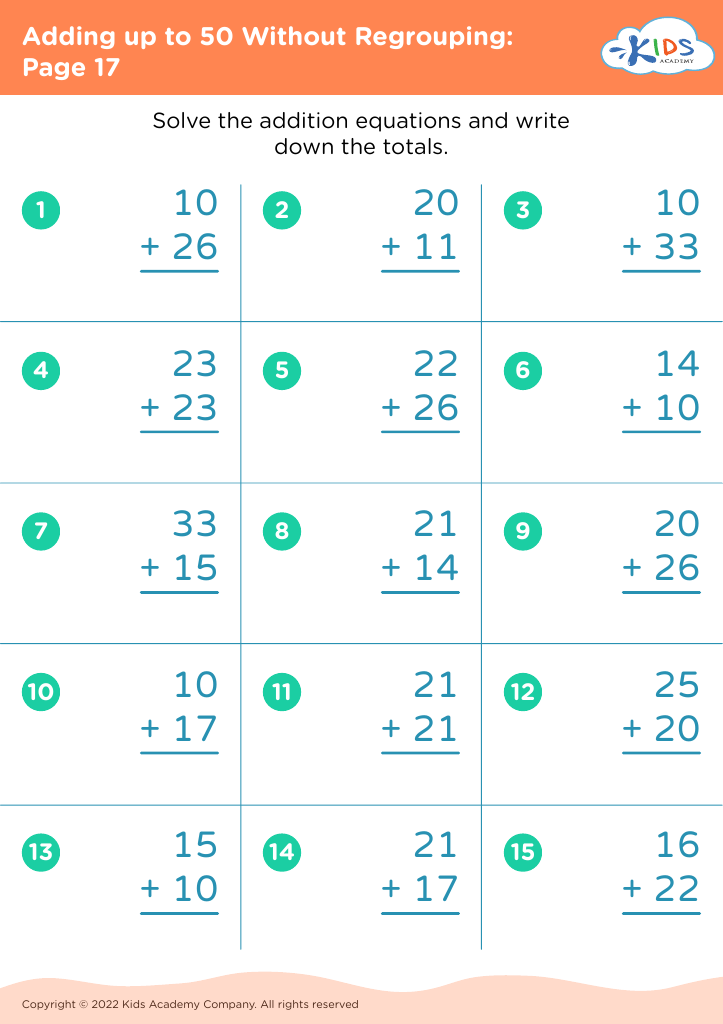
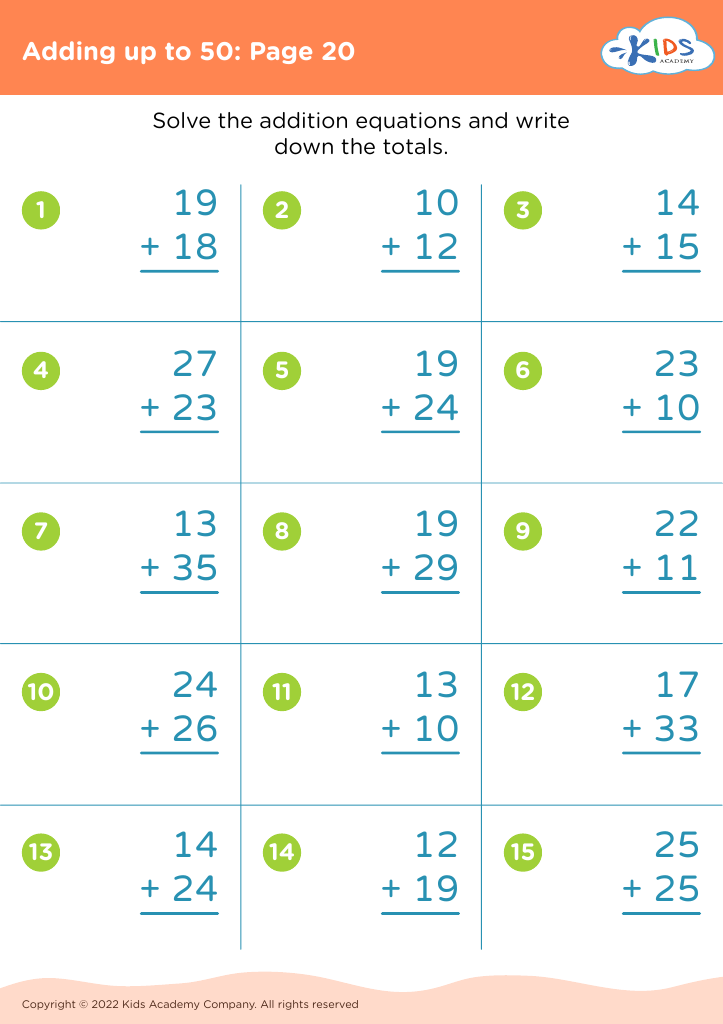
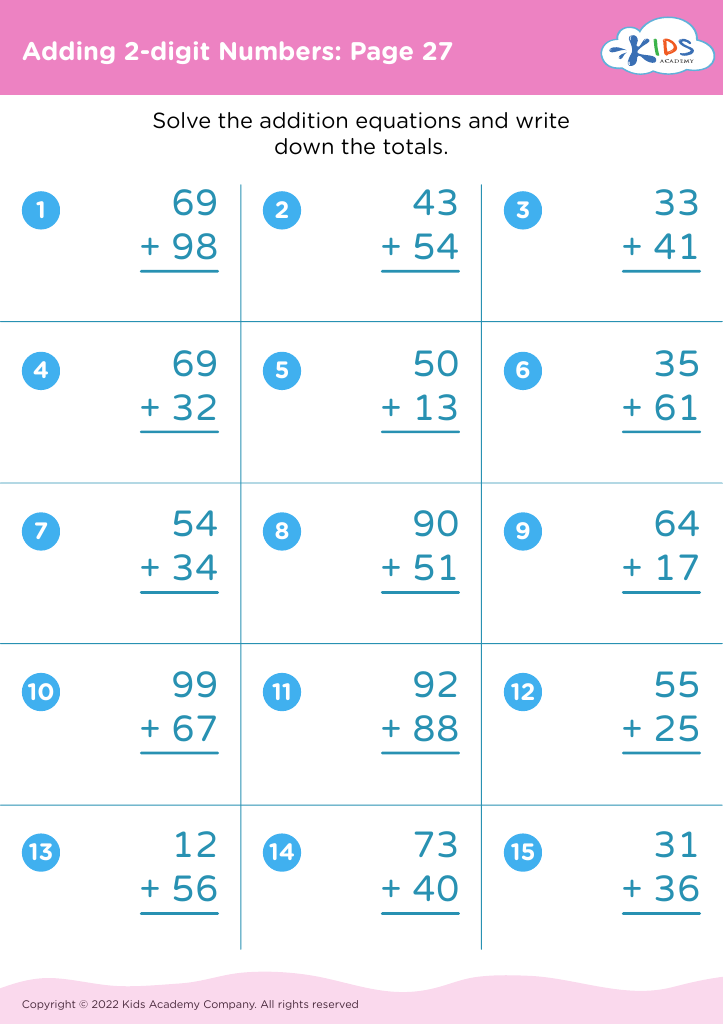
Unlock your child’s potential with our Enhance Number Recognition Addition Worksheets, designed specifically for ages 3-8! These engaging worksheets are perfect for reinforcing number recognition and addition skills through fun and interactive activities. Each worksheet integrates bright colors and appealing visuals to captivate young learners, making math enjoyable. As children explore numbers and practice simple addition, they build confidence and mastery in early math concepts. Our user-friendly format allows for easy printing, ensuring you have all the resources needed for effective learning at home or in the classroom. Start your child's math journey today and watch them excel with ease!
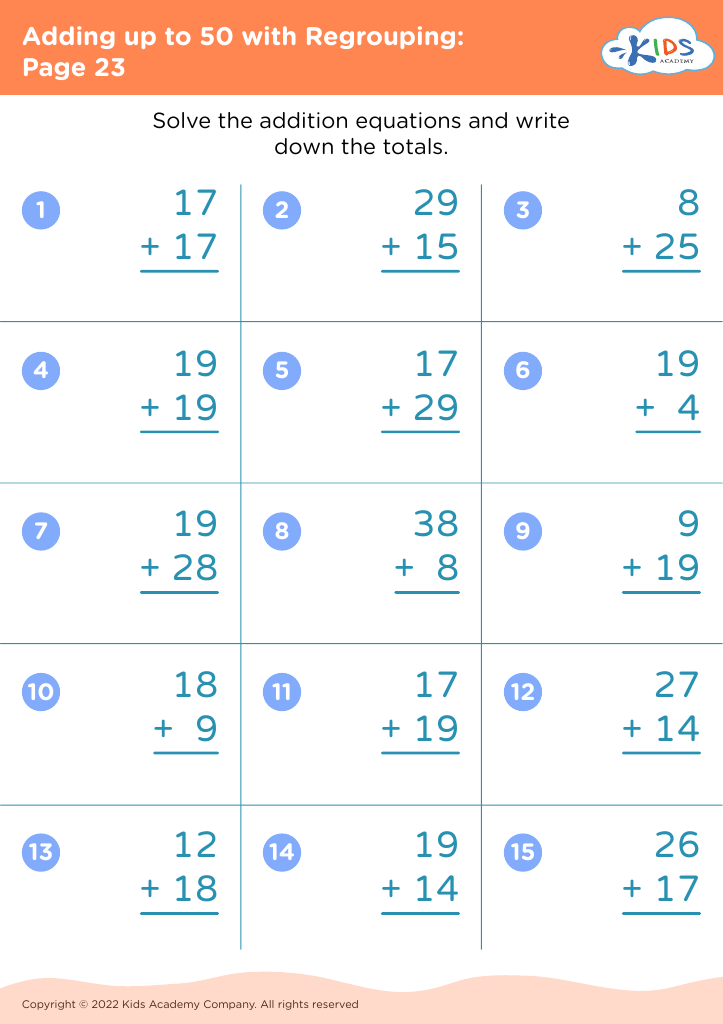
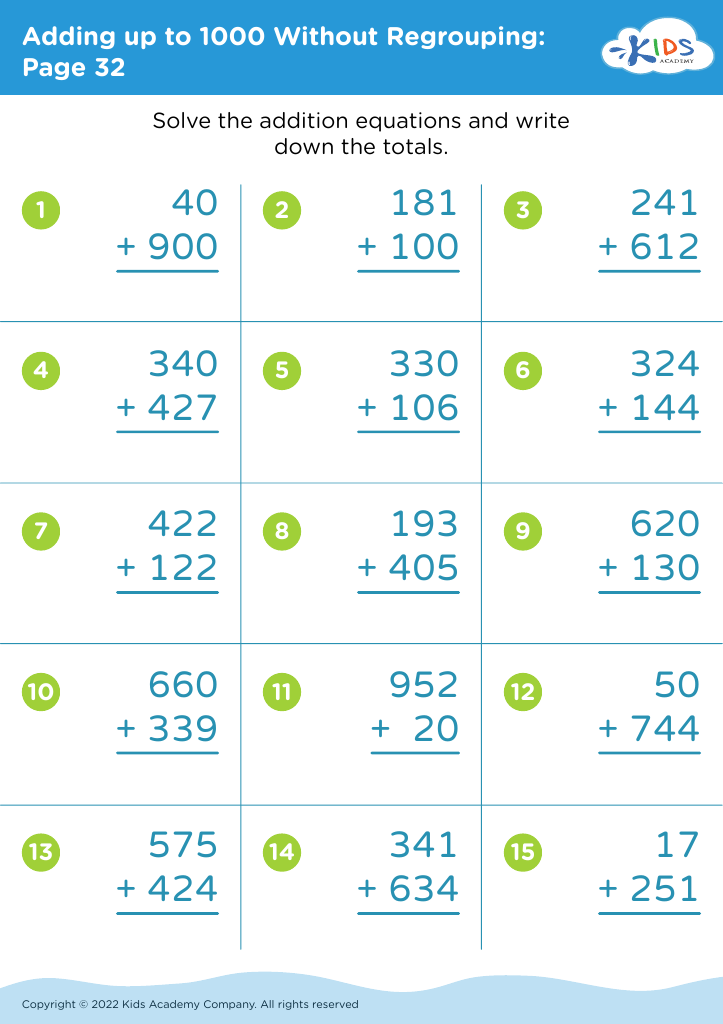
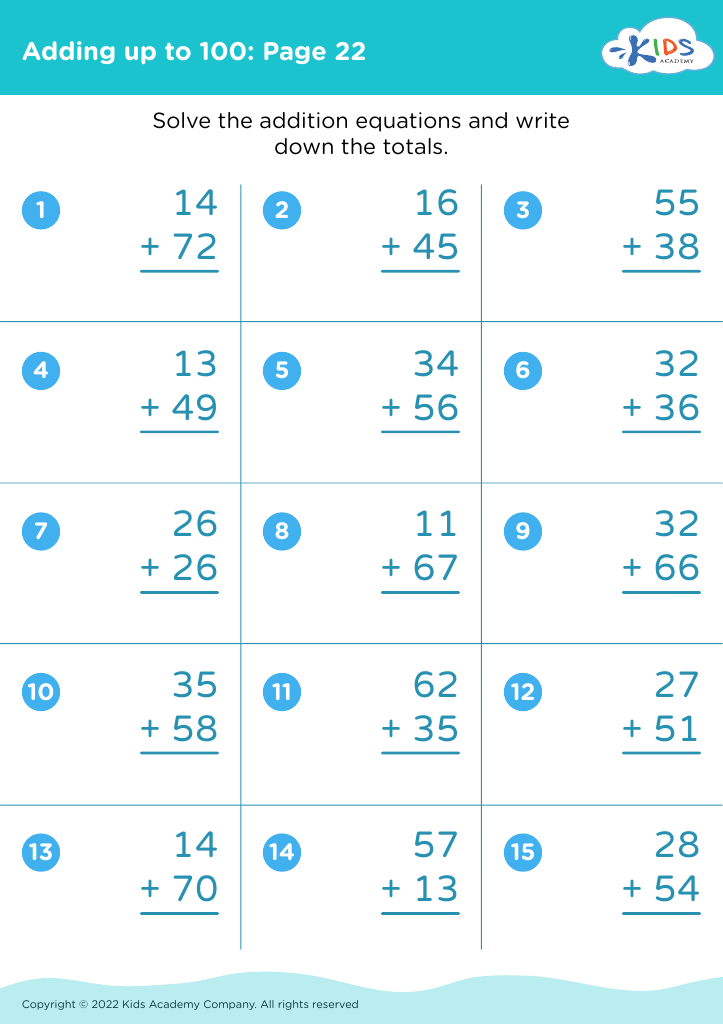
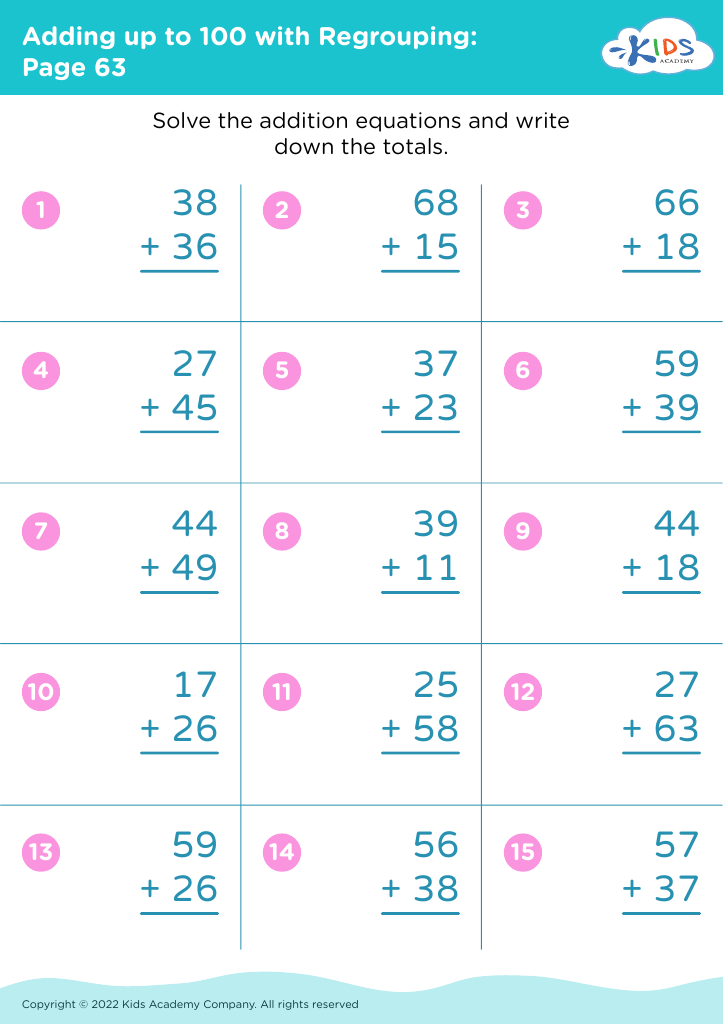
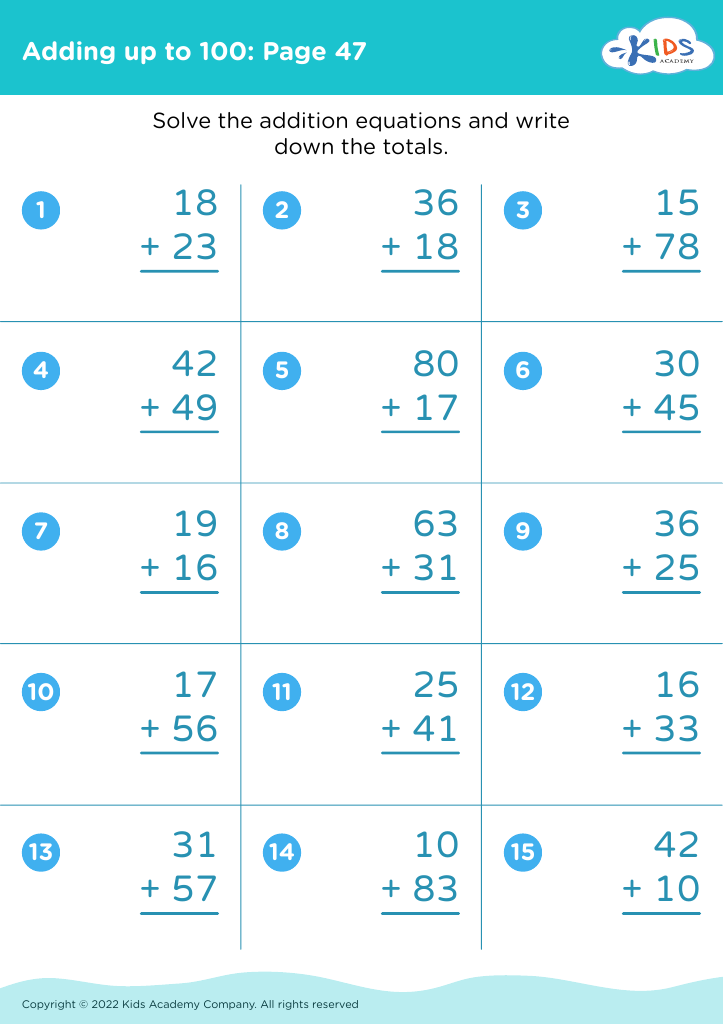
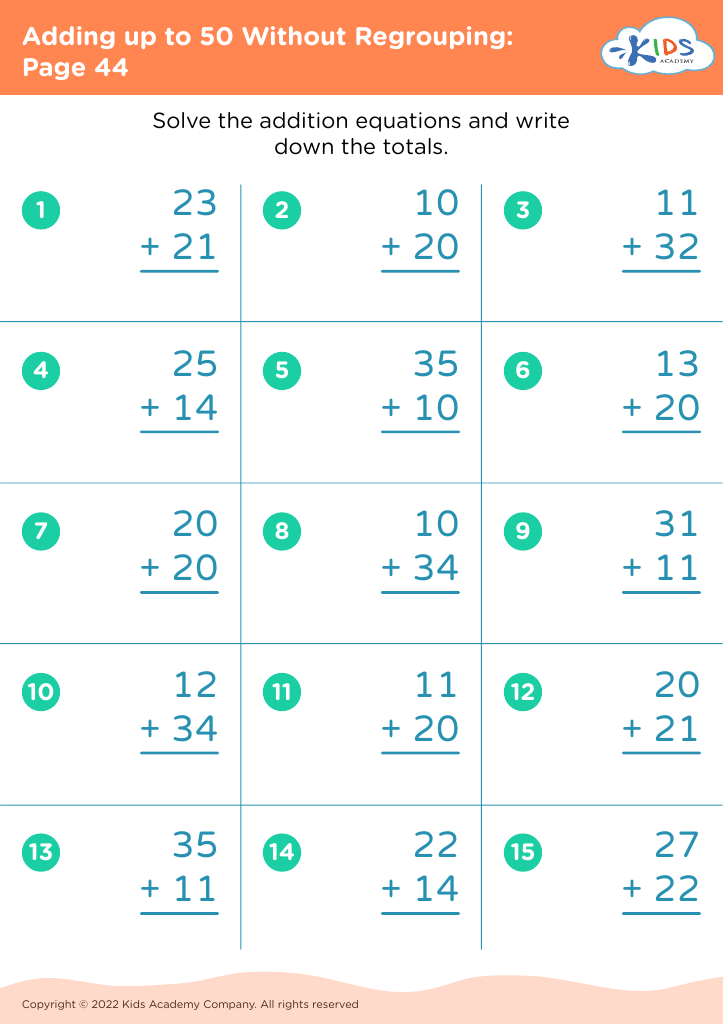
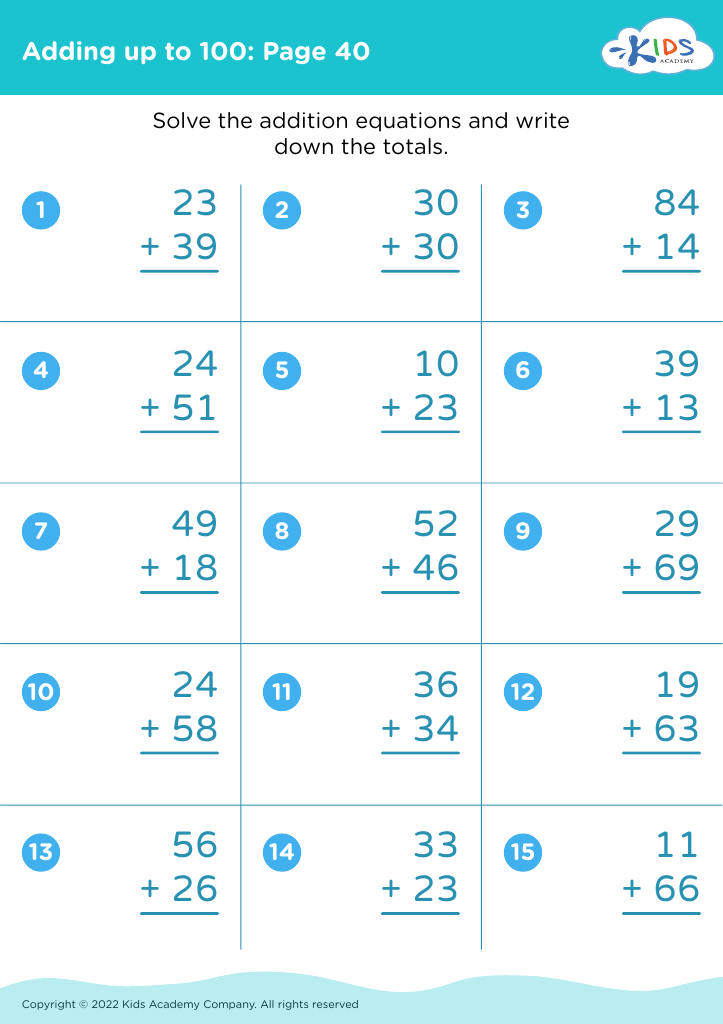
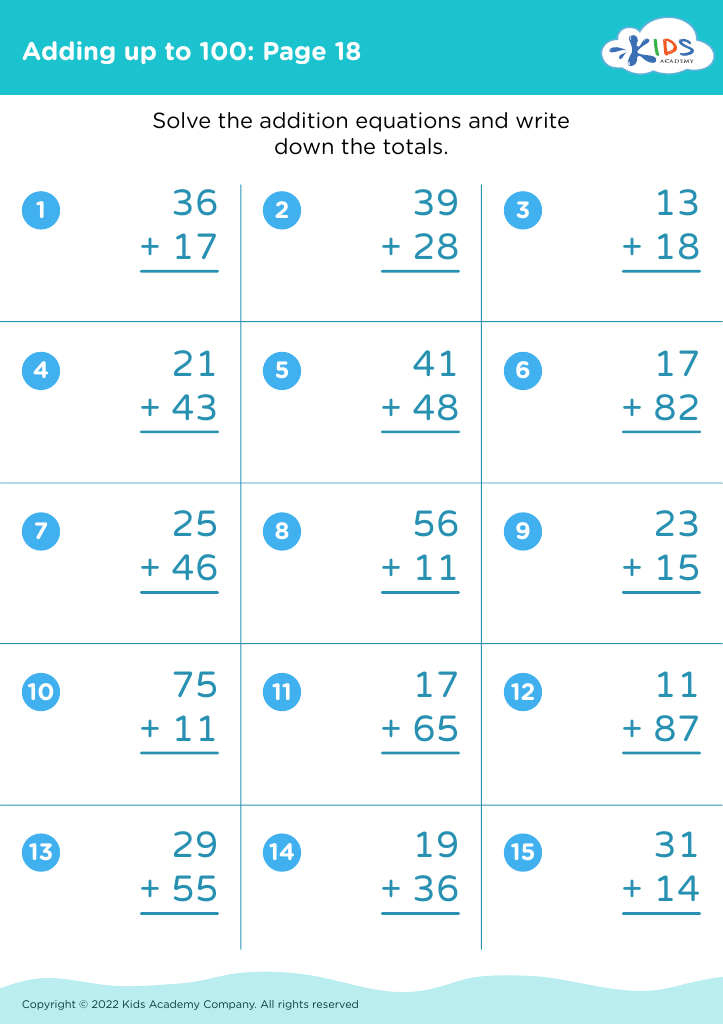








Enhancing number recognition and addition skills in children aged 3 to 8 is crucial for their foundational math literacy and overall cognitive development. Early exposure to numbers and basic arithmetic provides children with an essential framework for understanding more complex mathematical concepts in the future. Mastering number recognition helps children identify quantities and understand numerical relationships, fostering confidence in their mathematical abilities.
This age group is a critical period for cognitive growth, where playful interactions with numbers through games, songs, and everyday tasks can spark a lifelong interest in math. Parents and teachers play a pivotal role in this learning journey by creating a supportive environment that emphasizes exploration and discovery. Engaging children with hands-on activities and visual aids makes learning numbers fun and memorable.
Moreover, developing addition skills is not just about math; it cultivates problem-solving abilities, logical reasoning, and perseverance. The competencies gained during these early years are linked to academic success later on. Additionally, early math proficiency is associated with better performance in other subjects. By investing time and effort into enhancing number recognition and addition during this formative stage, adults can help lay a comprehensive foundation for children’s future educational achievements and foster a healthy attitude towards math.








