Enhancing problem-solving abilities Addition Worksheets for Ages 3-8
10 filtered results
-
From - To
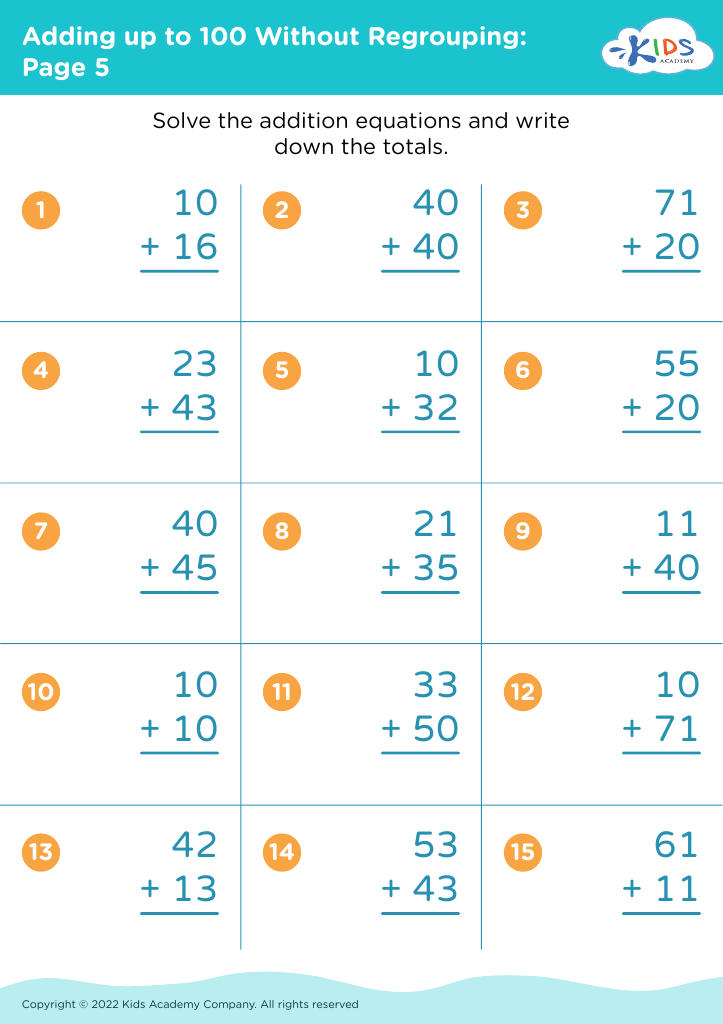
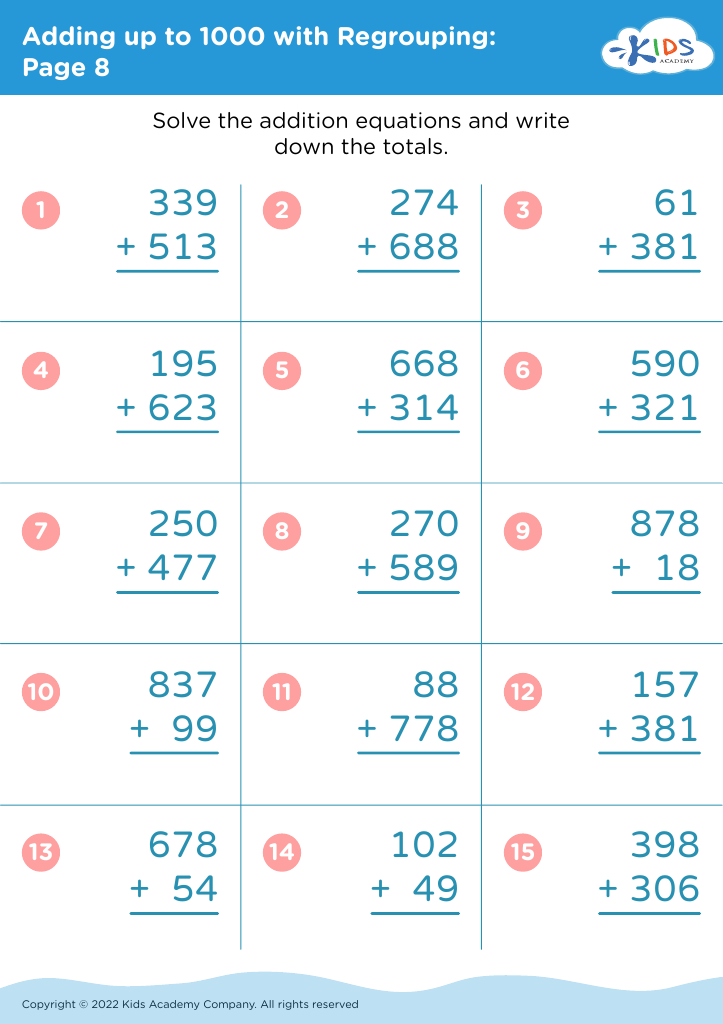
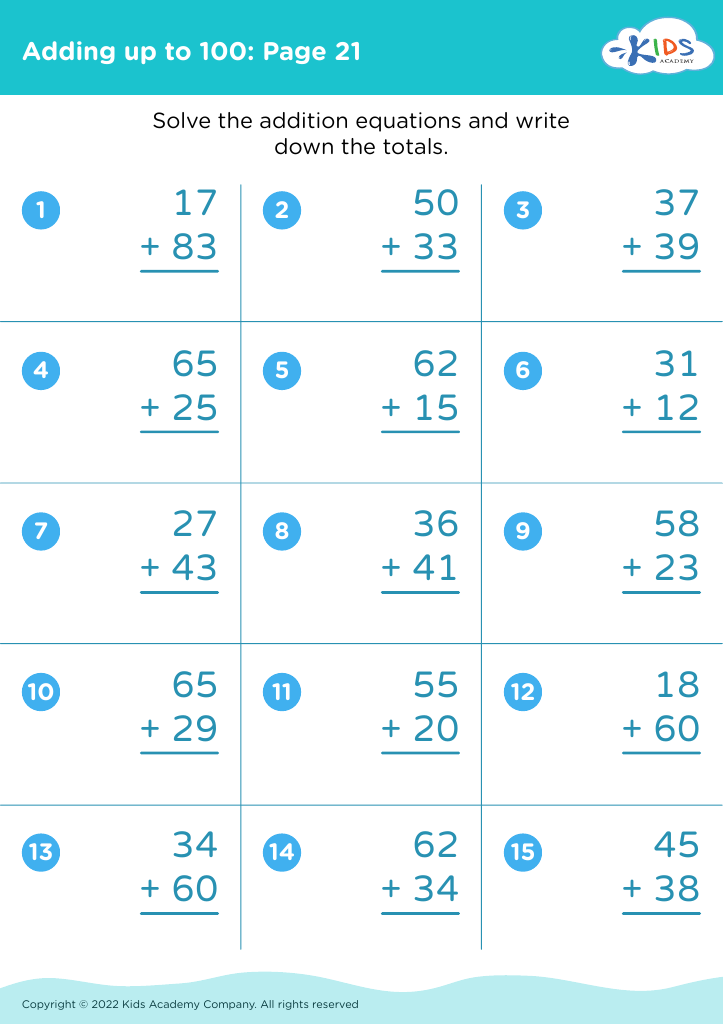
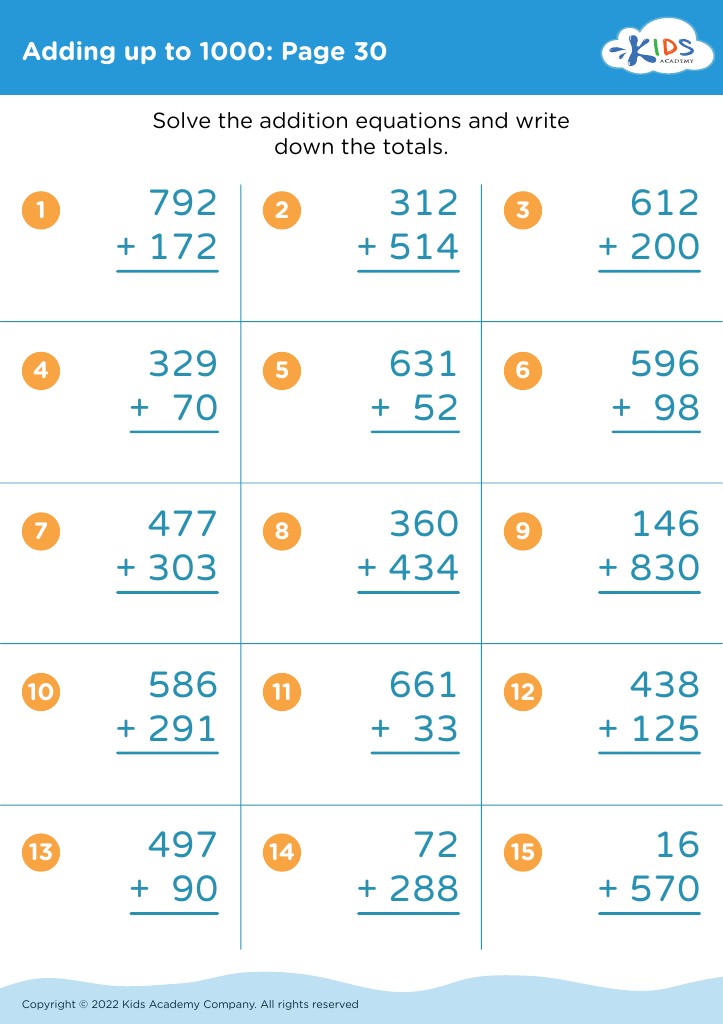
"Enhancing Problem-Solving Abilities Addition Worksheets for Ages 3-8" are expertly designed to make learning addition fun and effective for young children. These engaging worksheets foster critical thinking and problem-solving skills, essential for early math development. Each activity features colorful illustrations and varied exercises, encouraging kids to understand and enjoy math concepts. Tailored for ages 3-8, the worksheets offer progressive challenges to match each child's unique learning pace. Whether at home or in the classroom, these printable tools are perfect for parents and educators aiming to nurture a solid foundation in arithmetic. Turn learning into an adventure with our comprehensive addition worksheets!
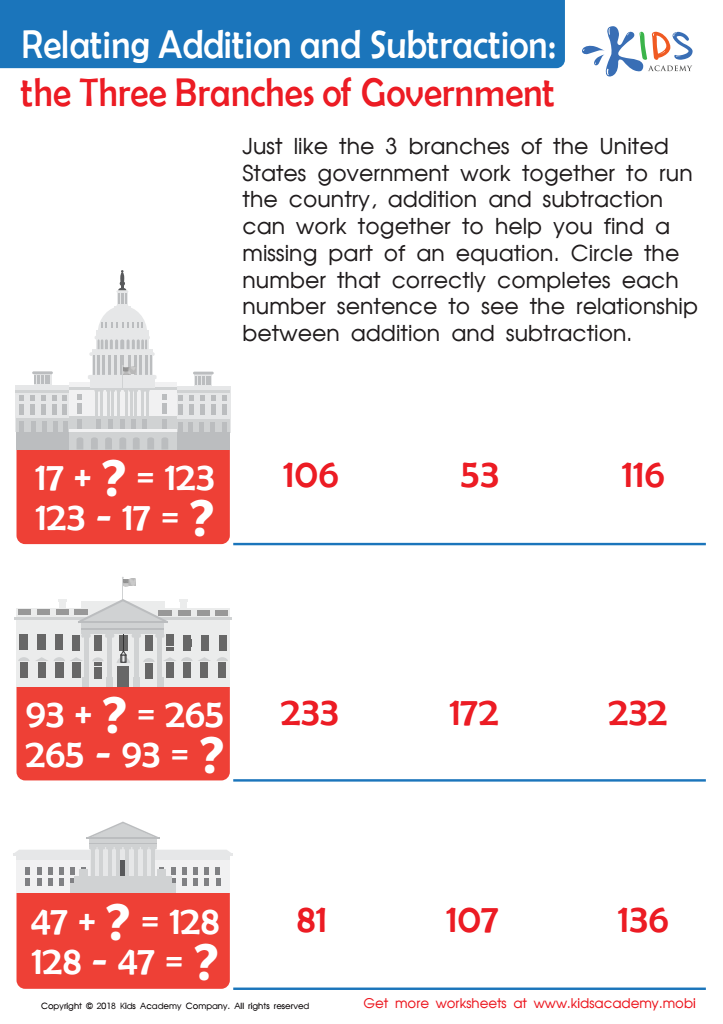
The Three Branches of Government Worksheet
 Assign to My Students
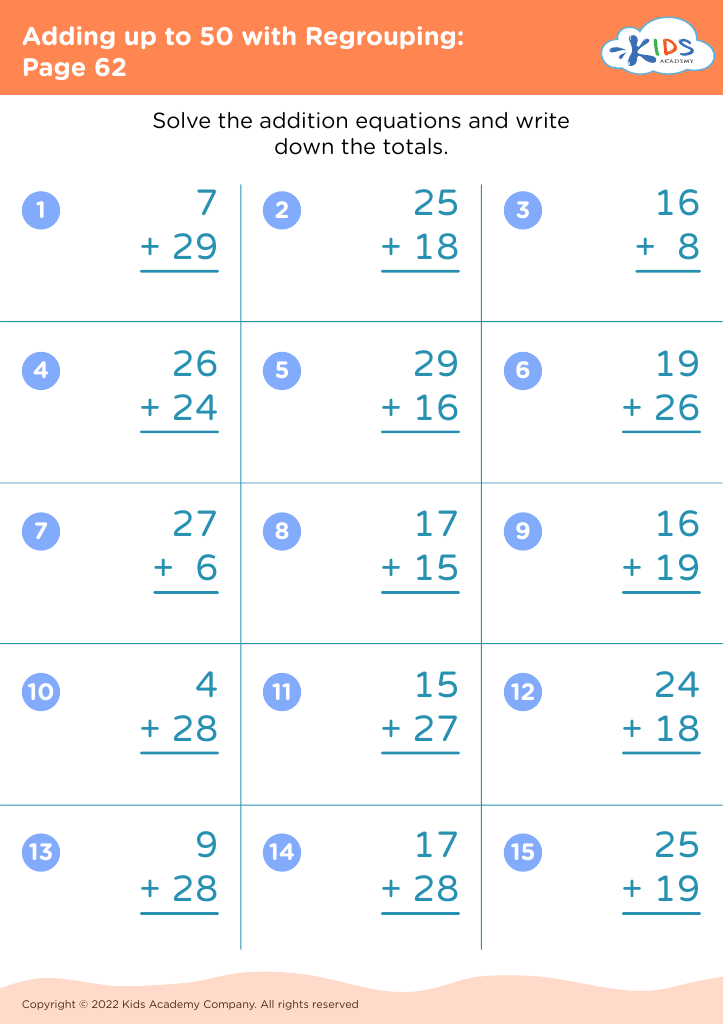
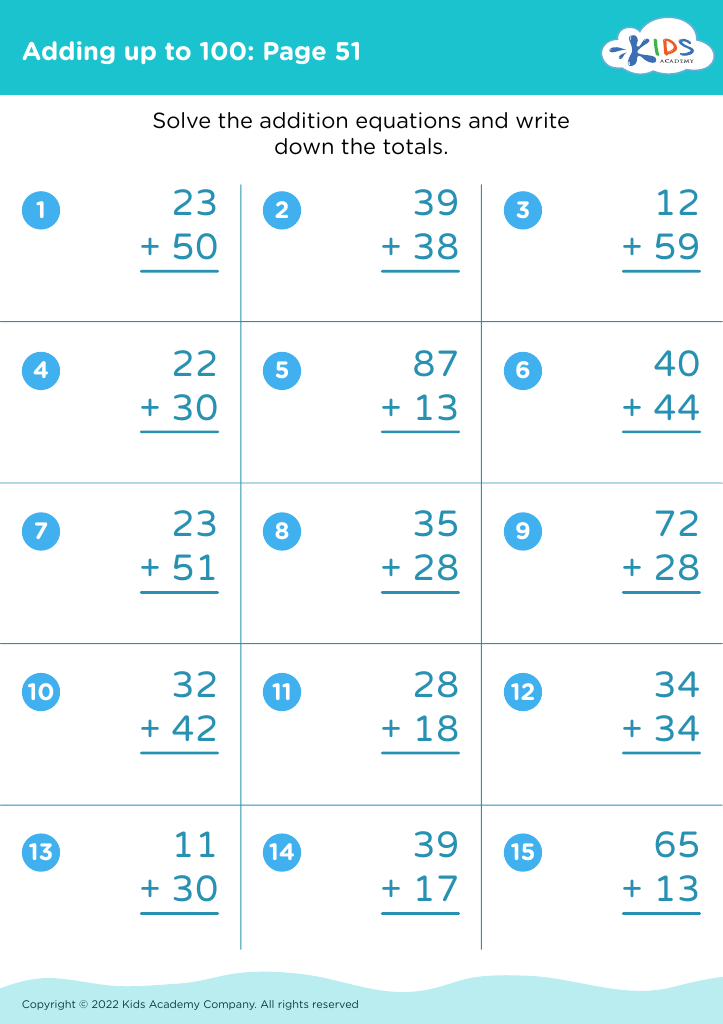
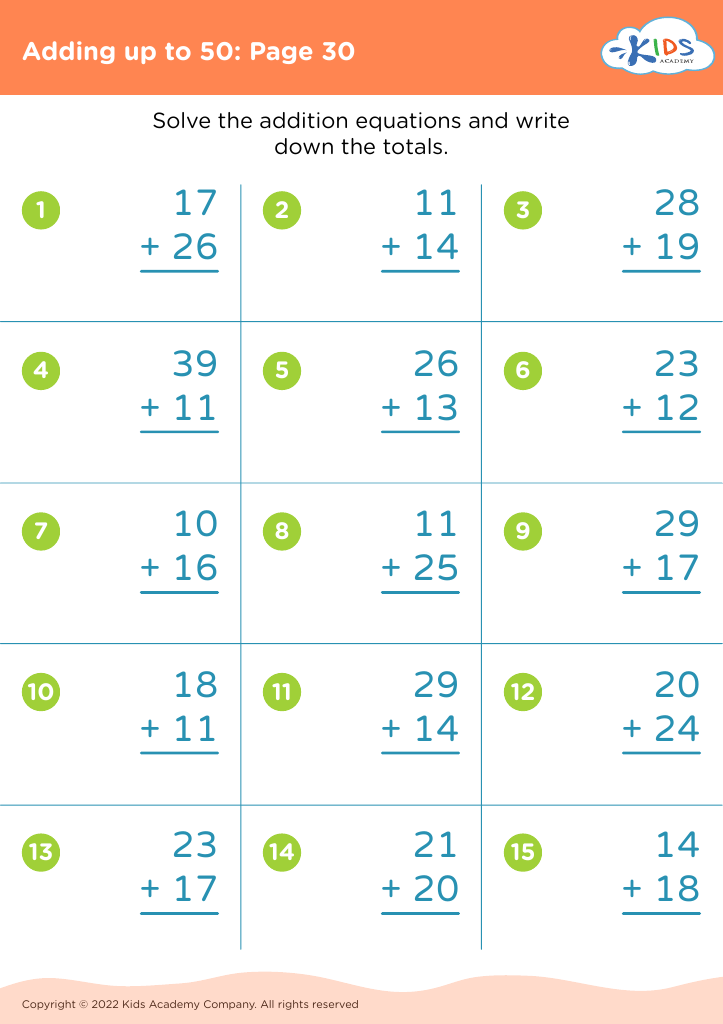
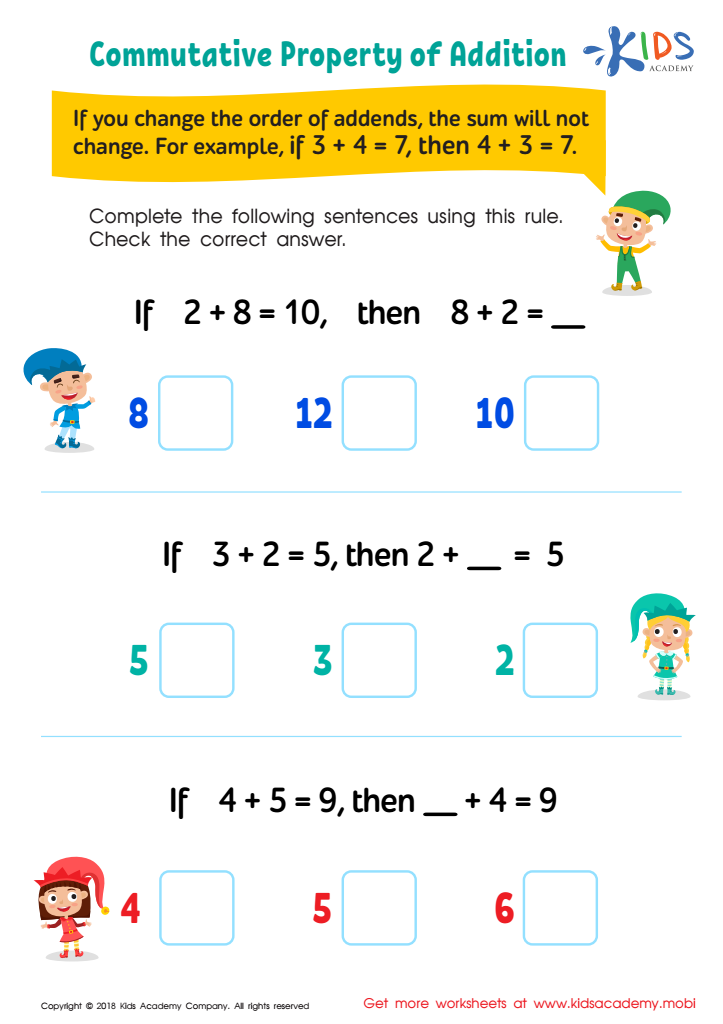
Commutative Property of Addition Worksheet
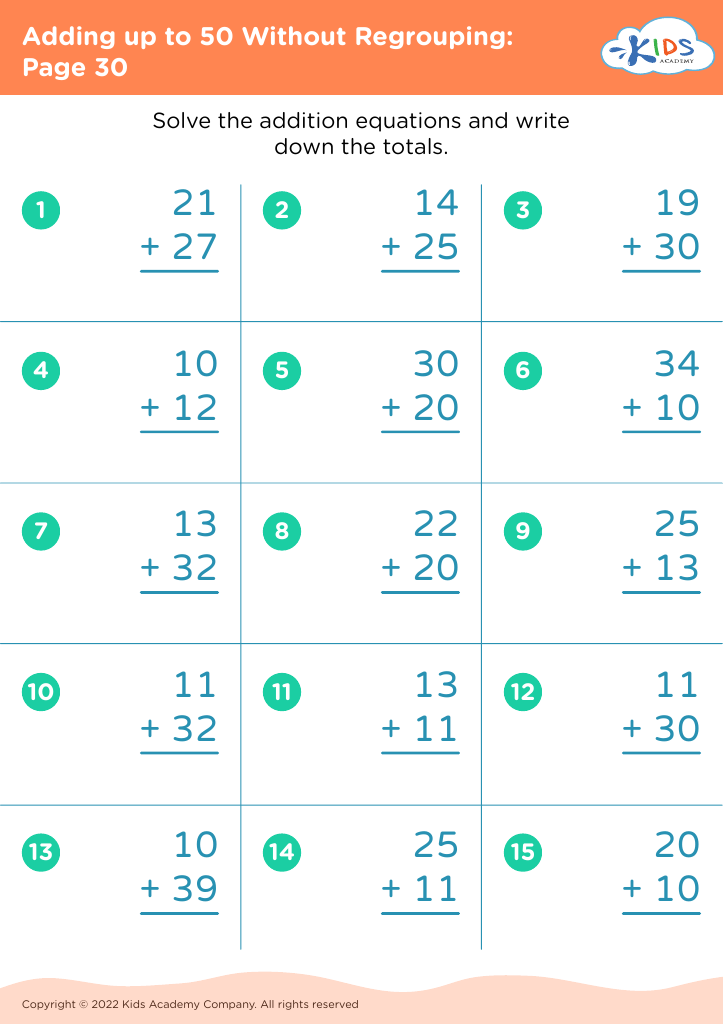








Enhancing problem-solving abilities in addition for children aged 3-8 is crucial because it lays the foundation for their future cognitive development and academic success. During these formative years, children are at a prime stage of brain development, and engaging them in problem-solving tasks encourages critical thinking, logical reasoning, and the ability to tackle challenges effectively.
Learning addition through problem-solving also supports the development of mathematical thinking. When children encounter addition not just as memorization but as a process of finding solutions, they begin to understand mathematical concepts more deeply. This approach helps in building their numeracy skills, making them more confident and proficient in math as they progress in school.
Moreover, problem-solving in addition fosters valuable life skills like perseverance, adaptability, and the ability to think creatively. As children learn to approach problems from different angles and try various strategies, they develop a growth mindset—understanding that challenges can be overcome with effort and persistence.
For parents and teachers, focusing on enhancing these abilities means investing in the child's overall development. It becomes easier for children to transition to more complex math topics later on, and they also gain skills that are applicable across other subjects and in everyday life. Initiating problem-solving routines early on in addition sets the stage for lifelong learning and problem-solving competency.








