Filters

69 filtered results

Clear all filters
Favorites
With answer key
Interactive

69 filtered results

Difficulty Level

Grade


Subject

    Enhance your child's learning journey with our Fine Motor Skills Addition Worksheets for ages 3-8! Designed to develop crucial fine motor skills while introducing foundational math concepts, these engaging worksheets provide a fun and interactive way for young learners to practice addition. Each activity is crafted to improve hand-eye coordination and dexterity through various exercises, including tracing, coloring, and manipulating materials. Perfect for homeschooling or classroom settings, our worksheets not only make math enjoyable but also foster essential skills necessary for future academic success. Discover the perfect blend of learning and play today!
    Check out this FREE Trial Lesson on Addition for age 3-8!

    D

    Favorites
    With answer key
    Interactive
    • 3-8
    • Fine Motor Skills
    • Addition
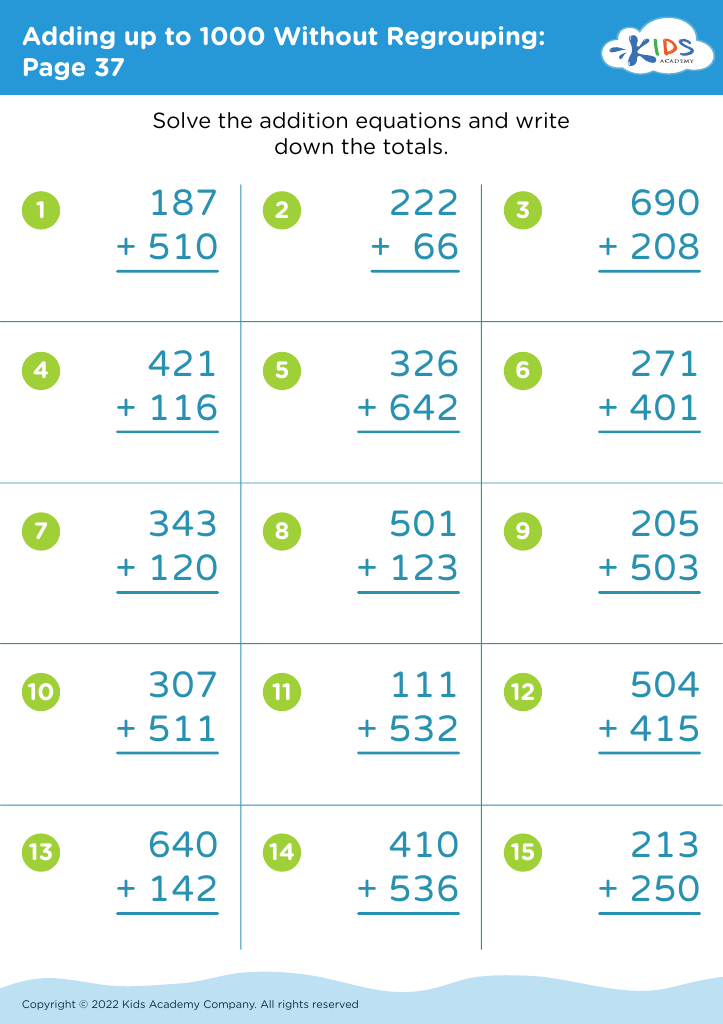
    Adding up to 1000 Without Regrouping: Page 37
    Adding up to 1000 Without Regrouping: Page 37
    Adding up to 1000 Without Regrouping: Page 37
    Worksheet
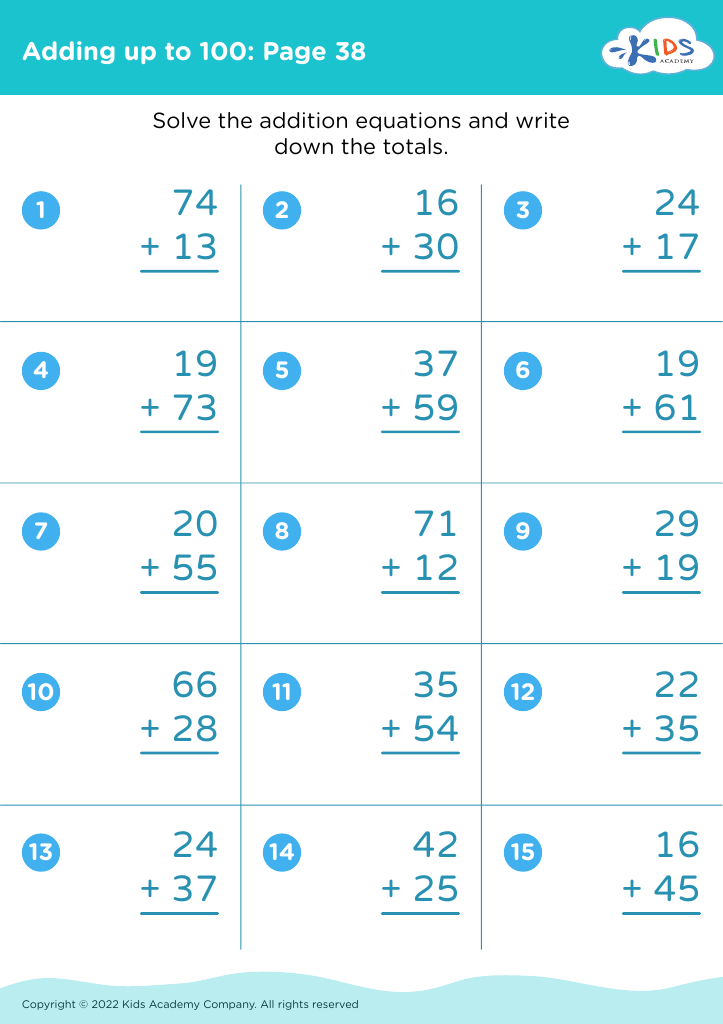
    Adding up to 100: Page 38
    Adding up to 100: Page 38

    Adding up to 100: Page 38

    Adding up to 100: Page 38
    Worksheet
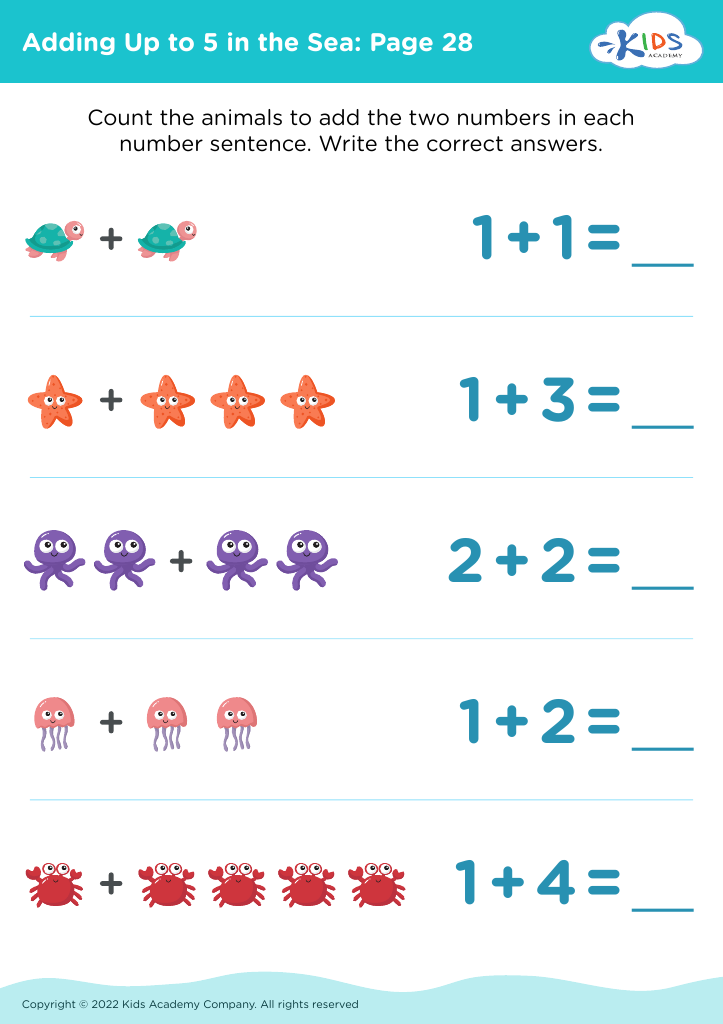
    Adding Up to 5 in the Sea: Page 28
    Adding Up to 5 in the Sea: Page 28
    Adding Up to 5 in the Sea: Page 28
    Worksheet
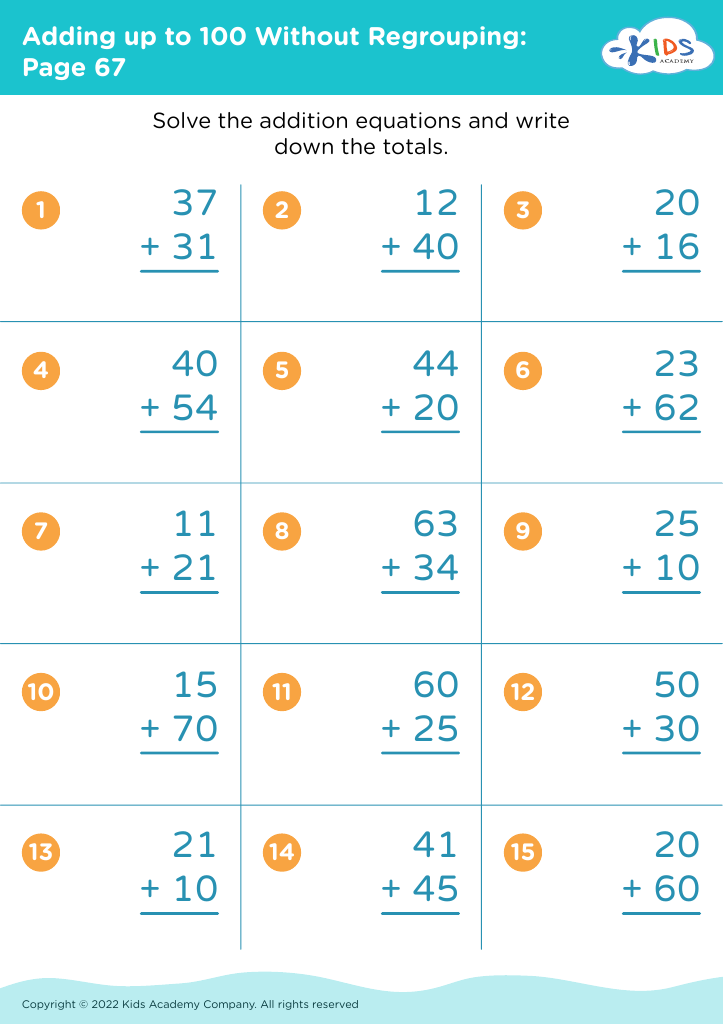
    Adding up to 100 Without Regrouping: Page 67
    Adding up to 100 Without Regrouping: Page 67
    Adding up to 100 Without Regrouping: Page 67
    Worksheet
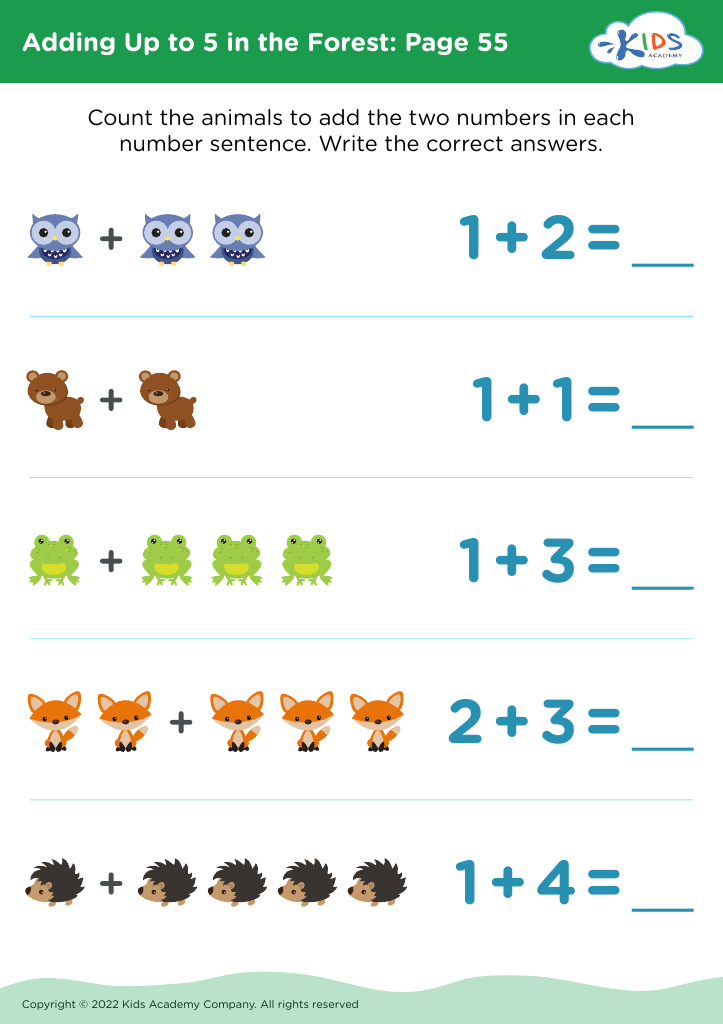
    Adding Up to 5 in the Forest: Page 55
    Adding Up to 5 in the Forest: Page 55
    Adding Up to 5 in the Forest: Page 55
    Worksheet
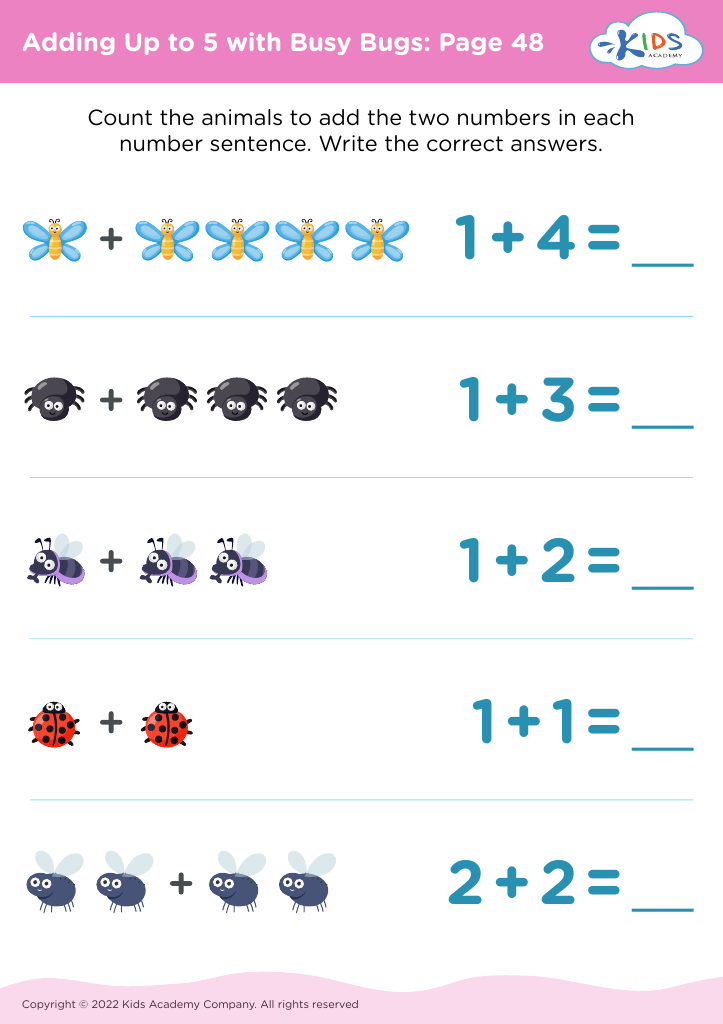
    Adding Up to 5 with Busy Bugs: Page 48
    Adding Up to 5 with Busy Bugs: Page 48
    Adding Up to 5 with Busy Bugs: Page 48
    Worksheet
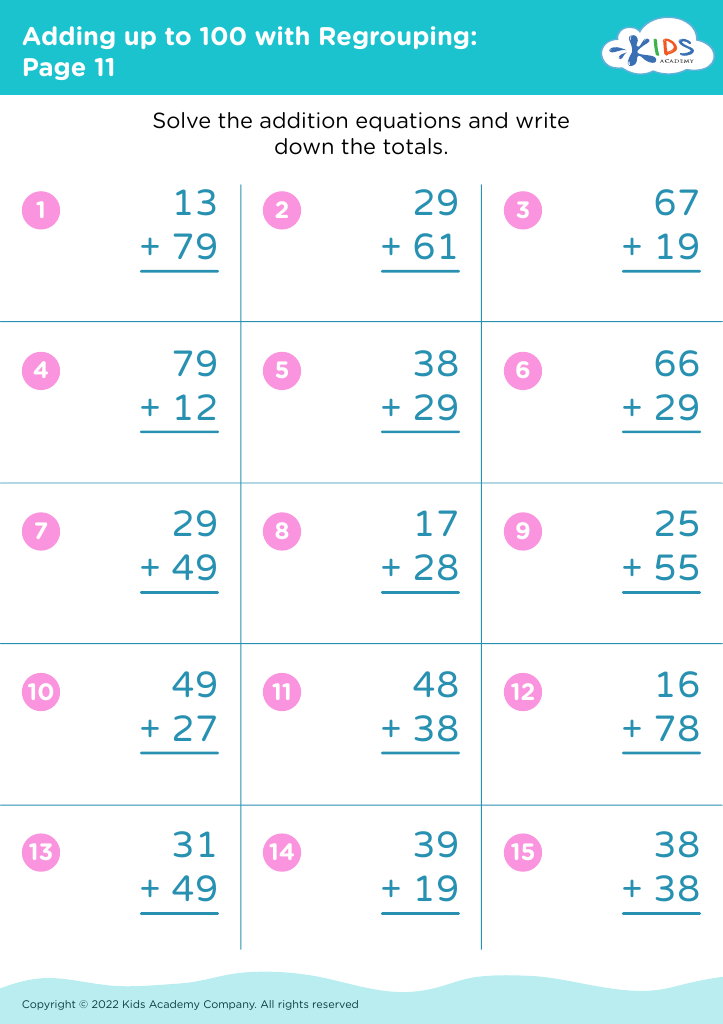
    Adding up to 100 with Regrouping: Page 11
    Adding up to 100 with Regrouping: Page 11
    Adding up to 100 with Regrouping: Page 11
    Worksheet
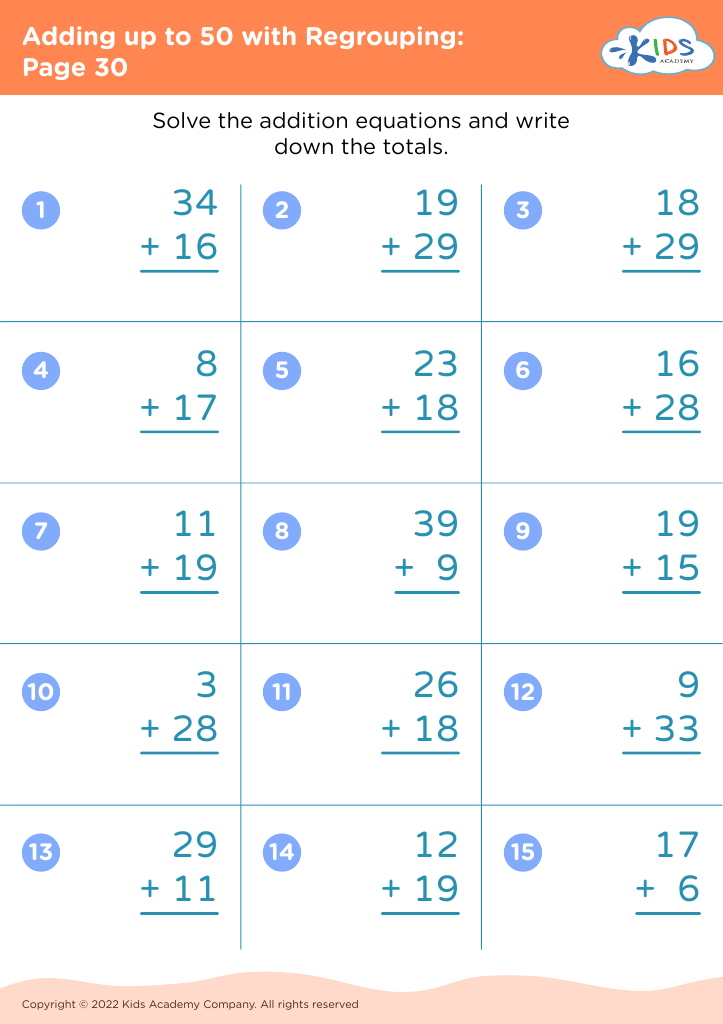
    Adding up to 50 with Regrouping: Page 30
    Adding up to 50 with Regrouping: Page 30
    Adding up to 50 with Regrouping: Page 30
    Worksheet
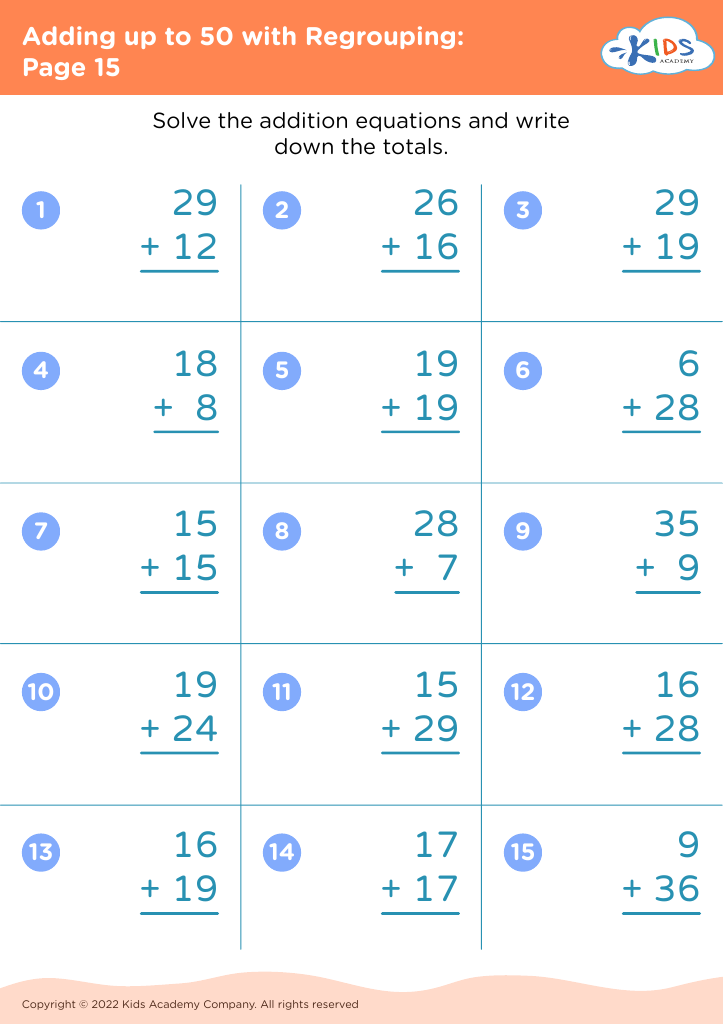
    Adding up to 50 with Regrouping: Page 15
    Adding up to 50 with Regrouping: Page 15
    Adding up to 50 with Regrouping: Page 15
    Worksheet
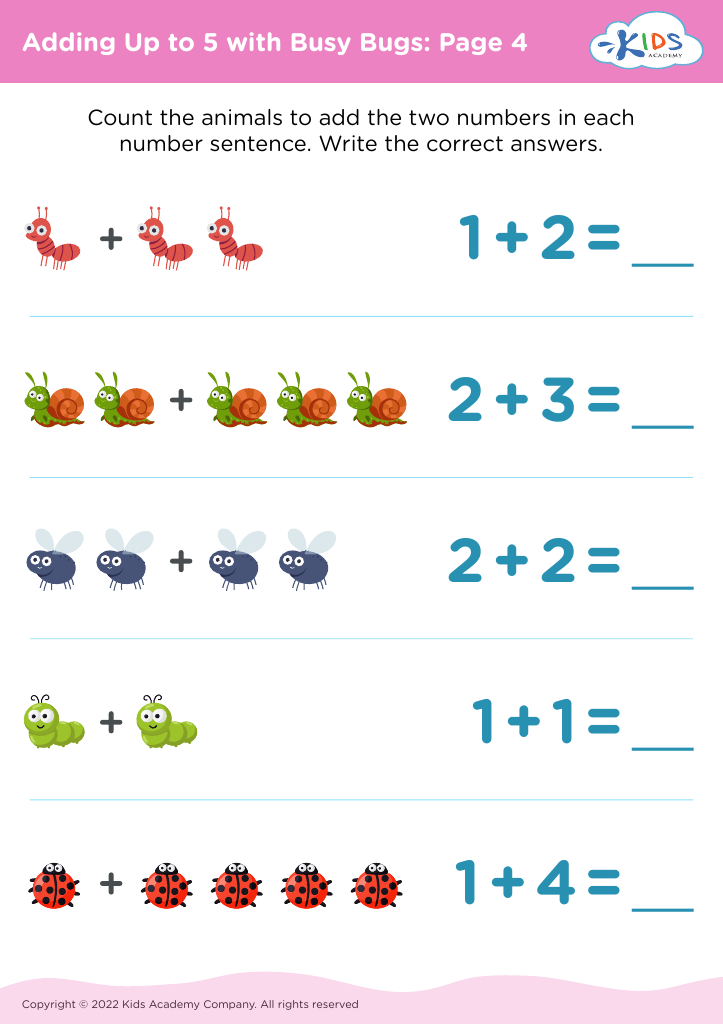
    Adding Up to 5 with Busy Bugs: Page 4
    Adding Up to 5 with Busy Bugs: Page 4
    Adding Up to 5 with Busy Bugs: Page 4
    Worksheet
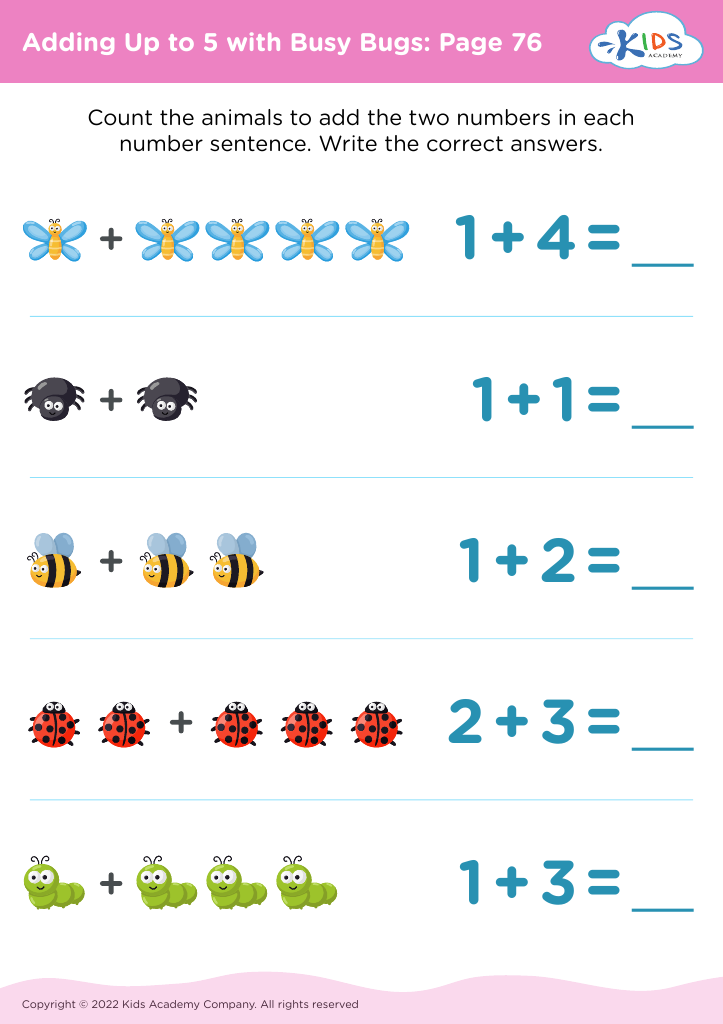
    Adding Up to 5 with Busy Bugs: Page 76
    Adding Up to 5 with Busy Bugs: Page 76
    Adding Up to 5 with Busy Bugs: Page 76
    Worksheet
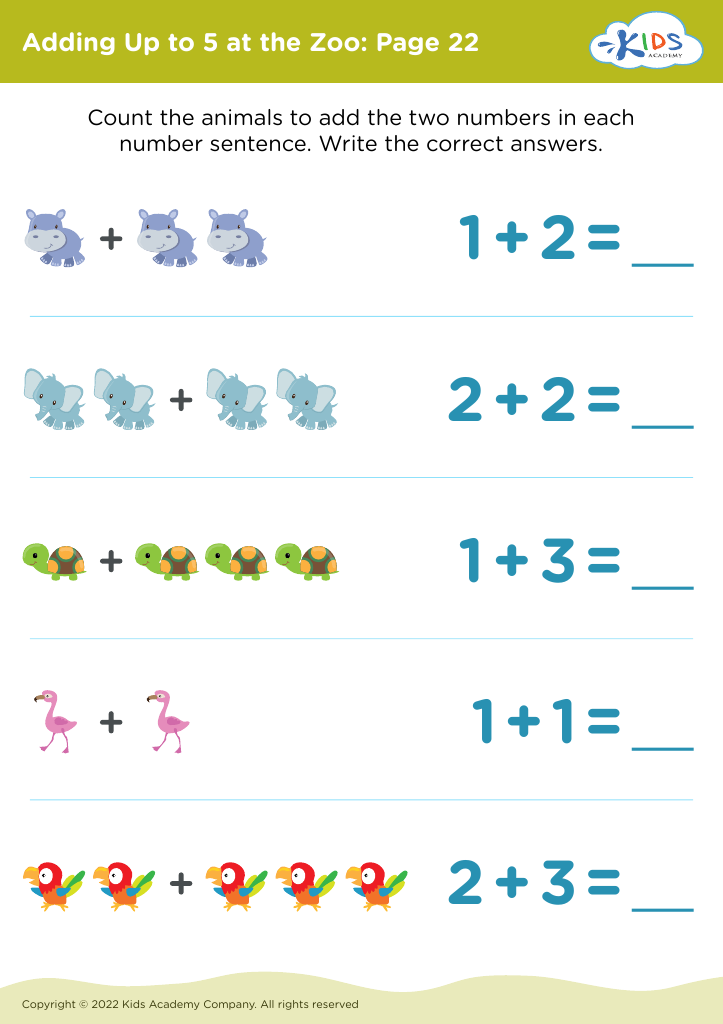
    Adding Up to 5 at the Zoo: Page 22
    Adding Up to 5 at the Zoo: Page 22
    Adding Up to 5 at the Zoo: Page 22
    Worksheet
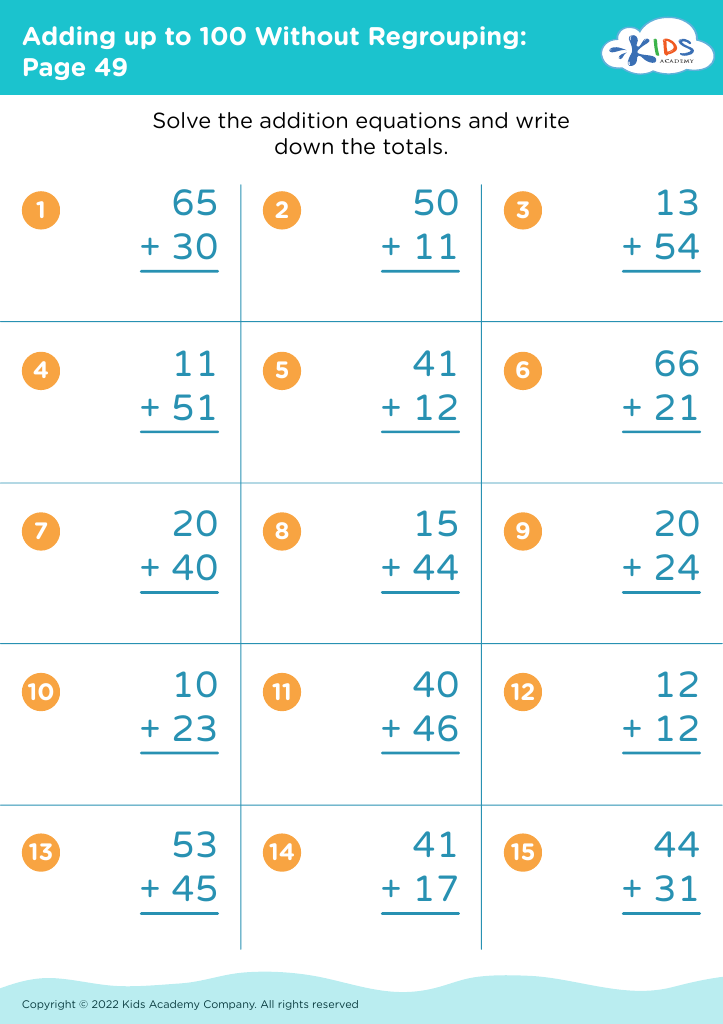
    Adding up to 100 Without Regrouping: Page 49
    Adding up to 100 Without Regrouping: Page 49
    Adding up to 100 Without Regrouping: Page 49
    Worksheet
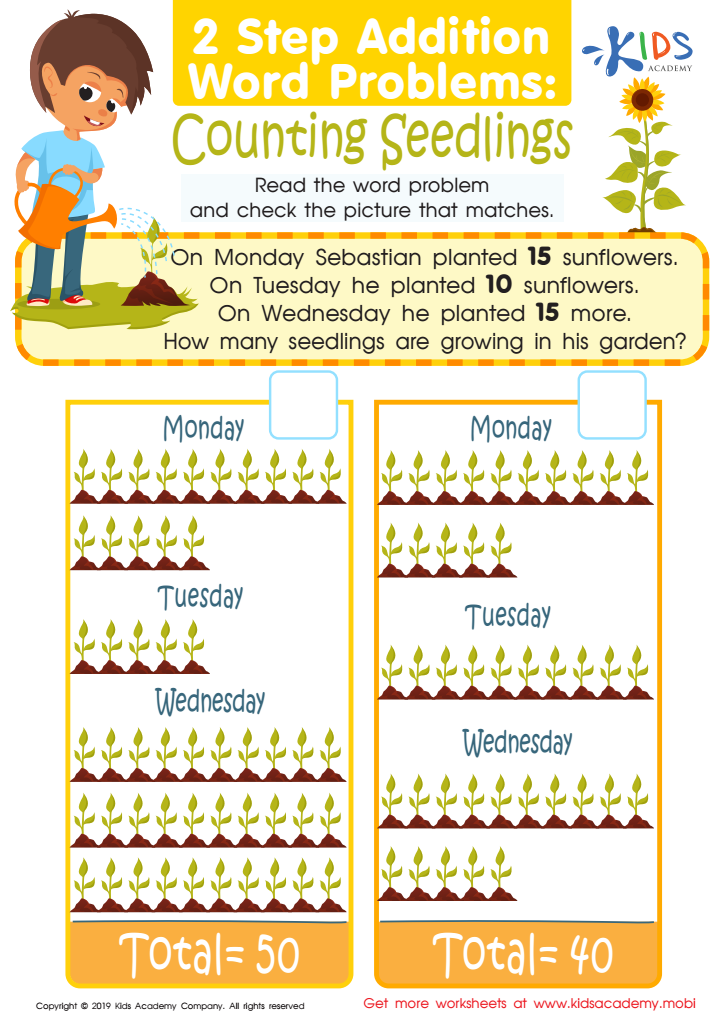
    Counting Seedlings Worksheet
    Counting Seedlings Worksheet

    Counting Seedlings Worksheet

    Understanding math word problems is key. Multiple steps can prove challenging - this free worksheet provides one-to-one picture representation to help kids solve multi-step addition word problems. Strengthen addition skills by choosing the matching picture to the answer.
    Counting Seedlings Worksheet
    Worksheet
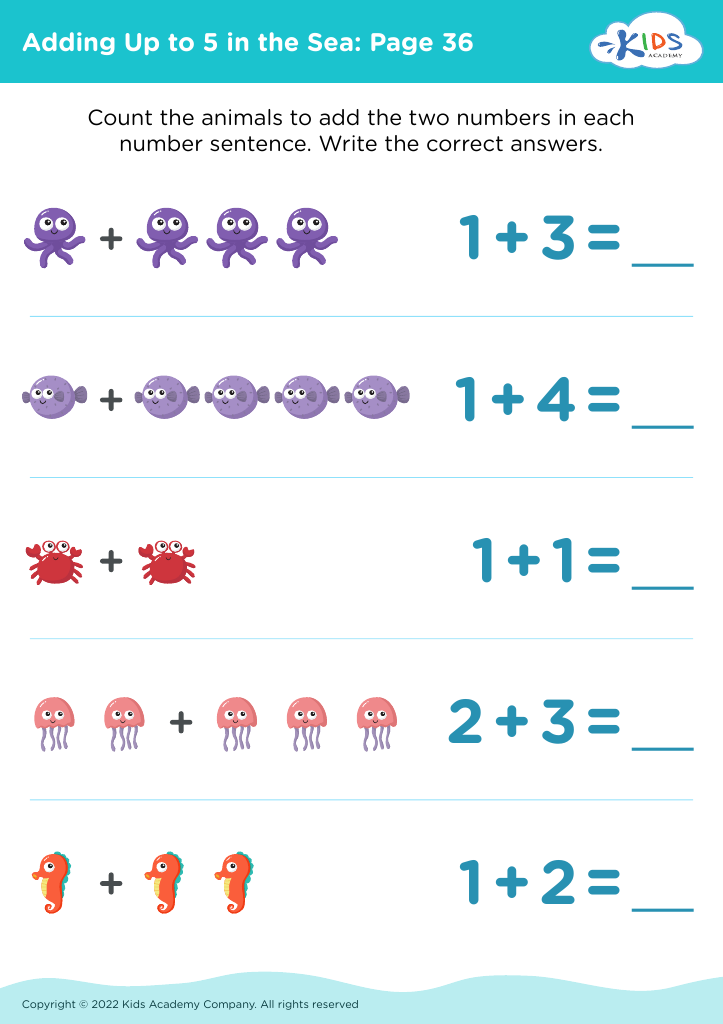
    Adding Up to 5 in the Sea: Page 36
    Adding Up to 5 in the Sea: Page 36
    Adding Up to 5 in the Sea: Page 36
    Worksheet
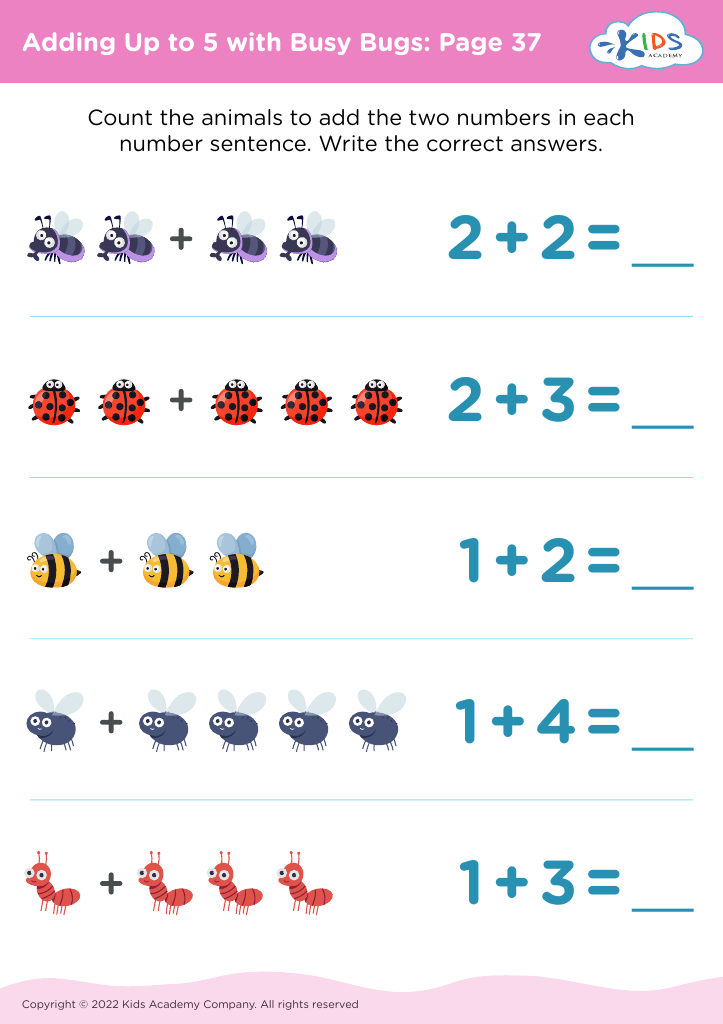
    Adding Up to 5 with Busy Bugs: Page 37
    Adding Up to 5 with Busy Bugs: Page 37
    Adding Up to 5 with Busy Bugs: Page 37
    Worksheet
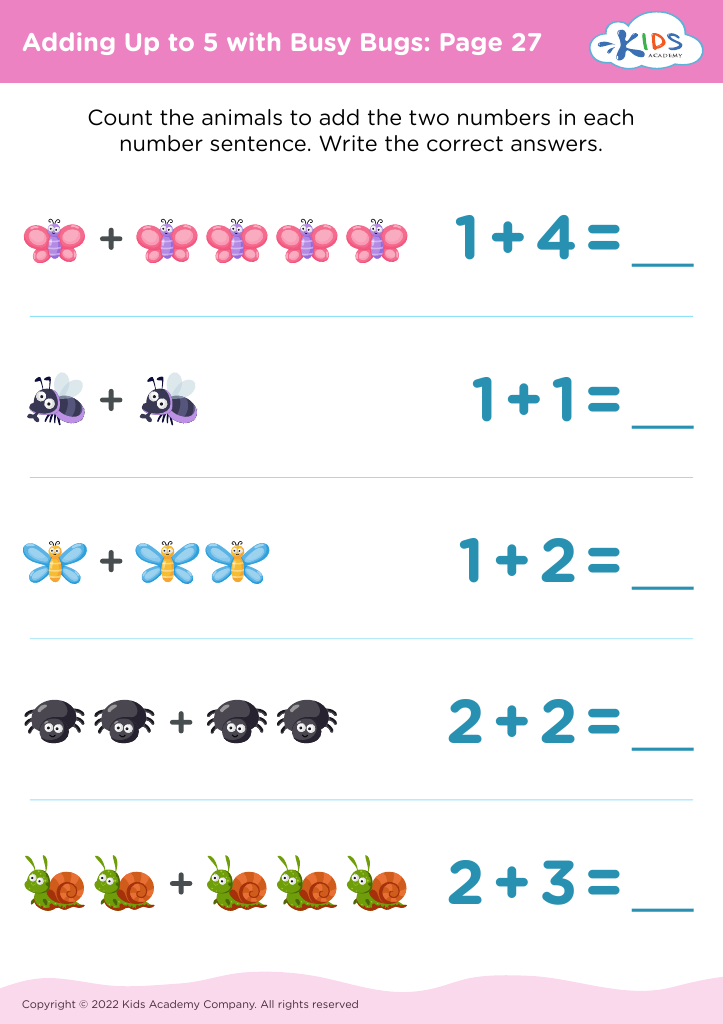
    Adding Up to 5 with Busy Bugs: Page 27
    Adding Up to 5 with Busy Bugs: Page 27
    Adding Up to 5 with Busy Bugs: Page 27
    Worksheet
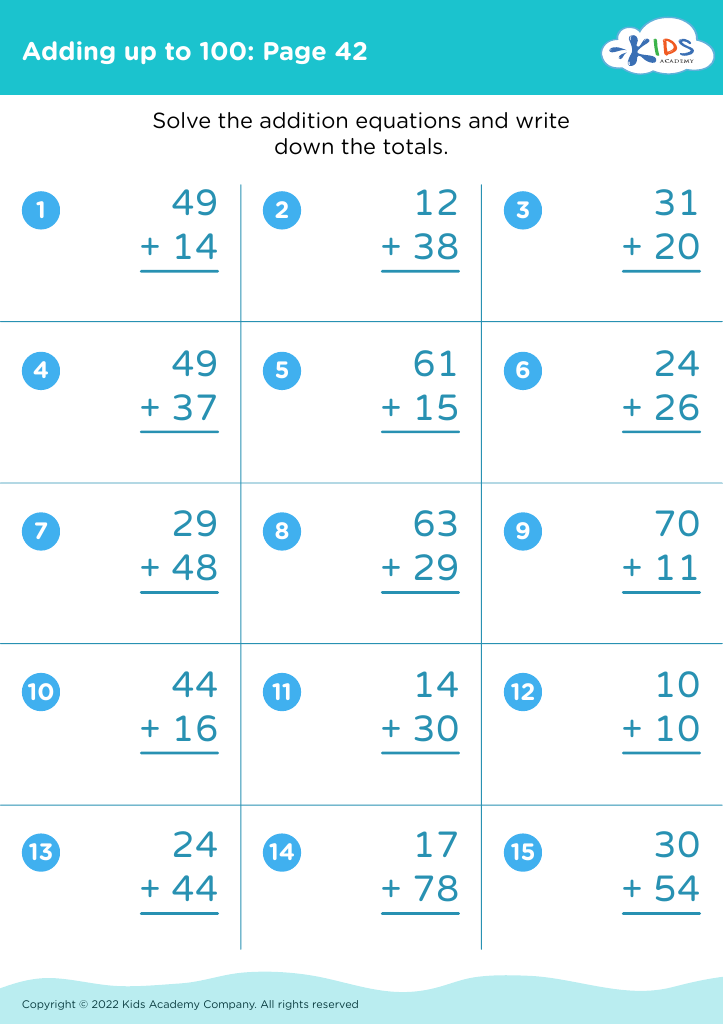
    Adding up to 100: Page 42
    Adding up to 100: Page 42

    Adding up to 100: Page 42

    Adding up to 100: Page 42
    Worksheet
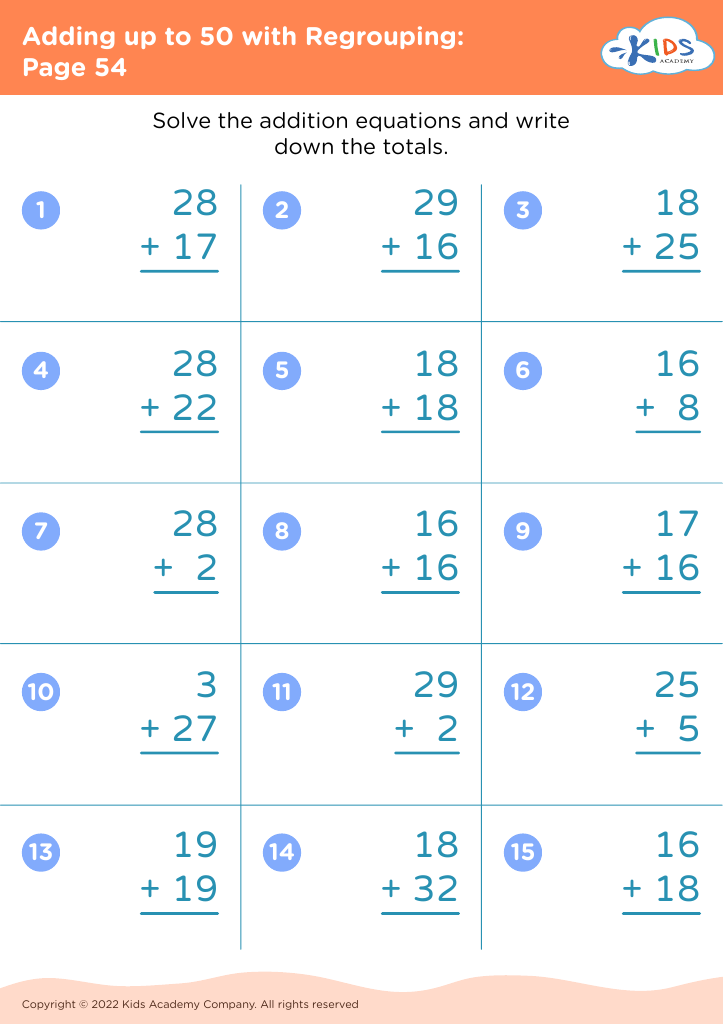
    Adding up to 50 with Regrouping: Page 54
    Adding up to 50 with Regrouping: Page 54
    Adding up to 50 with Regrouping: Page 54
    Worksheet
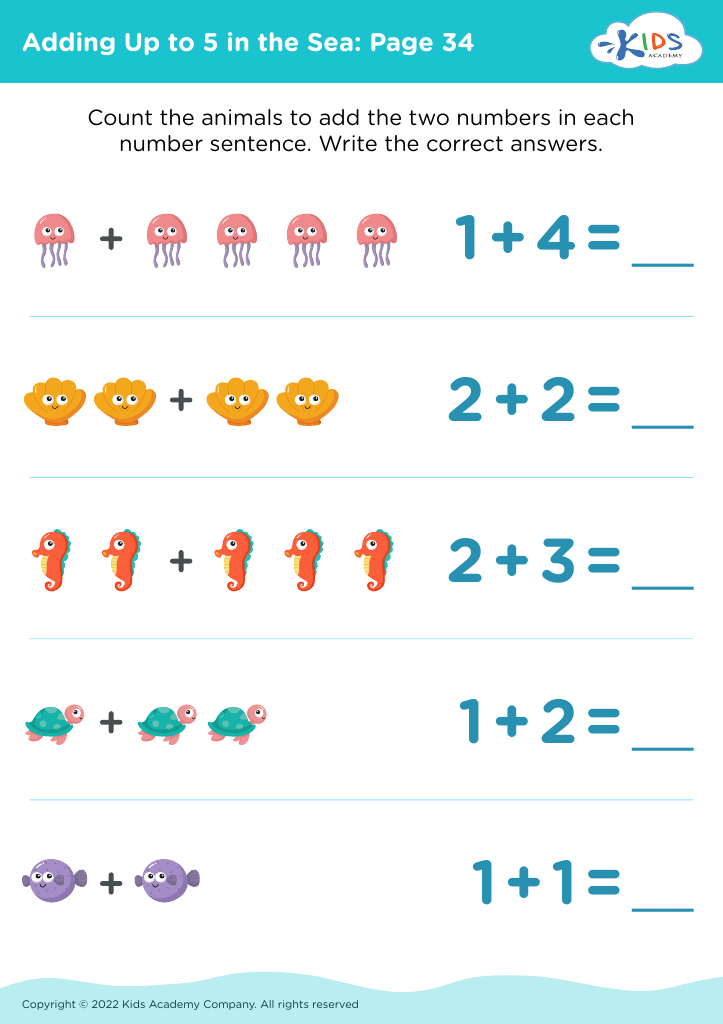
    Adding Up to 5 in the Sea: Page 34
    Adding Up to 5 in the Sea: Page 34
    Adding Up to 5 in the Sea: Page 34
    Worksheet
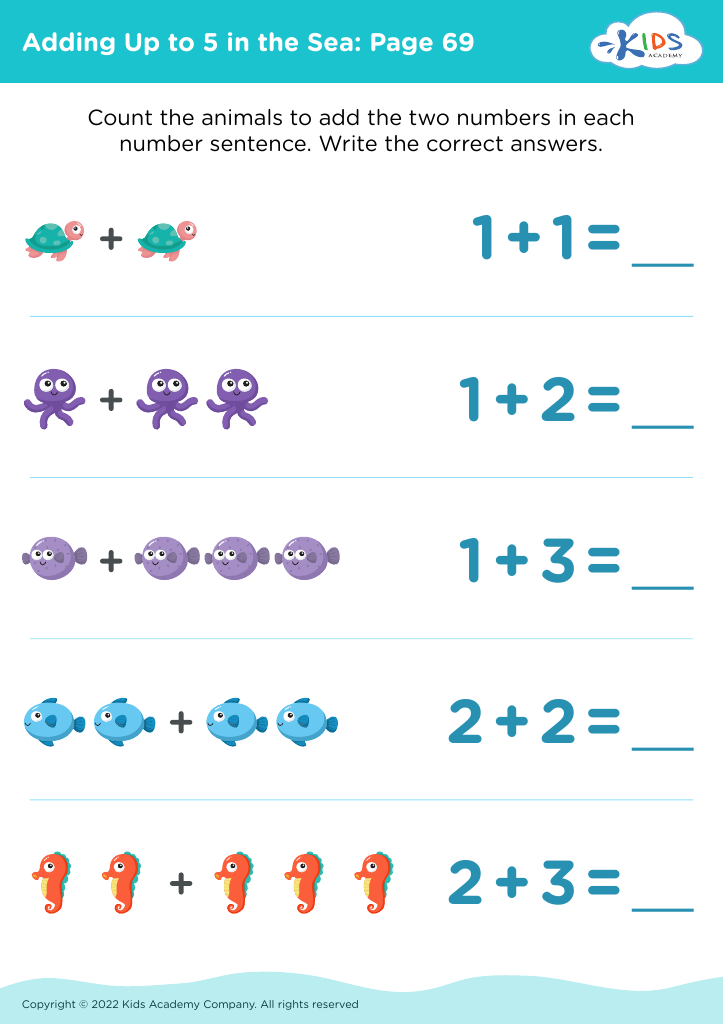
    Adding Up to 5 in the Sea: Page 69
    Adding Up to 5 in the Sea: Page 69
    Adding Up to 5 in the Sea: Page 69
    Worksheet
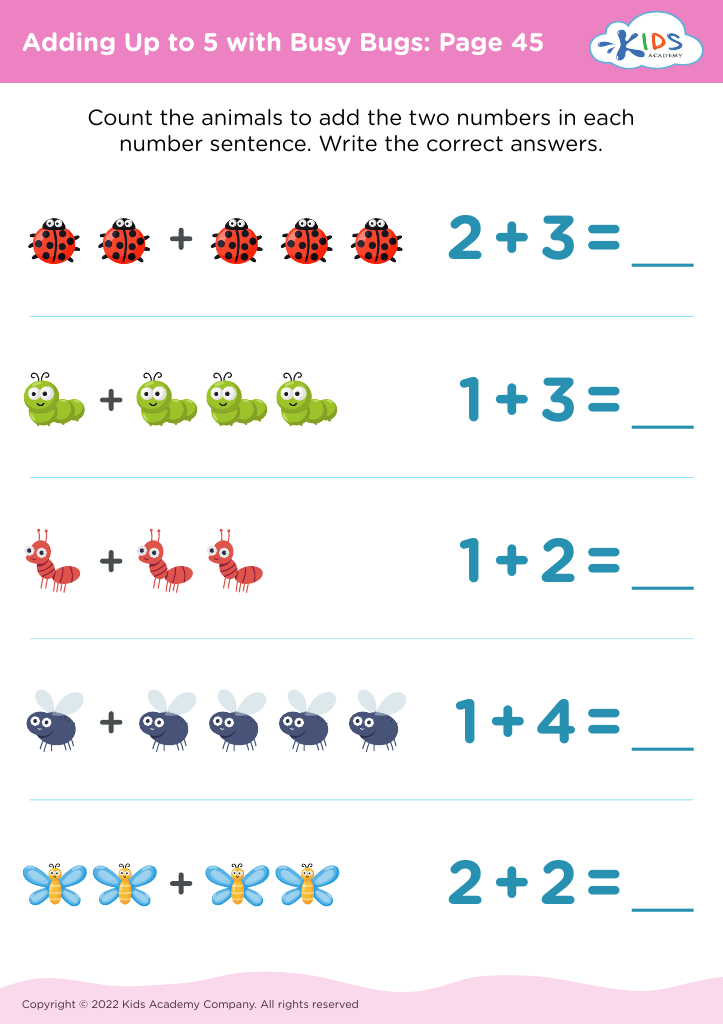
    Adding Up to 5 with Busy Bugs: Page 45
    Adding Up to 5 with Busy Bugs: Page 45
    Adding Up to 5 with Busy Bugs: Page 45
    Worksheet
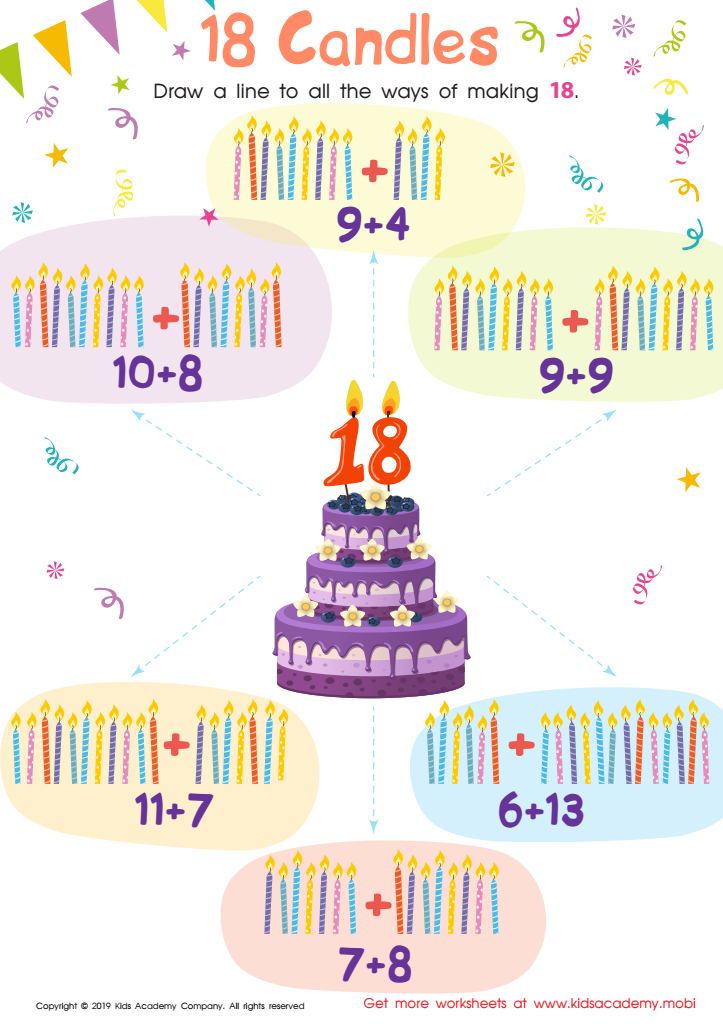
    18 Candles Worksheet
    18 Candles Worksheet

    18 Candles Worksheet

    This worksheet is great for introducing your students to addition and subtraction. Help your kids solve the simple equations on it and draw a line from the birthday cake with 18 on it to all the solutions. Practice like this will prepare them to tackle more complex math problems.
    18 Candles Worksheet
    Worksheet
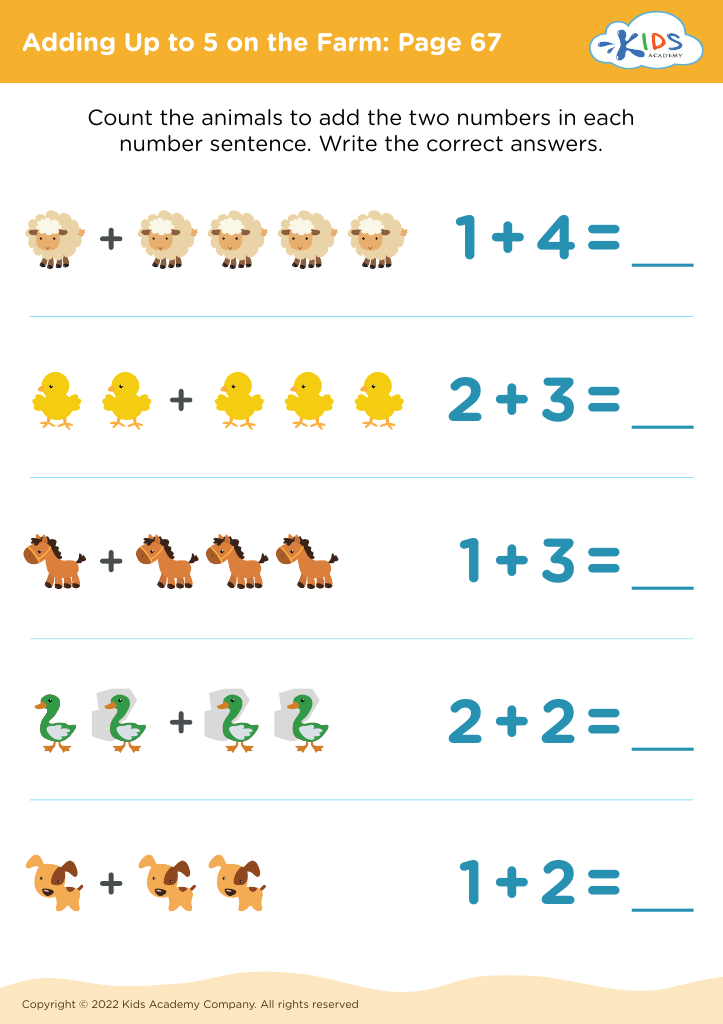
    Adding Up to 5 on the Farm: Page 67
    Adding Up to 5 on the Farm: Page 67
    Adding Up to 5 on the Farm: Page 67
    Worksheet


    Fine motor skills are crucial for children's overall development, especially for those aged 3-8. These skills involve the coordination of small muscles in the hands and fingers, which are essential for various everyday tasks such as writing, using utensils, and tying shoelaces. By focusing on fine motor skills, parents and teachers can help children build a strong foundation for academic tasks, promote independence, and enhance self-confidence.

    Engaging in activities that promote fine motor development, such as drawing, cutting, or assembling puzzles, allows children to improve hand-eye coordination and dexterity. These skills are directly linked to later academic success, particularly in literacy and mathematics. Fine motor proficiency influences a child’s ability to hold a pencil correctly, which affects handwriting and overall task execution in the classroom.

    Additionally, fine motor activities foster cognitive development as children learn to plan, problem-solve, and practice patience and perseverance. Furthermore, parents and teachers who prioritize fine motor skill development empower children to explore their creativity and build resilience through practice. Ultimately, nurturing fine motor skills contributes to holistic growth, setting children up for success in school and life beyond these formative years.