
Spelling practice Addition Worksheets for Ages 3-8
4 filtered results
Difficulty Level
Grade
Age
-
From - To
Subject
Activity
Standards
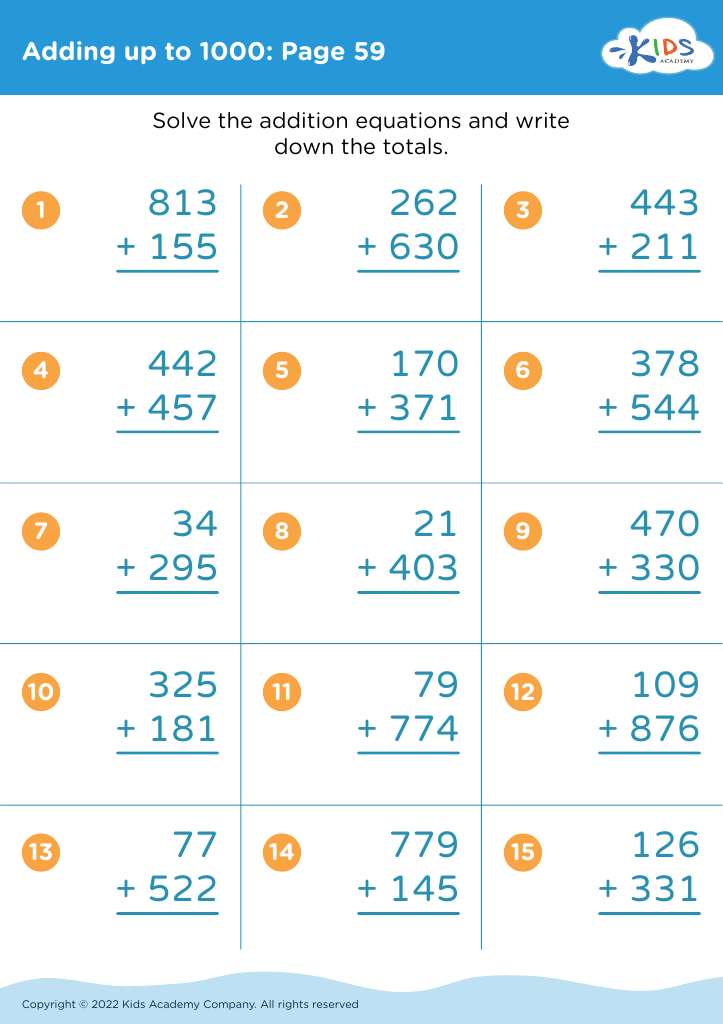
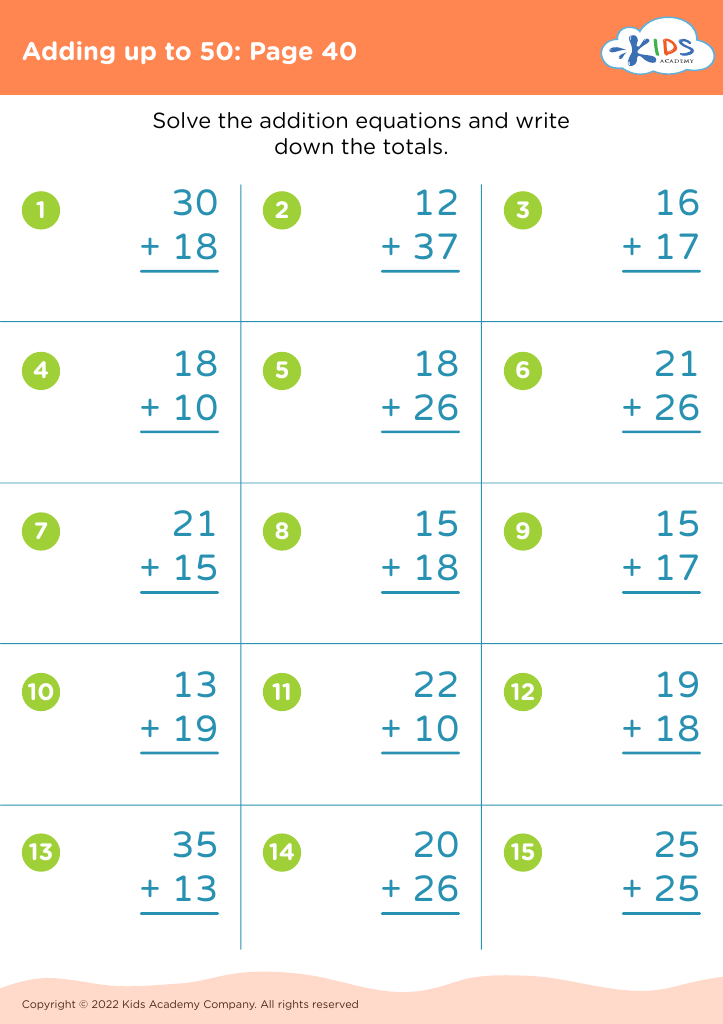
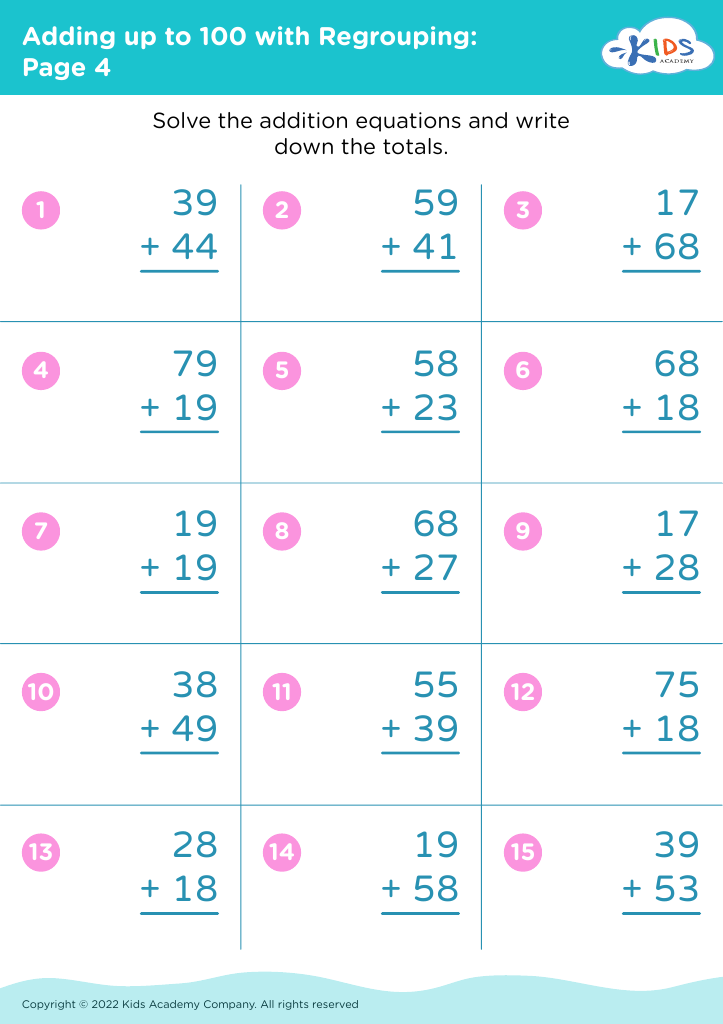
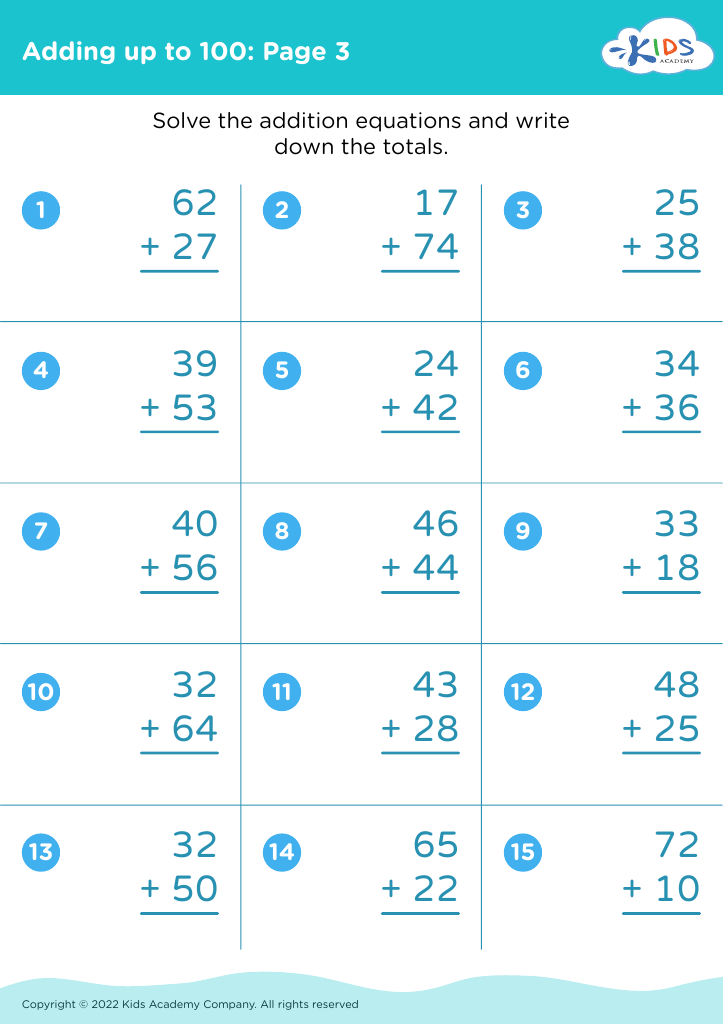
Discover our engaging Spelling Practice Addition Worksheets designed specifically for children ages 3-8! These interactive worksheets blend the fundamentals of spelling with essential addition skills, making learning fun and effective. Each activity encourages young learners to spell key math terms accurately while solving colorful addition problems. Perfect for parents and teachers, these worksheets support early literacy and numeracy development, fostering confidence in both spelling and basic math concepts. Available for instant download, these resources provide varied levels of difficulty to cater to different skill sets. Help your child excel in both spelling and addition through playful, educational activities that spark their love for learning!
Favorites
With answer key
Interactive
Join Kids Academy for Free
Who is primarily going to use this learning content?








Spelling practice and addition are fundamental skills for children aged 3-8, laying the groundwork for their academic success and cognitive development. For parents and teachers, fostering proficiency in these areas is crucial for several reasons.
Firstly, spelling enhances literacy and communication. At a young age, children are developing their vocabulary and writing skills. Regular spelling practice helps them recognize patterns in words, improving their reading ability and fostering confidence in expressing themselves.
Secondly, addition, as a basic arithmetic skill, is integral to a child’s understanding of math concepts. The ability to perform addition tasks correctly supports logic, critical thinking, and problem-solving skills, which are essential in everyday situations and future learning.
Moreover, engaging children in interactive spelling and math activities can promote socialization and teamwork, especially in a classroom setting. It encourages collaboration and builds relationships among peers.
Lastly, developing these skills early on creates a strong foundation for future learning. As children progress in complexity, a stable knowledge of spelling and addition will aid them in higher-level subjects, ultimately fostering a love for learning. In conclusion, prioritizing spelling and addition practice is an investment in a child’s educational journey, ensuring they are equipped for lifelong success.








