Filters

88 filtered results

Clear all filters
Favorites
With answer key
Interactive

88 filtered results

Difficulty Level

Grade


Check out this FREE Trial Lesson on Addition for age 3-8!

P

Favorites
With answer key
Interactive
  • 3-8
  • Visual Learning
  • Addition
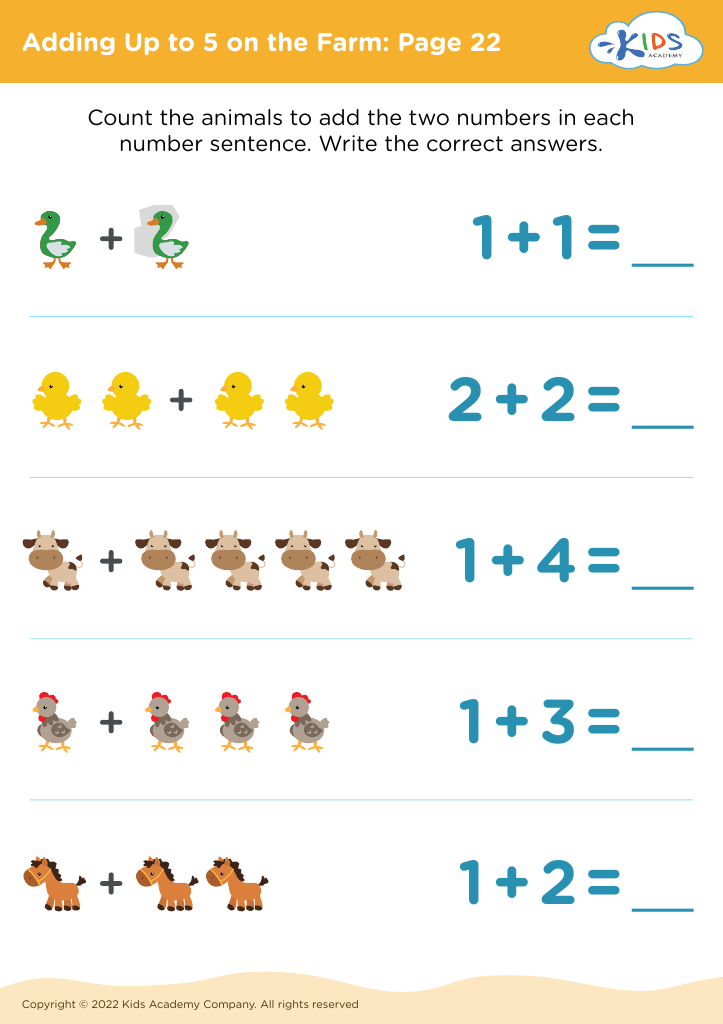
Adding Up to 5 on the Farm: Page 22
Worksheet
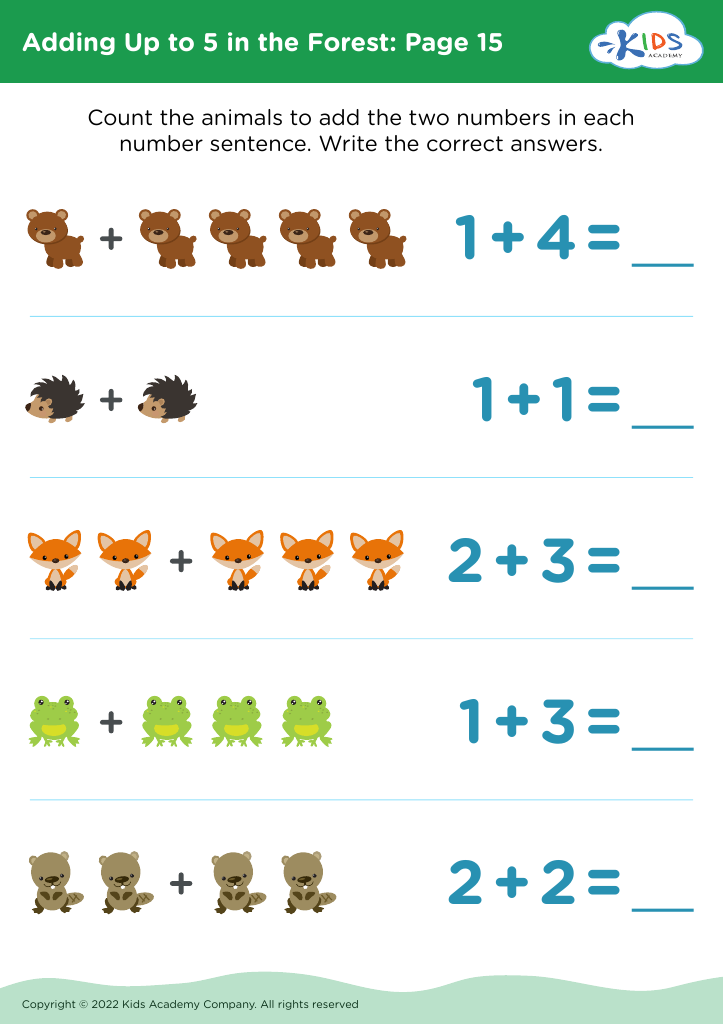
Adding Up to 5 in the Forest: Page 15
Worksheet
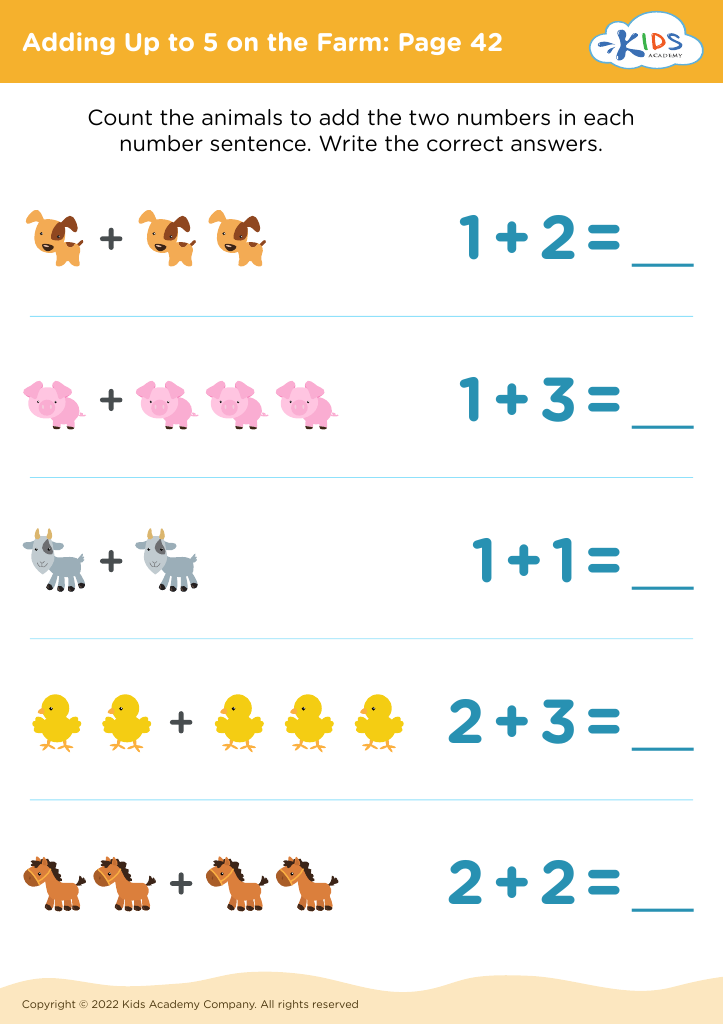
Adding Up to 5 on the Farm: Page 42
Worksheet
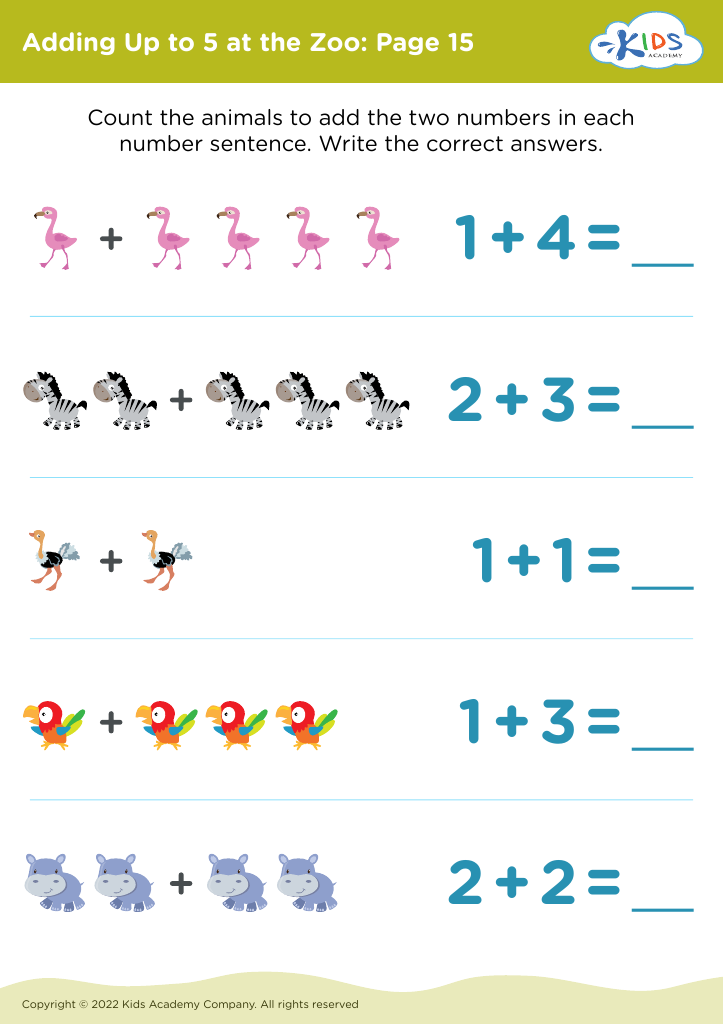
Adding Up to 5 at the Zoo: Page 15
Worksheet
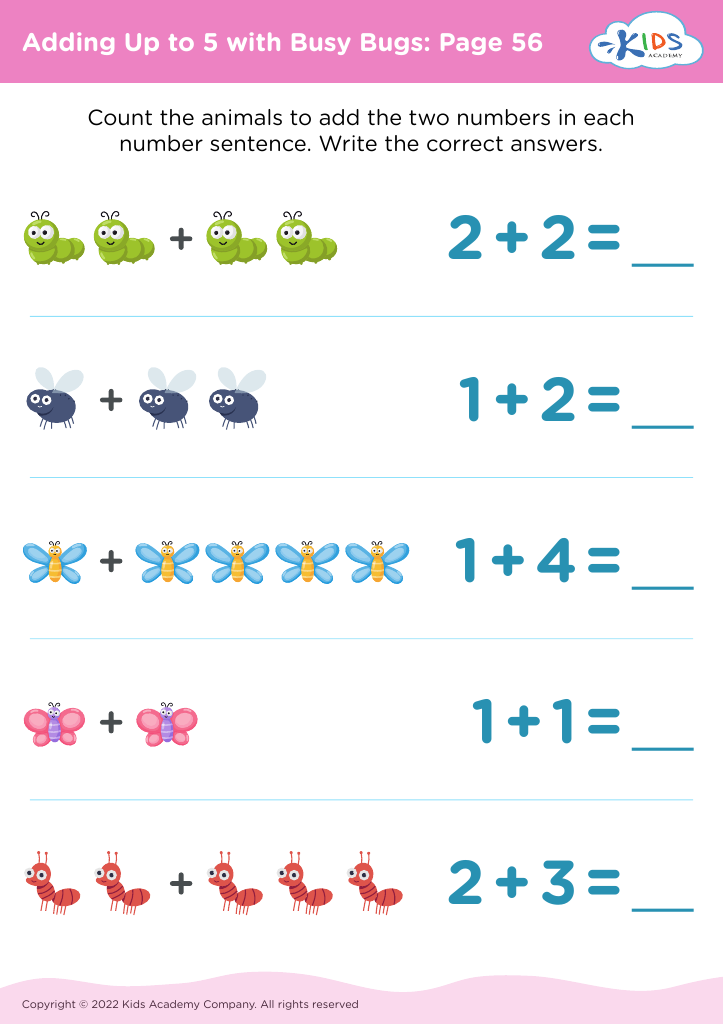
Adding Up to 5 with Busy Bugs: Page 56
Worksheet
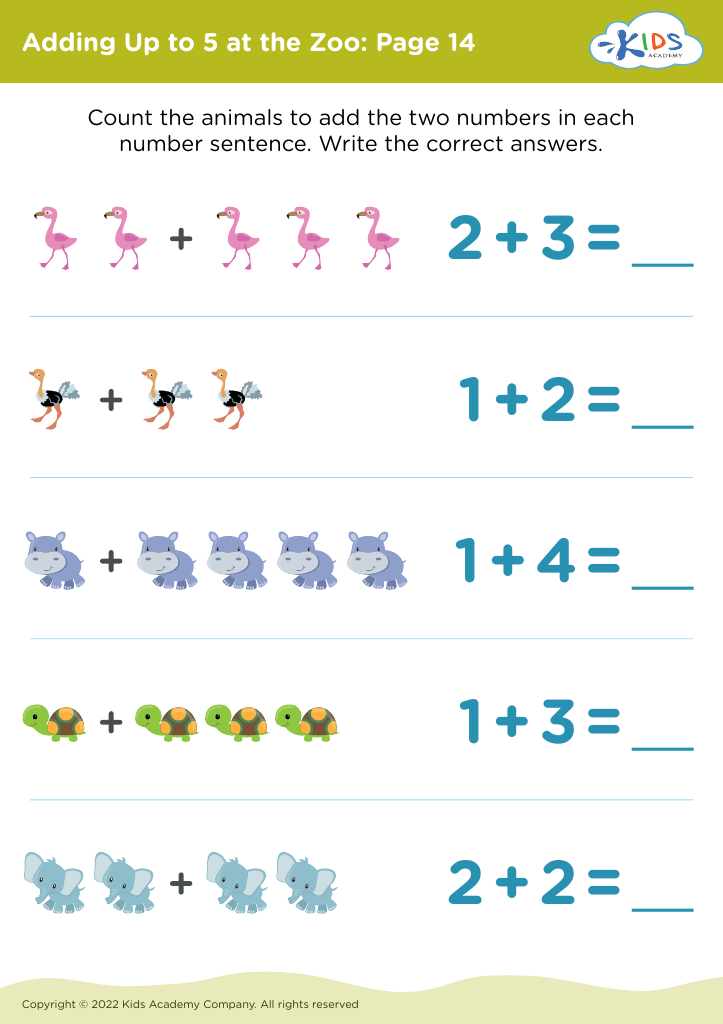
Adding Up to 5 at the Zoo: Page 14
Worksheet
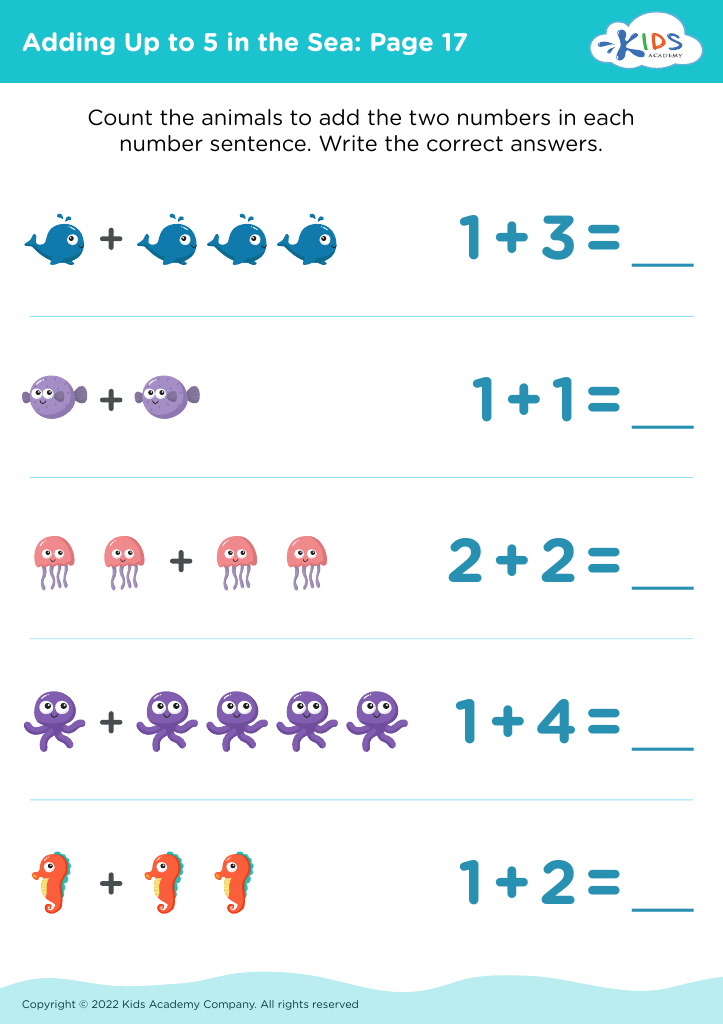
Adding Up to 5 in the Sea: Page 17
Worksheet
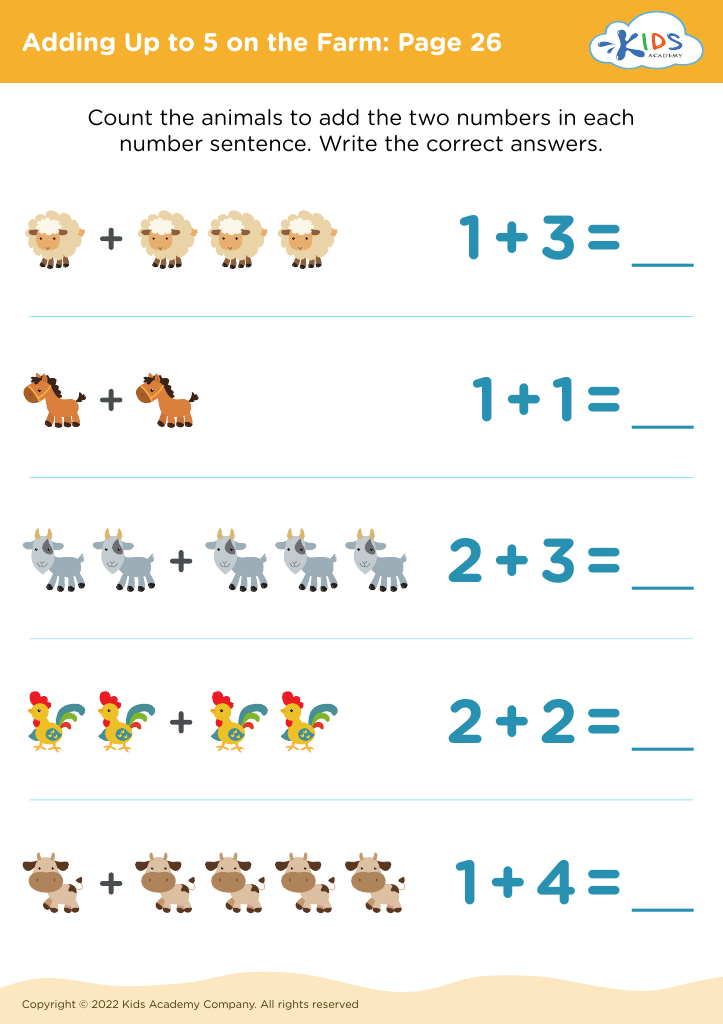
Adding Up to 5 on the Farm: Page 26
Worksheet
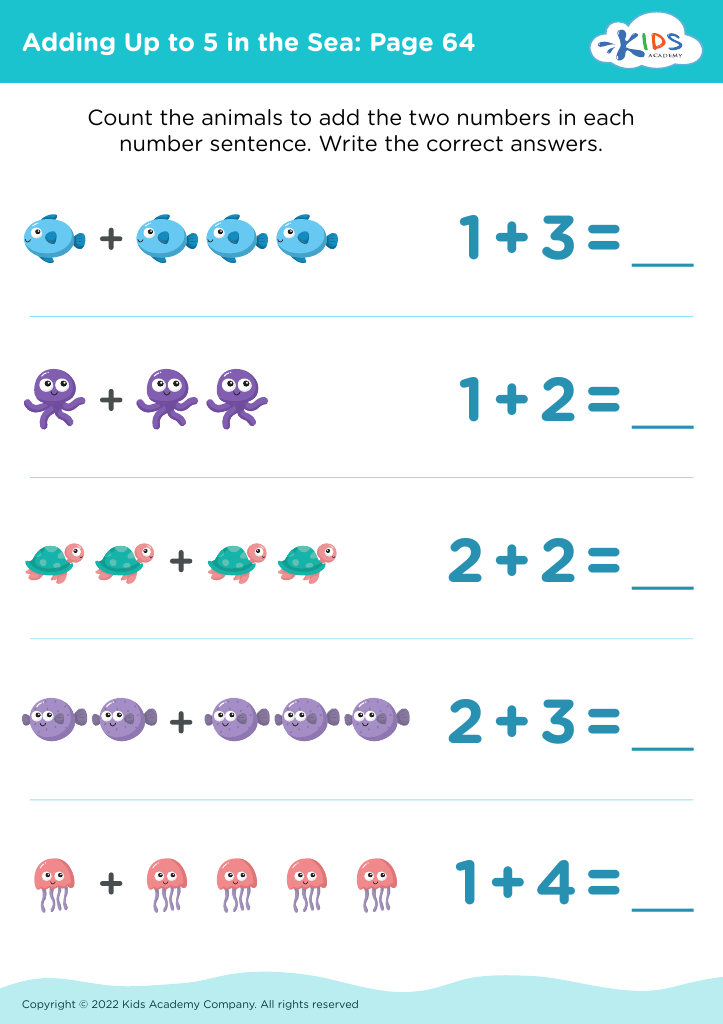
Adding Up to 5 in the Sea: Page 64
Worksheet
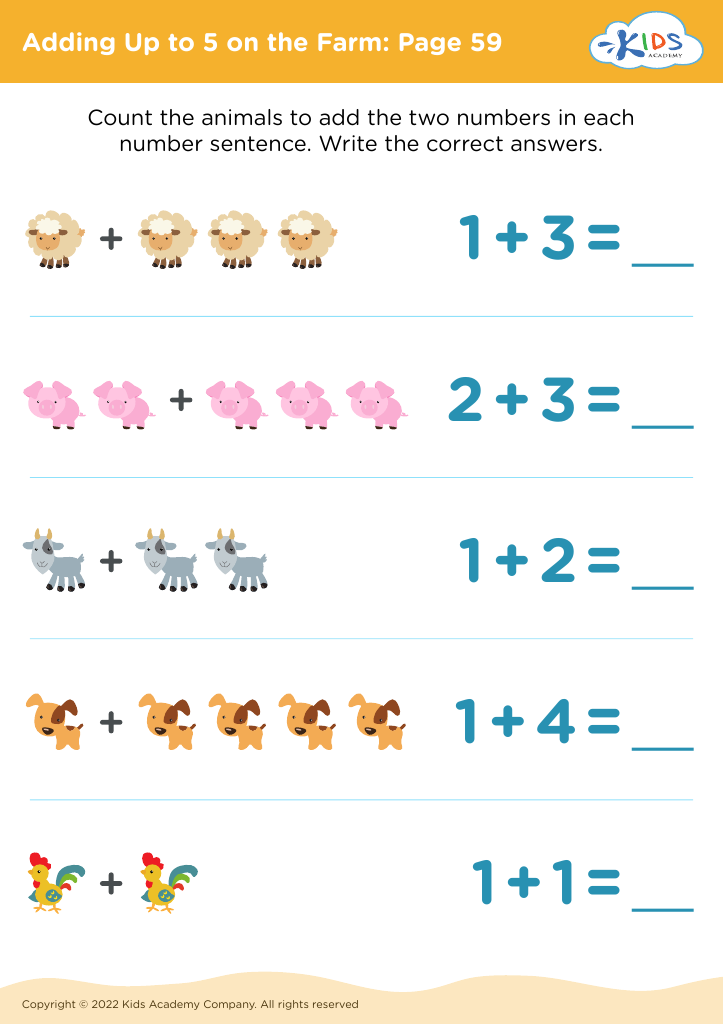
Adding Up to 5 on the Farm: Page 59
Worksheet
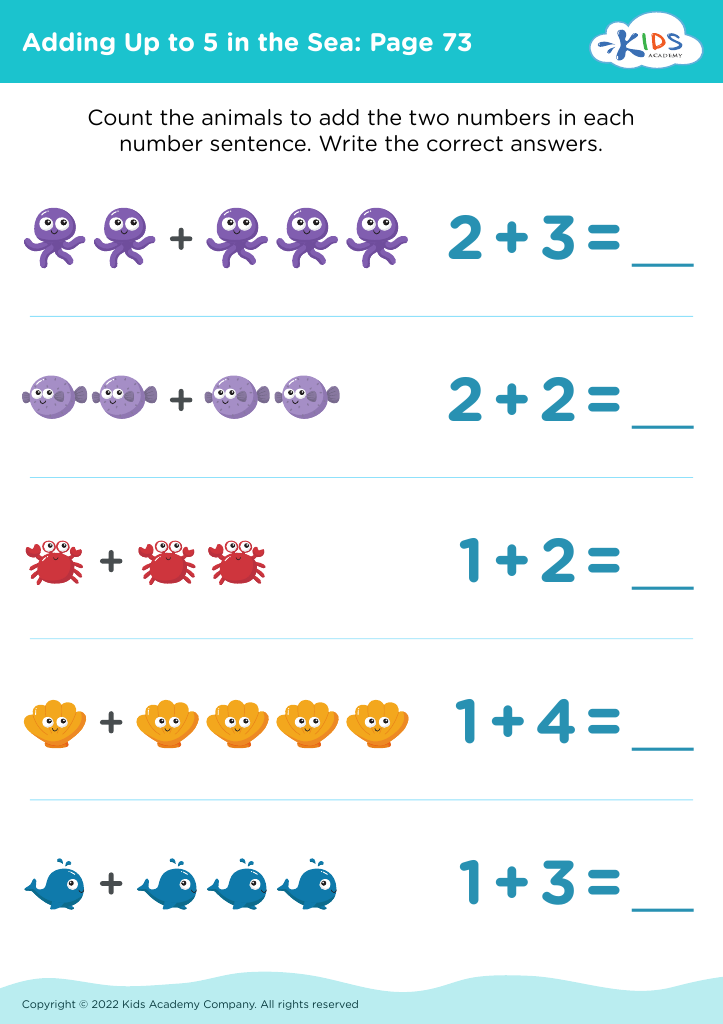
Adding Up to 5 in the Sea: Page 73
Worksheet
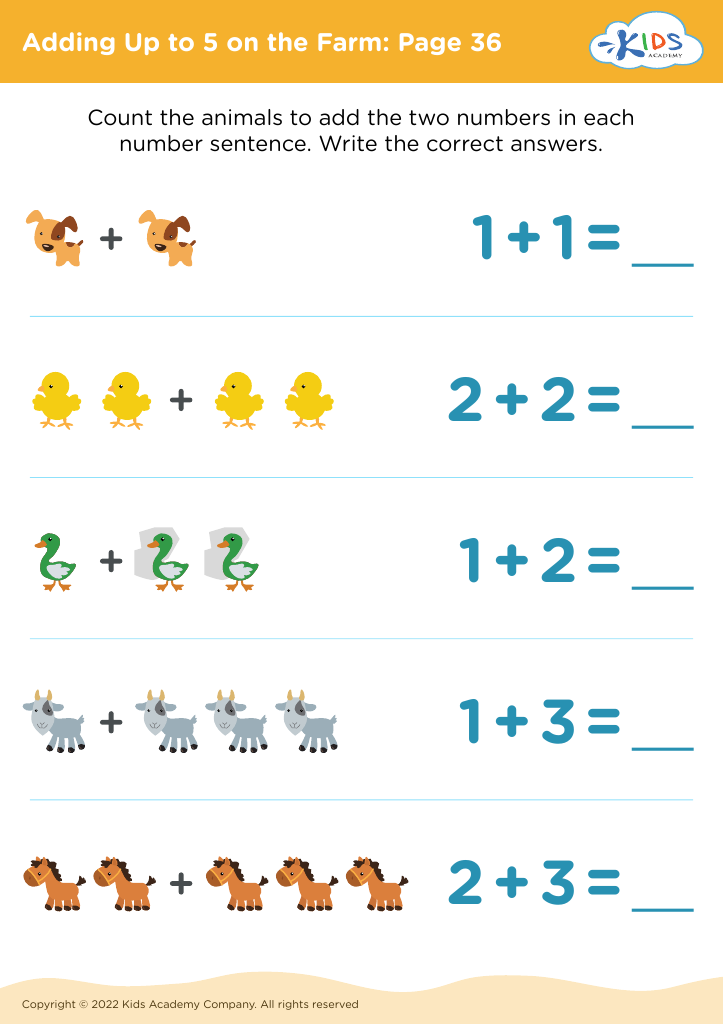
Adding Up to 5 on the Farm: Page 36
Worksheet
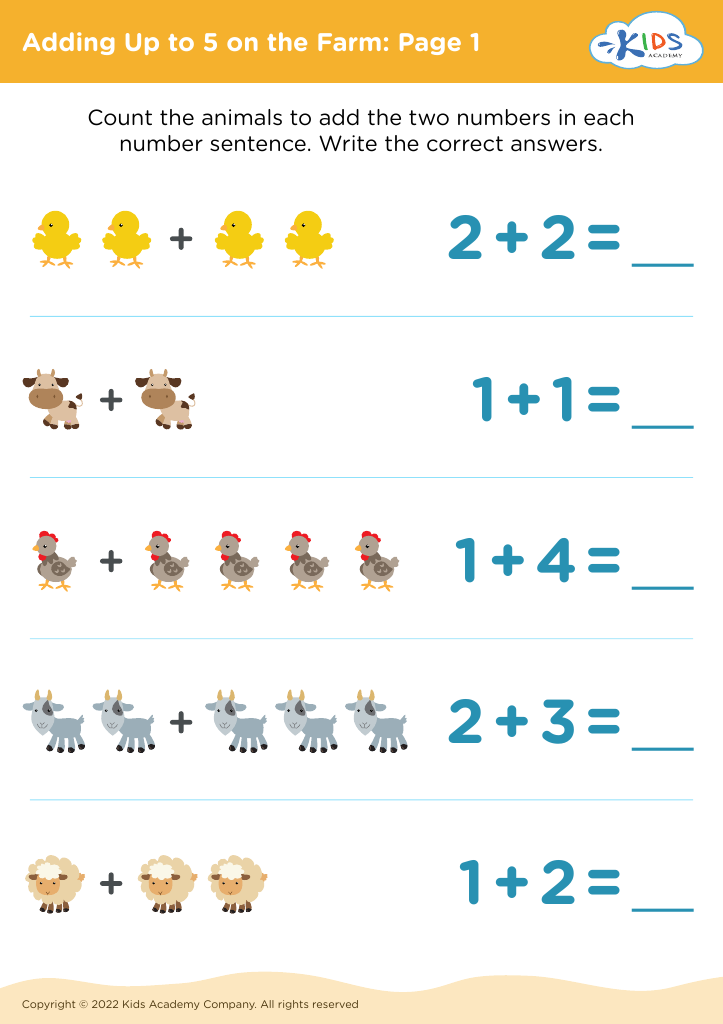
Adding Up to 5 on the Farm: Page 1
Worksheet
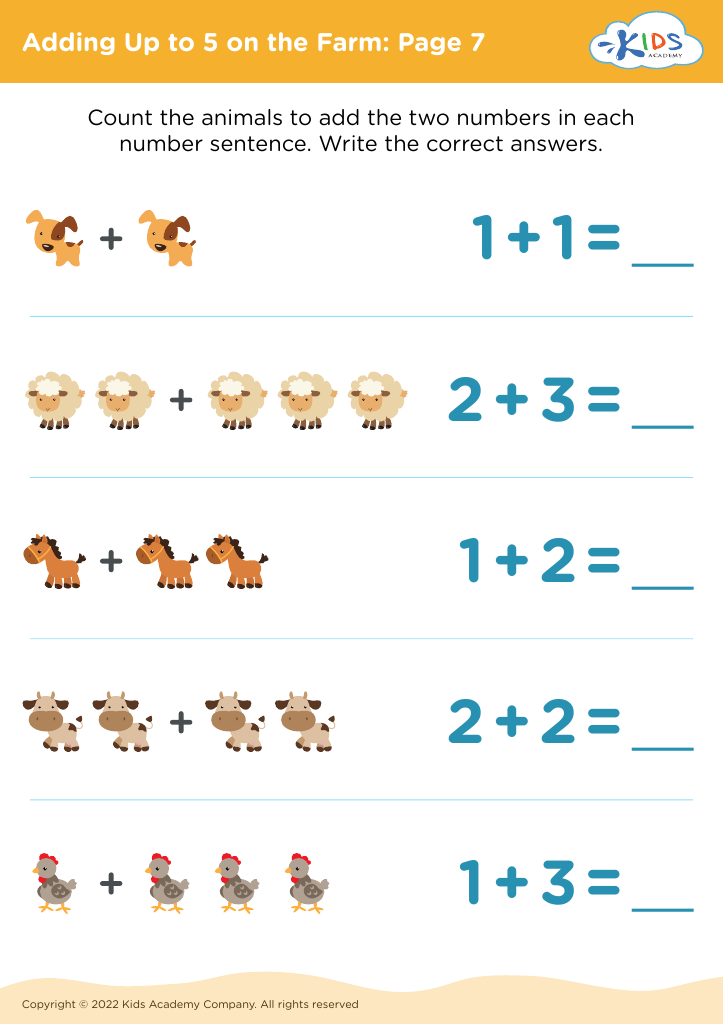
Adding Up to 5 on the Farm: Page 7
Worksheet
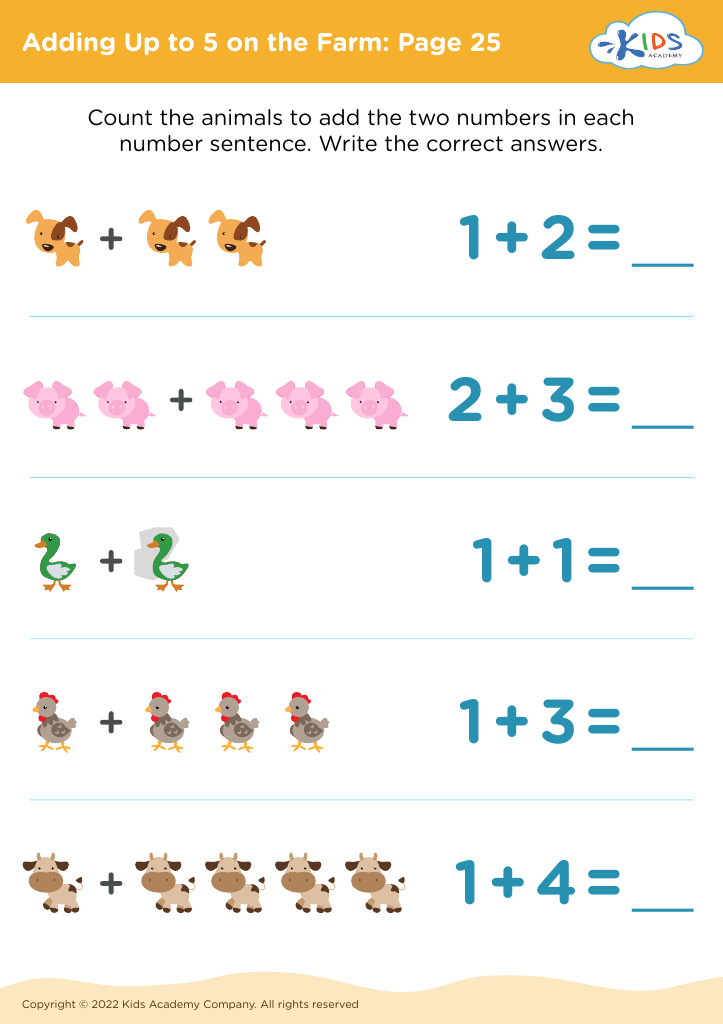
Adding Up to 5 on the Farm: Page 25
Worksheet
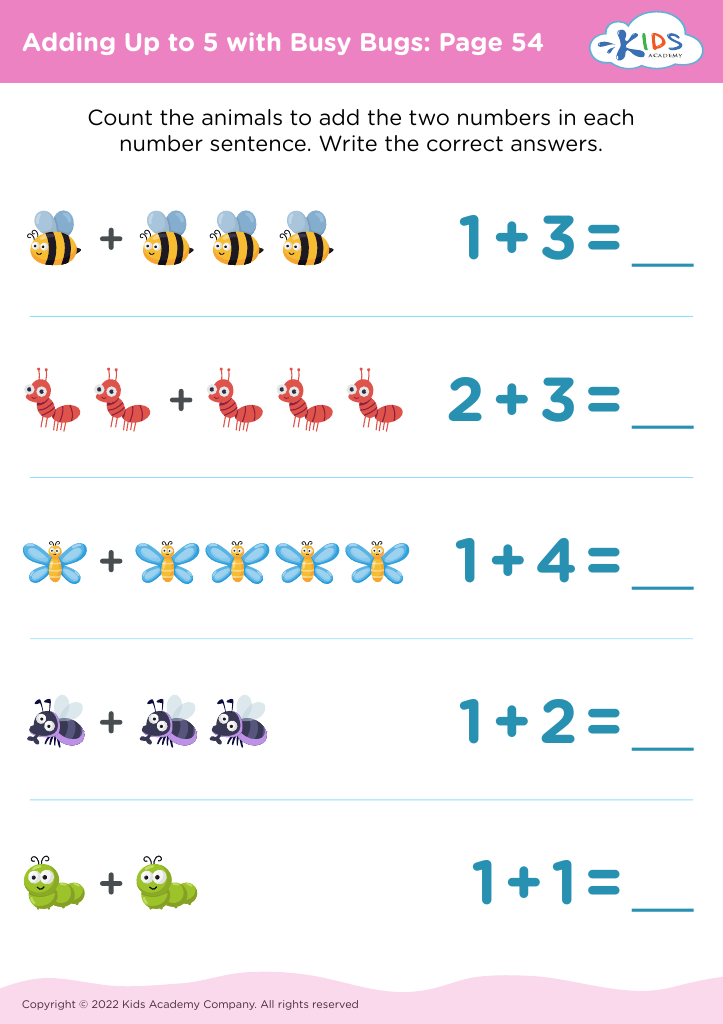
Adding Up to 5 with Busy Bugs: Page 54
Worksheet
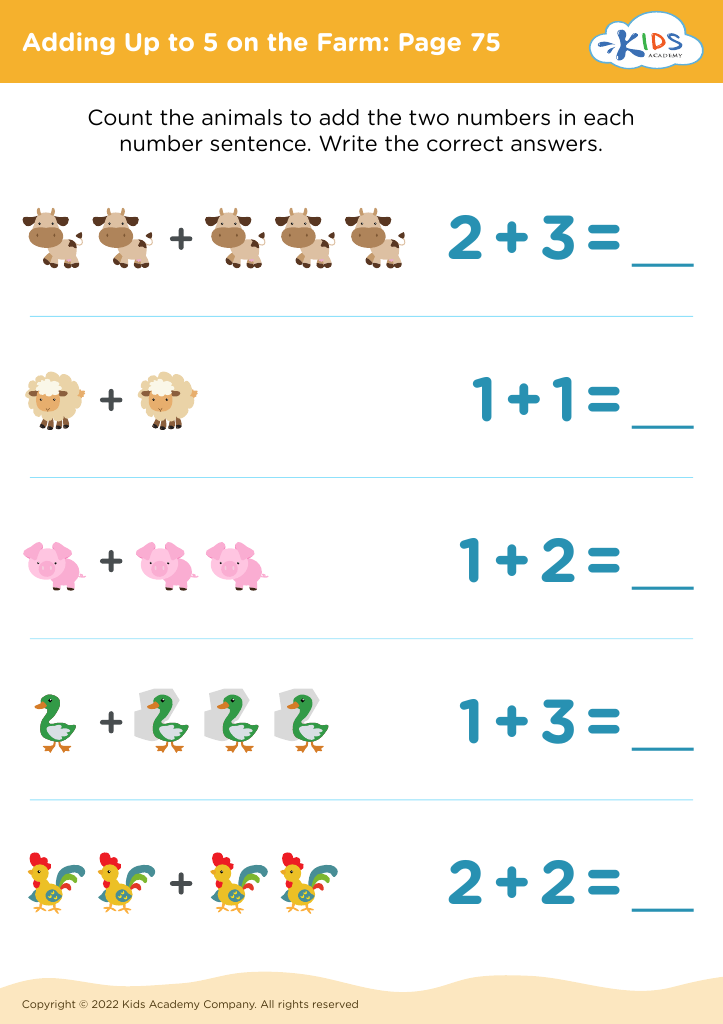
Adding Up to 5 on the Farm: Page 75
Worksheet
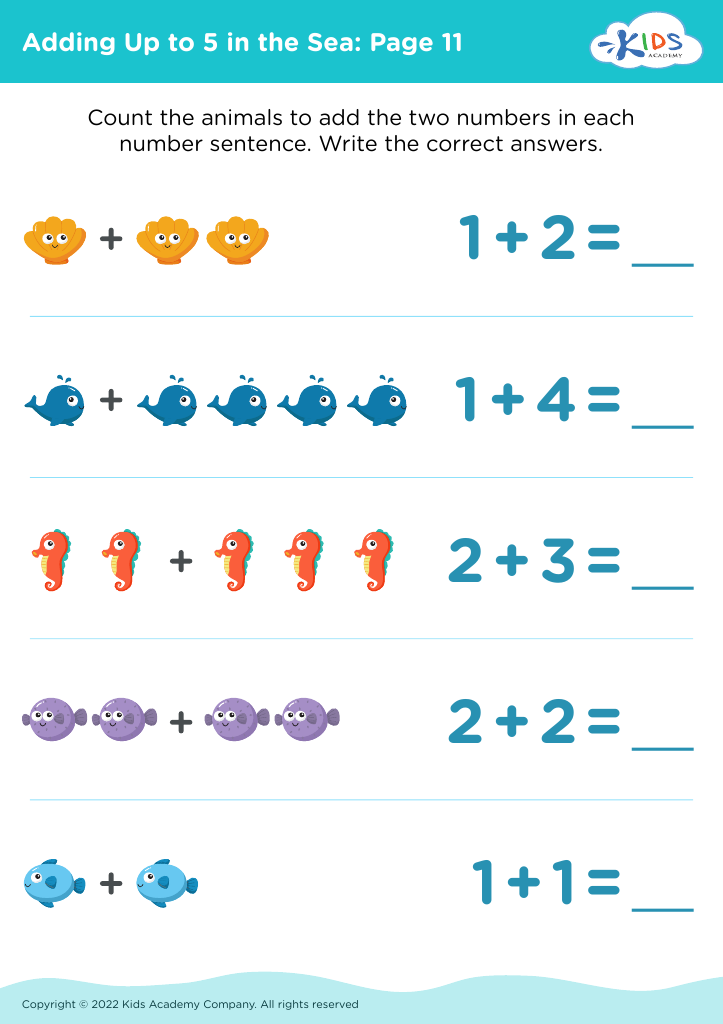
Adding Up to 5 in the Sea: Page 11
Worksheet
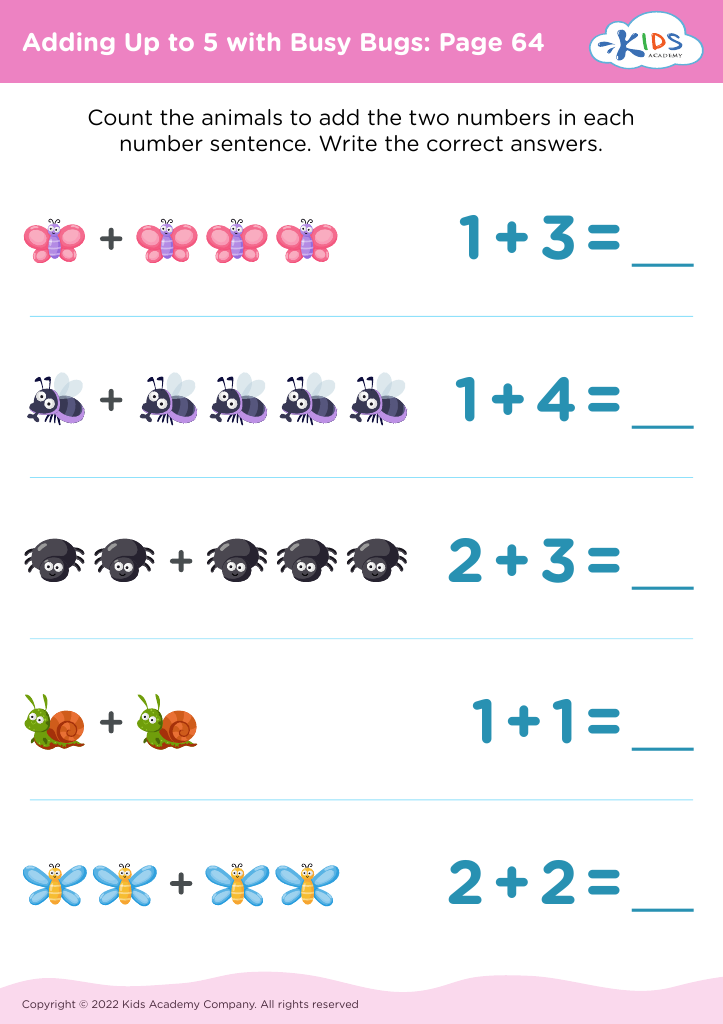
Adding Up to 5 with Busy Bugs: Page 64
Worksheet
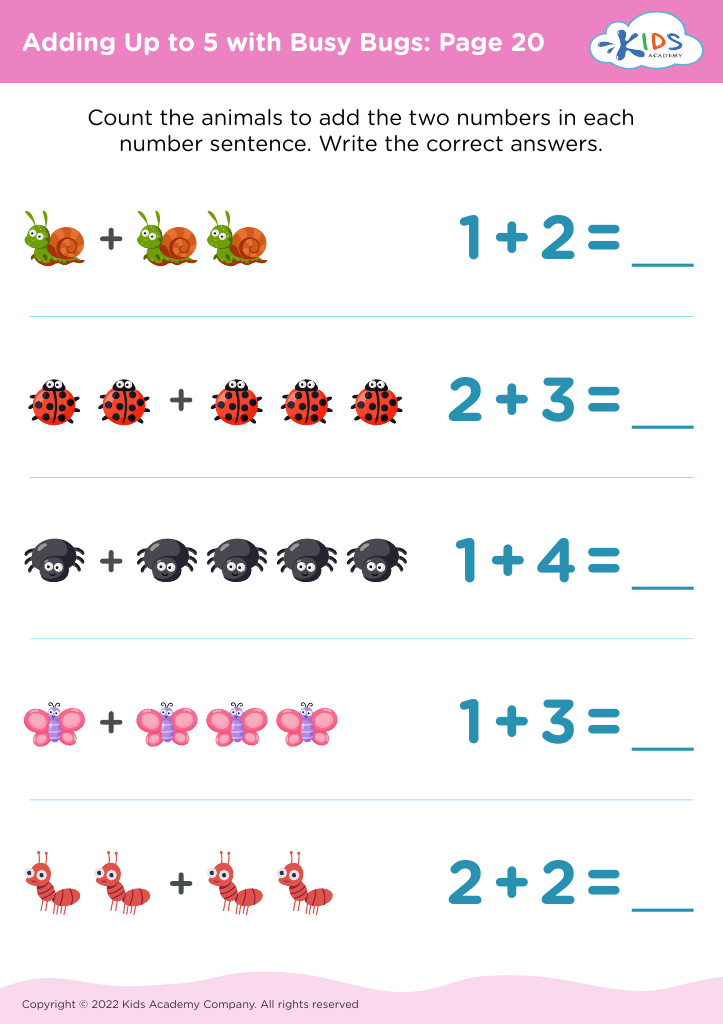
Adding Up to 5 with Busy Bugs: Page 20
Worksheet
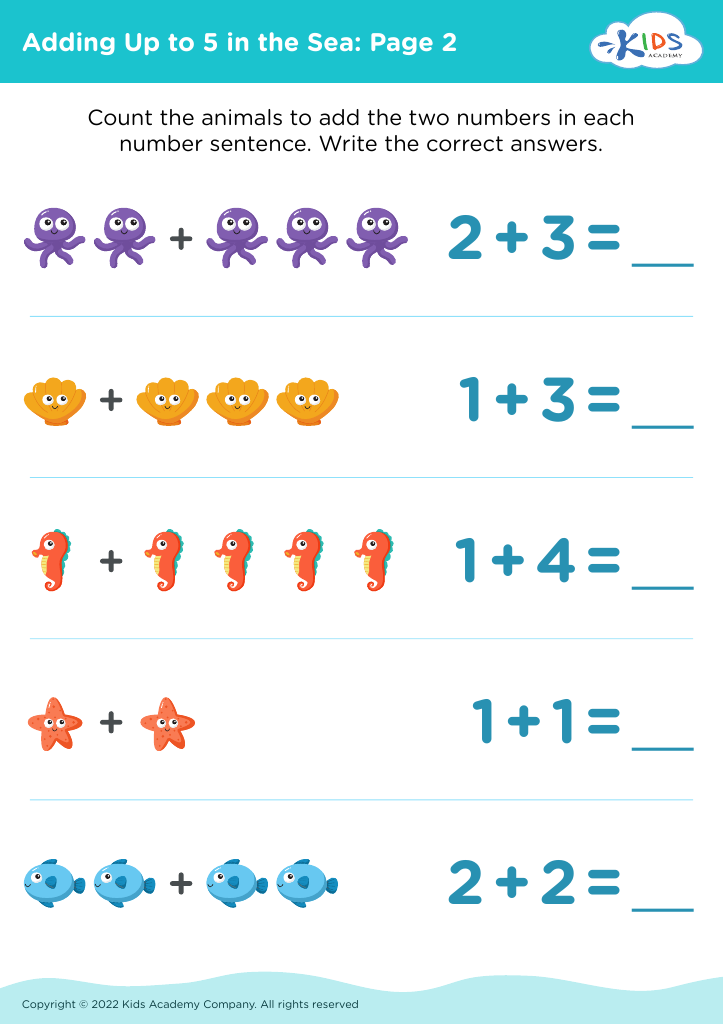
Adding Up to 5 in the Sea: Page 2

Adding Up to 5 in the Sea: Page 2

Adding Up to 5 in the Sea: Page 2
Worksheet
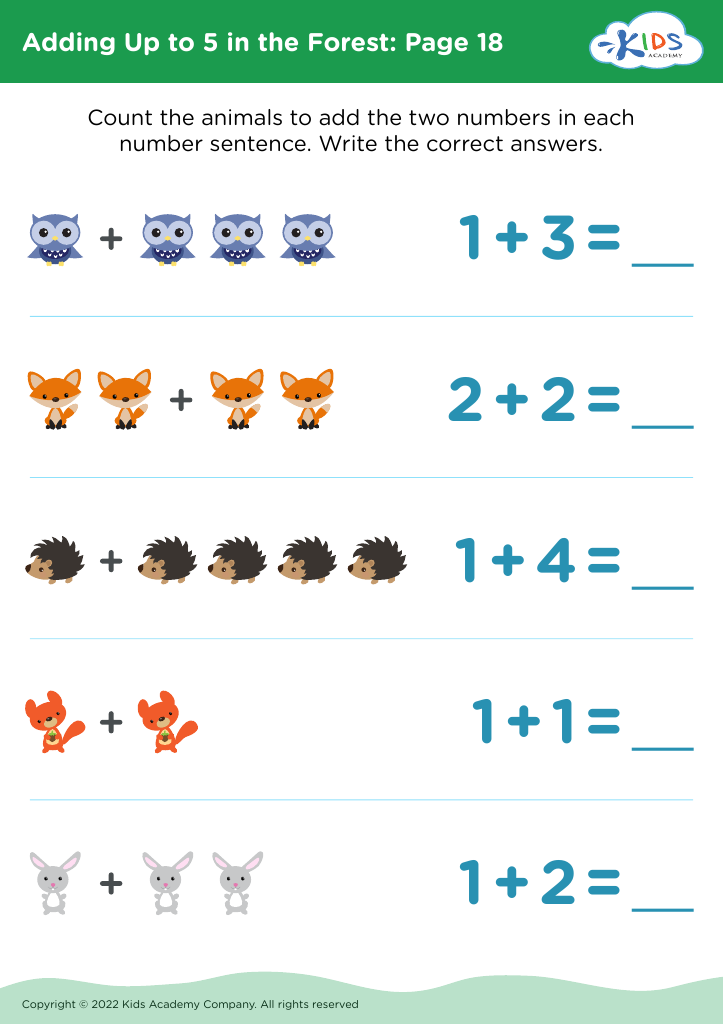
Adding Up to 5 in the Forest: Page 18
Worksheet
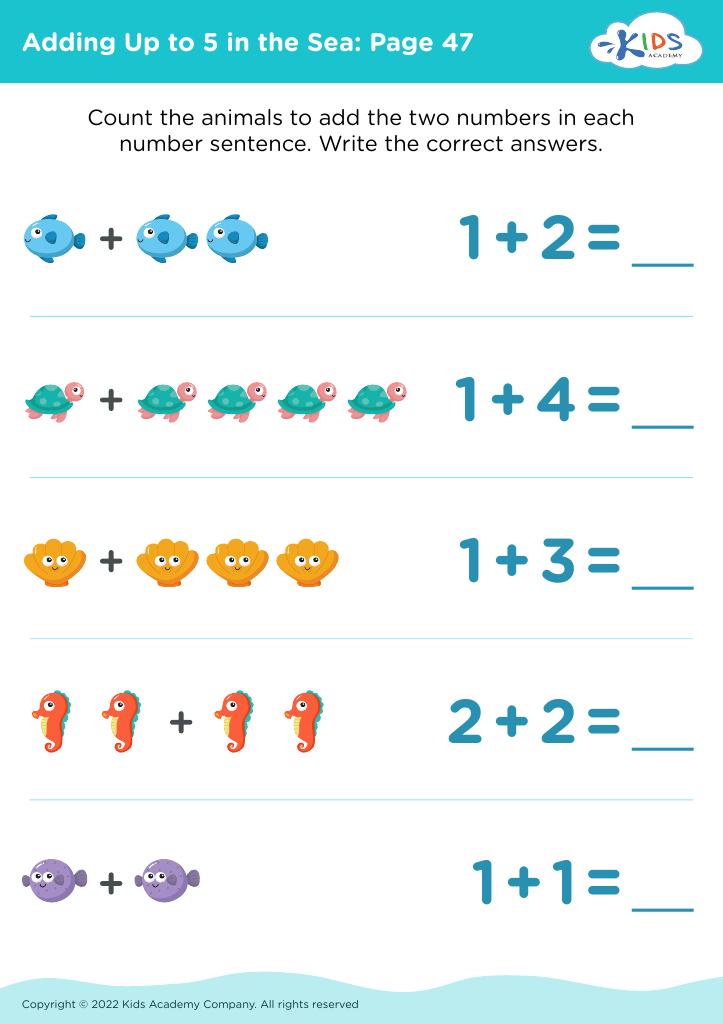
Adding Up to 5 in the Sea: Page 47
Worksheet
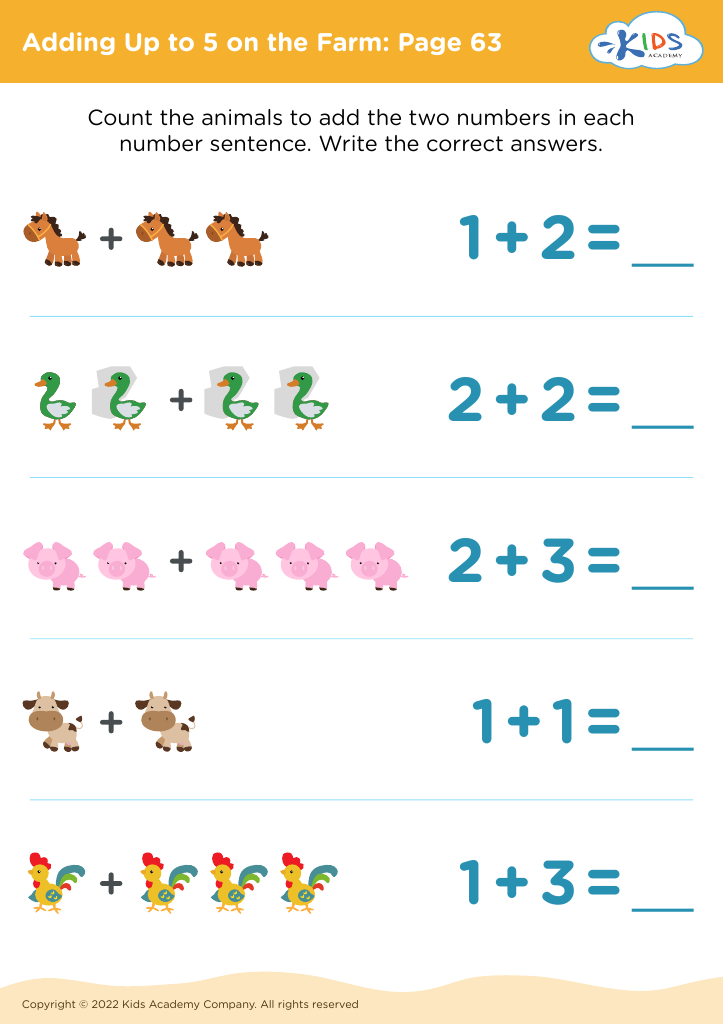
Adding Up to 5 on the Farm: Page 63
Worksheet


Visual learning addition for children aged 3-8 is crucial because it aligns with their developmental stages and enhances understanding. Young children are naturally visual learners, absorbing information best through images, shapes, and colors. By incorporating visual elements like counters, number lines, and pictorial representations, teachers and parents can make abstract concepts tangible.

This method not only simplifies the learning process but also fosters stronger memory retention. Visual aids provide concrete references, making it easier for young minds to grasp addition's fundamental principles. Anxiety and frustration can significantly decrease, building a child's confidence and positive association with math early on.

Moreover, visual learning taps into multisensory engagement, vital for kinesthetic learners who thrive through touch and movement. Tools like abacuses, blocks, or interactive digital apps can cater to varied learning styles, ensuring inclusivity.

It's imperative to nourish these skills early because they form the foundation for later mathematical understanding. Sequential learning phases, such as adding single digits before progressing to double digits, are more seamlessly achieved through visual aids. When parents and teachers invest in visual learning, they're fostering an engaging, supportive environment that lays the critical groundwork for future academic success.