Counting skills Comparing Numbers Worksheets for Ages 3-8
6 filtered results
-
From - To
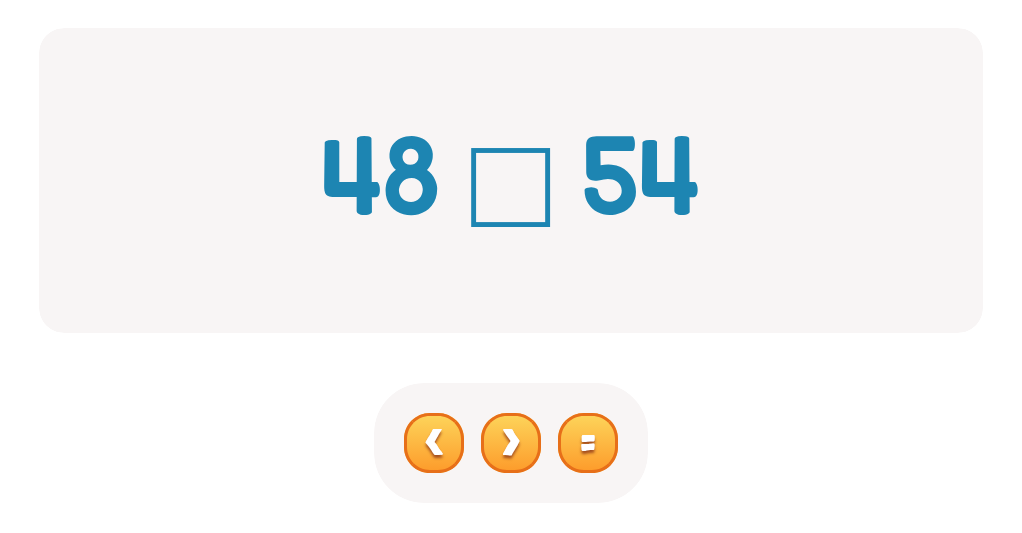
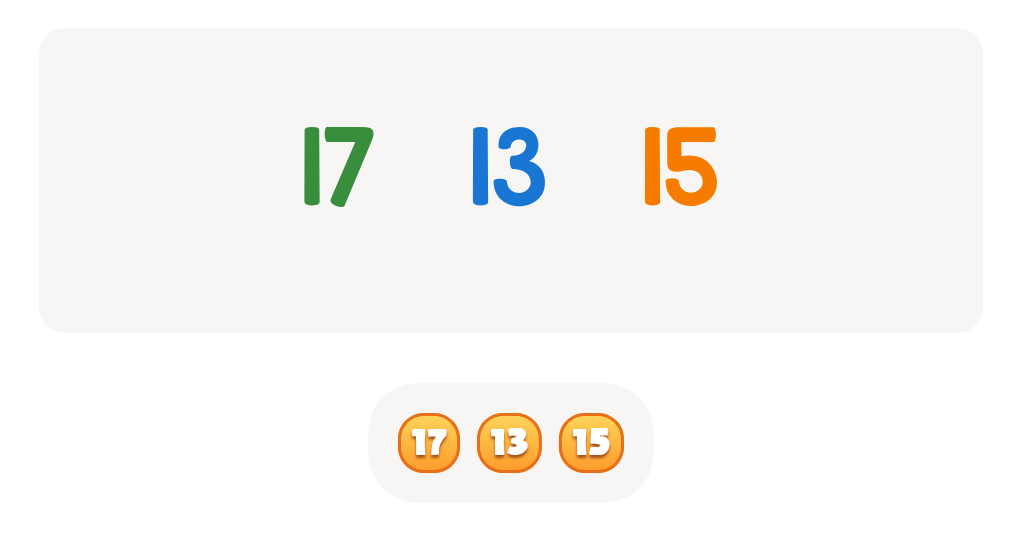
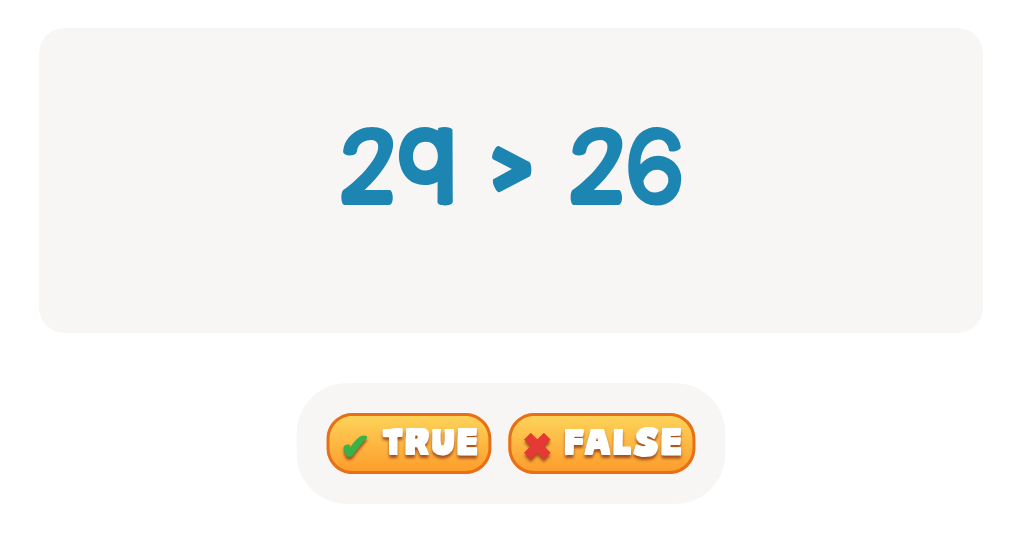
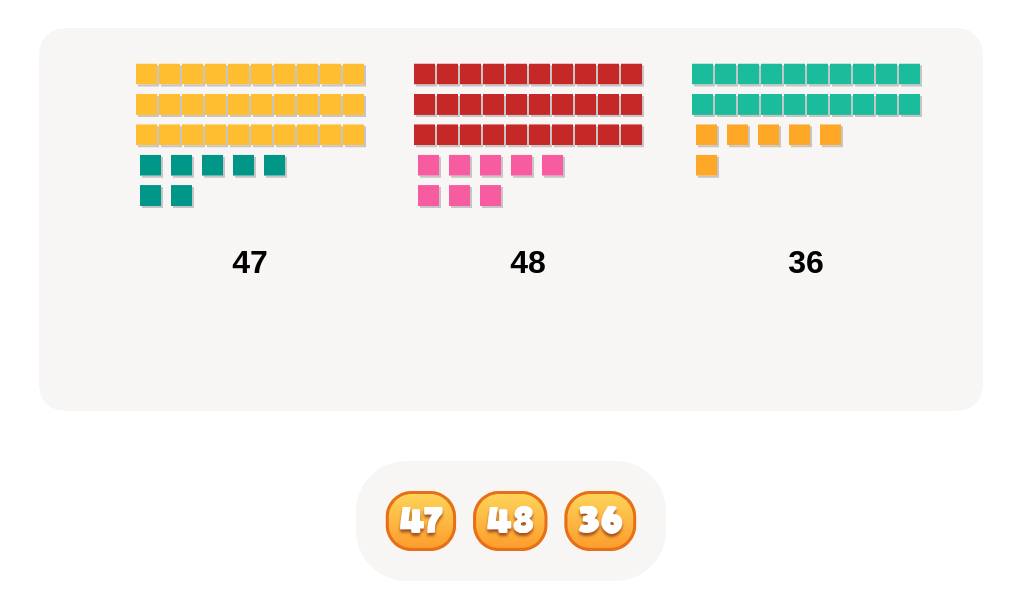
Enhance your child's counting skills with our engaging Comparing Numbers Worksheets, designed specifically for ages 3-8. These fun and interactive resources help young learners develop their ability to recognize, compare, and order numbers through visually stimulating activities. By exploring concepts like greater than, less than, and equal to, children will strengthen their foundational math understanding while building confidence in their numerical abilities. Perfect for home or classroom use, our worksheets encourage independent learning and critical thinking. Foster a love for math early on with activities that are both educational and enjoyable, paving the way for future math success!
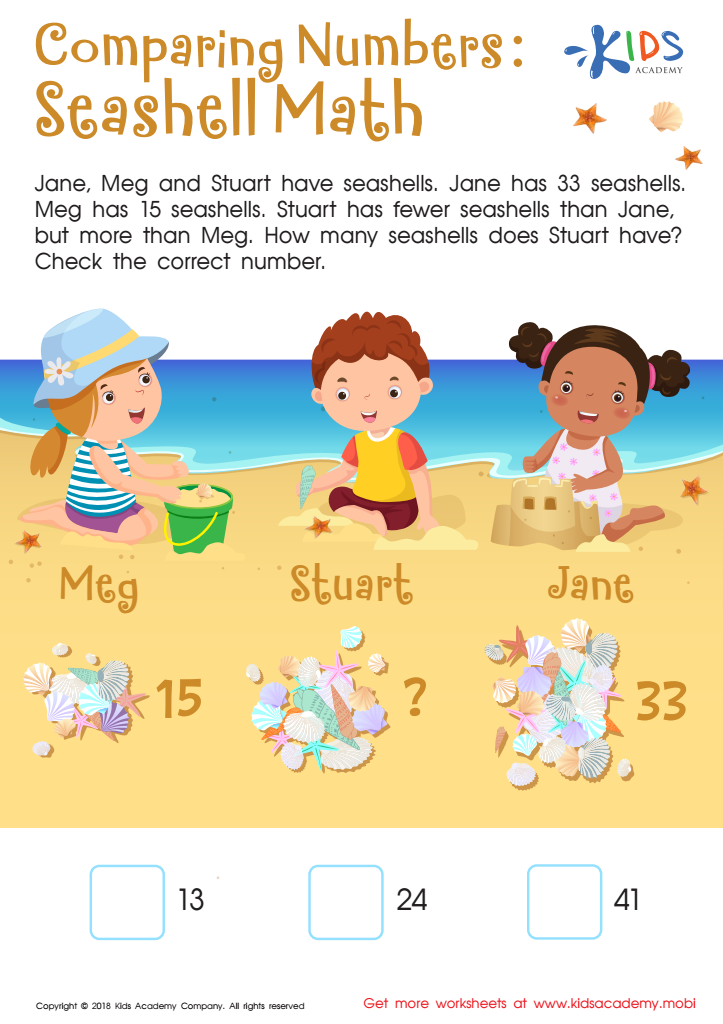
Seashell Collectors Worksheet
 Assign to My Students
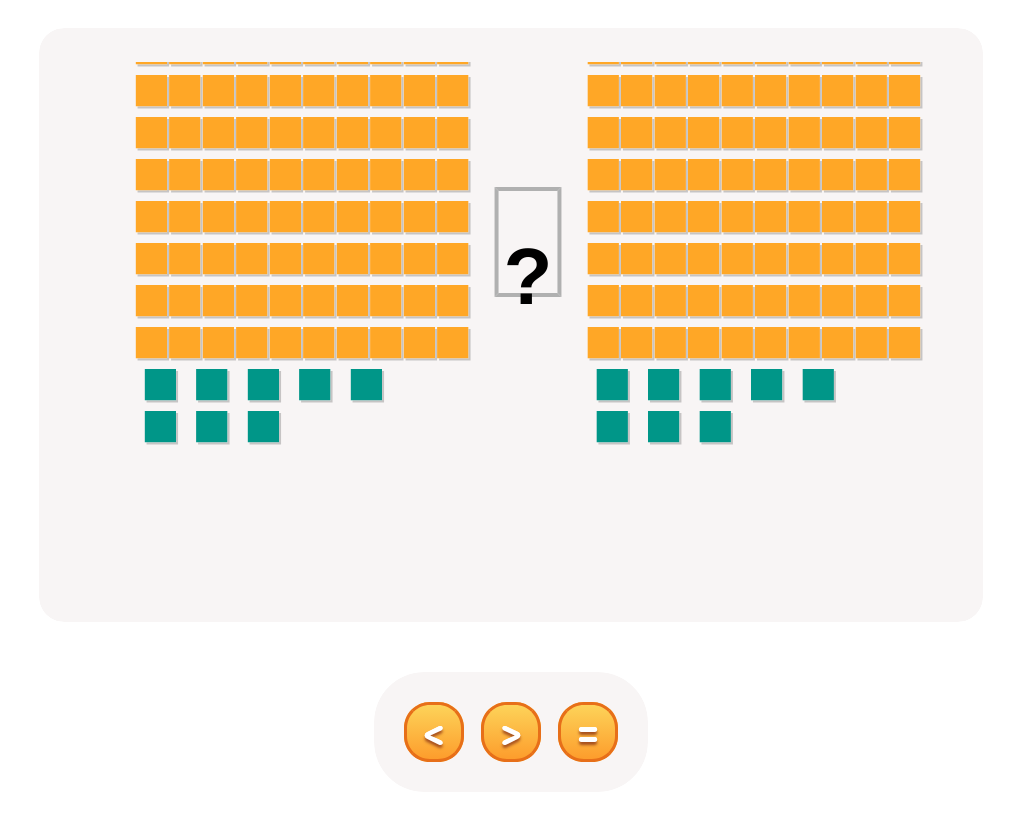

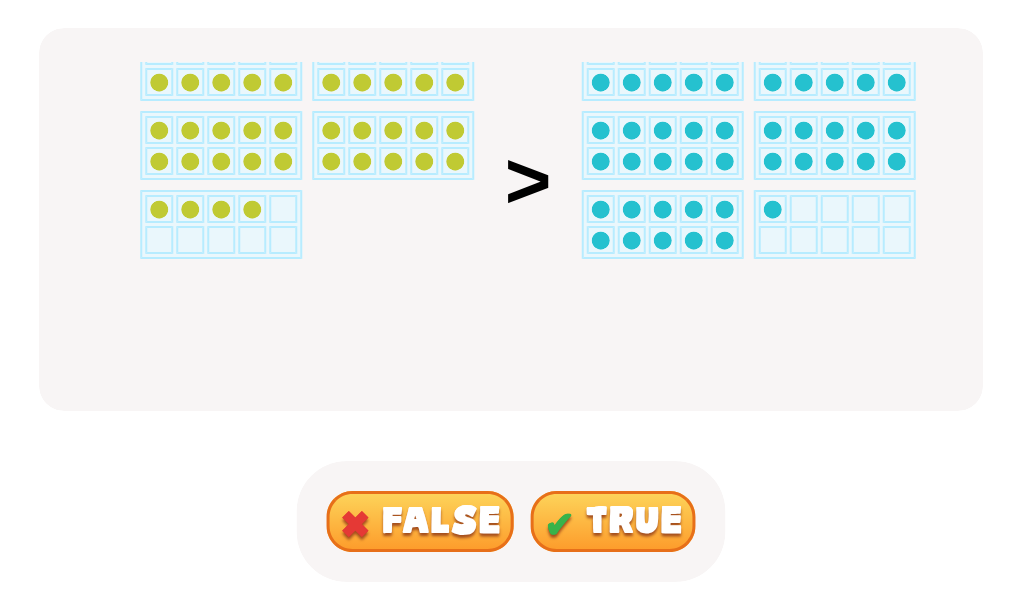
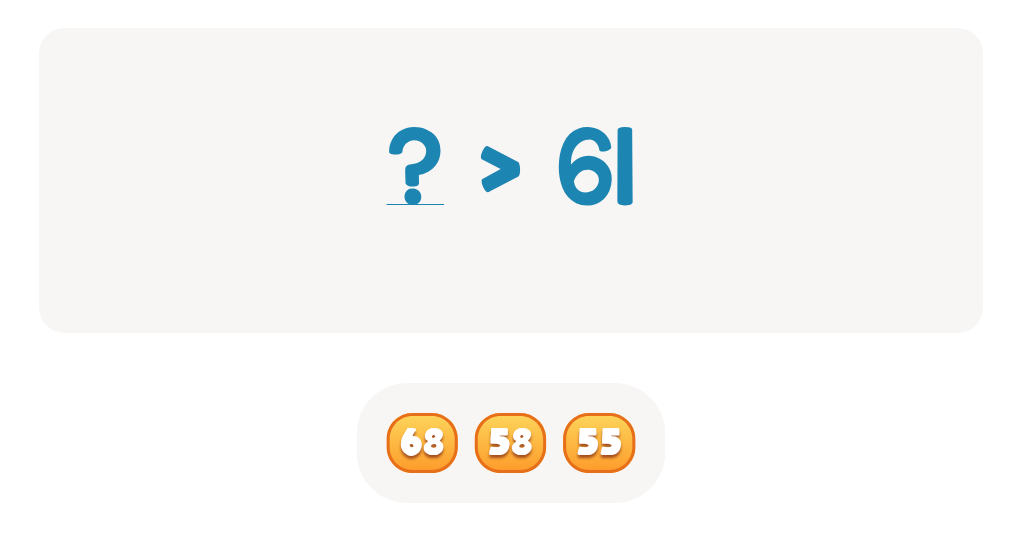
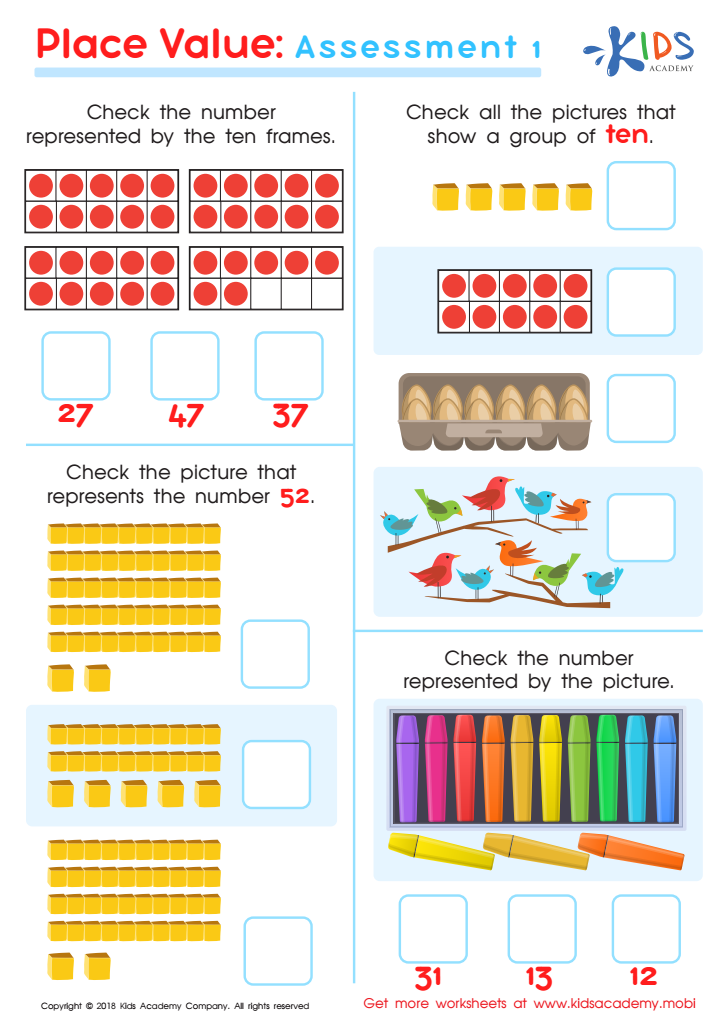
Place Value: Assessment 1 Worksheet
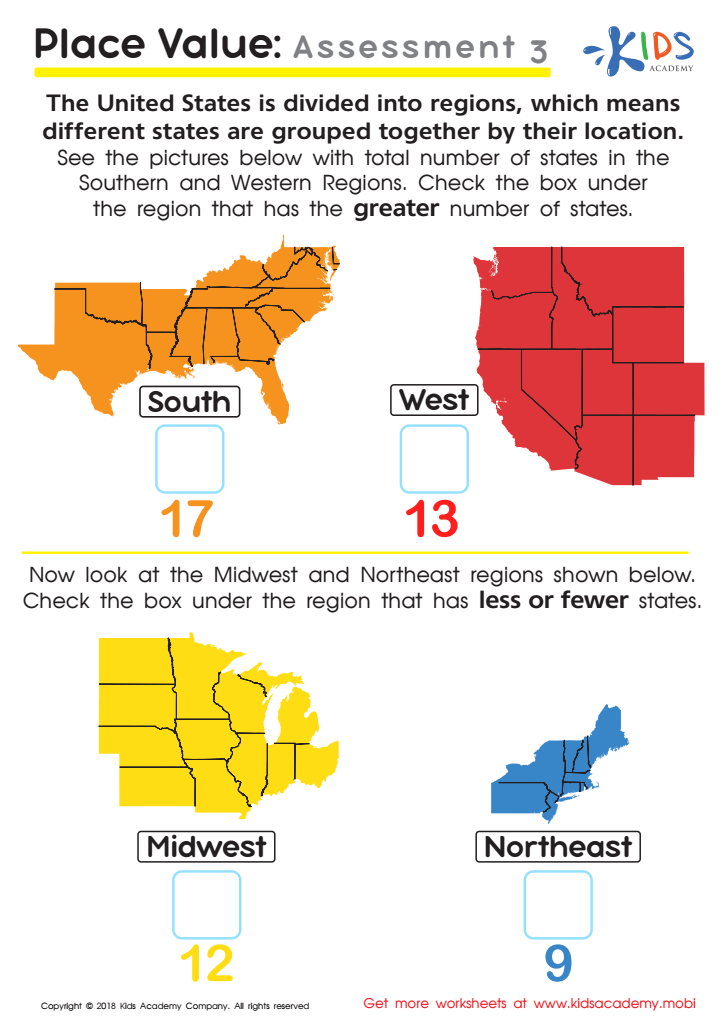
Place Value: Assessment 3 Worksheet
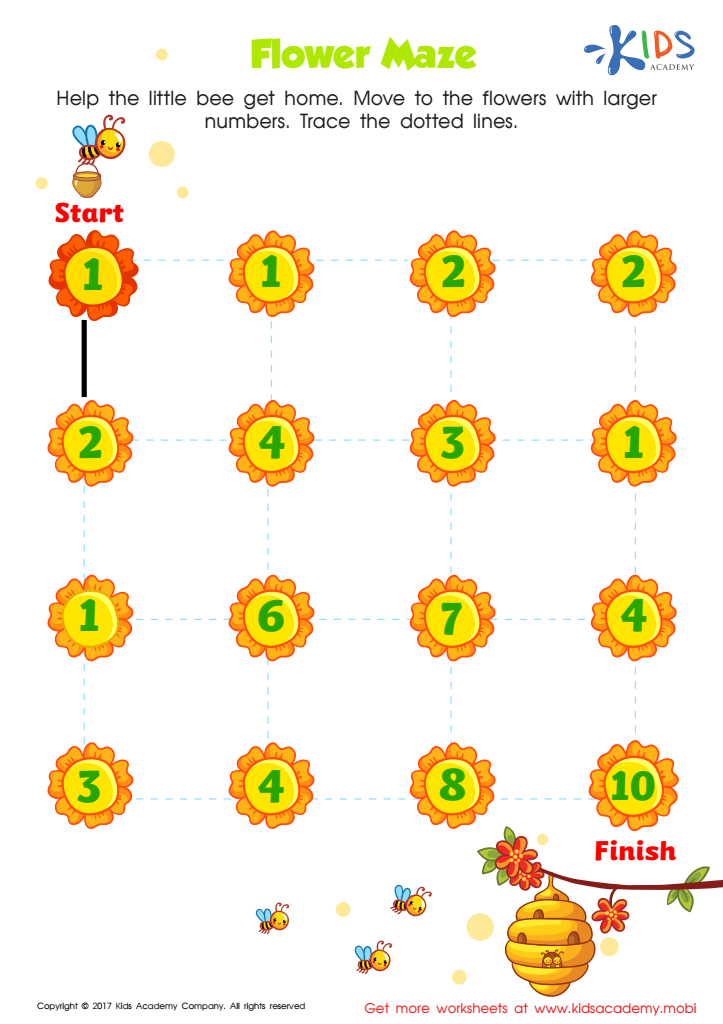
Number Maze For Kindergarten Printable
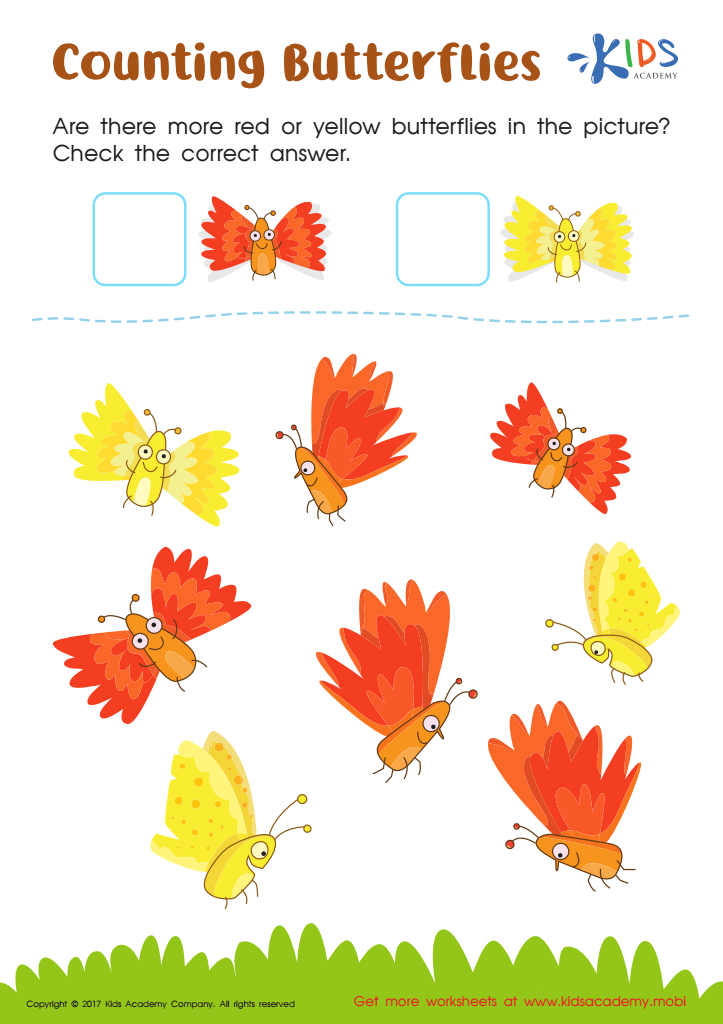
Counting Butterflies Worksheet
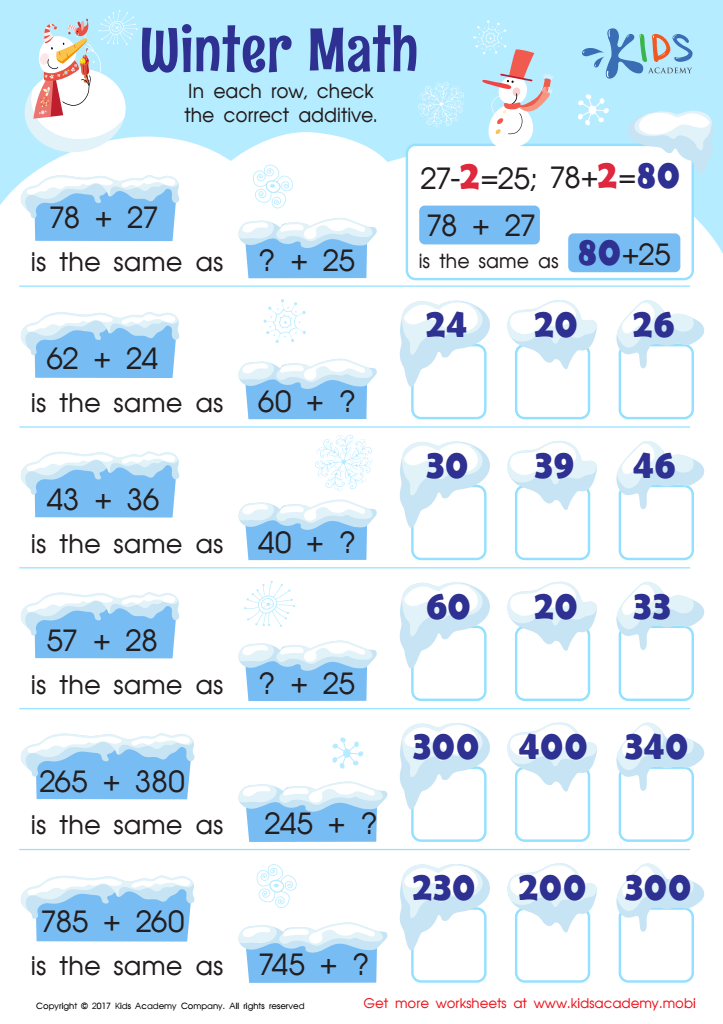
Free Addition Worksheet







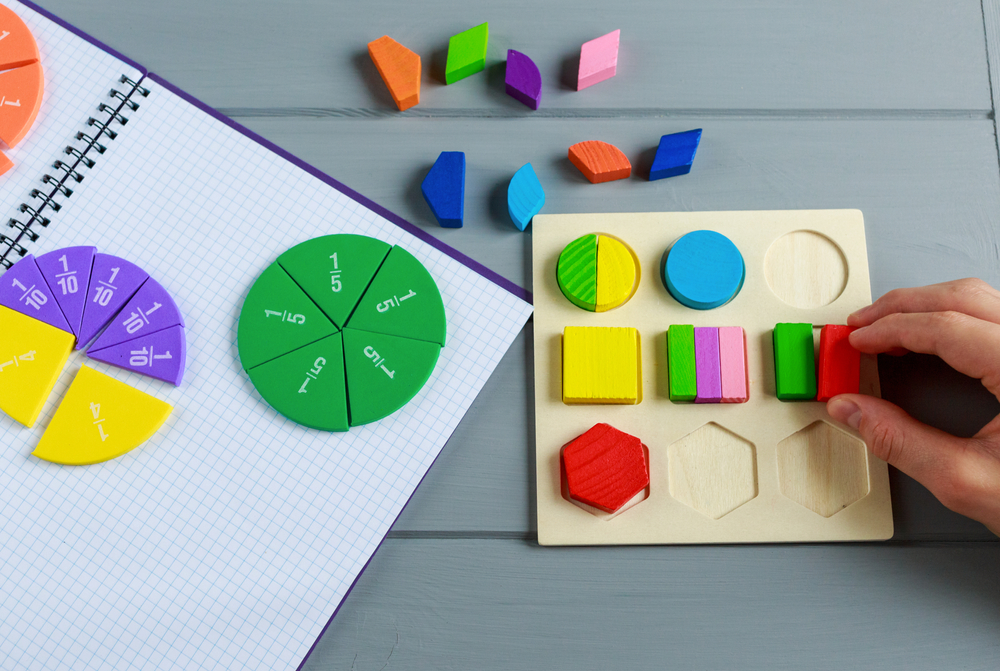
Counting skills and the ability to compare numbers are foundational elements of early mathematics education for children aged 3 to 8. Parents and teachers should prioritize these skills because they serve as the building blocks for more complex mathematical concepts. Mastery of counting allows children to develop number sense, which is crucial for understanding quantities, sequencing, and patterns in later grades.
Comparing numbers reinforces this understanding by teaching children how to assess values and make judgments about size and quantity. For instance, recognizing that 5 is greater than 3 fosters critical thinking and reasoning skills. These comparisons encourage the use of language to describe numerical relationships, boosting vocabulary and communication abilities.
Additionally, strong counting and comparison skills can enhance problem-solving abilities, as children learn to manipulate numbers in practical situations, such as during games or everyday tasks. This foundational knowledge not only aids in mathematical comprehension but also helps instill confidence and a positive attitude toward learning math.
Ultimately, nurturing these skills captures the child's curiosity and excitement for learning, setting the stage for academic success and lifelong interest in mathematics. Parents and teachers play a vital role in fostering these skills through engaging, hands-on activities and open-ended discussions.








