Basic Math Skills Comparison Worksheets for Ages 3-8
3 filtered results
-
From - To
Discover engaging Basic Math Skills Comparison Worksheets for children ages 3-8, designed to help young learners develop essential math concepts! Our worksheets focus on comparison skills, teaching kids to understand greater than, less than, and equal comparisons through fun activities and visual aids. Catered to inspire a love for math, these resources encourage critical thinking and problem-solving. Perfect for home or classroom use, our printable worksheets create a supportive learning environment that fosters mathematical confidence. Explore our colorful, interactive materials tailored for early learners, making math enjoyable and accessible! Start enhancing your child's math skills today with our user-friendly worksheets!
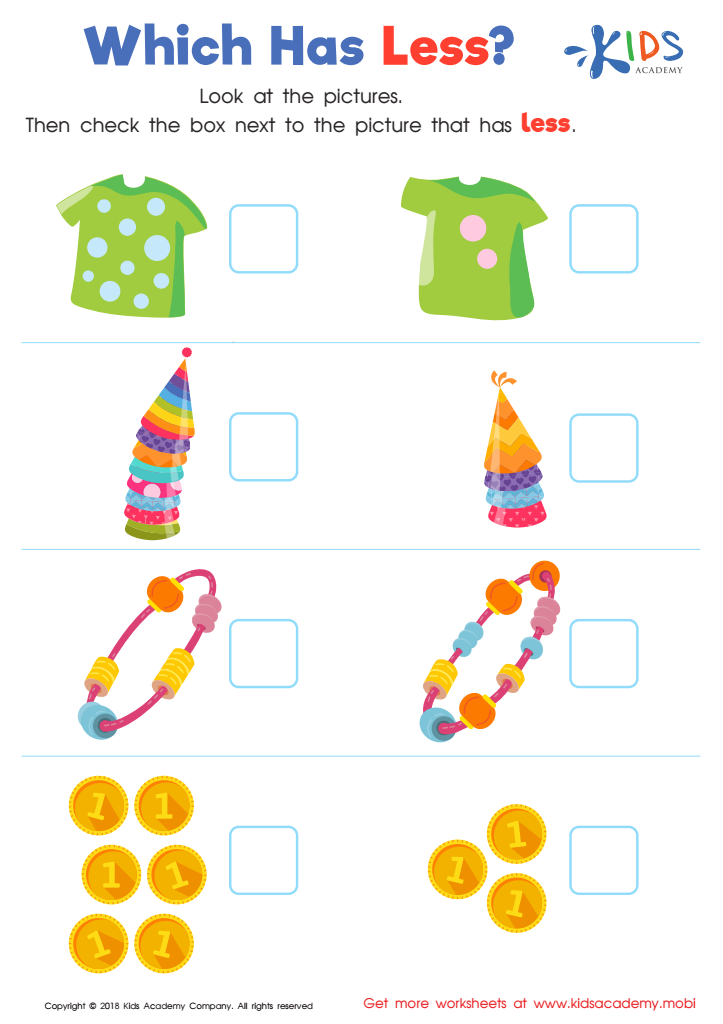
Which Has Less? Worksheet
 Assign to My Students
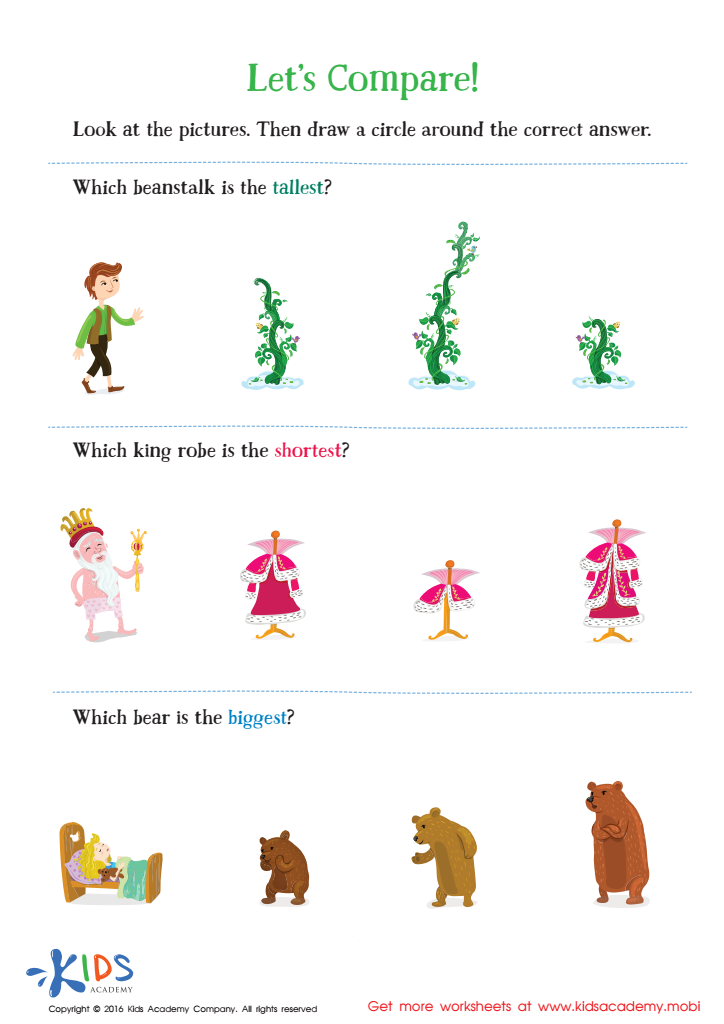
Fairy Tale Worksheet: Let's Compare
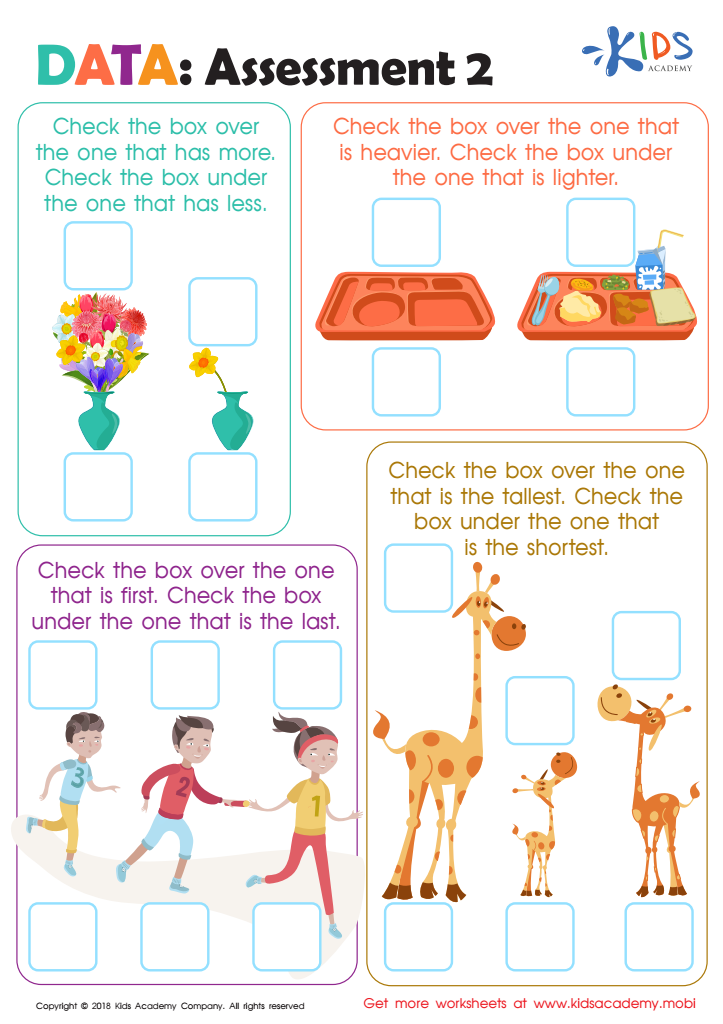
Data: Assessment 2 Worksheet


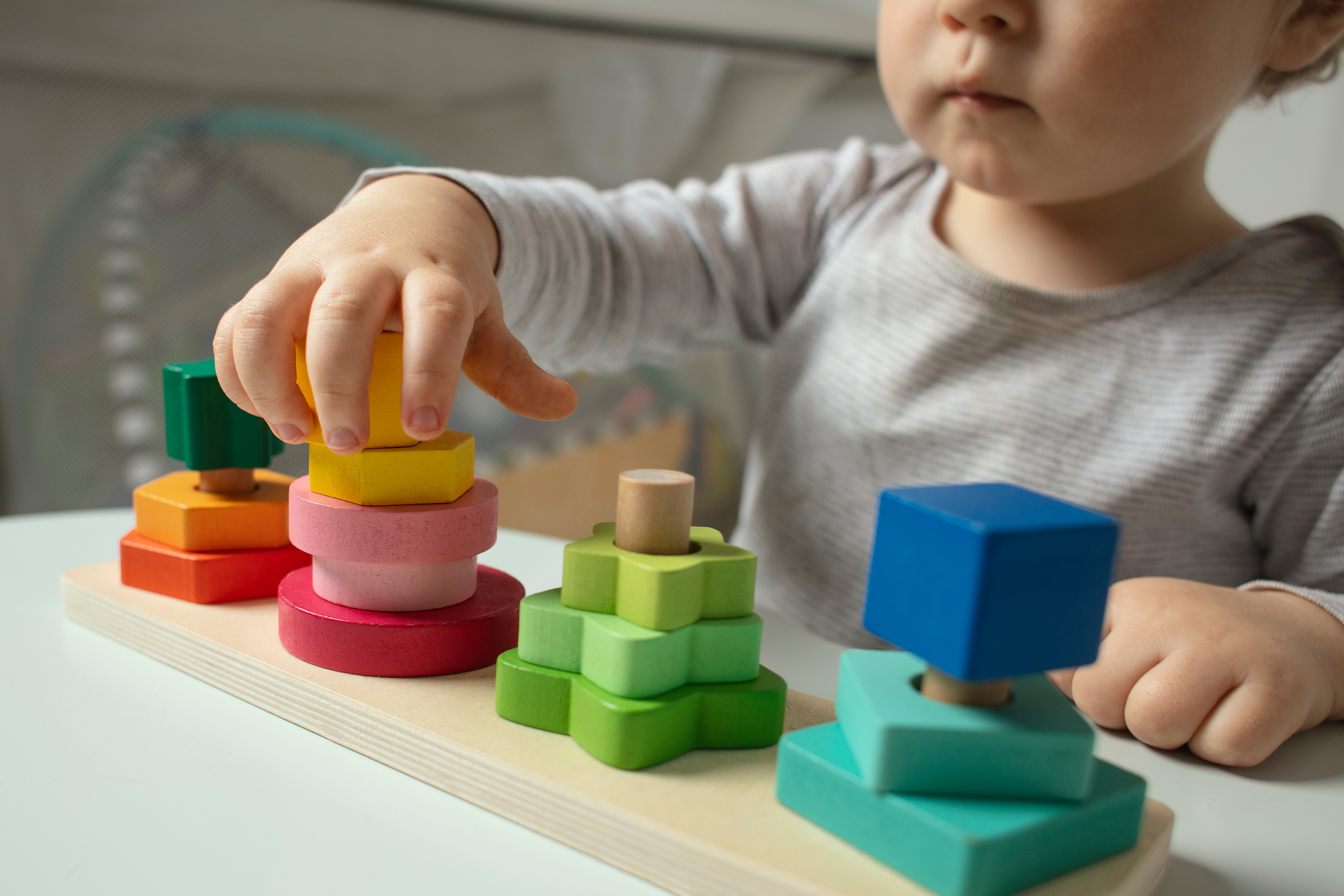


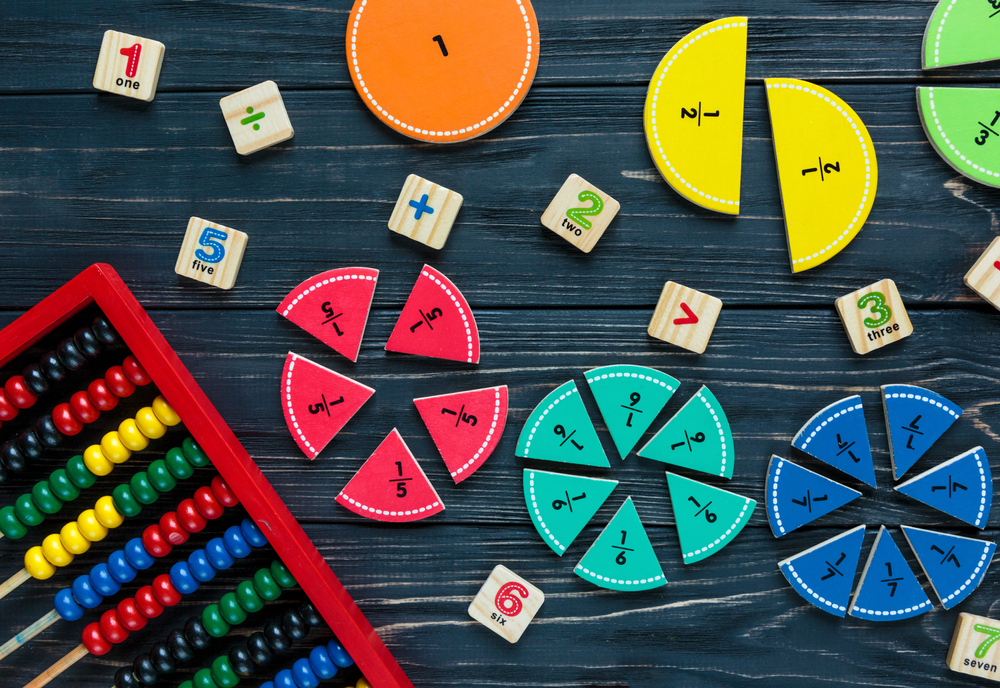
Understanding basic math skills for children aged 3-8 is crucial for parents and teachers because this developmental period lays the foundation for future academic success in mathematics and critical thinking. Early math skills, such as counting, recognizing numbers, understanding patterns, and grasping basic operations, form the building blocks for more complex concepts encountered later in school. By comparing these skills across children, educators and parents can identify where a child stands in their learning journey, allowing for targeted interventions to address any gaps.
Moreover, contextually comparing basic math skills fosters an awareness of developmental milestones, helping caregivers recognize that each child's learning pace may vary. It promotes the idea that a strong foundation in math contributes not only to academic achievement but also to essential life skills like problem-solving and financial literacy.
By engaging with the nuances of math competency and its implications, parents and teachers can work collaboratively to create supportive learning environments that stimulate interest and confidence in math. Ultimately, prioritizing early math education can have long-lasting effects, setting children on a path toward positive attitudes and success in mathematics, which extends into their lifelong learning journey.








