Analyzing data Numbers Worksheets for Ages 3-8
3 filtered results
-
From - To
Explore our engaging "Analyzing Data Numbers Worksheets" designed for children aged 3-8! These interactive worksheets promote essential early math skills by introducing young learners to the basics of data analysis. Tailored for the developmental needs of your students, our activities include fun exercises like sorting, classifying, and interpreting simple data. With vibrant visuals and detailed instructions, children will enjoy hands-on experiences that make learning enjoyable. Perfect for both classroom and home use, these worksheets encourage critical thinking and foster a strong foundation in math. Start your child’s journey in data analysis and empower them with essential skills for future learning!
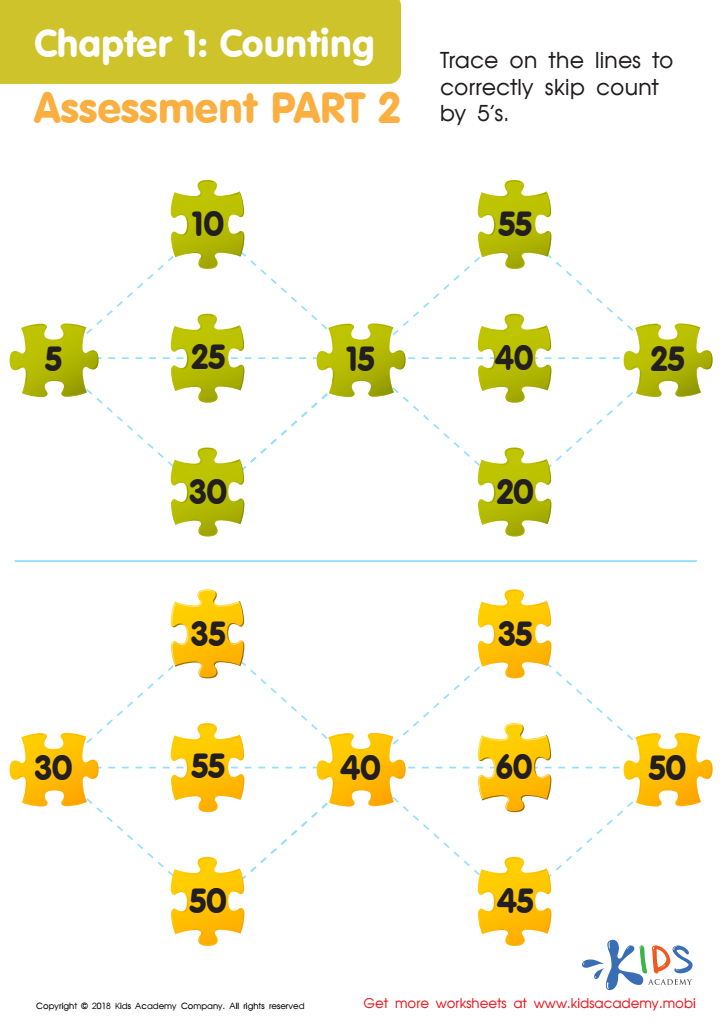
Counting: Assessment 2 Worksheet
 Assign to My Students
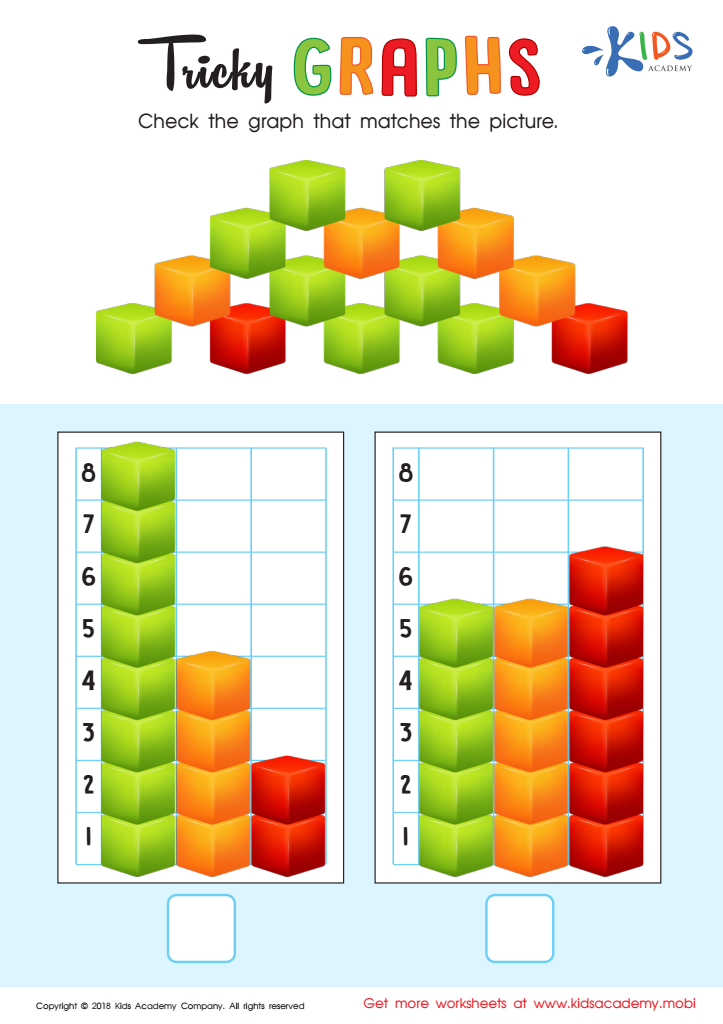
Tricky Graphs Worksheet
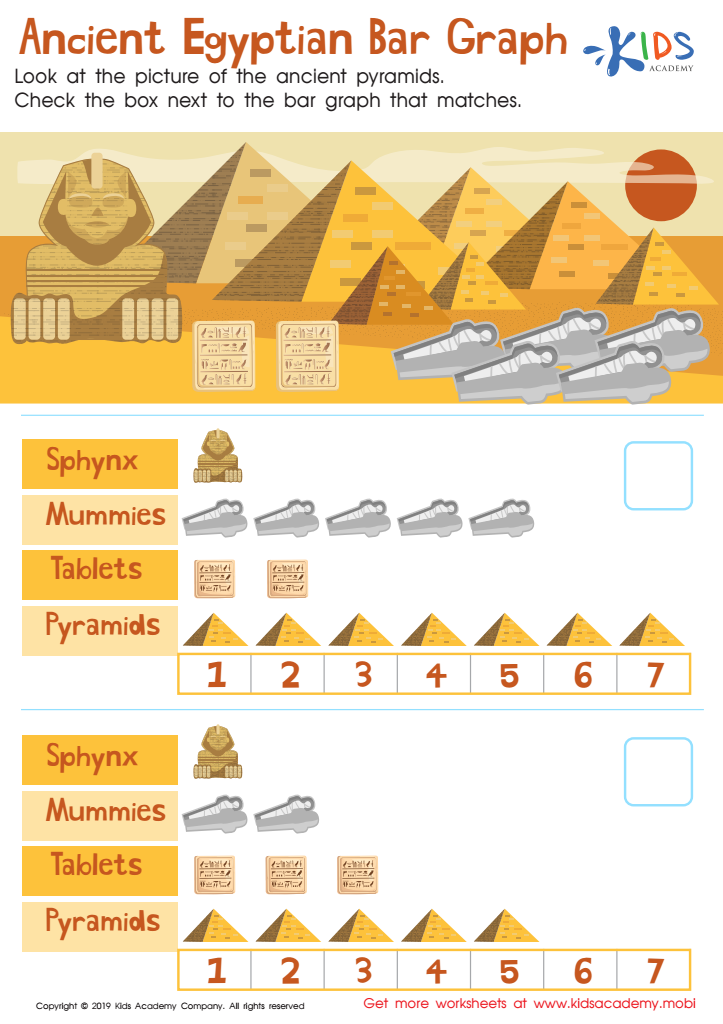
Egyptian Bar Graph Worksheet








Analyzing data from ages 3 to 8 is crucial for both parents and teachers as it provides valuable insights into a child's development, learning progress, and educational needs. During these formative years, children undergo significant cognitive, emotional, and social growth. When educators and parents review data related to a child's performance, attendance, behavior, and engagement, they can identify patterns and trends that reveal strengths and areas for improvement.
For teachers, data analysis aids in tailoring instruction to meet diverse learning needs, facilitating informed decisions in lesson planning and intervention strategies. It helps educators gauge the effectiveness of their teaching methods and adjust them accordingly. Additionally, data-driven insights enable them to communicate effectively with parents about a child's progress and challenges, fostering a collaborative approach to support.
For parents, understanding their child's data empowers them to become active participants in their education. It enables them to recognize developmental stages, celebrate achievements, and constructively address obstacles. By caring about data analysis, parents and teachers ensure that children receive a well-rounded, personalized education that promotes lifelong learning and growth, setting the stage for future success.








