Basic Counting Numbers Worksheets for Ages 3-8
3 filtered results
-
From - To
Explore our engaging Basic Counting Numbers Worksheets, designed specifically for children aged 3-8! These worksheets provide a fun and interactive way for young learners to develop essential counting skills. Each activity reinforces number recognition, promotes early math fluency, and encourages problem-solving through vibrant illustrations and hands-on exercises. From counting objects to filling in missing numbers, these worksheets cater to different learning styles and paces, ensuring every child can master foundational math concepts. Perfect for home or classroom use, our resources will empower your child to build confidence in their counting abilities and create a strong base for future mathematical learning.
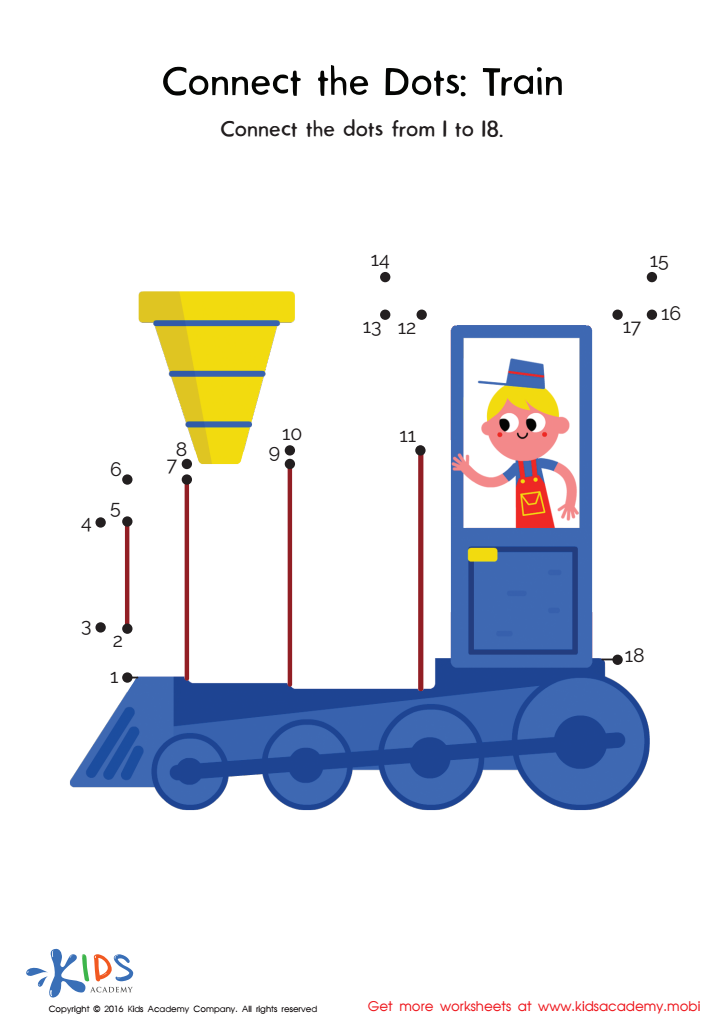
 Assign to My Students
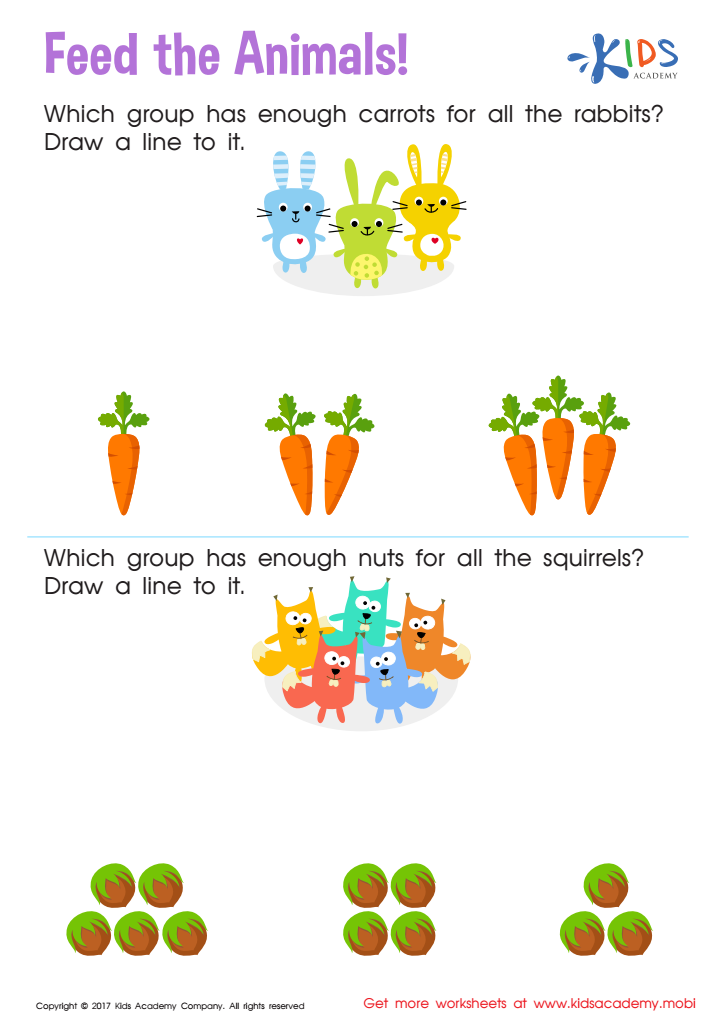
Count and Match: Feed the Animals Worksheet
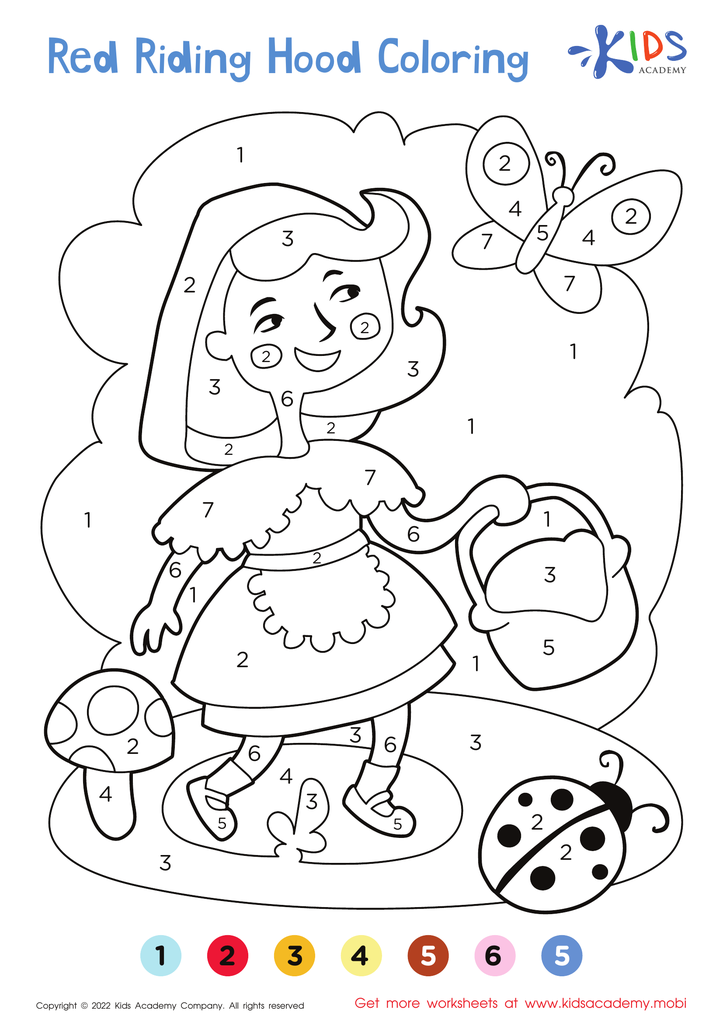
Little Red Riding Hood – Coloring by Numbers








Basic counting numbers are foundational for early childhood development and play a crucial role in a child's education. For parents and teachers, fostering an understanding of these numbers between ages 3-8 is vital for several reasons. First, counting assists in developing cognitive skills, aiding in problem-solving and logical thinking. Early exposure to numbers lays the groundwork for mathematical concepts that children will encounter in later years.
Additionally, counting enhances language skills; verbalizing numbers helps children improve their vocabulary and communication abilities. Engaging in counting games and activities makes learning fun and interactive, promoting curiosity and a positive attitude toward mathematics. This early enthusiasm for numbers can translate into better academic performance in school.
Furthermore, understanding counting shapes social and emotional growth; it encourages patience and perseverance as children learn to master new skills. Additionally, counting fosters collaboration through group learning activities, allowing children to work together and build relationships.
Overall, prioritizing basic counting numbers at an early age equips children with essential skills they will use throughout their lives, making it a critical focus for parents and educators alike. Investing time and effort in nurturing numeracy in young children ultimately contributes to their overall academic success and personal development.








