Mental math skills Numbers Worksheets for Ages 3-8
5 filtered results
-
From - To
Unlock your child’s numerical potential with our Mental Math Skills Numbers Worksheets for ages 3–8! Carefully designed to make learning fun and effective, these printable worksheets enhance counting, addition, and subtraction skills. Through engaging activities and colorful visuals, children develop critical thinking and problem-solving abilities. Whether in the classroom or at home, these resources support early math education with ease. From basic number recognition to advanced mental calculations, our worksheets offer a comprehensive foundation, empowering young learners to achieve mathematical confidence and success. Download now and watch your child's math skills soar!
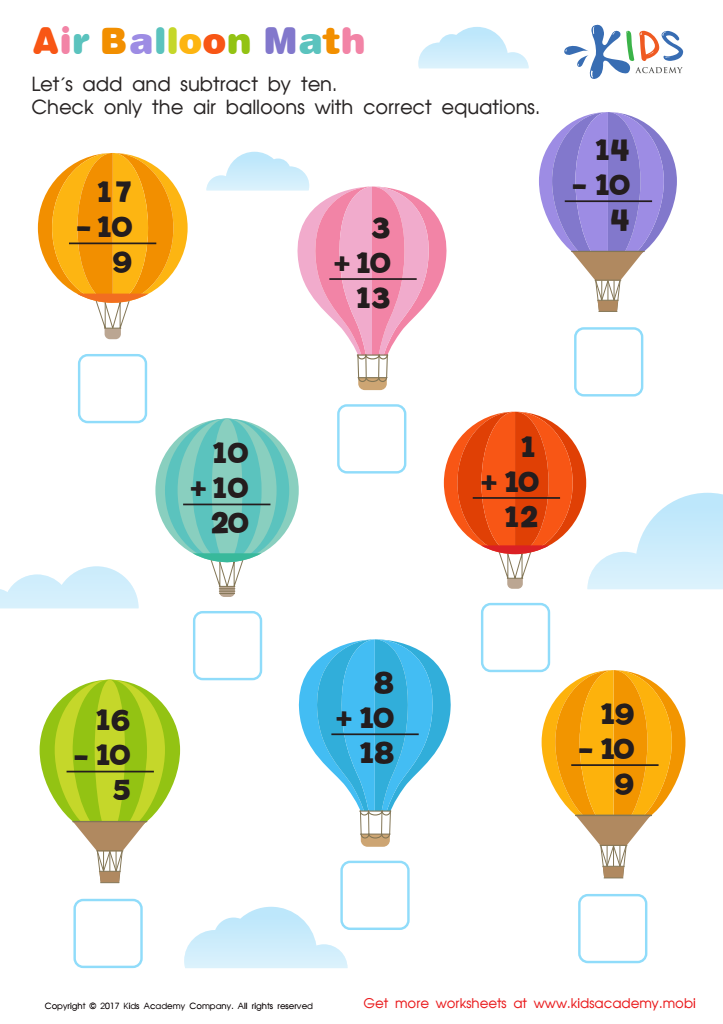
Air Balloon Math Worksheet
 Assign to My Students
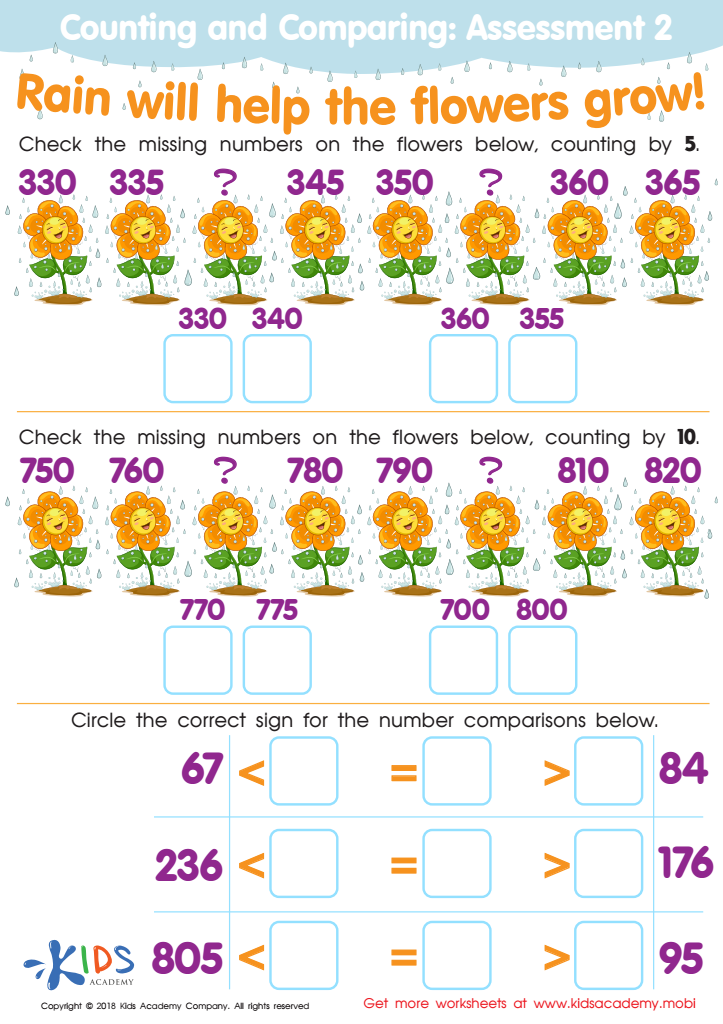
Counting and Comparing: Assessment 2 Worksheet
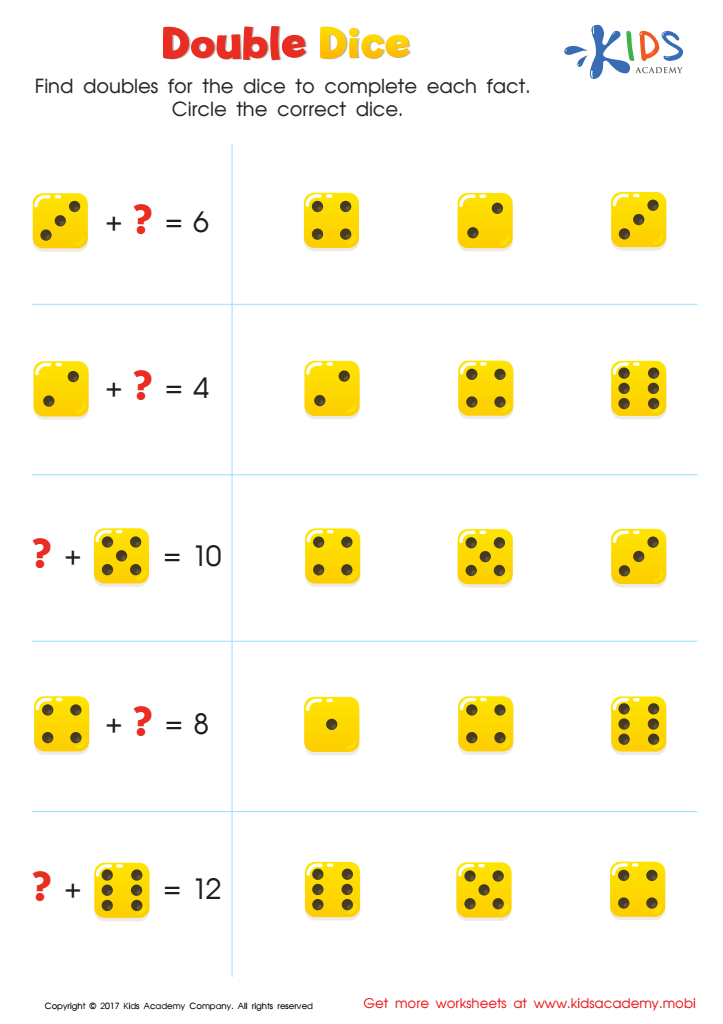
Addition Facts: Double Dice Worksheet
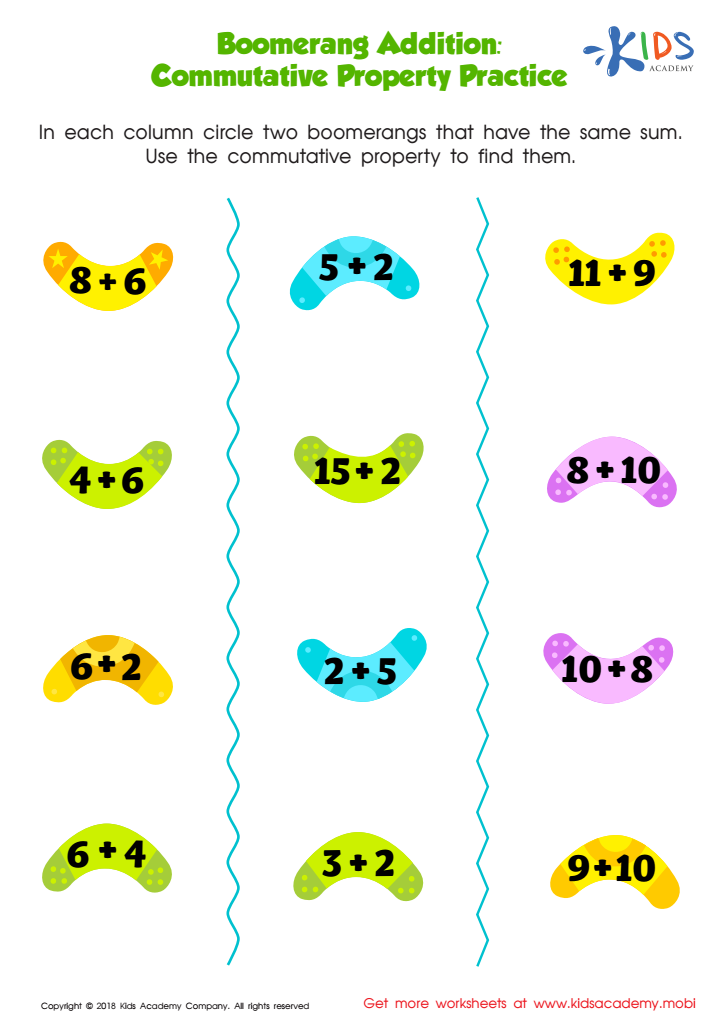
Boomerang Addition Worksheet
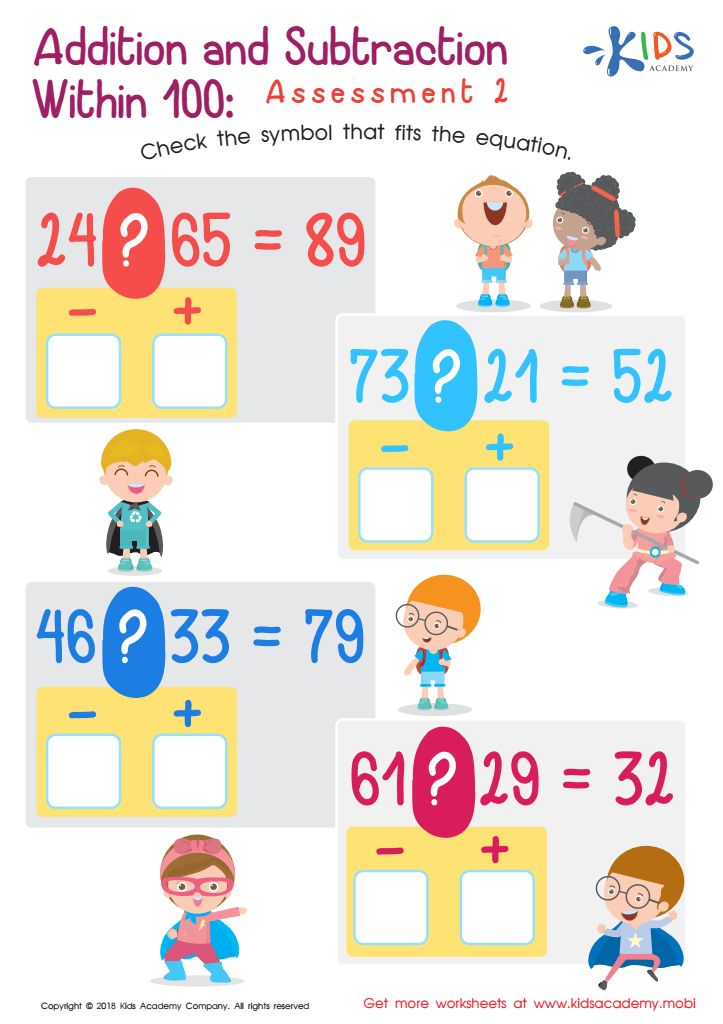
Addition and Subtraction Within 1: Assessment 2 Worksheet








Parents and teachers should care about developing mental math skills in children aged 3-8 because early numeracy sets the foundational framework for future academic success and critical thinking. Mental math nurtures a child’s ability to solve arithmetic problems in their heads, encourages pattern recognition, and enhances memory and concentration. These cognitive abilities are crucial not just for mathematics, but for all areas of study, making learning more seamless and interconnected.
Exposure to mental math from an early age boosts a child’s confidence in handling numbers and problem-solving, reducing math anxiety later in life. When children regularly practice quick computations, they develop a stronger grasp of numbers, spatial awareness, and a sense of how mathematical concepts are interrelated.
Additionally, mental math drills stimulate neural development, encouraging logical reasoning and disciplined thought processes, which are critical for everyday decision-making and planning skills. Introducing fun, engaging mental math activities early on fosters a positive attitude toward mathematics, making it an enjoyable subject rather than a daunting task.
Parents and teachers who prioritize these skills provide children with tools for their educational, personal, and professional futures, laying a robust groundwork that helps them tackle increasingly complex problems with resilience and agility.








