Problem-solving practice Numbers Worksheets for Ages 3-8
3 filtered results
-
From - To
Unlock your child's potential with our Problem-solving Practice Numbers Worksheets, designed specifically for ages 3-8. These engaging, age-appropriate worksheets help young learners master essential math skills while having fun. By incorporating puzzles and interactive activities, children develop critical thinking and problem-solving abilities. Perfectly aligned with educational standards, our worksheets make learning numbers an exciting adventure. Each worksheet builds foundational knowledge, boosts confidence, and supports a strong mathematical foundation. Ideal for parents and teachers, these resources offer an excellent way to support educational development at home or in the classroom. Start your child's mathematical journey with us today!
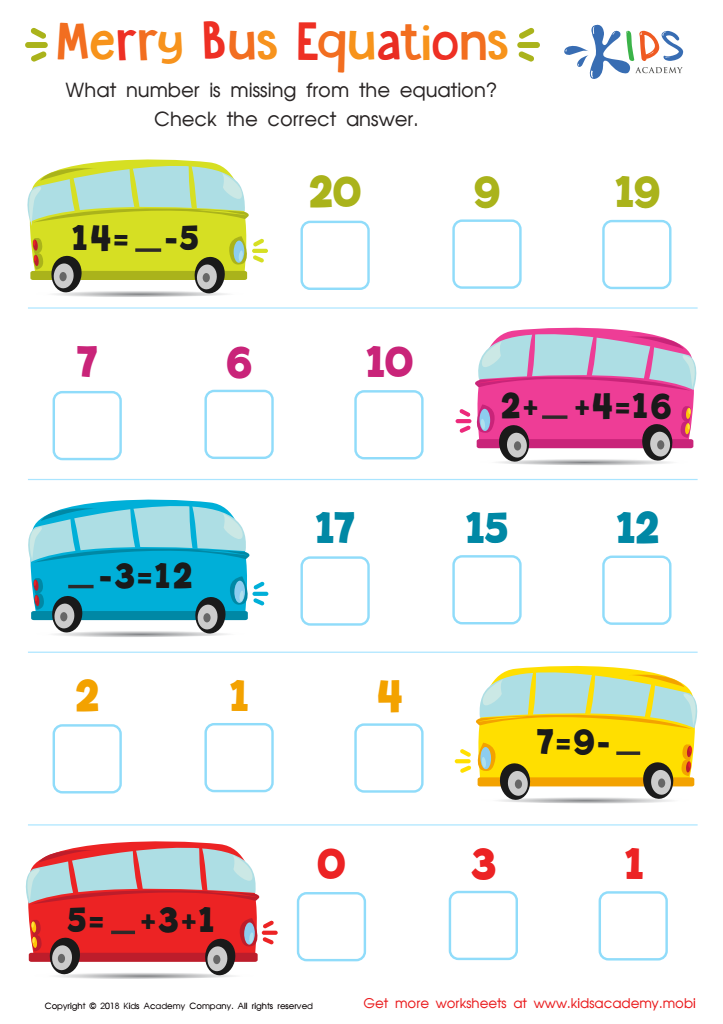
Merry Bus Equations Worksheet
 Assign to My Students
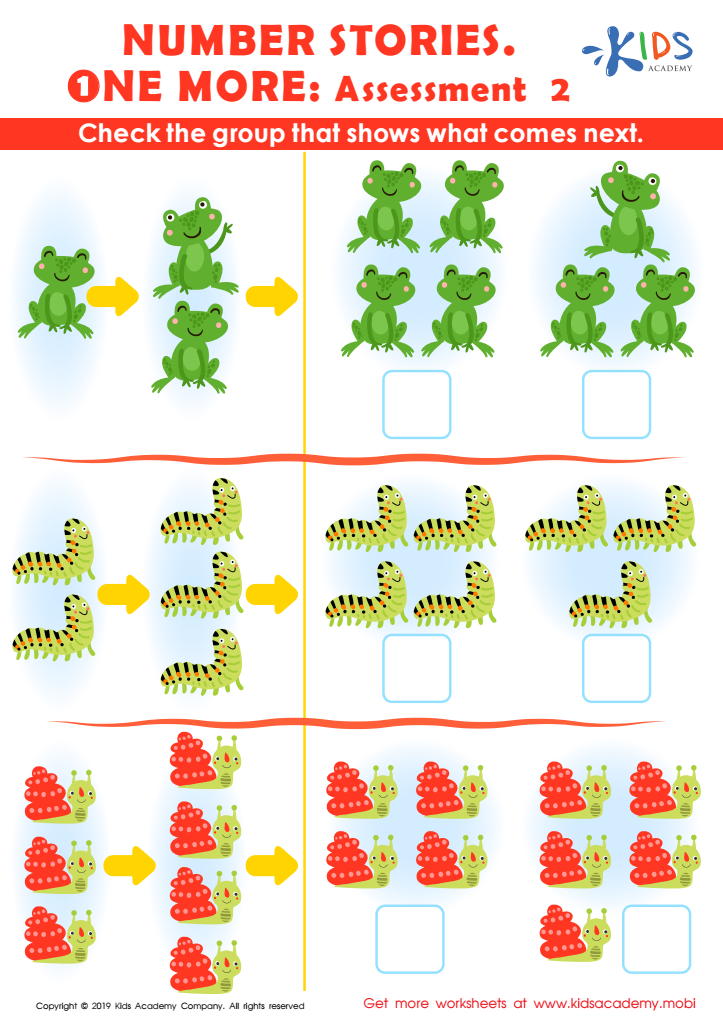
Number Stories One More – Assessment 2 Worksheet
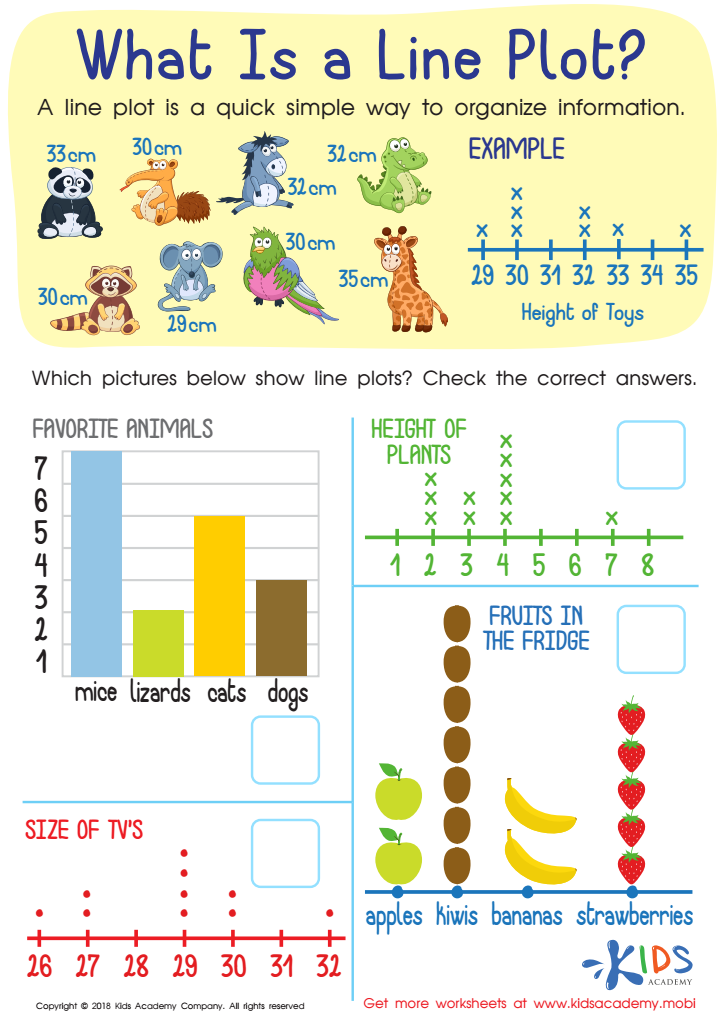
What Is a Line Plot? Worksheet







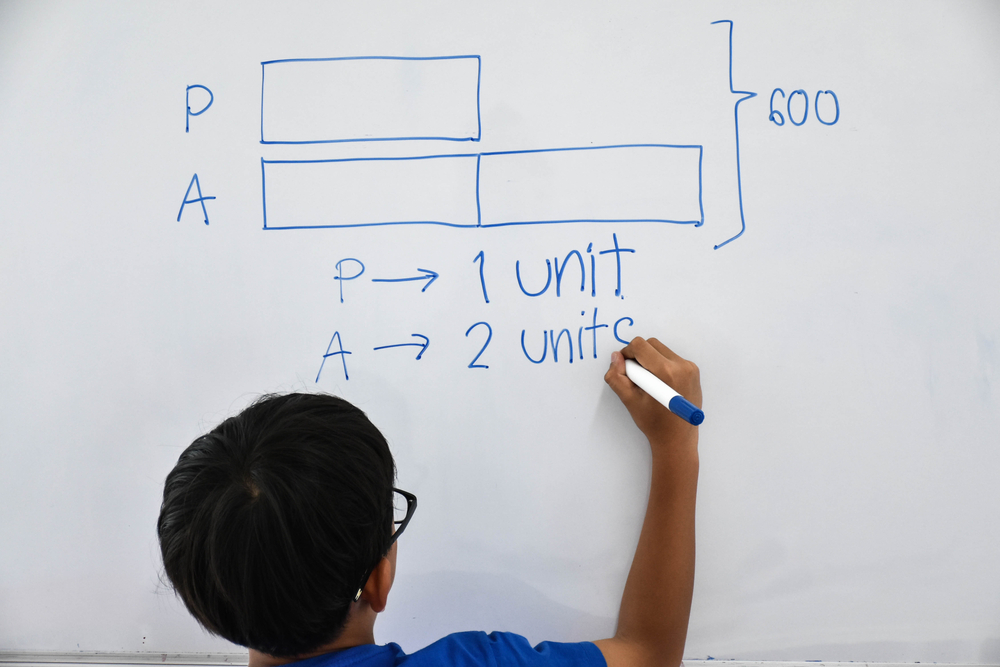
Parents and teachers should prioritize problem-solving practice with numbers for children aged 3 to 8 because it lays a strong foundation for future learning and critical thinking skills. Early exposure to numerical problem-solving helps young minds grasp basic mathematical concepts such as addition, subtraction, and counting, which are fundamental for higher-level mathematics and everyday life scenarios. Developing these skills at an early stage promotes cognitive development, enhancing memory, attention, and logical reasoning abilities.
Engaging in problem-solving activities nurtures a child's ability to approach challenges methodically, fostering perseverance, patience, and resilience. It also boosts confidence as children learn to solve problems independently, instilling a sense of accomplishment and positive attitude towards learning. These skills are not confined to mathematics alone but translate into other academic areas and real-life situations requiring analytical thinking.
Moreover, problem-solving in a collaborative setting—inclusive of both peers and adults—encourages communication and social skills. It’s an opportunity to practice teamwork, share ideas, and develop listening skills, all of which are crucial for personal development and building relationships.
Thus, integrating problem-solving exercises with numbers in early childhood education is essential. It not only equips children with necessary academic tools but also contributes significantly to their overall intellectual and emotional growth.








