Understanding Sequences Numbers Worksheets for Ages 3-8
5 filtered results
-
From - To
Explore our "Understanding Sequences Numbers Worksheets" designed specifically for children aged 3 to 8. These engaging worksheets help young learners grasp the concept of number sequences, a foundational math skill essential for early development. Our activities promote pattern recognition and counting practice through fun, interactive exercises that keep kids motivated. Whether enhancing classroom learning or supplementing at-home activities, these resources are tailored to build confidence and strengthen cognitive abilities in young minds. Encourage curiosity and a love for numbers with our carefully crafted sequence worksheets, perfect for preschoolers and early elementary students! Start fostering mathematical skills today!
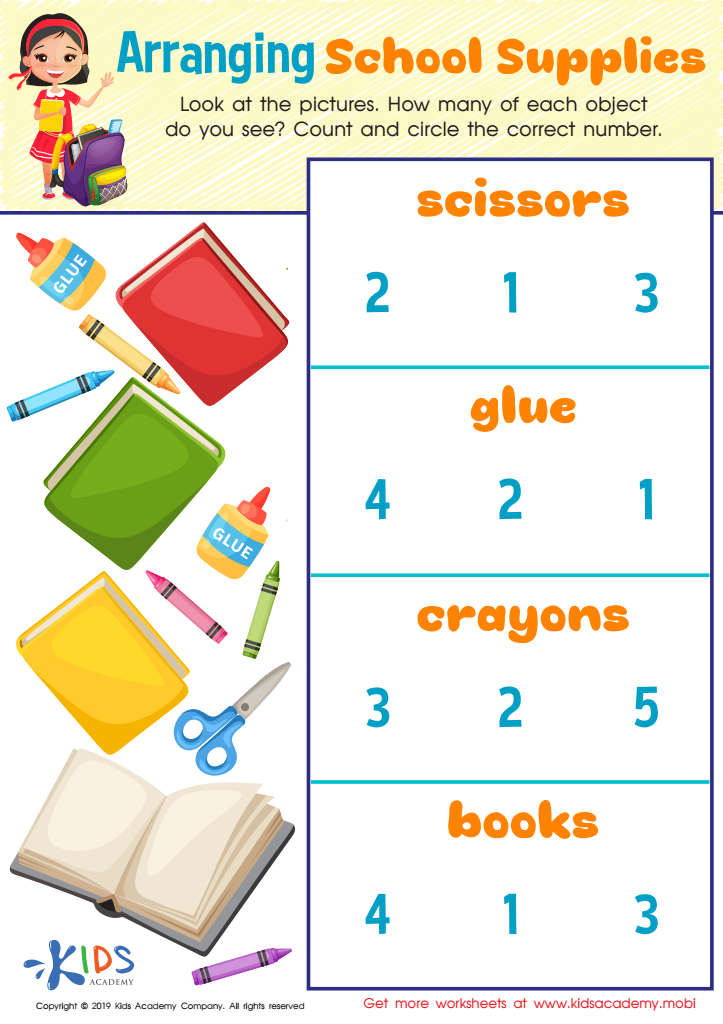
Arranging School Supplies Worksheet
 Assign to My Students
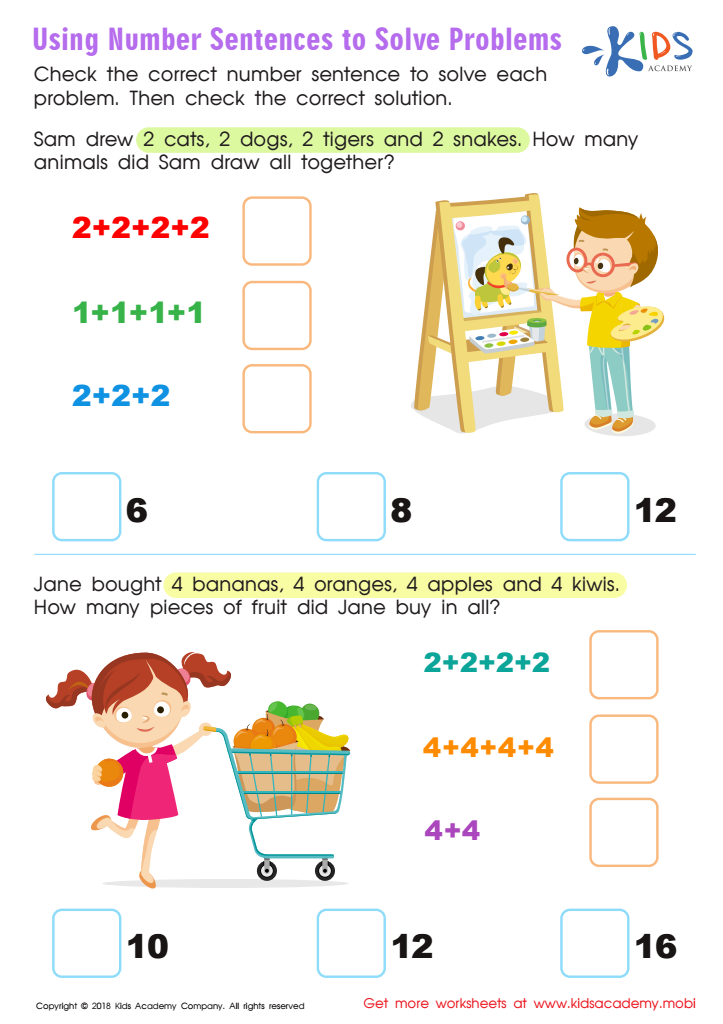
Using Number Sentences to Solve Problems Worksheet
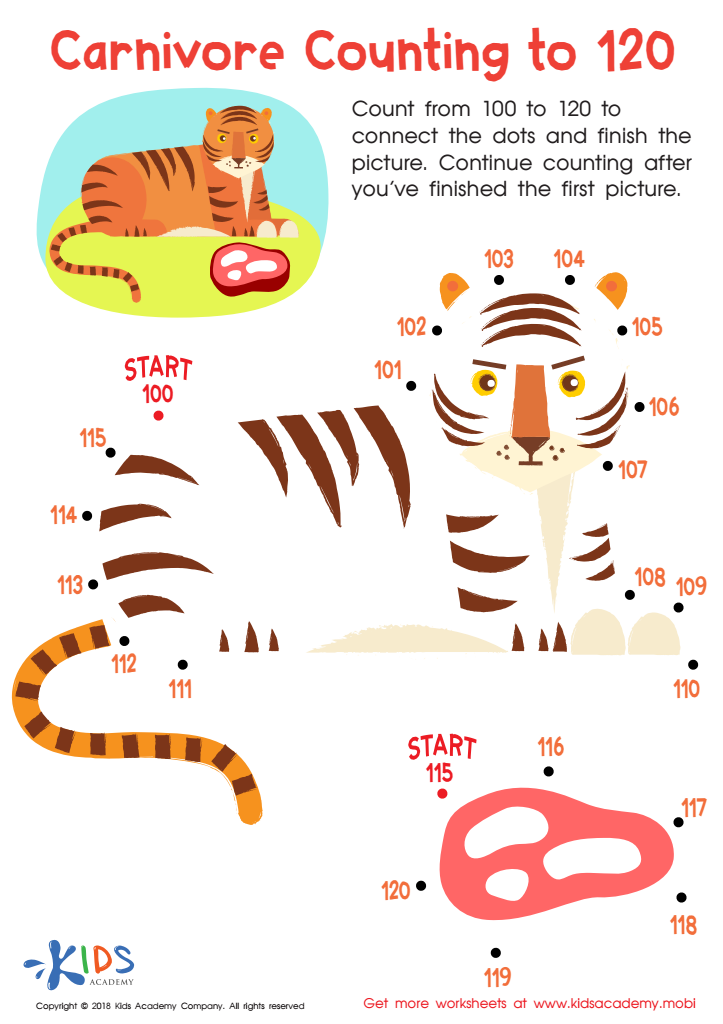
Carnivore Counting to 120 Worksheet
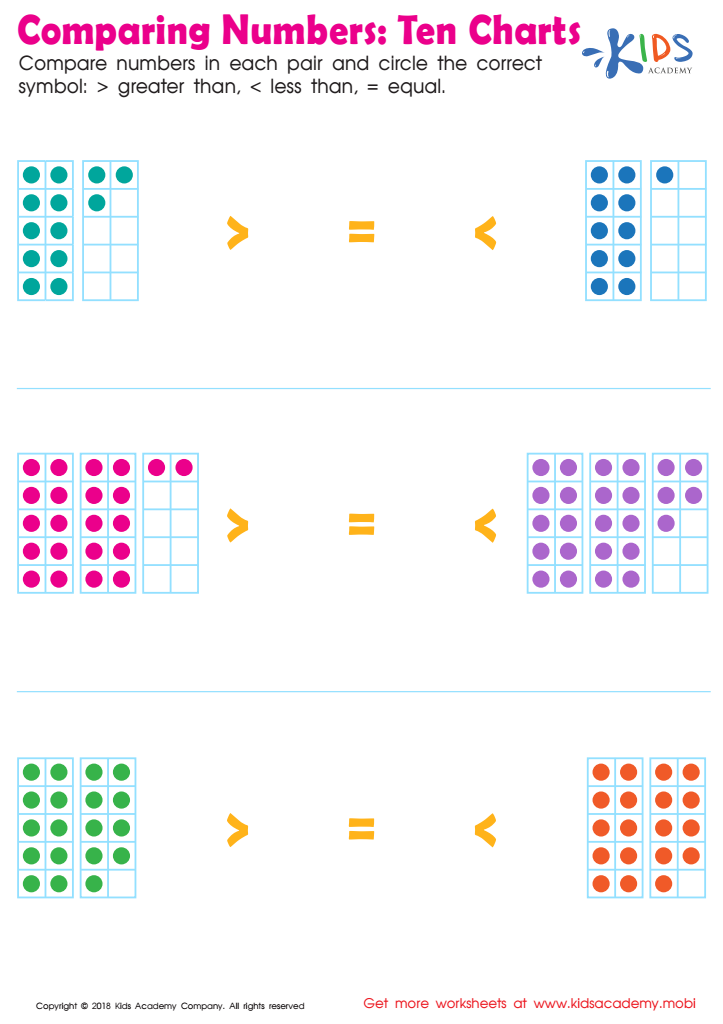
Ten Charts Worksheet
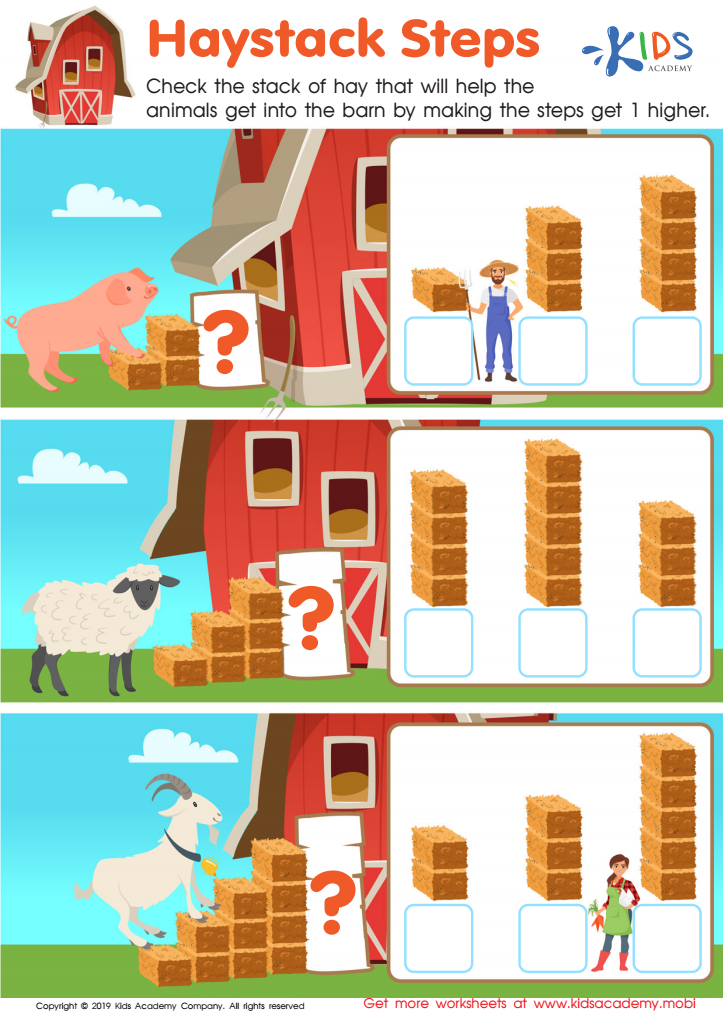
Haystack Steps Worksheet








Understanding sequences and numbers is crucial for children ages 3-8 as it lays the foundation for their mathematical thinking and cognitive development. At this age, children are like sponge learners; they absorb information and concepts rapidly. Sequence knowledge helps children recognize patterns, which is essential not only in math but across various subjects, including science and reading.
By engaging with sequences, children learn to predict the next item in a pattern, enhancing their problem-solving skills and critical thinking. For parents and teachers, fostering this understanding helps to build a sense of order and logic, essential traits for academic success. Moreover, when children can grasp numerical sequences, such as counting forwards or backwards, they become more comfortable with basic arithmetic concepts they will encounter later on.
Encouraging activities like simple games, rhymes, or even storytelling that involve sequences promotes a fun learning environment. This engenders a love for math at an early age, reducing anxiety around the subject as they progress. By prioritizing understanding of sequences numbers, parents and teachers empower children not just in math, but as learners who are curious, capable, and ready to tackle more complex ideas as they grow.








