Critical Thinking Math Worksheets for Ages 3-8 - Page 3
52 filtered results
-
From - To
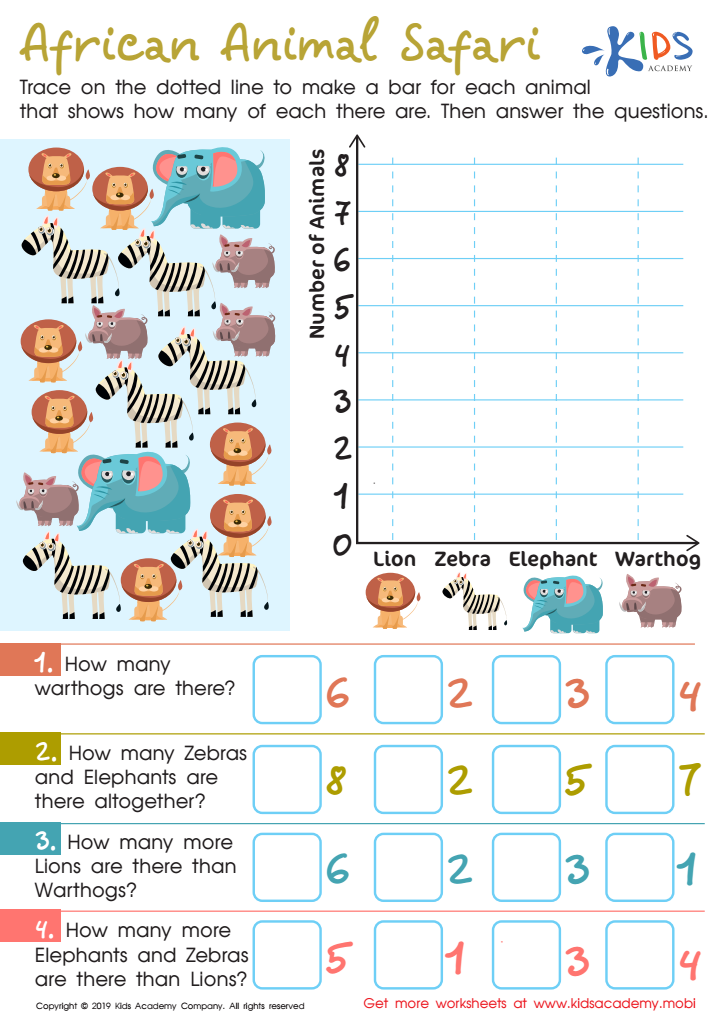
African Animal Safari Worksheet
 Assign to My Students
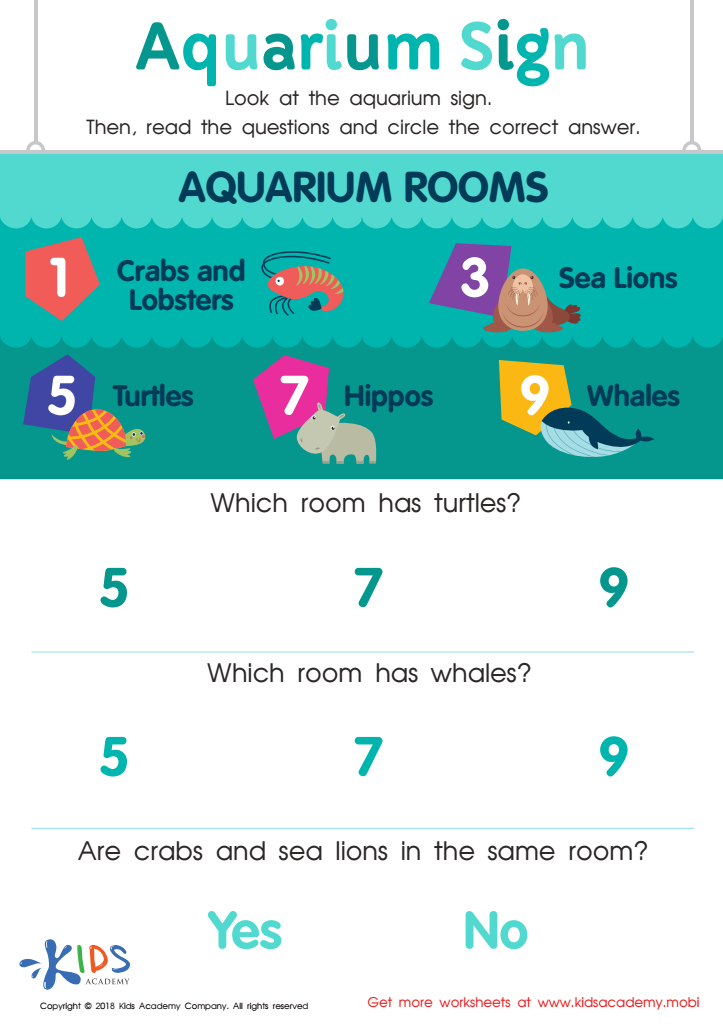
Assessment: Aquarium Sign Worksheet
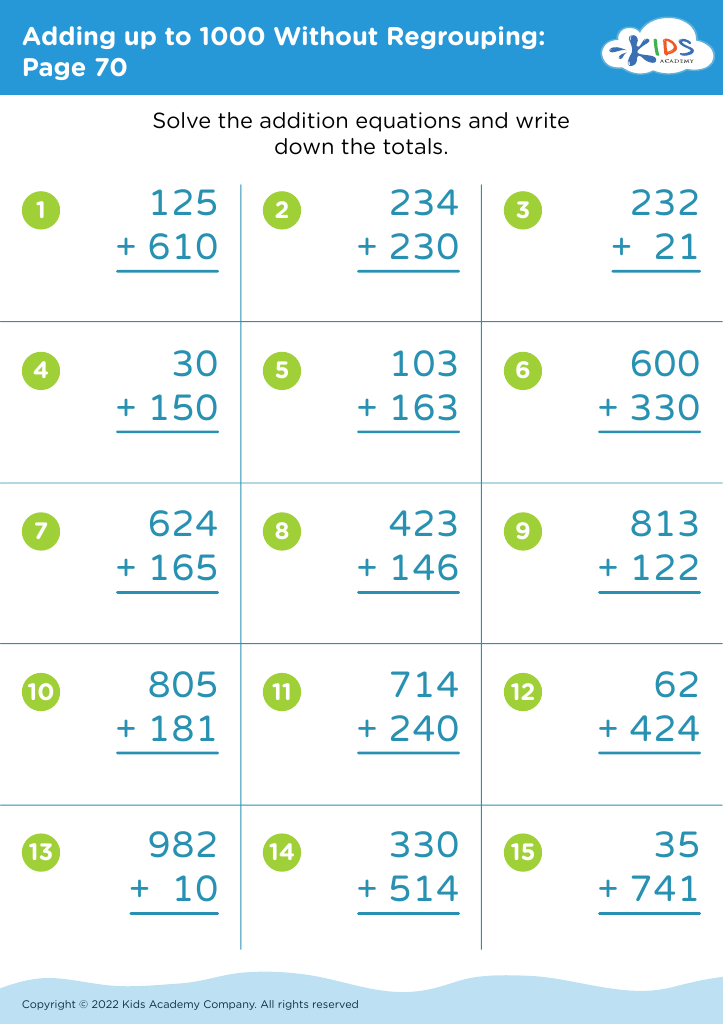
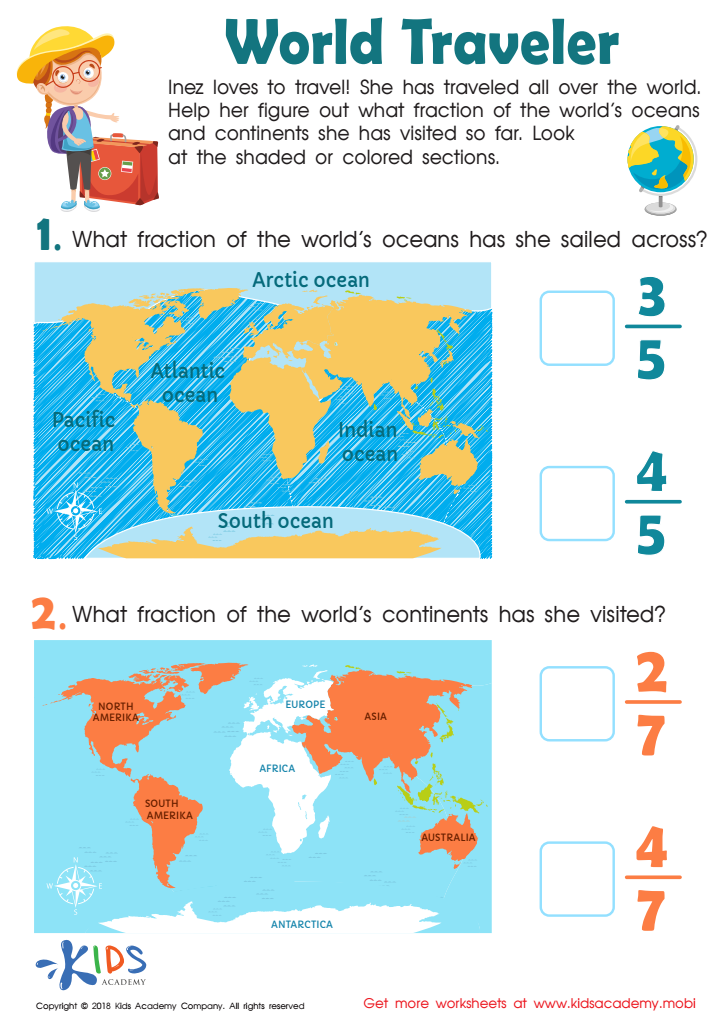
World Traveler Worksheet








Critical Thinking Math for ages 3-8 is essential for early childhood development, as it lays the foundation for cognitive skills and problem-solving abilities that children will use throughout their lives. At this age, children are naturally curious, and engaging them in critical thinking math helps to refine their reasoning and analytical skills.
Parents and teachers should care about this approach because it goes beyond rote memorization of numbers and basic arithmetic; it encourages children to explore mathematical concepts through inquiry and discovery. By fostering a love for math early on, they establish a positive attitude towards learning that can lead to enhanced academic performance in later years.
Moreover, critical thinking math promotes essential life skills such as communication, collaboration, and creativity, enabling children to articulate their thought processes and work effectively with others. It also helps develop resilience, as children learn to approach challenges with a problem-solving mindset.
Ultimately, prioritizing critical thinking in math education enriches children's educational experiences, prepares them to face future challenges, and equips them with the tools necessary for personal, social, and academic success. Investing in these skills at an early age nurtures well-rounded individuals capable of critical thought and effective decision-making.








