
Develop critical thinking Math Worksheets for Ages 3-8
13 filtered results
Difficulty Level
Grade
Age
-
From - To
Subject
Activity
Standards
Welcome to our collection of engaging math worksheets designed to foster critical thinking skills in children aged 3-8. These carefully crafted activities encourage young learners to solve problems, recognize patterns, and apply their mathematical knowledge in real-world scenarios. With a wide variety of exercises tailored to their developmental stages, children will enjoy honing their analytical skills through fun and interactive learning. Our worksheets promote not only math proficiency but also essential cognitive abilities, preparing your little ones to tackle challenges confidently. Explore our resources and empower your child to think critically while building a strong foundation in math!
Favorites
With answer key
Interactive
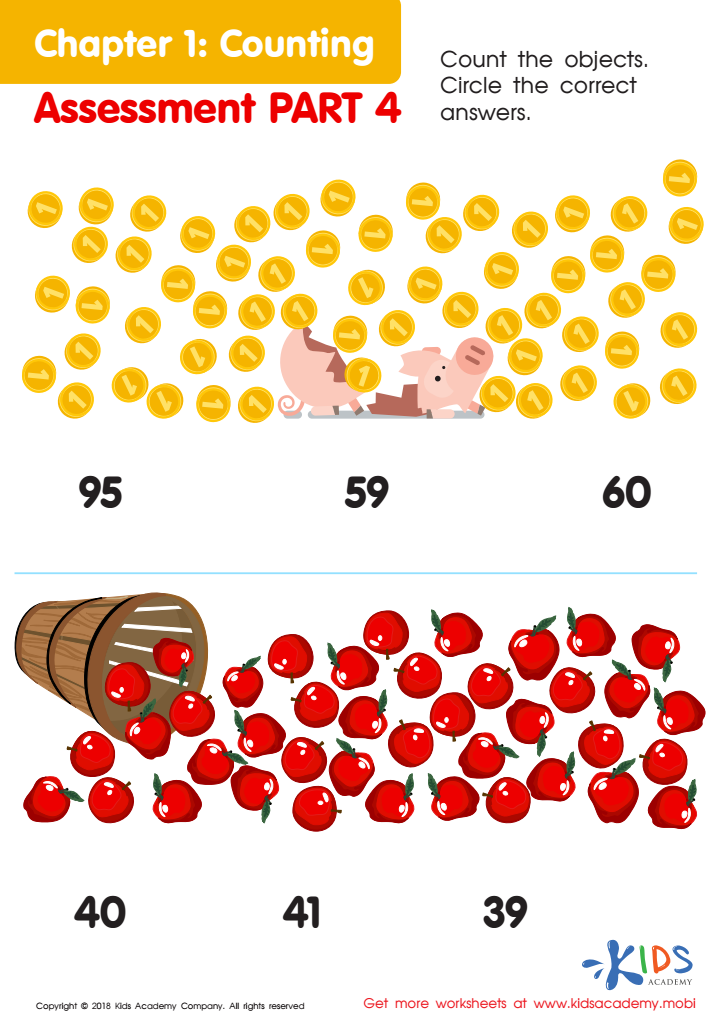
Counting: Assessment 4 Worksheet
Encourage your students to count objects in this colorful worksheet. Ask them to circle the correct answers from the options given. See how much their counting skills have improved with your guidance. Have fun!
 Assign to My Students
Counting: Assessment 4 Worksheet
Worksheet
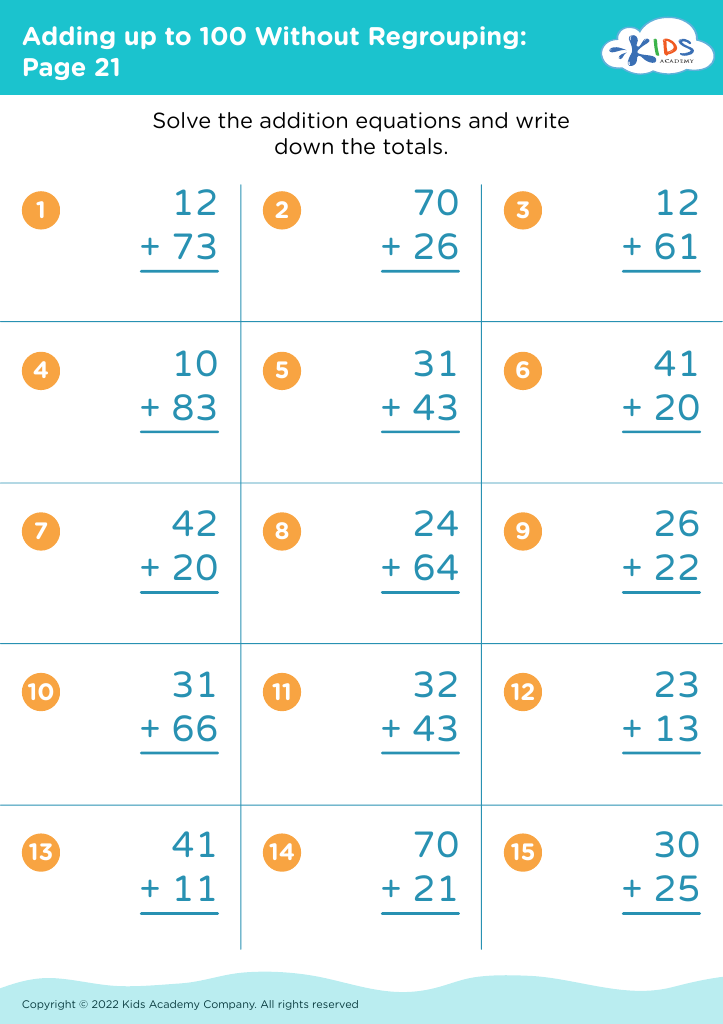
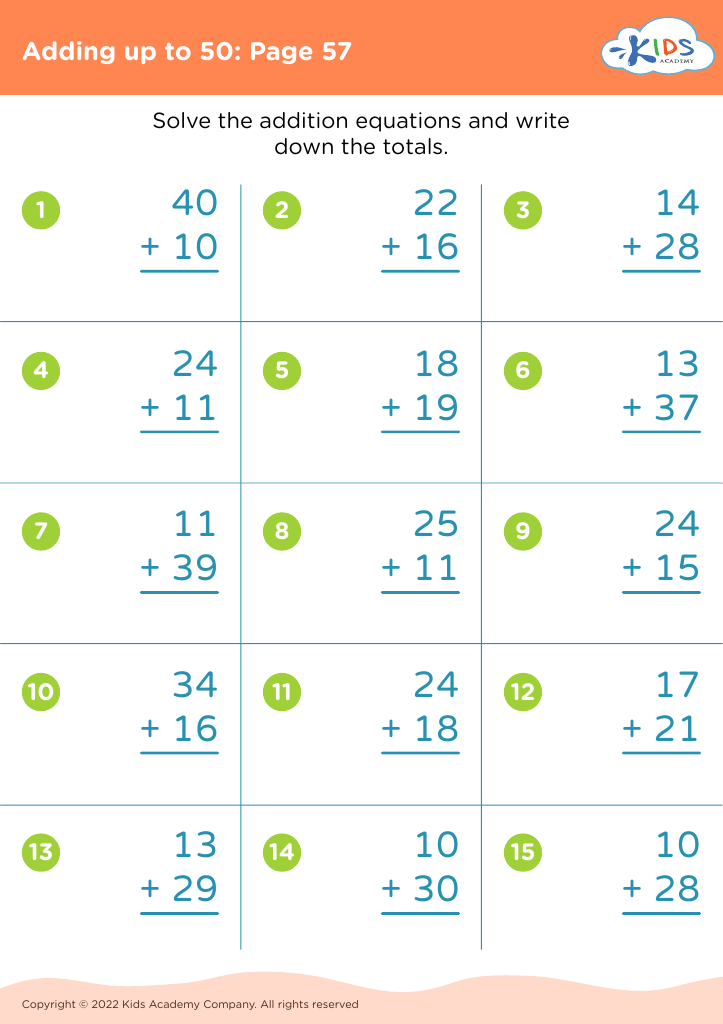
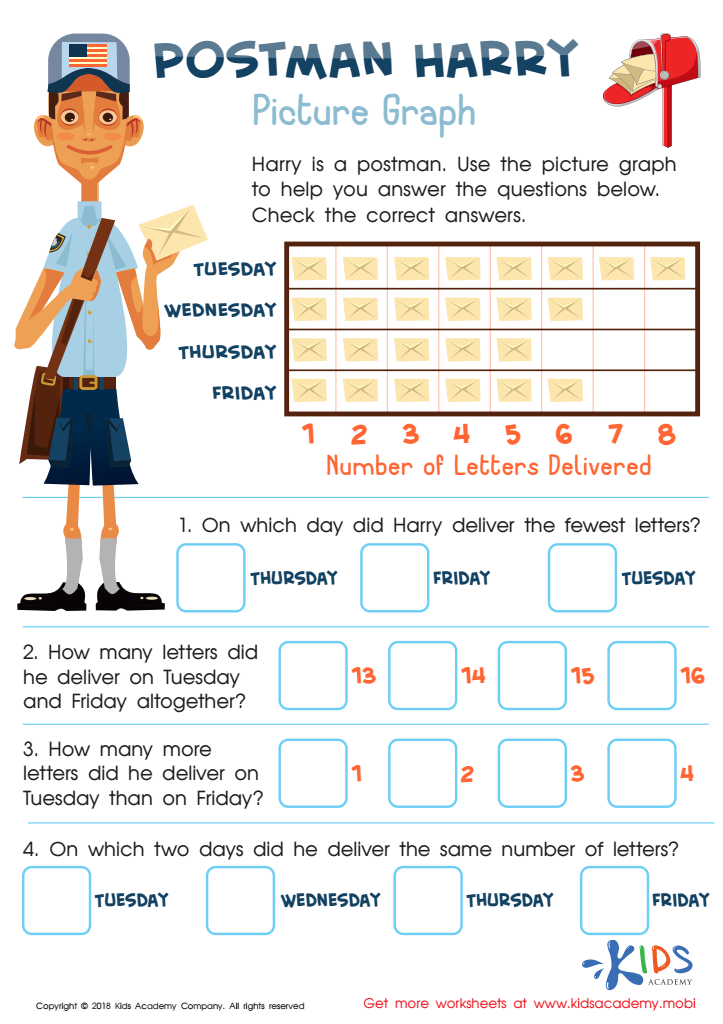
Postman Harry: Picture Graph Worksheet
Show your kids a picture of Harry the Postman and ask if they can identify his profession. Then, with this simple picture graph worksheet, help Harry out by having your kids answer the questions below the picture graph. It shows the number of letters he delivered, and on what day. Get your kids to use the picture graph to solve it.
Postman Harry: Picture Graph Worksheet
Worksheet
Join Kids Academy for Free
Who is primarily going to use this learning content?








Developing critical thinking skills in mathematics for children ages 3-8 is crucial for their overall cognitive growth and future academic success. At this formative age, children are naturally curious and eager to explore concepts around them. Engaging them in mathematical problem-solving enhances their ability to think independently and analytically. These skills go beyond simple numerical understanding; they foster a mindset where children learn to evaluate, reason, and make sense of the world through patterns and relationships.
When parents and teachers prioritize critical thinking in math, they equip children with essential life skills, such as decision-making, problem-solving, and creativity. These skills are directly applicable in everyday situations, from budgeting their allowance to strategizing in games. Moreover, strong critical thinking abilities promote resilience as children learn to approach challenges methodically, experimenting and finding solutions on their own.
Additionally, fostering critical thinking in math instills a positive attitude toward learning. When children experience the joy of discovery and problem-solving, their intrinsic motivation to learn is likely to grow, supporting their continued academic endeavors. Ultimately, developing critical thinking in early math education prepares young learners for future success, giving them the confidence and tools necessary to tackle complex problems throughout their lives.








