Develop logical thinking Math Worksheets for Ages 3-8
9 filtered results
-
From - To
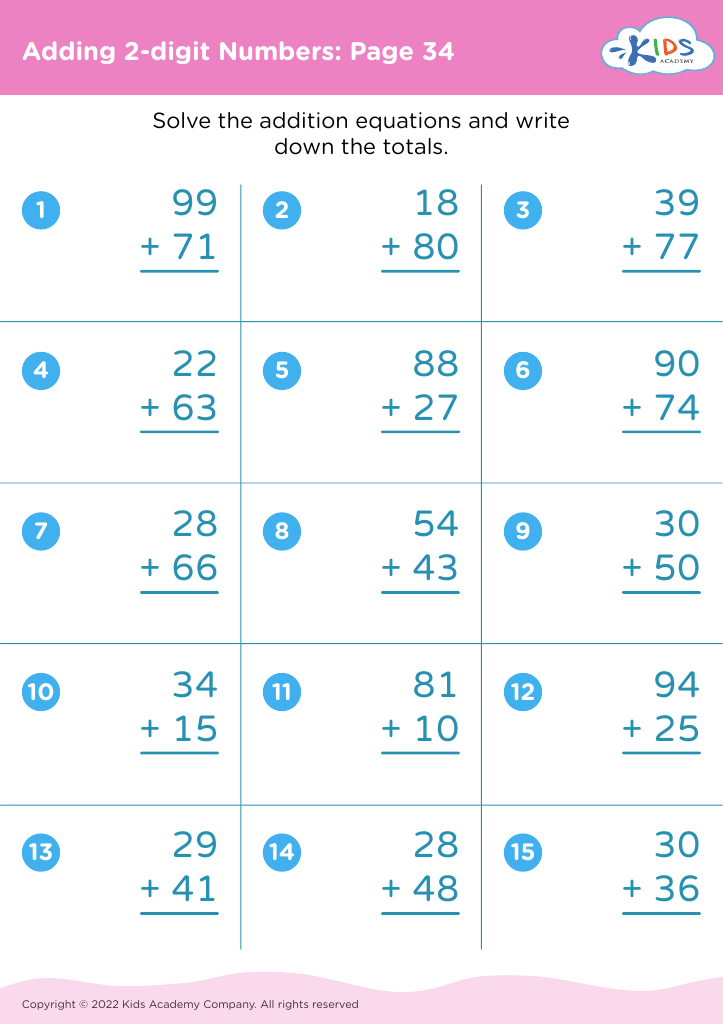
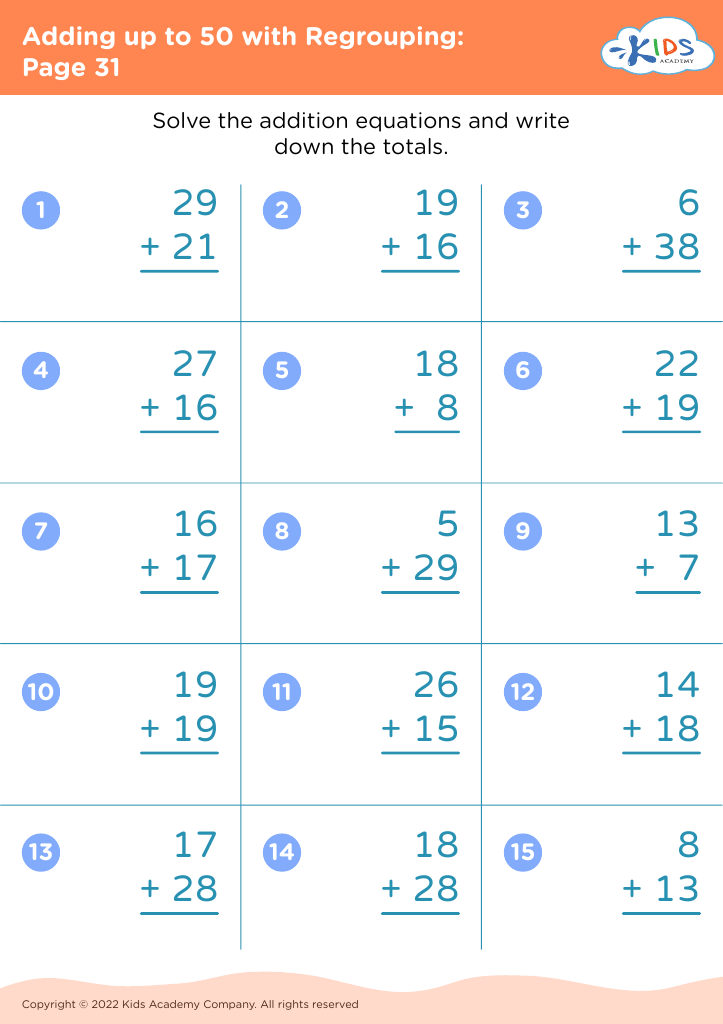
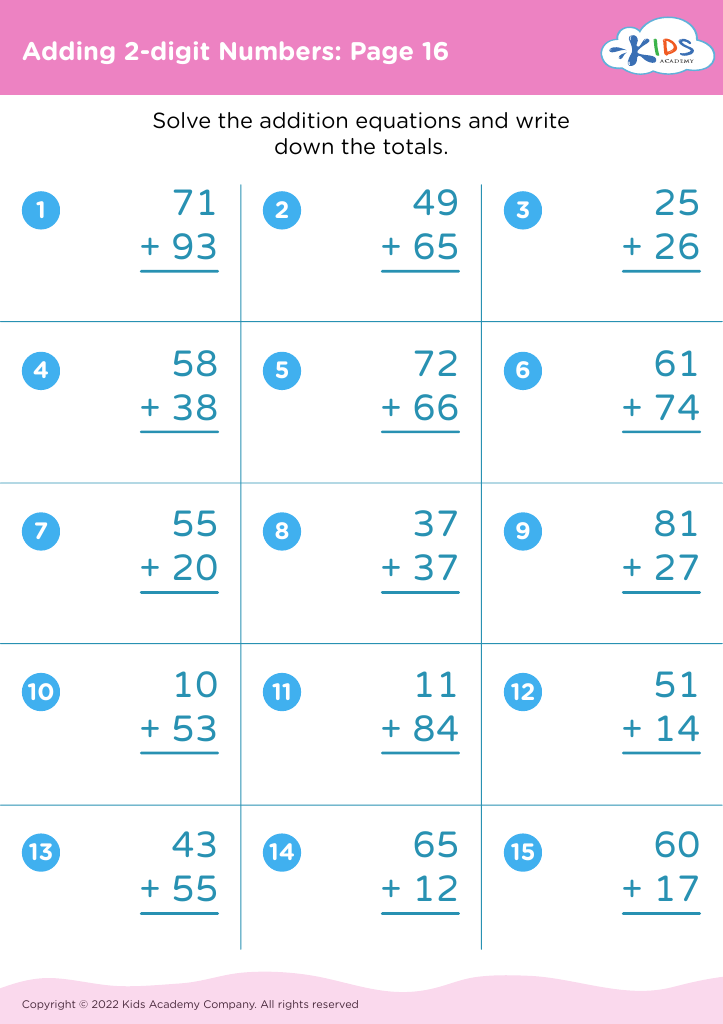
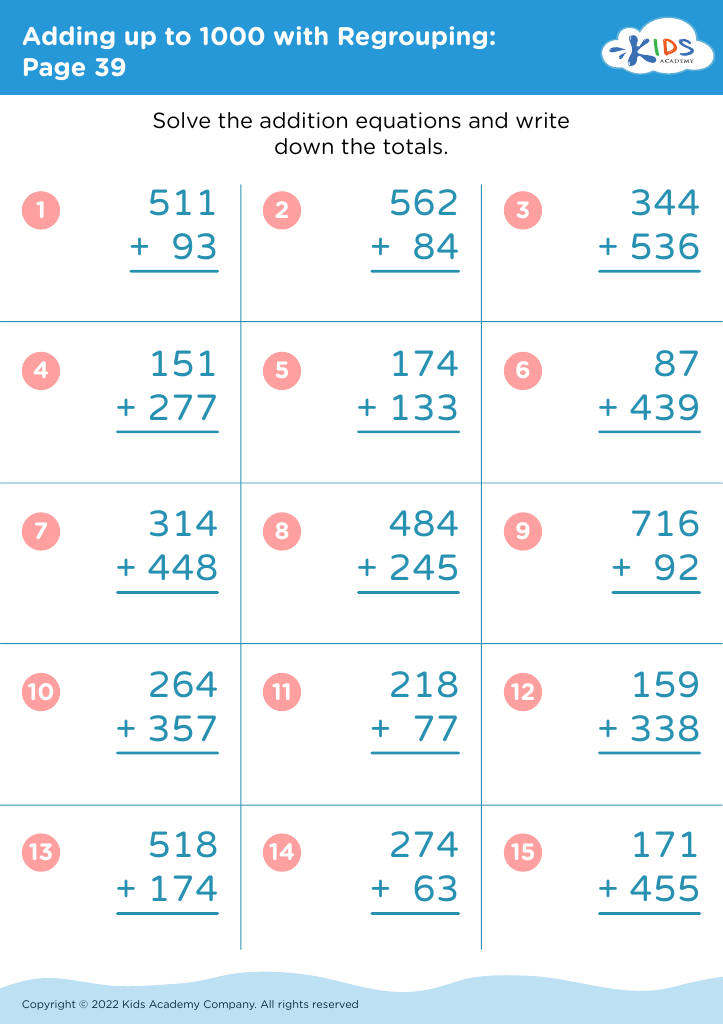
Explore our captivating collection of math worksheets designed to develop logical thinking skills for children ages 3-8. These engaging resources encourage early learners to enhance their problem-solving abilities through fun and interactive activities. Our worksheets foster critical thinking by incorporating puzzles, pattern recognition, and sequencing tasks that challenge young minds. Crafted with age-appropriate content, they promote a love for math while nurturing essential cognitive skills. Perfect for use at home or in the classroom, these printable worksheets provide educators and parents with valuable tools to support their children's cognitive development. Unlock your child's potential with our logical thinking math worksheets today!
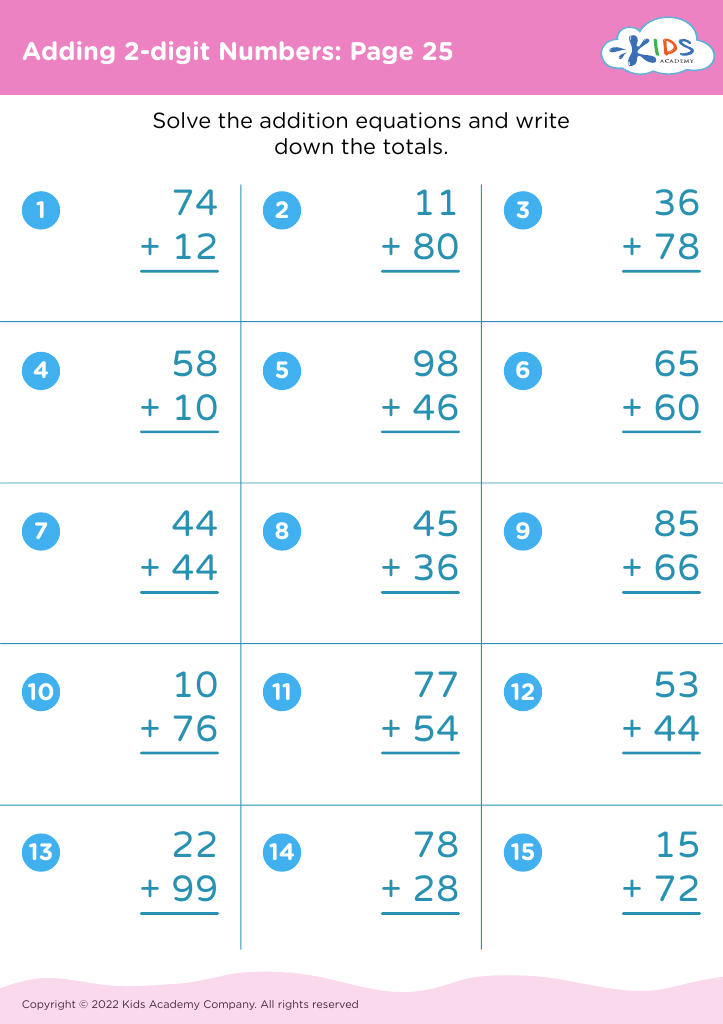
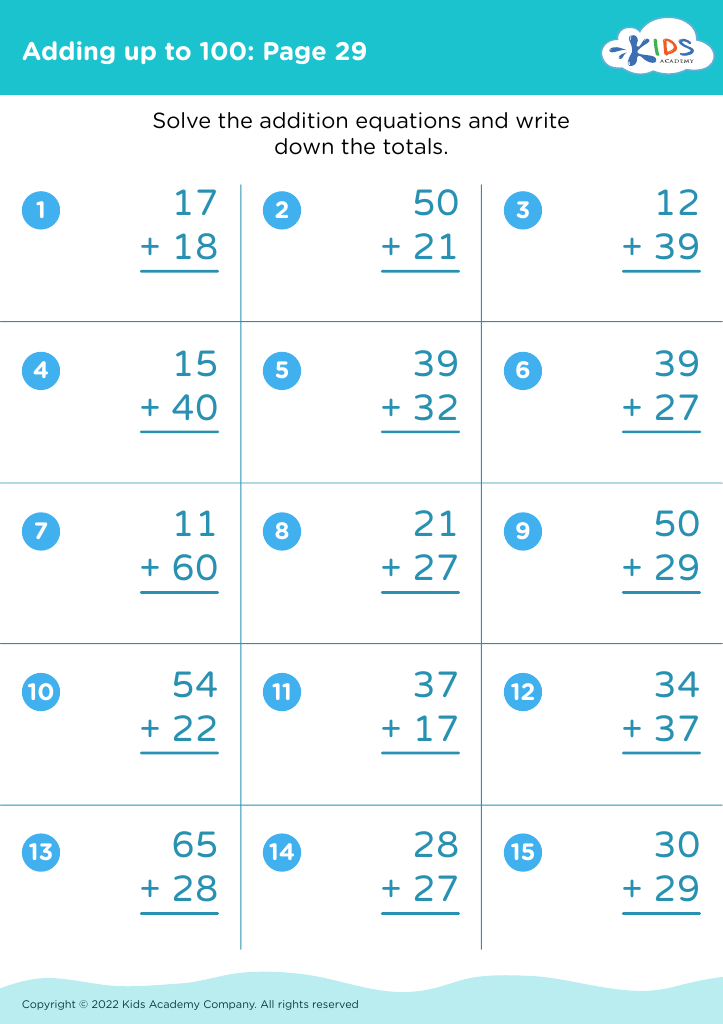
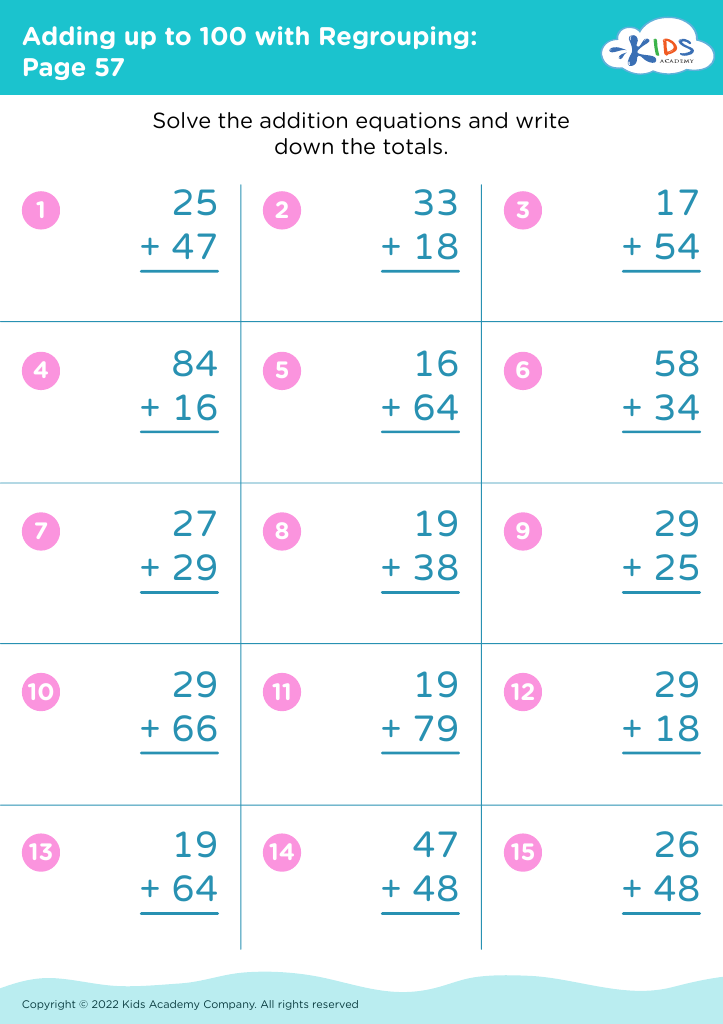
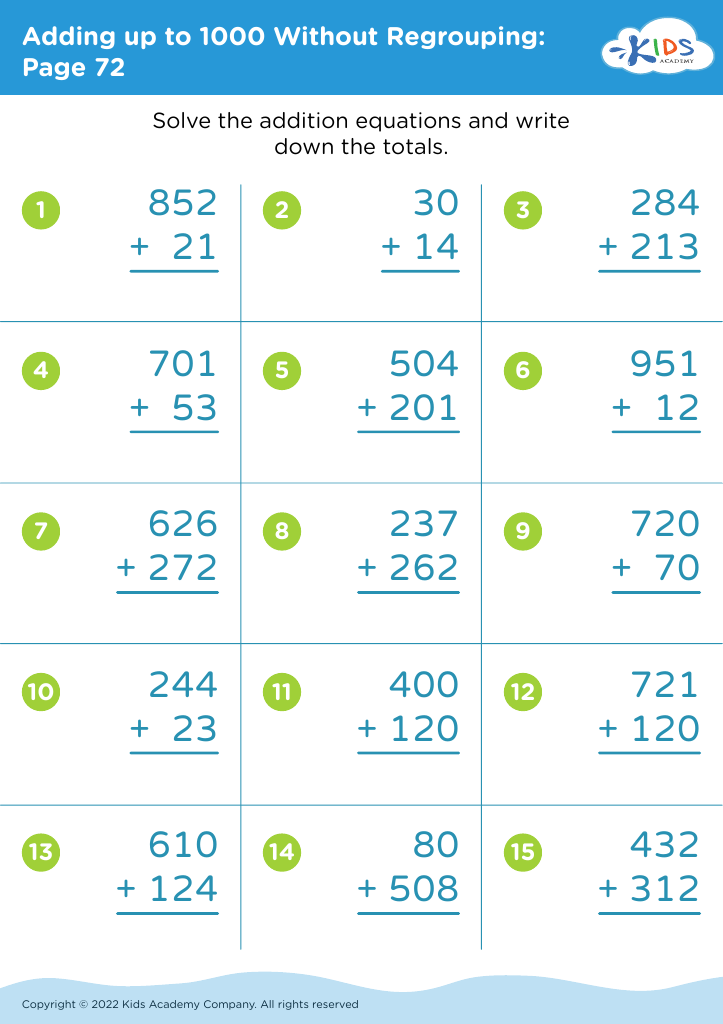









Developing logical thinking in young children, particularly through mathematics, is crucial for their overall cognitive growth and future academic success. For parents and teachers, fostering these skills from ages 3 to 8 lays the foundation for critical thinking, problem-solving, and reasoning. At this stage, children's brains are highly adaptable, making it an ideal time to introduce math concepts in a fun and engaging manner.
Logical thinking helps children understand patterns, sequences, and relationships, all of which are fundamental in mathematics. By learning to discern these concepts early, children gain confidence in tackling more complex ideas later on. Moreover, incorporating logical thinking through math encourages exploration and curiosity, setting the groundwork for a lifelong love of learning.
In addition to academic benefits, strong logical reasoning enhances social skills, as children learn to communicate their thought processes and collaborate with peers. This development creates resilient thinkers who can approach challenges systematically and innovatively. Ultimately, focusing on logical thinking in math not only prepares children for future studies but also equips them with essential life skills that contribute to their overall development and decision-making abilities. Therefore, both parents and teachers play a vital role in nurturing these skills during these formative years.








