Fine motor skills (writing) Math Worksheets for Ages 3-8 - Page 2
43 filtered results
-
From - To
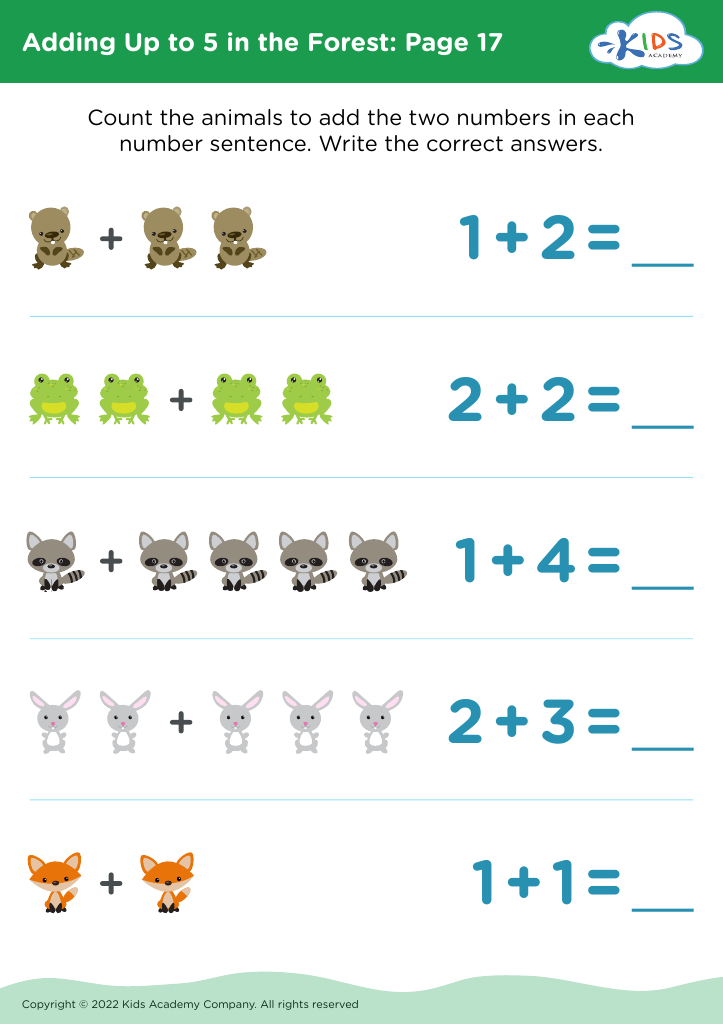
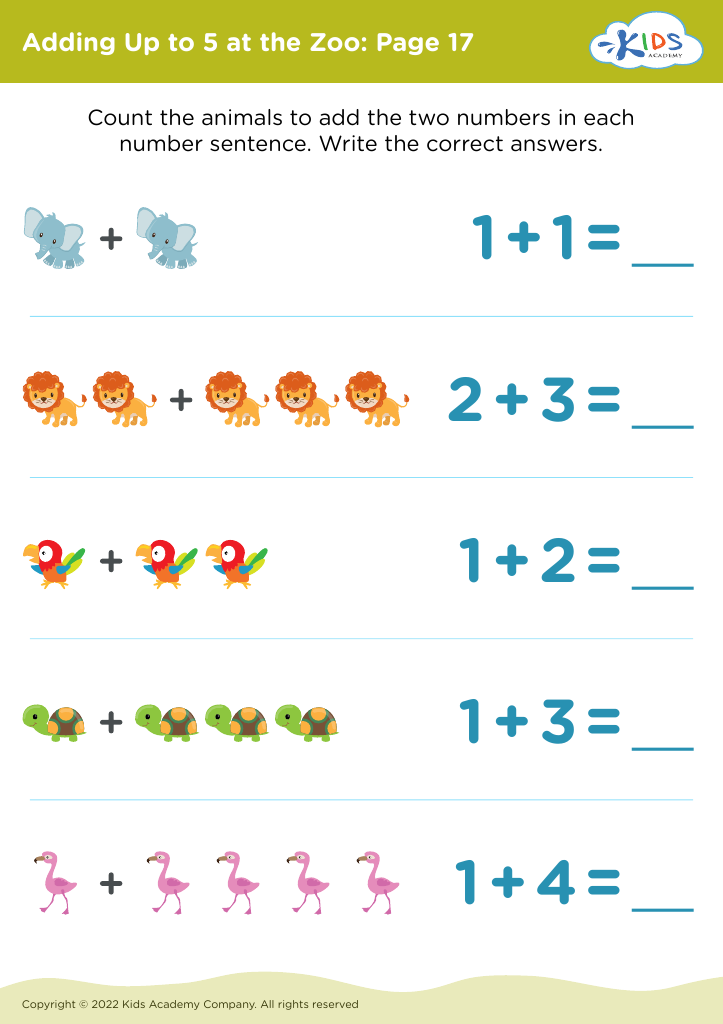
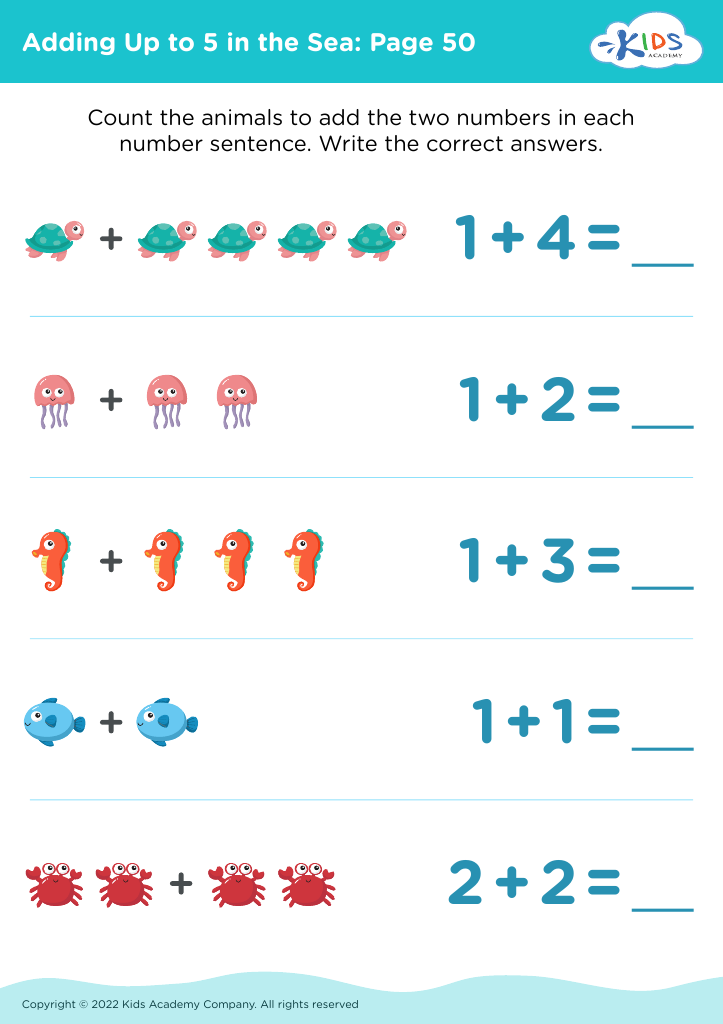
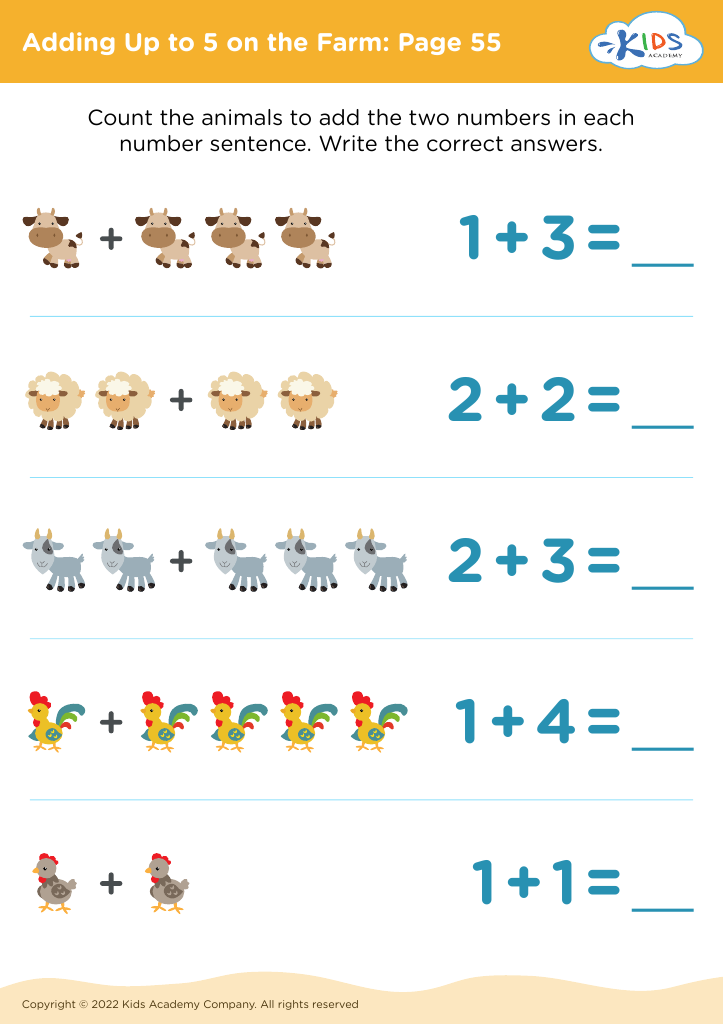
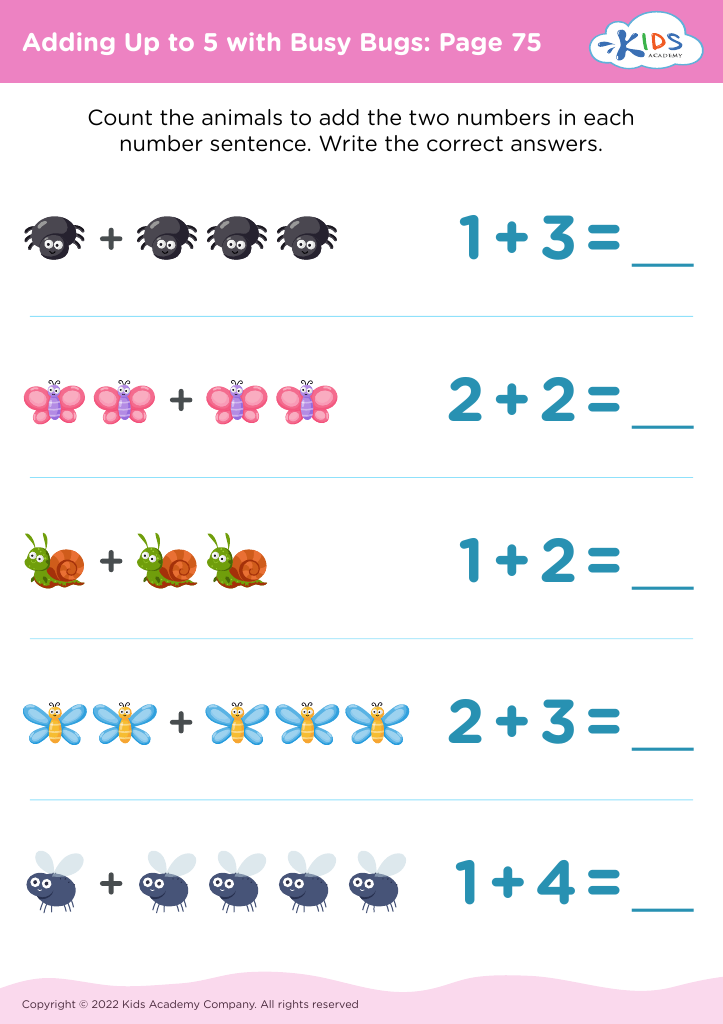
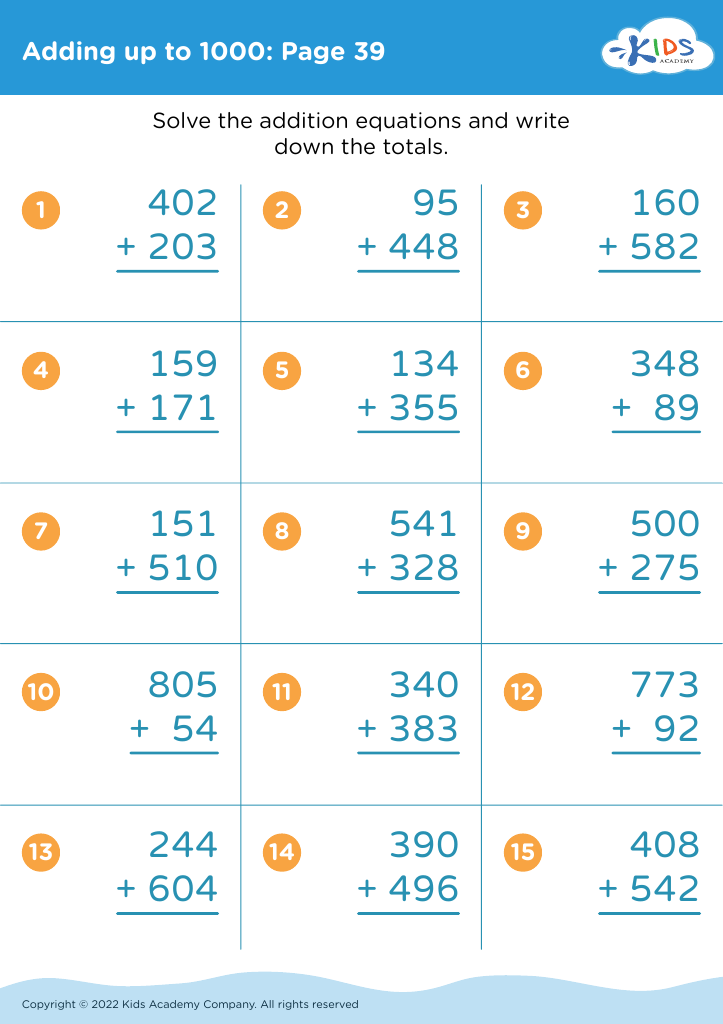
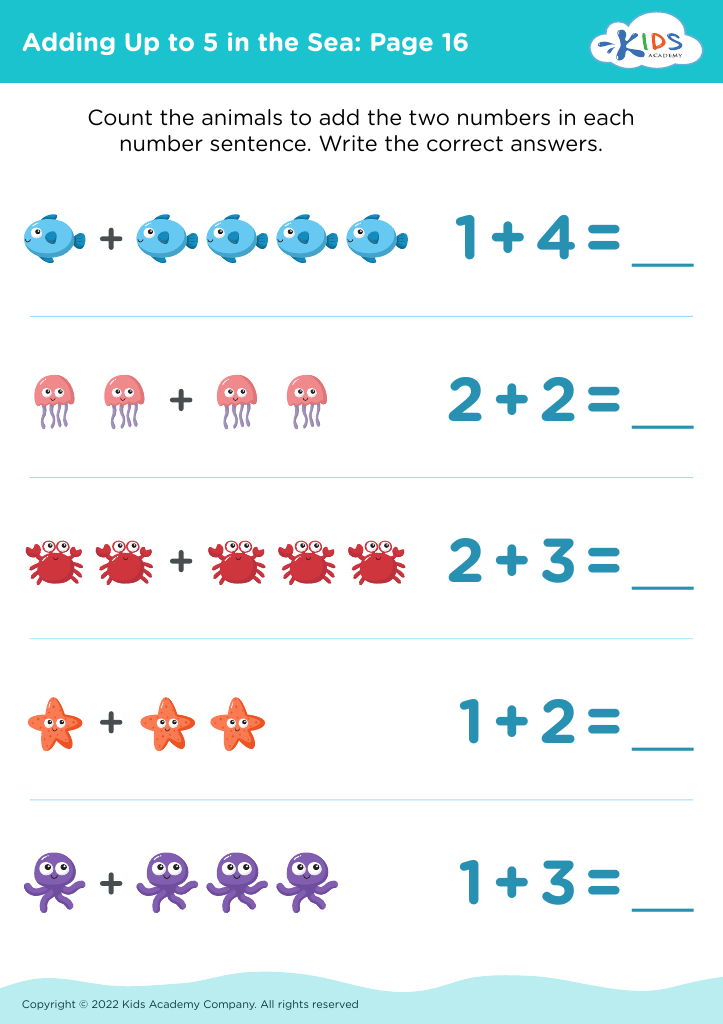
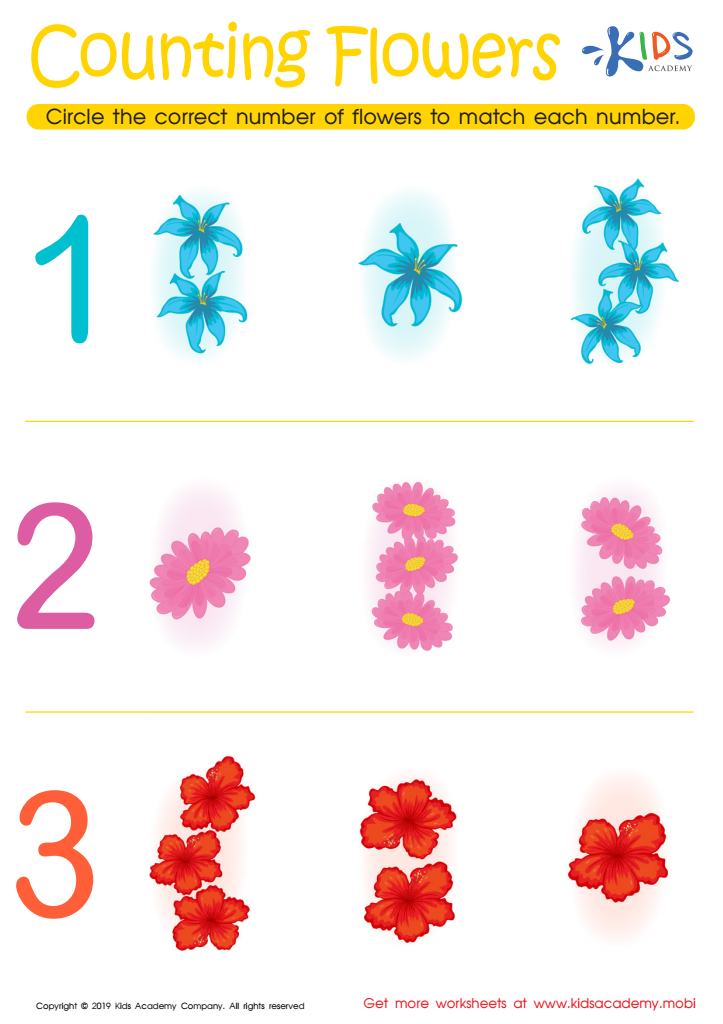
Counting Flowers Worksheet
 Assign to My Students
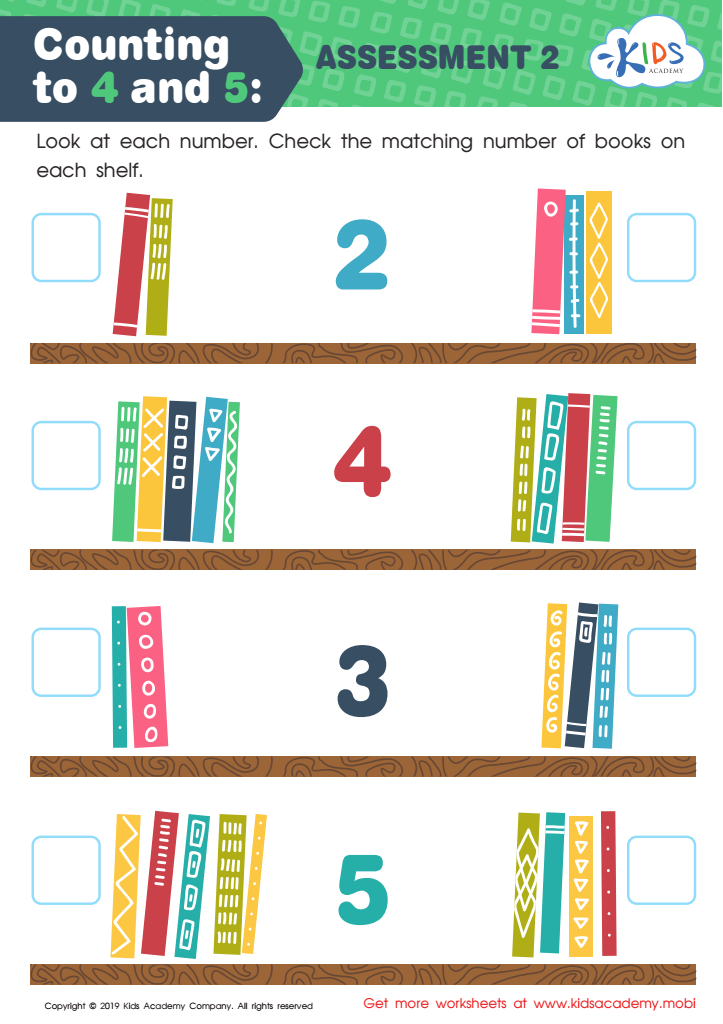
Counting to 4 and 5: Assessment 2 Worksheet








Fine motor skills are crucial for children's overall development, particularly in writing and mathematical activities. For ages 3-8, fine motor skills enhance children's ability to manipulate tools and materials, laying the foundation for effective writing. As children practice writing letters and numbers, their hand-eye coordination improves, enabling smoother and more accurate movements.
In math, fine motor skills play a significant role in number formation, shape recognition, and manipulatives use. Young children often learn mathematical concepts through tactile experiences, such as using blocks or fingers to count. Mastery of fine motor tasks helps them grip pencils and form shapes and numbers correctly, facilitating greater confidence in their abilities.
Furthermore, strong fine motor skills contribute to academic success by encouraging focus, concentration, and perseverance in challenges. Parents and teachers invested in supporting fine motor development can integrate engaging activities like coloring, cutting, and building, setting the stage for increased self-esteem and a love for learning.
Ultimately, fostering fine motor skills in early childhood not only enhances academic accomplishments in writing and math but also equips children with essential life skills, laying a foundation for future success in all areas of learning.








