
Improve number recognition Math Worksheets for Ages 3-8
15 filtered results
Difficulty Level
Grade
Age
-
From - To
Subject
Activity
Standards
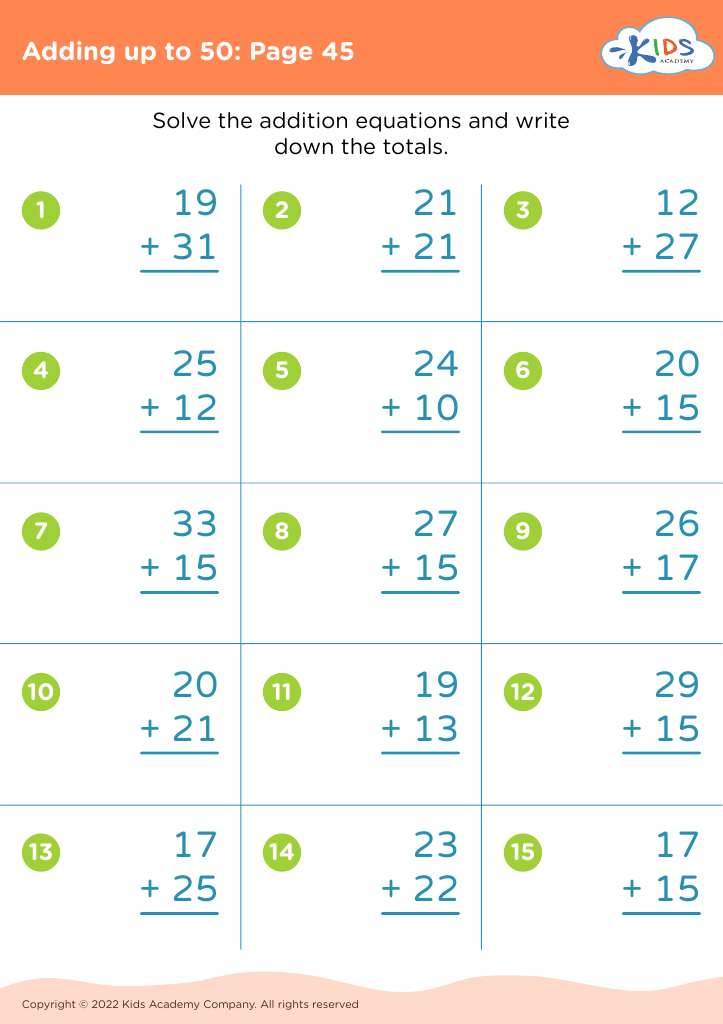
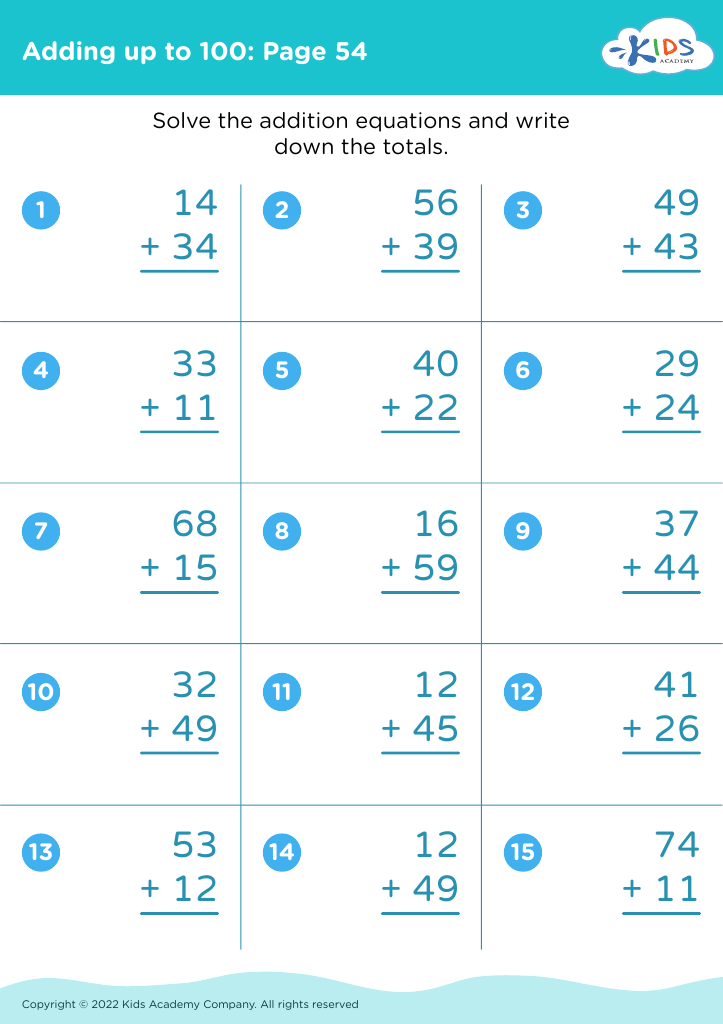
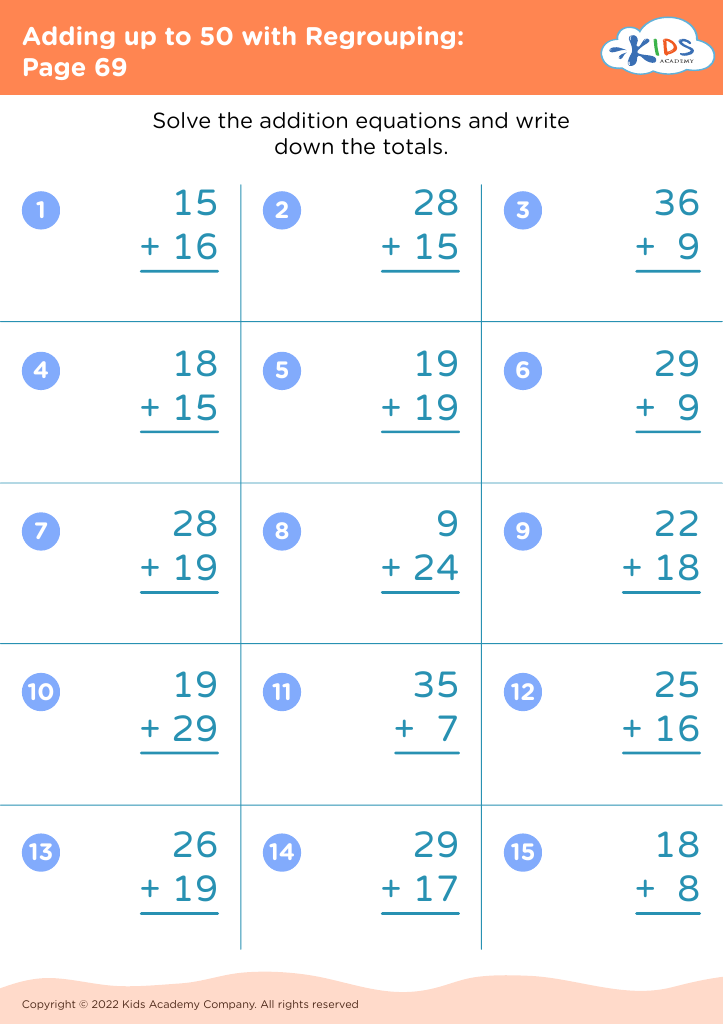
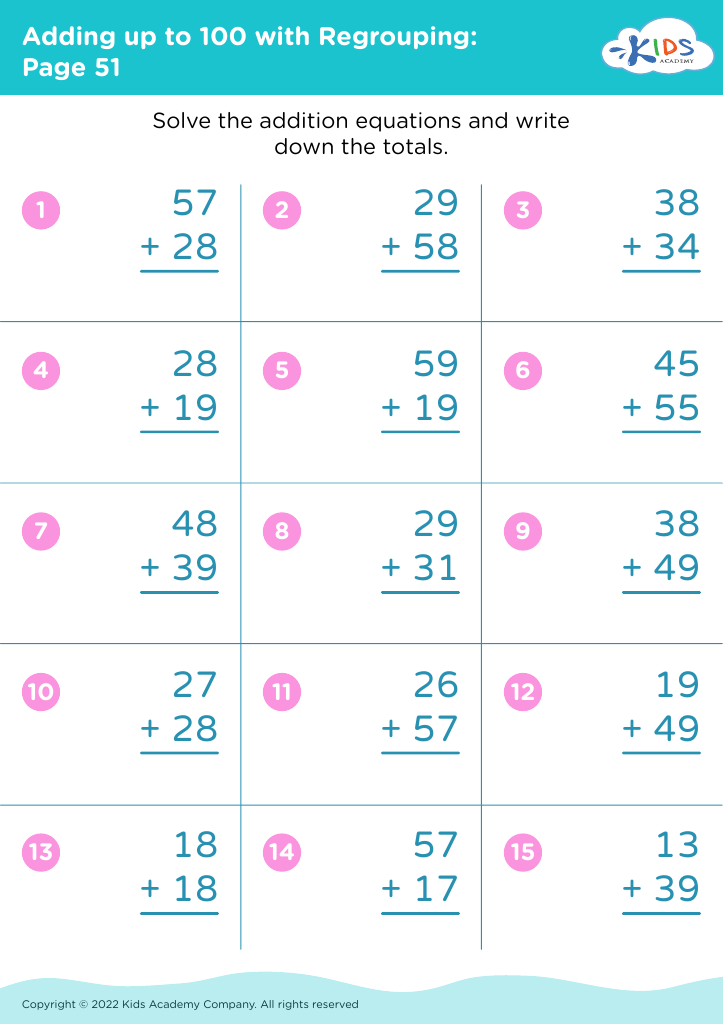
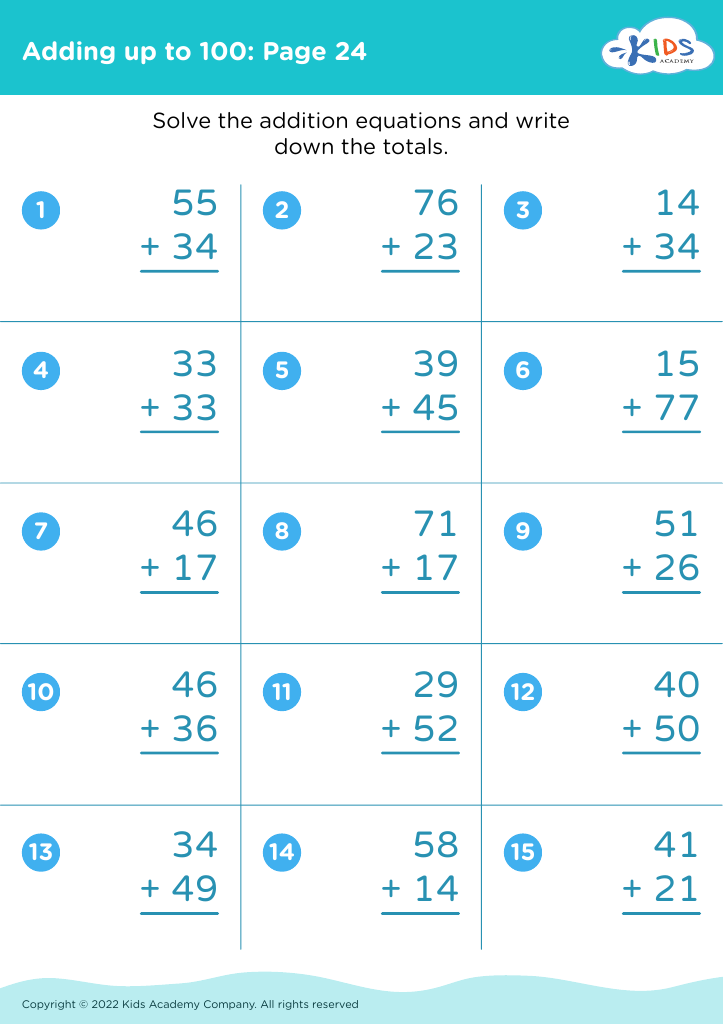
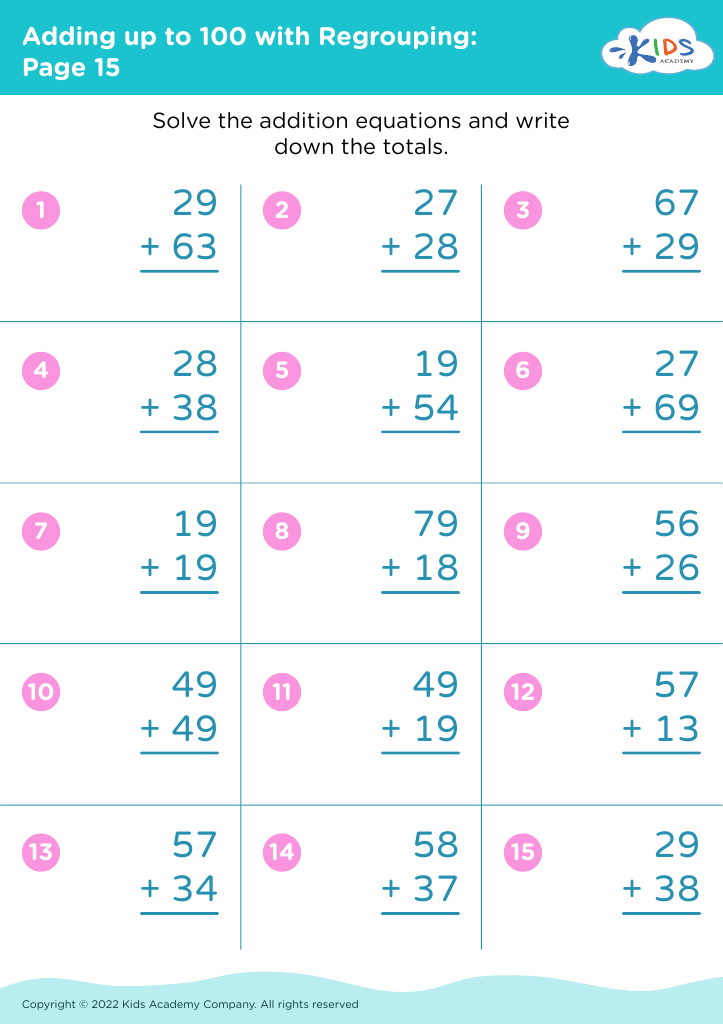
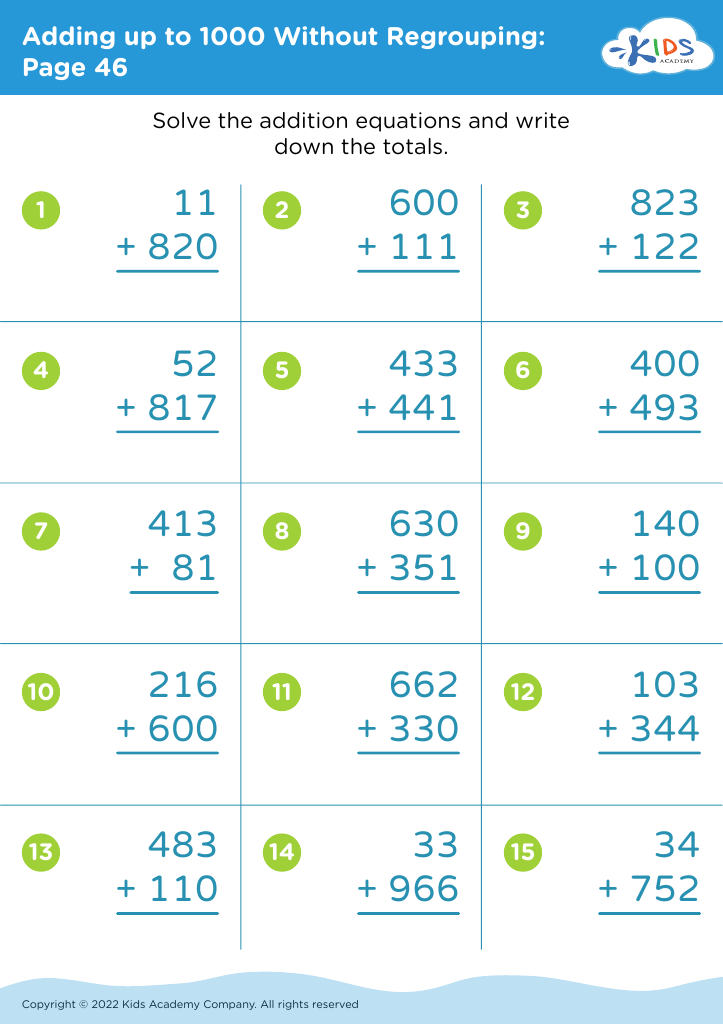
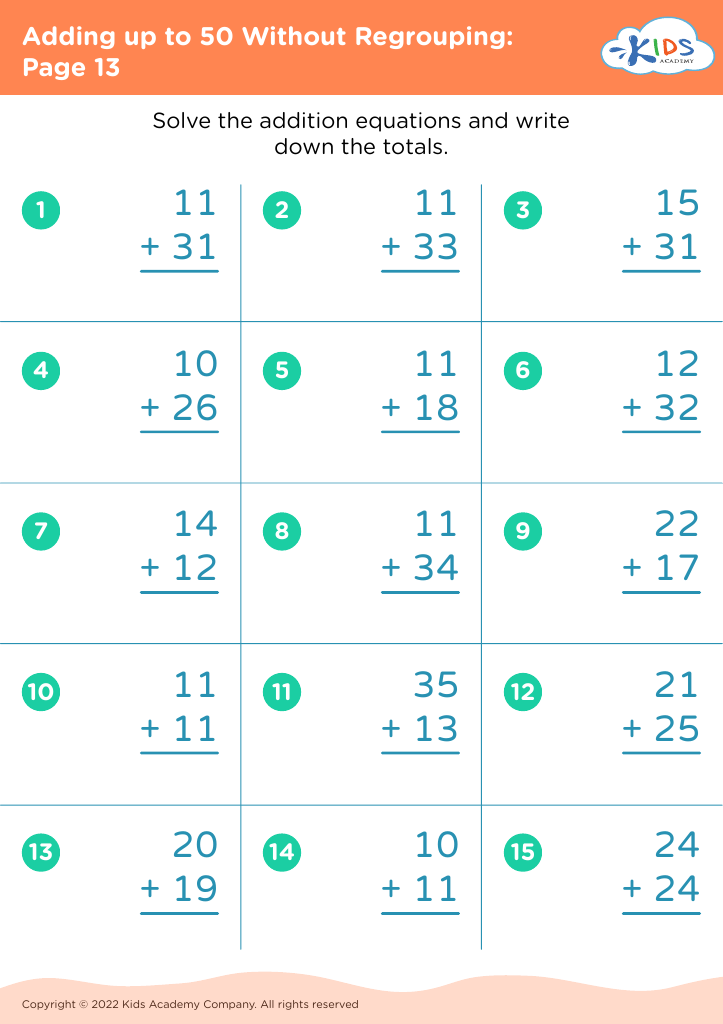
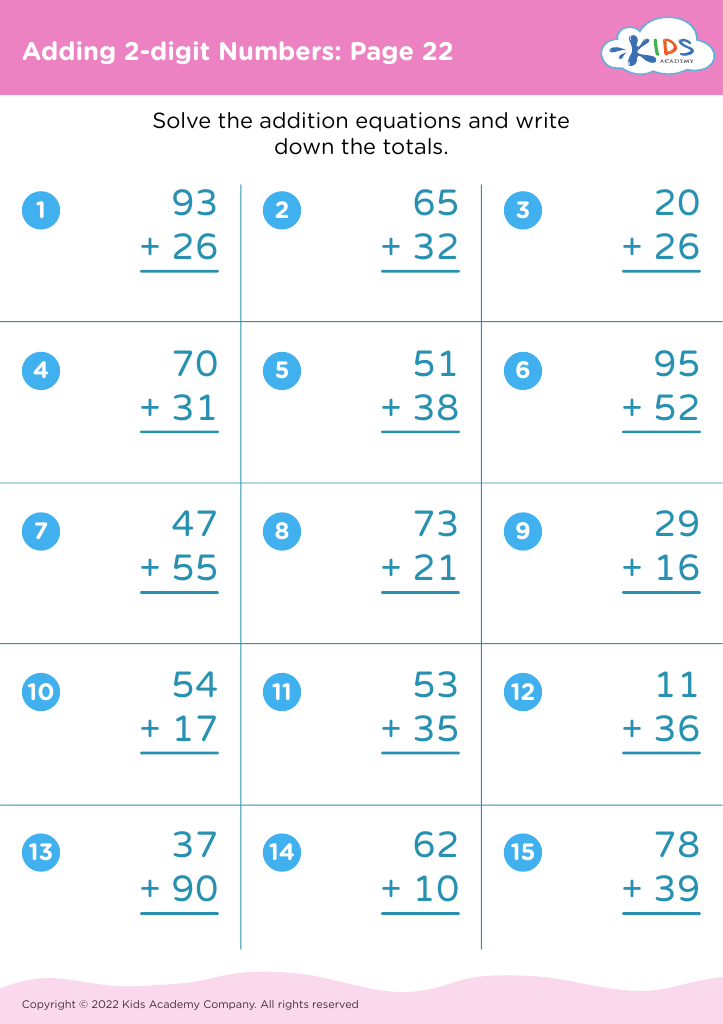
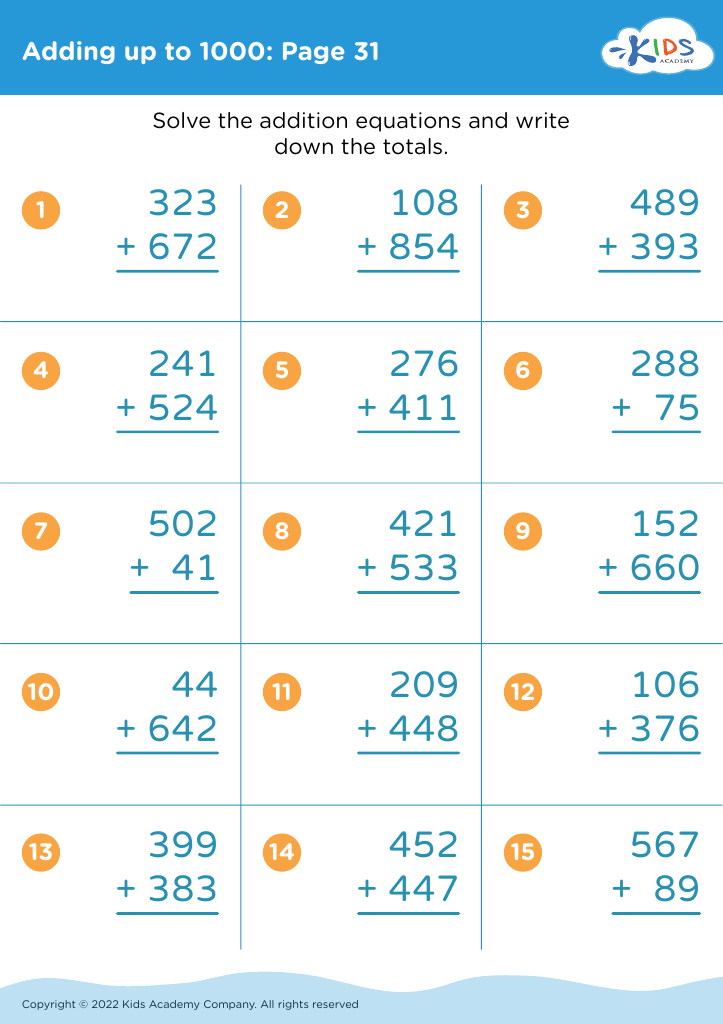
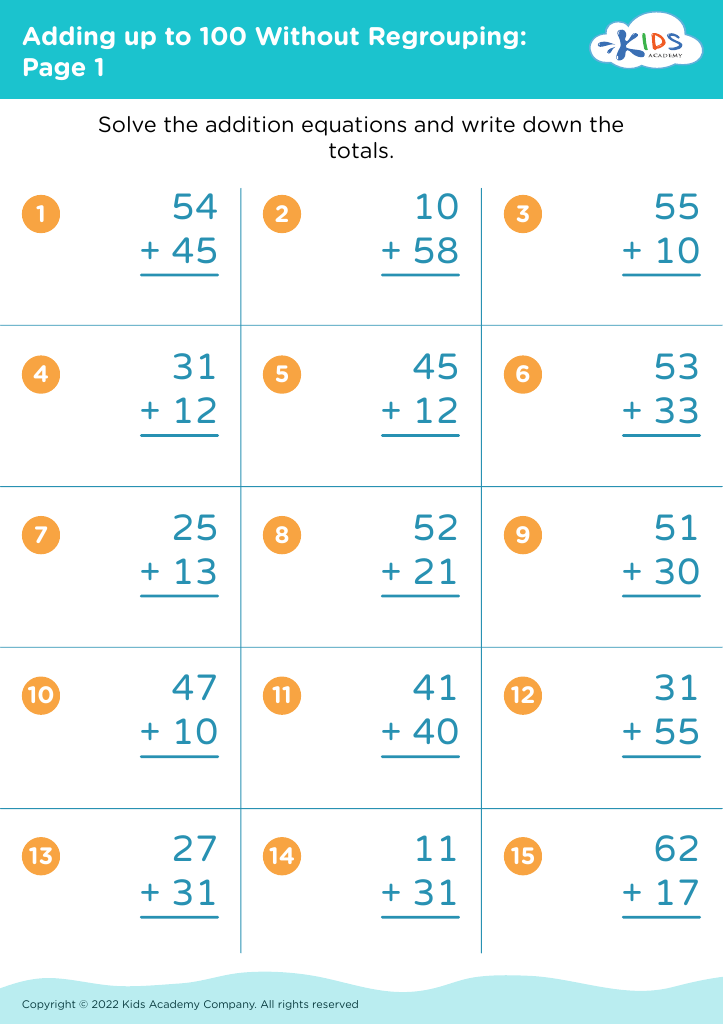
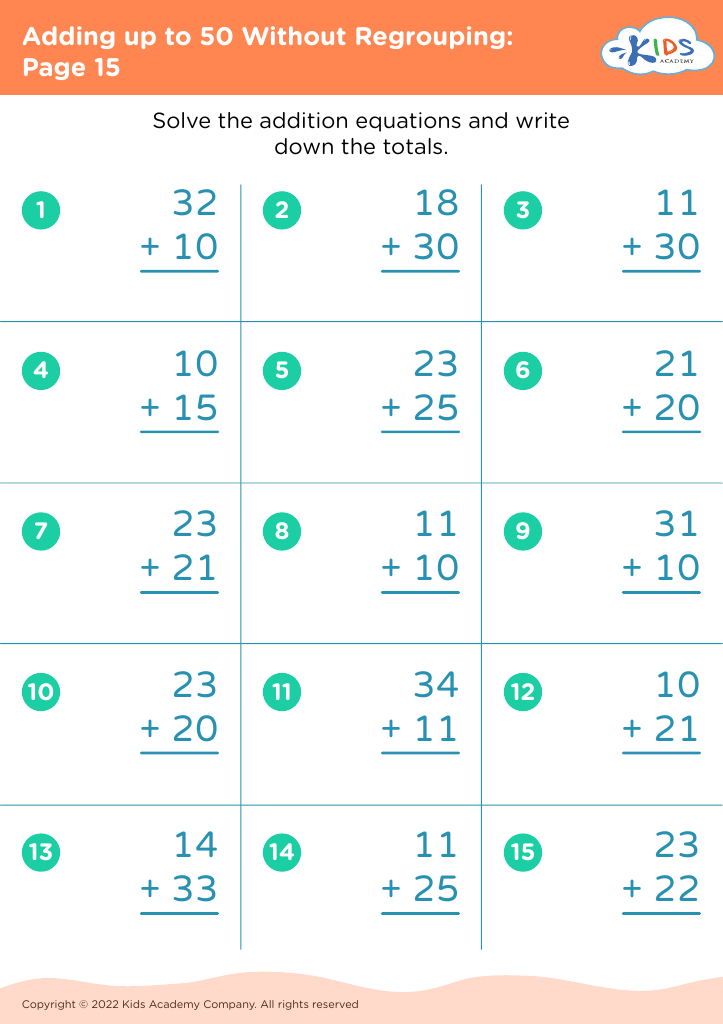
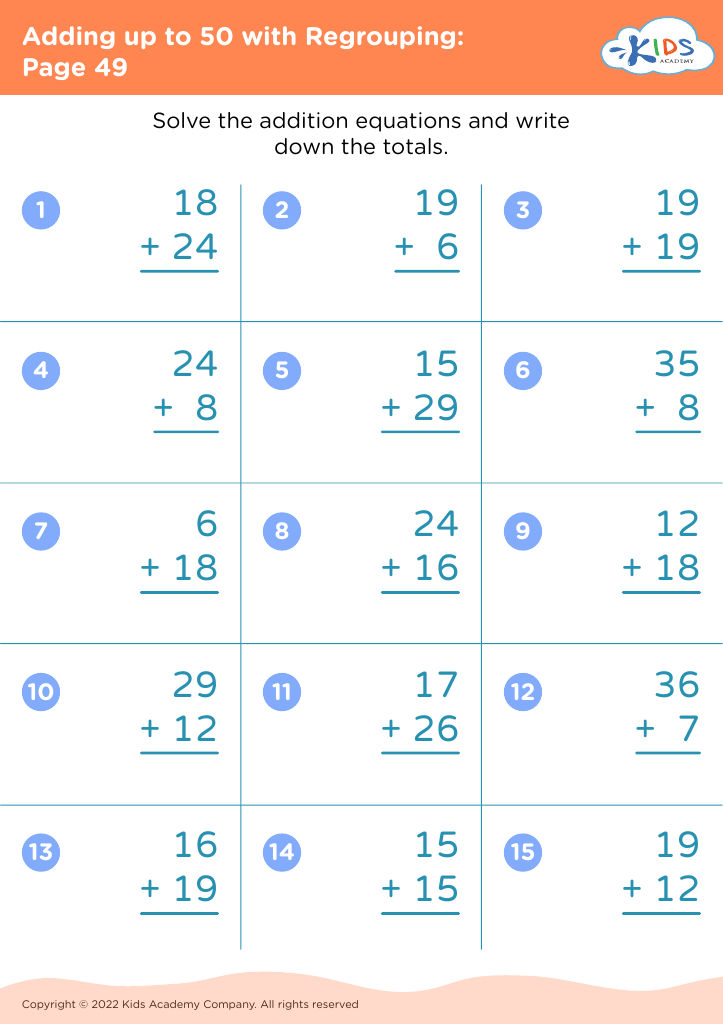
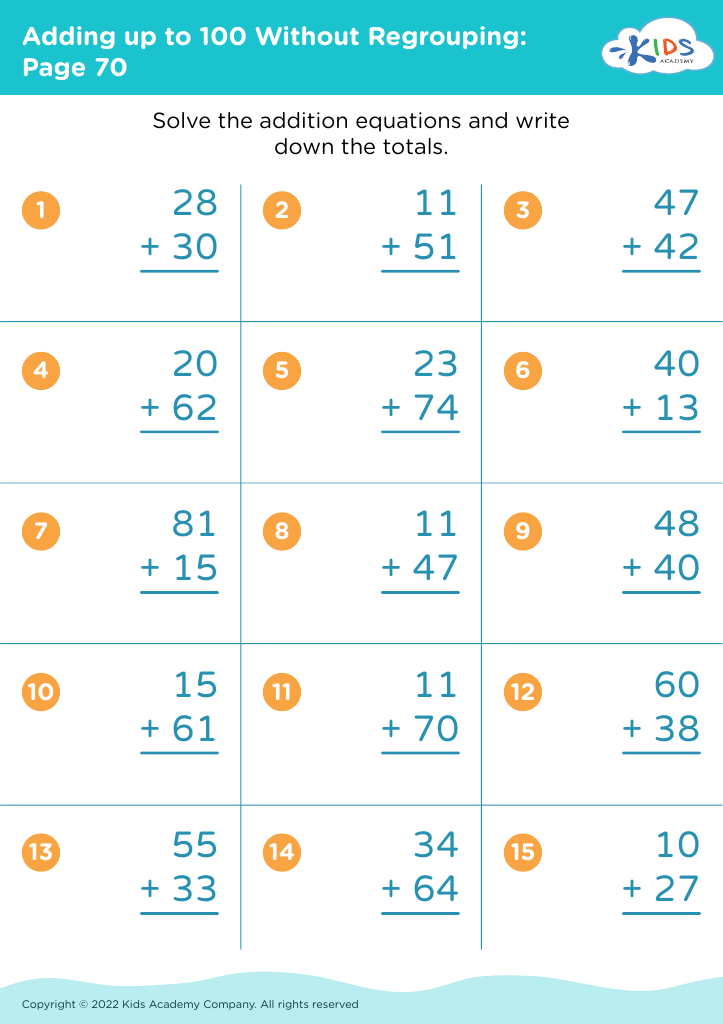
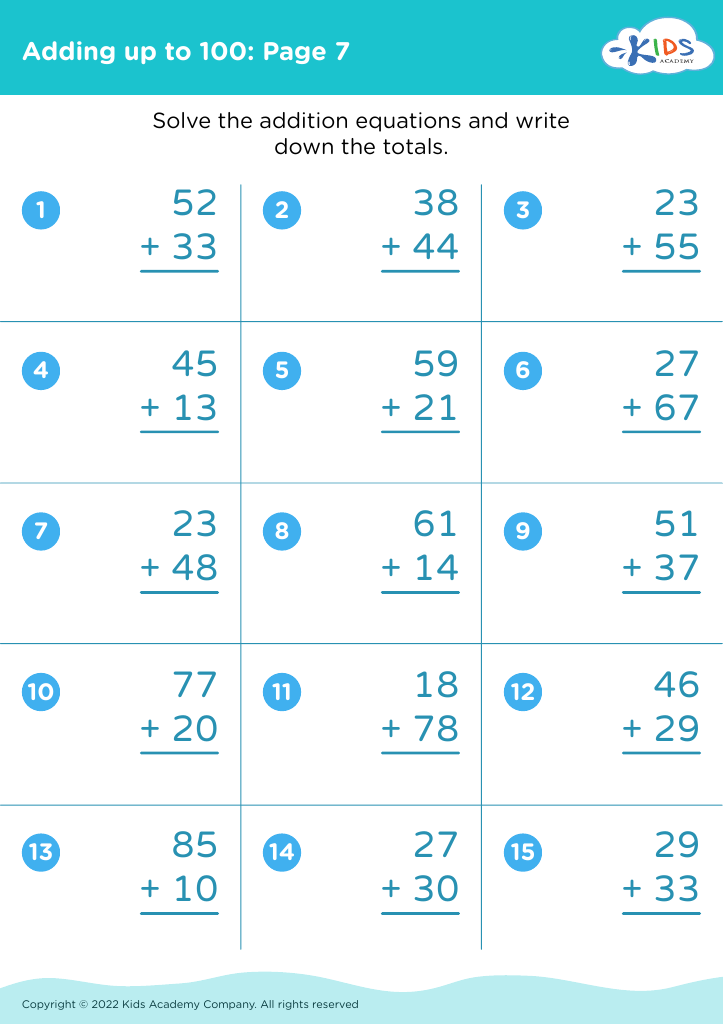
Boost your child’s numerical skills with our "Improve Number Recognition Math Worksheets for Ages 3-8." Designed specifically for young learners, these engaging worksheets enhance number identification, counting, and basic math concepts. Our fun and interactive exercises feature colorful designs and varied activities to captivate your child's attention, making learning enjoyable. Perfect for preschoolers and early elementary students, these resources build a strong foundation in mathematics. Whether at home or in the classroom, our worksheets support your child’s journey toward math proficiency. Give your child the tools they need to succeed in math with our expertly crafted worksheets.
Favorites
With answer key
Interactive
Join Kids Academy for Free
Who is primarily going to use this learning content?







.jpg)
Improving number recognition in children aged 3-8 is vital for their overall academic development. Early number recognition forms the basis of numeracy skills, which are necessary for understanding more complex mathematical concepts later in life. If children can easily recognize and understand numbers, they can better grasp addition, subtraction, and eventually, more advanced mathematical operations.
For parents and teachers, focusing on number recognition helps children to not only succeed in math but also in everyday activities that require numerical understanding, such as telling time, counting money, or measuring quantities in cooking and game play. A solid foundation in number skills can boost children's confidence, reinforcing a positive attitude toward learning and problem-solving.
Starting early helps in identifying potential difficulties and allows for timely intervention. It prevents children from falling behind and becoming frustrated with math, which is essential for maintaining enthusiasm and motivation. Educators and parents also benefit, as early math skills are strong predictors of future achievement not just in mathematics, but across various school subjects.
By investing time and resources into improving number recognition at these formative ages, we can better prepare children for academic success and everyday life.








