Improve vocabulary Math Worksheets for Ages 3-8
3 filtered results
-
From - To
Enhance your child's mathematical vocabulary with our engaging Math Worksheets, designed specifically for ages 3-8. These worksheets make learning fun while helping young learners develop essential language skills intertwined with math concepts. From fundamental terms to problem-solving language, our resources foster both vocabulary building and numerical understanding. Each worksheet features vibrant illustrations and interactive exercises that capture attention and promote active learning. Empower your child to express mathematical ideas confidently as they explore numbers, shapes, and equations through language. Start your journey to improving vocabulary and math skills with our expertly crafted worksheets today! Essential for playful, hands-on education at home or in the classroom!
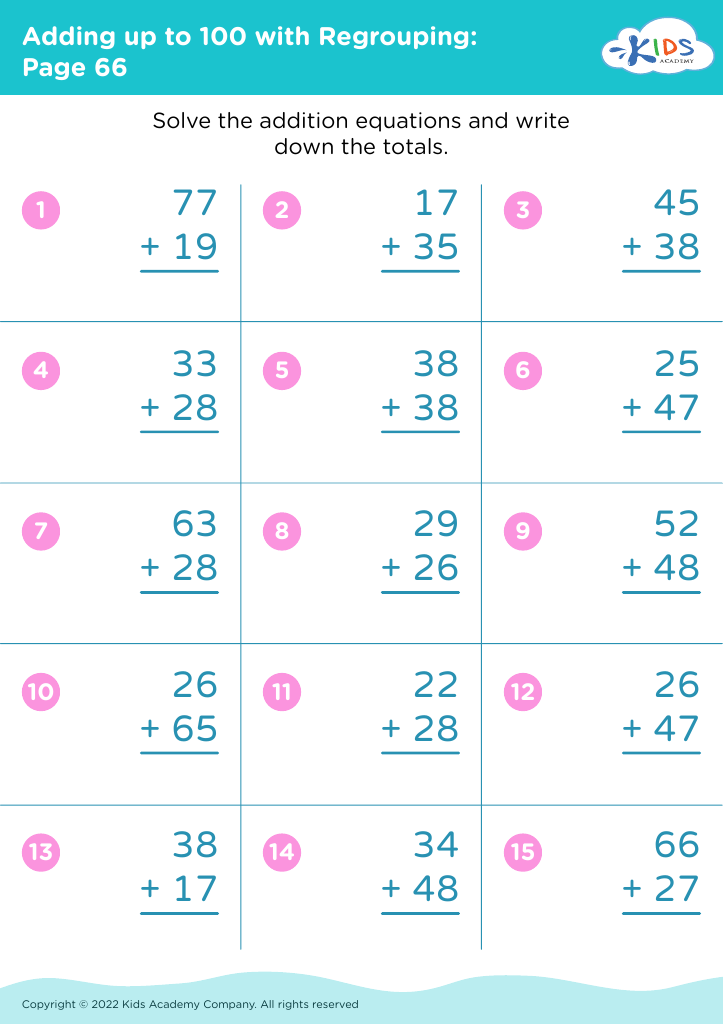
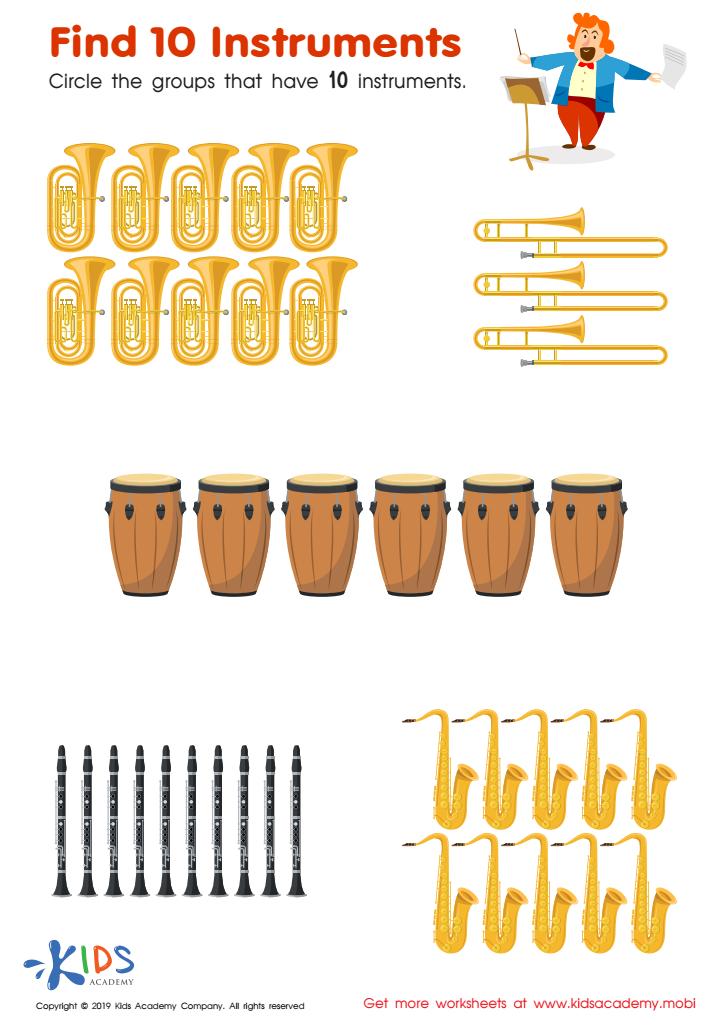
Find 10 Instruments Worksheet
 Assign to My Students


.jpg)





Developing a strong mathematical vocabulary for children aged 3-8 is crucial for their overall cognitive development and academic success. A rich vocabulary helps young learners understand mathematical concepts, communicate their thoughts effectively, and solve problems with confidence. When teachers and parents prioritize vocabulary improvement in math, they open up avenues for children to express their ideas and explore mathematical relationships.
By teaching specific terms such as “addition,” “subtraction,” “more than,” “less than,” and “equal,” children can grasp the underlying concepts rather than just memorize procedures. This not only aids in comprehension but also lays a foundational understanding that supports their future learning. A well-developed math vocabulary allows children to engage more meaningfully in discussions about numbers, shapes, and patterns, fostering critical thinking skills.
Moreover, early exposure to math vocabulary positively influences children's performance in standardized tests and assessments. As they transfer their mathematical language skills across subjects, it strengthens their overall literacy and cognitive abilities. Involving parents at home, through games and discussions that incorporate math vocabulary, enhances this learning experience. Ultimately, a focus on improving vocabulary in math contributes to more confident and capable learners, setting them up for success throughout their educational journey.








