Improving fine motor skills Math Worksheets for Ages 3-8
3 filtered results
-
From - To
Discover our carefully crafted "Improving Fine Motor Skills Math Worksheets for Ages 3-8" at Kids Academy! These engaging and educational worksheets are designed to help young learners enhance their fine motor skills while mastering essential math concepts. Perfect for children ages 3 to 8, our worksheets blend tracing, drawing, cutting, and more to build hand-eye coordination, dexterity, and mathematical understanding. With vibrant visuals and fun activities, your child will stay motivated and excited to learn. Visit our website to explore a diverse collection of printable worksheets that support your child's academic and motor skill development today!
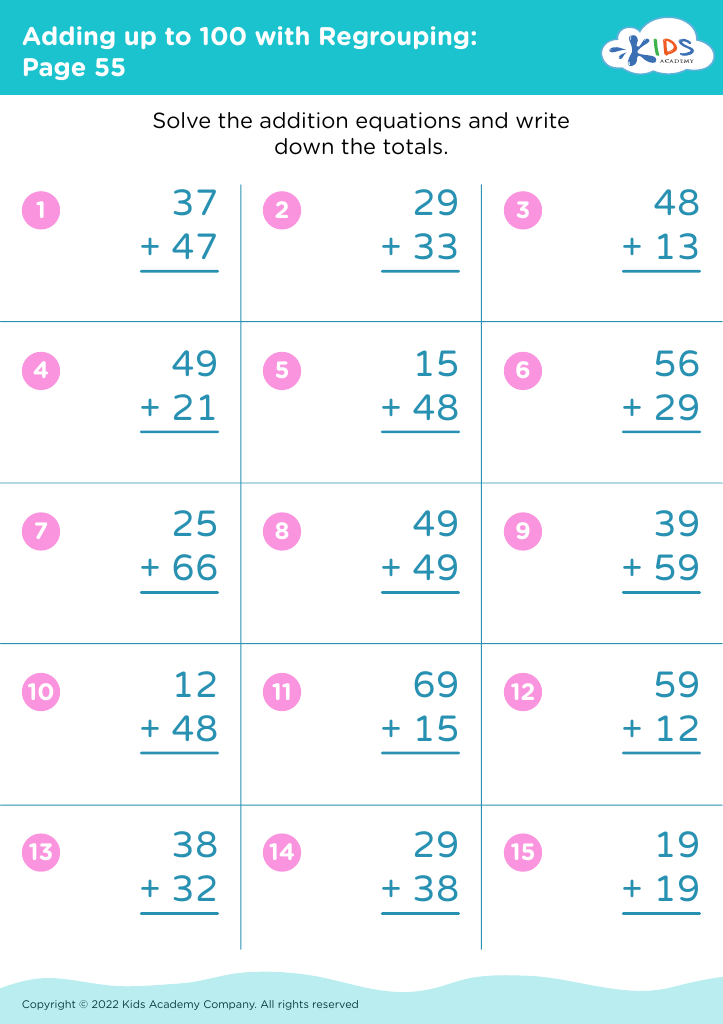
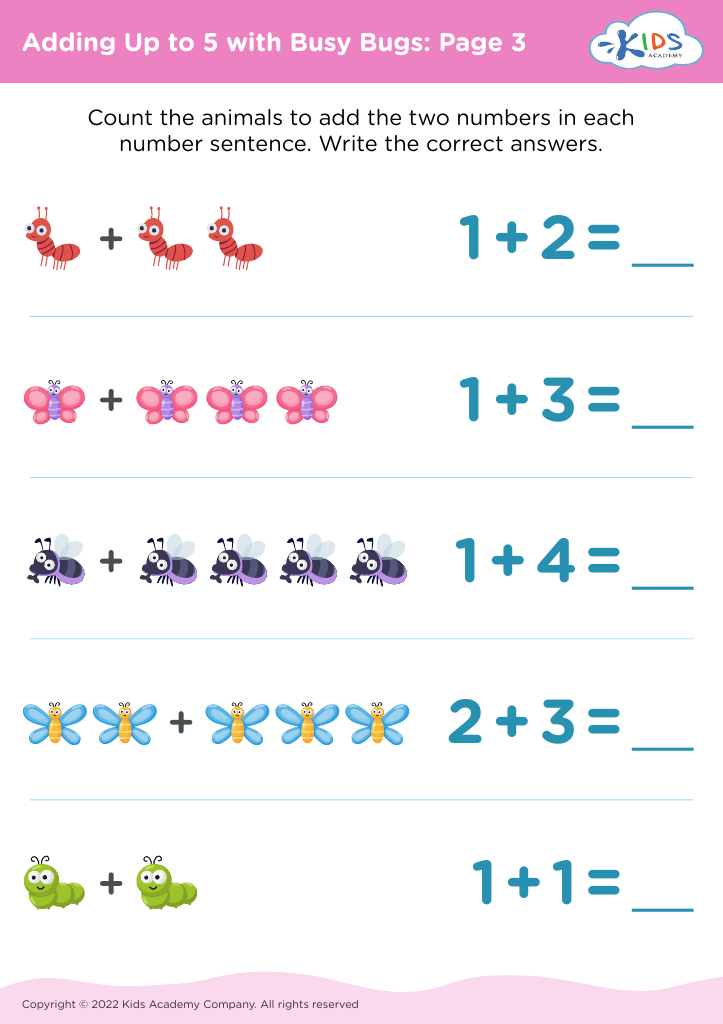
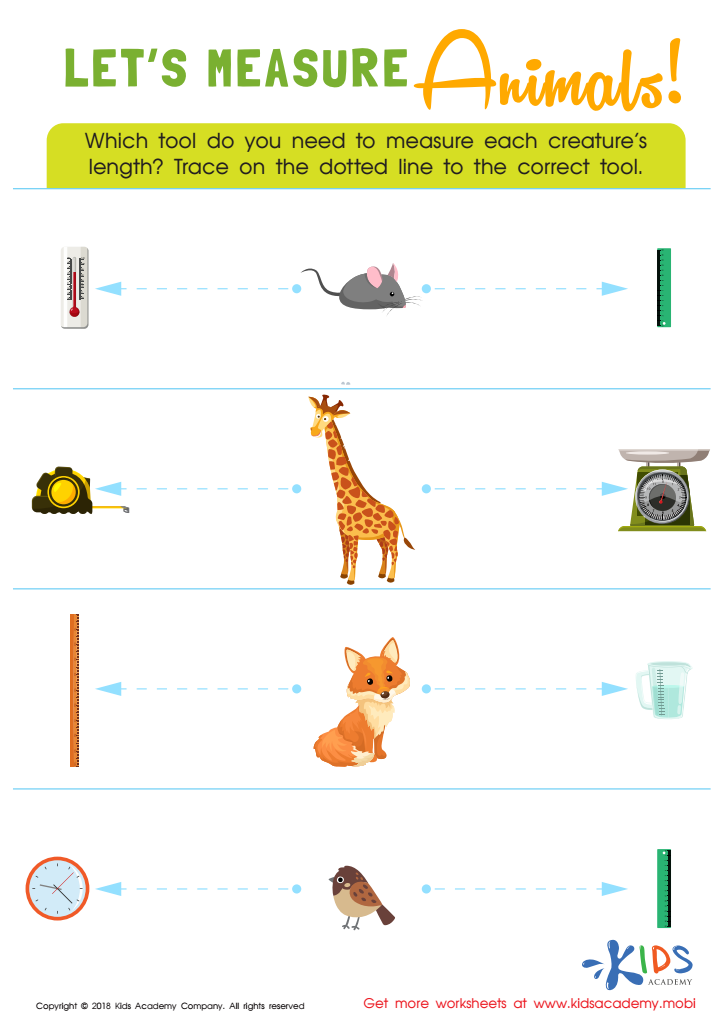
Let's Measure Animals! Worksheet
 Assign to My Students








Improving fine motor skills in children ages 3-8 is crucial because these skills form the foundation for various essential everyday activities and academic competencies, particularly in mathematics. Fine motor skills involve the coordination of small muscles in the fingers and hands, enabling children to perform precise movements. When fine motor skills are well-developed, children can more easily manipulate objects like pencils, scissors, and building blocks, which are frequently used in math-related tasks.
For example, tasks such as counting small objects, writing numbers, and arranging shapes involve fine motor coordination. When children struggle with these physical tasks, it can hinder their ability to focus on learning mathematical concepts. Additionally, fine motor skills contribute to better handwriting quality, which is important for note-taking and solving math problems in written form.
Beyond academics, fine motor skills also enhance a child's ability to carry out daily activities like dressing, eating, and personal hygiene independently. This boosts their confidence and sense of accomplishment. Therefore, parents and teachers should prioritize fine motor skills development to provide a solid foundation for both academic success and overall personal growth. Engaging children in fun, fine motor activities, such as puzzles, bead threading, or drawing, can make learning math a joyful and effective experience.








