Improving math skills Math Worksheets for Ages 3-8 - Page 2
43 filtered results
-
From - To
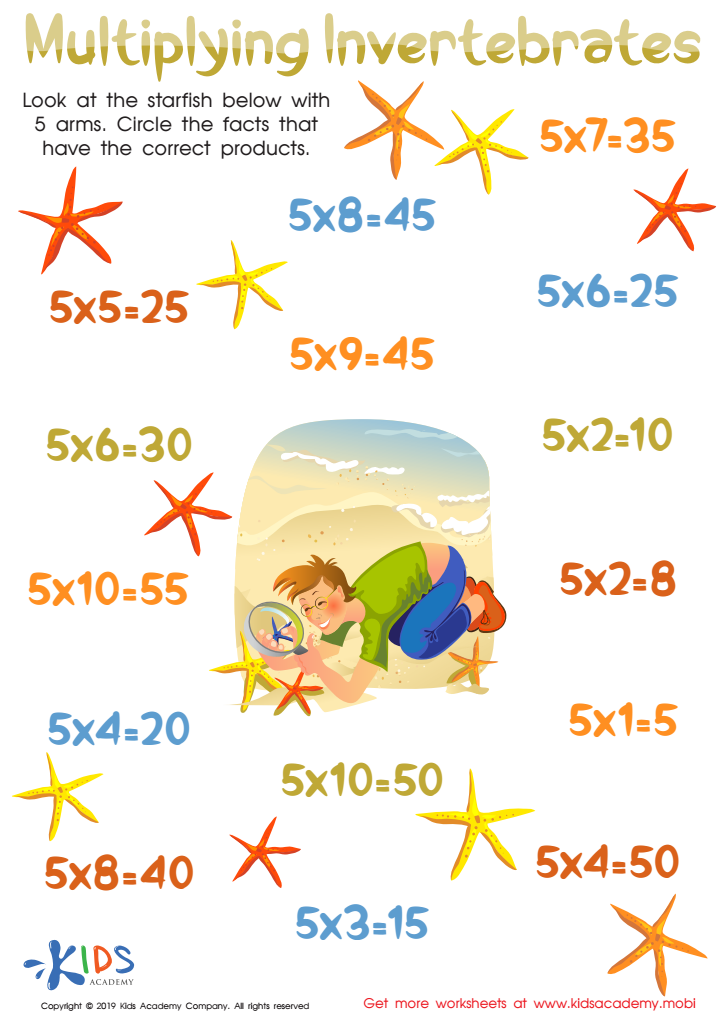
Multiplying Invertebrates Worksheet
 Assign to My Students
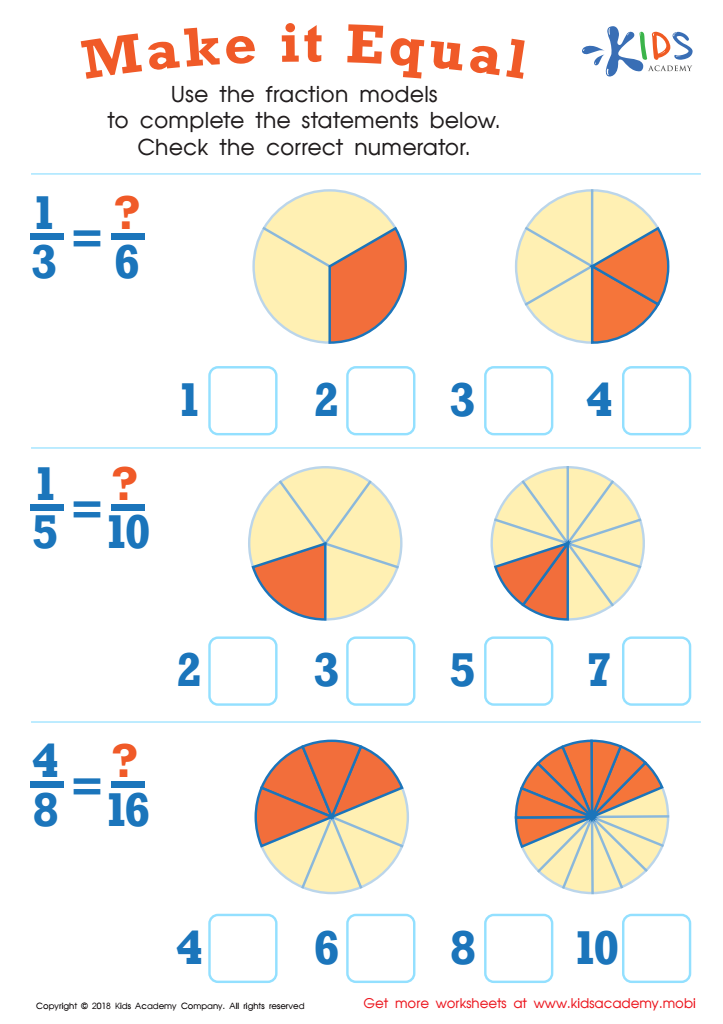
Make It Equal Worksheet
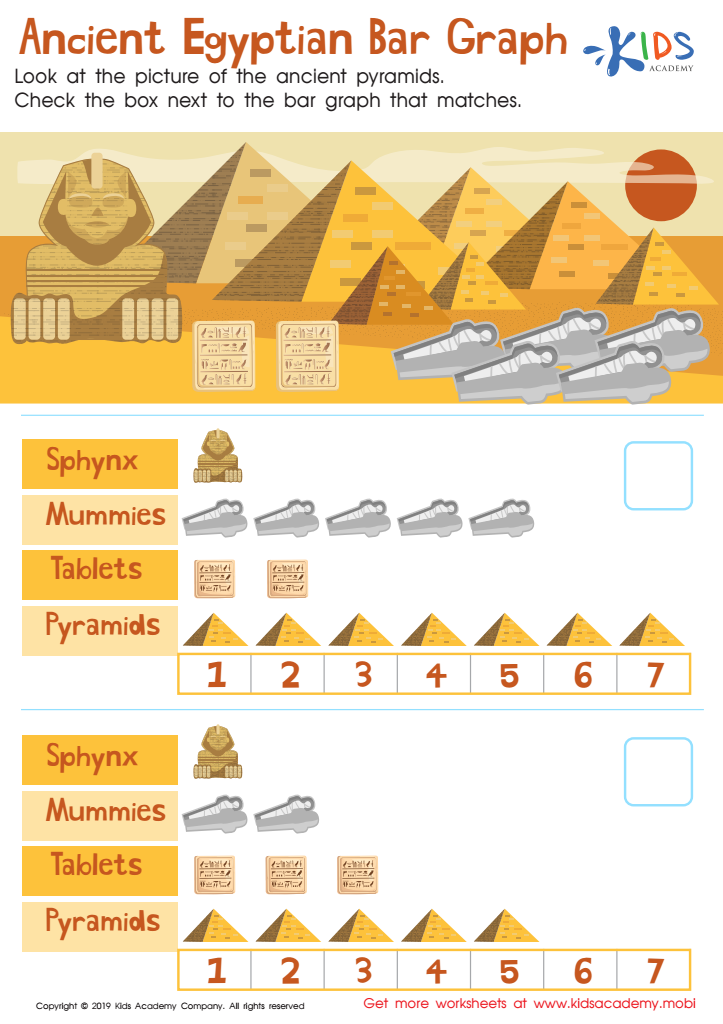
Egyptian Bar Graph Worksheet
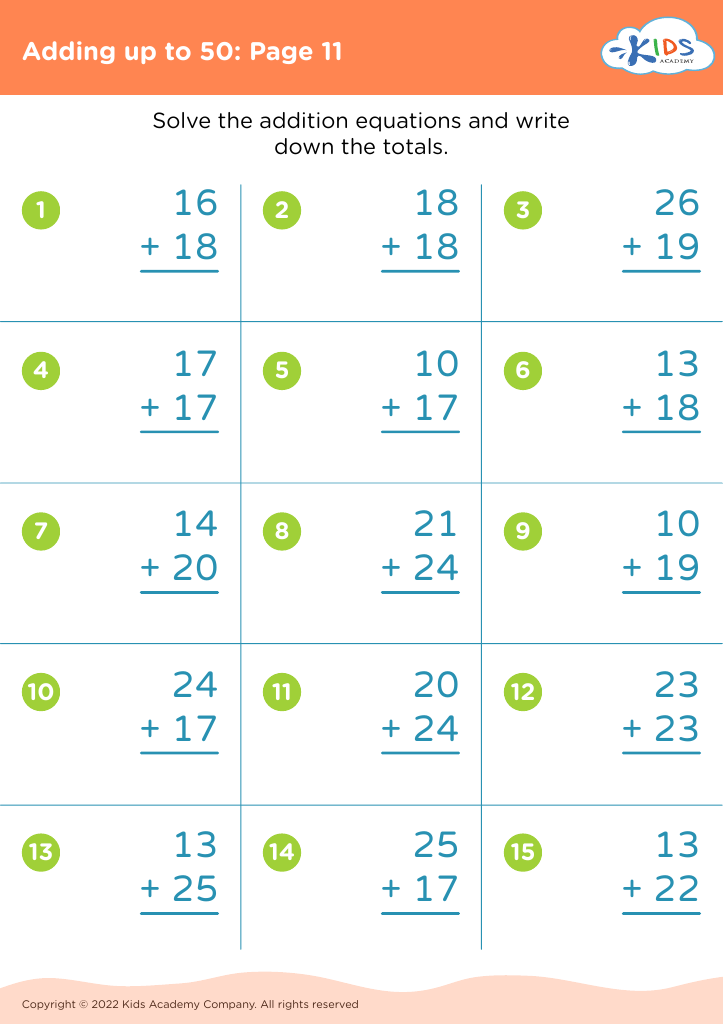
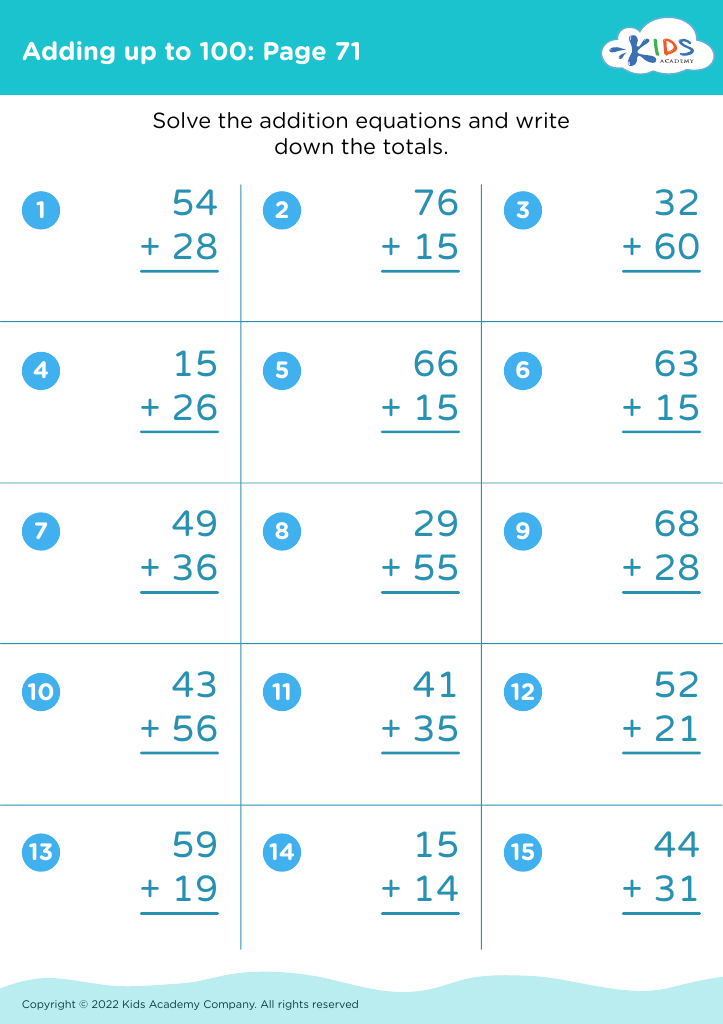
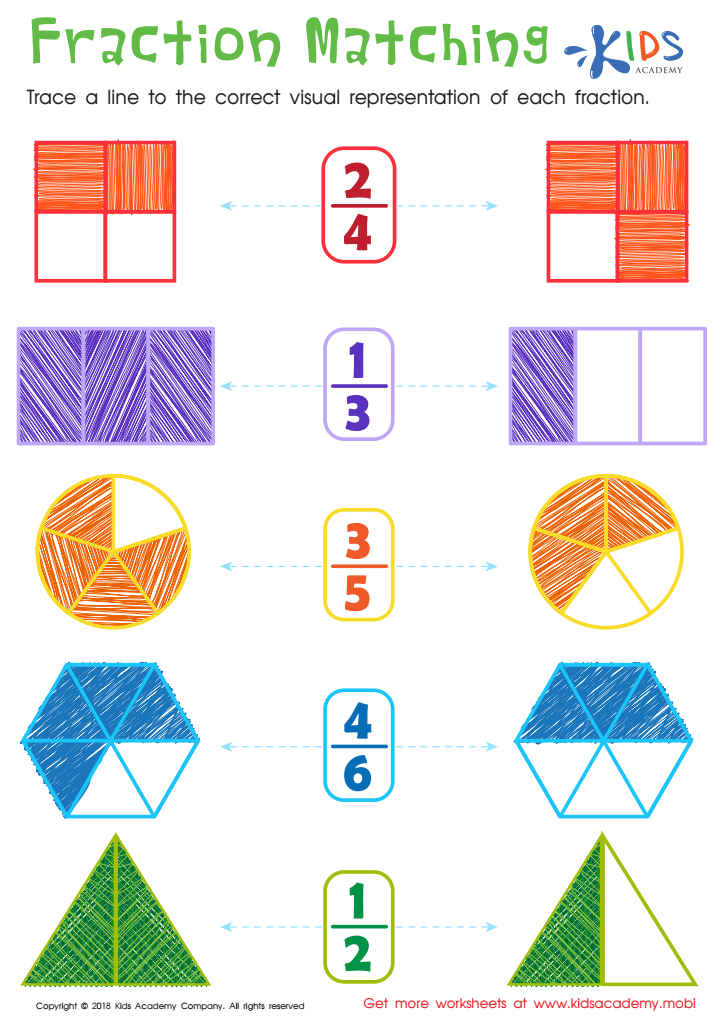
Fraction Matching Worksheet
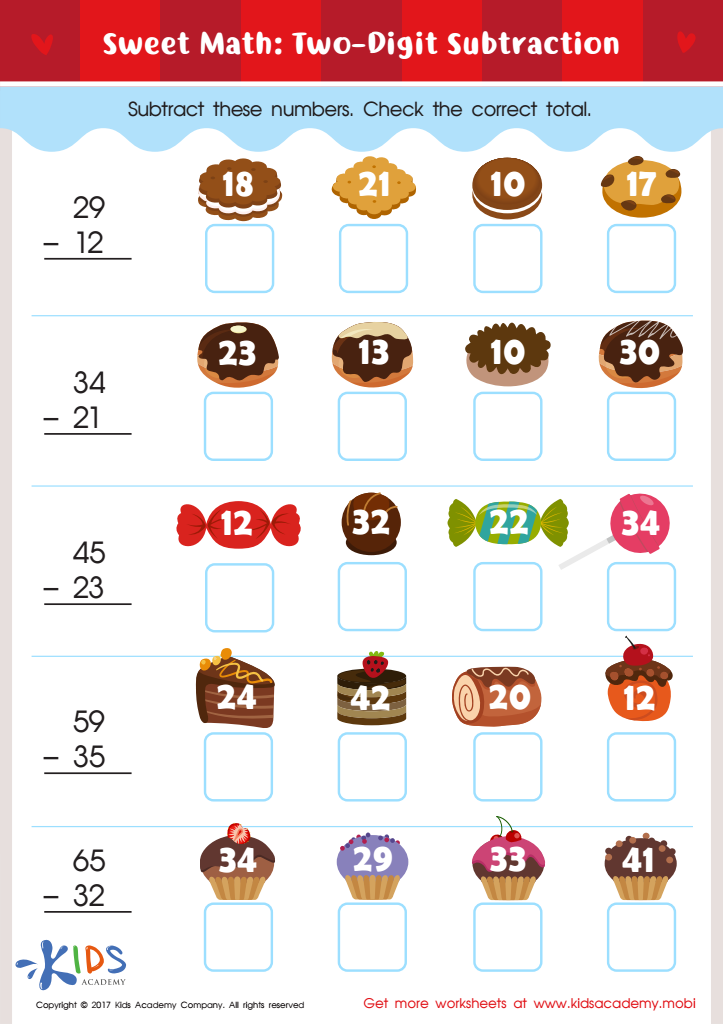
Two Digit Subtraction Worksheet
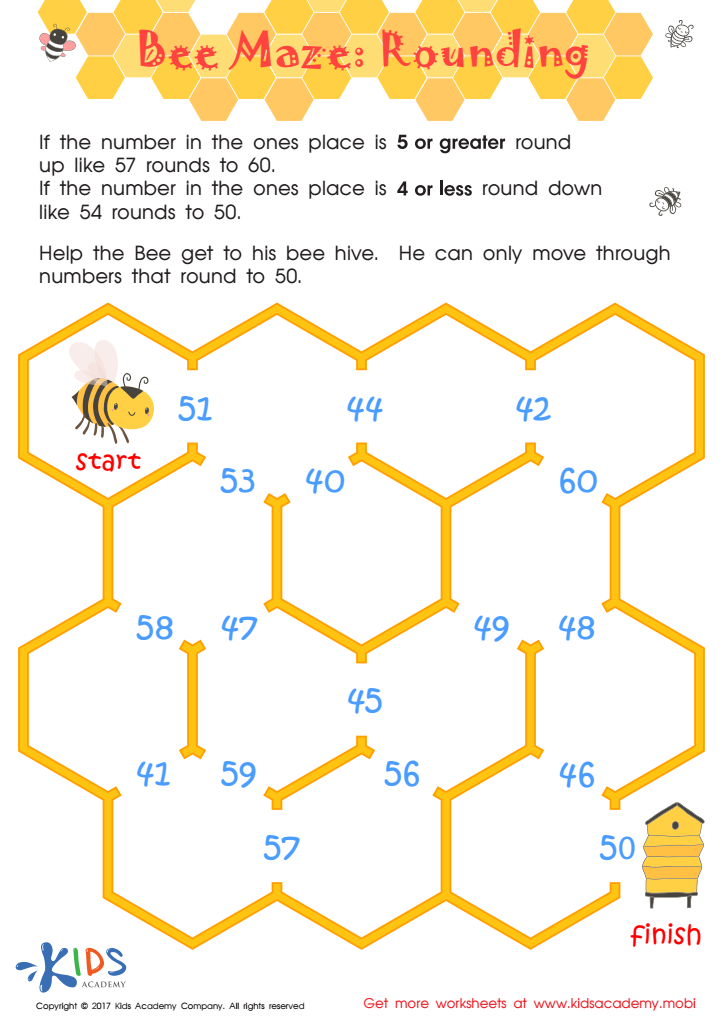
Bee Maze Worksheet
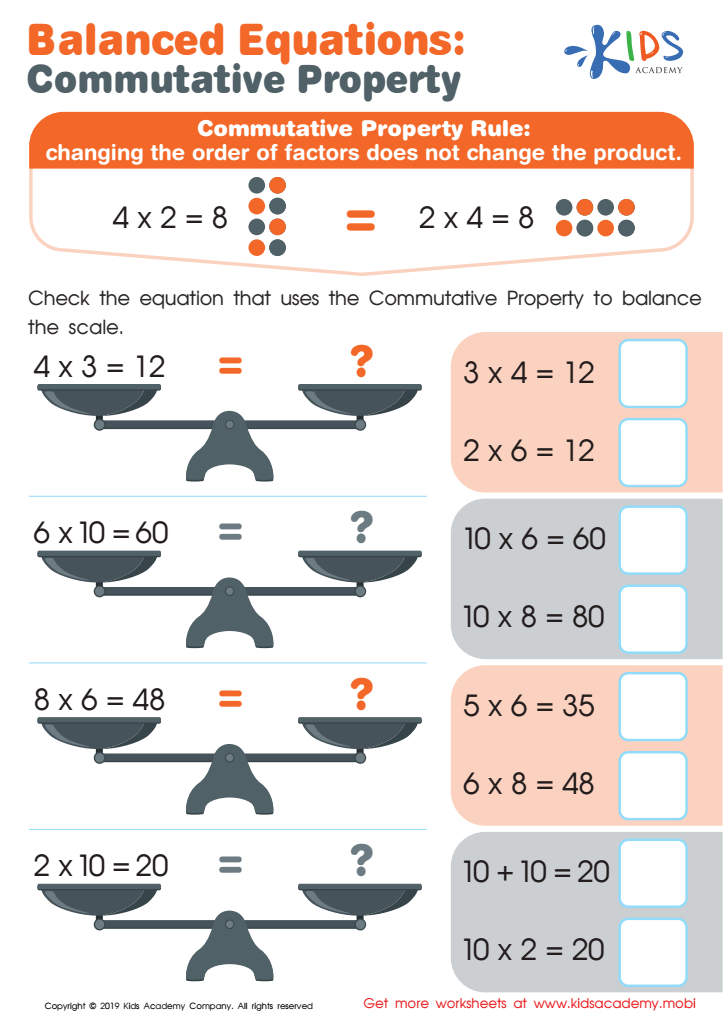
Balanced Equations: Commutative Property Worksheet
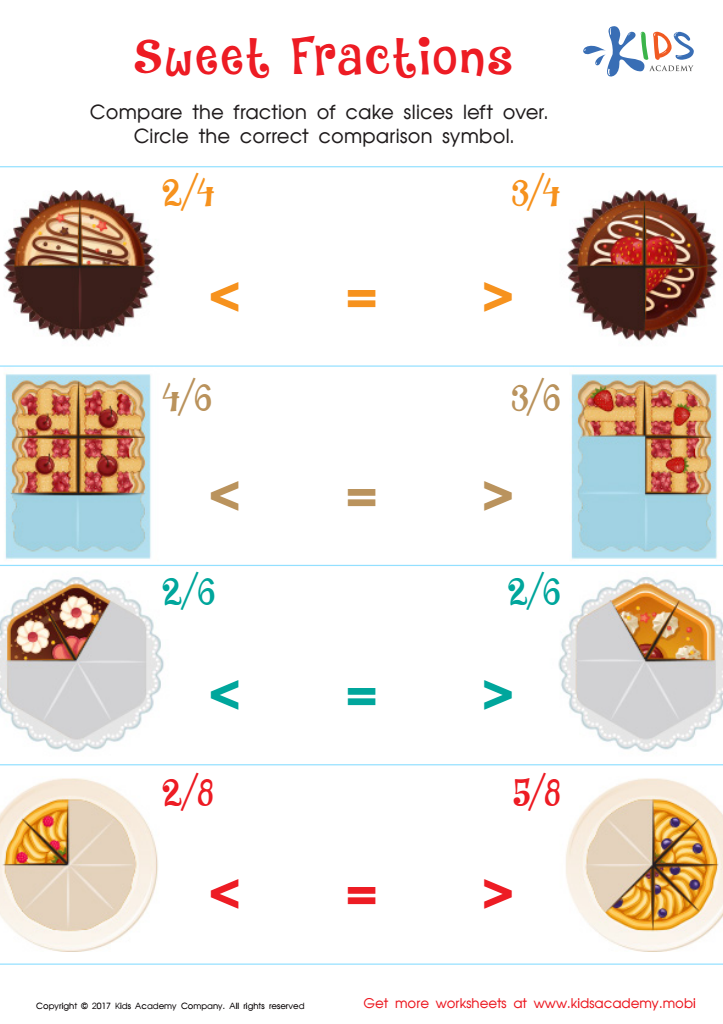
Compare Fractions Worksheet






.jpg)
Improving math skills for children aged 3 to 8 is essential for their overall development and future success. During these formative years, children are naturally curious and eager to engage in learning, making it an ideal time to instill a strong foundation in math. Early math skills, such as counting, recognizing patterns, and understanding basic operations, not only enhance cognitive abilities but also foster critical thinking and problem-solving skills.
Parents and teachers should care about improving these skills because they directly impact a child's confidence and competence in later academic pursuits. A solid mathematical foundation can lead to better performance in school, influencing opportunities for advanced subjects in middle and high school. Additionally, early math skills are closely linked to everyday tasks and real-world situations, such as managing finances, measuring ingredients in a recipe, or even understanding time.
Moreover, engaging children in math-related activities promotes positive attitudes toward learning and math anxiety, which can hinder progress. By implementing fun, age-appropriate strategies and activities that incorporate math into daily life, parents and teachers can cultivate a love for learning that lasts beyond elementary education. Ultimately, investment in early math education leads to well-rounded, capable individuals ready to tackle future challenges.








