Improving reading skills Math Worksheets for Ages 3-8
6 filtered results
-
From - To
Our "Improving Reading Skills Math Worksheets for Ages 3-8" seamlessly blend literacy and numeracy to foster comprehensive learning. These engaging worksheets are designed to enhance early reading skills while introducing key math concepts. Children will enjoy interactive activities that promote vocabulary development, reading comprehension, and number recognition, all within fun math scenarios. Perfect for preschool and early elementary students, our worksheets provide a balanced educational experience, making learning enjoyable and effective. Encourage your child's academic growth with these carefully crafted resources, ensuring they build a strong foundation in both math and reading skills.
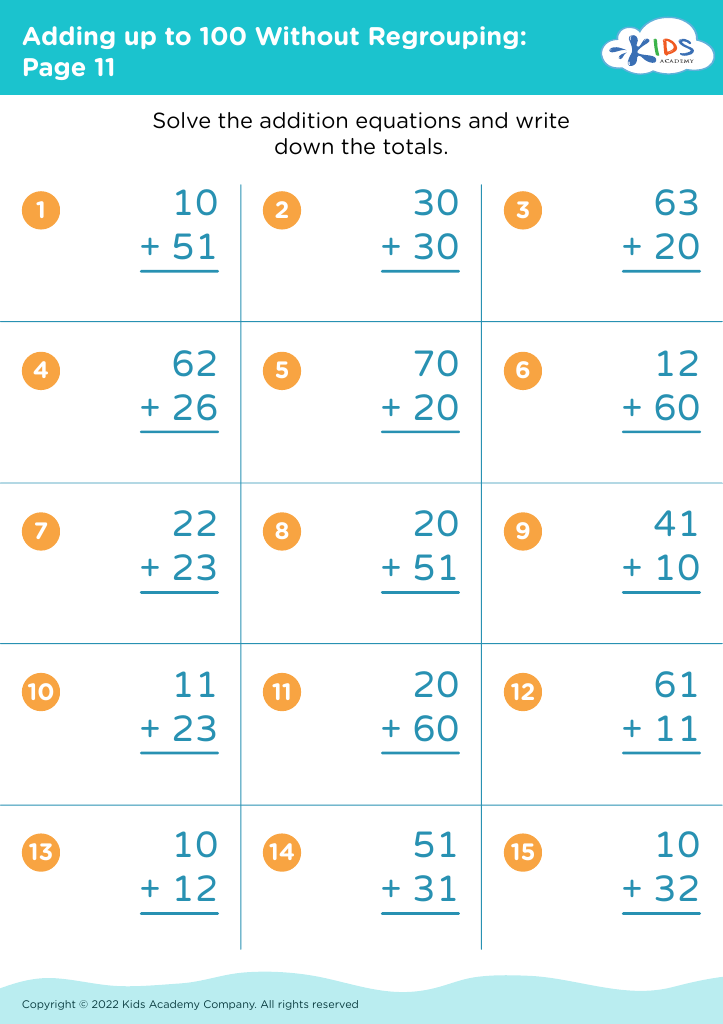
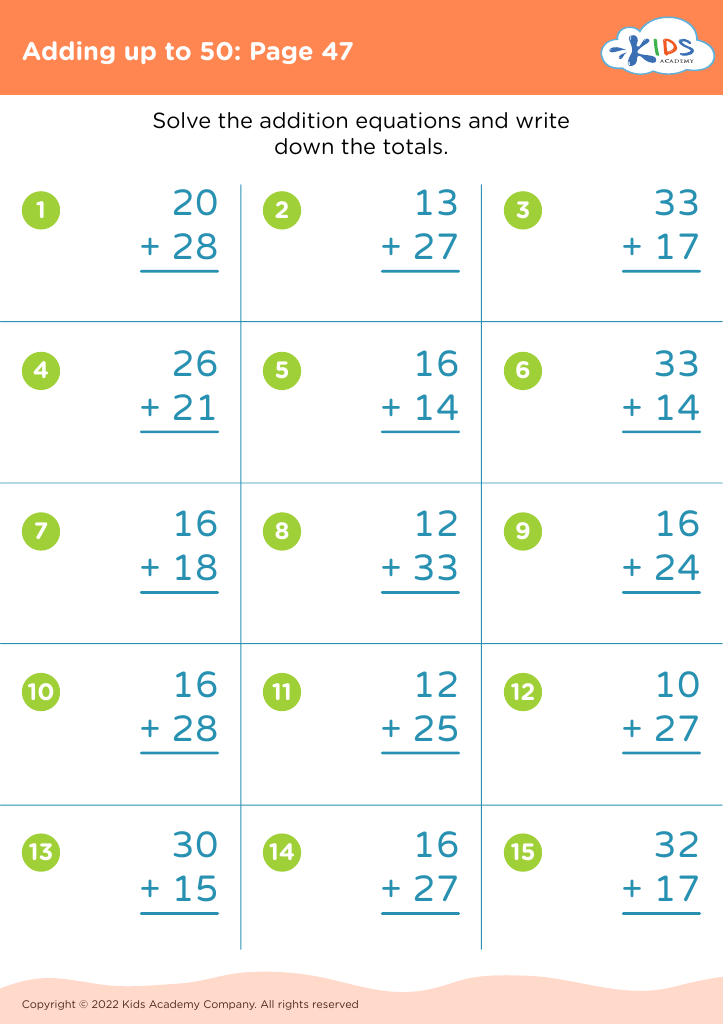
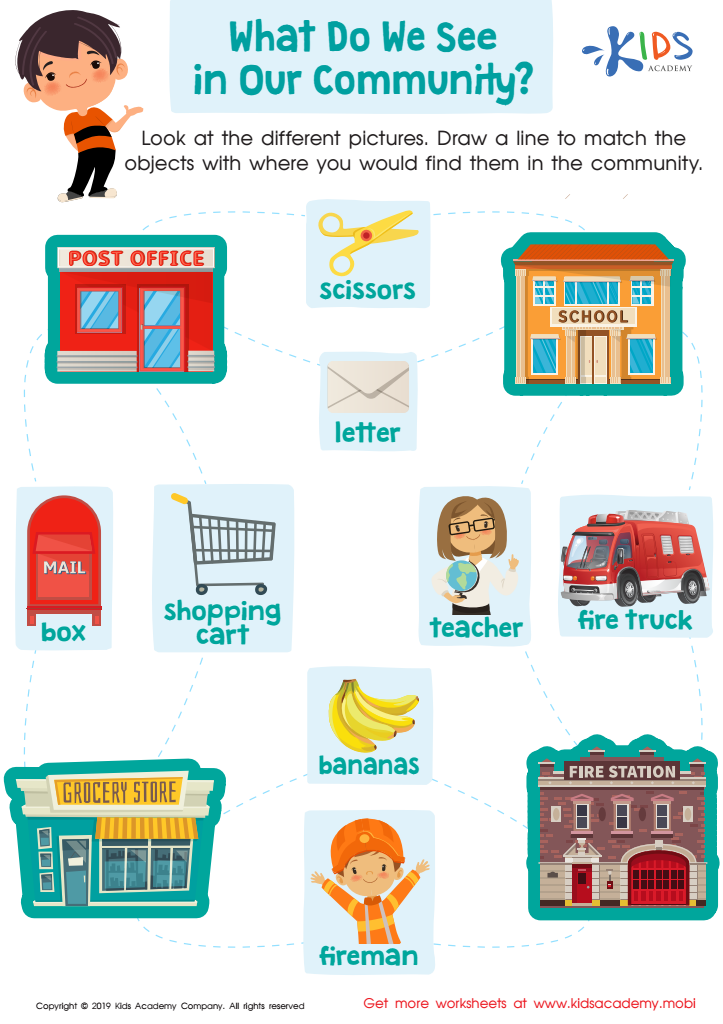
What Do We See in our Community? Worksheet
 Assign to My Students
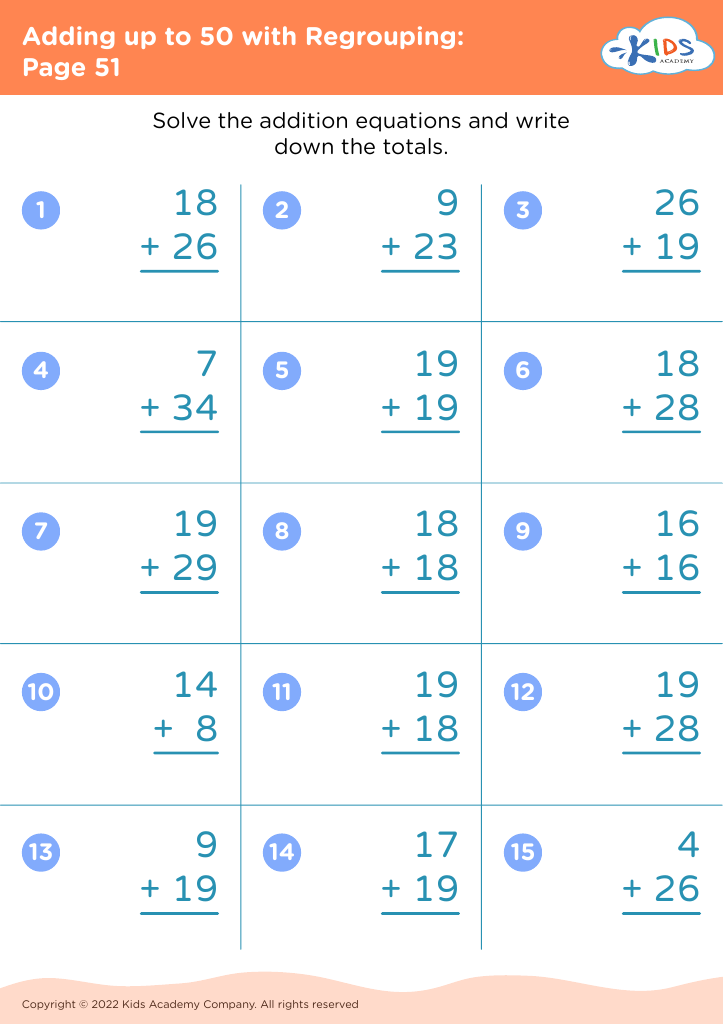
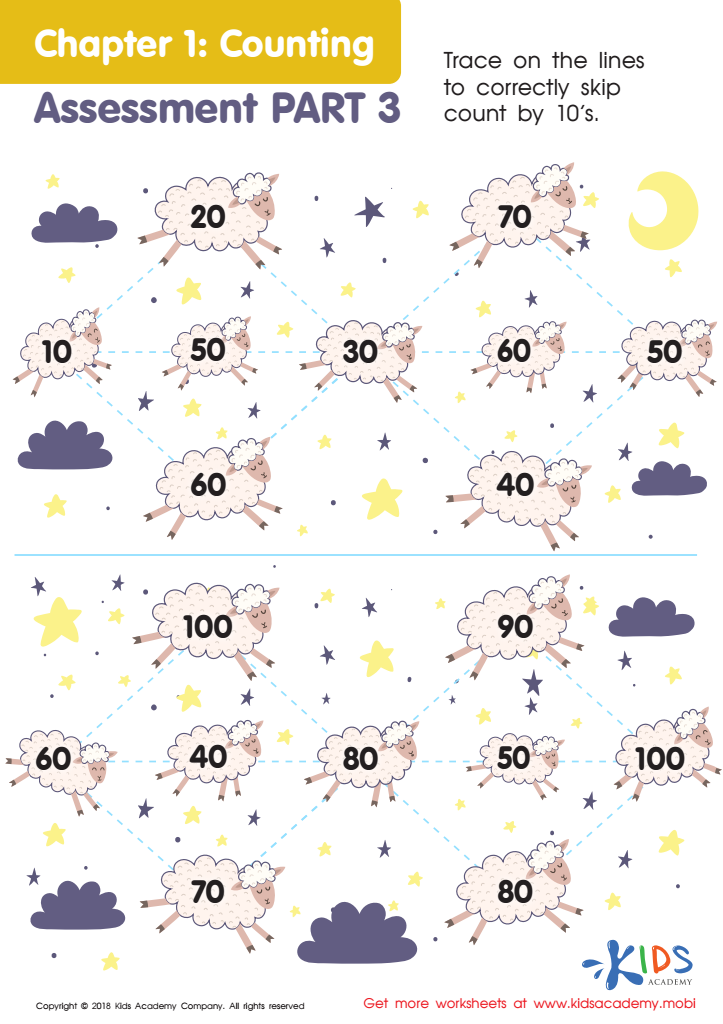
Counting: Assessment 3 Worksheet
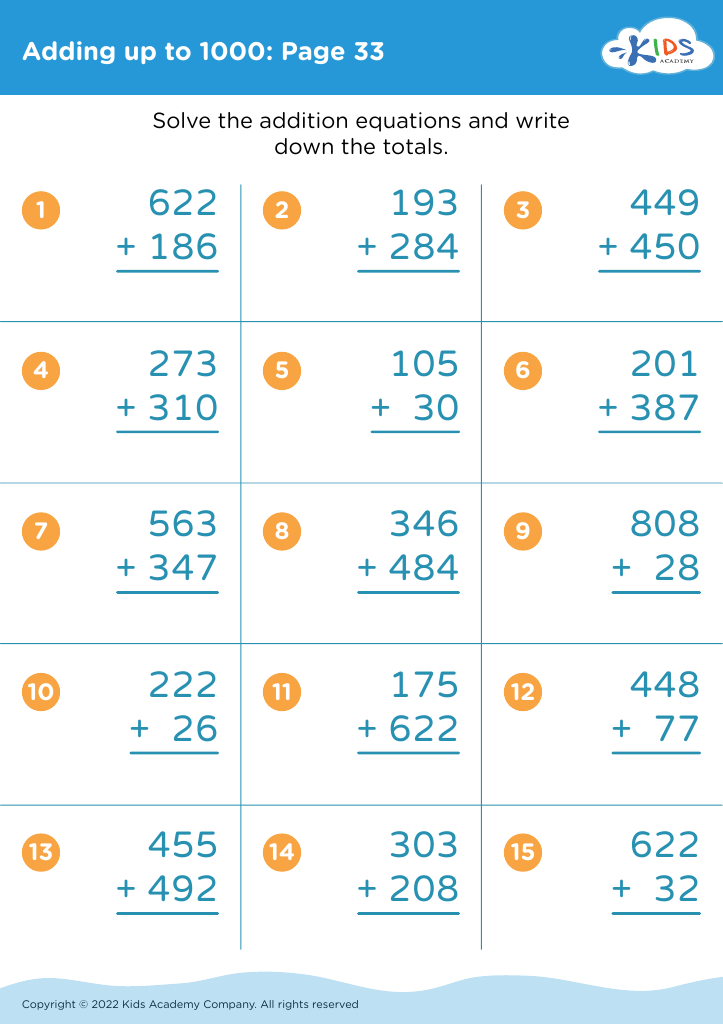







Parents and teachers should prioritize improving the reading and math skills of children ages 3-8 because these formative years lay the foundation for future academic success and overall cognitive development. During this critical period, children's brains are incredibly receptive to learning and developing essential skills.
Firstly, strong reading skills establish the groundwork for all future learning. Reading enhances language development, expands vocabulary, and improves comprehension. When children learn to read well early on, they are better equipped to grasp more complex subjects in later years, facilitating a more enjoyable and effective educational experience.
Similarly, foundational math skills are crucial for understanding higher-level math concepts. Early proficiency in basic mathematics fosters critical thinking, problem-solving abilities, and numerical literacy. These skills are essential not only academically but also in everyday life, helping children make informed decisions and solve real-world problems.
Moreover, success in reading and math during early childhood boosts self-confidence and encourages a positive attitude towards learning. Children who experience early success in these subjects are more likely to develop a love for learning and maintain higher academic perseverance.
In summary, focusing on enhancing reading and math skills at ages 3-8 cultivates a robust foundation for long-term educational achievement, fostering essential life skills and a lifelong passion for learning.








