Number tracing Math Worksheets for Ages 3-8
4 filtered results
-
From - To
Our Number Tracing Math Worksheets for ages 3-8 help young learners grasp fundamental math skills in an engaging and simple way. Specially designed for early education, these printable activities not only focus on tracing numbers but also promote fine motor skills and number recognition. Children will enjoy connecting the dots, following guided number paths, and coloring activities, all aimed at reinforcing their math foundations. Perfect for parents and educators, these worksheets make learning numbers fun and interactive, paving the way for successful mathematical understanding in the future. Start your child’s math journey with our comprehensive, age-appropriate tracing exercises today!
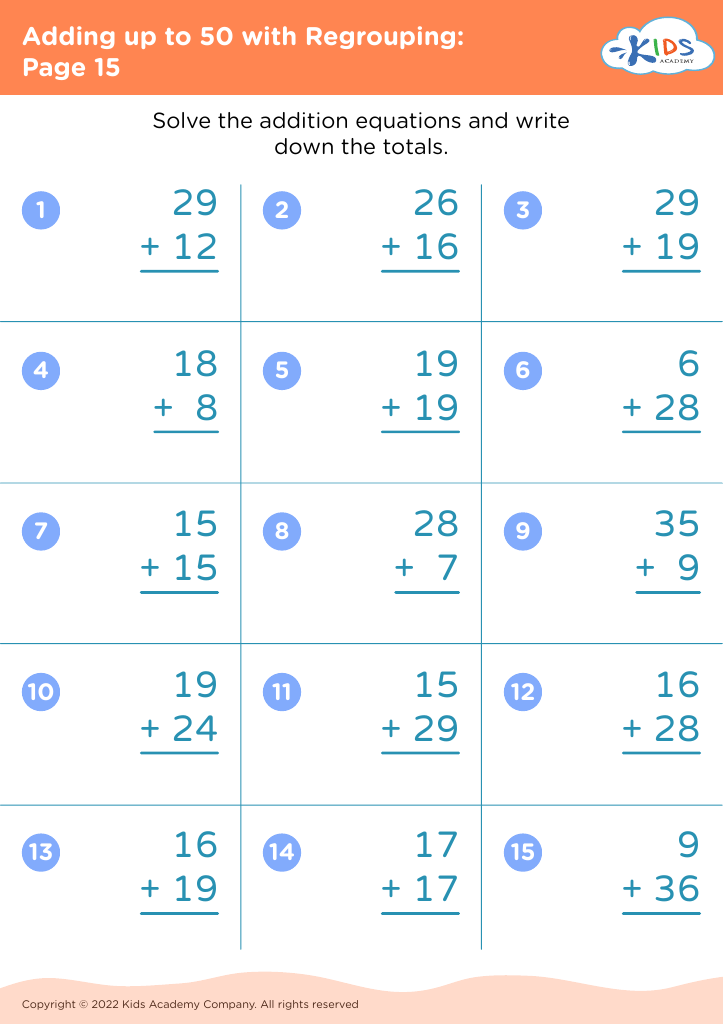
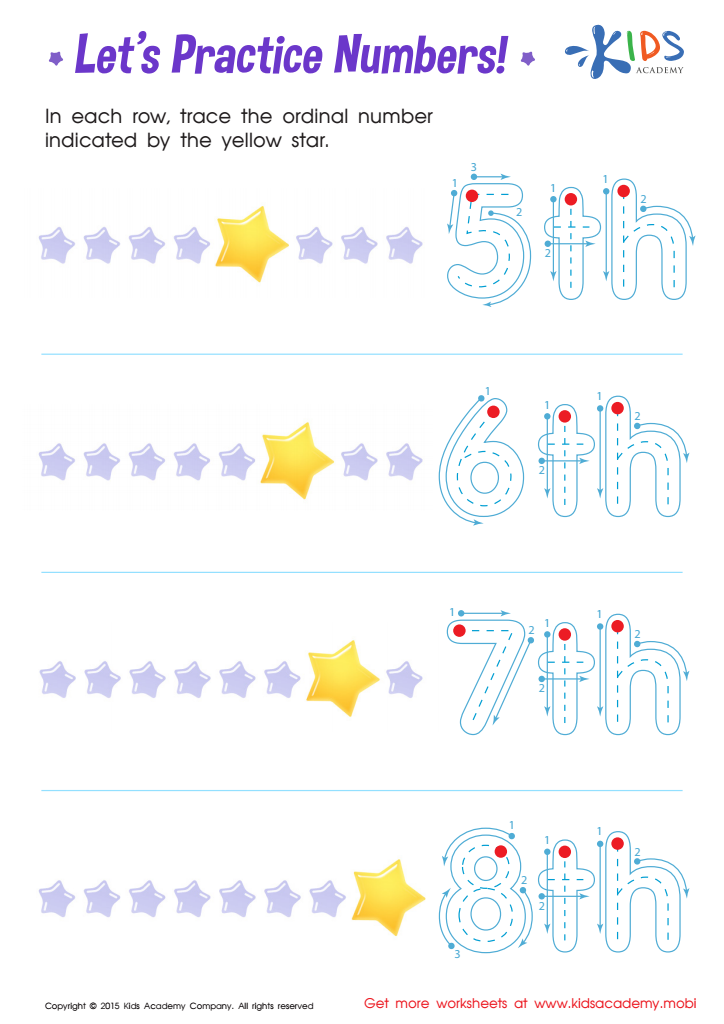
 Assign to My Students
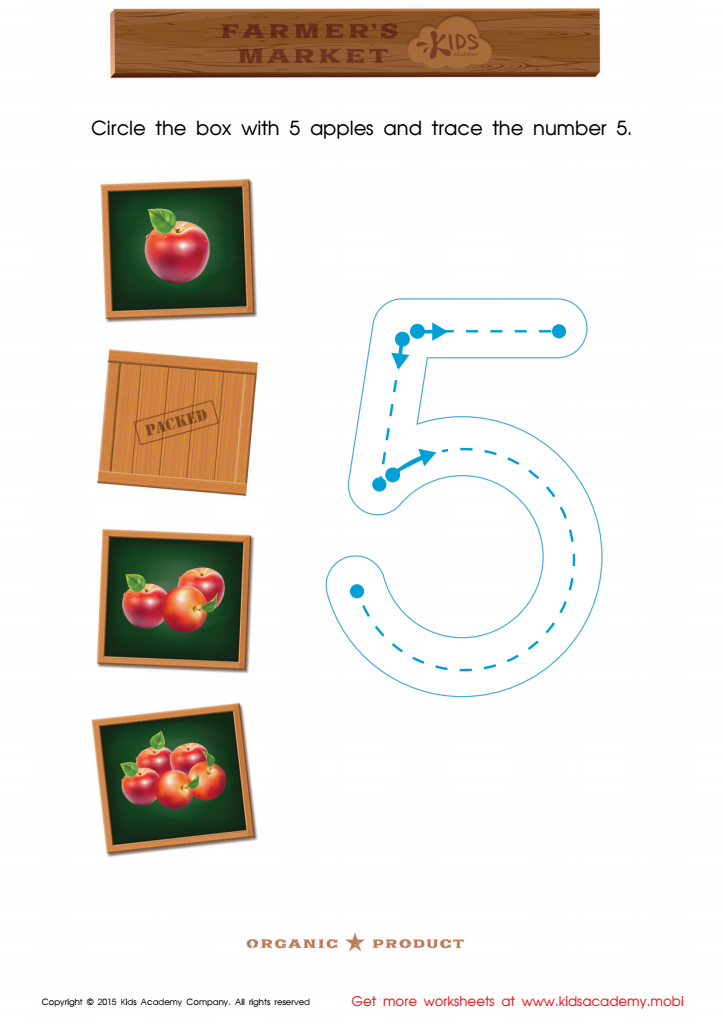
Count the Apples and Trace the Number 5 Printable
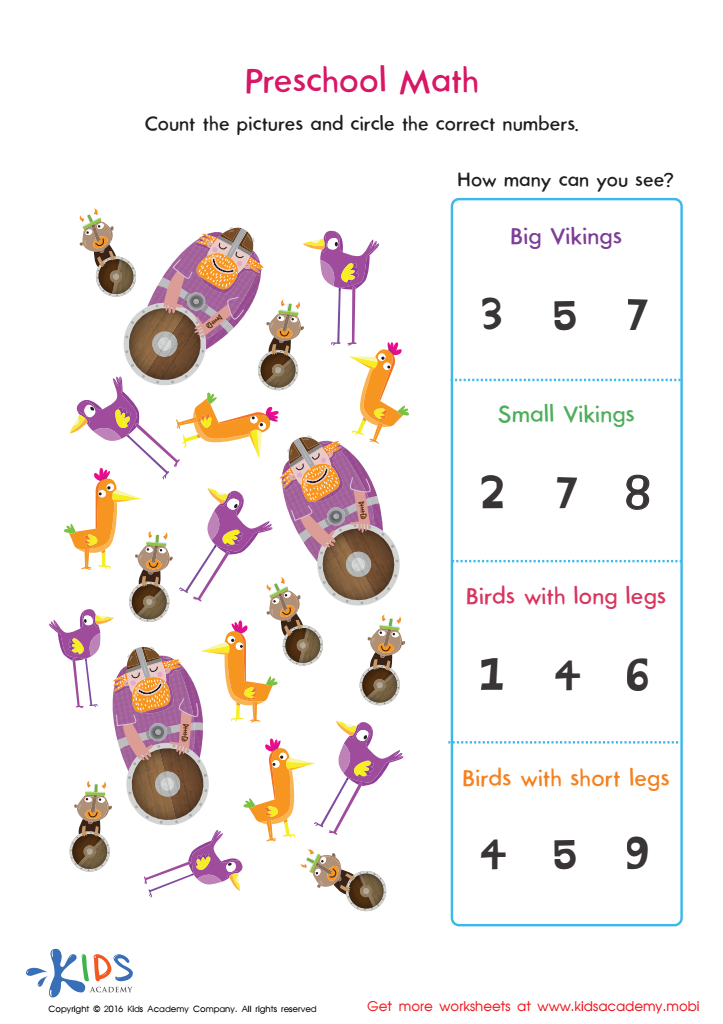








Number tracing is a foundational activity that carries immense significance for young learners aged 3-8. At this age, children are developing critical cognitive and motor skills that will set the stage for their future academic success. Tracing numbers helps in several key areas:
-
Fine Motor Skills: Tracing numbers requires coordination and control, helping children develop fine motor skills essential for writing and other tasks.
-
Number Recognition: Regularly tracing numbers helps children recognize and familiarize themselves with number shapes and forms, which is fundamental for mathematical literacy.
-
Cognitive Development: Understanding that symbols (numbers) represent quantities forms the basis of numerical literacy. Tracing encourages deeper engagement with this concept, fostering cognitive development.
-
Memory and Recall: Repetition aids memory. By constantly tracing numbers, children reinforce their ability to recall them with ease.
-
Confidence Building: Success in tracing activities can boost a child's confidence. Mastery in a skill reinforces self-belief, encouraging them to engage further and learn more complex concepts.
-
Preparation for Advanced Math: Laying a solid foundation early on aids smoother transitions into more advanced mathematical concepts. Early familiarity with numbers helps ease the learning curve for addition, subtraction, and beyond.
Overall, number tracing is not just about learning to write numbers; it's a multifaceted educational activity that supports holistic development, preparing children for later academic challenges and everyday life skills.








