
Understanding clocks Math Worksheets for Ages 3-8
5 filtered results
Difficulty Level
Grade
Age
-
From - To
Subject
Activity
Standards
Discover our "Understanding Clocks" math worksheets designed specifically for children ages 3-8! These engaging resources help young learners grasp the fundamental concepts of time-telling. With colorful visuals and interactive activities, kids will enjoy practicing the difference between digital and analog clocks, learning to read hours and minutes, and enhancing their overall math skills. Our worksheets cater to various learning styles, ensuring a fun and effective educational experience. Perfect for home or classroom use, these printable resources will foster a love for math and build essential time management skills. Start helping your child become a time-telling pro today!
Favorites
With answer key
Interactive
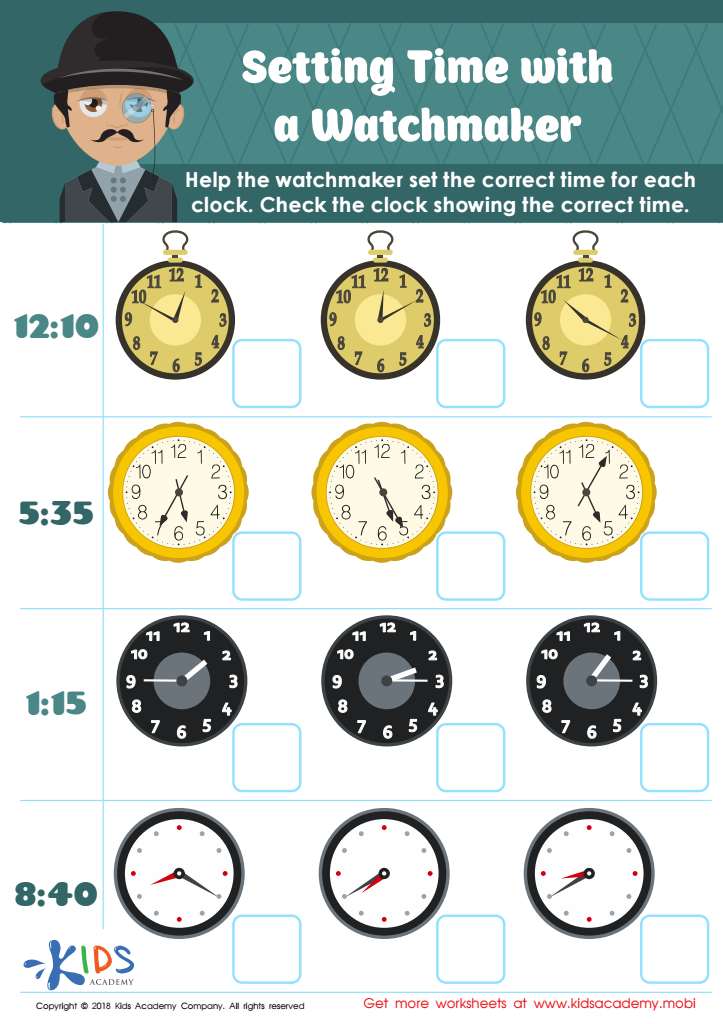
Setting Time with Watchmaker Worksheet
Can your kids tell the time? If so, this worksheet should be easy. Help them set the time for each clock: look at the time written on the left side and find the clock on the right side that matches.
 Assign to My Students
Setting Time with Watchmaker Worksheet
Worksheet
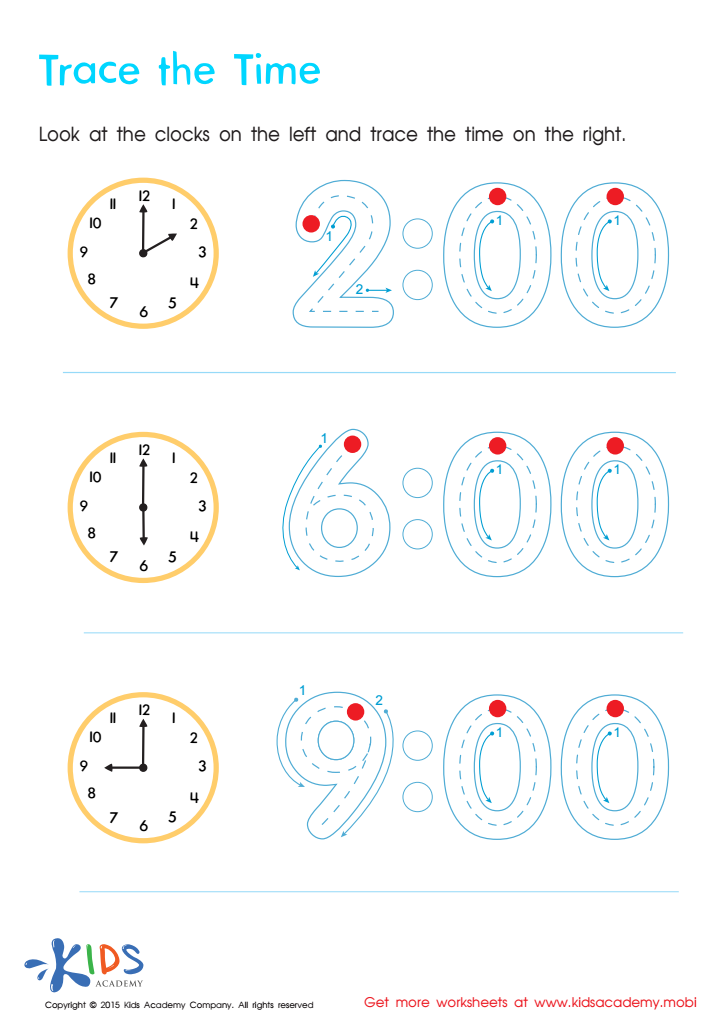
Telling The Time Worksheet: Part 2
Help your kids learn to tell the time with this free math worksheet from Kids Academy. Have them look at the clock faces and trace the time on the right - is it a full hour or half an hour? Get more practice with our wide selection of math worksheets for kindergarten.
Telling The Time Worksheet: Part 2
Worksheet
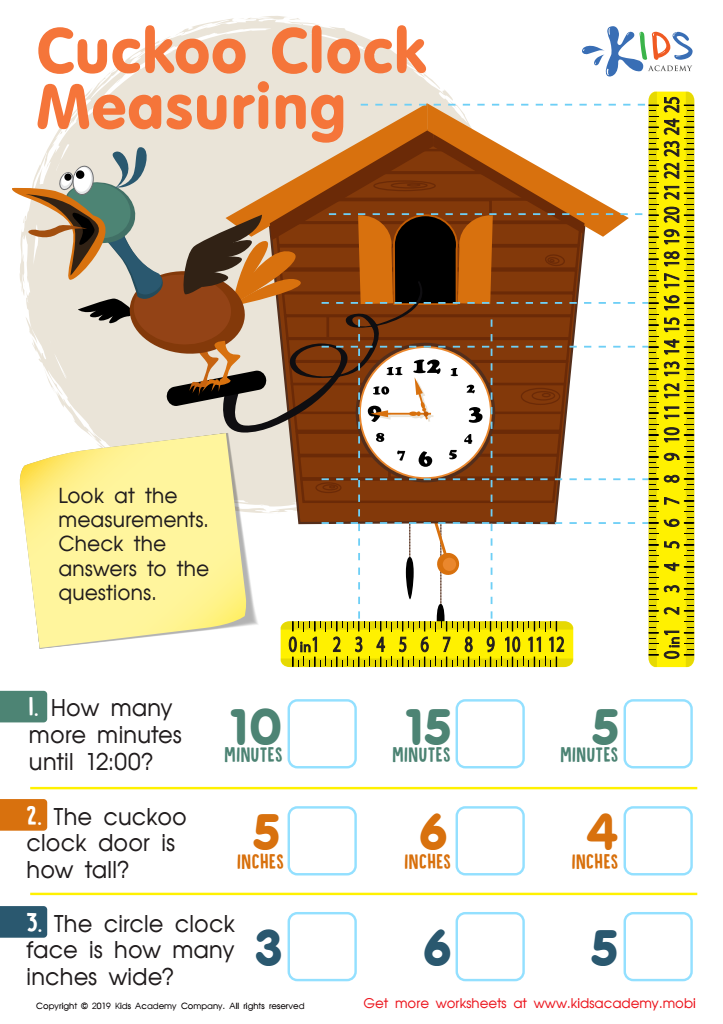
Cuckoo Clock Measuring Worksheet
Check out the fun picture in this worksheet. Ask your kids to identify the object. It's a cuckoo clock - the bird pops out every hour to announce the time. See if your child knows how to measure the clock. Help them answer the 3 questions and test their knowledge of time!
Cuckoo Clock Measuring Worksheet
Worksheet
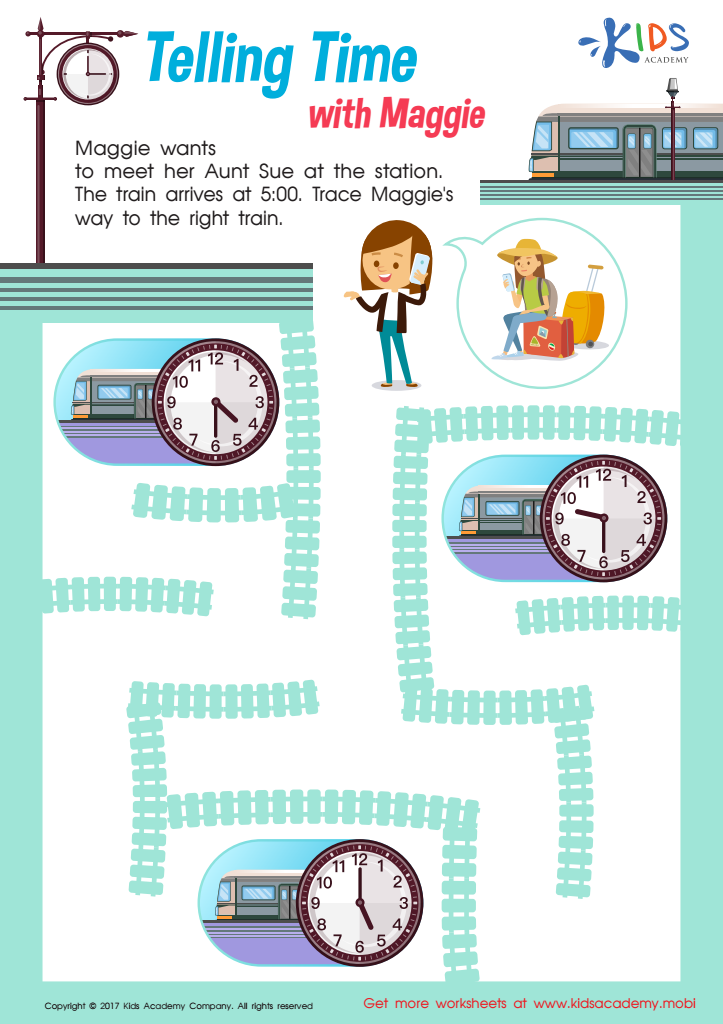
Telling Time With Maggie Time Worksheet
Help Maggie catch her train! Navigate the maze and read clocks to get her to her destination. Join her on a fun time-telling adventure with this puzzling worksheet. Your child will love it!
Telling Time With Maggie Time Worksheet
Worksheet
Join Kids Academy for Free
Who is primarily going to use this learning content?






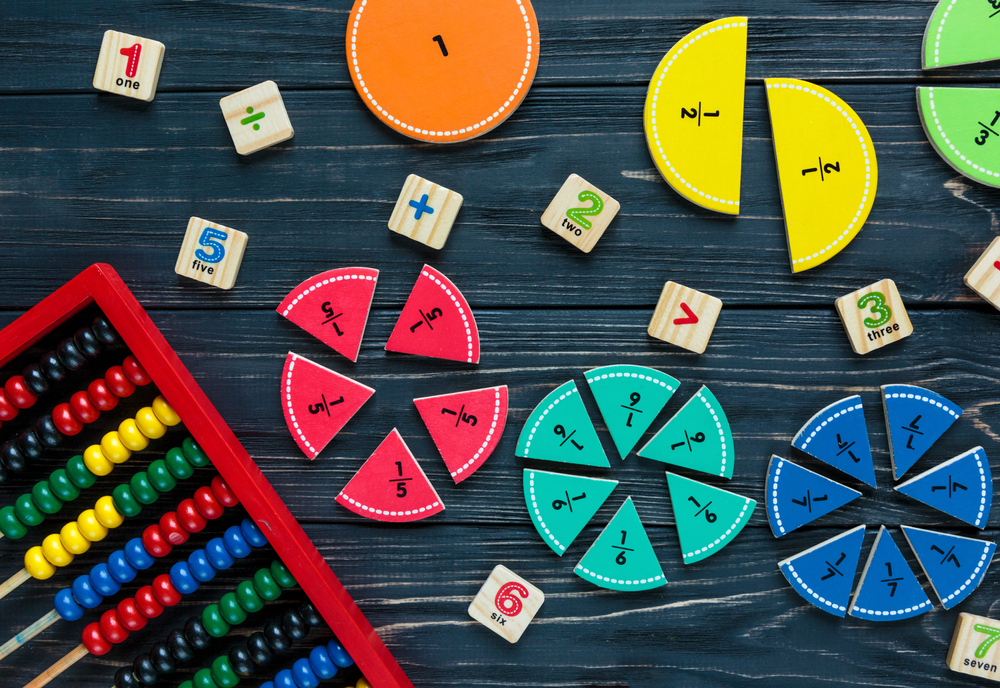

Understanding clocks and time is an essential skill for children ages 3-8, as it lays the groundwork for mathematical concepts and daily life skills. For parents and teachers, fostering this understanding is crucial because it enhances children's cognitive development and coordination of time management. Learning to read clocks introduces foundational math skills, such as counting, recognizing numbers, and understanding fractions, which are important as children progress in their education.
Moreover, being aware of time facilitates routines, enabling children to learn about responsibility and self-regulation. Recognizing time helps them understand the structure of their day, which can reduce anxiety and promote independence. Additionally, learning these skills in a playful and engaging way can make the learning process enjoyable, thereby nurturing a positive attitude toward math.
To support early learners, educators and parents can incorporate playful activities involving clocks, like storytelling that emphasizes timing, or games that require them to match events with times. Such approaches make learning about time not only impactful for academic growth but also vital for life skills, fostering a sense of confidence and readiness as children navigate both their educational and personal environments.








