Understanding place values Math Worksheets for Ages 3-8
14 filtered results
-
From - To
Enhance your child's math skills with our "Understanding Place Values" worksheets designed for ages 3-8! These engaging resources help young learners grasp the concept of place values, crucial for mastering math. Each worksheet features fun, interactive activities for recognizing ones, tens, hundreds, and beyond. Ideal for classroom and home use, our expertly crafted materials encourage critical thinking and problem-solving while fostering a strong foundation in early math. Empower your child’s mathematical journey with vibrant, thoughtfully designed worksheets tailored for young minds, setting the stage for future math success. Explore and download today!
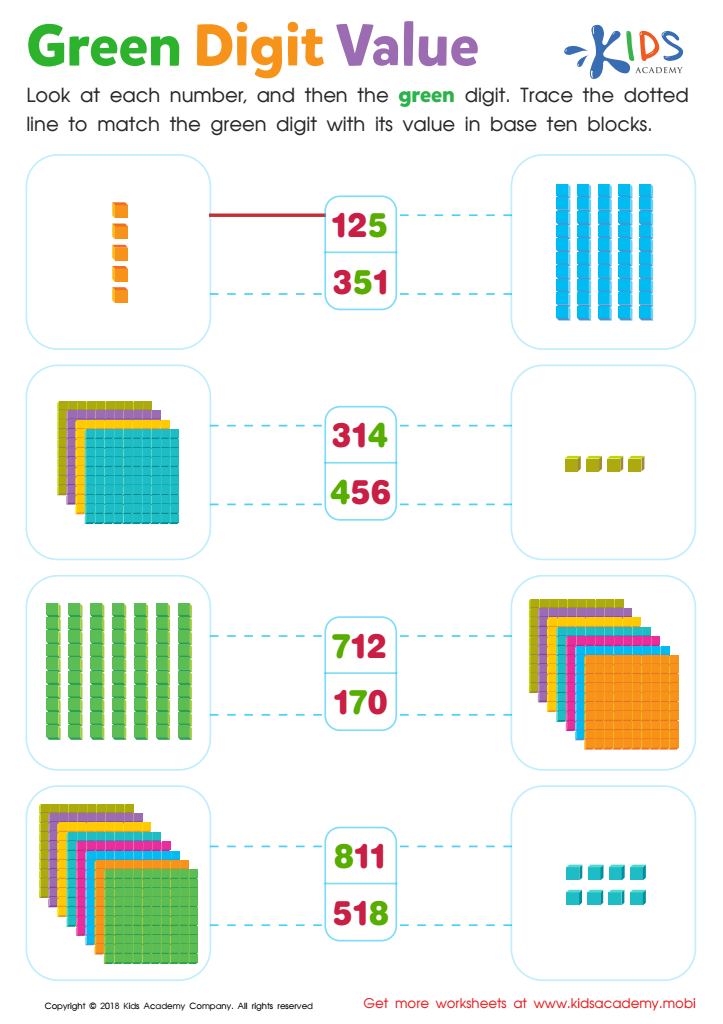
Green Digit Value Worksheet
 Assign to My Students
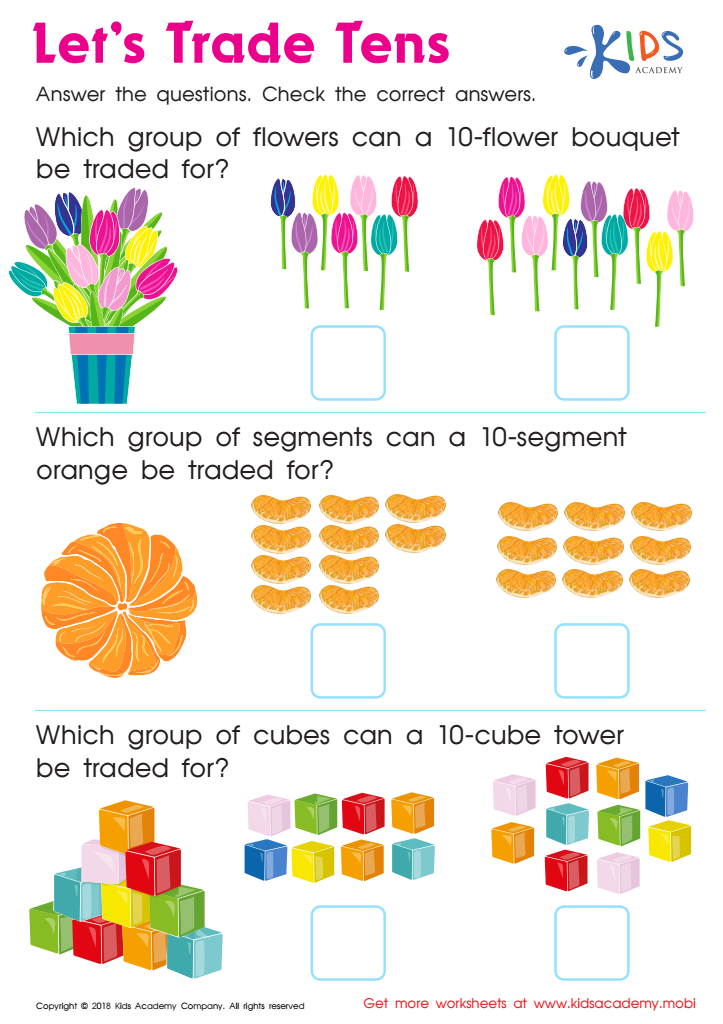
Lets Trade Tens Worksheet
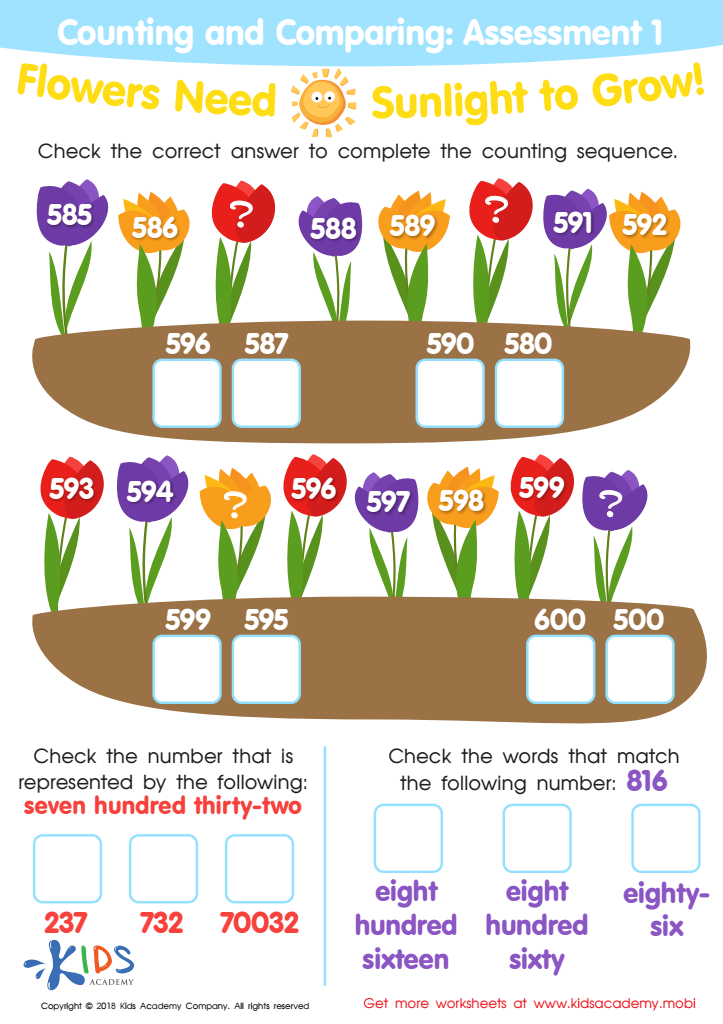
Counting and Comparing: Assessment 1 Worksheet
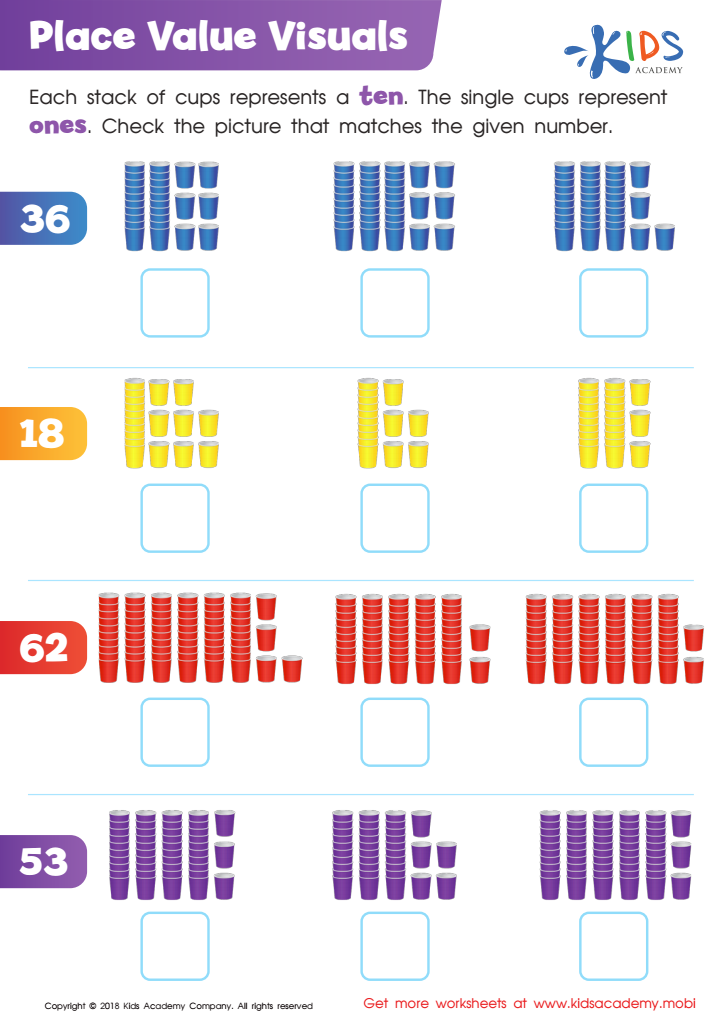
Place Value Visuals Worksheet
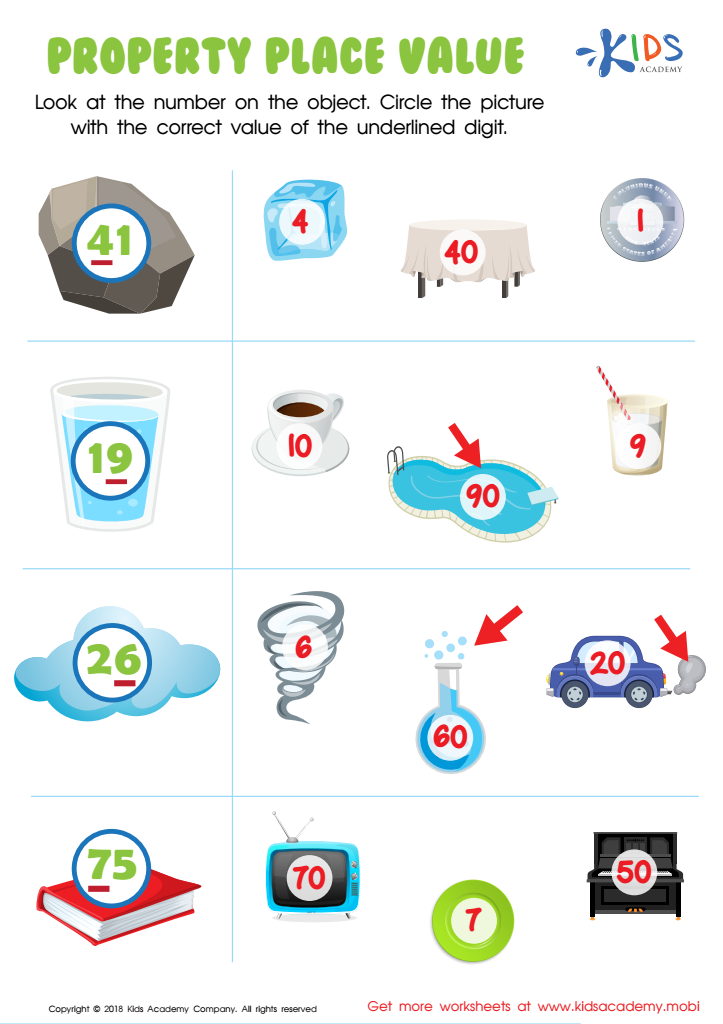
Property Place Value Worksheet
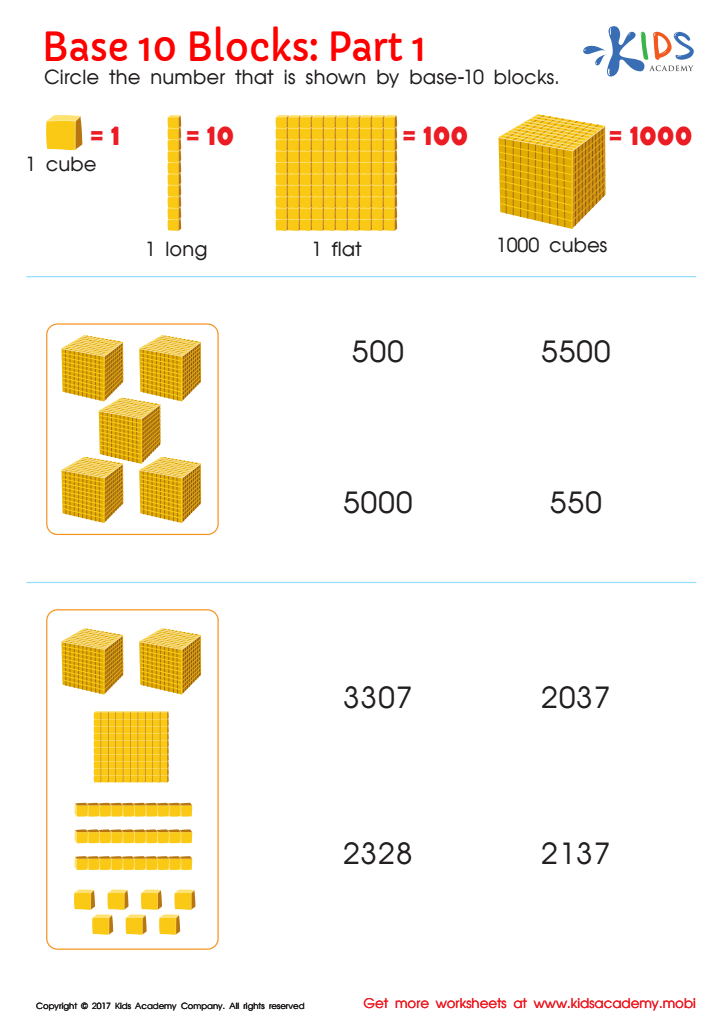
Place Value Thousands Worksheet
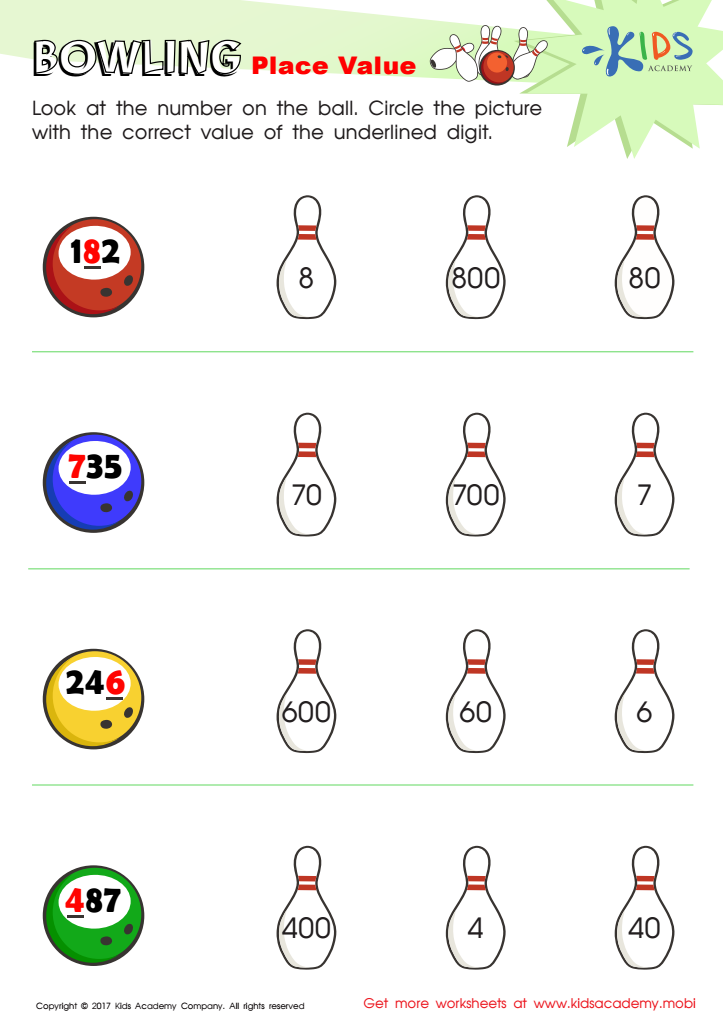
Place Value Worksheet
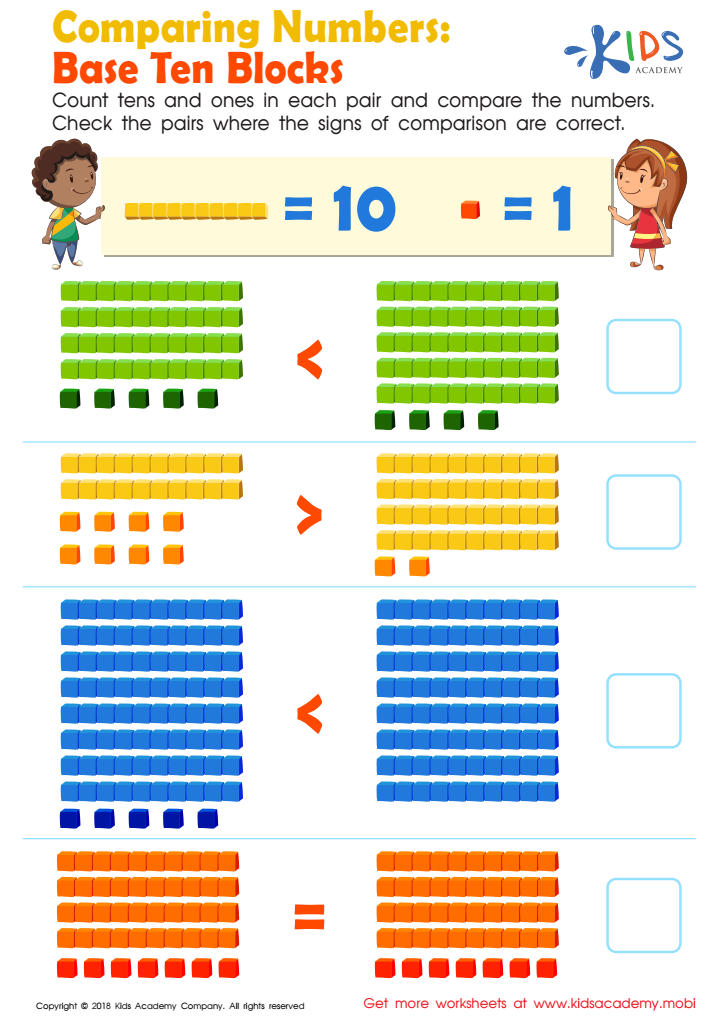
Comparing Numbers: Base Ten Blocks Worksheet
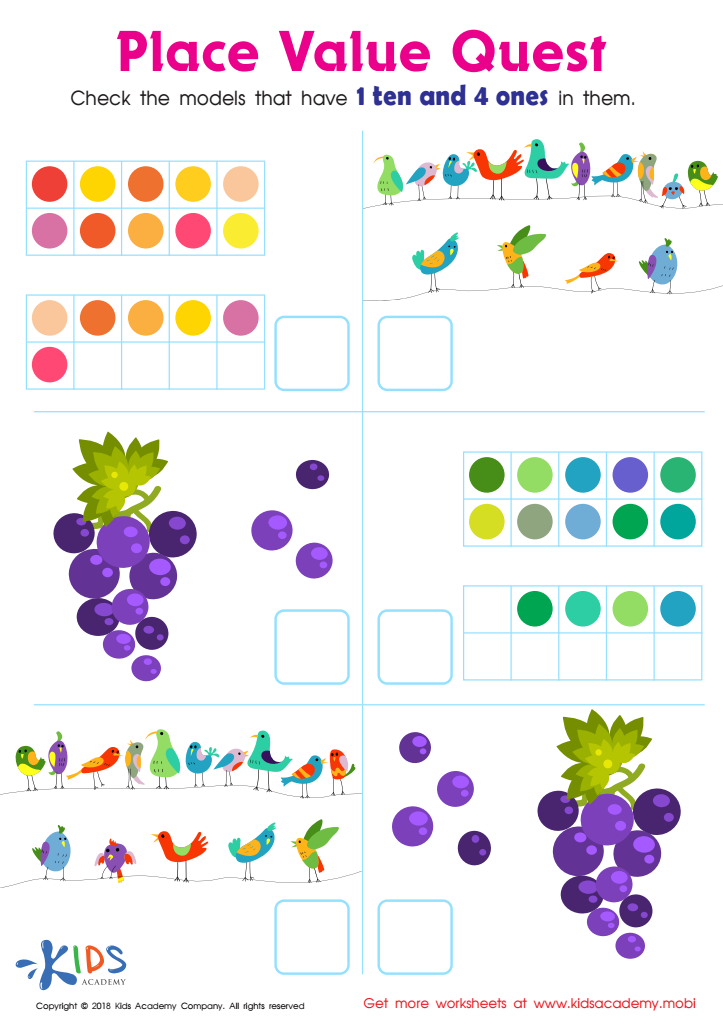
Place Value Quest Worksheet
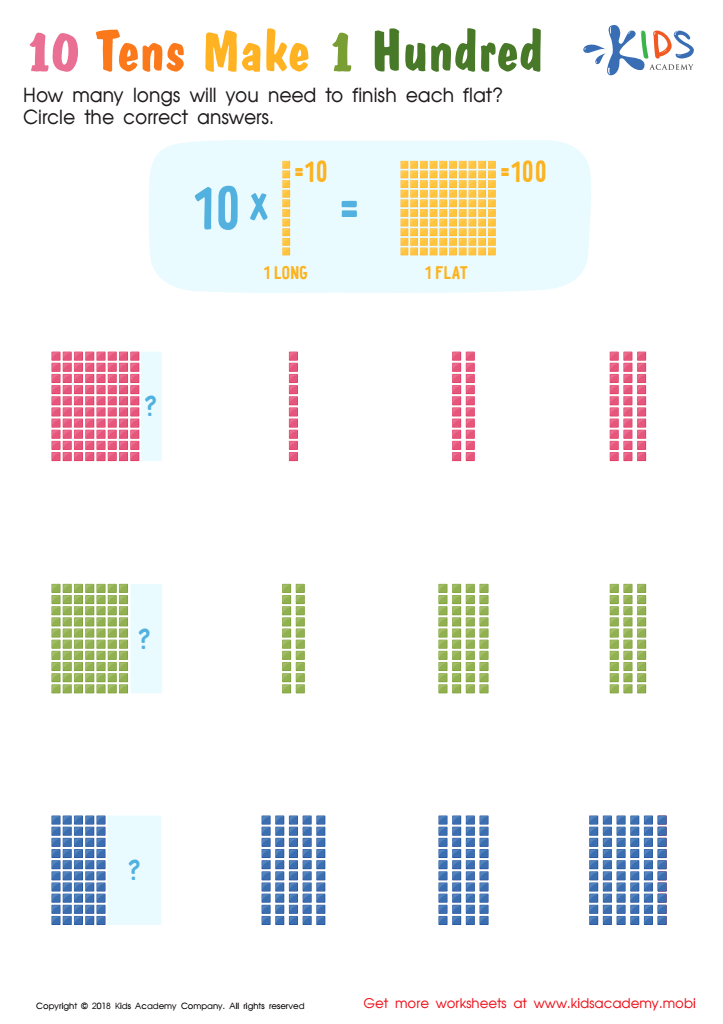
10 Tens Make 1 Hundred Worksheet
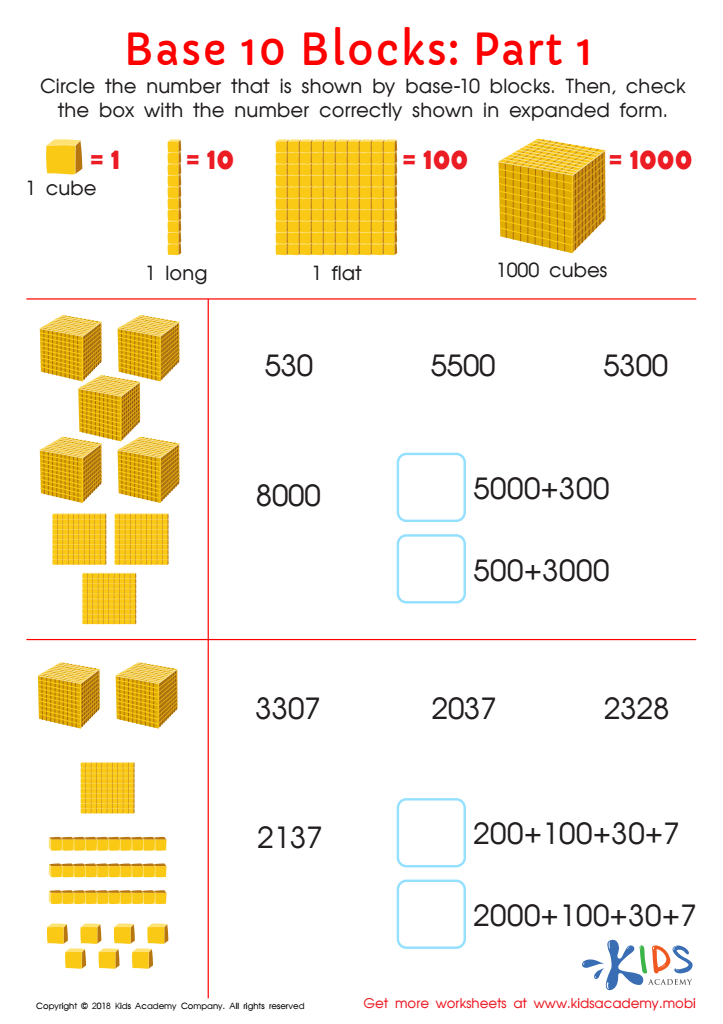
Base 10 Blocks Worksheet: Part 1
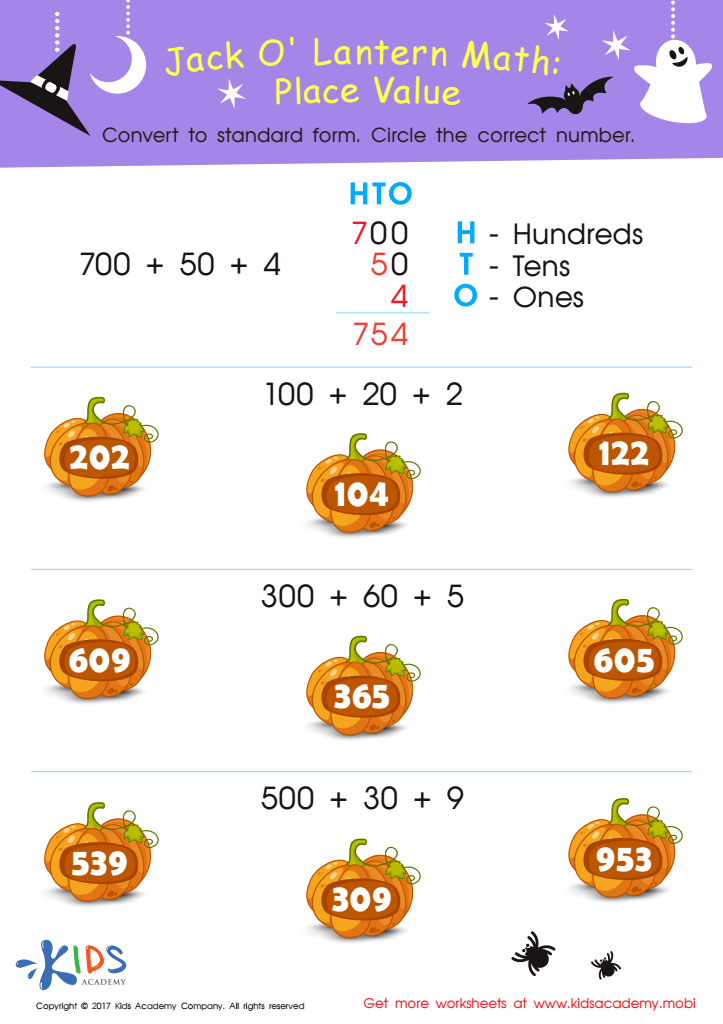
Free Place Value Worksheet
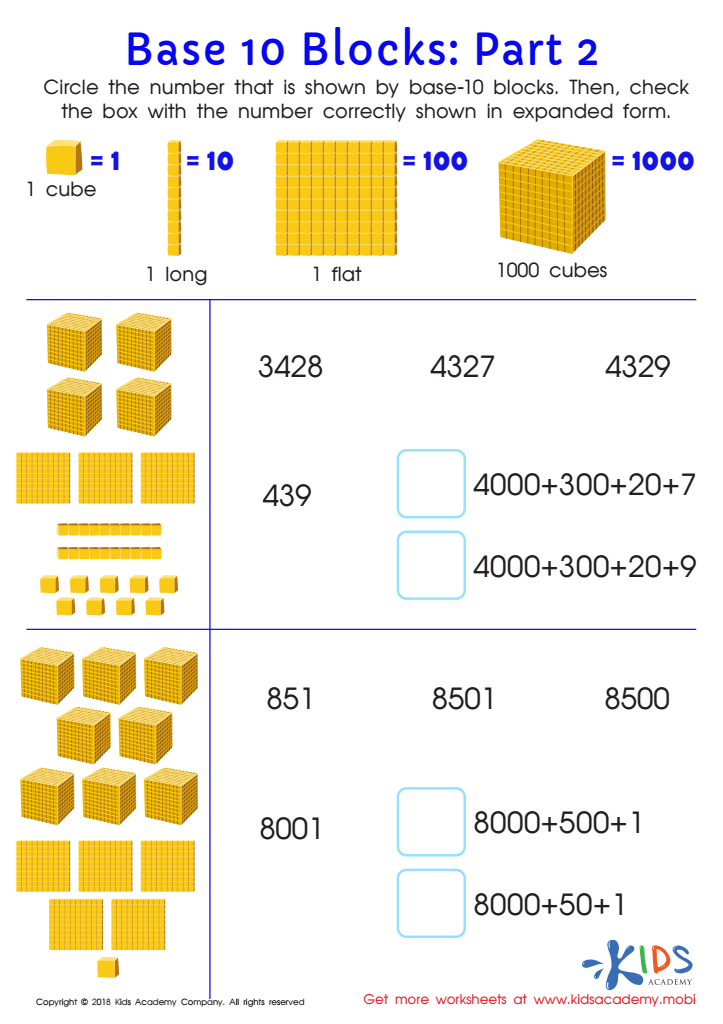
Base 10 Blocks Worksheet: Part 2
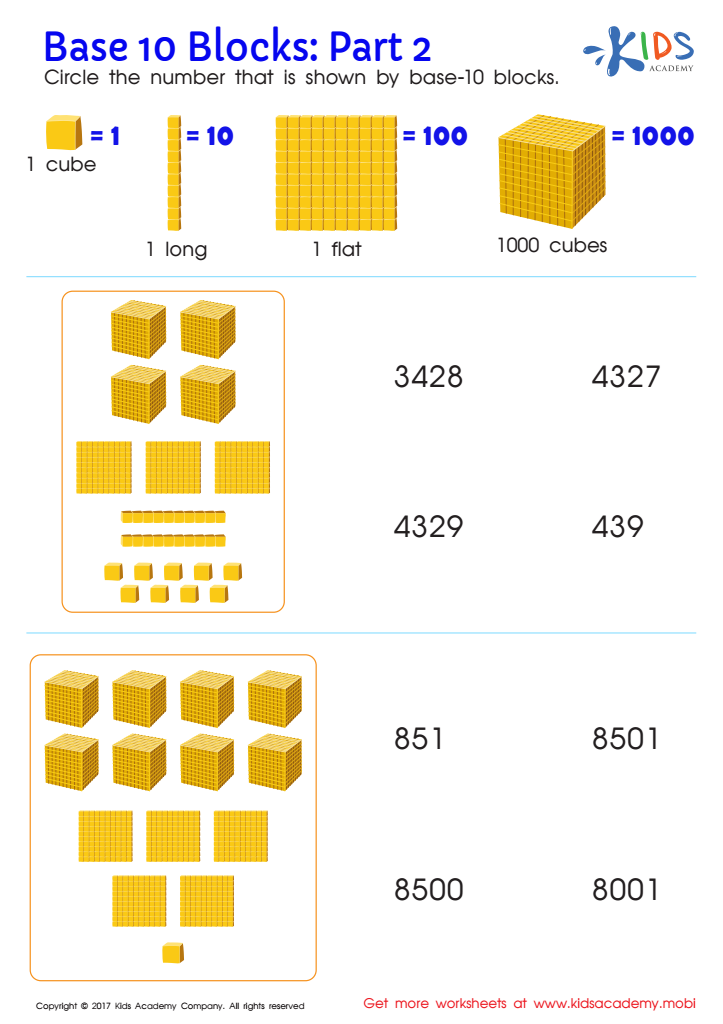
Place Value Worksheet: Thousands




.jpg)


Understanding place values forms the cornerstone of mathematical comprehension for children aged 3-8, making it essential for parents and teachers to emphasize this concept. Place value refers to the value of a digit based on its position within a number. For young learners, grasping this idea helps establish a strong numerical foundation, which is crucial for future arithmetic and problem-solving skills.
Place value understanding aids children in efficiently performing operations like addition, subtraction, and multiplication, as it allows them to decompose numbers and understand their components. For example, recognizing the difference between the tens and units place enables a child to regroup numbers when adding or subtracting, streamlining these processes and reducing errors.
Furthermore, a firm grasp of place value fosters number sense, allowing children to estimate, compare, and understand large numbers, which are foundational skills in everyday life and advanced mathematics. This fundamental understanding also boosts a child's confidence in math, creating a positive learning experience that encourages further exploration and curiosity.
Lastly, building a solid place value understanding aligns with Common Core Standards and prepares students for the transition to more complex math topics in higher grades. Thus, emphasizing place value from an early age sets children on a path toward academic success and lifelong numerical literacy.








