Word Recognition Math Worksheets for Ages 3-8
9 filtered results
-
From - To
Enhance your child's reading and math skills with our engaging Word Recognition Math Worksheets, designed for ages 3-8! These worksheets seamlessly blend literacy and numeracy, promoting essential skills through fun and interactive activities. Our resources help young learners recognize vocabulary associated with math, including words like "add," "subtract," and "equal." By completing these worksheets, children will develop their comprehension and build a solid foundation for future learning. Perfect for home or classroom use, our worksheets are easy to print and cater to various learning styles, ensuring that every child has the opportunity to thrive. Start fostering a love for learning today!
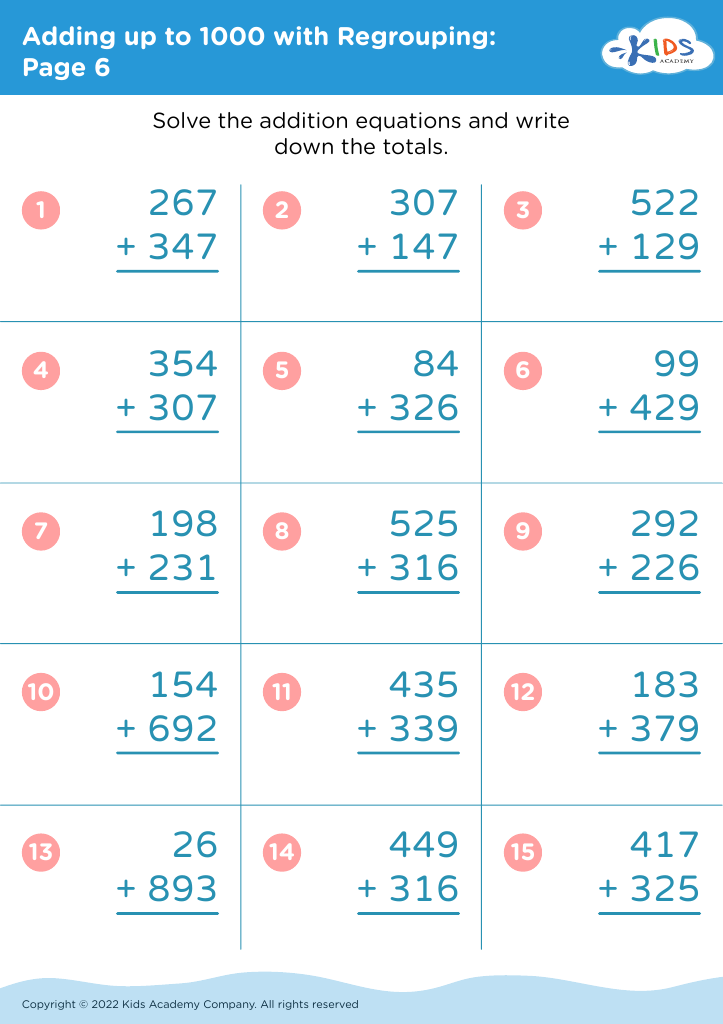
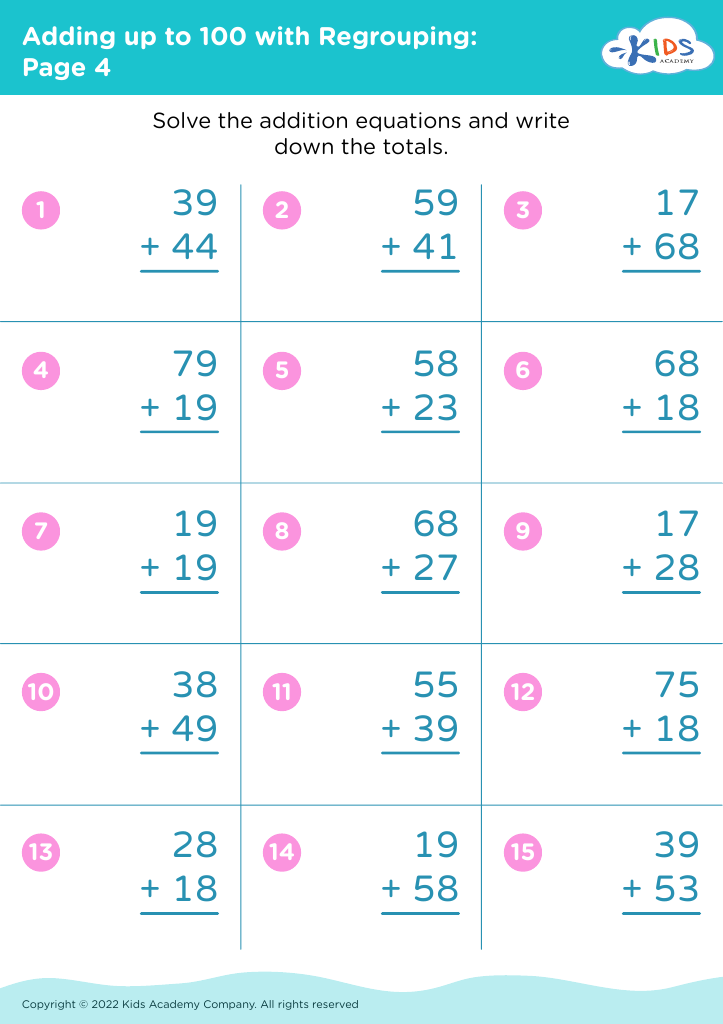
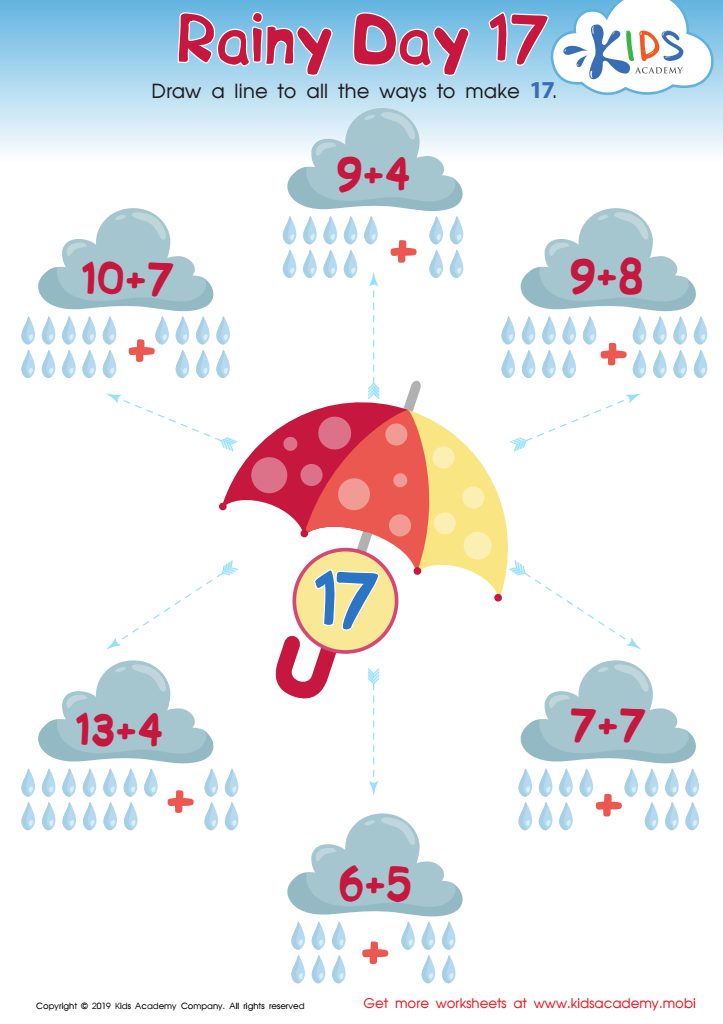
Rainy Day 17 Worksheet
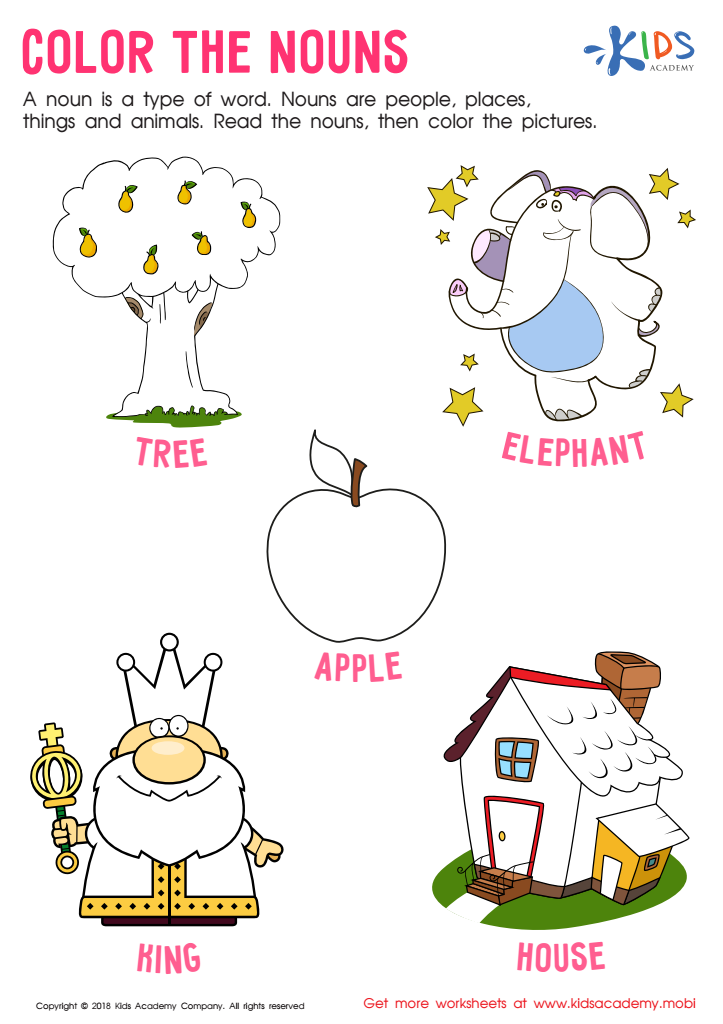
Color the Nouns Worksheet
 Assign to My Students
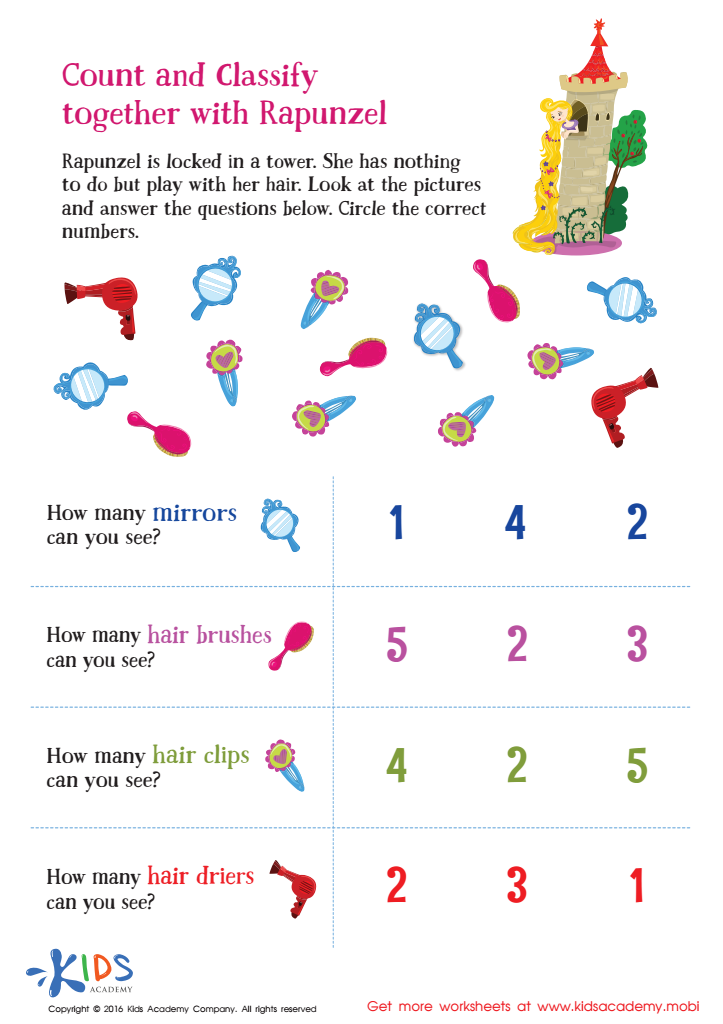
Fairy Tale Worksheet: Count and Classify with Rapunzel
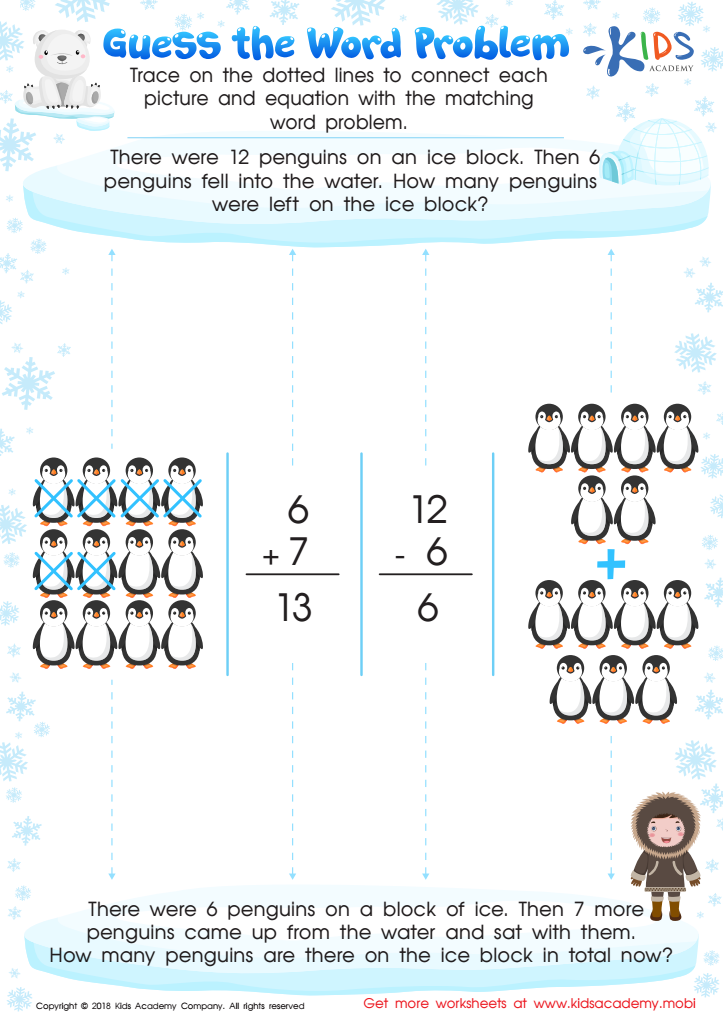
Guess the Word Problem Worksheet
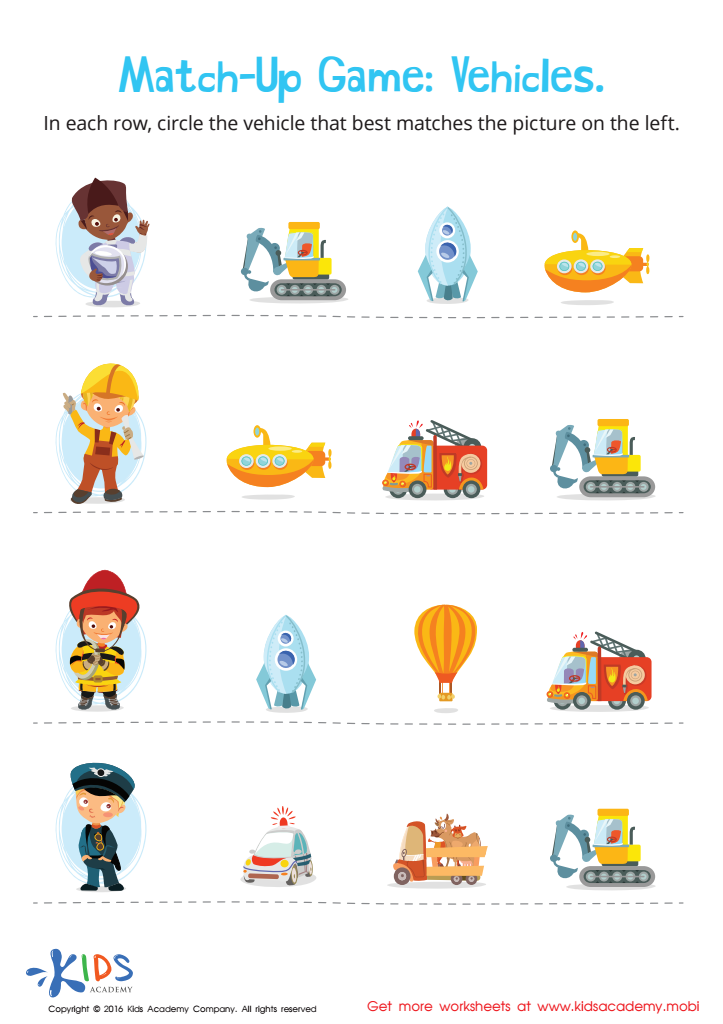
Vehicles Worksheet
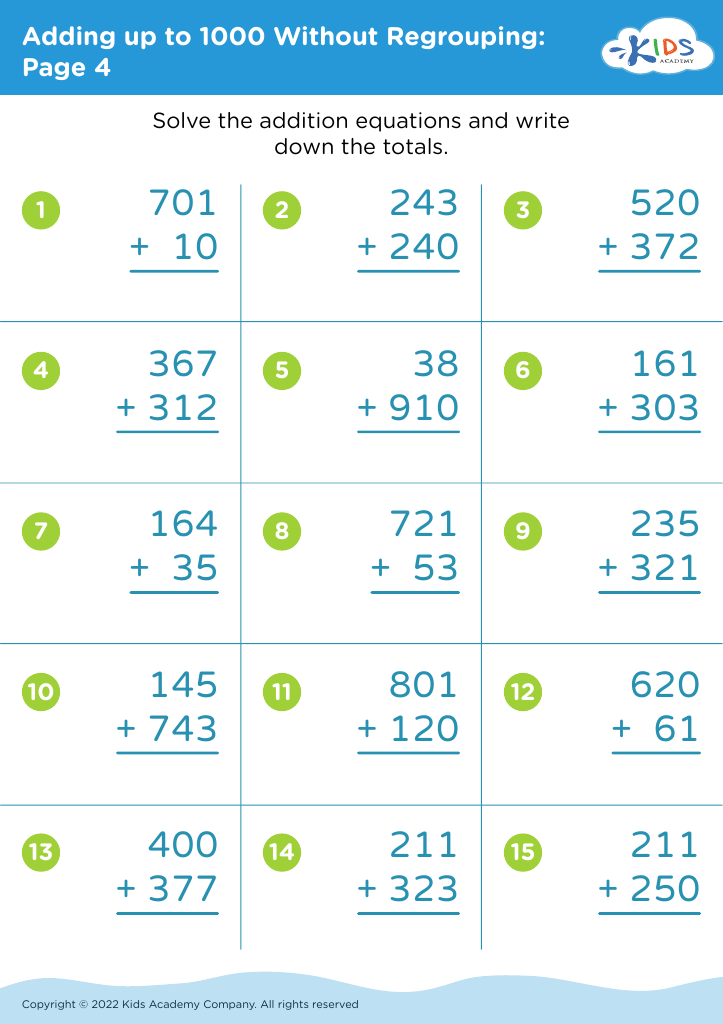






Word recognition is a fundamental skill that significantly impacts a child's overall learning and development, particularly in early childhood education for children aged 3-8. Understanding and recognizing words lays the foundation for literacy, which is crucial for children’s social, emotional, and cognitive growth. When children can recognize and understand the words associated with mathematics—such as “add,” “subtract,” “more,” and “fewer”—they are better equipped to grasp mathematical concepts and engage with problem-solving activities.
For parents and educators, fostering word recognition in a mathematical context encourages language development and boosts confidence in young learners. By integrating playful, interactive activities that emphasize mathematical vocabulary, children become more comfortable expressing and discussing their understanding of numbers and relationships. This early engagement in mathematical language can lead to better performance in math-related tasks as they grow.
Moreover, strong word recognition skills can bridge the gap between language and math, helping children understand that mathematical principles are not isolated concepts but rather interconnected with the language they are learning. Ultimately, helping children recognize and use mathematical words enhances their critical thinking and prepares them for future academic success, fostering a love for learning and inquiry both in and out of the classroom.








