Numbers up to 100 Worksheets for Ages 3-8 - Page 3
51 filtered results
-
From - To
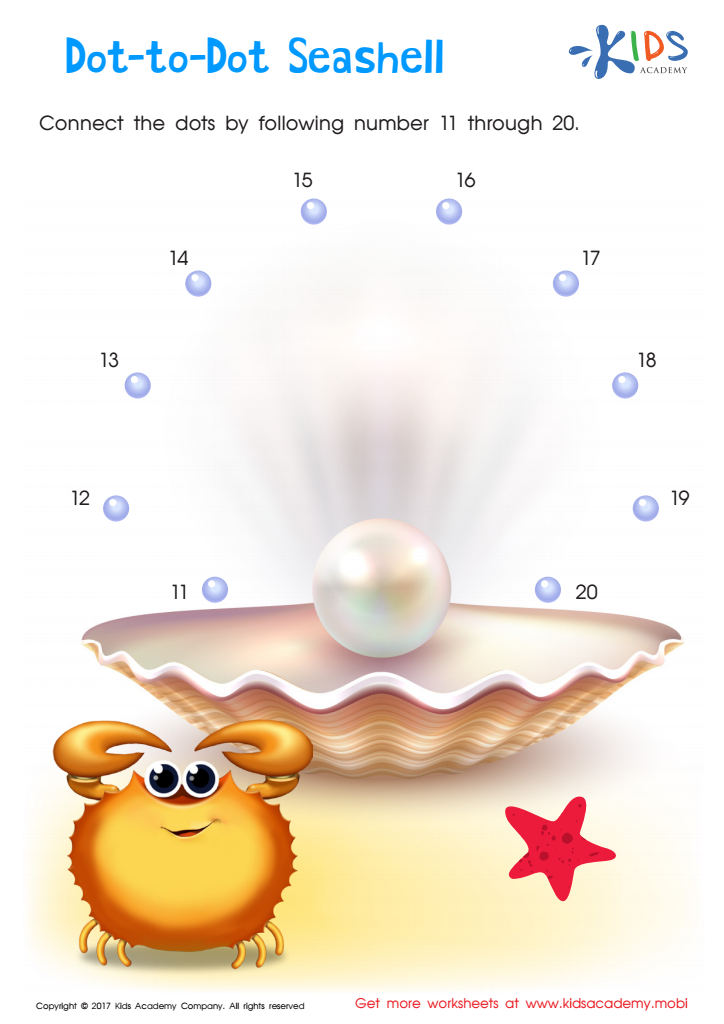
Ordering 11–20: Dot–to–dot Seashell Printable
 Assign to My Students
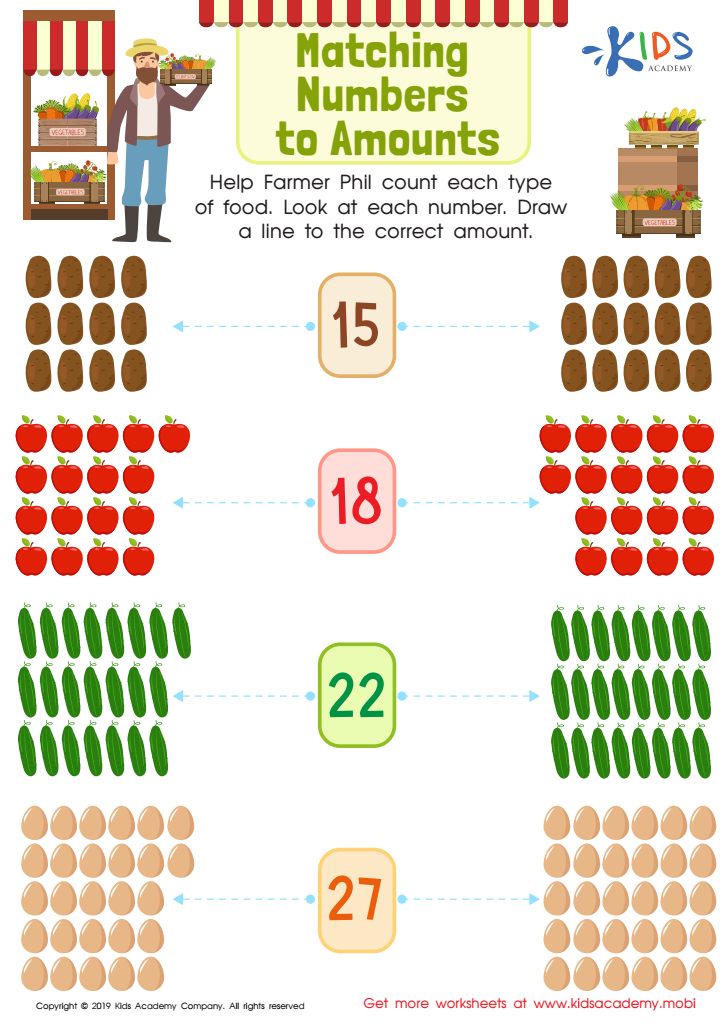
Matching Numbers to Amounts Worksheet

Counting on the City Skyline: Dot-to-Dot Worksheet





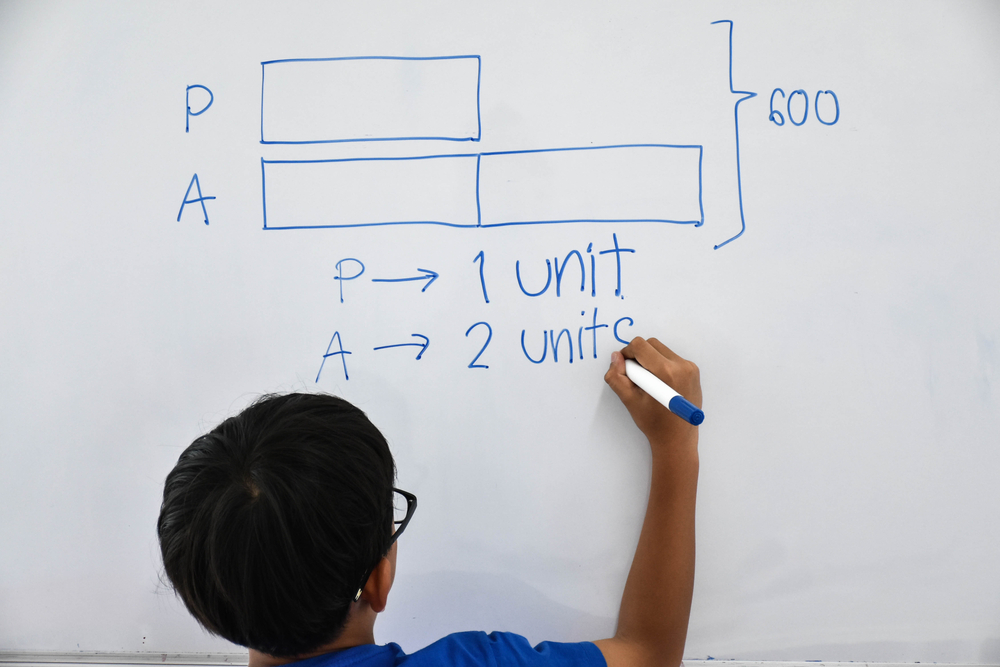


Understanding numbers up to 100 is foundational for children aged 3-8, as it sets the stage for their future mathematical skills. At this early age, children are highly receptive to learning, and numbers play a crucial role in cognitive development. Recognizing and working with numbers helps children develop critical skills such as counting, sorting, and problem-solving, which are fundamental to their overall academic success.
Mastering numbers up to 100 also enhances children’s ability to engage with their environment; whether it’s counting toys, understanding daily routines, or managing time, numbers are everywhere. Additionally, strong numerical skills contribute to children’s confidence in tackling more complex mathematical concepts later on, leading to better performance in school.
Moreover, incorporating fun activities with numbers—like games, songs, or real-life applications—can foster a positive attitude towards learning math. This early engagement helps combat math anxiety, creates a love for learning, and encourages a growth mindset.
Parents and teachers play a vital role in nurturing this development through daily interactions and intentional teaching. By focusing on numbers up to 100, they can equip children with essential skills that will benefit them across various subjects and in everyday life.