Enhancing Counting Skills Place Value Worksheets for Ages 3-8
5 filtered results
-
From - To
Discover our "Enhancing Counting Skills Place Value Worksheets" designed specifically for children aged 3-8! These engaging and educational materials help young learners grasp fundamental counting concepts while developing their understanding of place value. Our worksheets feature colorful illustrations and interactive activities that capture children's attention and make learning fun. By practicing counting skills in conjunction with place value, kids build a solid math foundation essential for future success. Parents and educators can readily incorporate these worksheets into regular lesson plans or at-home learning sessions. Empower your child's numerical skills today with our comprehensive collection of place value worksheets!
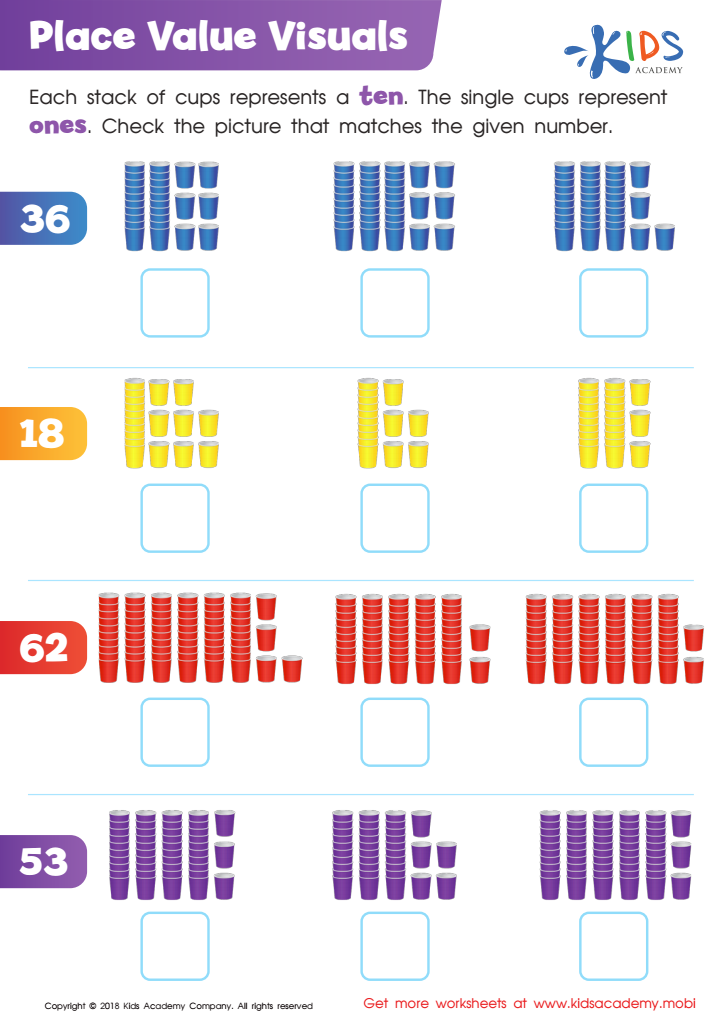
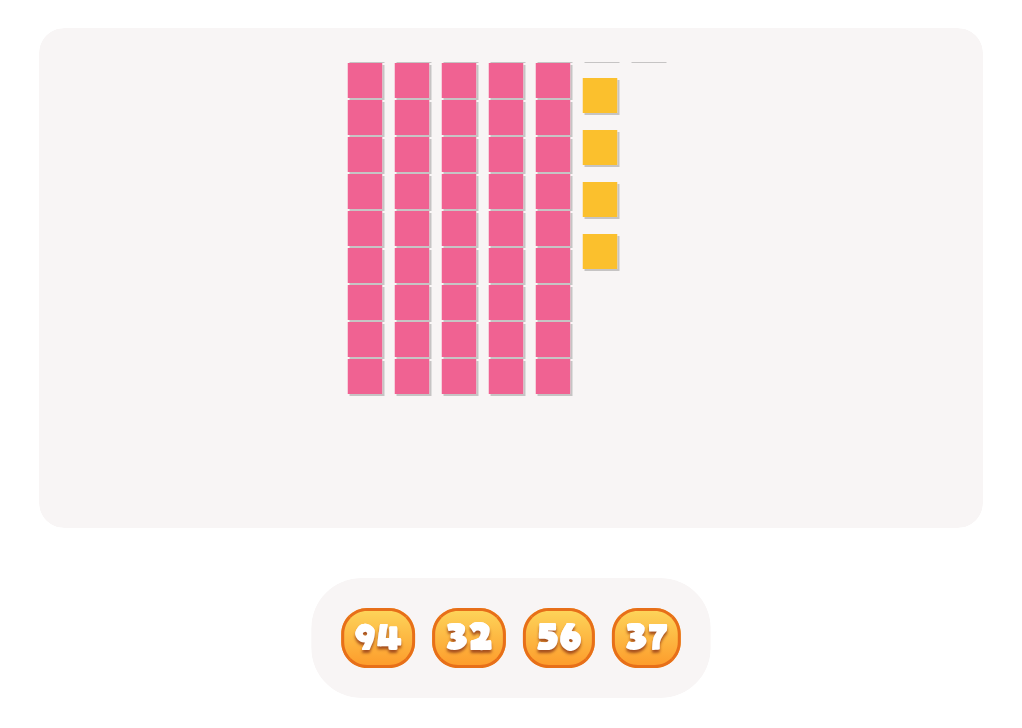
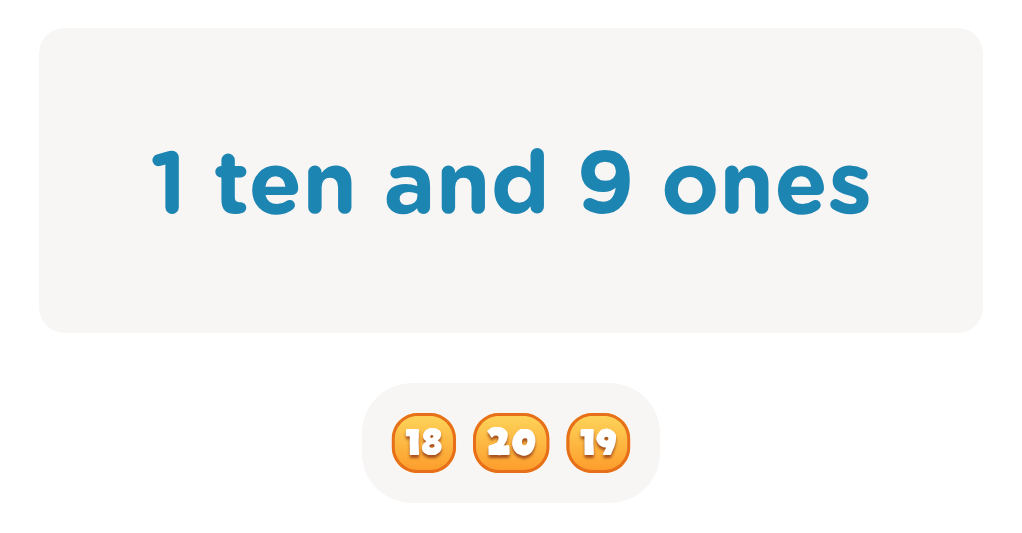
Place Value Visuals Worksheet
 Assign to My Students
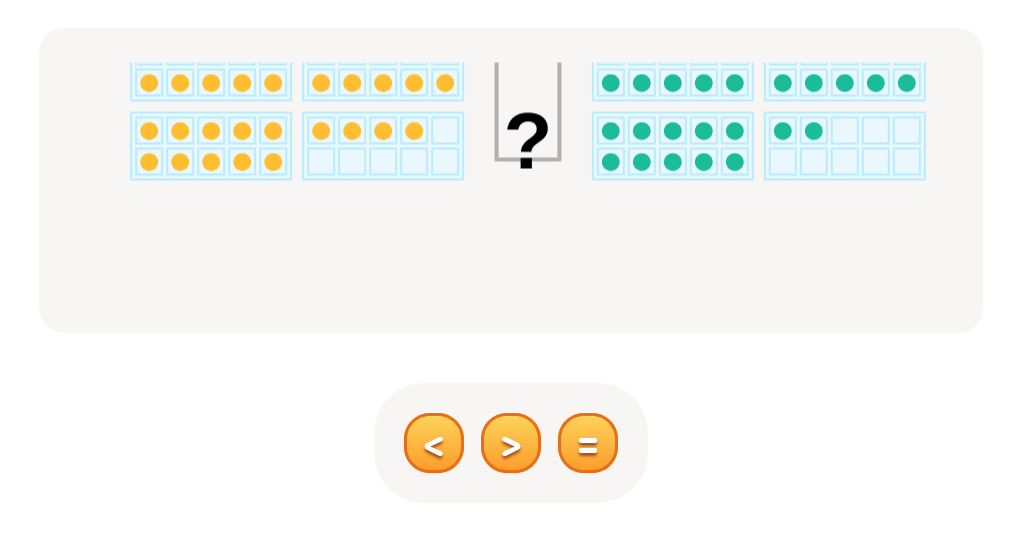

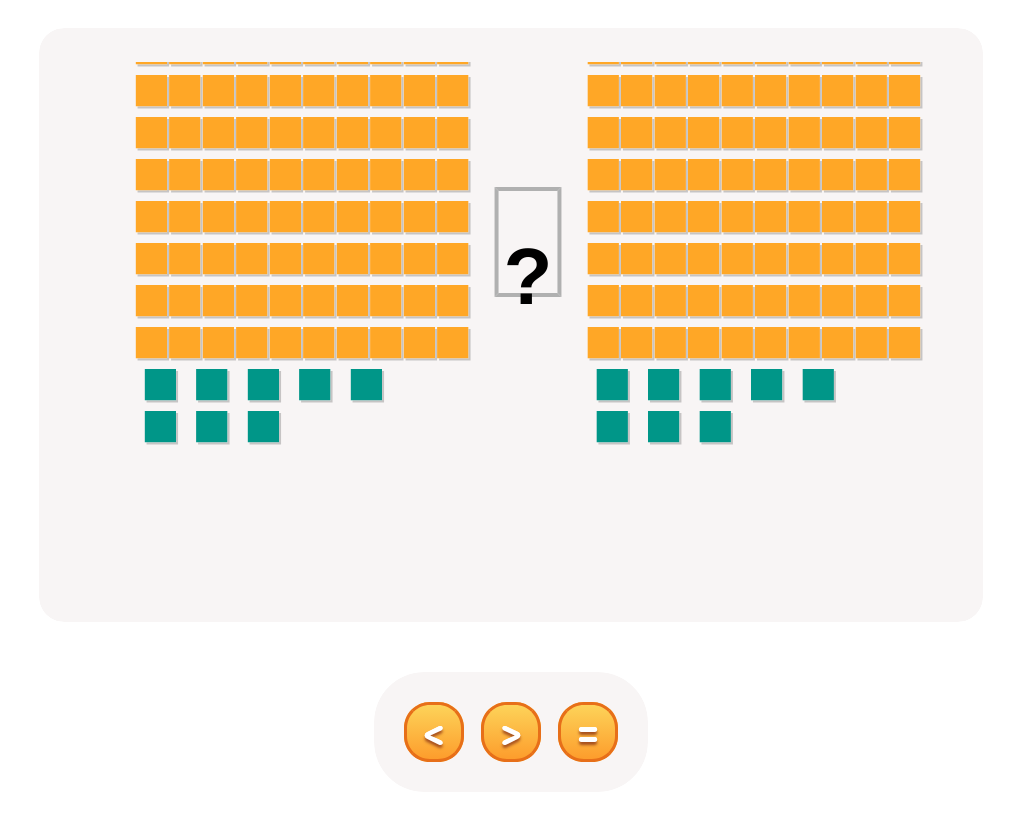
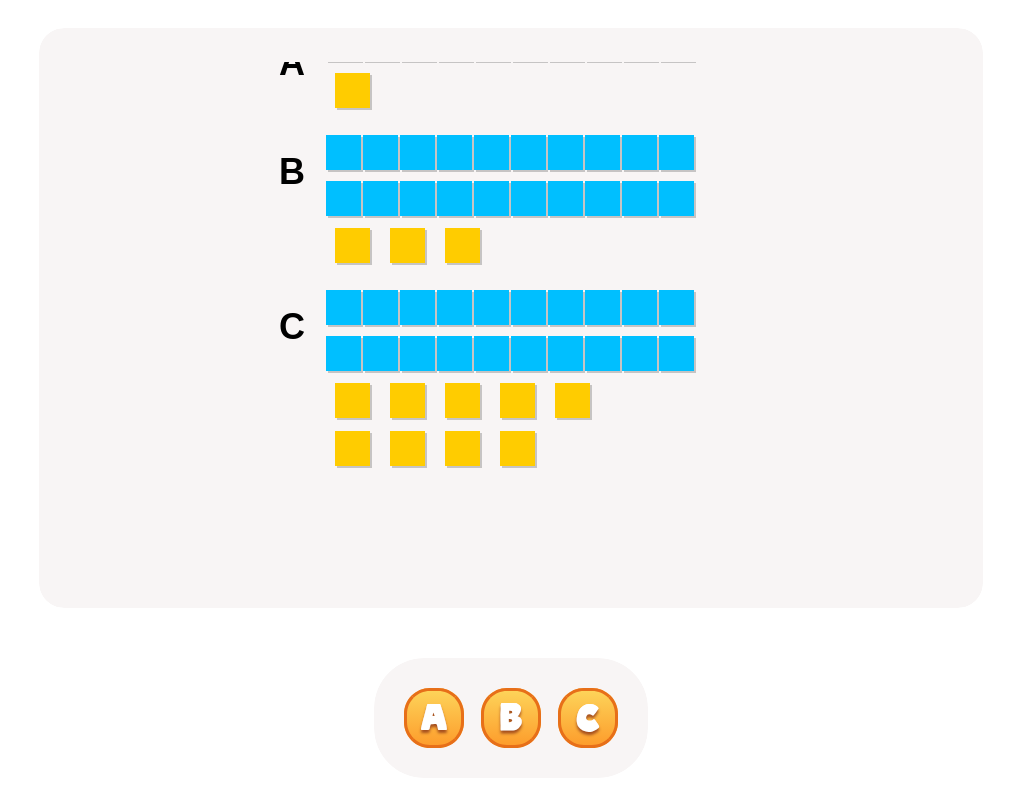
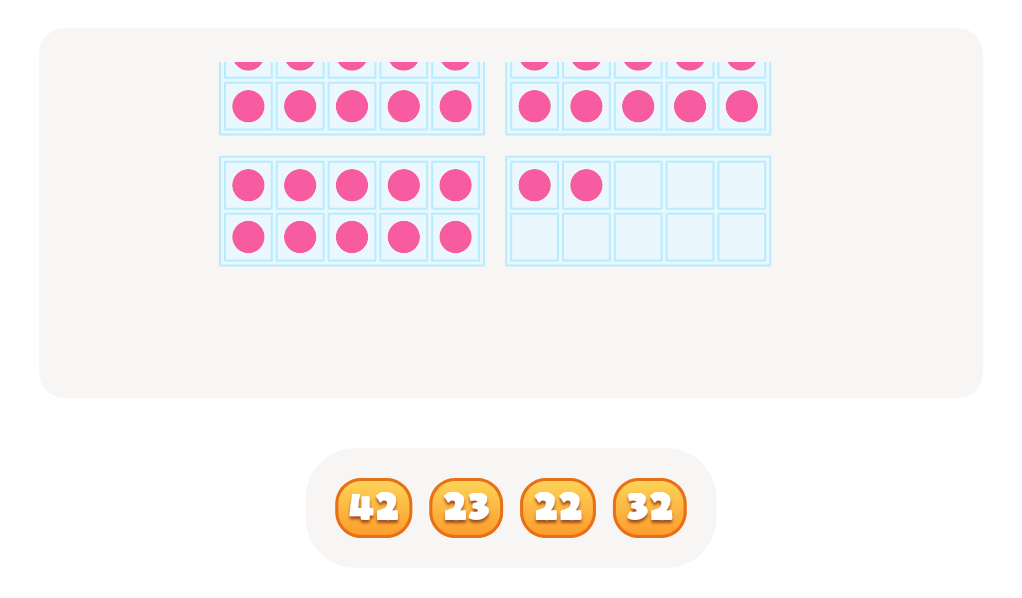
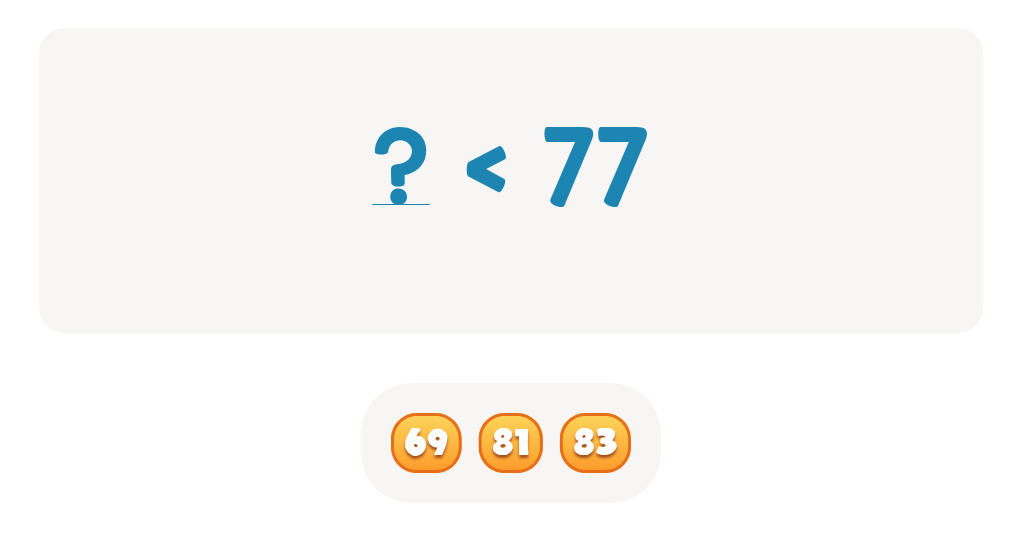
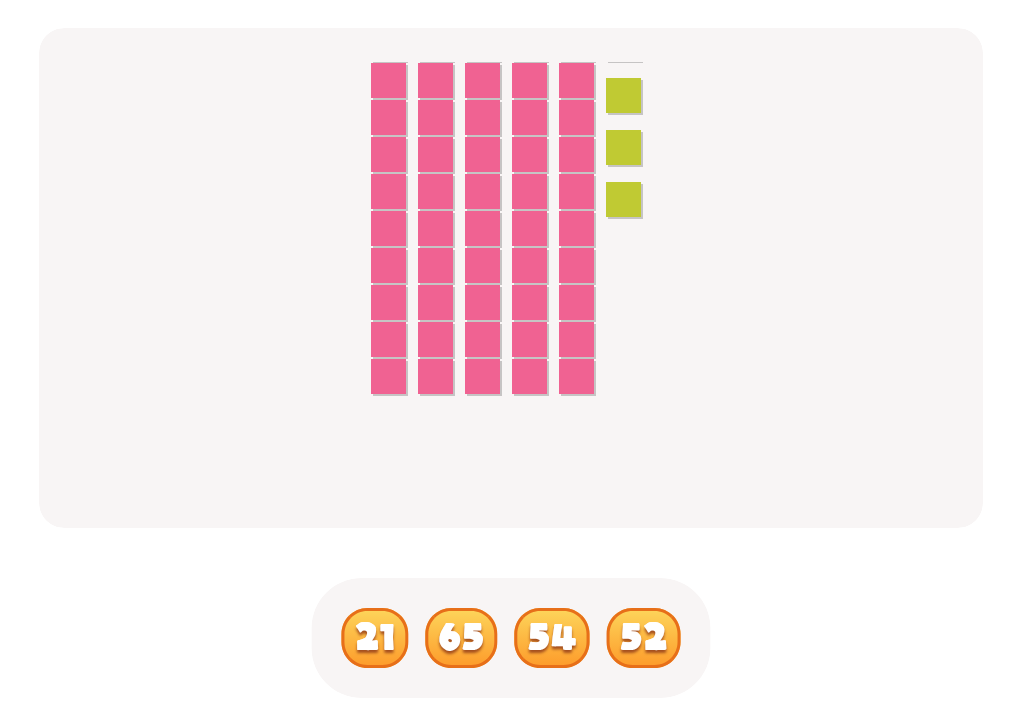
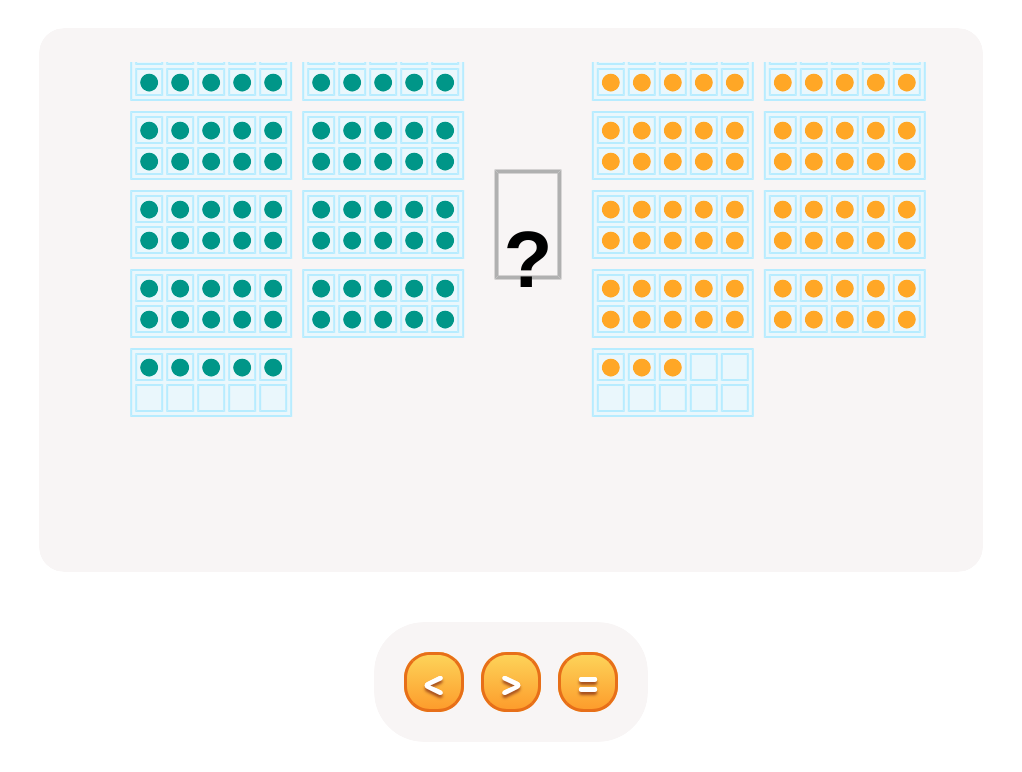
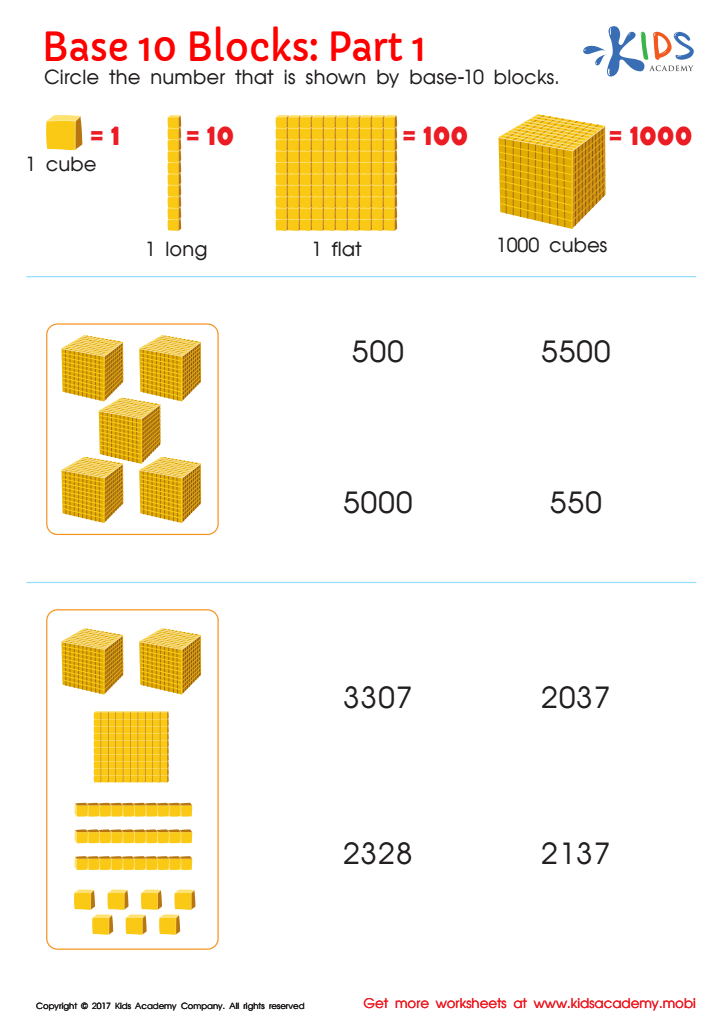
Place Value Thousands Worksheet
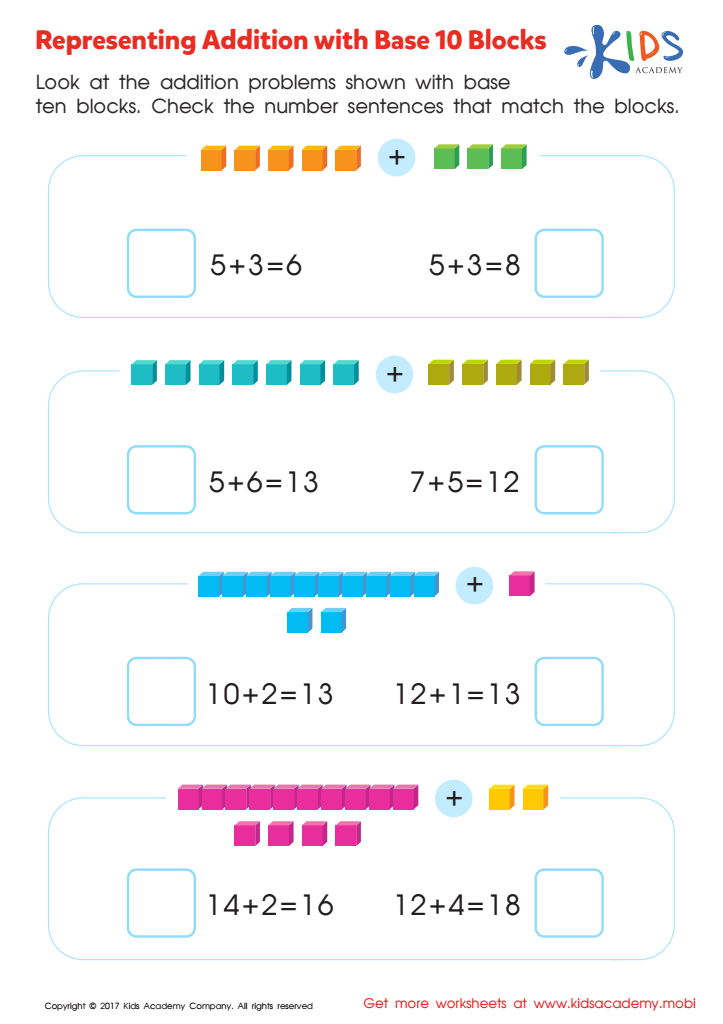
Representing Addition with Base 10 Blocks Worksheet
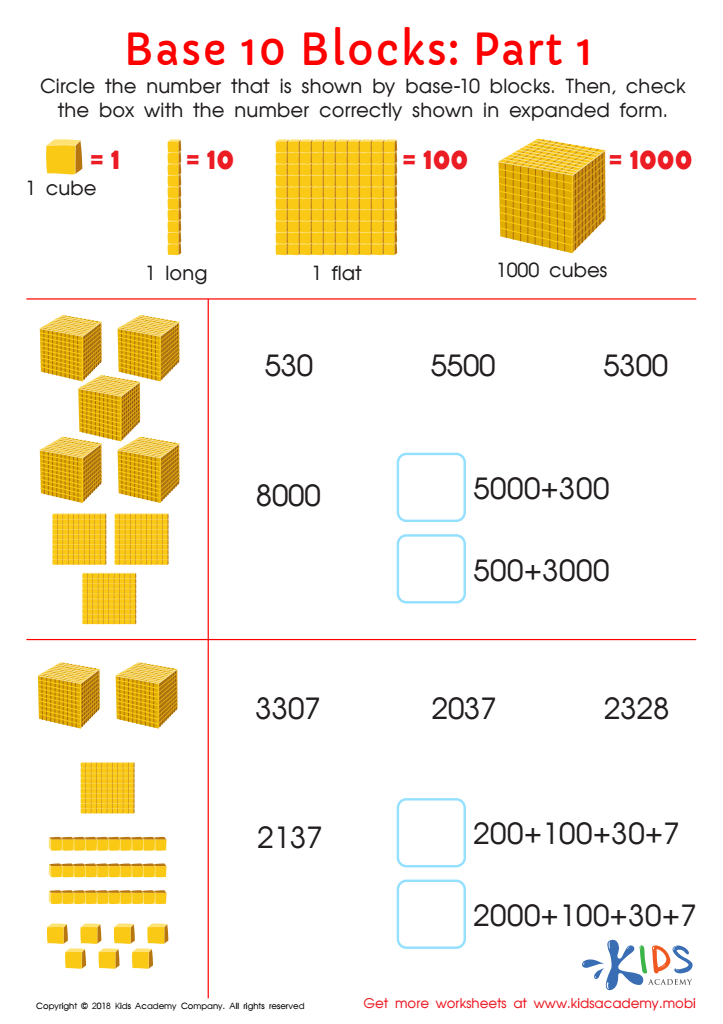
Base 10 Blocks Worksheet: Part 1
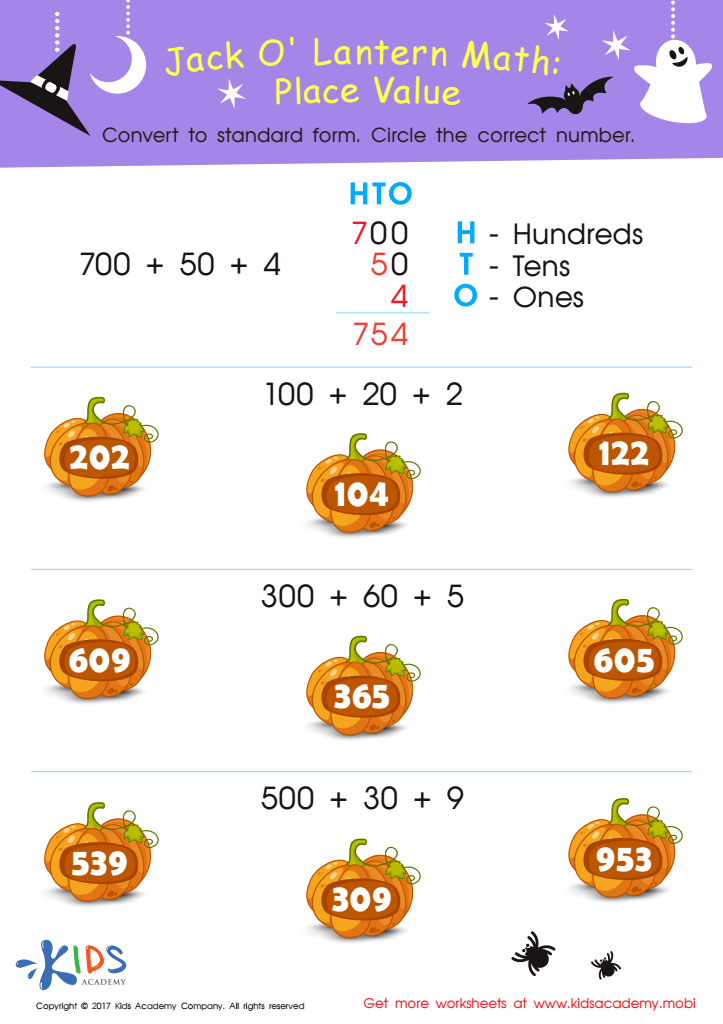
Free Place Value Worksheet








Enhancing counting skills and understanding place value in children aged 3-8 is essential for their foundational mathematical development. During these formative years, children are naturally curious and eager to explore numbers. Developing strong counting skills fosters a sense of number sense that is crucial as they progress academically. It helps them recognize numbers, understand quantity, and perform basic arithmetic operations.
Place value, which refers to the value of a digit based on its position in a number, is a key concept that paves the way for more complex mathematical reasoning. When children grasp this concept, they can more easily transition to addition, subtraction, and even multiplication and division.
Parents and teachers play a vital role in nurturing these skills through engaging activities, games, and practical applications. By incorporating counting and place value into everyday scenarios—like counting fruits at the grocery store or identifying numbers on houses—they can make learning more relatable and enjoyable. Ultimately, investing time and resources to enhance counting and place value understanding not only prepares children for academic success but also instills confidence in their abilities, promoting lifelong interest and engagement in mathematics.