Problem-Solving Skills Place Value Worksheets for Ages 3-8
5 filtered results
-
From - To
Enhance your child's mathematical journey with our engaging Problem-Solving Skills Place Value Worksheets designed specifically for ages 3-8. This resource-rich collection helps young learners grasp the concept of place value while developing crucial problem-solving skills. Each worksheet is tailored to ignite curiosity and promote critical thinking, turning learning into a fun adventure. Dive into interactive exercises, vibrant illustrations, and age-appropriate activities that encourage kids to explore numbers while reinforcing their understanding of ones, tens, and beyond. Ideal for classrooms or home learning, our worksheets set the foundation for future math success through enjoyable practice and exploration. Start building confidence in math today!
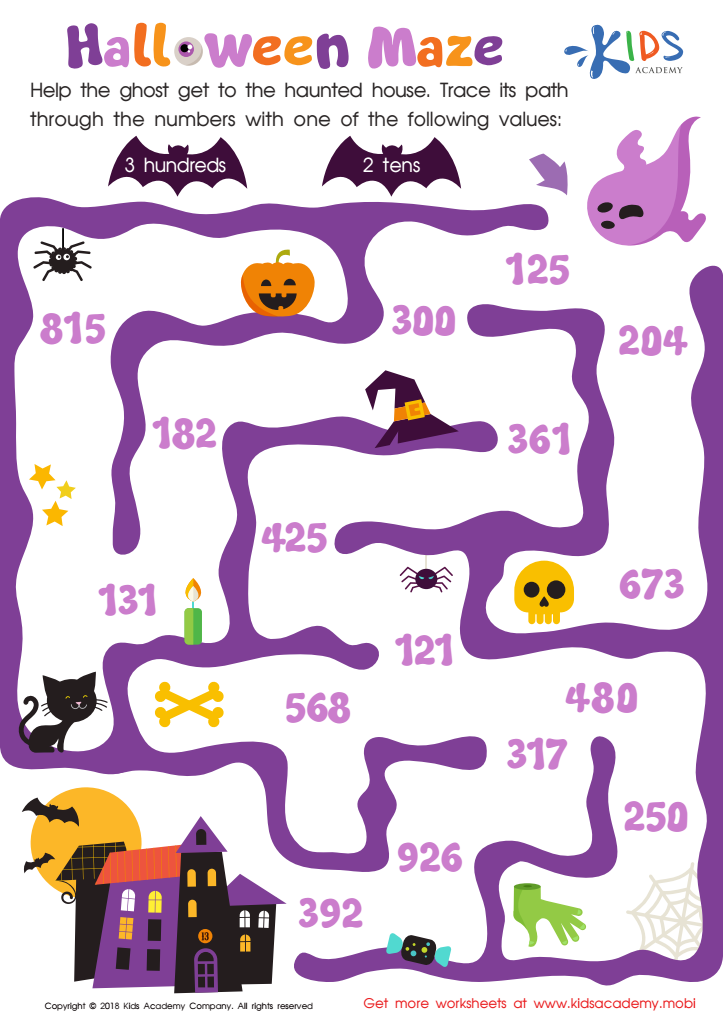
Place Value: Halloween Maze Worksheet
 Assign to My Students
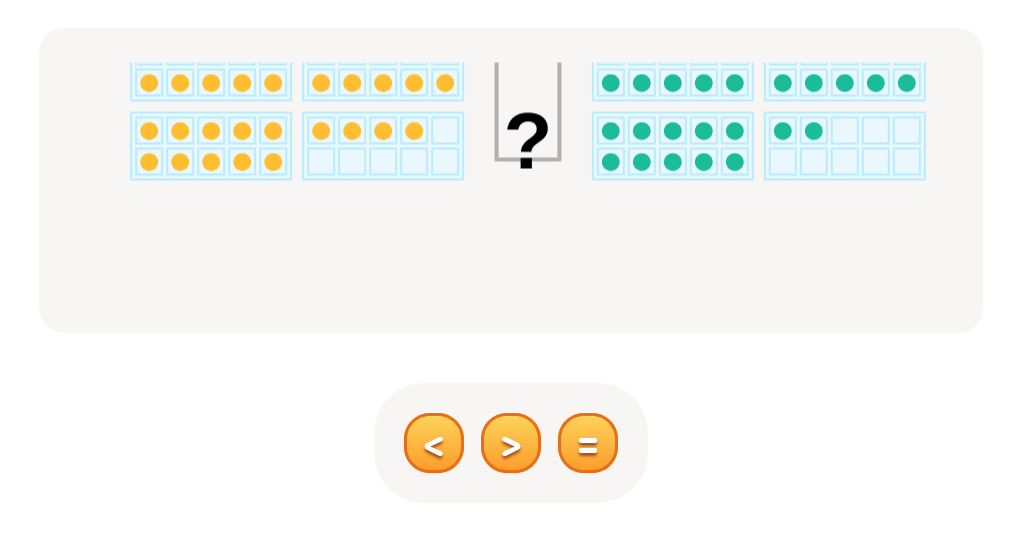

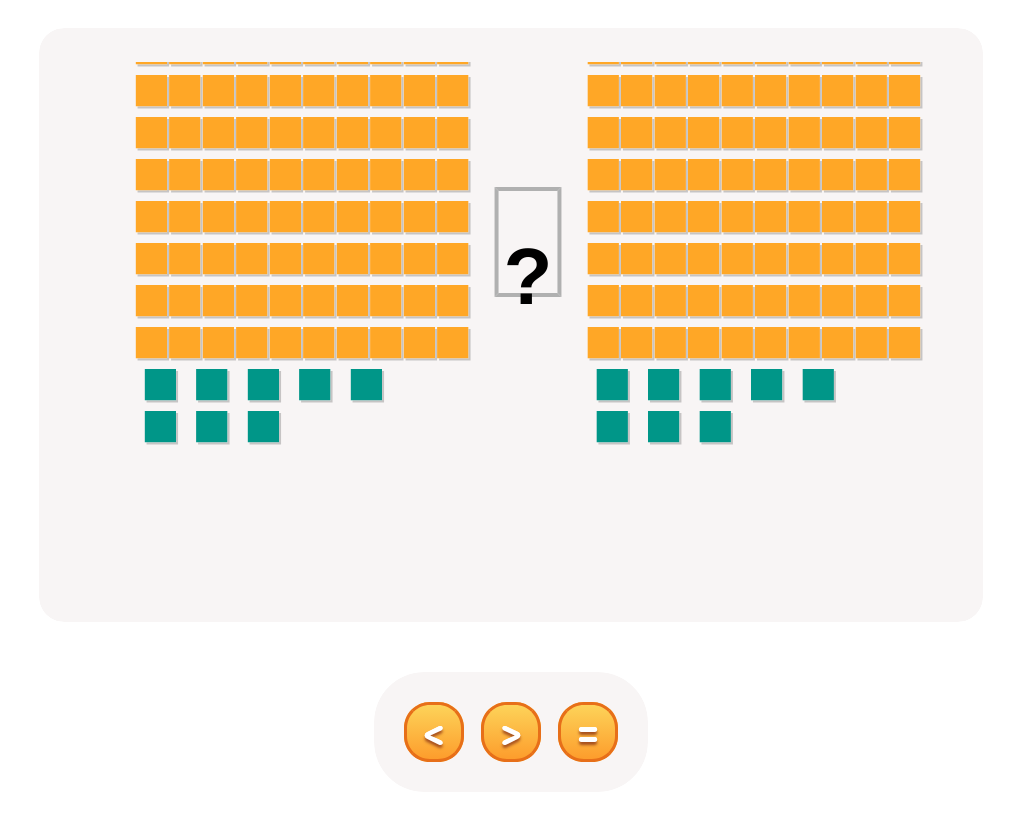
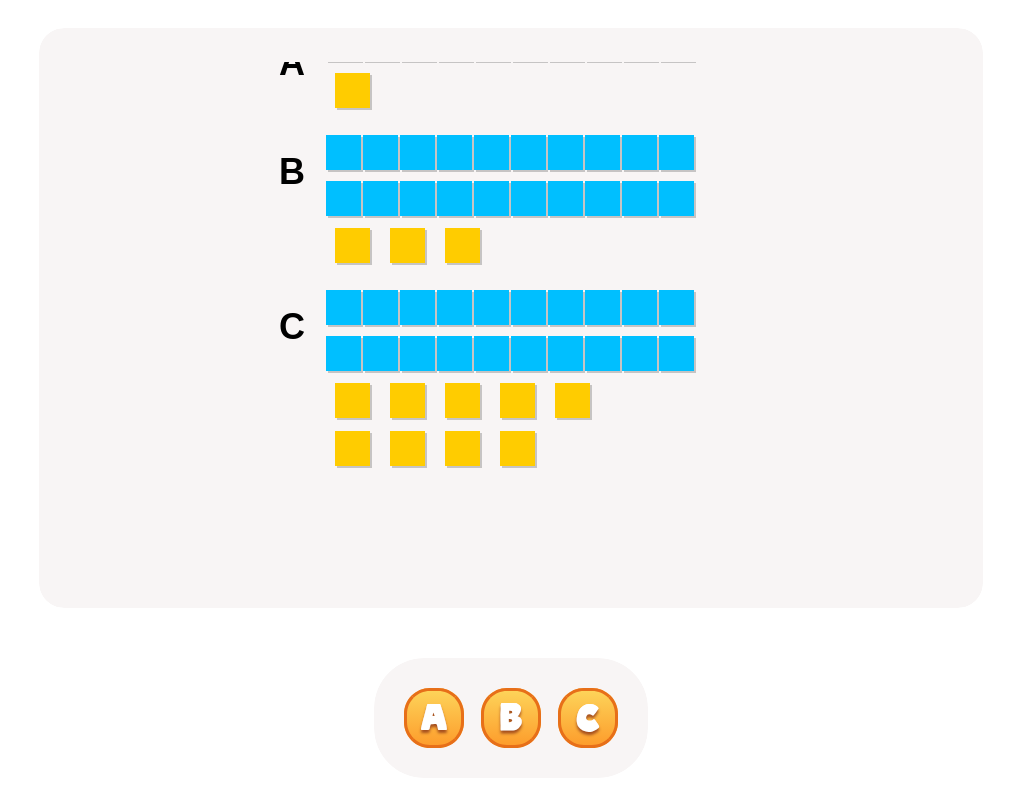
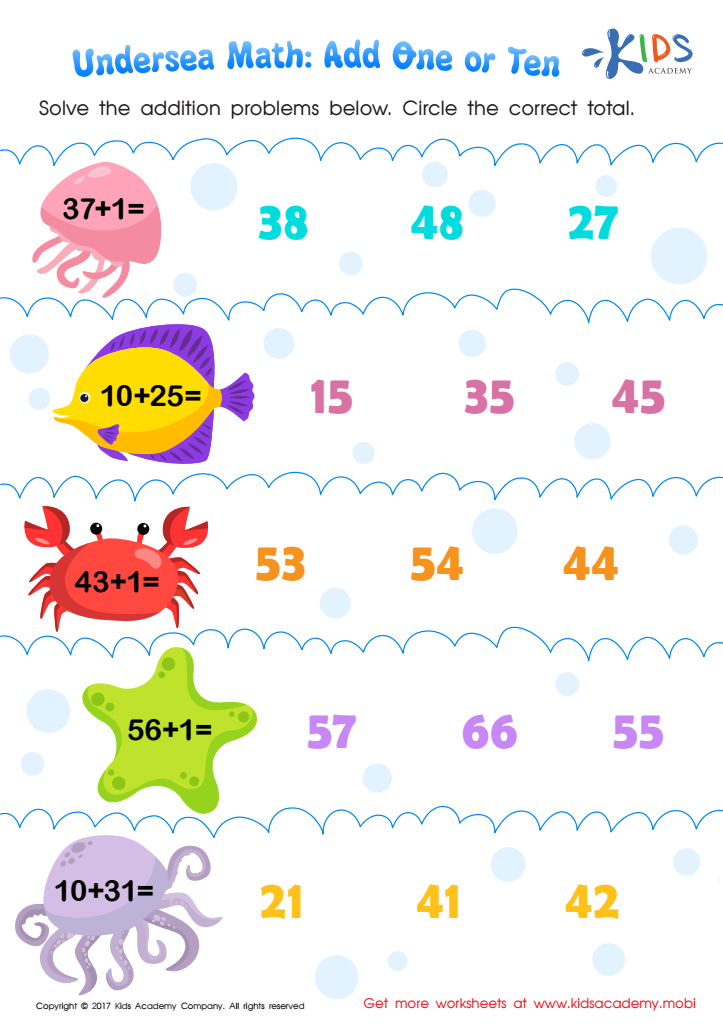
Undersea Math Worksheet
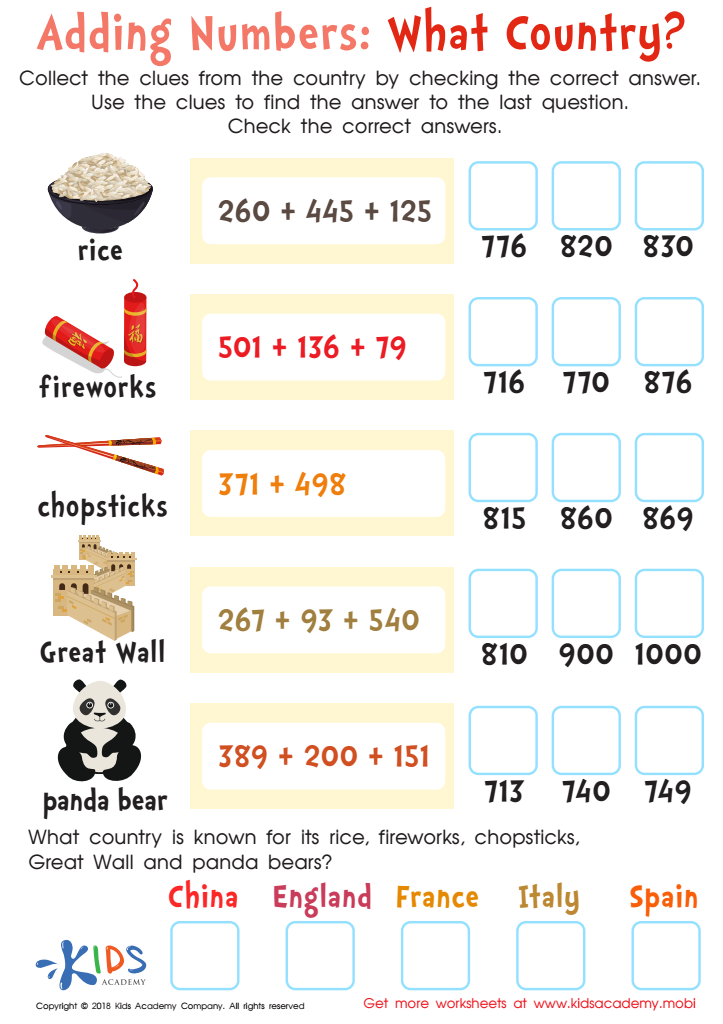
Adding Numbers: What Country Worksheet
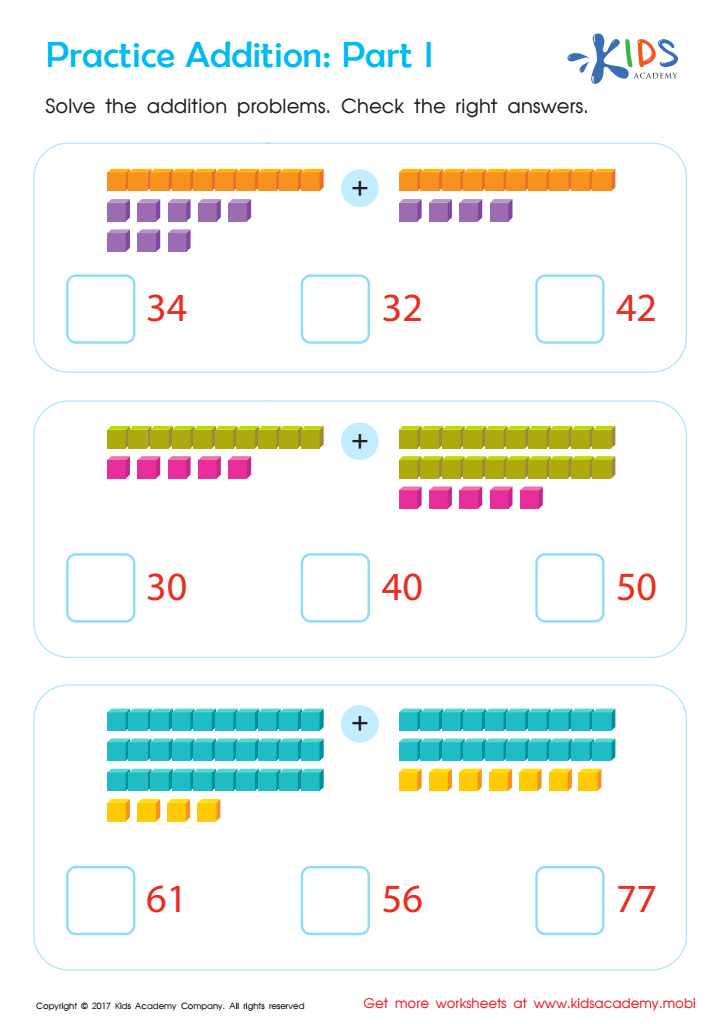
Practice Addition: Part 1 Worksheet
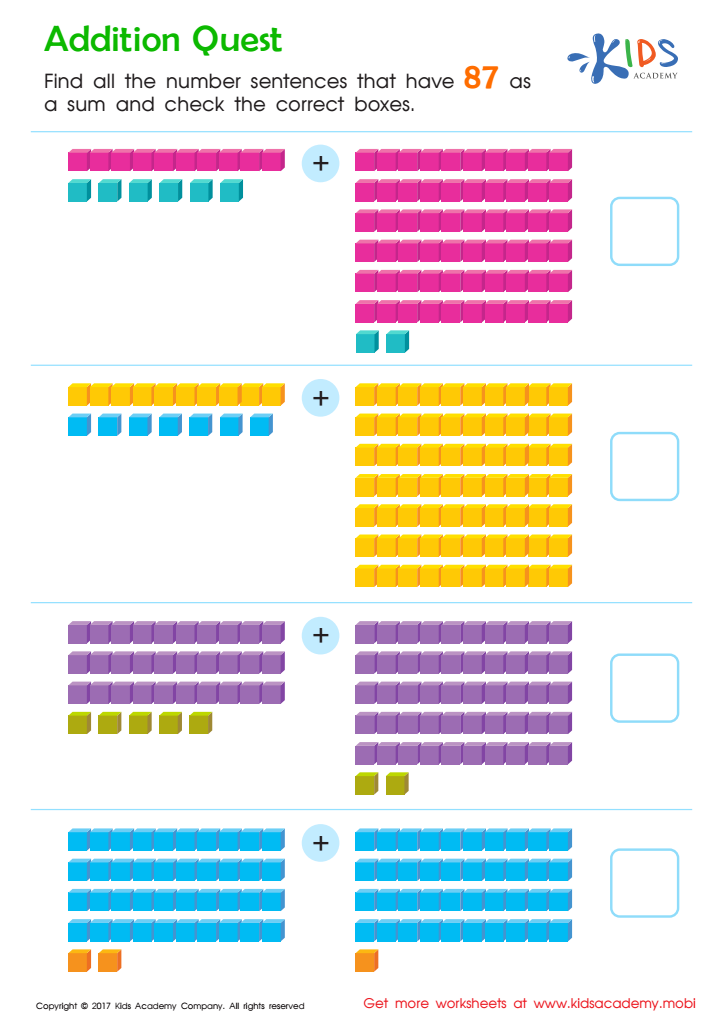
Addition Quest Worksheet: Part 1








Problem-solving skills related to place value are essential for children aged 3-8 as they lay the foundation for mathematical understanding. Early mastery of these skills helps children make sense of numbers, leading to a greater ability to tackle more complex math concepts later on. When children grasp place value, they understand that numbers are made up of units, tens, hundreds, and so on, which fosters a deeper comprehension of addition, subtraction, and even more advanced operations.
For parents and teachers, encouraging problem-solving around place value nurtures critical thinking. When students engage in activities that involve manipulating numbers, creating patterns, and solving real-world problems, they develop analytical skills that extend beyond math. Such early experiences encourage logical reasoning and boost confidence, setting the stage for a lifelong love of learning.
Moreover, a strong grasp of place value can help reduce anxiety related to math in the future. Parents and educators should create an enriching environment where children can explore these concepts through games, discussions, and hands-on activities. By prioritizing place value and problem-solving, we equip young learners with essential skills that will benefit them academically and personally throughout their lives.








