Subtraction practice Subtraction Worksheets for Ages 3-8
36 filtered results
-
From - To
Welcome to our Subtraction Practice Worksheets, designed specifically for children aged 3-8! These engaging and interactive worksheets help young learners develop their subtraction skills through fun and age-appropriate activities. Each worksheet is carefully crafted to provide a mix of visuals and straightforward problems, making learning enjoyable. Whether your child is just starting out or needs extra practice, our resources cater to all levels of understanding. Encourage your child's mathematical development as they complete exercises that reinforce concepts and build confidence. Explore our collection today to support your child's journey in mastering subtraction with our printable worksheets!
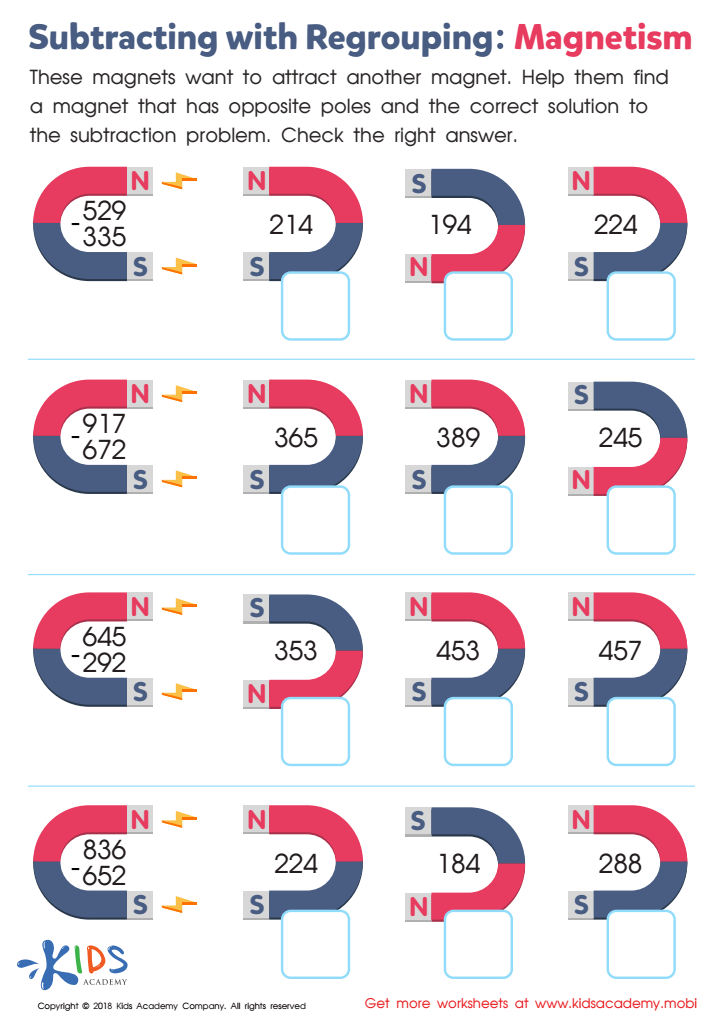
Subtracting with Regrouping: Magnetism Worksheet
 Assign to My Students
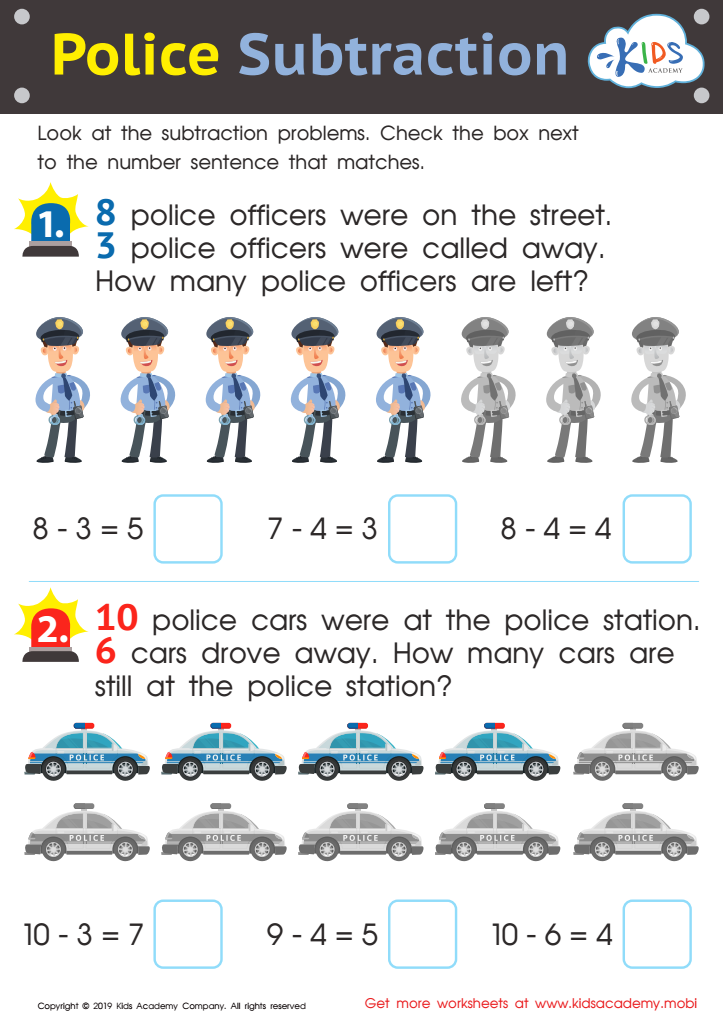
Police Subtraction Worksheet
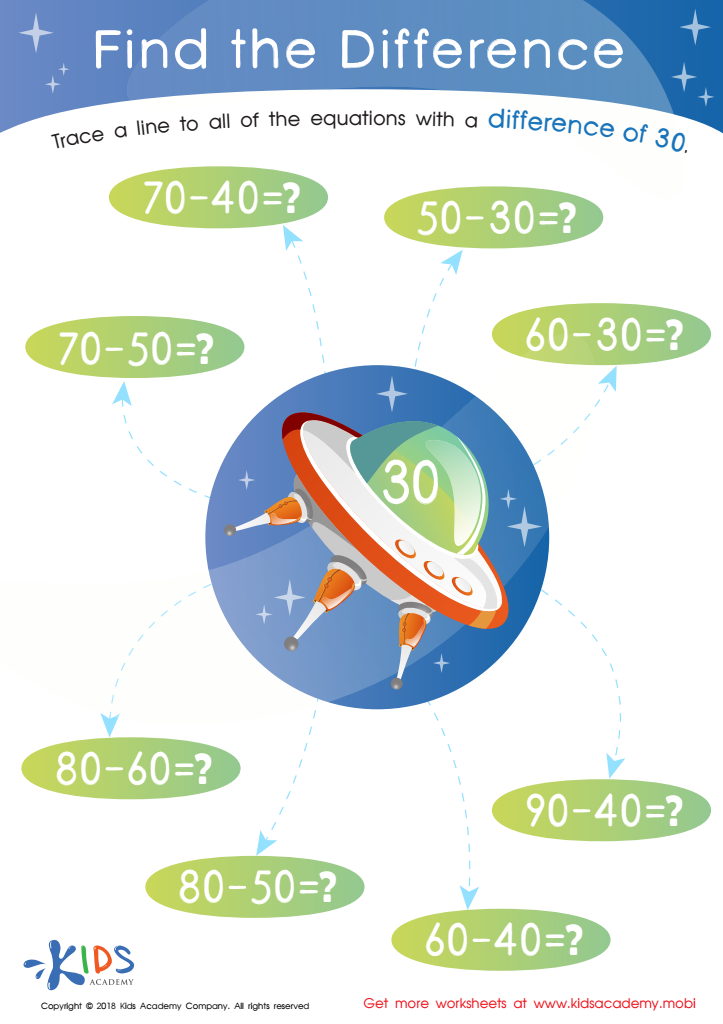
Find The Difference Worksheet
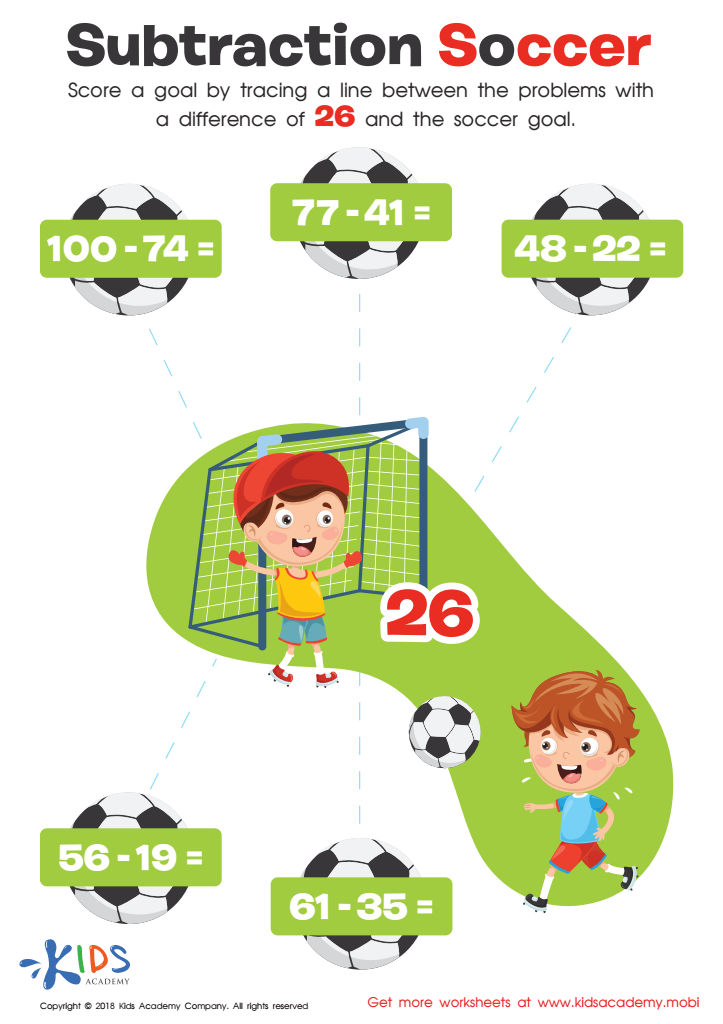
Subtraction Soccer Worksheet
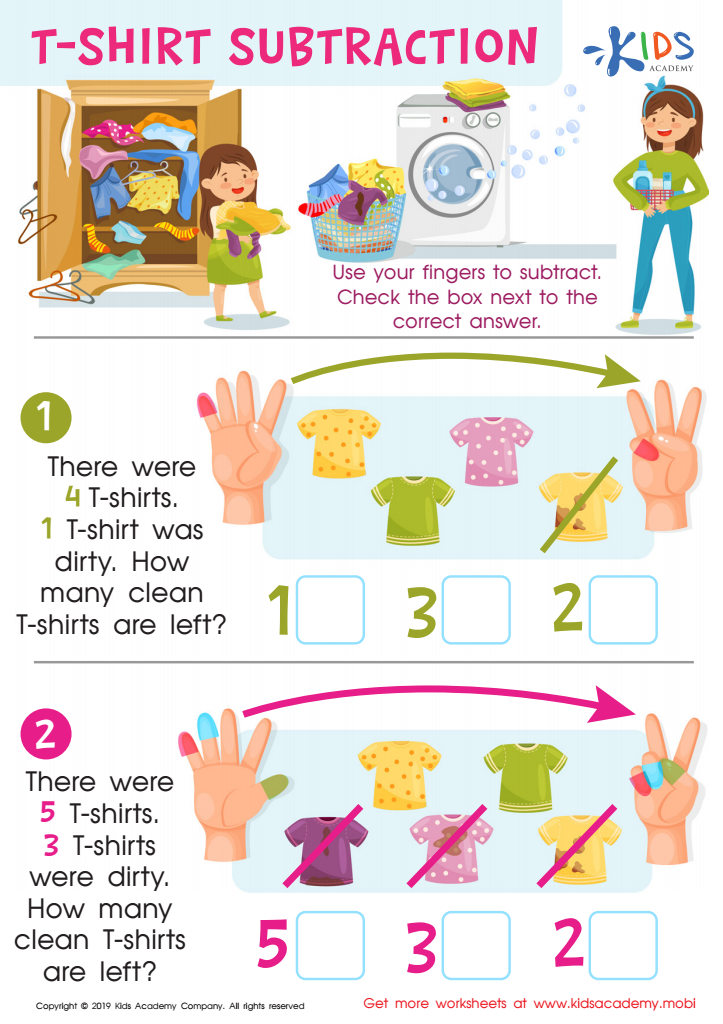
T-shirt Subtraction Worksheet
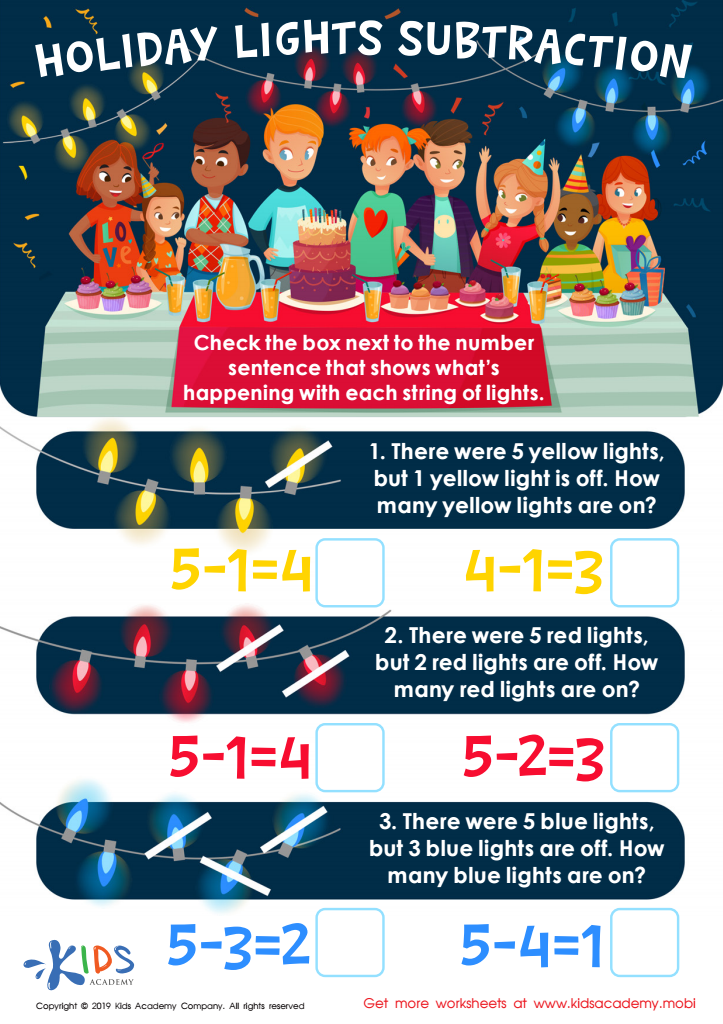
Holiday Lights Subtraction Worksheet
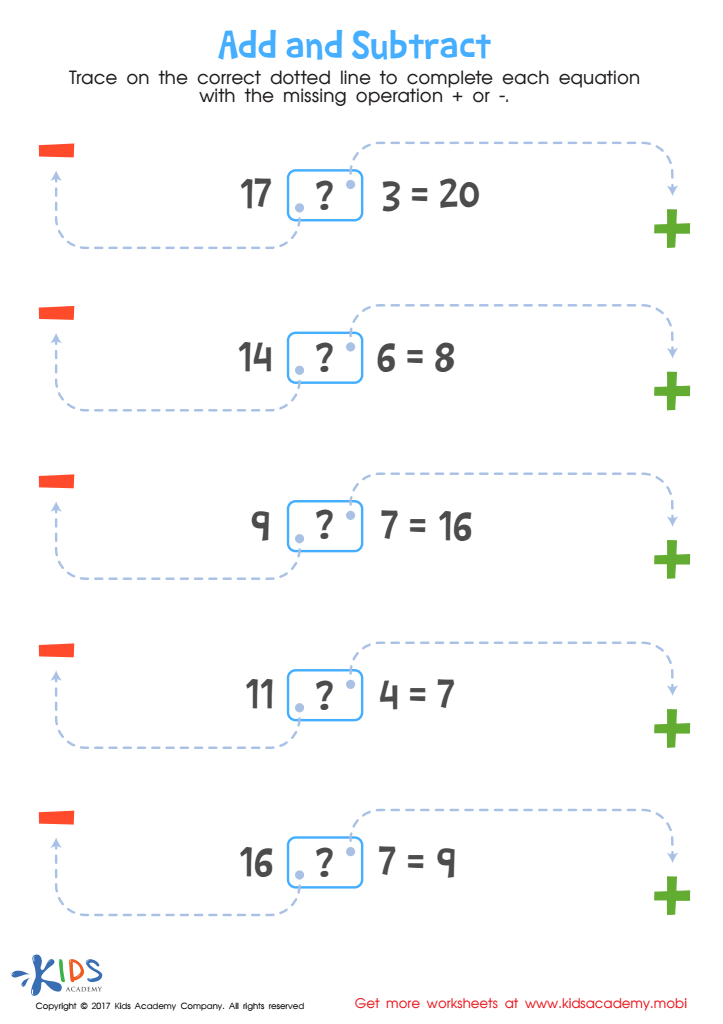
Add and Subtract Worksheet
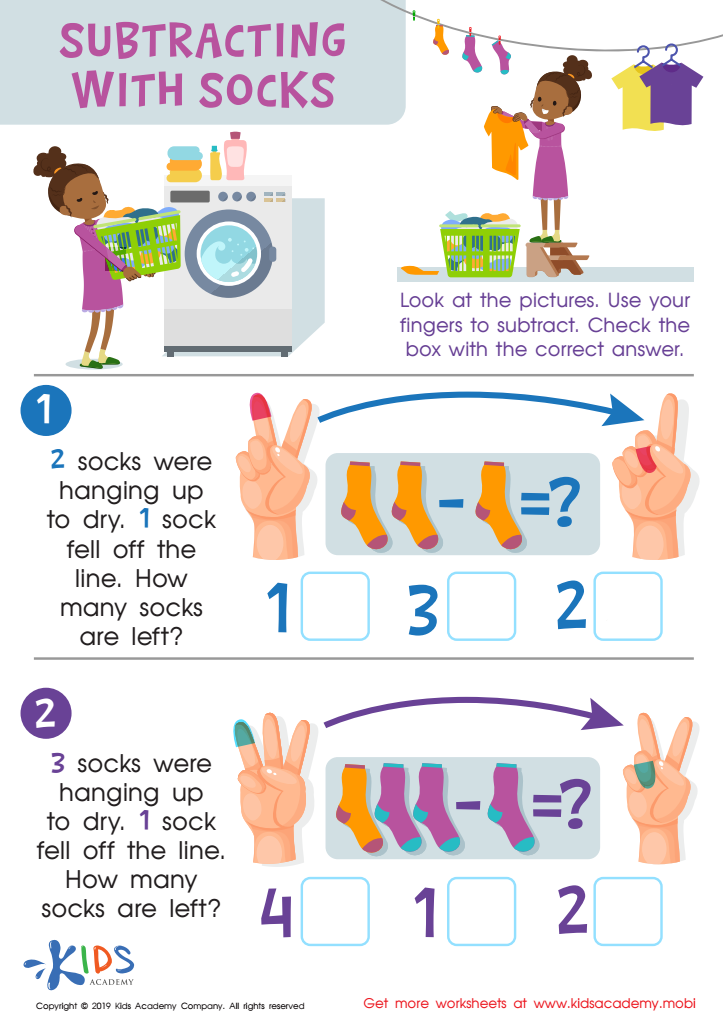
Subtracting Socks Worksheet
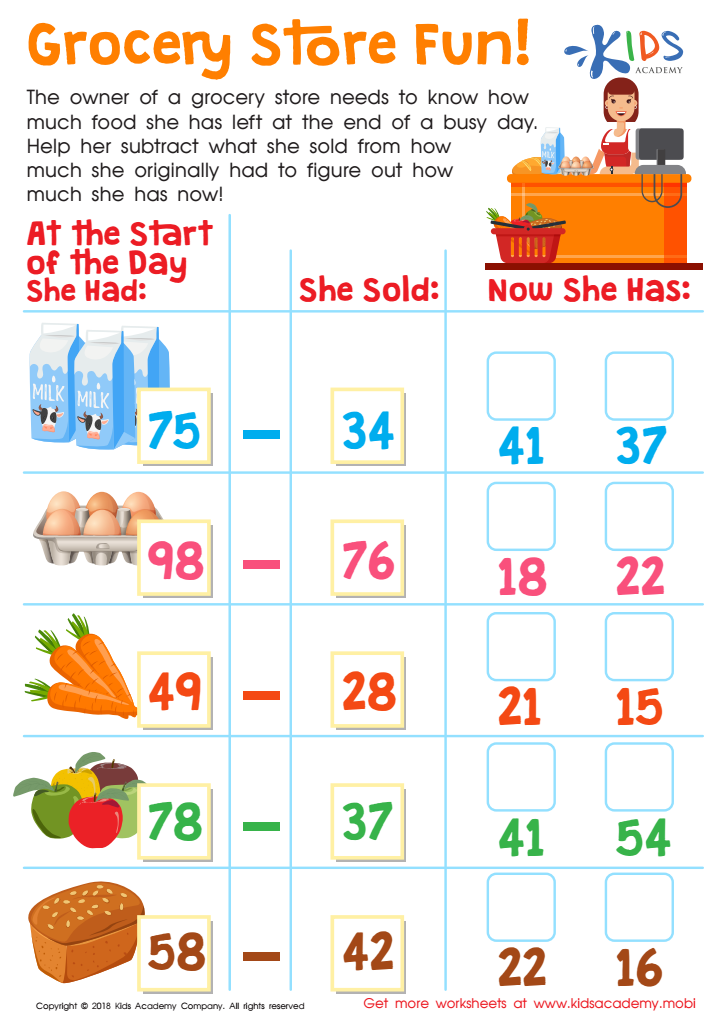
Grocery Store Fun! Worksheet
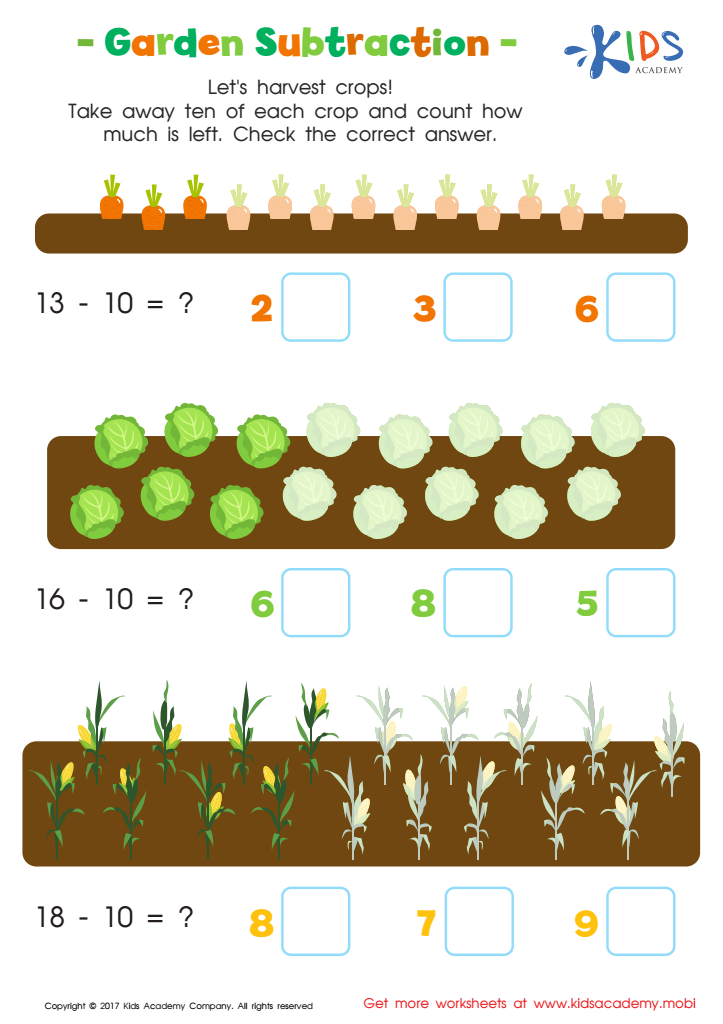
Garden Subtraction Worksheet
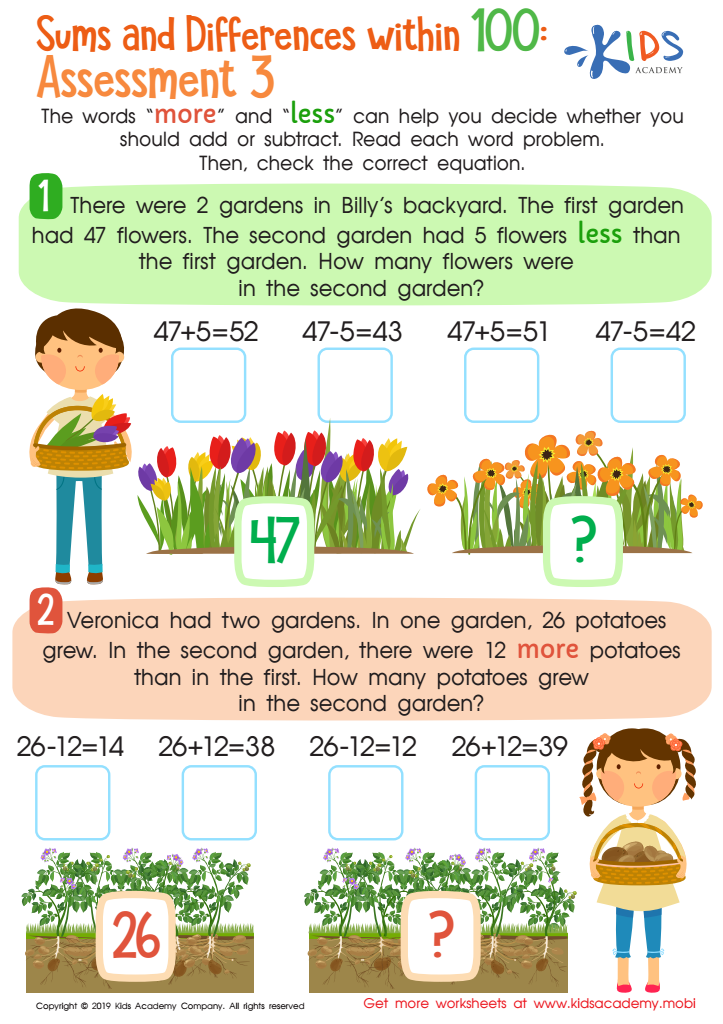
Sums and Differences Within 1 - Assessment 1 Worksheet
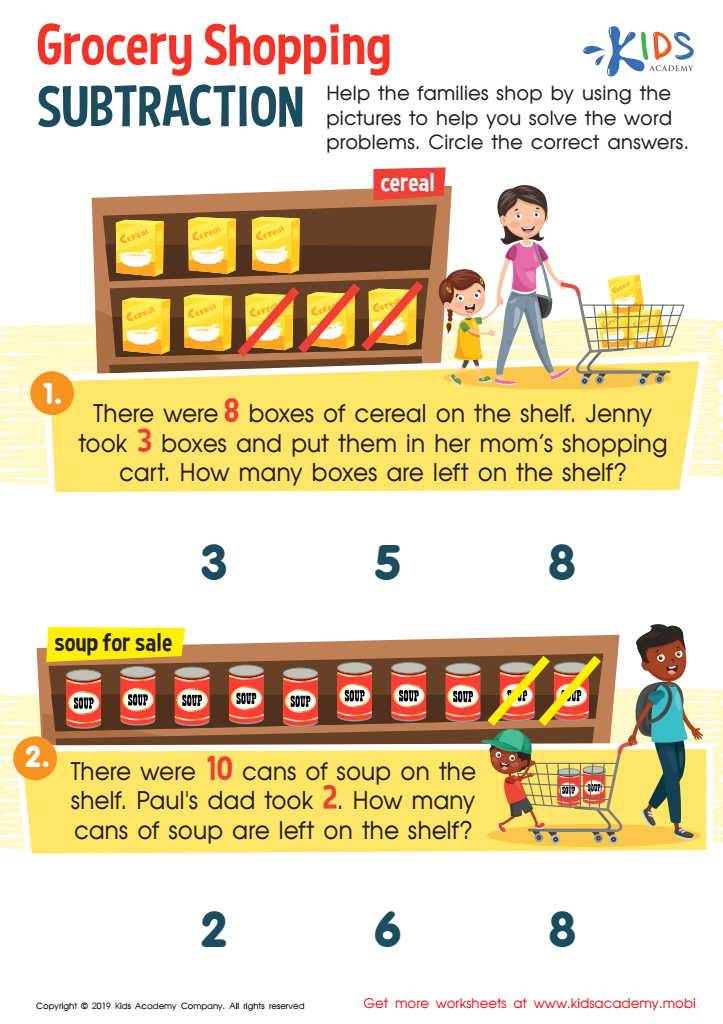
Grocery Shopping Subtraction Worksheet
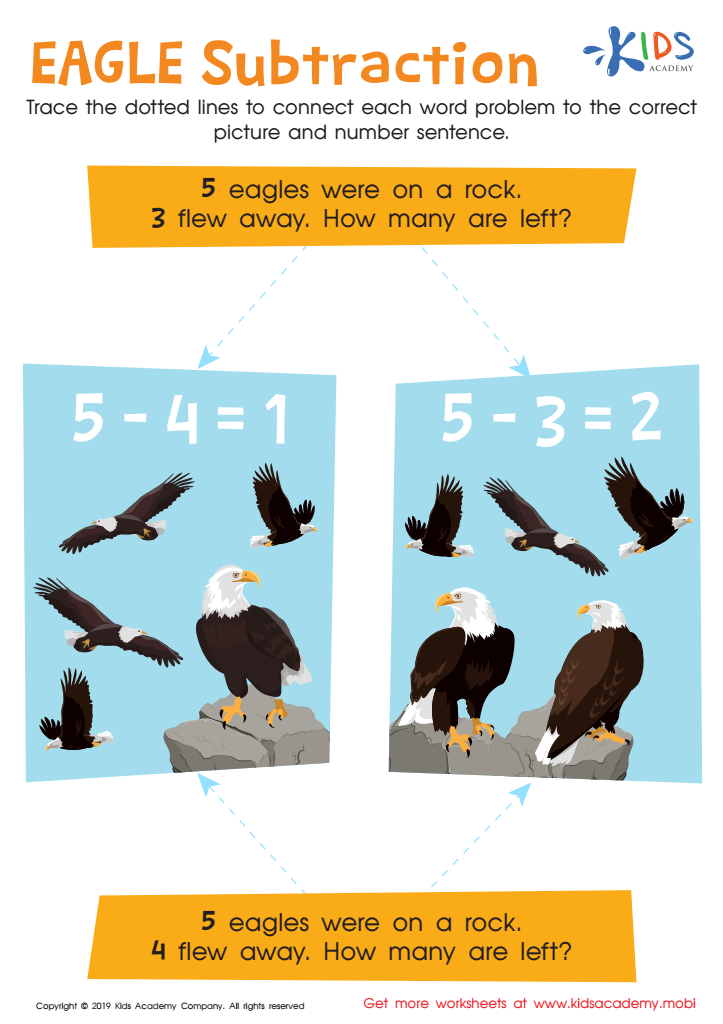
Eagle Subtraction Worksheet
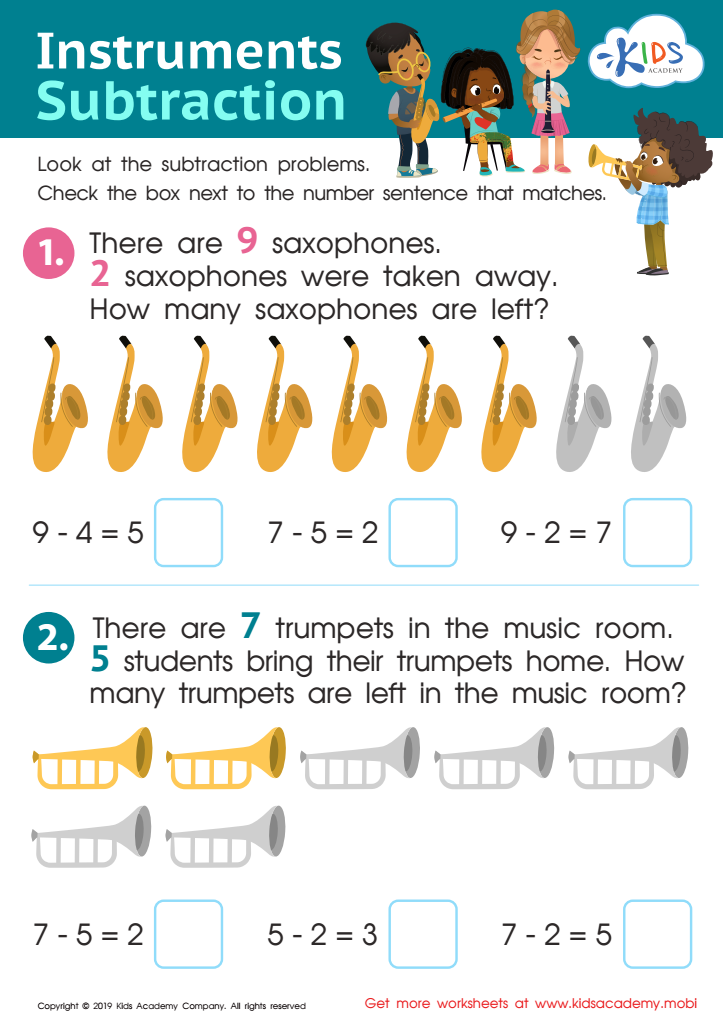
Instrument Subtraction Worksheet
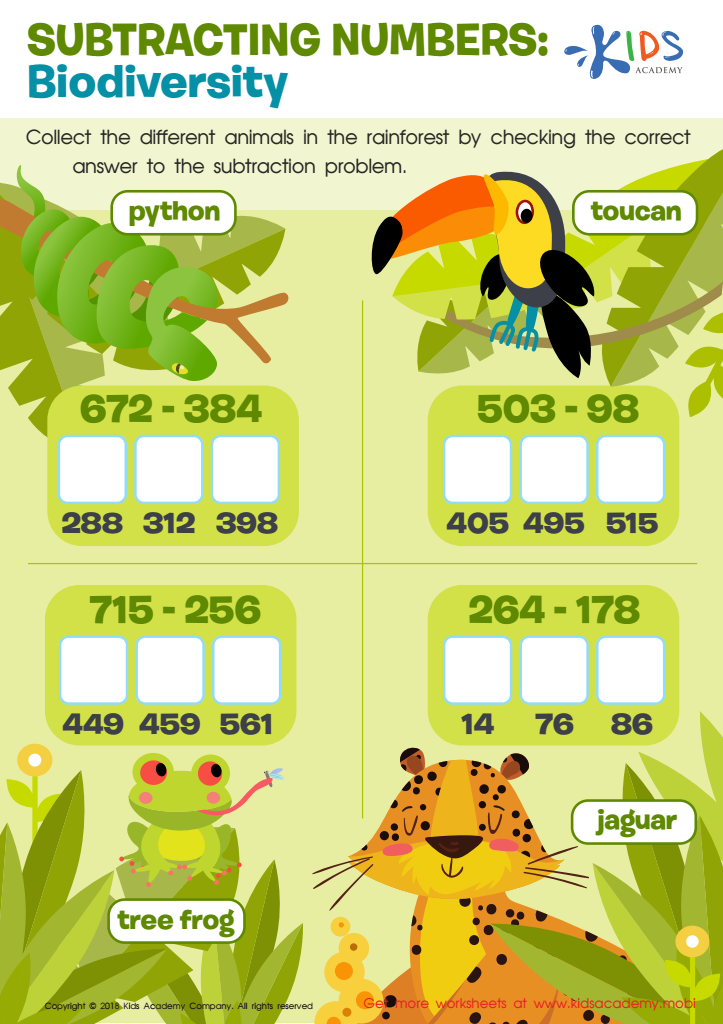
Subtracting Numbers: Biodiversity Worksheet
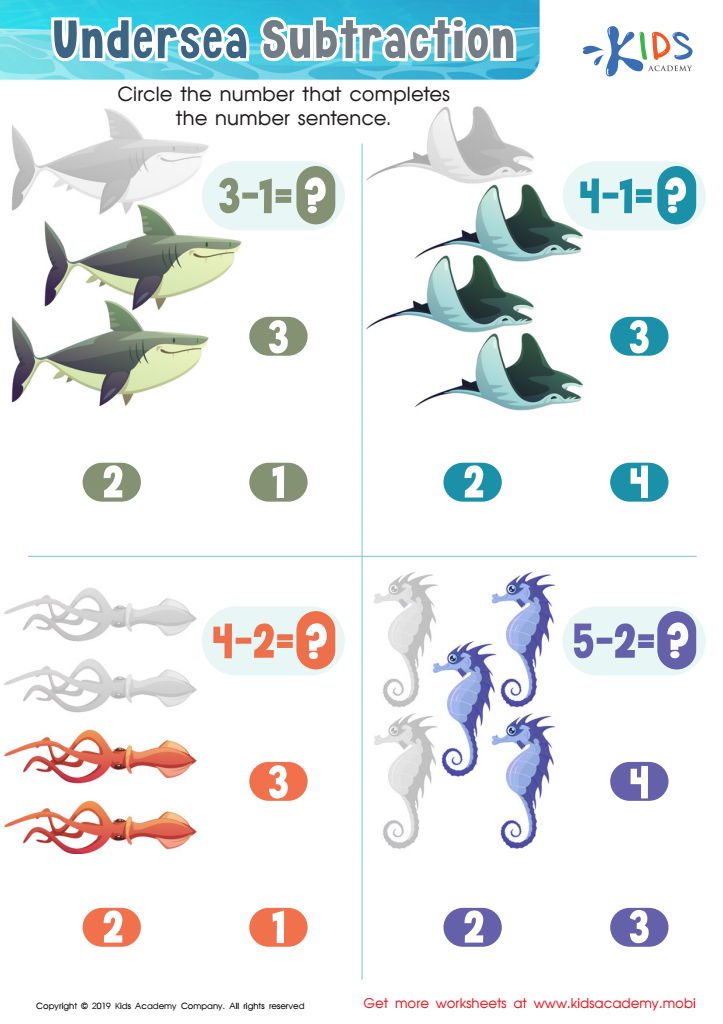
Undersea Subtraction Worksheet
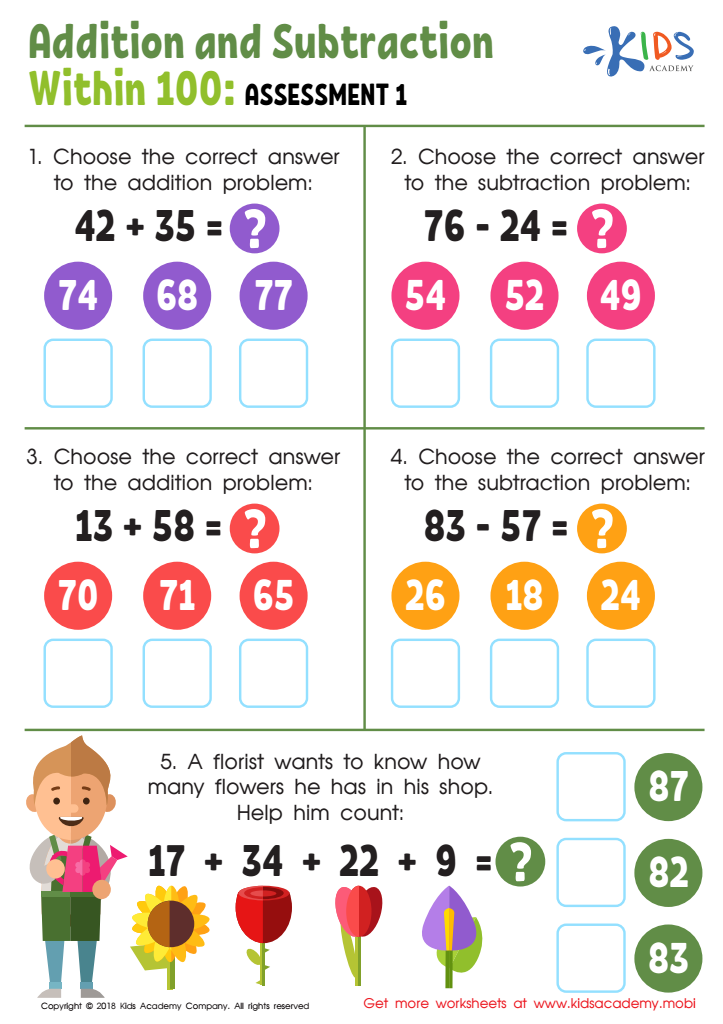
Addition and Subtraction Within 100 Worksheet
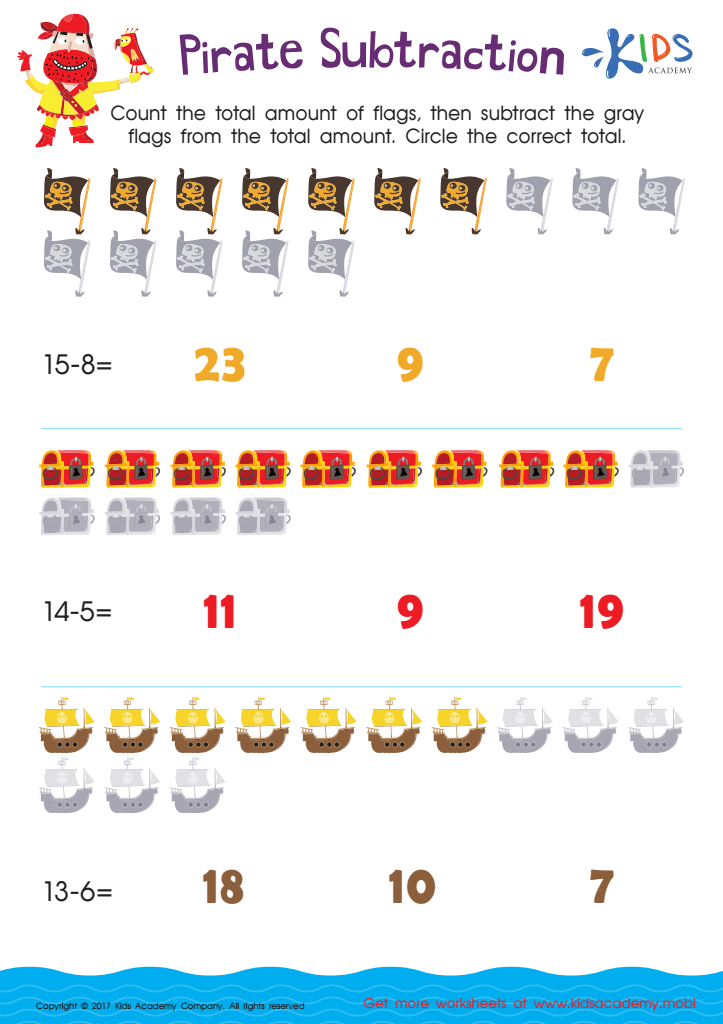
Pirate Subtraction Substraction Worksheet
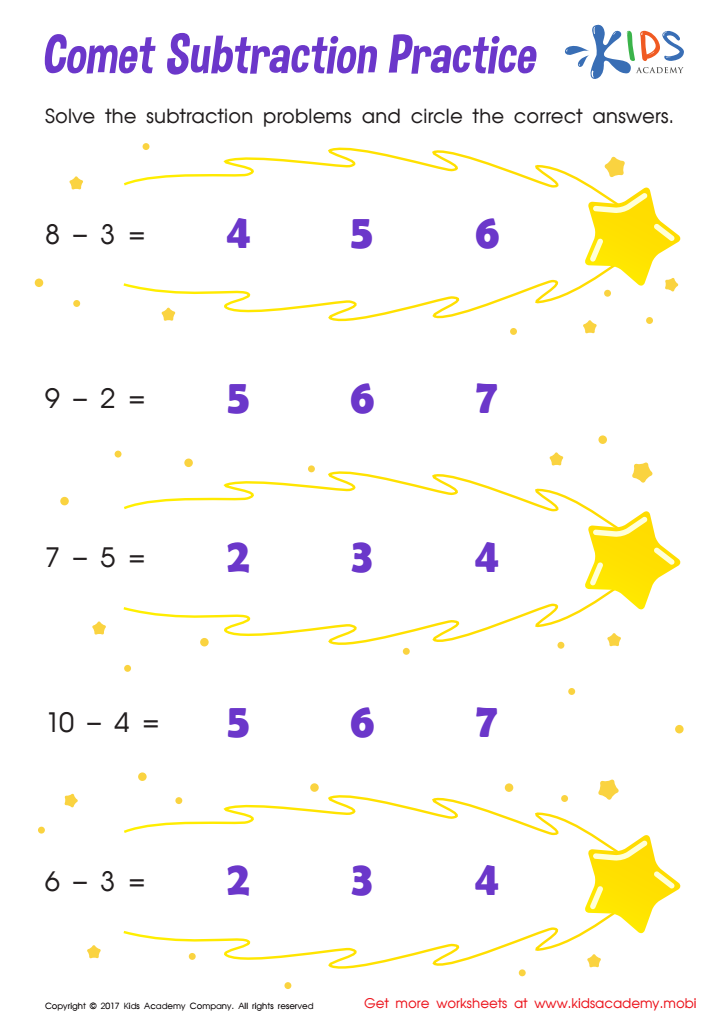
Comet Subtraction Practice Substraction Worksheet
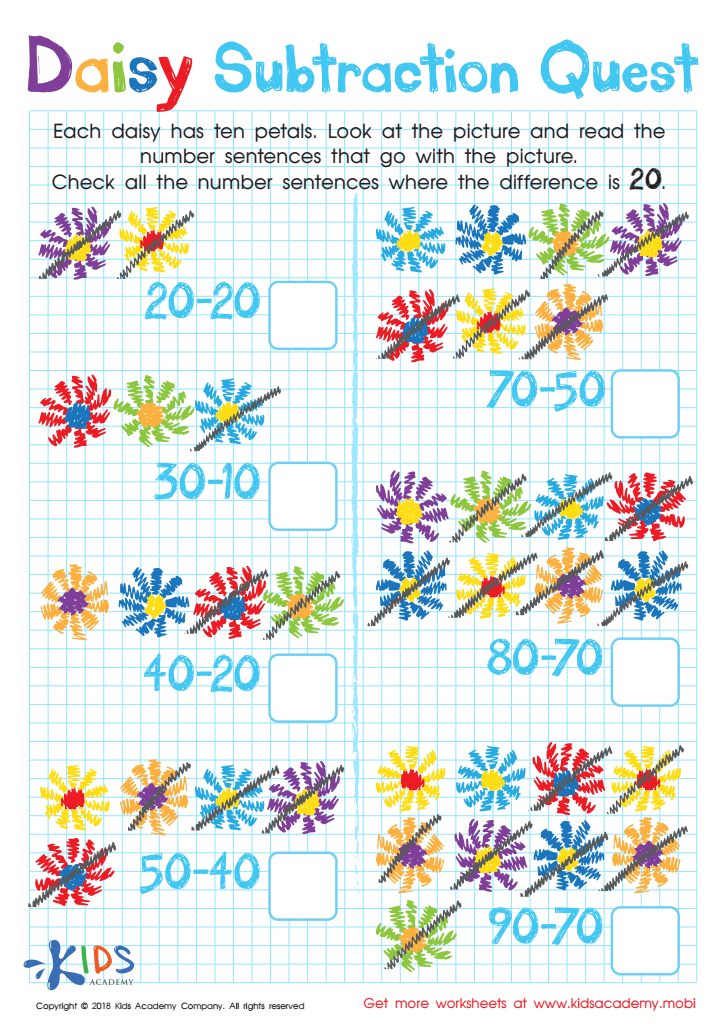
Daisy Subtraction Quest Worksheet
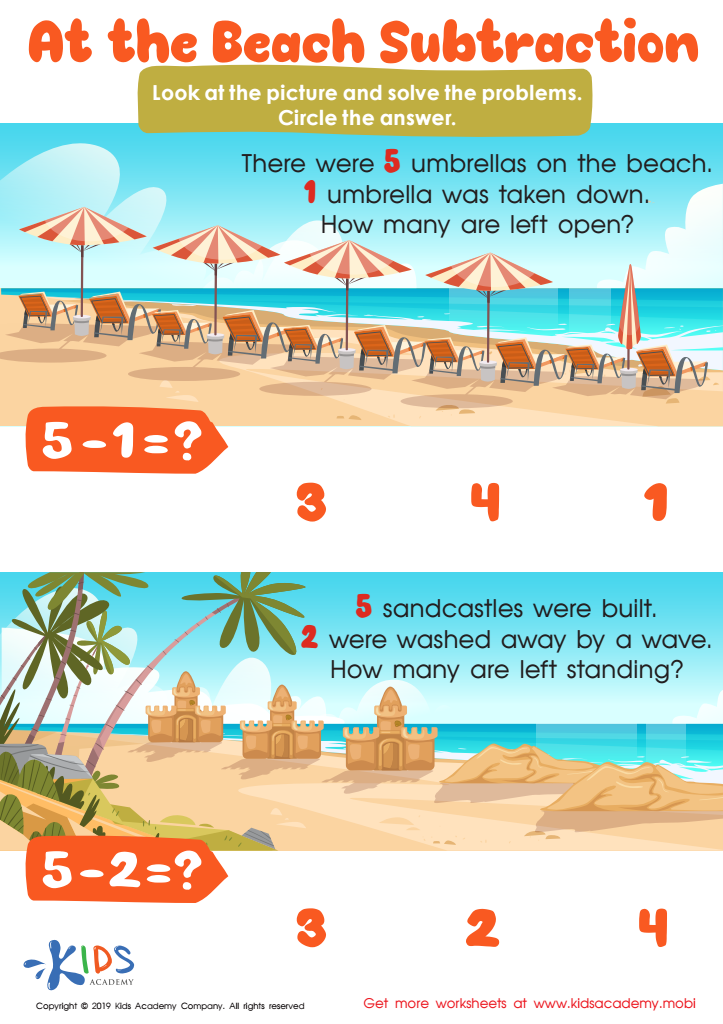
At the Beach Subtraction Worksheet
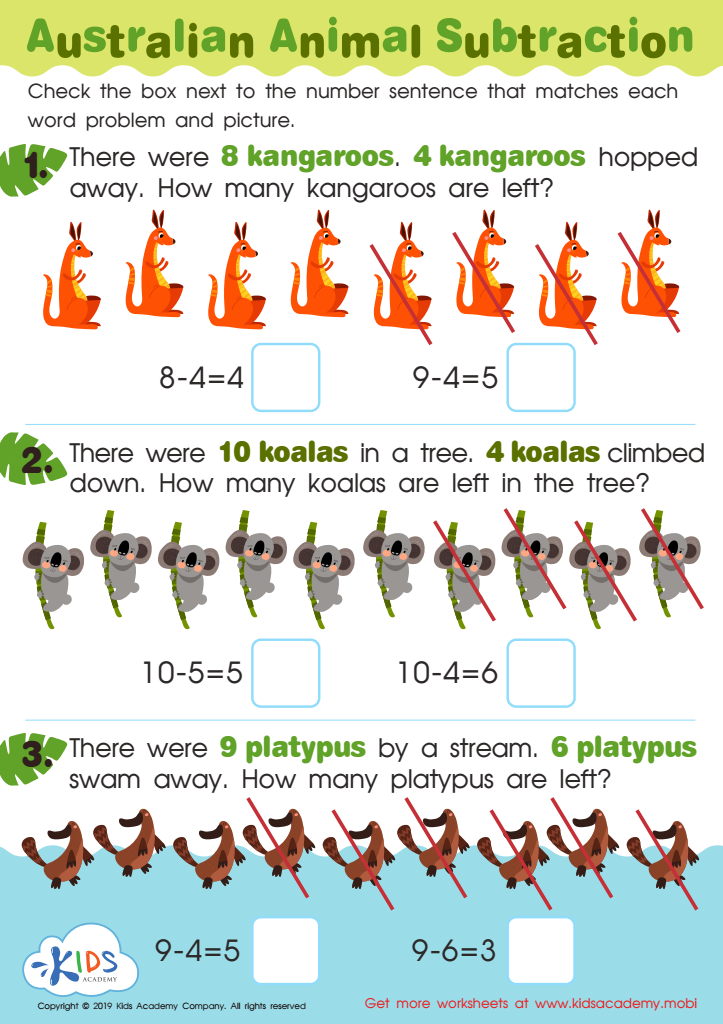
Australian Animal Subtraction Worksheet
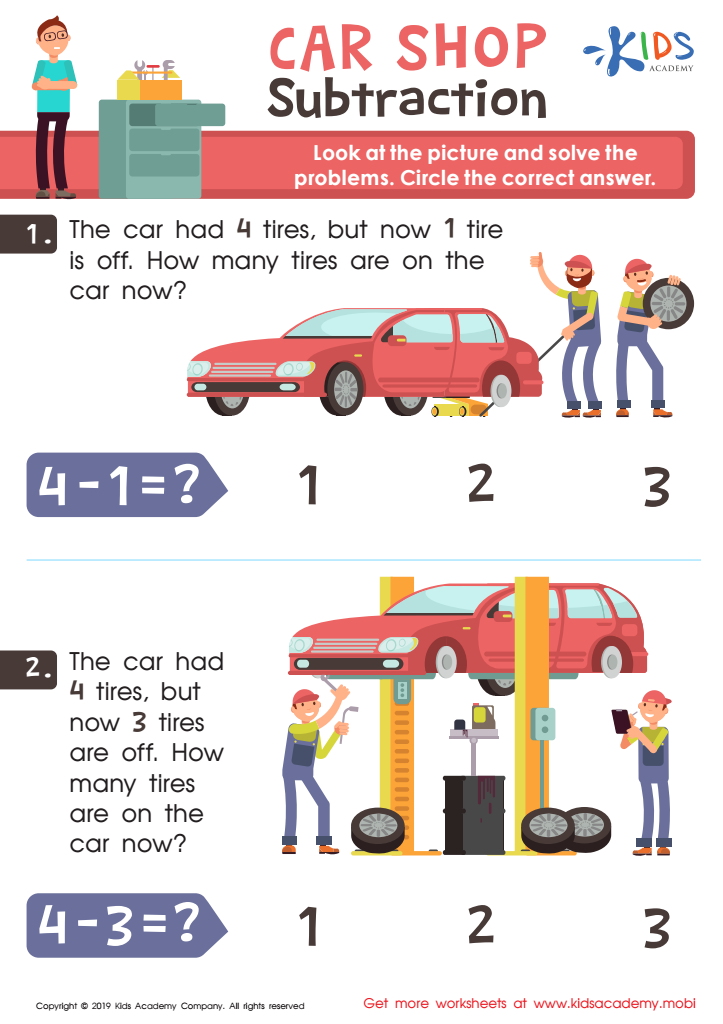
Car Shop Subtraction Worksheet
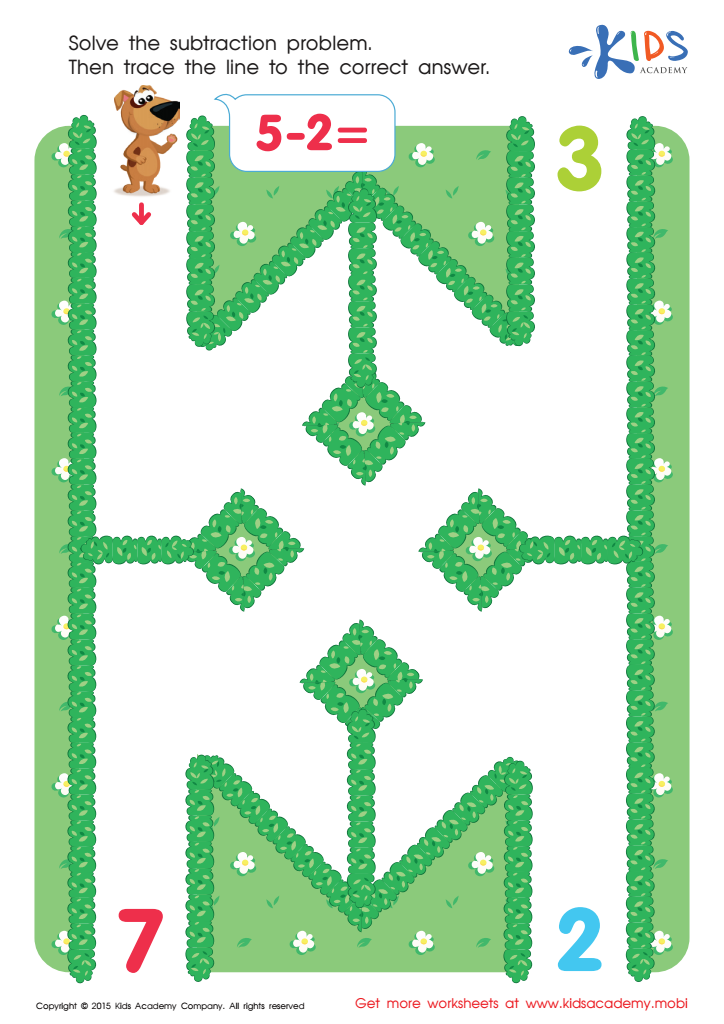
Five Minus Two Worksheet








Subtraction practice for children ages 3-8 is vital in laying a strong foundation for their mathematical skills and overall cognitive development. At this early stage, children are naturally curious about numbers and their relationships, making it an opportune time to introduce and reinforce the concept of subtraction. When parents and teachers engage children in subtraction activities, they not only help them understand the concept of "taking away," but also enhance their problem-solving and critical-thinking abilities.
Mastering subtraction at a young age boosts a child's confidence and lays the groundwork for more complex mathematical concepts encountered later in life, such as addition, multiplication, and division. Additionally, subtraction practice aids in developing fine motor skills through engaging activities such as drawing, using manipulatives, or playing interactive games.
Practicing subtraction can also improve children's logical reasoning and help them make connections in real-life situations, such as sharing items or managing resources. Ultimately, consistent subtraction practice promotes both academic success and everyday life skills, fostering a love for learning and establishing a positive relationship with mathematics. Parents and teachers play a crucial role in ensuring this essential skill is developed through support, encouragement, and enjoyable practice.








