Addition Practice Building Vocabulary Worksheets for Ages 3-8
8 filtered results
-
From - To
Discover our engaging Addition Practice Building Vocabulary Worksheets, designed for children ages 3-8. These worksheets combine essential math and language skills to boost your child’s confidence in both addition and vocabulary. Each colorful and interactive sheet integrates fun activities that challenge young minds and enhance learning. Ideal for use at home or in the classroom, these printable resources foster both academic growth and a love for learning. Whether your little one is just starting with numbers or ready to advance, our worksheets are perfect tools for making math practice enjoyable and vocabulary building seamless. Start their educational journey today!











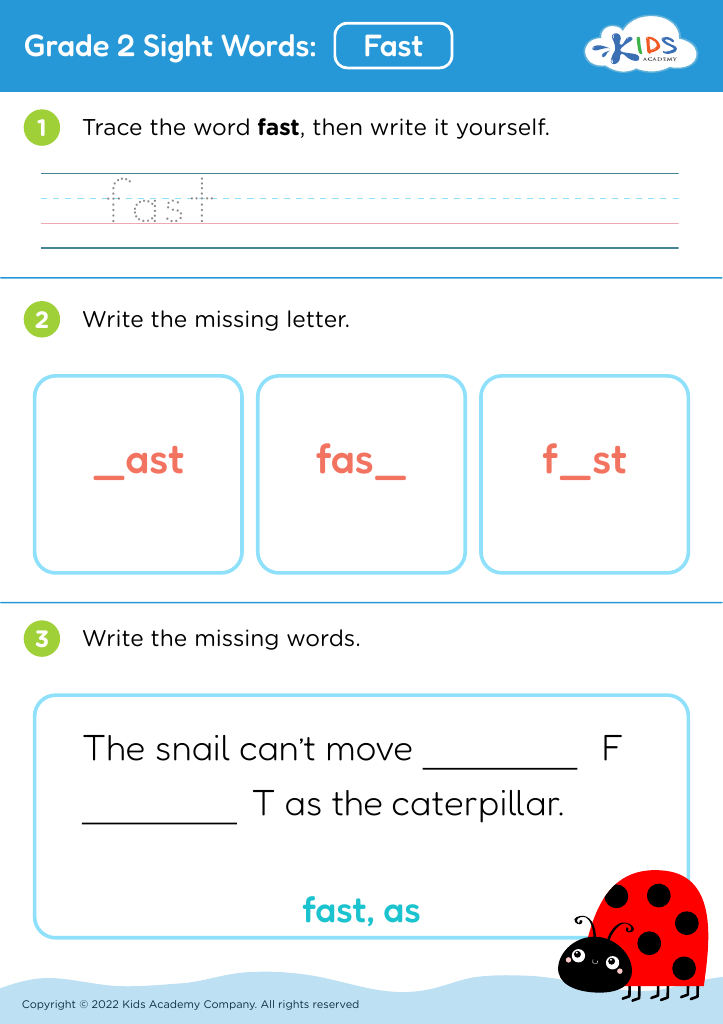
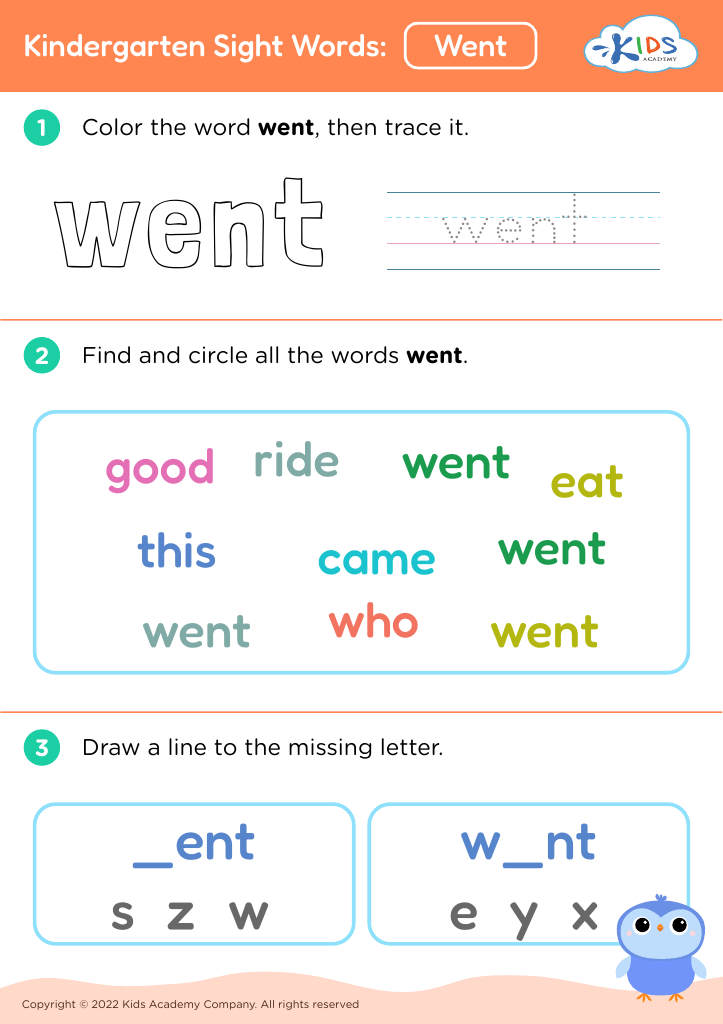
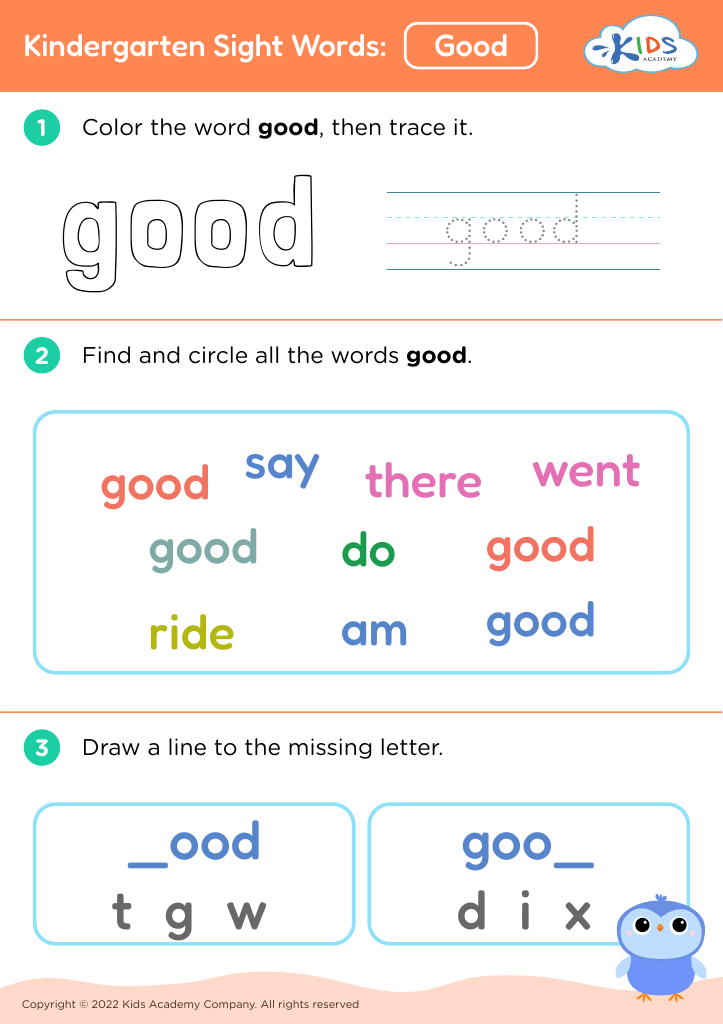
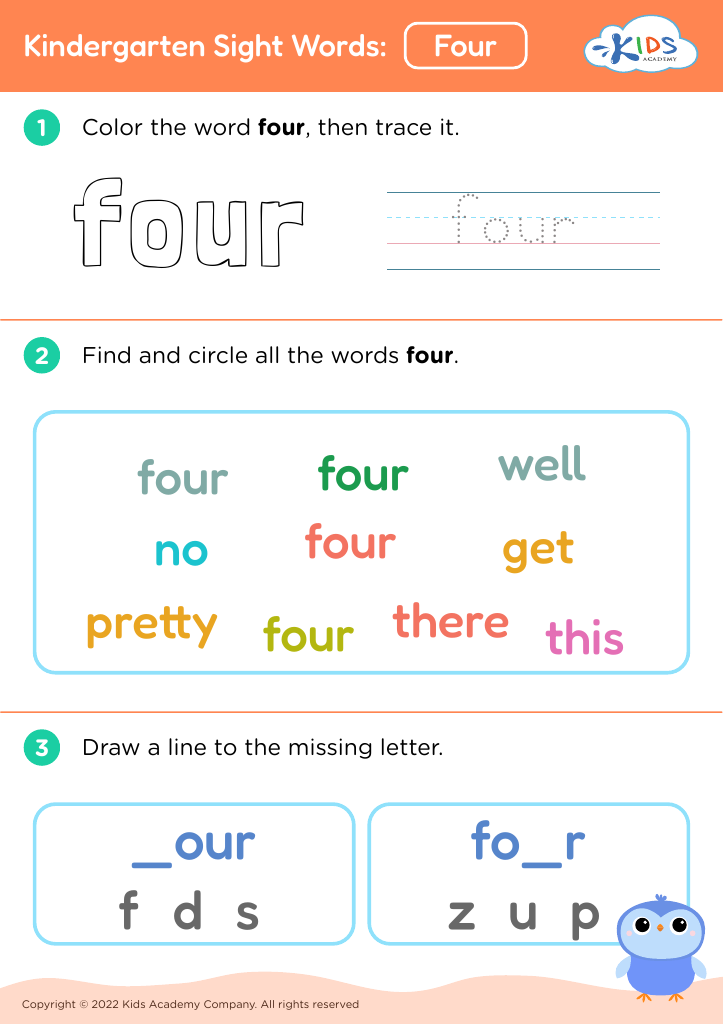








Fostering addition skills and vocabulary in children aged 3-8 is essential for several reason. Early math skills serve as a cornerstone of cognitive development and future academic success. Learning addition not only builds their mathematical foundation but also integrates seamlessly with other skills like problem-solving and logical thinking. By coupling addition practice with vocabulary development, children learn to articulate mathematical concepts and understand instructions better, which can boost their overall communication skills.
Introducing basic addition terms—such as "sum," "more," and "total"—enriches their vocabulary and aids typical language development. This dual emphasis can also enhance both short-term understanding and long-term memory retention. Furthermore, engaging in addition practice equips children with the confidence to tackle more complex math operations as they grow.
Teachers and parents should care because early exposure can lead to higher achievement and instill a lasting curiosity and love for learning. Incorporating engaging and fun practice sessions with educational games, puzzles, and interactive activities encourages children to explore mathematics in an enjoyable manner. This balanced emphasis on both addition skills and vocabulary energizes children’s enthusiasm and primes them for future educational challenges, marking a long-term enrichment in both mathematical and communicative arenas essential for comprehensive development.








