Basic arithmetic practice Building Vocabulary Worksheets for Ages 3-8
4 filtered results
-
From - To
Enhance essential math skills with our Basic Arithmetic Practice Building Vocabulary Worksheets designed specifically for children ages 3-8. These engaging worksheets blend fun and education, helping young learners grasp fundamental arithmetic concepts while expanding their vocabulary. Each activity fosters critical thinking and reinforces numbers, counting, addition, and subtraction in an interactive format. Perfect for home or classroom use, our resources support early childhood education and encourage a love for math. Make learning enjoyable and effective as your child develops confidence and competence in basic arithmetic. Explore our collection today to unlock your child's potential in a creative and enriching way!
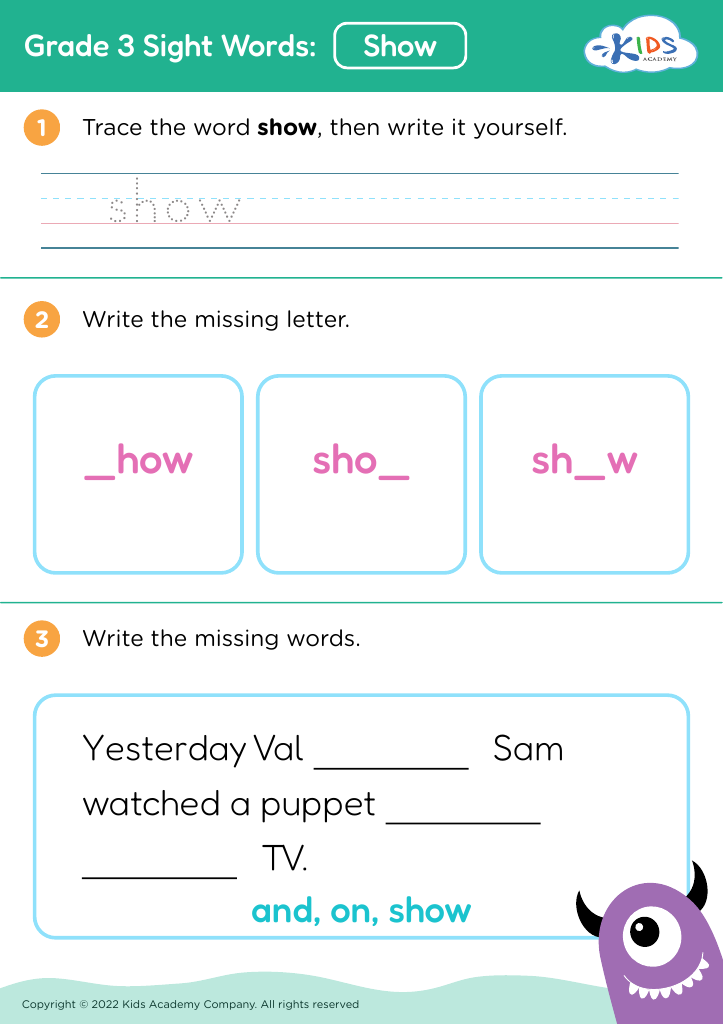











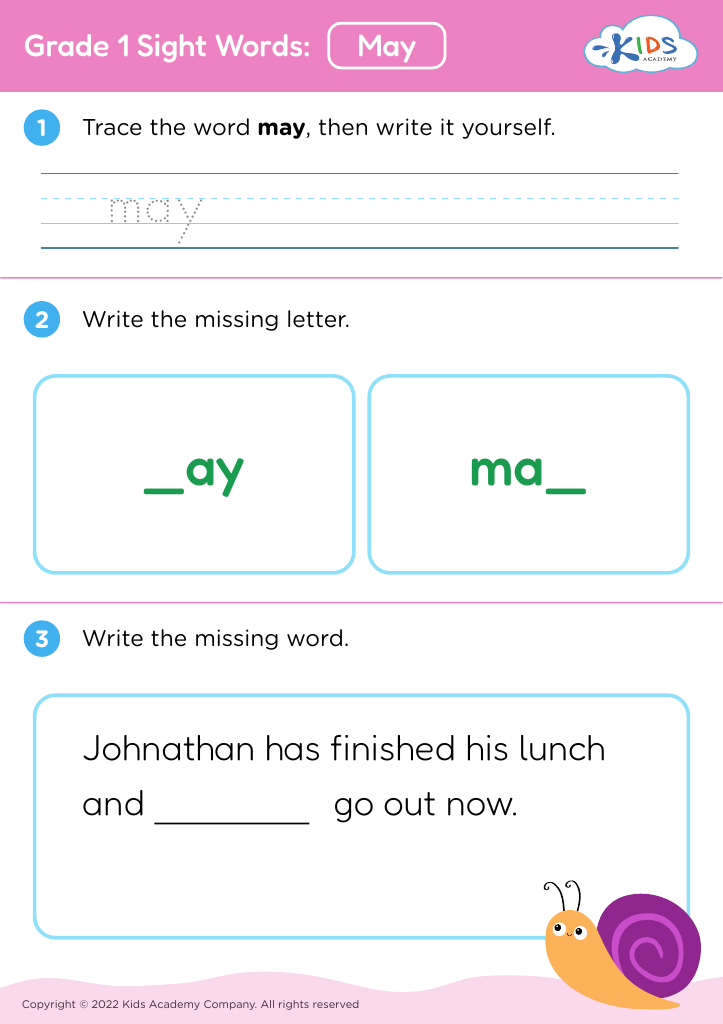
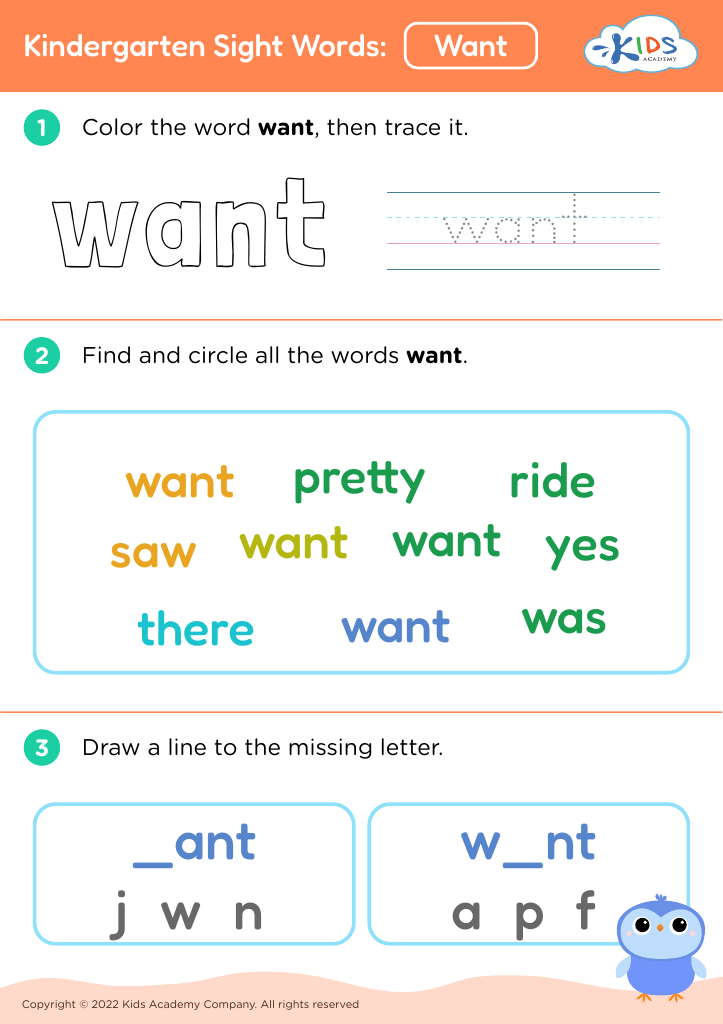
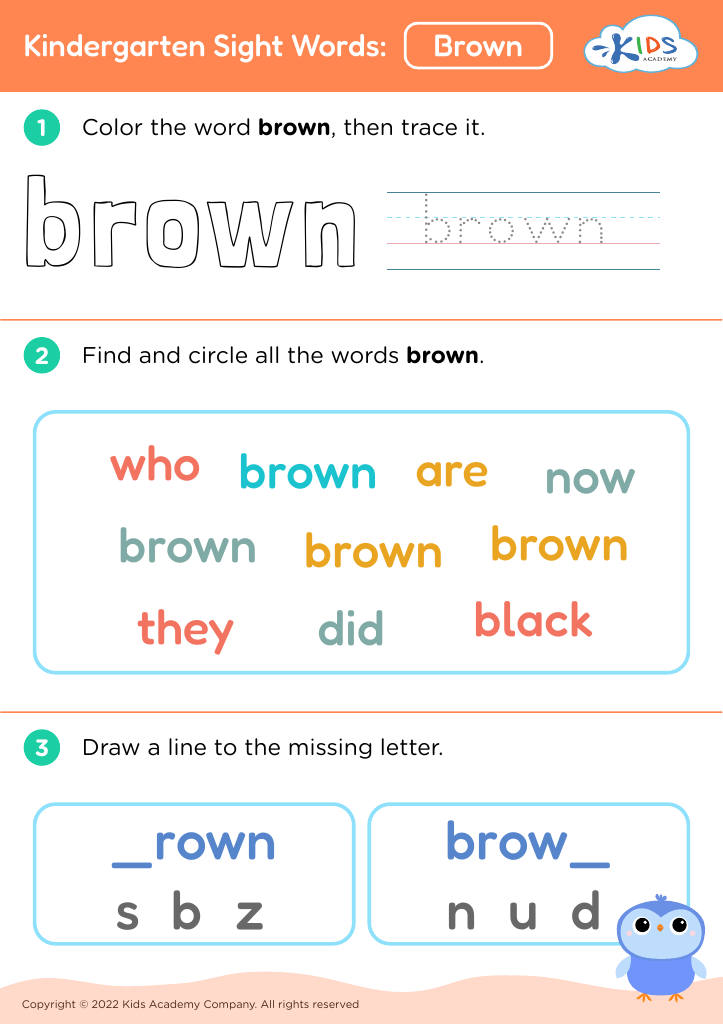








Parents and teachers should prioritize basic arithmetic practice and vocabulary building for children ages 3-8 because these foundational skills are crucial for academic success and overall cognitive development. Early exposure to mathematics helps children understand essential concepts such as addition, subtraction, counting, and number recognition. These skills promote critical thinking and problem-solving abilities that extend beyond math into other subjects.
Building vocabulary is equally important, as it enhances communication skills, literacy, and comprehension. A robust vocabulary enables children to express their thoughts clearly and understand instructions, stories, and discussions. When children grasp mathematical terms, they become more confident in using math in real-life situations, fostering a love for learning that can last a lifetime.
Additionally, integrating arithmetic practice with vocabulary development can create a more engaging and holistic learning experience. Activities like counting objects, naming shapes, and using math-related stories can make learning enjoyable and meaningful. This foundational phase is critical; fostering these skills lays the groundwork for future academic achievements, ensuring children are well-prepared to navigate the complexities of education as they grow. Investing in these areas now will create lifelong benefits, equipping children with the essential tools they need to succeed in school and beyond.








