Improving reading skills Building Vocabulary Worksheets for Ages 3-8
5 filtered results
-
From - To
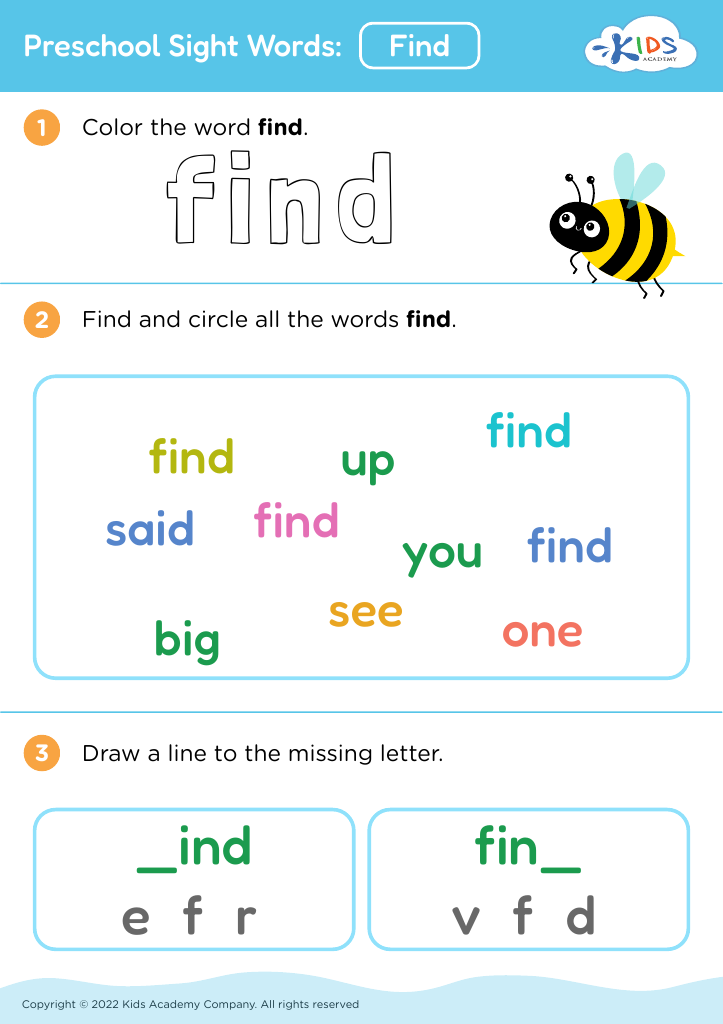
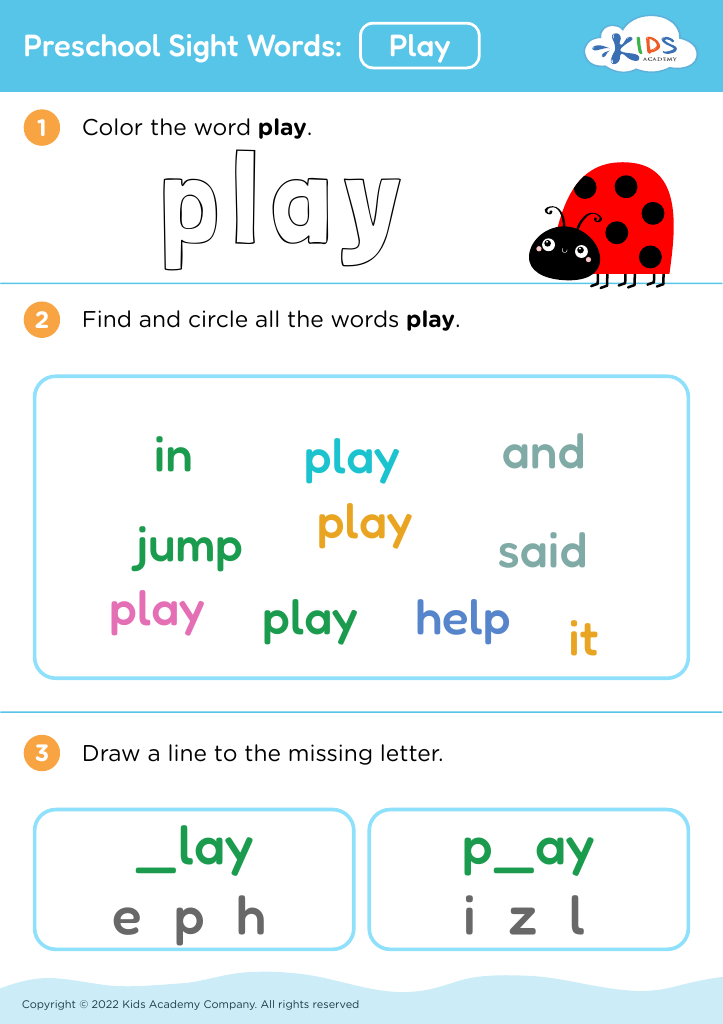
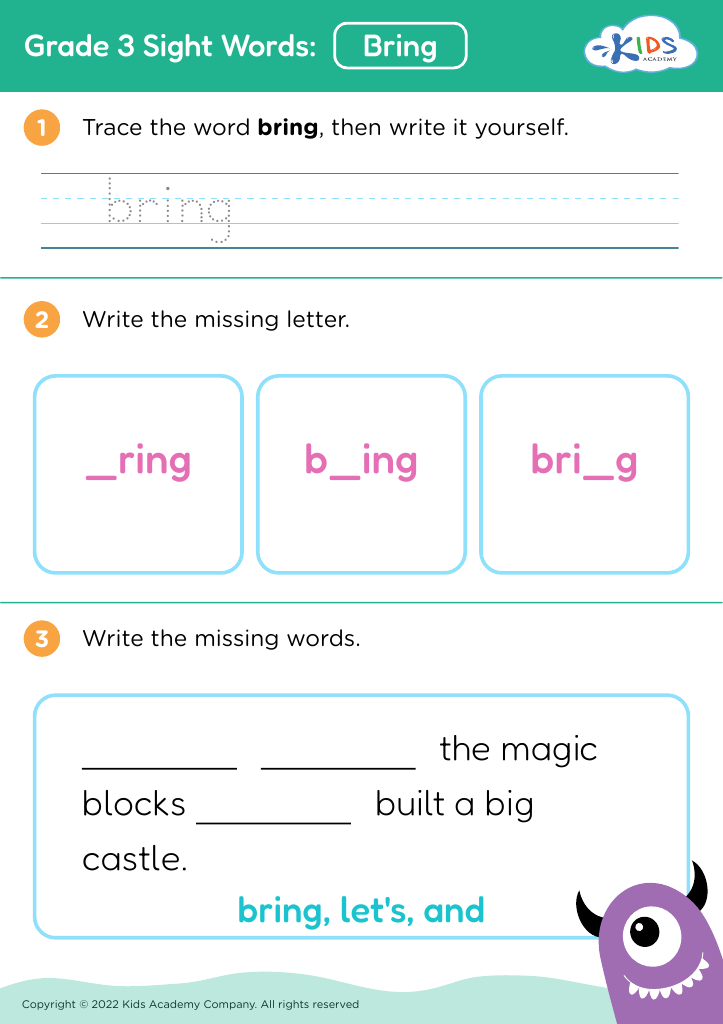
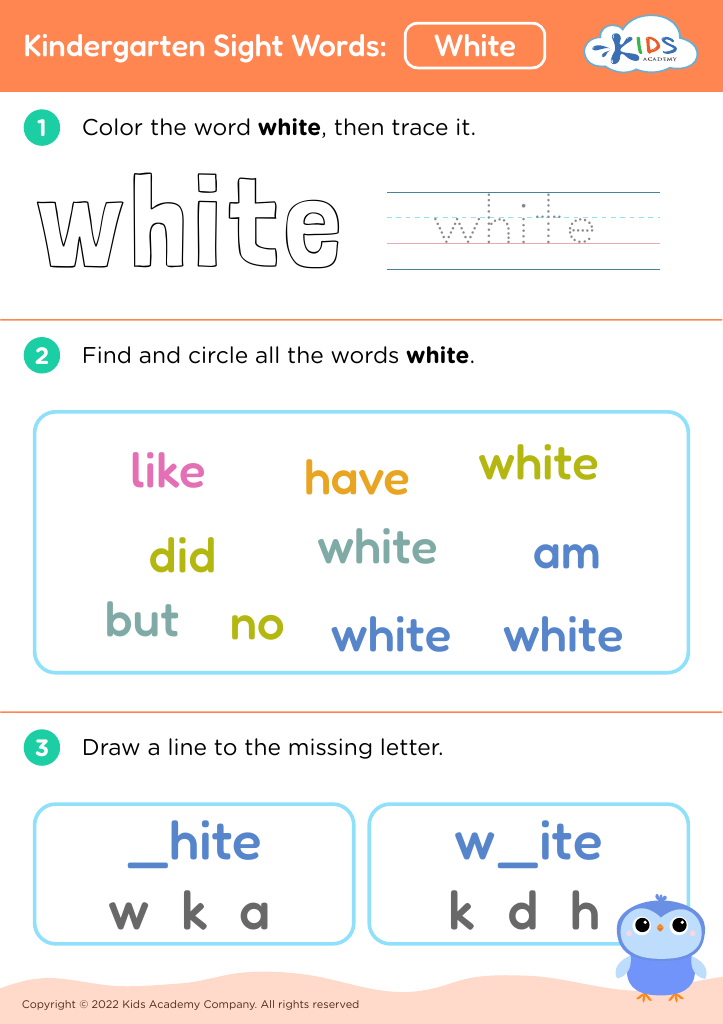
Enhance your child’s reading skills with our engaging 'Improving Reading Skills: Building Vocabulary Worksheets' designed for children aged 3-8. These expertly crafted worksheets help develop essential vocabulary through fun and interactive activities. Children will enjoy coloring, matching, and letter recognition exercises that make learning enjoyable. Our resources aim to boost comprehension and fluency, laying a strong foundation for their literacy journey. Each worksheet is aligned with early learning standards, ensuring that your child is receiving quality educational content. Dive into a world of words and watch your child's confidence soar as they embark on their reading adventure!
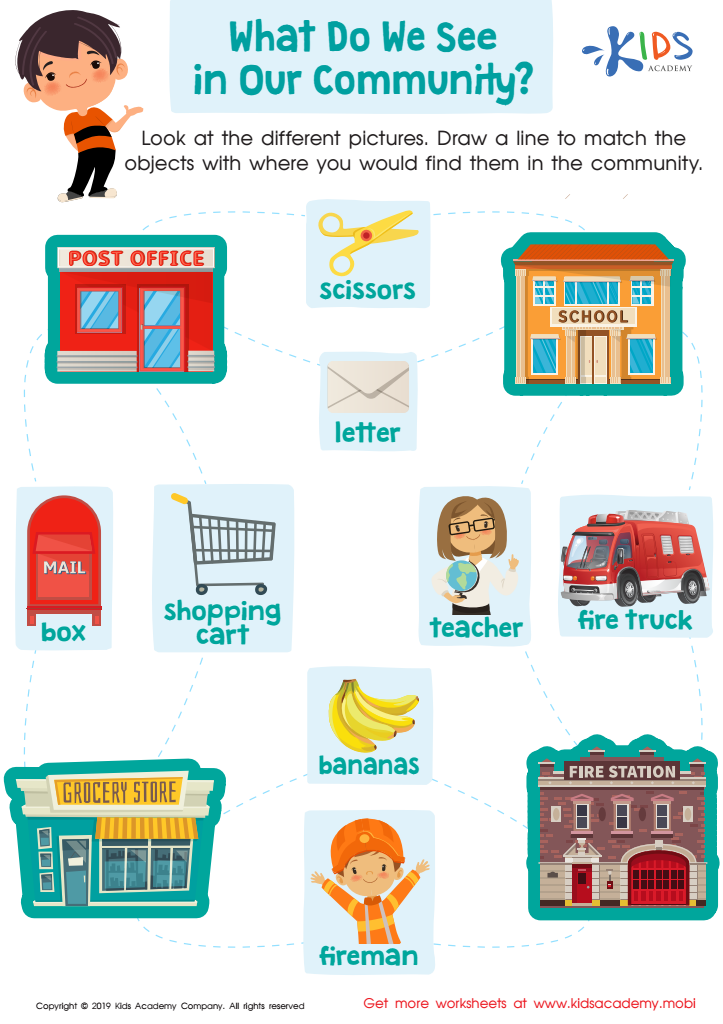
What Do We See in our Community? Worksheet
 Assign to My Students















.jpg)



Improving reading skills and building vocabulary in children aged 3-8 is crucial for several reasons. During these formative years, children are developing foundational literacy skills that will impact their academic success and lifelong learning. A strong vocabulary enhances comprehension, allowing children to understand stories and engage more deeply with texts. When parents and teachers prioritize vocabulary development, they provide children with the tools needed to express themselves clearly and confidently.
Additionally, reading skills are intimately linked to overall cognitive development. Children learn critical thinking and problem-solving skills as they make connections between words, their meanings, and the contexts in which they are used. Exposure to rich vocabulary fosters curiosity about language and encourages a love for reading, which further boosts literacy skills.
Moreover, building reading skills early helps to close achievement gaps often seen in later grades. When children enter school with robust vocabulary and reading abilities, they are more likely to thrive academically and socially. Engaging parents and teachers in stimulating activities such as storytelling, reading aloud, and word games can create enriching environments that promote effective literacy development. Ultimately, investing in these skills lays the groundwork for a child’s future success in all areas of life.








