Practice addition Building Vocabulary Worksheets for Ages 3-8
3 filtered results
-
From - To
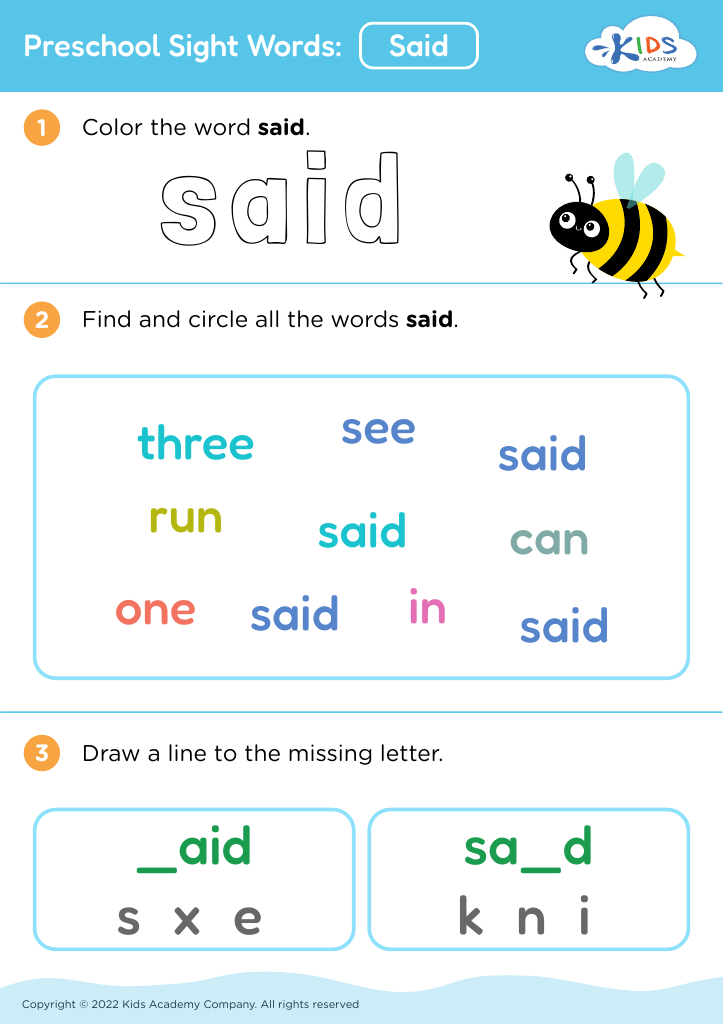
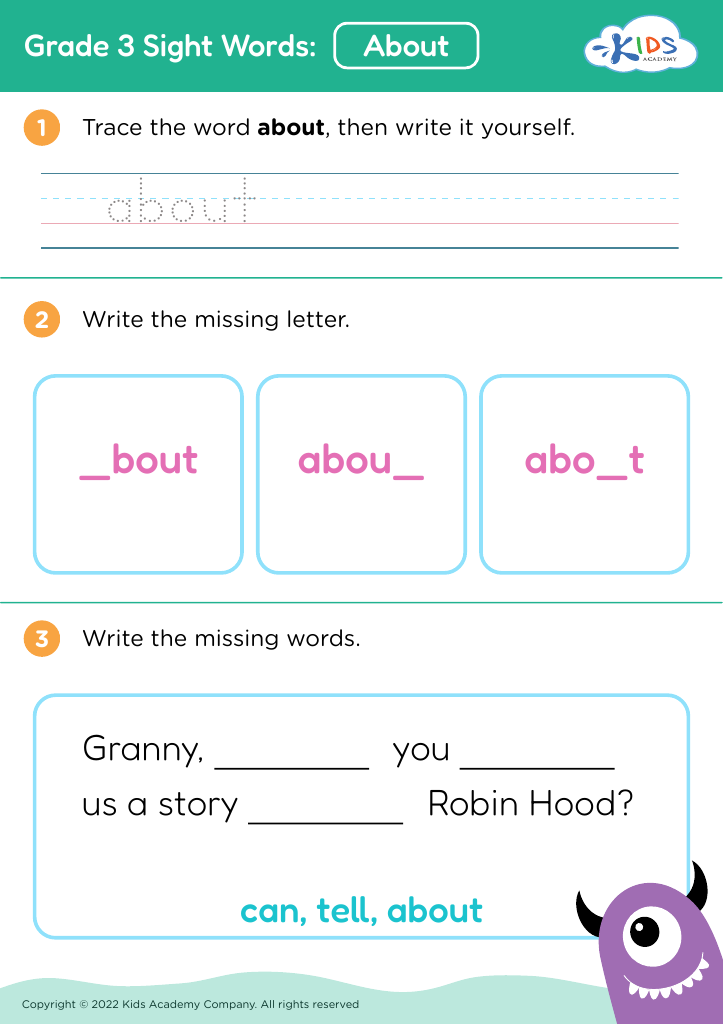
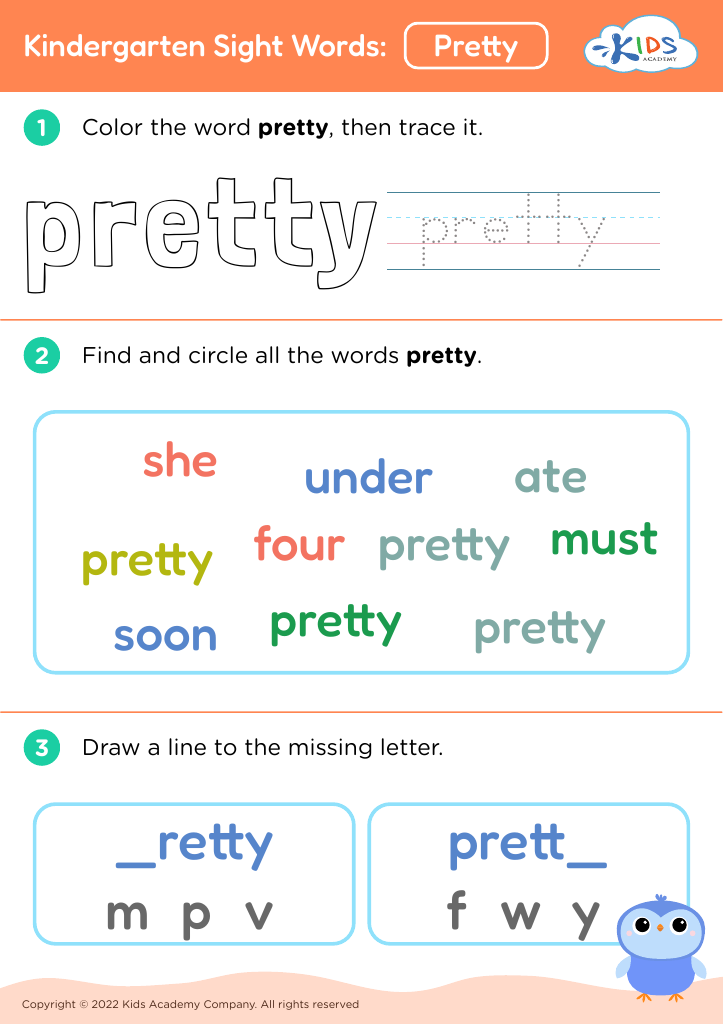
Boost your child’s math skills with our engaging Practice Addition Building Vocabulary Worksheets designed for ages 3-8. These fun, educational worksheets provide a unique combination of basic addition practice and vocabulary-building tasks. Each activity focuses on helping young learners master early math concepts while expanding their language skills. Our worksheets are perfect for home or classroom use, offering a variety of colorful, interactive exercises that keep kids entertained and motivated. Ideal for early grade students, these resources help develop essential learning skills through playful and meaningful practice. Start your child’s academic journey on the right foot with our innovative teaching tools!














.jpg)




Parents and teachers should prioritize practice in addition and vocabulary building for children ages 3-8 because these foundational skills are critical for their academic and cognitive development. During early childhood, the brain is highly receptive to learning, and introducing math and language concepts during this period leveraging growing synaptic connections facilitates stronger and more effective information processing.
Adding addition practice nurtures a child’s numerical sense, problem-solving skills, and logical reasoning. These math lessons foster an understanding of patterns and quantity, which are critical not only for future math learning but also for everyday tasks such as measuring ingredients for a recipe or comparing prices while shopping.
Building vocabulary is equally important. Enhanced vocabulary skills improve a child's ability to communicate thoughts and feelings clearly, comprehend written texts, and follow instructions. A rich vocabulary foundation boosts reading comprehension, enabling children to succeed across all subjects. Emerging readers who understand more words can grasp story concepts well, making reading enjoyable and informative.
By focusing on these skills during early education, parents and teachers set the stage for academic perseverance and social adeptness. Ultimately, such early investments ensure children build the confidence and curiosity crucial for lifelong learning and personal success.








