Problem-Solving Skills Building Vocabulary Worksheets for Ages 3-8 - Page 2
39 filtered results
-
From - To
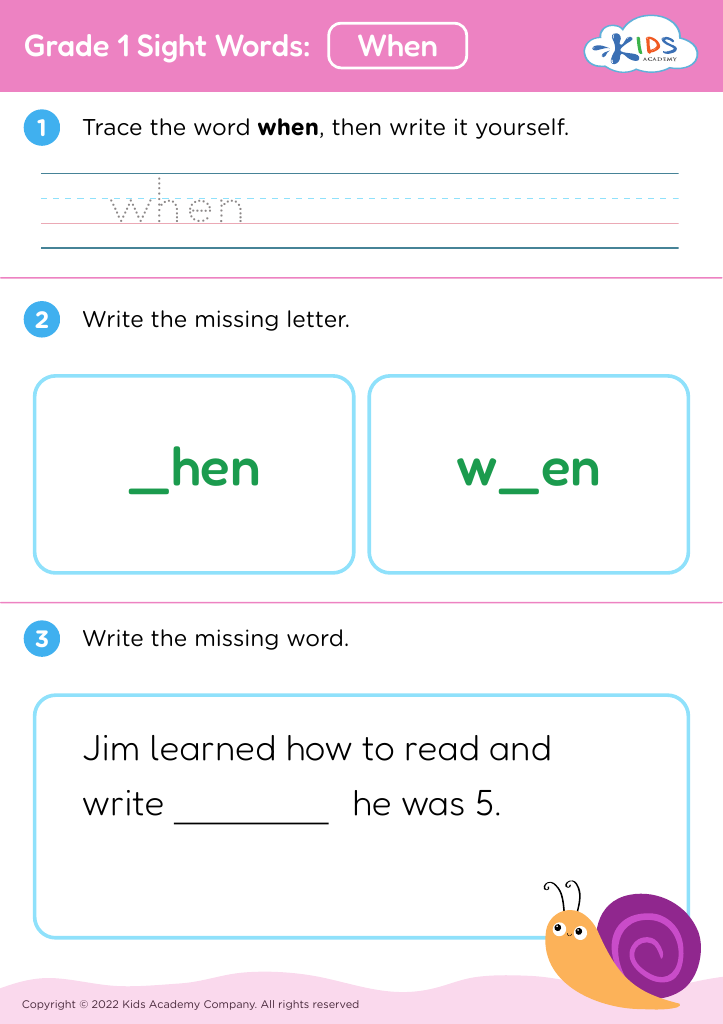











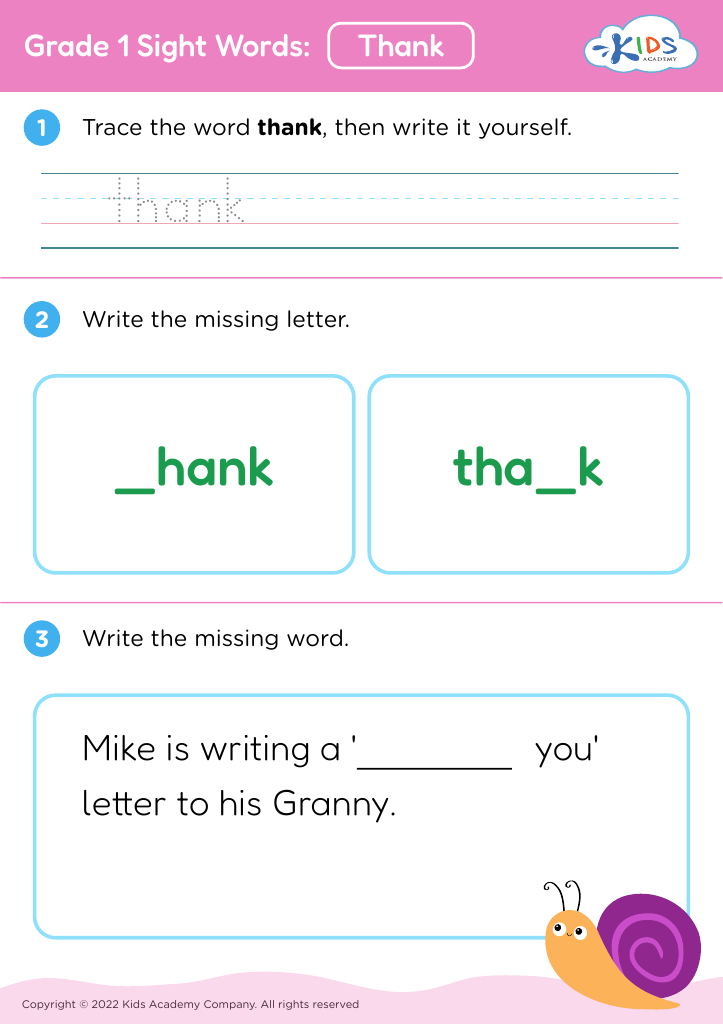
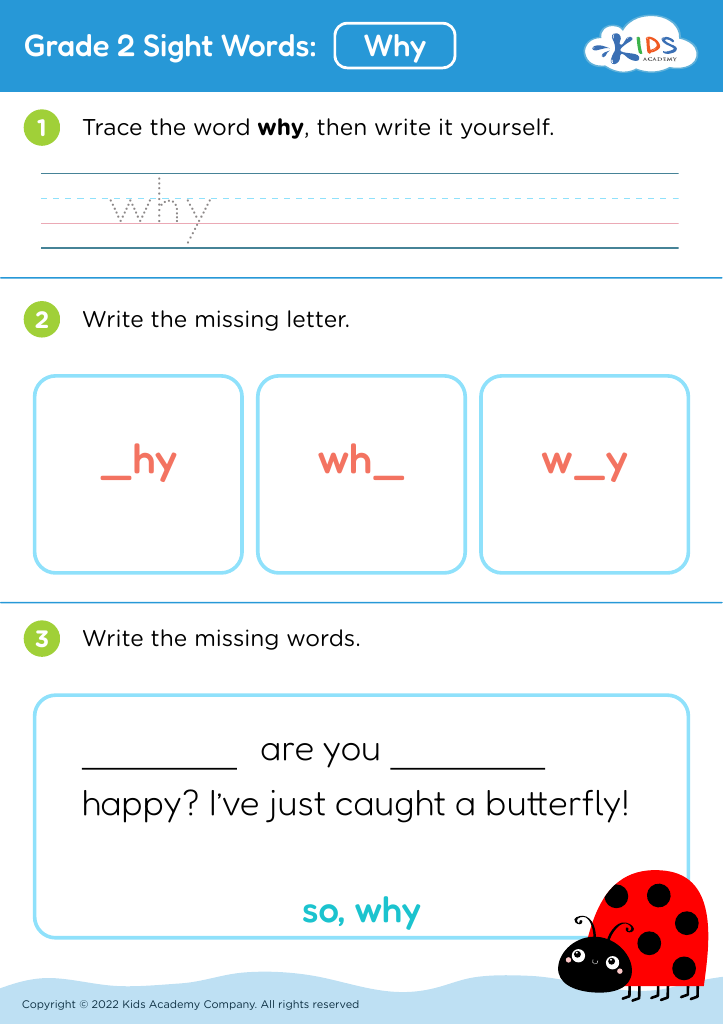
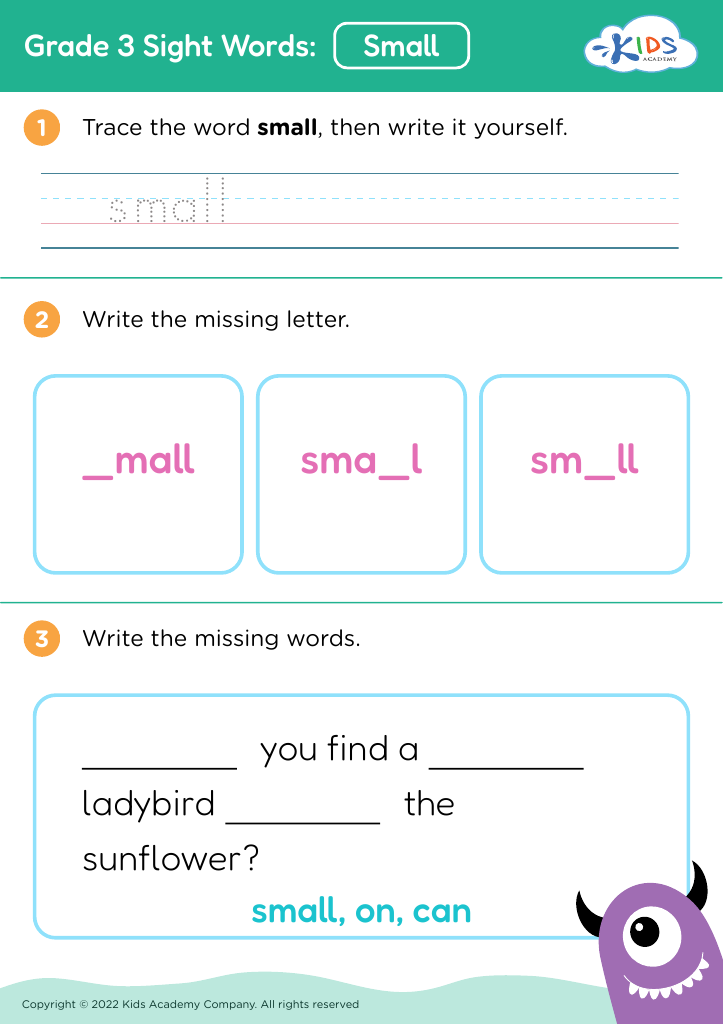
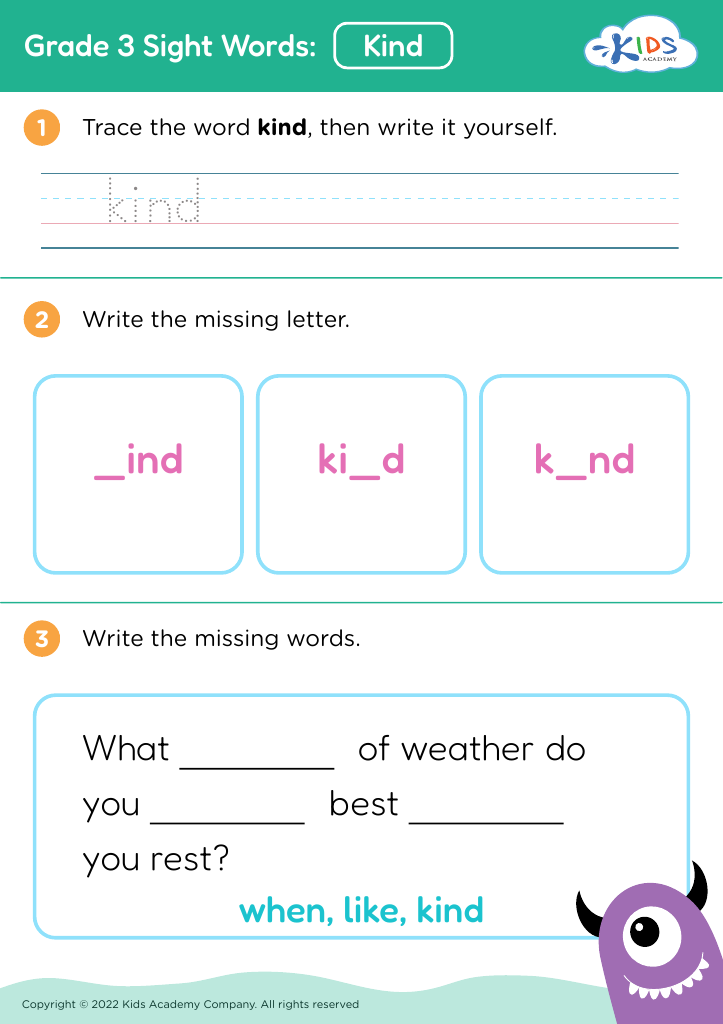
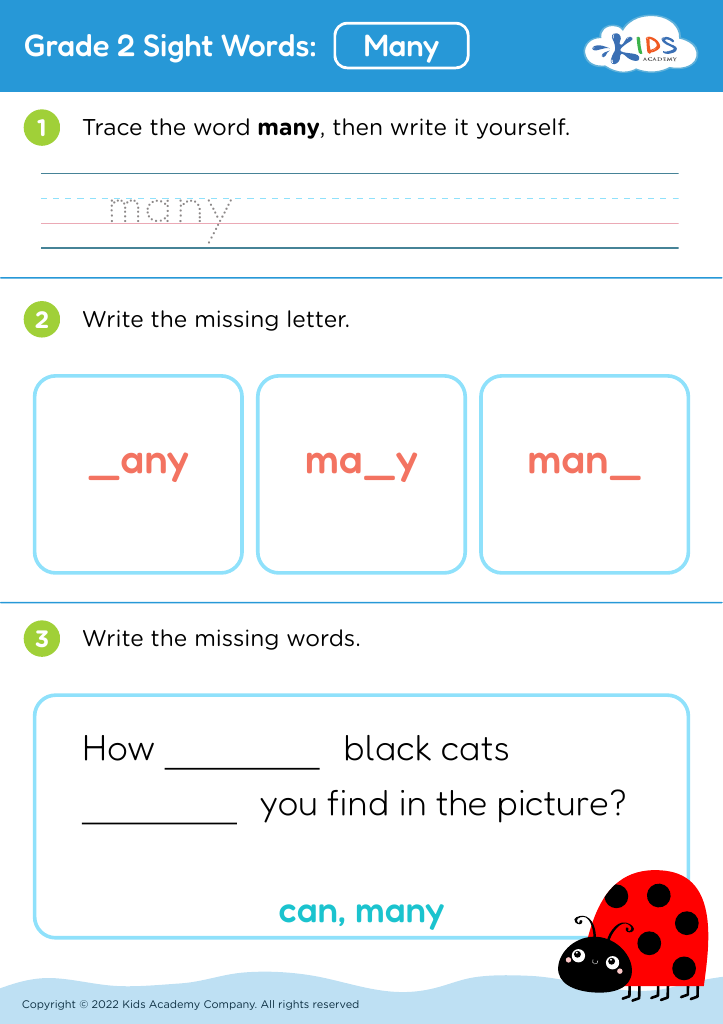
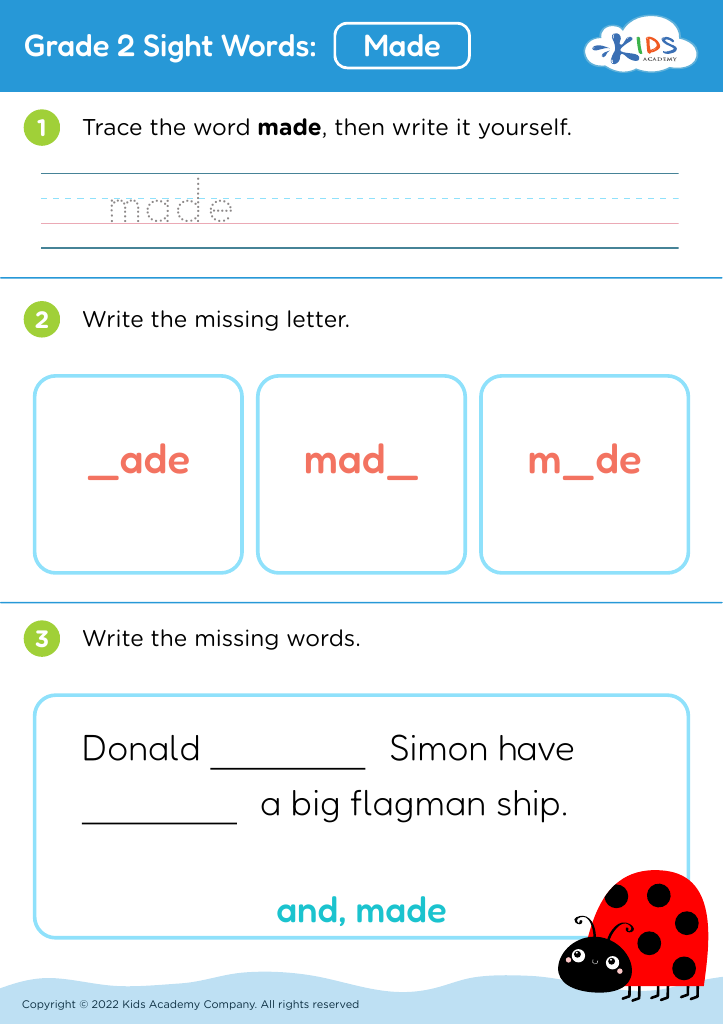
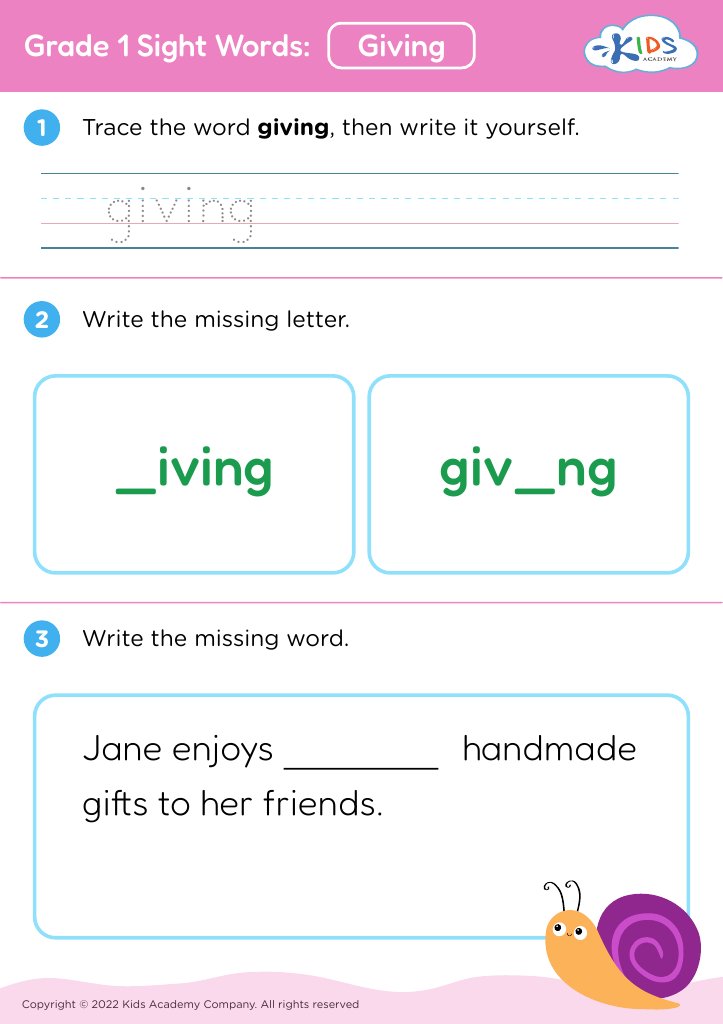
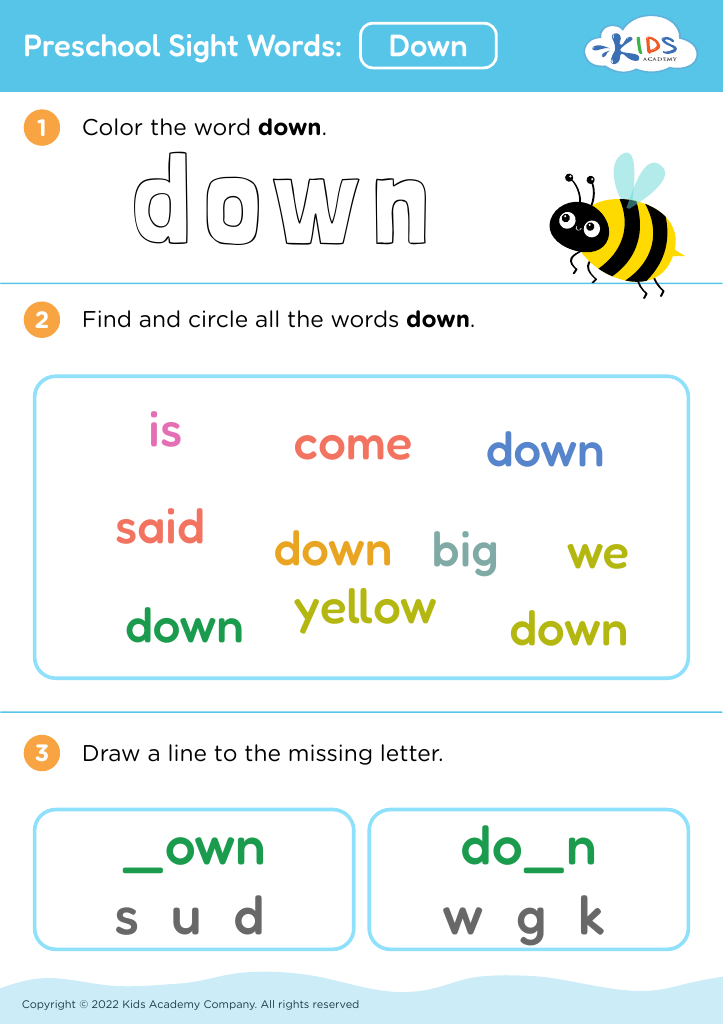
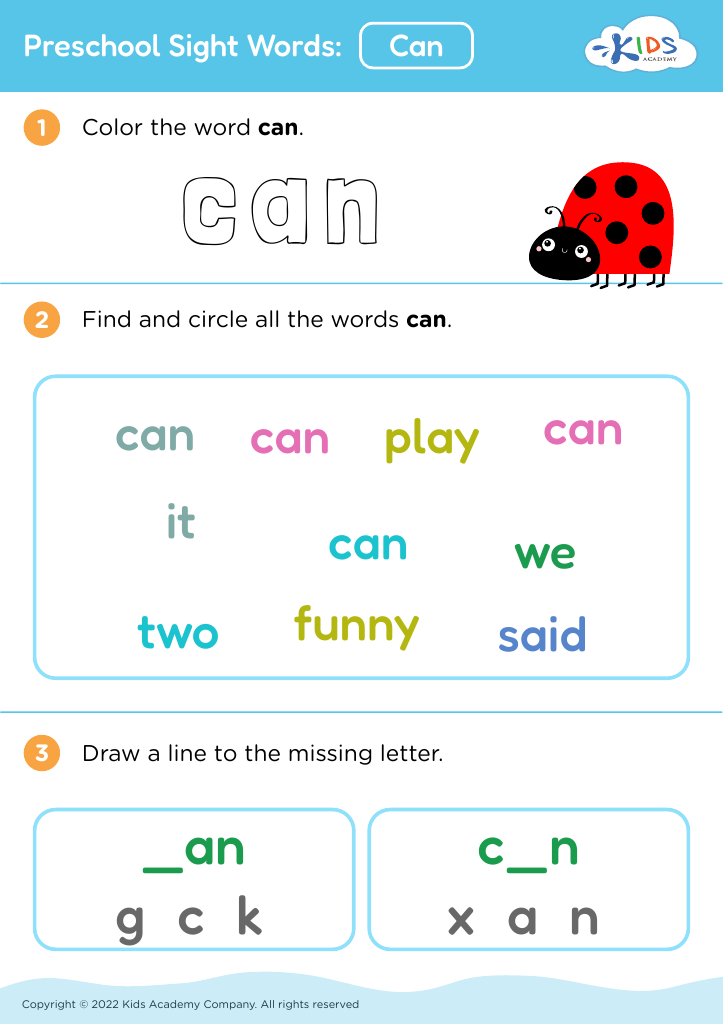
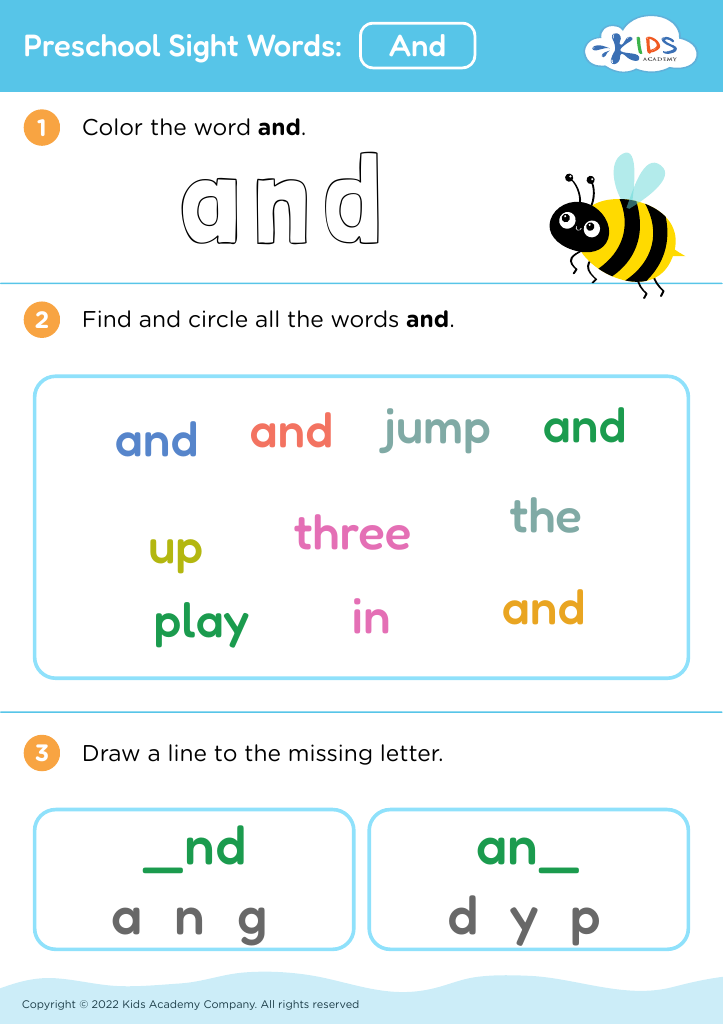








Understanding and developing problem-solving skills and vocabulary in children aged 3-8 is crucial for their overall cognitive and social development. During these formative years, children encounter a range of challenges that aid their growth, from daily tasks to interactions with peers. Problem-solving skills empower them to think critically, make decisions, and approach situations with resilience. This skill set not only enriches their academic journey but also prepares them for real-life obstacles.
Building a strong vocabulary complements these abilities, allowing children to articulate their ideas clearly and comprehend complex concepts. When children are equipped with the right words, they can effectively express their feelings, seek help, and negotiate situations, all vital for collaborative problem-solving. Furthermore, engaging in discussions that introduce varied language during problem-solving activities enhances their cognitive flexibility, encouraging them to consider multiple perspectives.
For parents and teachers, fostering these skills translates into improved communication, greater emotional intelligence, and heightened academic performance in their children. Ultimately, cultivating problem-solving and vocabulary skills lays the groundwork for lifelong learning, empowering children to navigate their world with confidence and creativity. Investing time and effort in developing these core competencies nurtures independent, thoughtful individuals capable of contributing positively to society.








