Recognizing shapes Building Vocabulary Worksheets for Ages 3-8
12 filtered results
-
From - To
Unlock your child’s potential with our "Recognizing Shapes Building Vocabulary Worksheets" designed for ages 3-8! These engaging and interactive worksheets help children explore fundamental shapes while enhancing their vocabulary skills. Perfect for early learners, the activities include identifying, drawing, and matching shapes with everyday objects, fostering both visual and verbal proficiency. Kids will not only learn to recognize basic shapes like circles, squares, and triangles, but also expand their word bank with descriptive terms. Make learning fun and effective with our thoughtfully crafted resources, perfect for home or classroom. Start building a strong foundation for your child’s educational journey today!
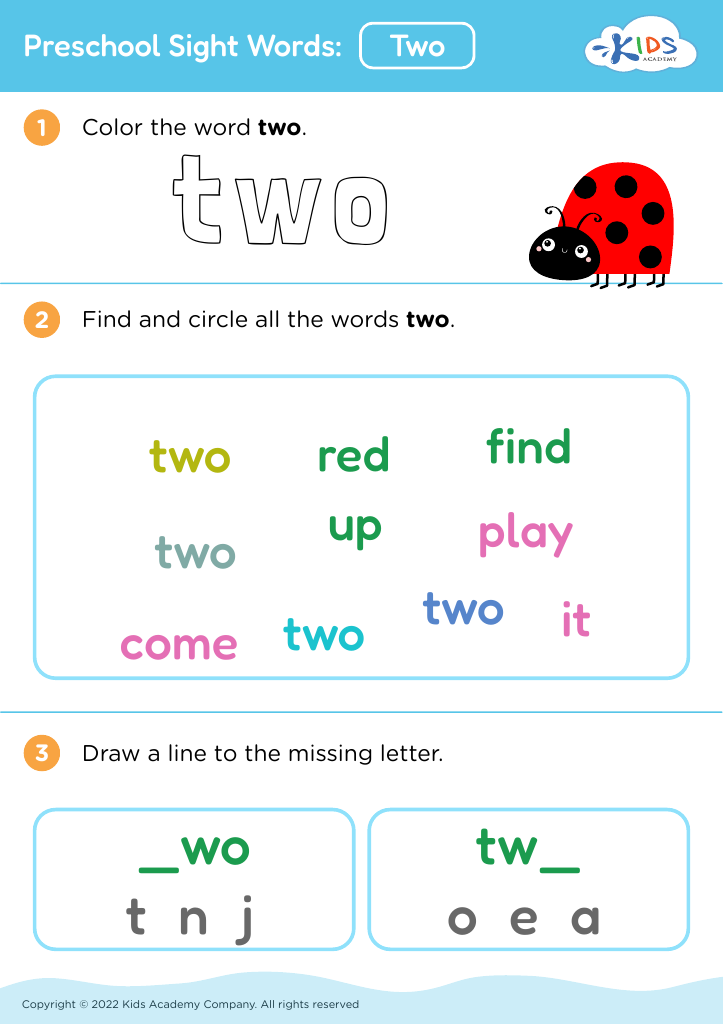











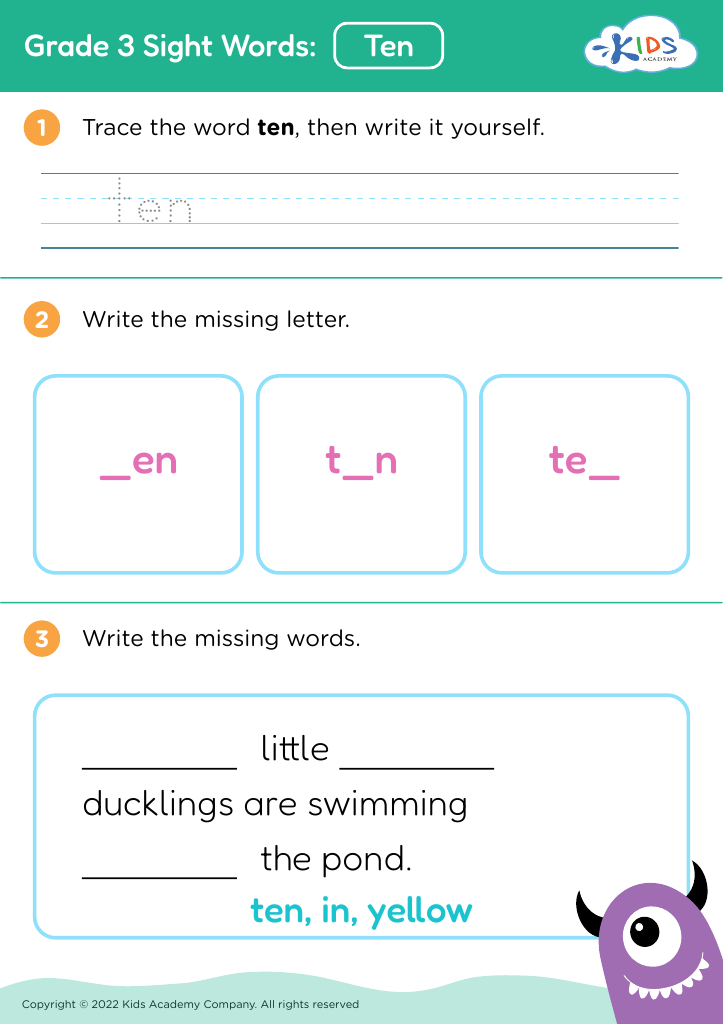
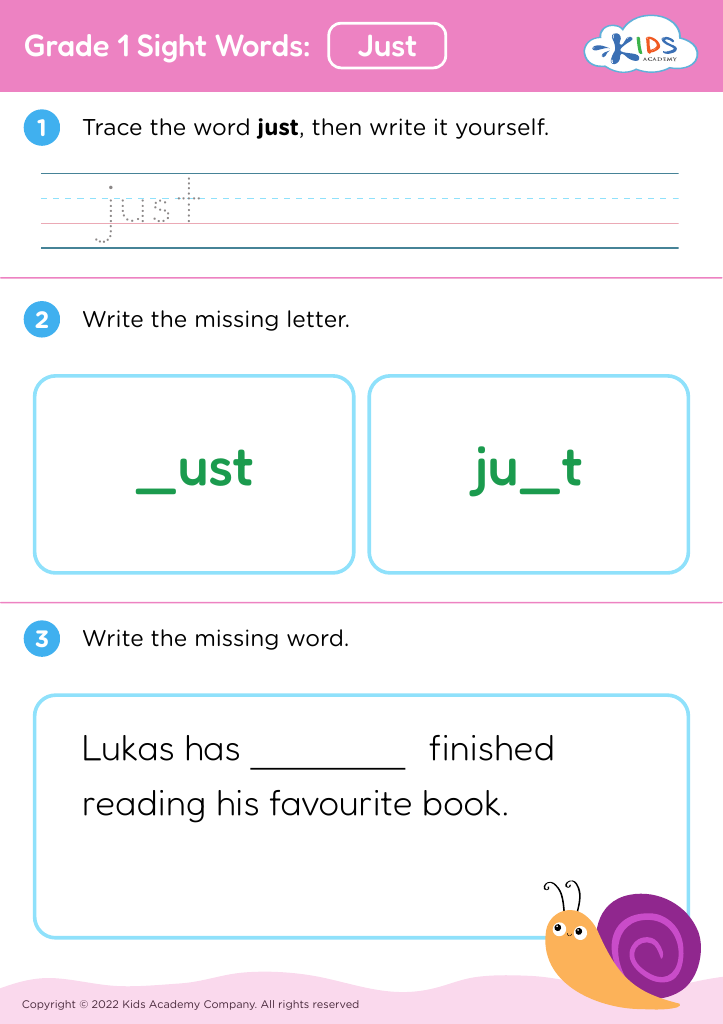
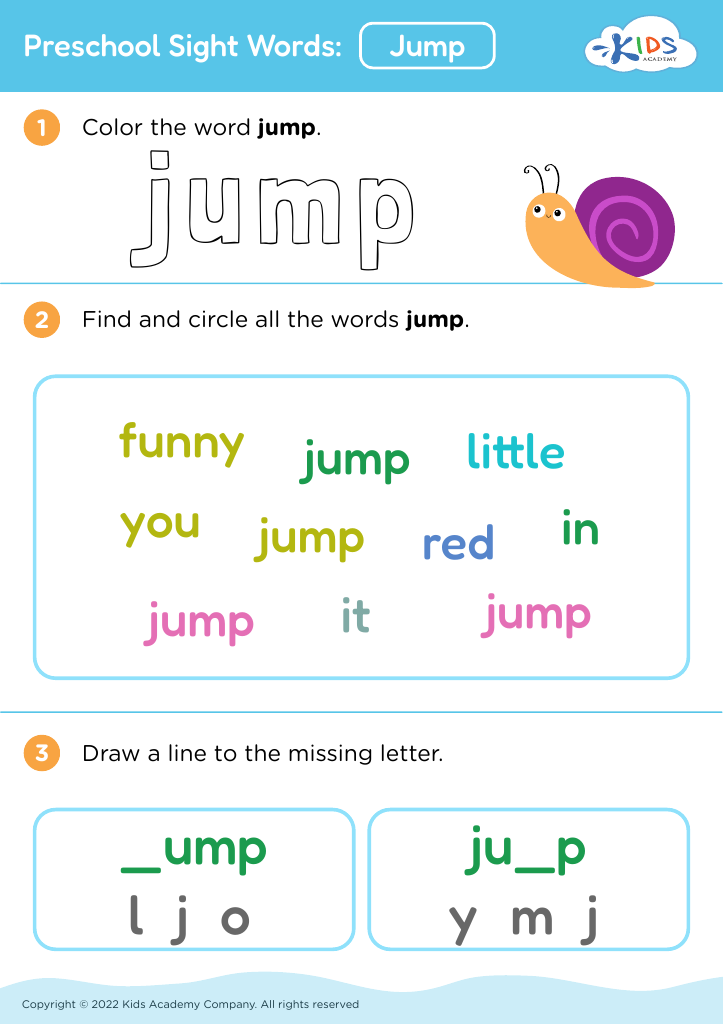
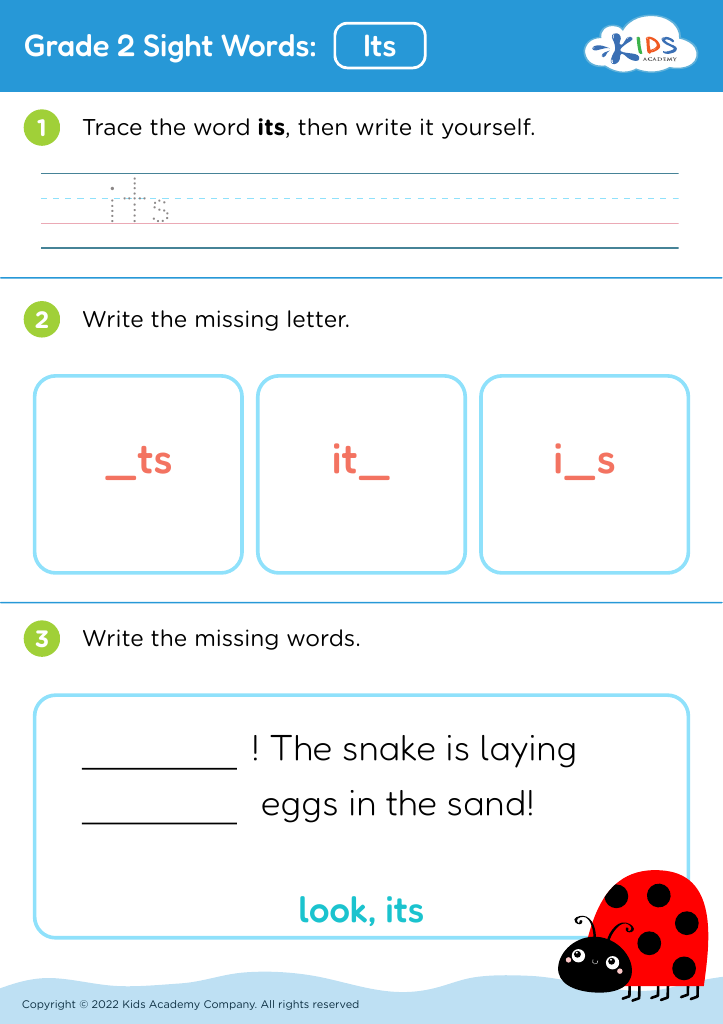
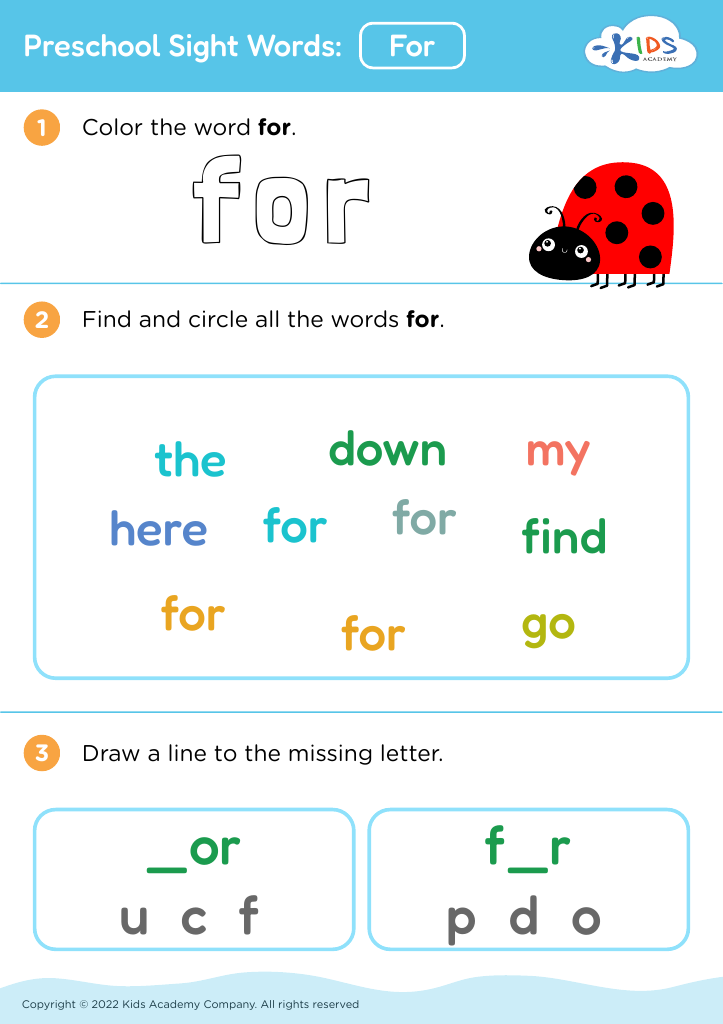
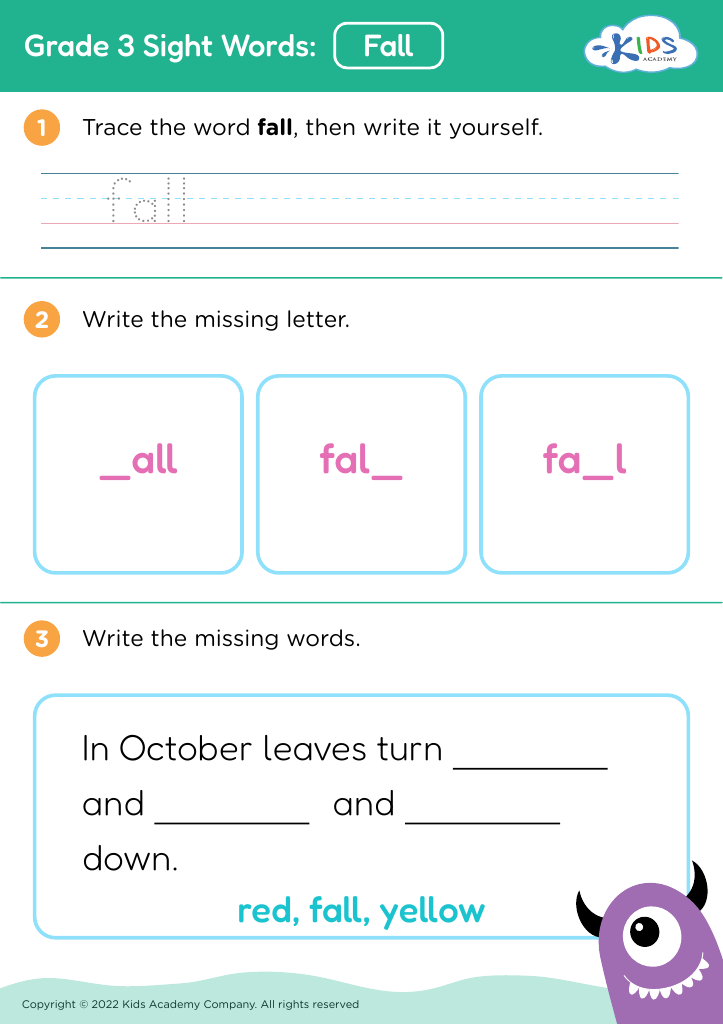
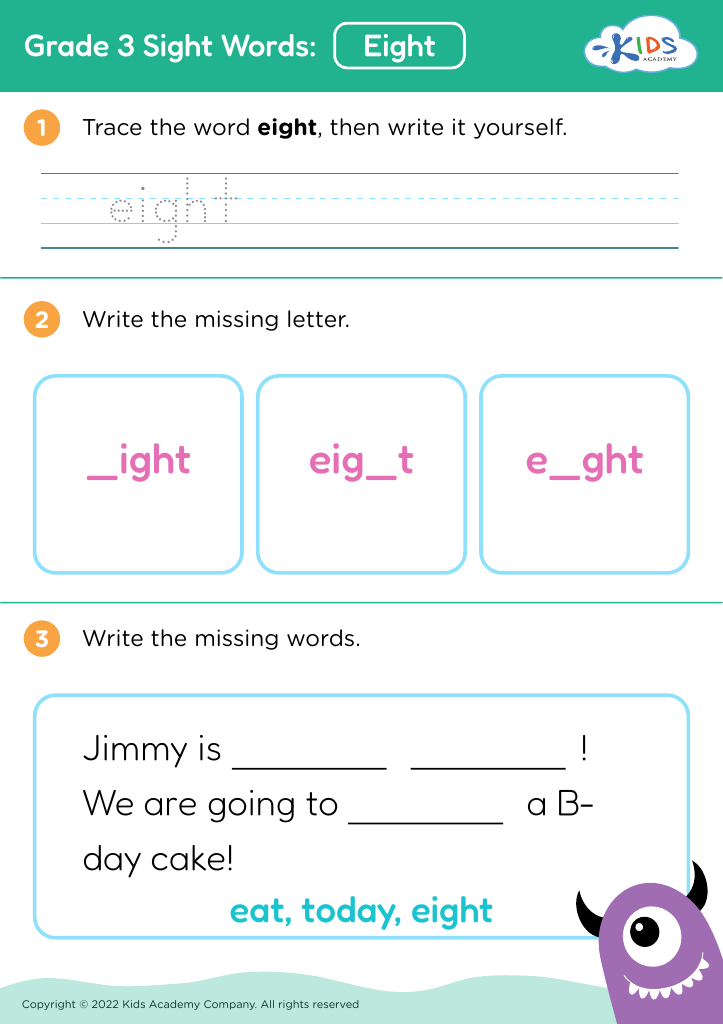
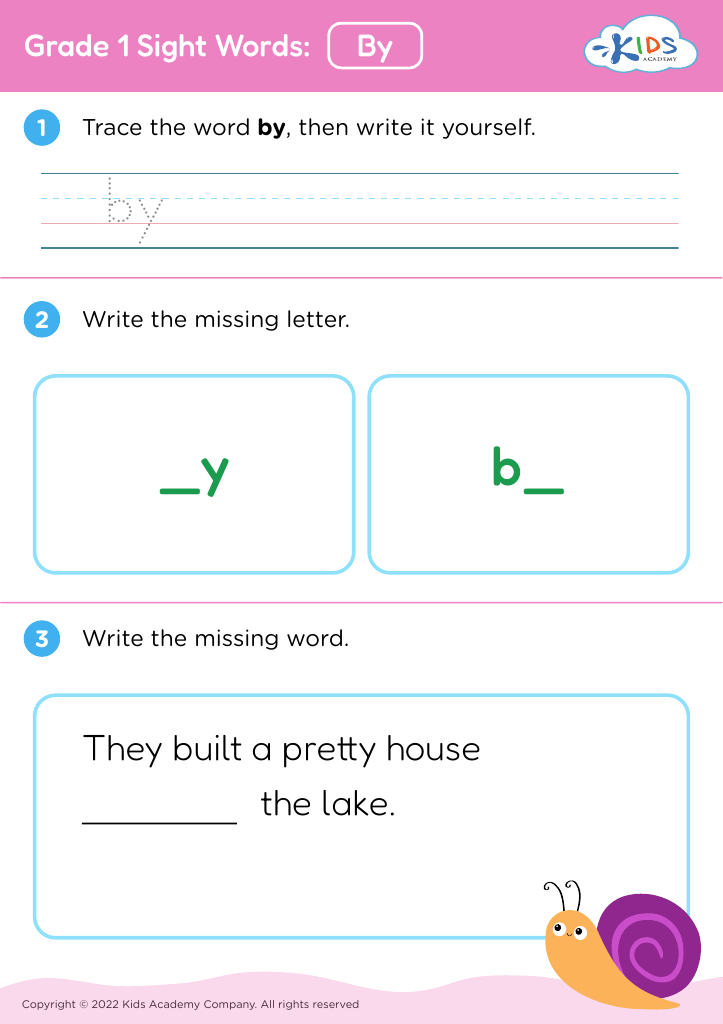
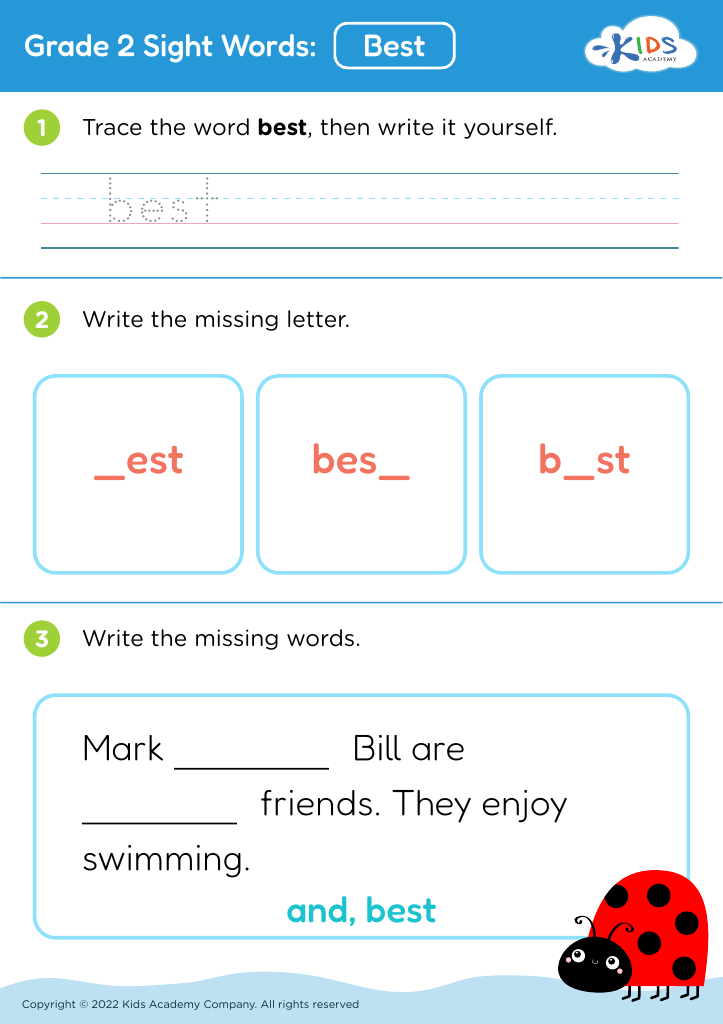
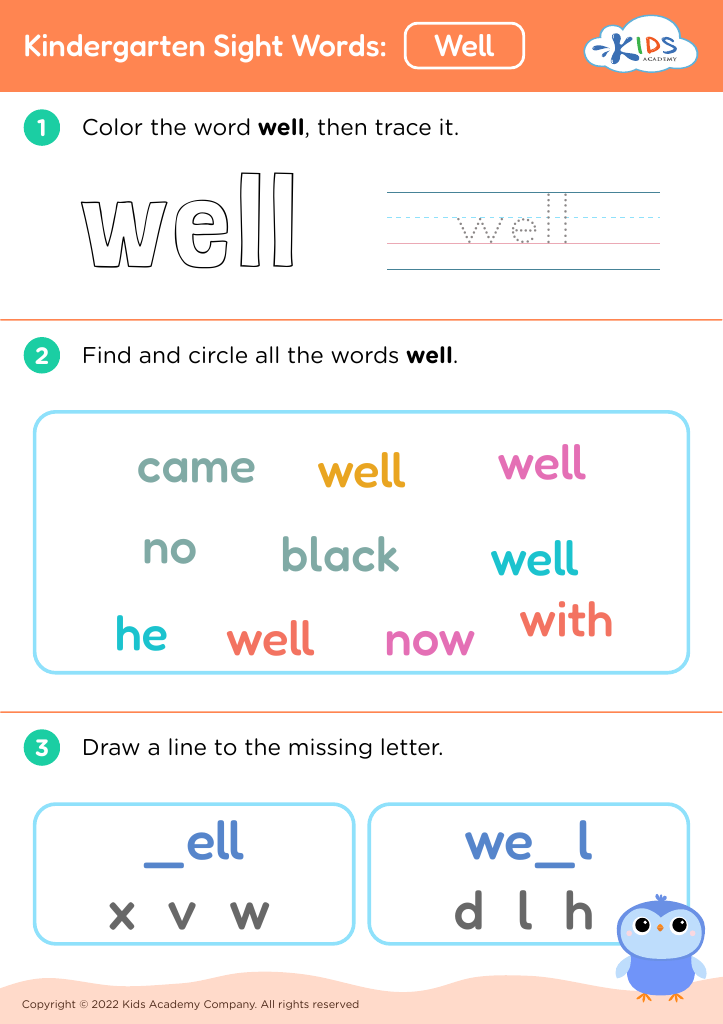
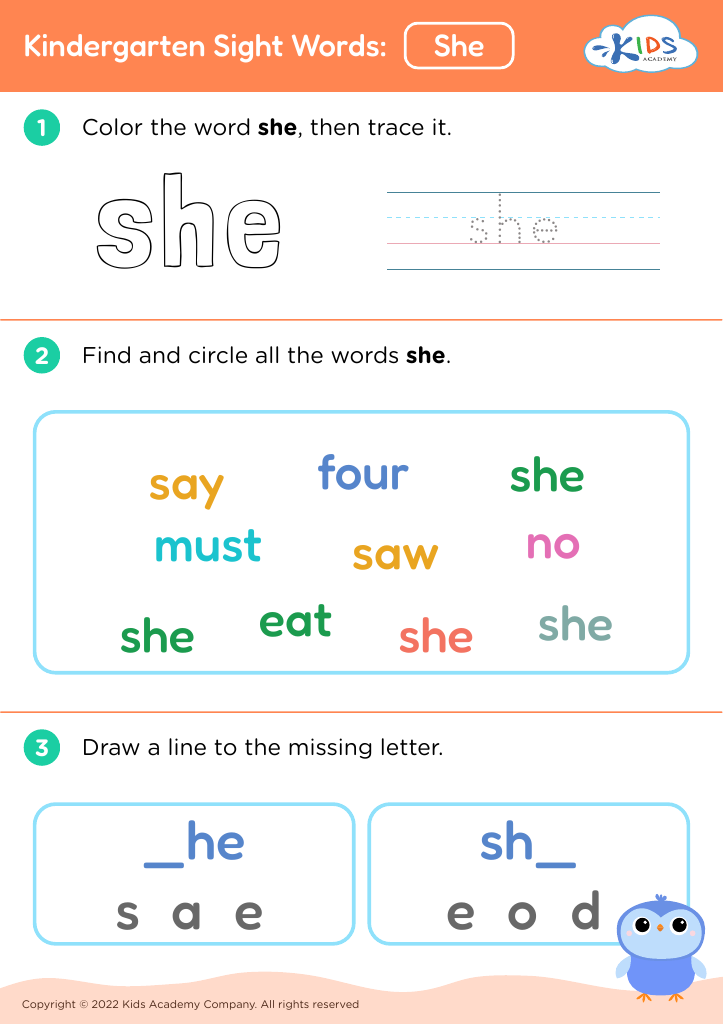








Recognizing shapes and building vocabulary are crucial for the developmental milestones of children aged 3 to 8. Understanding shapes helps young learners comprehend their physical environment, fostering spatial awareness and problem-solving skills. It also lays the foundation for more complex mathematical concepts, such as geometry, which they will encounter later in their education. Recognizing shapes encourages critical thinking as children identify and describe objects around them, thereby enhancing their analytical abilities.
Equally important is vocabulary development during these formative years. A rich vocabulary enhances communication skills, allowing children to express their thoughts and feelings effectively. Expanding their vocabulary fosters better comprehension skills, essential for reading and listening. Children with a strong vocabulary are often more engaged in conversations, which promotes social interaction and emotional intelligence.
Together, recognizing shapes and building vocabulary provide a comprehensive learning experience that supports cognitive, linguistic, and emotional growth. For parents and teachers, actively engaging children in activities that promote these skills creates a dynamic and enjoyable learning environment. This holistic approach not only sets a solid foundation for future academic success but also nurtures self-confidence and critical thinking, equipping children with essential tools for lifelong learning and social interaction.








