Shape Recognition Building Vocabulary Worksheets for Ages 3-8
7 filtered results
-
From - To
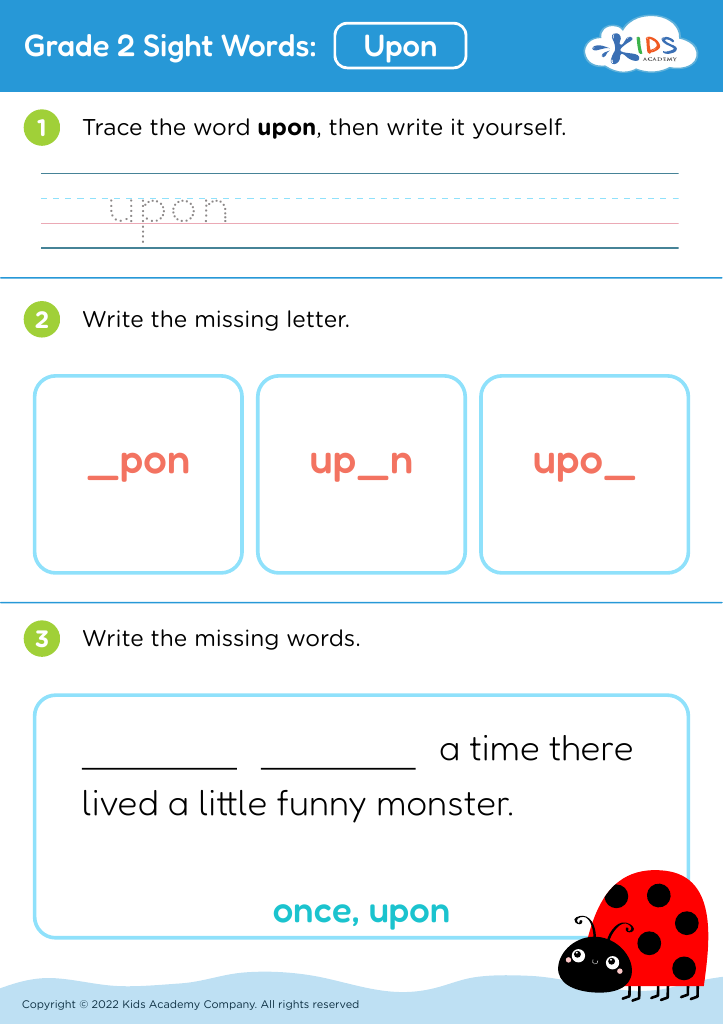
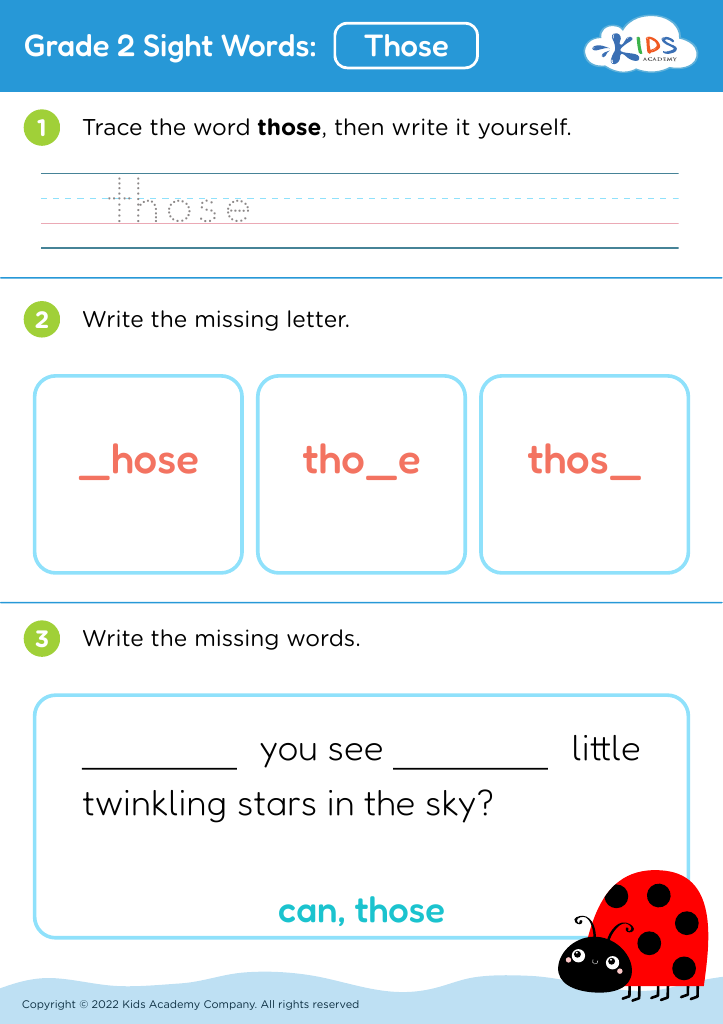
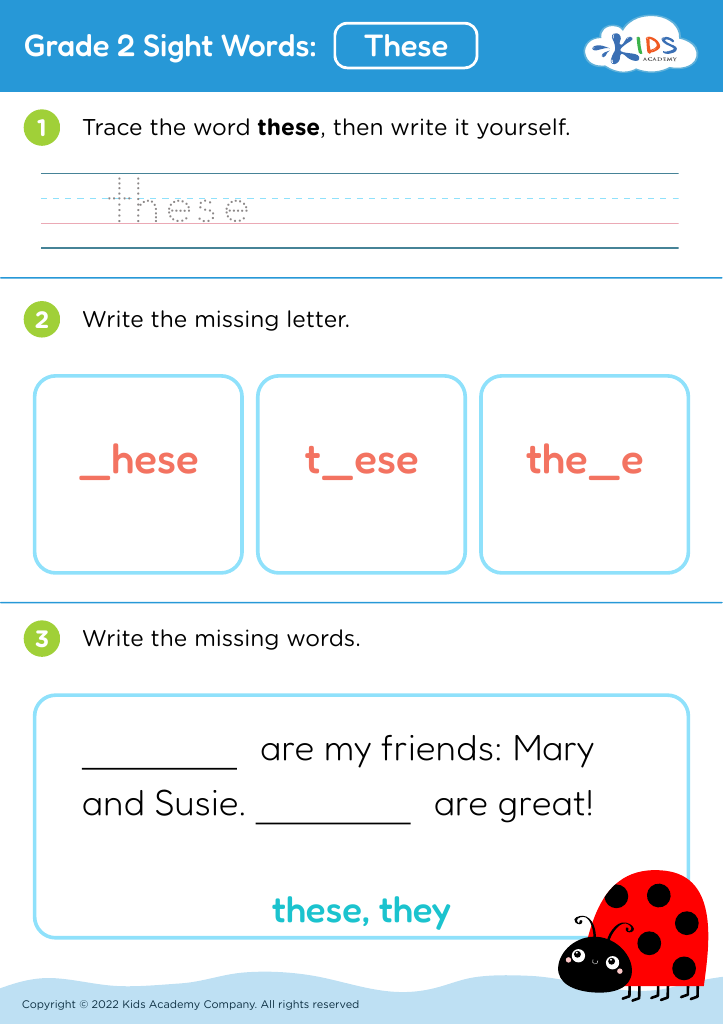
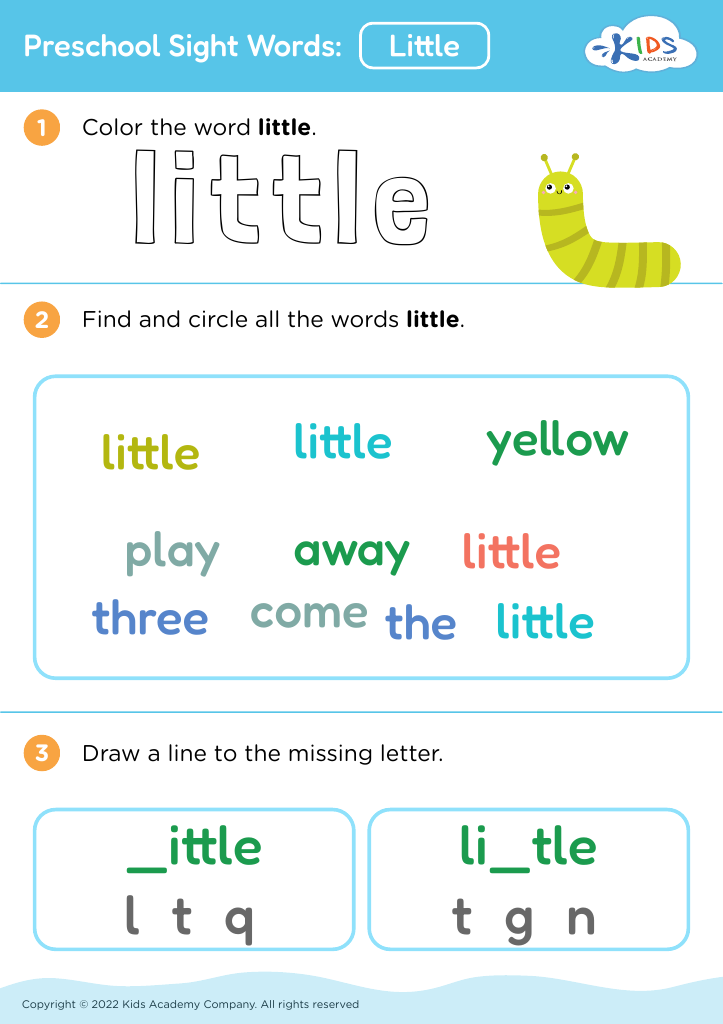
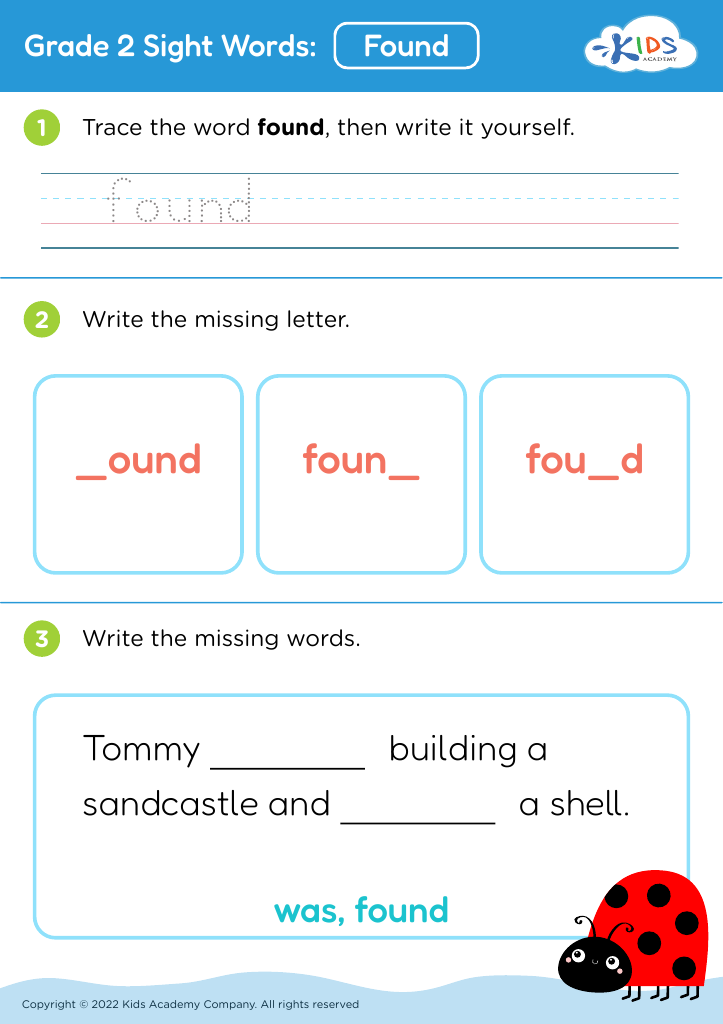
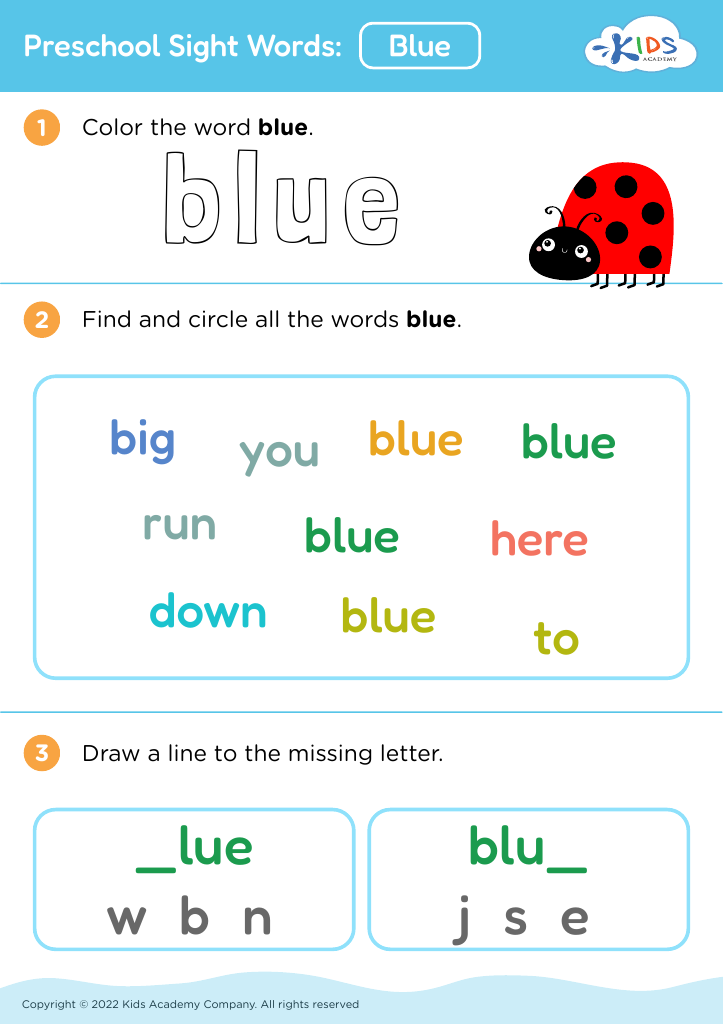
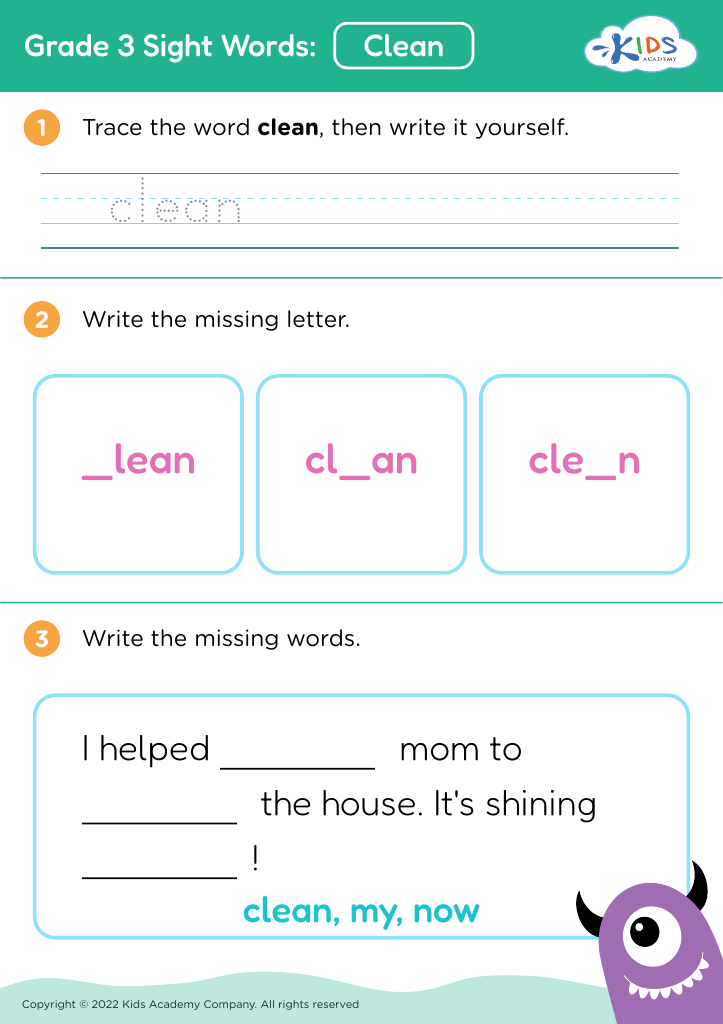
Our Shape Recognition Building Vocabulary Worksheets for Ages 3-8 are designed to make learning both fun and effective! Perfect for early learners, these worksheets help children identify and name various shapes while expanding their vocabulary. Through engaging activities, kids enhance their cognitive and visual discrimination skills, build confidence, and foster a love for learning. Each worksheet includes vibrant illustrations and simple instructions tailored for young minds. Help your child master essential shape recognition and vocabulary skills with our expertly crafted resources, and watch them thrive academically and creatively. Ideal for parents, teachers, and caregivers aiming to provide quality educational experiences.
















.jpg)


Shape recognition is an essential early childhood skill that serves as a foundation for math, literacy, and cognitive development. For children aged 3-8, recognizing and naming shapes enhances their vocabulary, enabling them to describe the world more precisely. When parents and teachers focus on this area, they contribute to a child's ability to differentiate between objects, which is crucial for problem-solving and categorization skills.
Shape recognition also helps with understanding more complex concepts like geometry as children grow older. By identifying shapes like circles, squares, and triangles, children learn the basic components of letters and numbers, aiding in early reading and math skills. Moreover, discussing shapes improves listening and communication abilities, as children must understand and use descriptive language.
Activities like sorting objects, drawing, or playing with shape puzzles can make learning this skill fun while reinforcing fine motor skills. Shape recognition, therefore, isn't just about knowing a circle from a square; it's intertwined with essential academic and life skills. Encouraging children in this area prepares them for kindergarten and beyond, setting a robust basis for their educational journey. Thus, parents and teachers should prioritize shape recognition and shape-related vocabulary to boost confidence and school readiness.








