Sight word recognition Building Vocabulary Worksheets for Ages 3-8
15 filtered results
-
From - To
Discover our Sight Word Recognition Building Vocabulary Worksheets designed for children ages 3-8. These engaging resources are perfect for young learners to enhance their reading skills and vocabulary. Each worksheet focuses on essential sight words, promoting early literacy and language development. Bright, playful designs captivate kids, making learning fun and effective. Ideal for both classroom and at-home use, these worksheets provide a solid foundation in reading, boosting confidence as children recognize and employ new words. Help your child thrive with exercises targeted to improve concentration, memory, and fluency in reading. Start building strong foundational skills today!
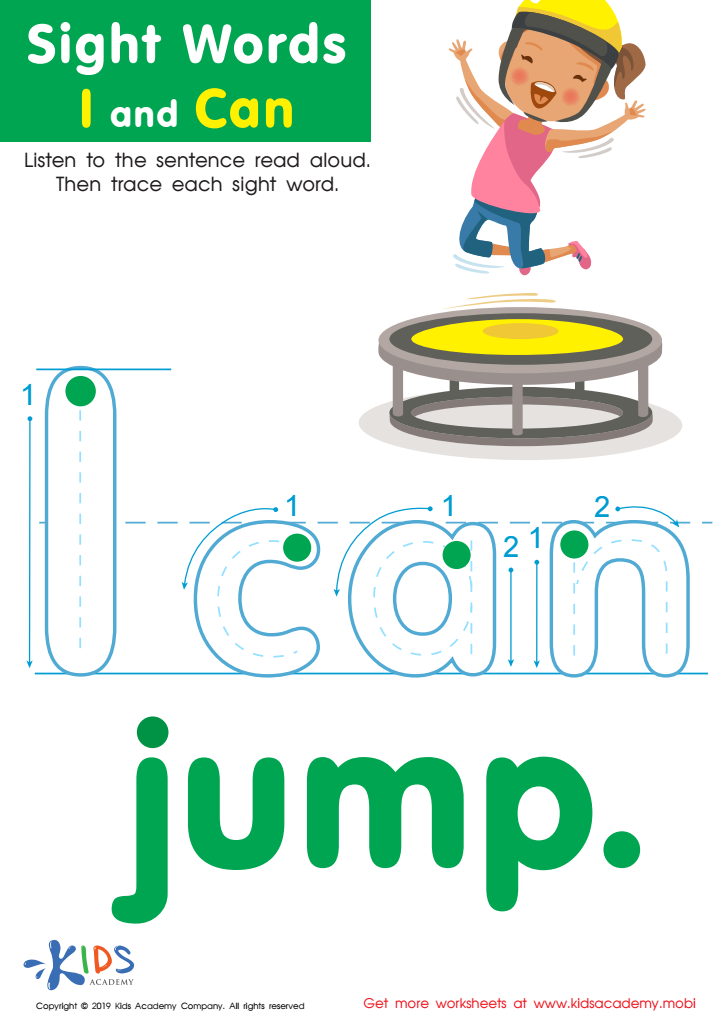
Sight Words I Can Worksheet
 Assign to My Students











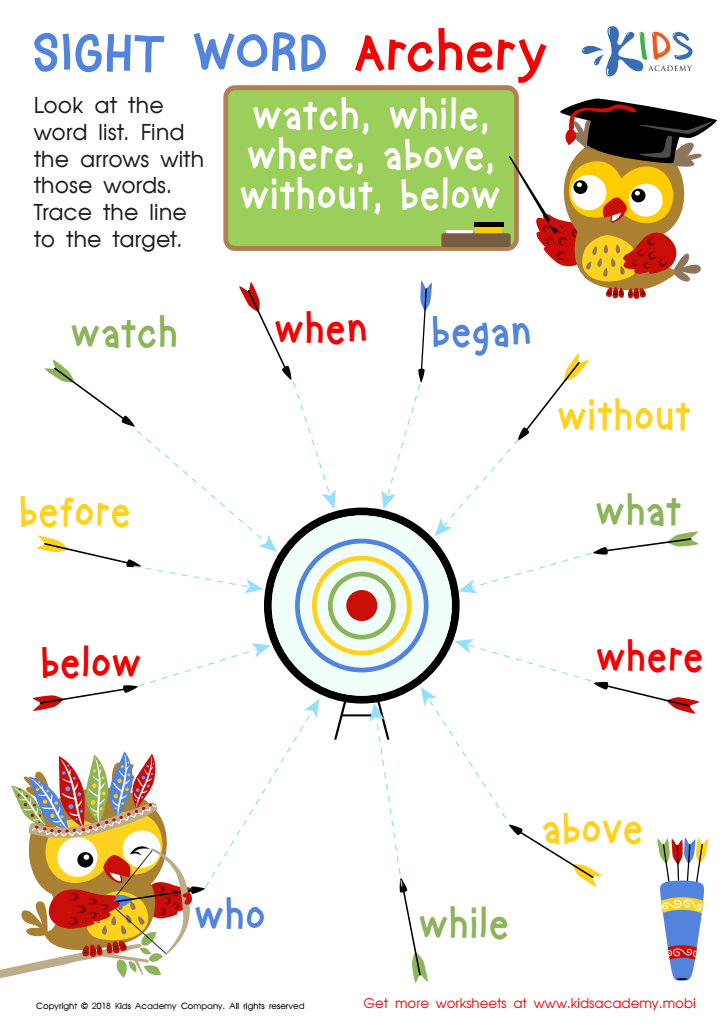
Sight Word Archery Worksheet
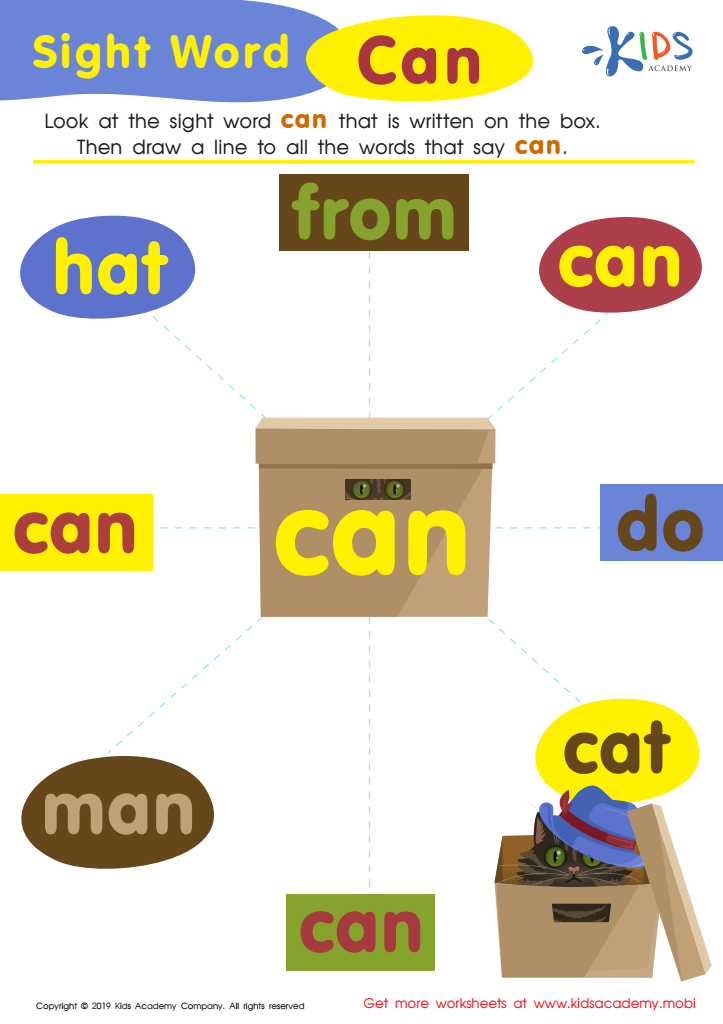
Sight Word Can Worksheet
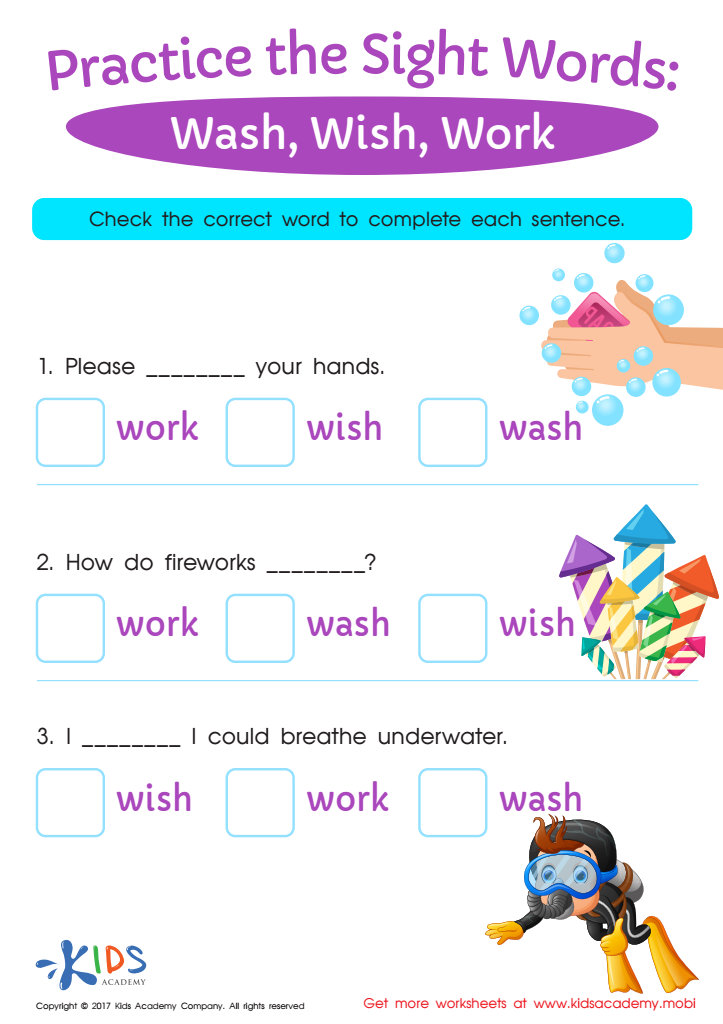
Wash, Wish, Work Sight Words Worksheet
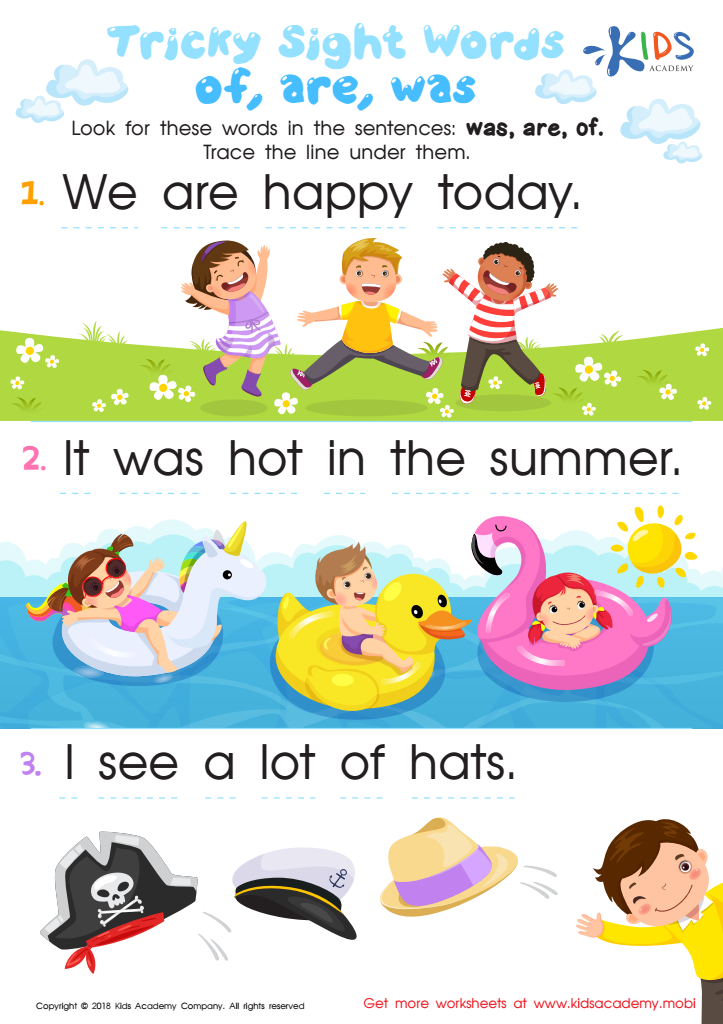
Tricky Sight Words Worksheet
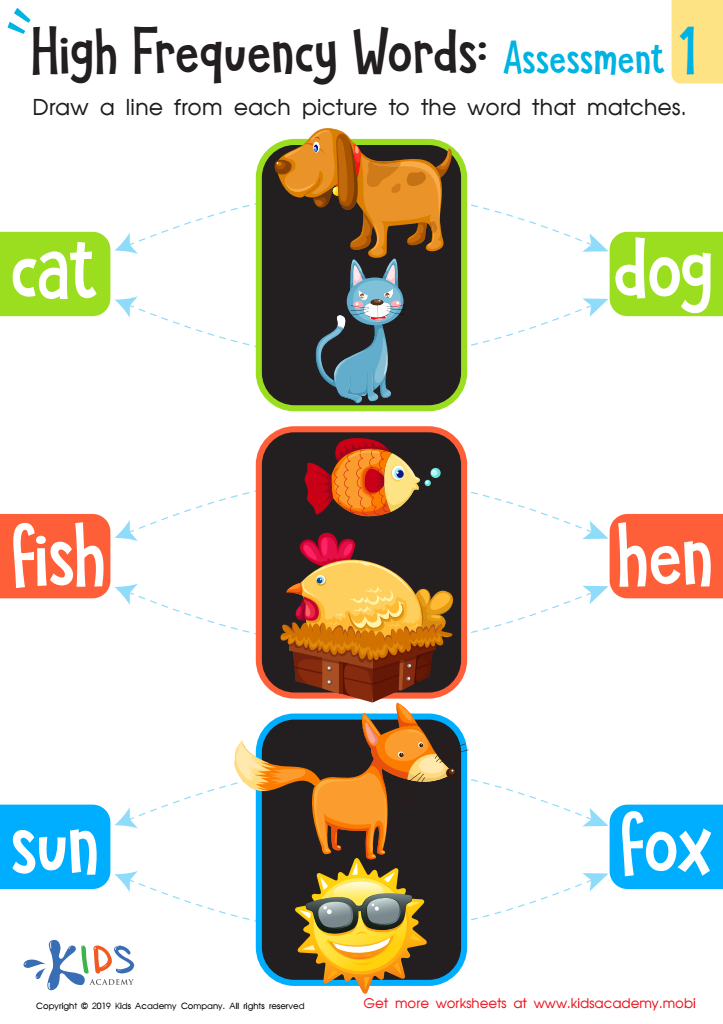
High Frequency Words: Assessment 1 Worksheet
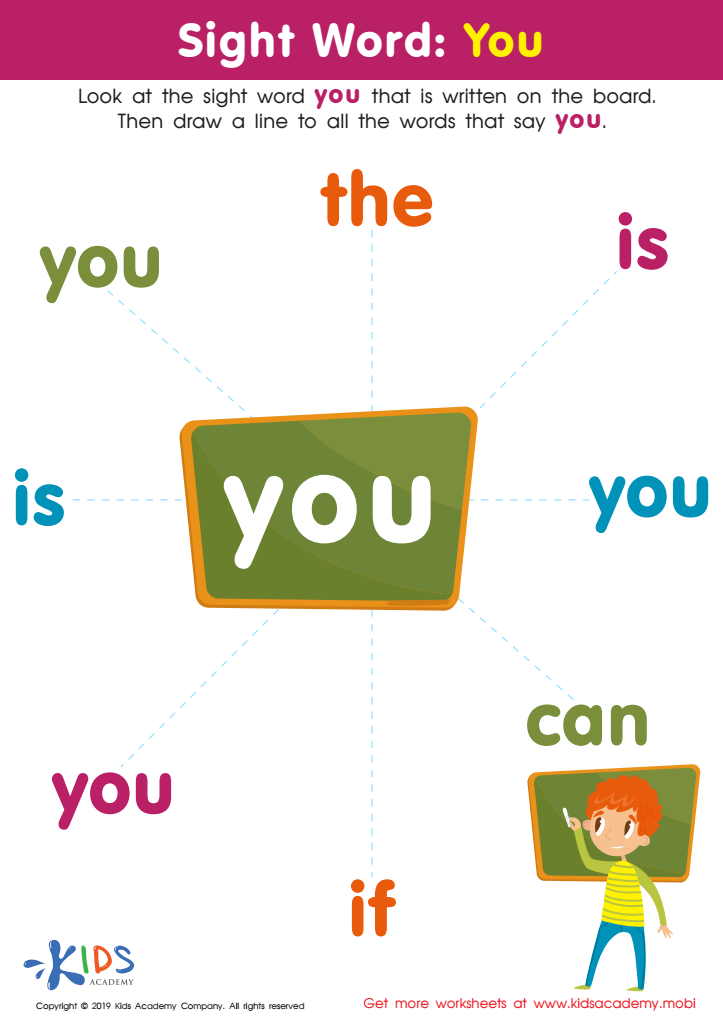
Sight Word You Worksheet
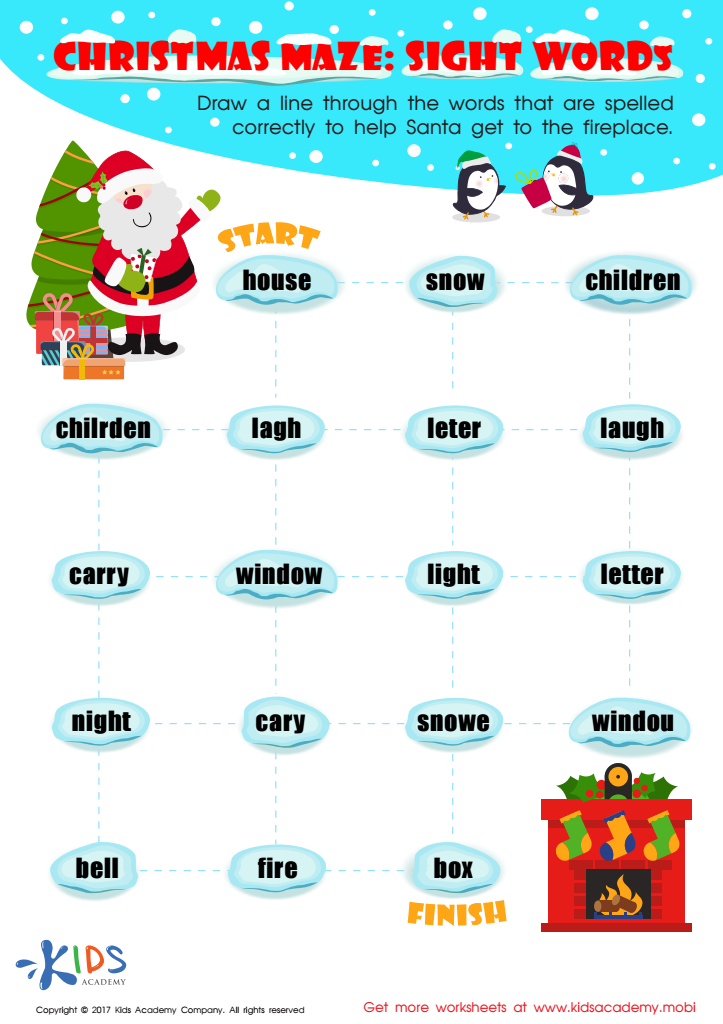
Sight Words Christmas Maze Printable
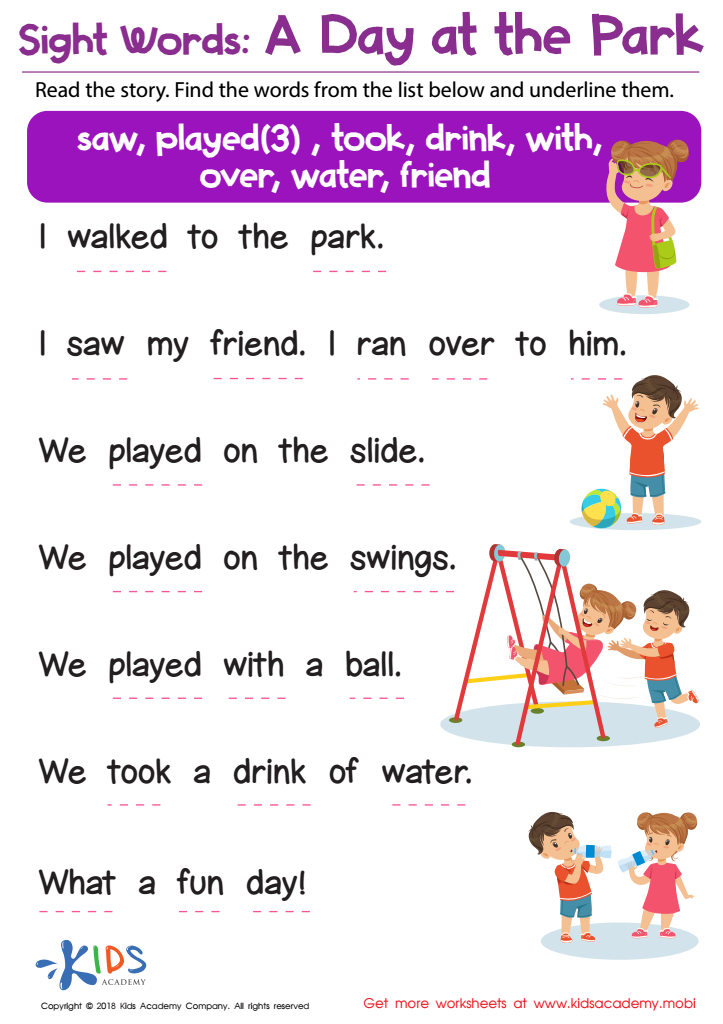
Sight Words: A Day at the Park Worksheet
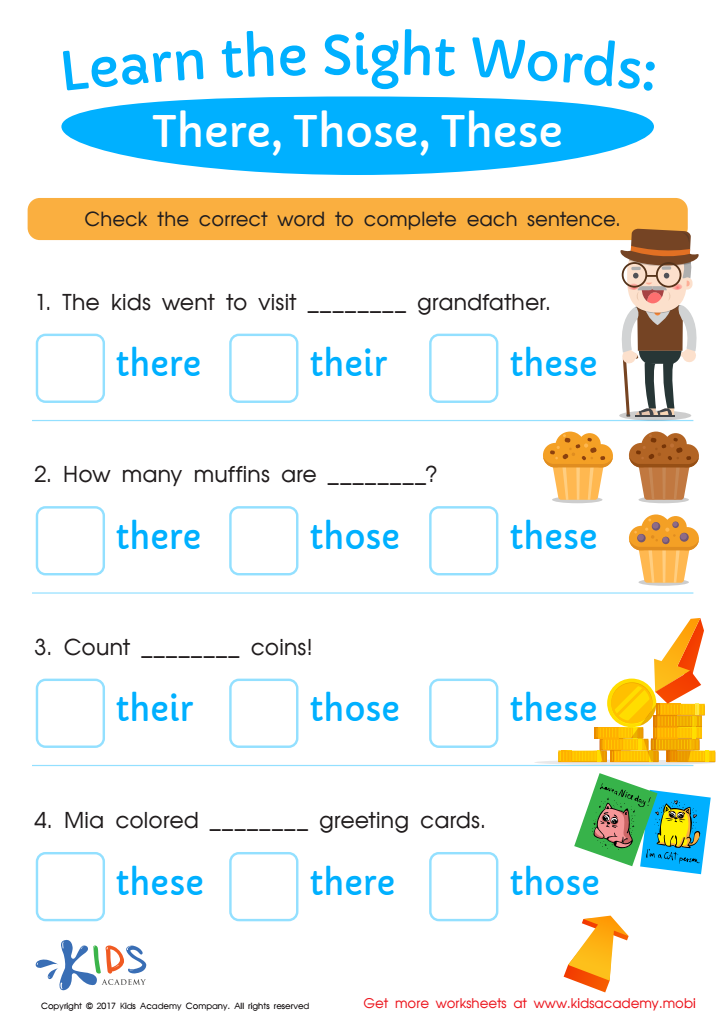
There, Those and These Sight Words Worksheet
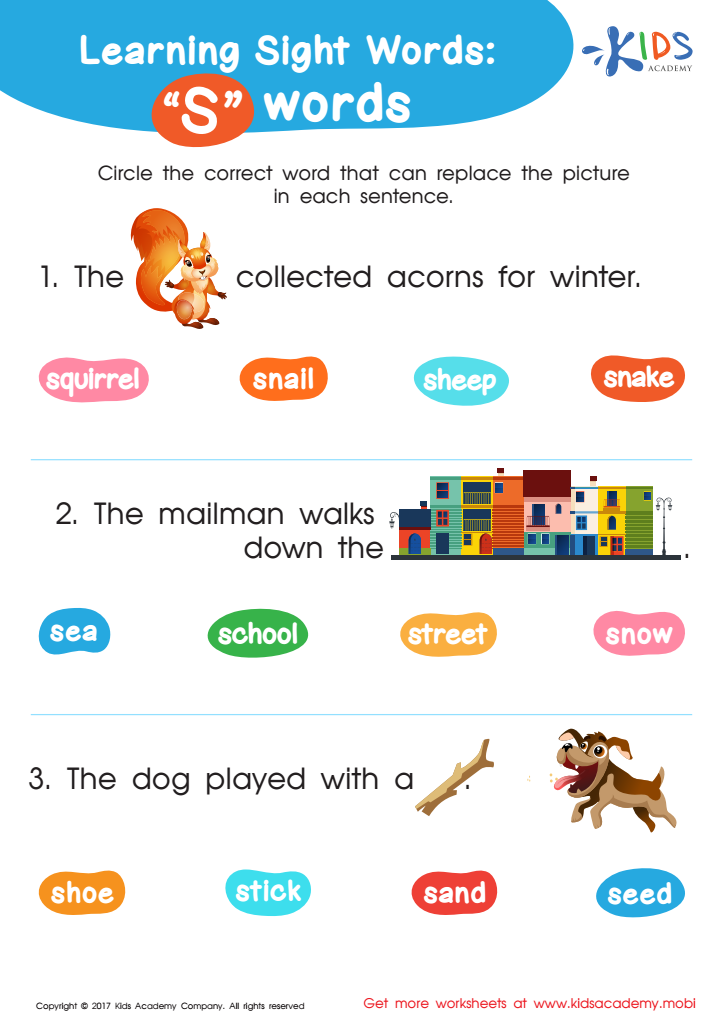
S Words Sight Words Worksheet
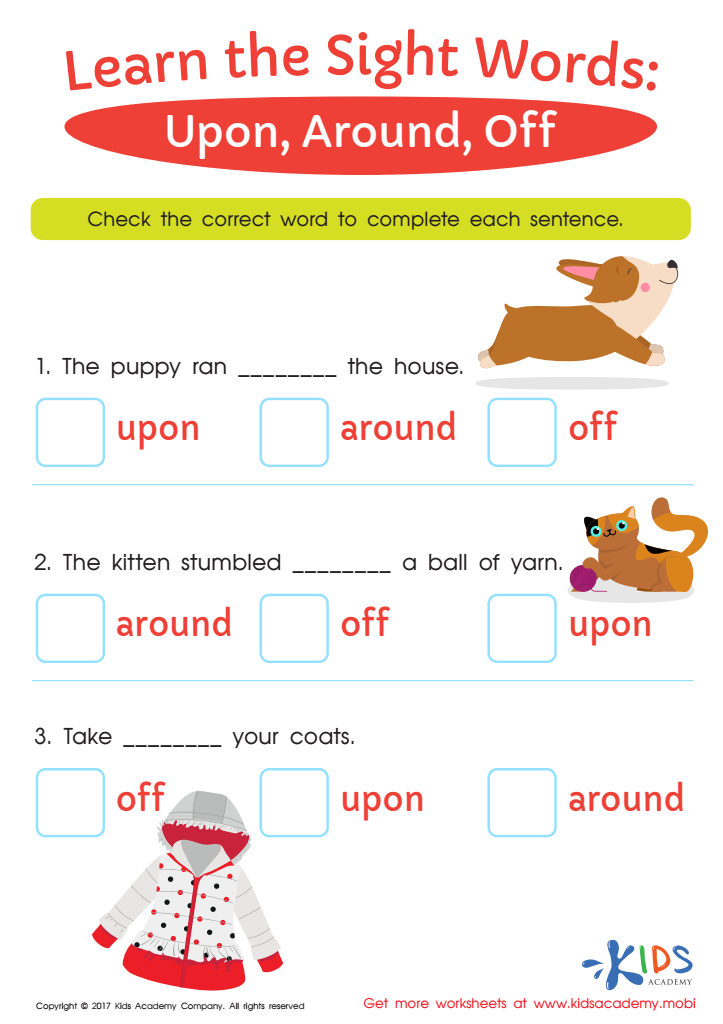
Upon, Around, Off Sight Words Worksheet
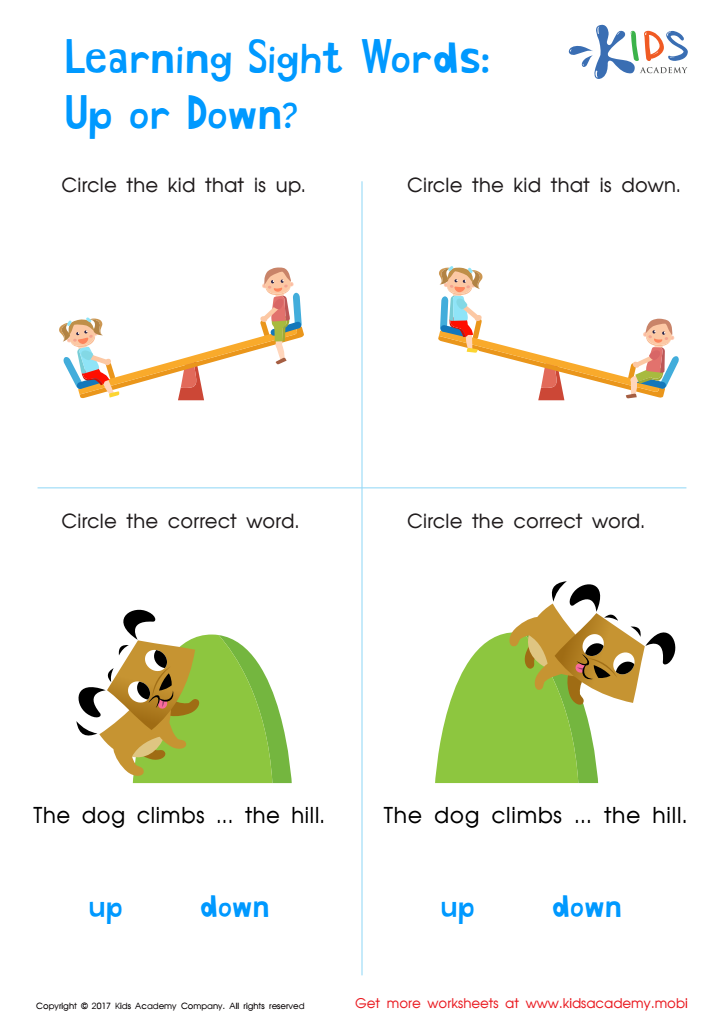
Up or Down Printable Sight Words Worksheet
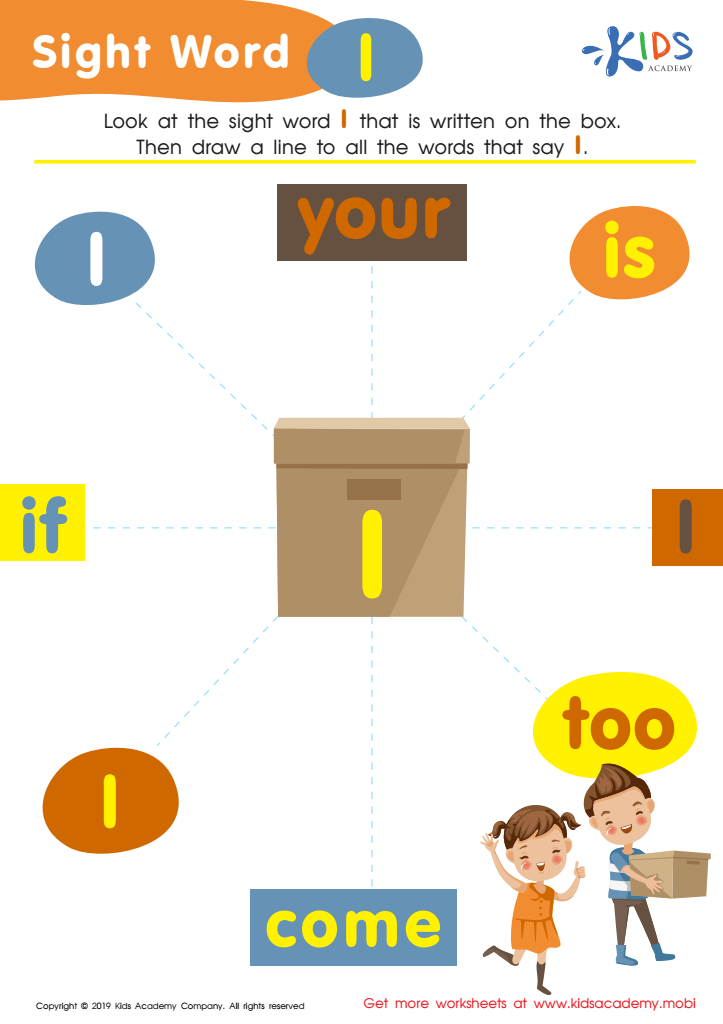
Sight Word I Worksheet
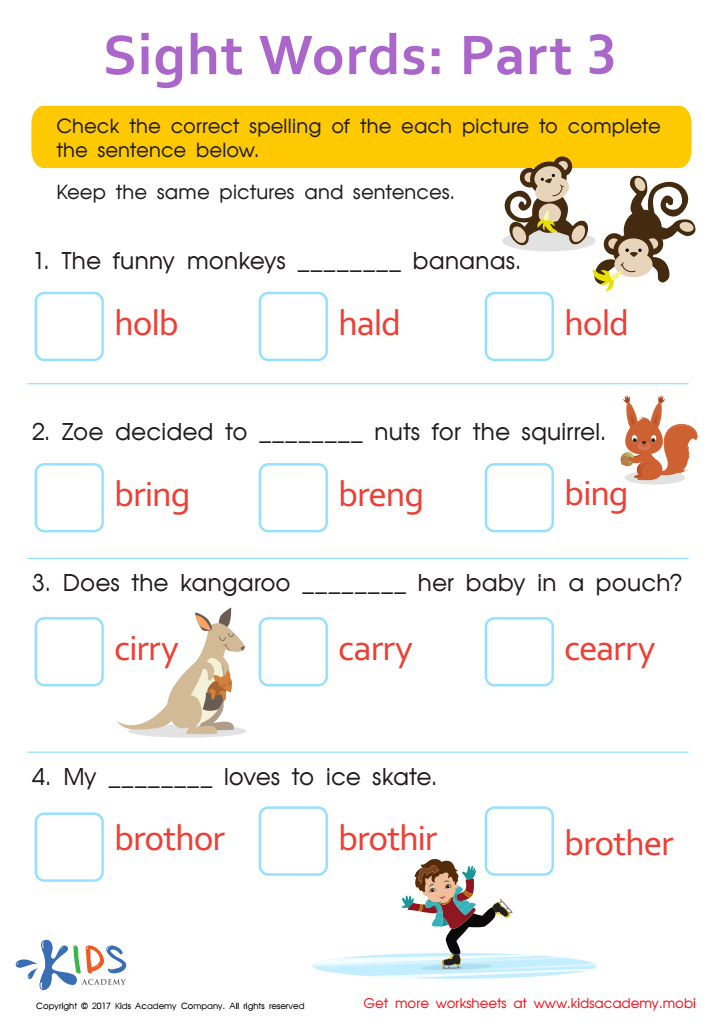
Hold, Bring, Carry, Brother Sight Words Worksheet








Sight word recognition is crucial for children aged 3-8 because it lays the foundation for successful reading and overall literacy development. Sight words are high-frequency words that children encounter frequently in texts. These words often do not follow regular phonetic rules, making them difficult for young readers to sound out.
For parents and teachers, focusing on sight word recognition at an early age provides several benefits:
-
Reading Fluency: Familiarity with sight words allows children to read more smoothly and quickly since they don’t have to pause to decode each word, improving their reading fluency.
-
Confidence Building: As children recognize more sight words, their confidence in reading grows. This increased self-assurance can motivate them to read independently and enjoy the process.
-
Comprehension: Quick recognition of sight words frees up cognitive resources, allowing children to focus more on understanding the meaning of the text rather than merely decoding it.
-
Academic Success: Strong literacy skills are foundational for all academic areas. Early competence in reading can lead to better performance in subjects that involve reading comprehension.
-
Lifelong Learning: Early exposure to a broad vocabulary enhances children’s overall language development, aiding in communication skills and future learning.
By prioritizing sight word recognition, parents and teachers are investing in a child’s academic success and lifelong ability to learn and communicate effectively.








